Coffee Guides: Beans, Brewing, Storage and Caffeine
Four things decide what lands in your cup: the bean, the grind, the water, and the time they spend together. Change one and the flavour moves.
Brewing coffee is extraction. Hot water pulls acids, sugars, and bitter compounds out of ground coffee, and it pulls them out in that order. Stop too early and the cup is sour and thin. Go too far and it turns harsh and dry.
Everything a brewing guide tells you to adjust is a way of controlling that: a finer grind extracts faster, hotter water extracts faster, more time extracts more.
The grinder outranks the brewer, and it is the purchase people make last. An even grind is what lets water reach the whole bed at the same rate, and no pouring technique rescues a bed of mixed sizes.
Water is the other thing left out of the calculation. Very hard water mutes acidity and flattens the cup, very soft water extracts unevenly and tastes hollow, and a filter jug is cheaper than any new brewer.
Freshness sets a ceiling on all of it. Coffee gives up most of its aroma in the first two or three weeks after roasting, and nothing downstream recovers what has already left the bean.
Method decides the shape of the cup rather than its strength. Immersion gives body and sediment, percolation gives clarity, and pressure gives concentration, which is why the same beans read differently through each.
Strength is a ratio, not a roast.
A dark roast tastes stronger and is not, and the pages on caffeine work through what actually changes the figure.
Start With These Coffee Guides
The drinks behind most cafe menus, and the brew that rewards the least equipment.
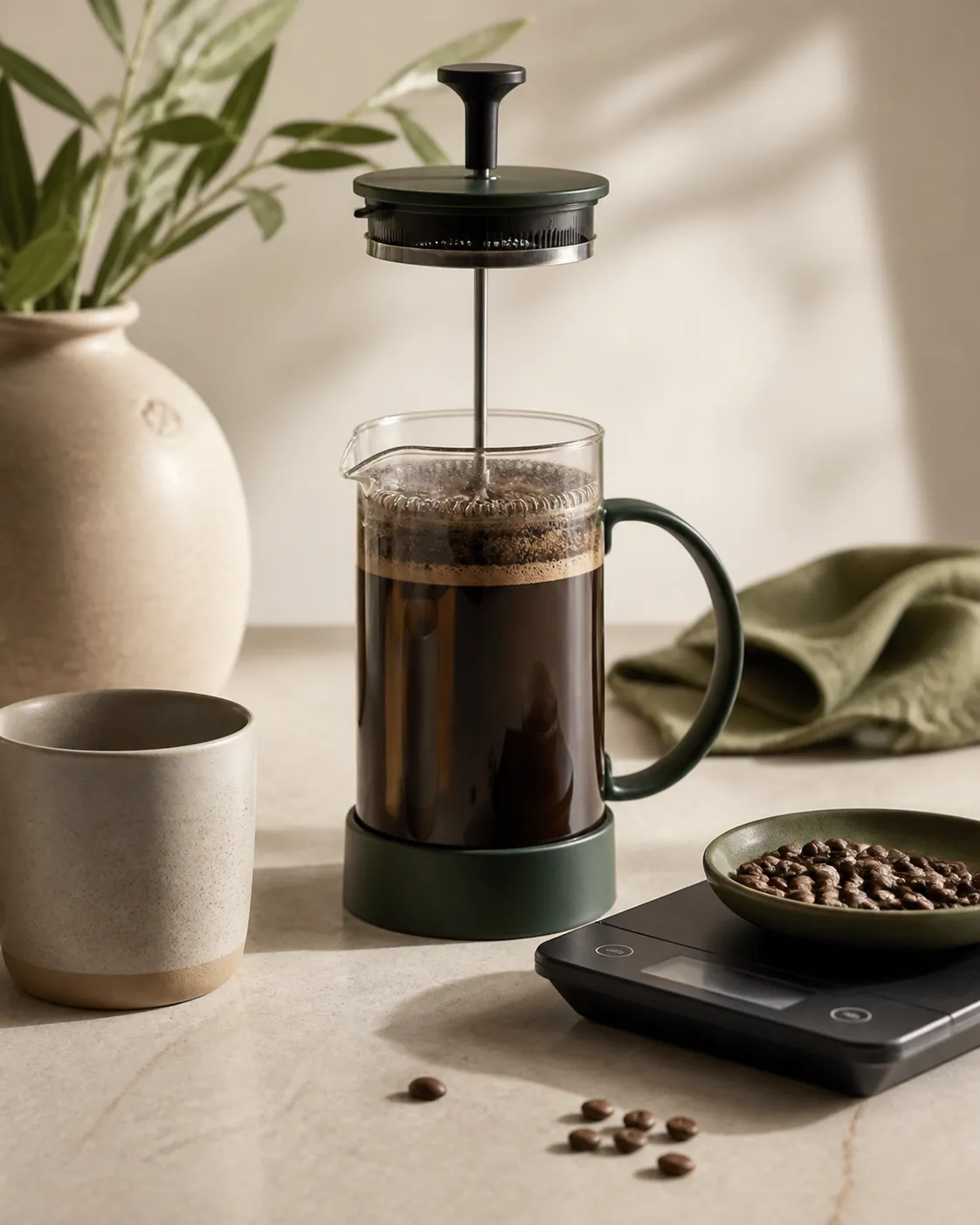
How to Make French Press Coffee: Grind, Ratio, and Timing
Coarse grind, a 1:16 ratio of coffee to water, water just off the boil, four minutes, then plunge slowly and pour it...
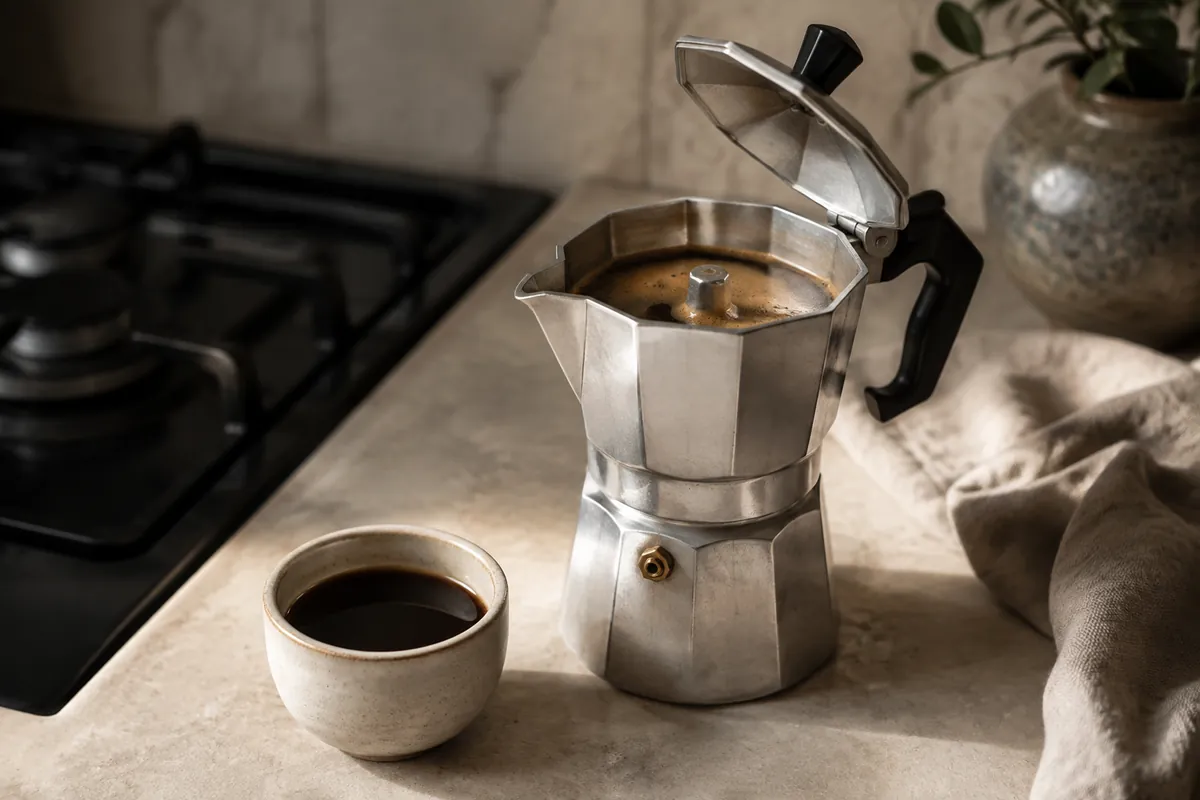
What Is Moka Pot Coffee? Taste, Pressure, and Serving
Moka pot coffee is concentrated and full-bodied, but it is not espresso. Its heat-driven upward flow, metal filter, and...
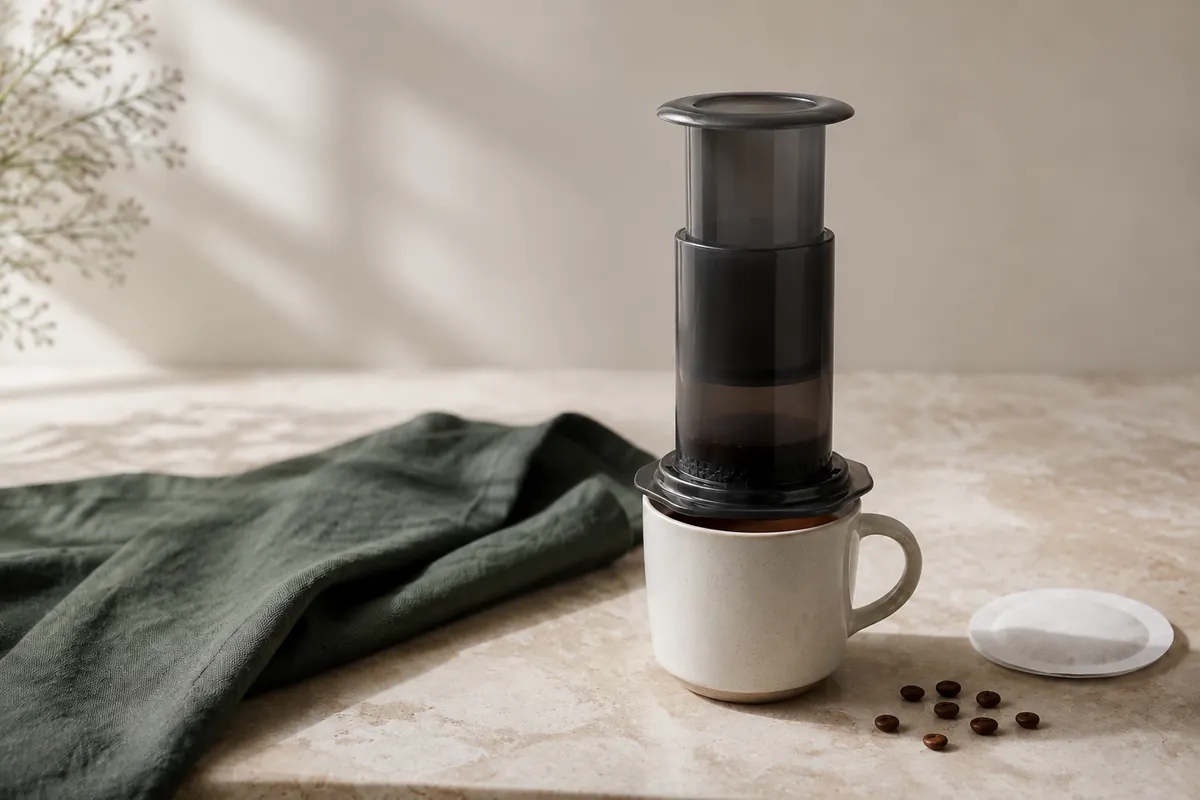
What Is AeroPress Coffee, and Is It Really Espresso?
AeroPress coffee takes its identity from the brew cycle, not from one recipe: the grounds steep together, then the...
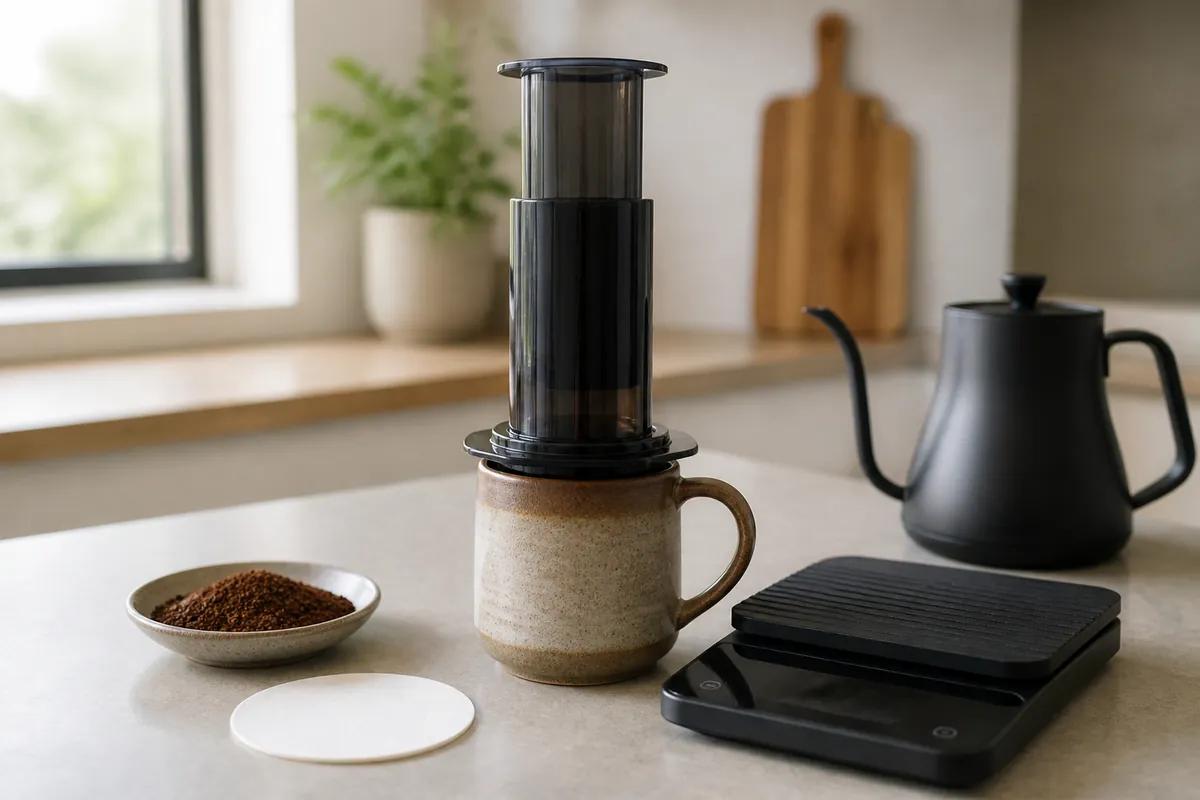
How to Make AeroPress Coffee: A Repeatable Method
Start with a measured upright brew, press gently, and use taste and plunger resistance to make one useful adjustment at...
Brewing, Storing, and Tasting Coffee
What to do at the counter: the ratio, the grind, how long beans stay good, and where the caffeine sits.
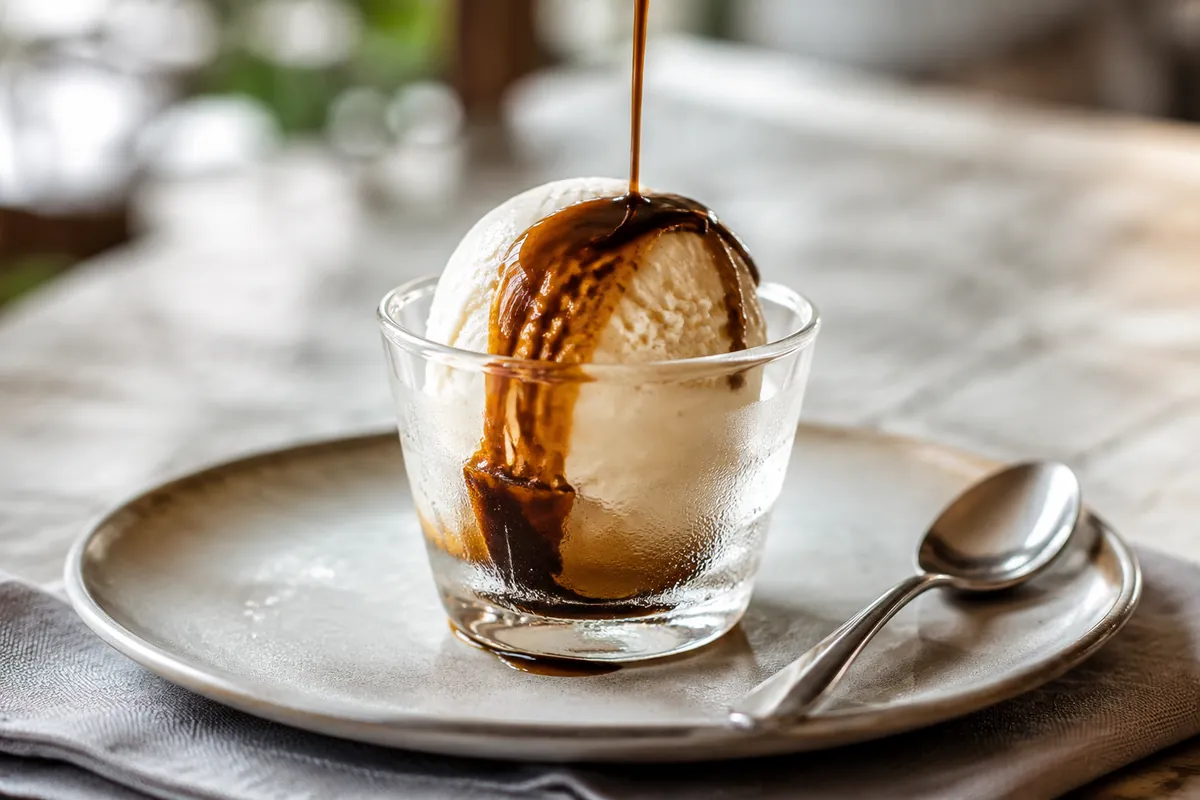
How to Make Affogato Without Melting It Too Fast
Affogato succeeds when hot concentrated coffee melts only the outside of a firm frozen scoop, leaving sauce, soft edge...
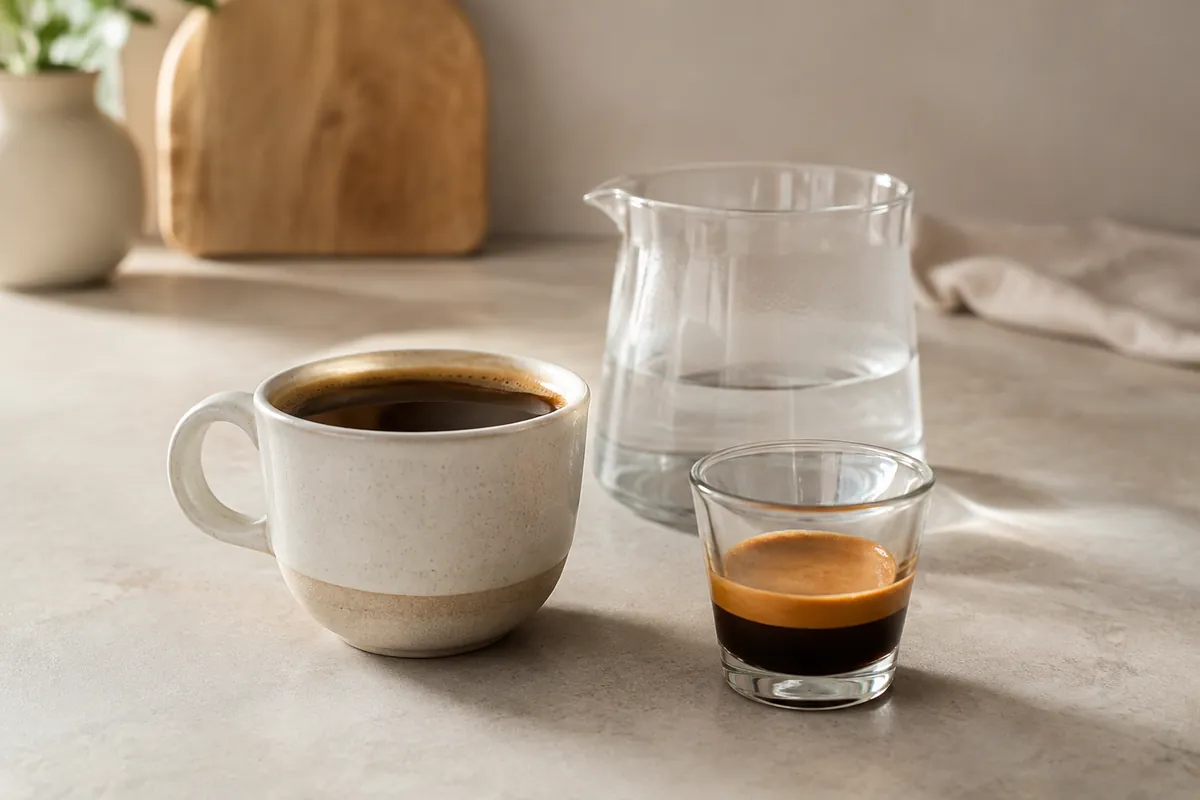
How to Make an Americano: Ratio, Water, and Pour Order
An Americano is balanced espresso diluted after extraction. Choose the final concentration deliberately and keep extra...
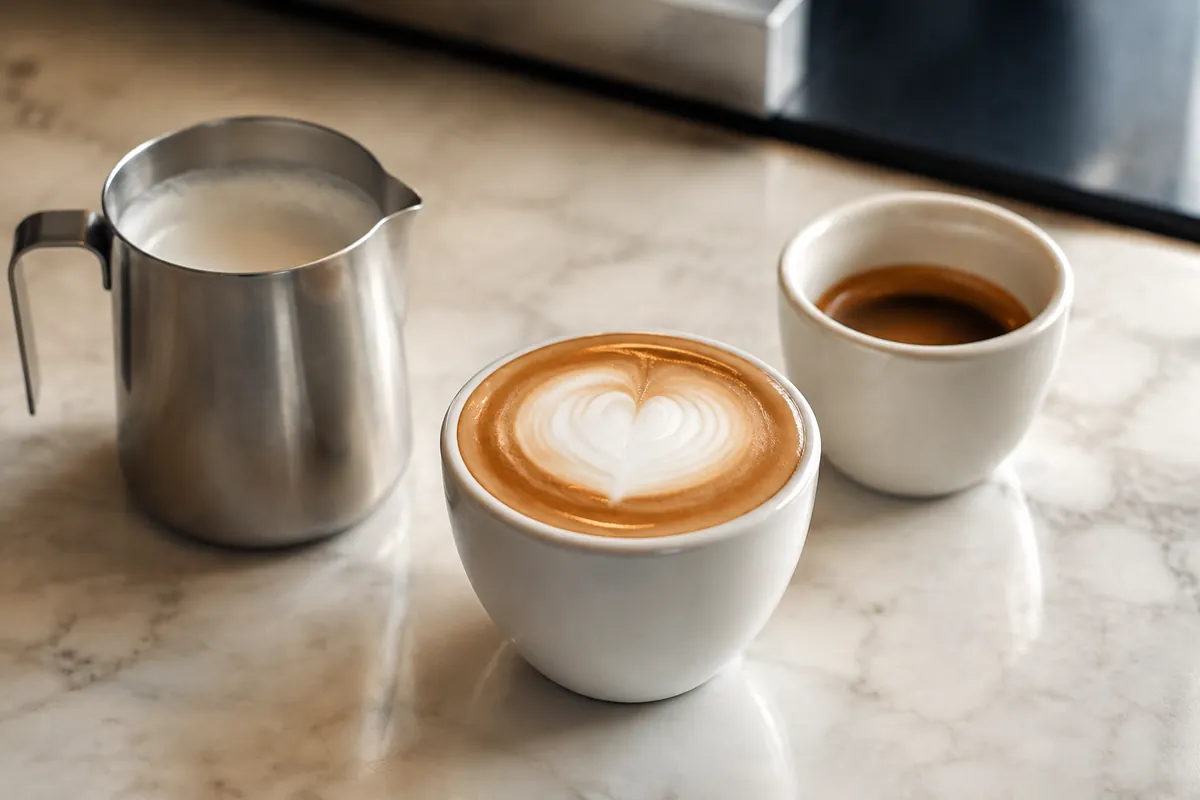
How to Make a Cappuccino With Glossy Microfoam
A cappuccino needs espresso, liquid milk, and fine mobile foam in the same sip. Cup size, early aeration, rolling, and...
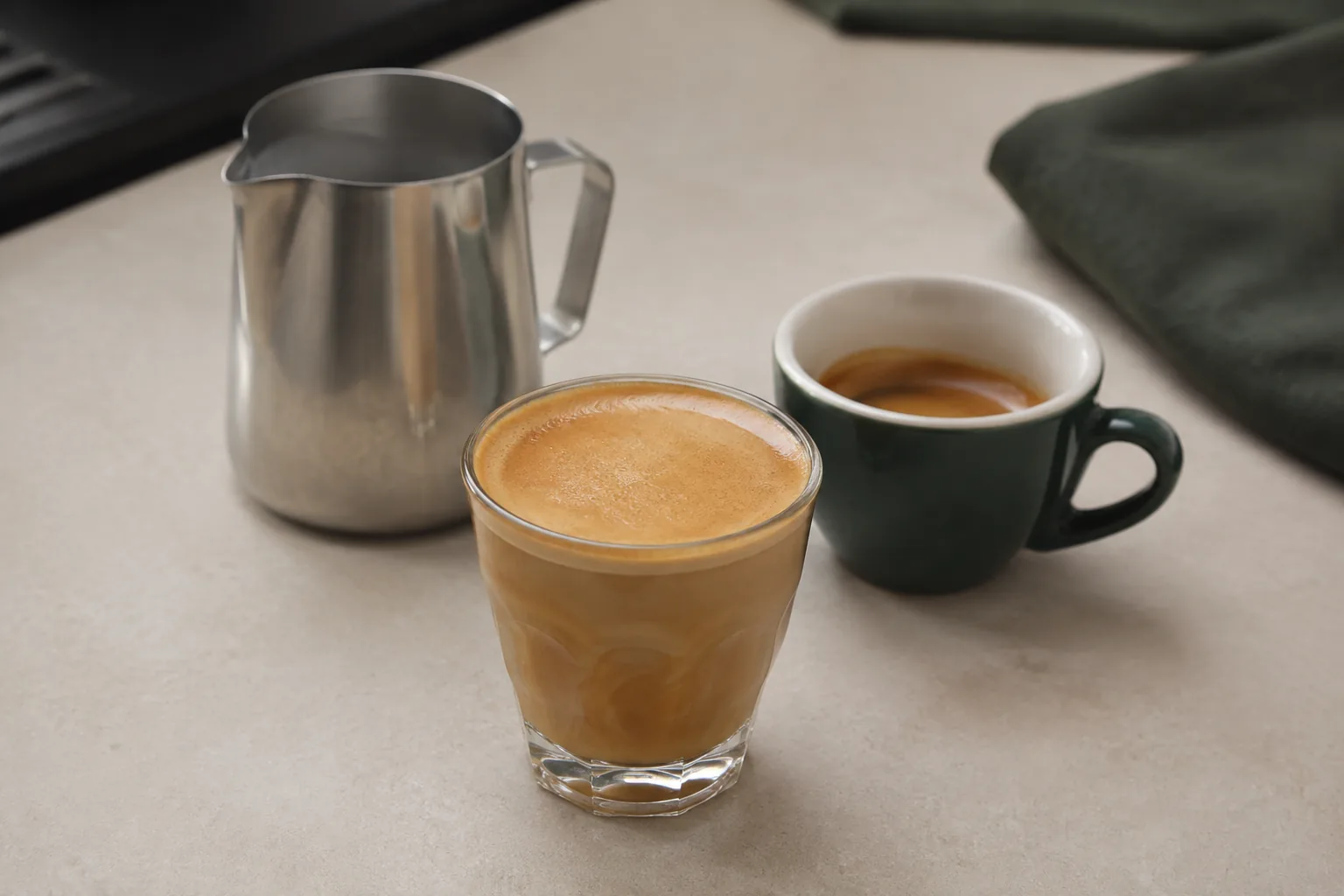
How to Make a Cortado With the Right Milk Texture
A cortado is a small espresso drink softened by roughly an equal amount of warm textured milk. The difficult part is...
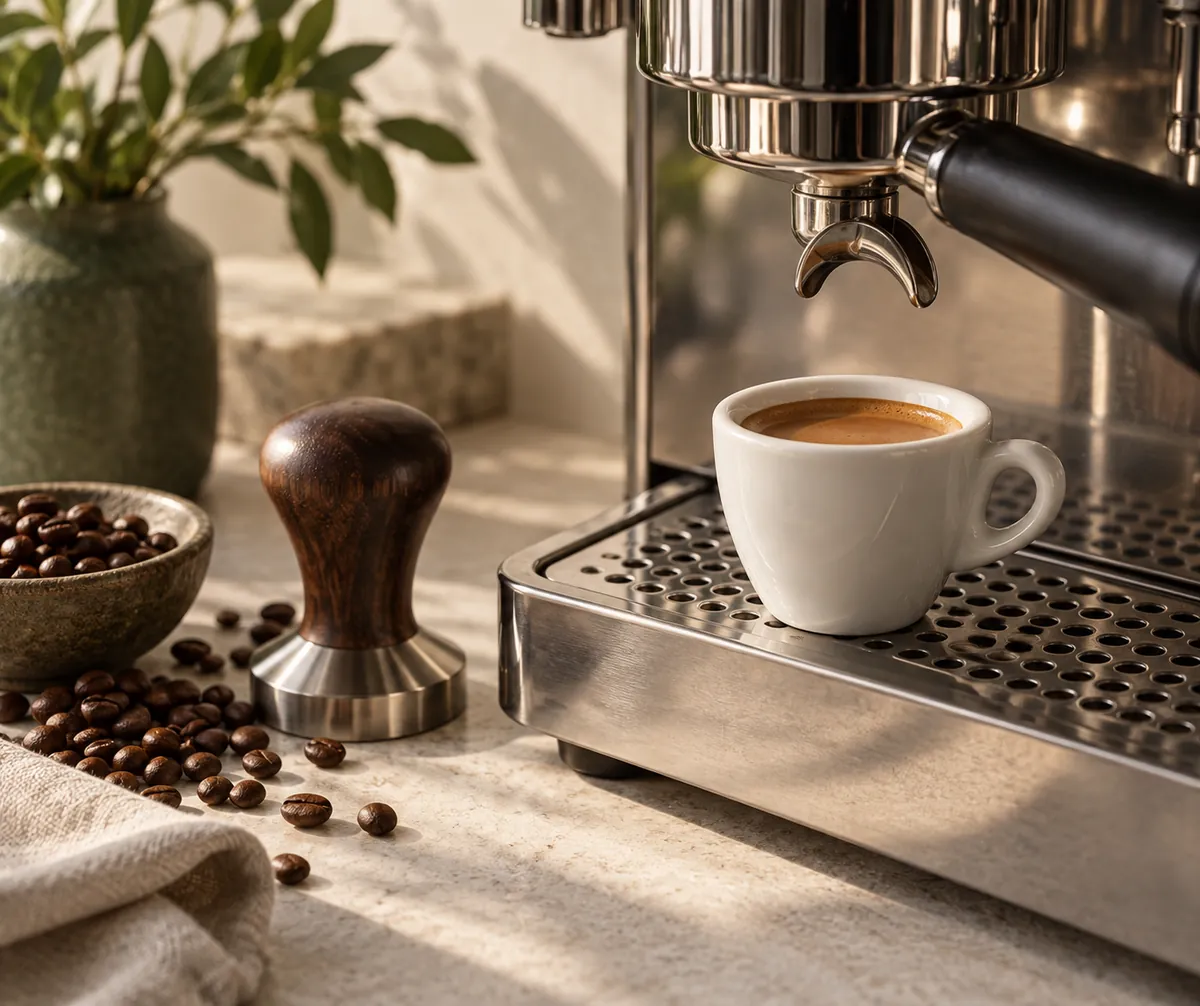
How to Make Espresso, and What to Change When It Tastes Wrong
One control corrects both a sour shot and a bitter one, and the stopwatch is only there to tell you which way to move...

How to Make Iced Coffee That Is Still Coffee After the Ice Melts
Melting ice is brew water nobody measured, which turns a taste complaint into a piece of arithmetic.
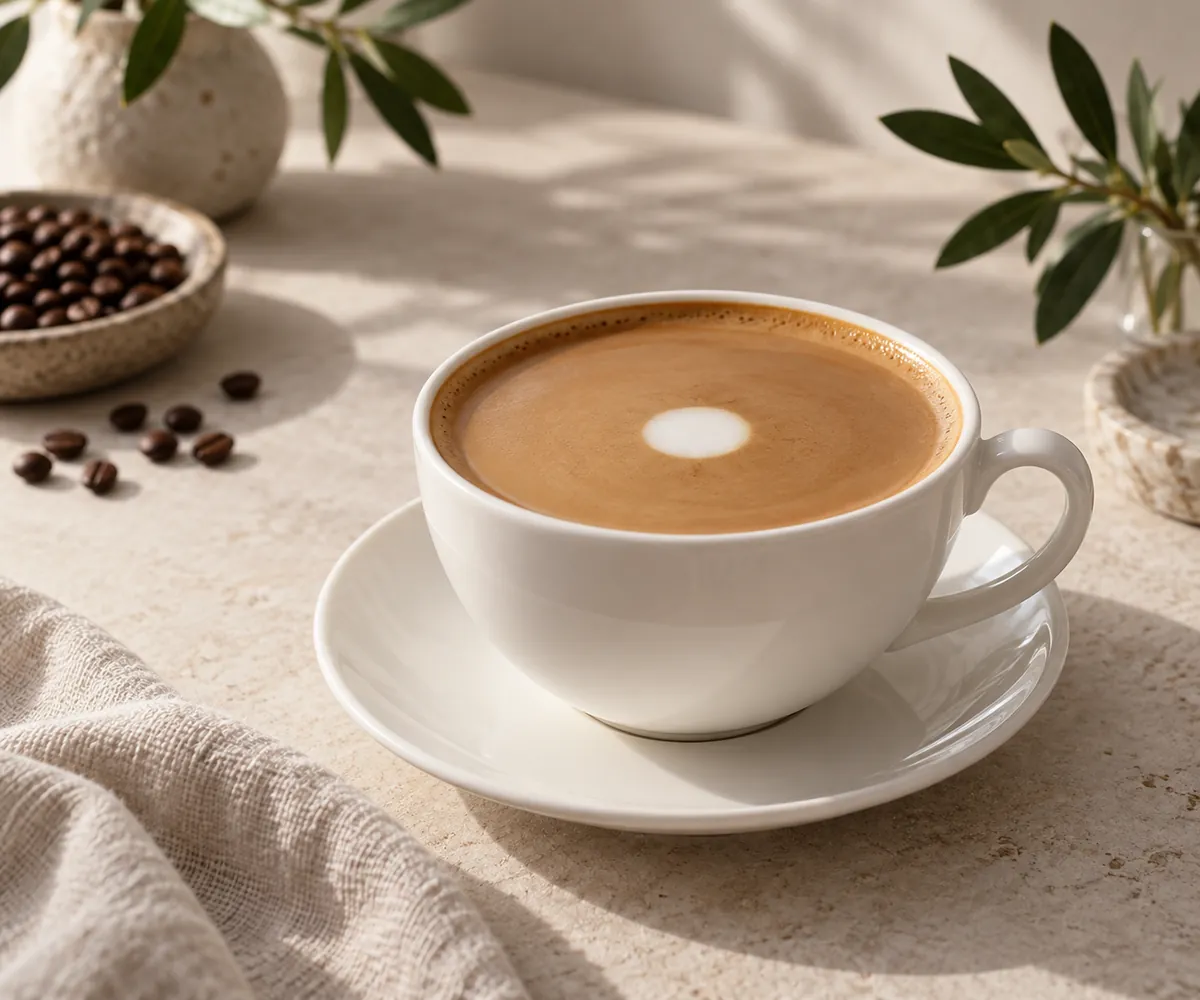
How to Make a Flat White, and Why the Foam Is the Whole Job
Almost every failed flat white is decided in the first two seconds of steaming, long before the milk reaches the cup.
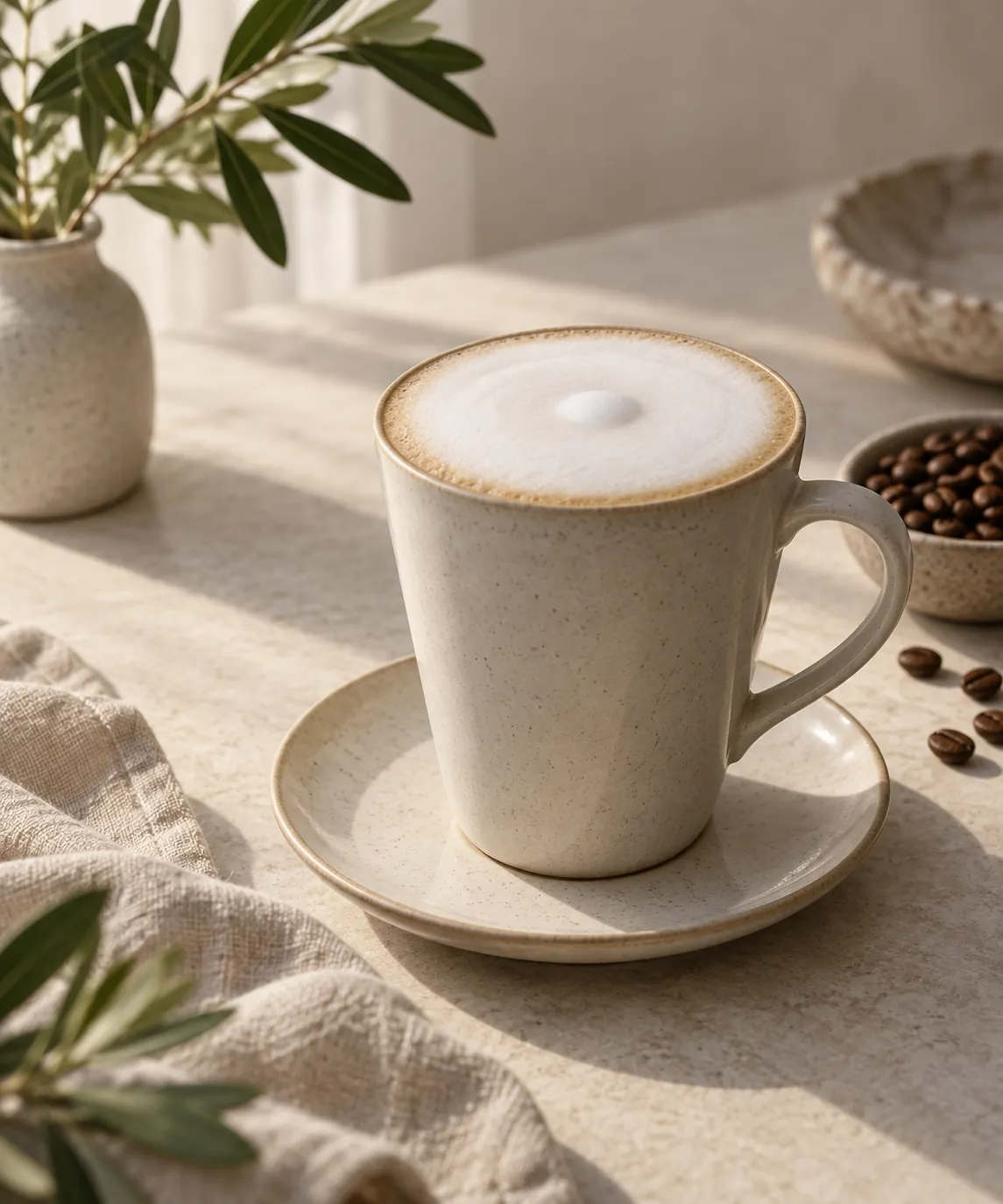
How to Make a Latte, With or Without a Machine
A latte puts a concentrated coffee base under roughly three times as much steamed milk, so coffee at ordinary strength...
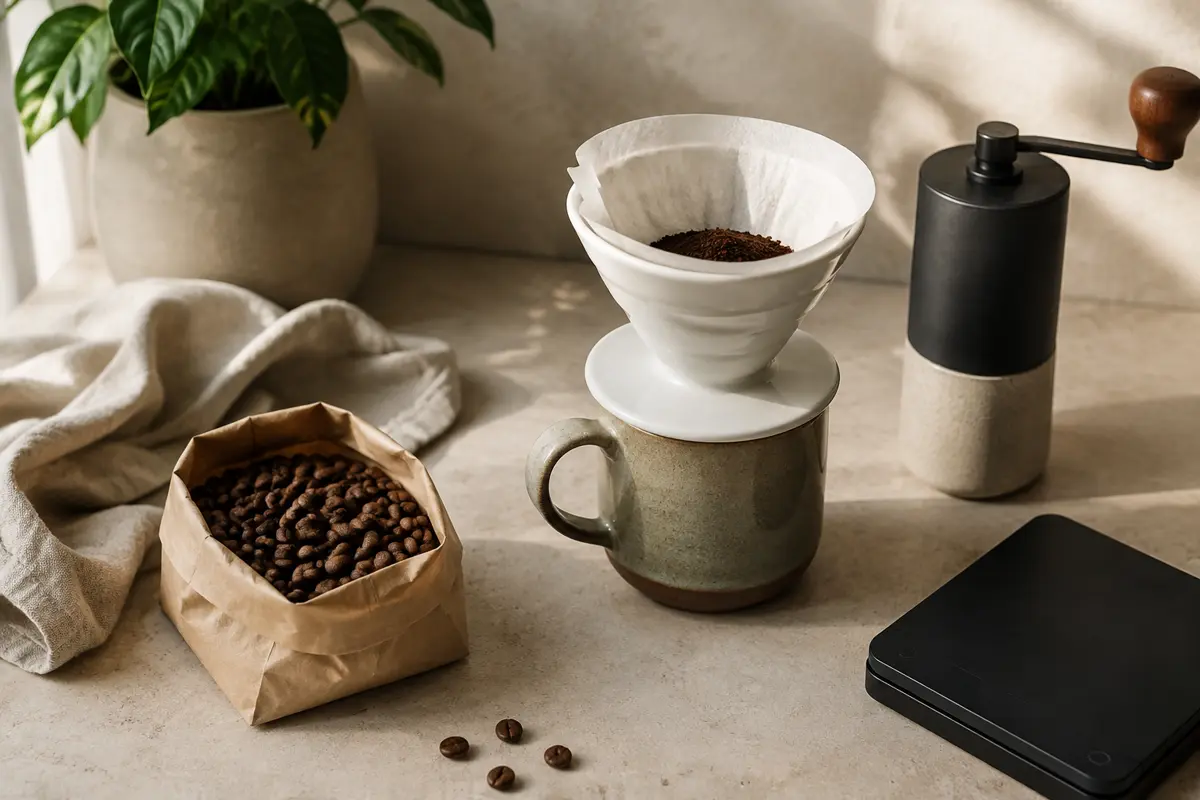
How to Make Decaf Coffee: Ratio, Grind, and Taste
Decaf uses the same brewers as regular coffee, but its more brittle beans can create extra fines. Start with a stable...
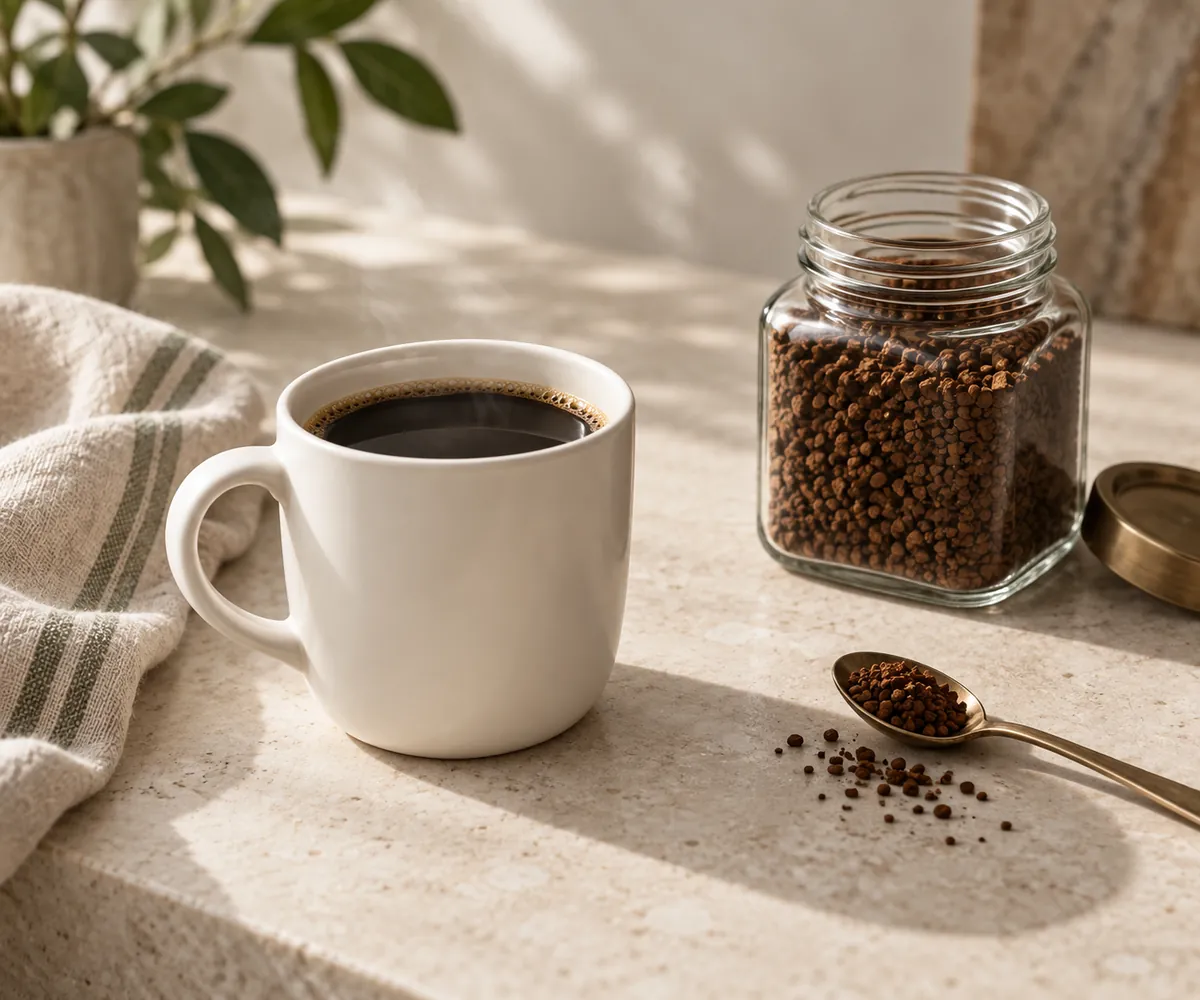
How to Make Instant Coffee Without Scalding It
The coffee was already brewed once in a factory, so boiling water has nothing left to extract and everything left to...
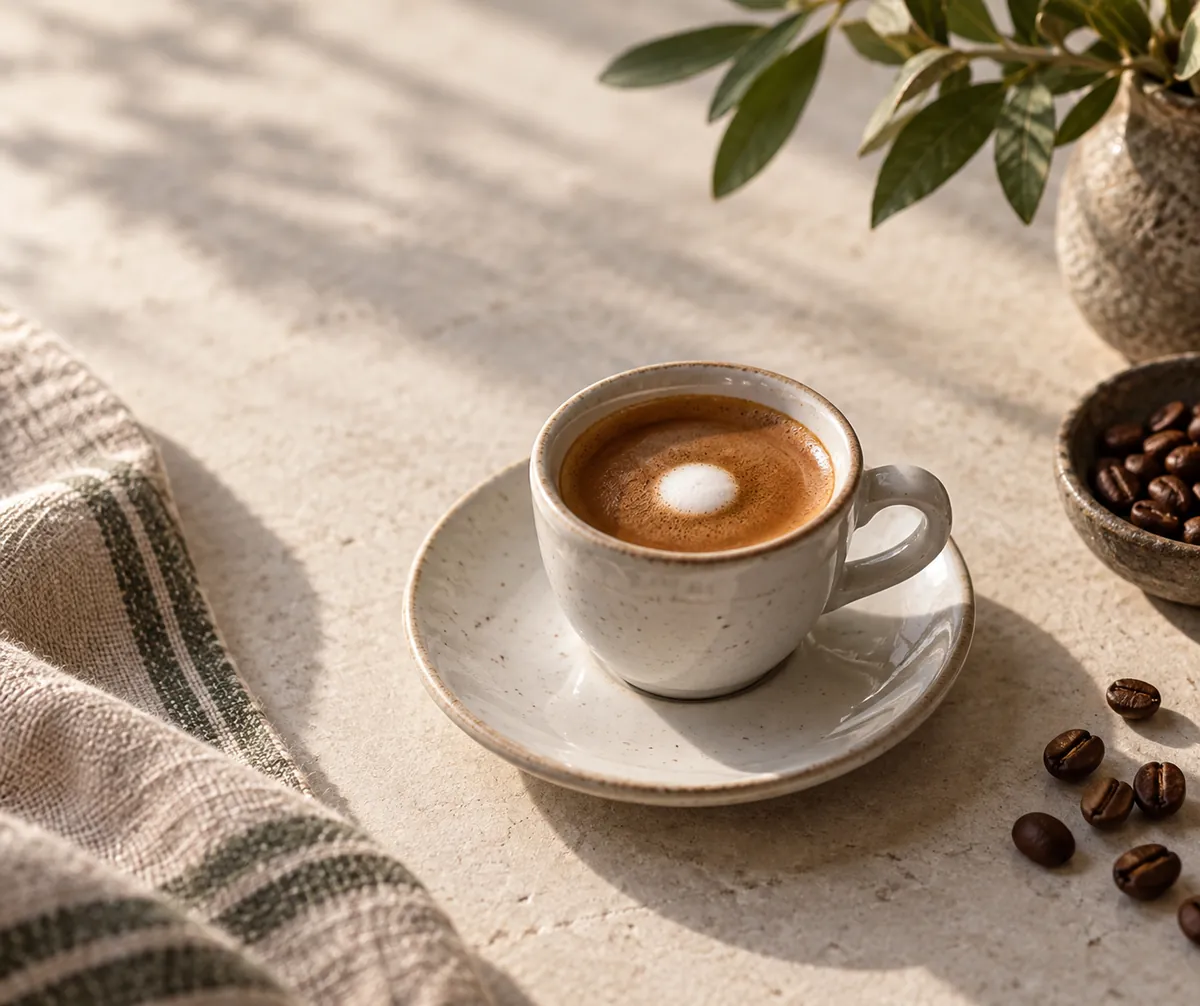
How to Make a Macchiato, Once You Know Which One You Mean
The word means stained, and it has been attached both to a coffee marked with milk and to a milk marked with coffee.
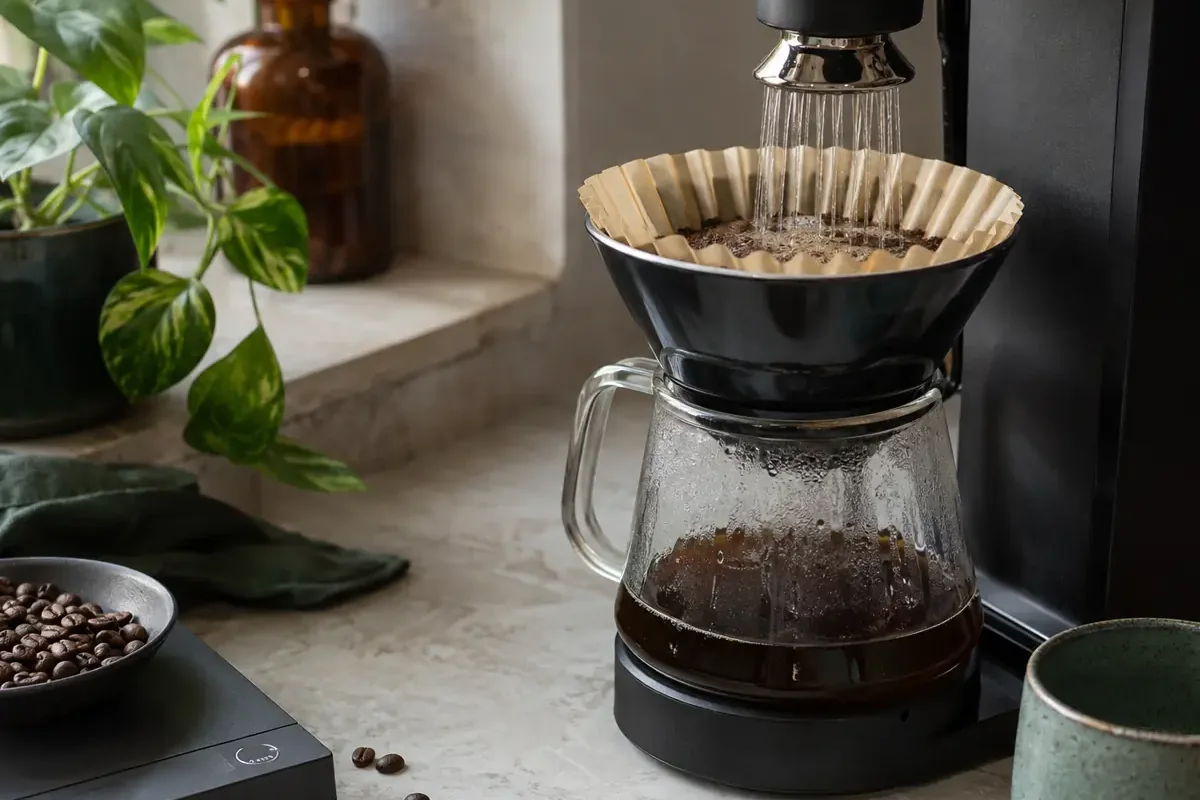
How to Make Drip Coffee: Ratio, Grind, and Even Flow
The machine controls each pour, but the brewer still needs the right batch, grind, level bed, clean showerhead, and...
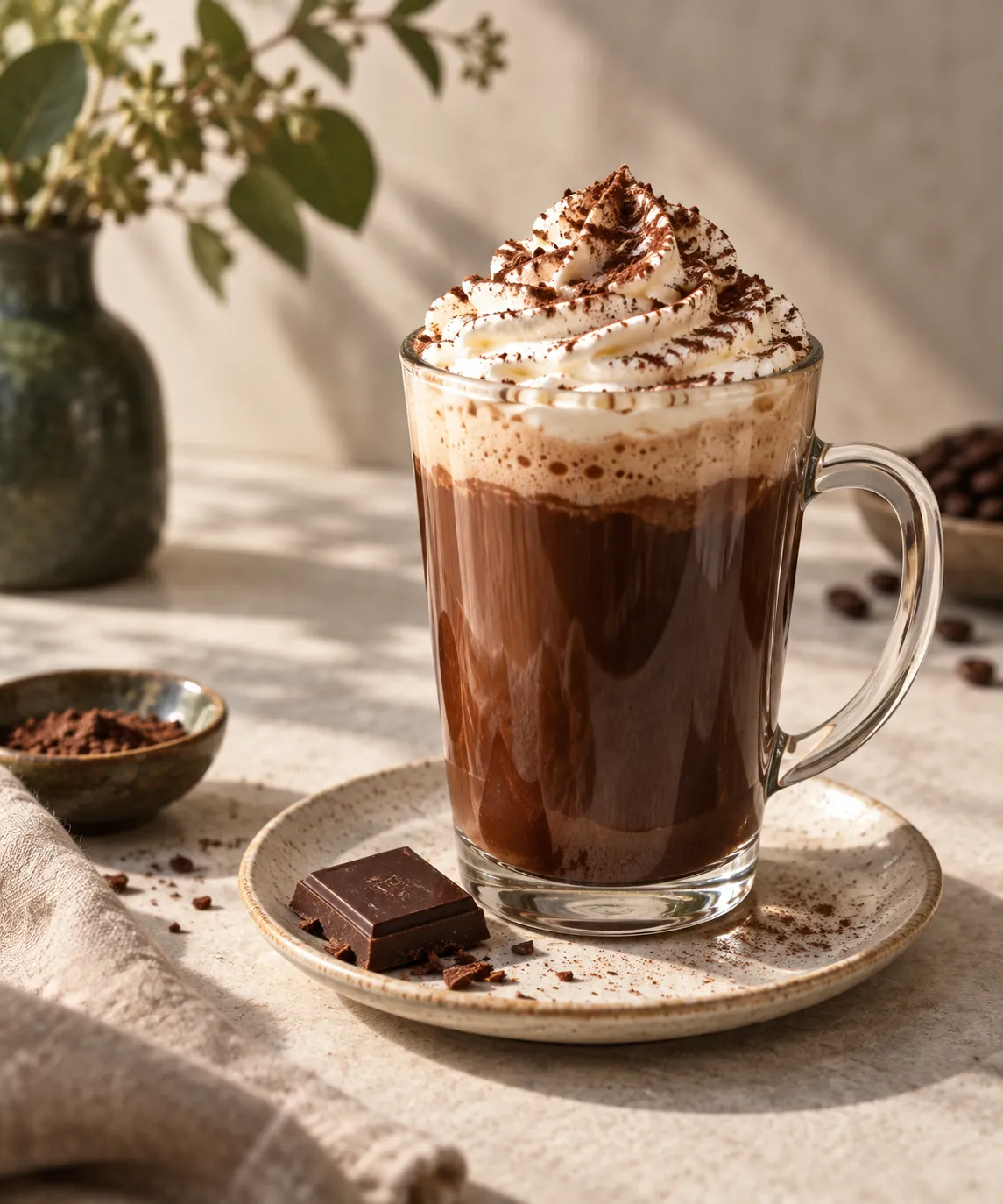
How to Make a Mocha Without the Chocolate Sinking
The coffee behaves as it does in any milk drink, and the chocolate is the thing that clumps, sinks or drowns it in...
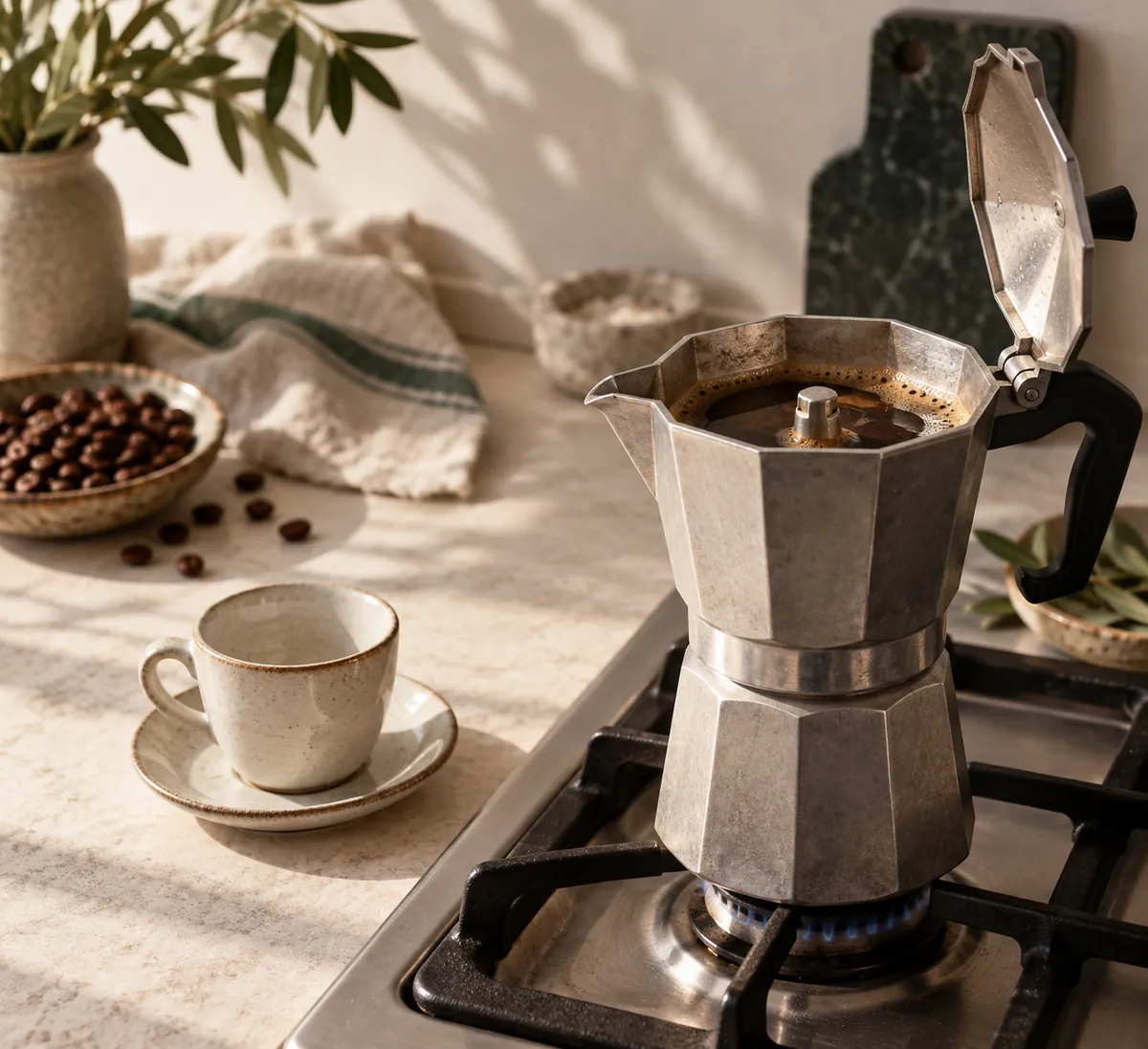
How to Make Moka Pot Coffee Without Burning It
A moka pot has no dials, timer or pressure gauge, so the fill, the grind and the heat you choose decide the cup.
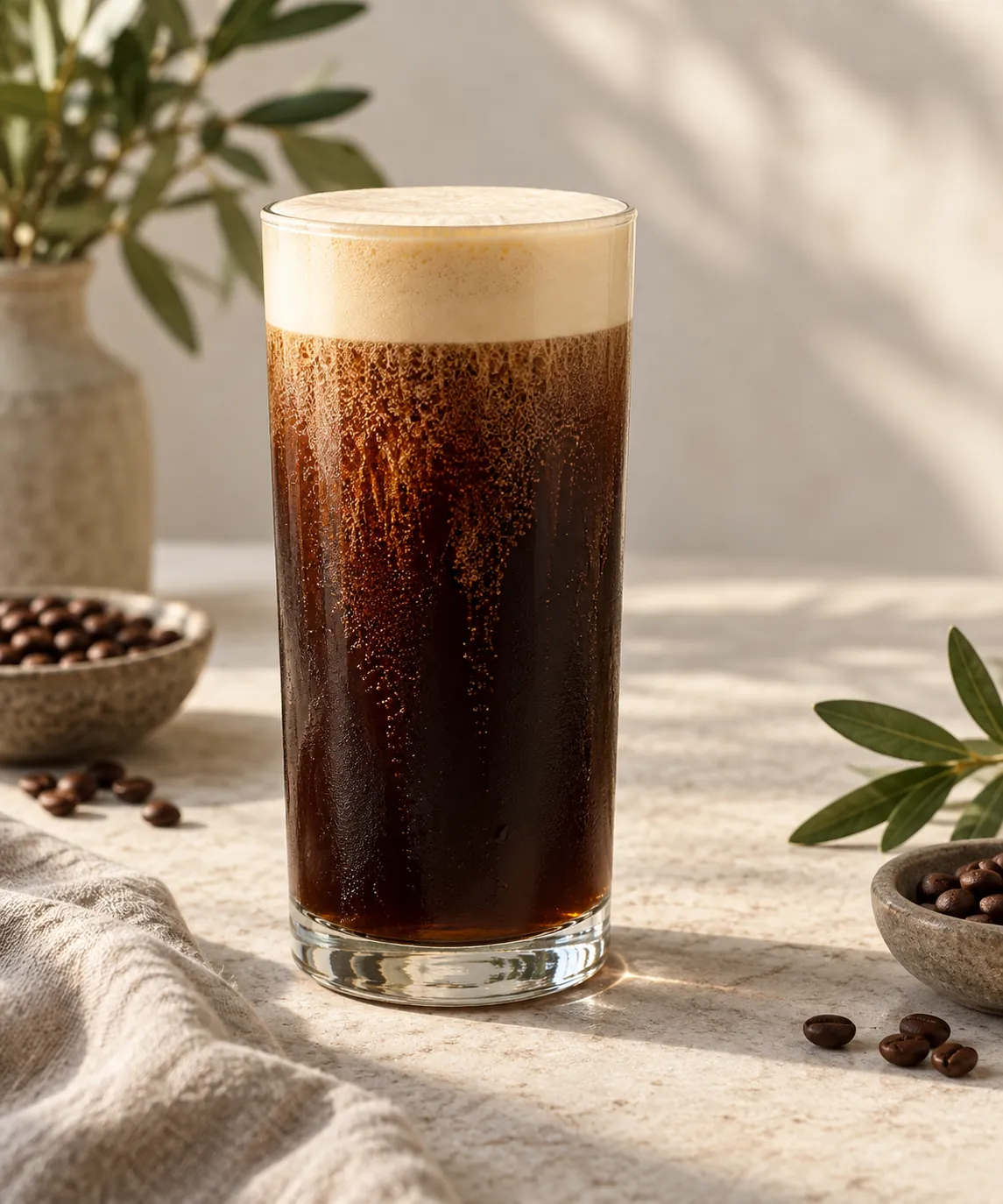
How to Make Nitro Coffee With a Head That Holds
A cream whipper gets close to the tap drink for a short while, provided the cold brew underneath is strong, fresh and...
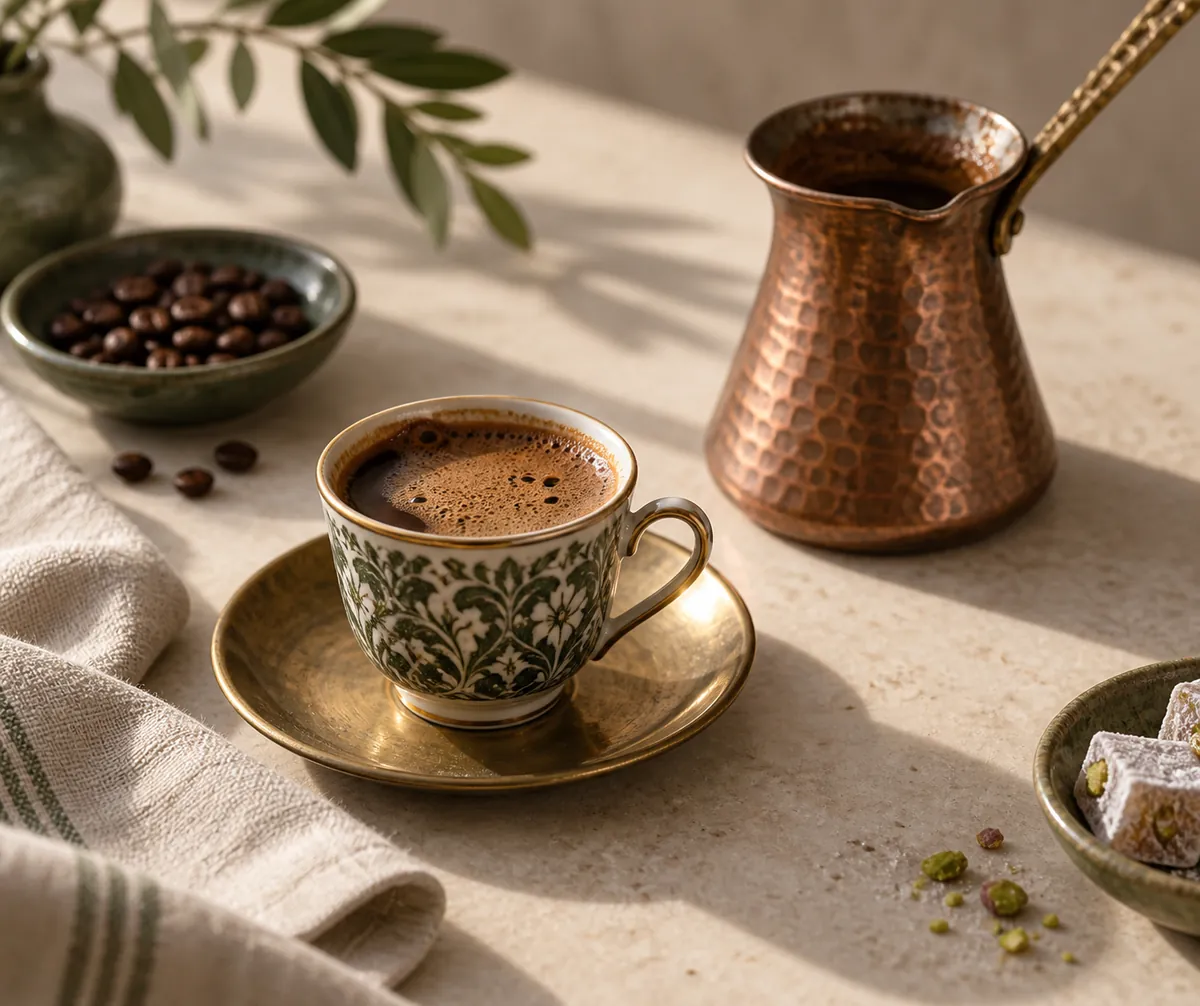
How to Make Turkish Coffee: Grind, Sugar, Heat, and Foam
The grind has to be fine enough to settle, the sugar has to go in before the heat, and once the pot is on, stirring is...

What Does Cold Brew Taste Like? Rounder, Sweeter, Less Acid
Cold brew tastes rounder and sweeter than hot coffee, with a much softer acid edge and more chocolate, caramel, malt...
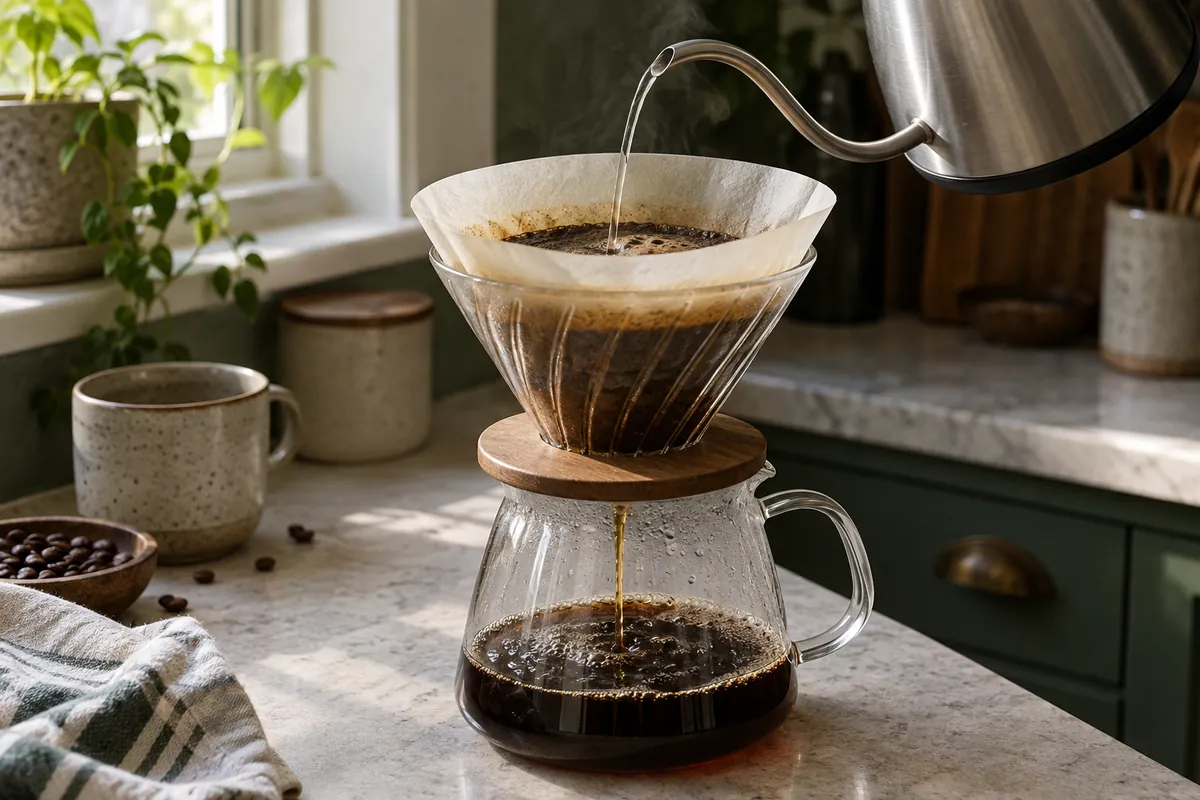
Why Does Pour-Over Drain Too Fast? What to Check Before Adjusting
The clock can be fast for several different reasons. Separate actual drawdown from your pour schedule, then use taste...
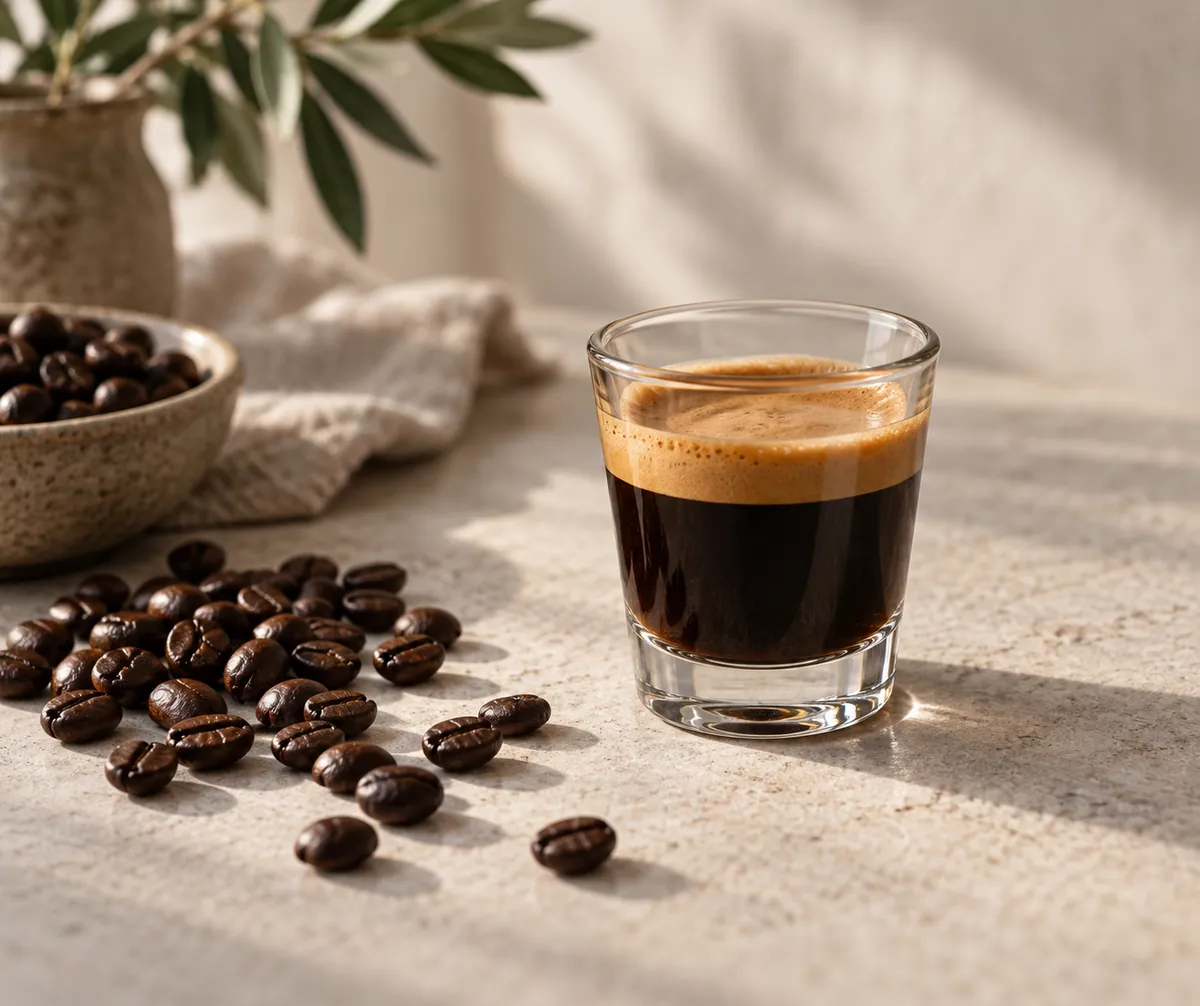
How to Brew Robusta So the Strength Is an Asset
Roughly twice the caffeine and more chlorogenic acid mean the same grind and the same water can pull more bitterness...
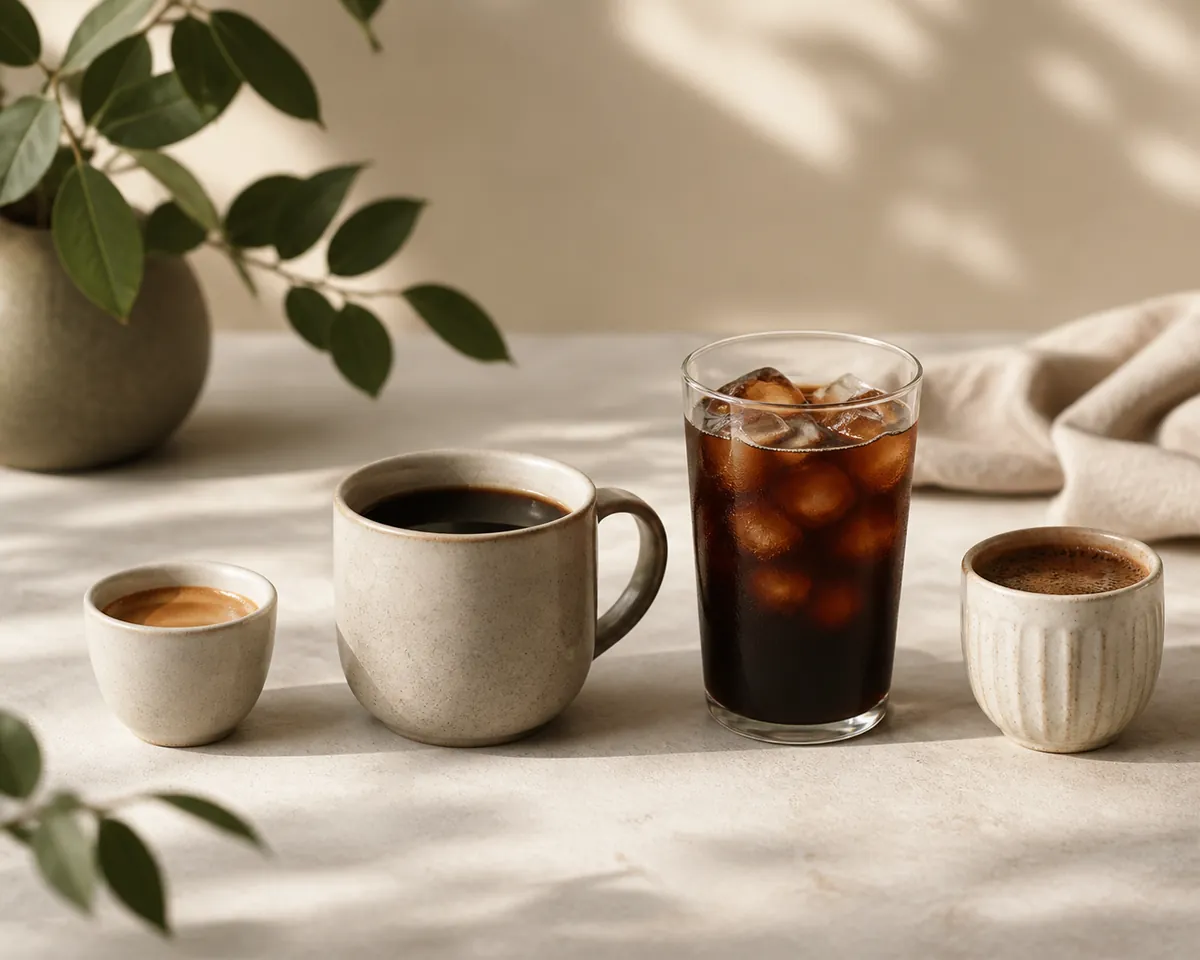
Caffeine in Coffee by Brewing Method, and Why It Is a Range
An 8 fl oz cup of brewed coffee usually holds about 80 to 100 mg of caffeine. Every other number on this page is a...
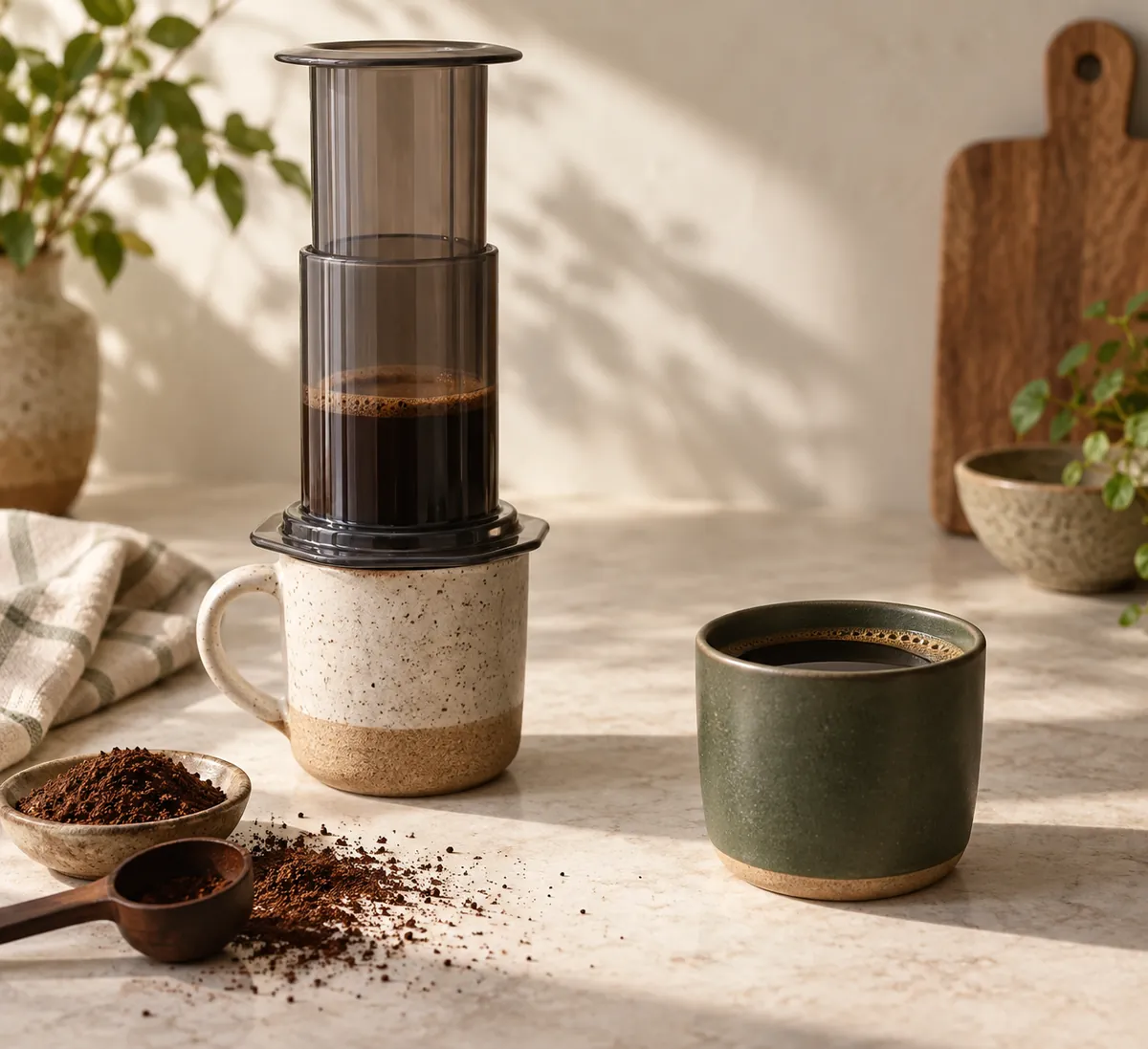
Why Your AeroPress Coffee Tastes Bad: Two Faults, Opposite Fixes
Bad is not a diagnosis. This brewer goes wrong in two opposite directions, and fixing the wrong one costs you another...
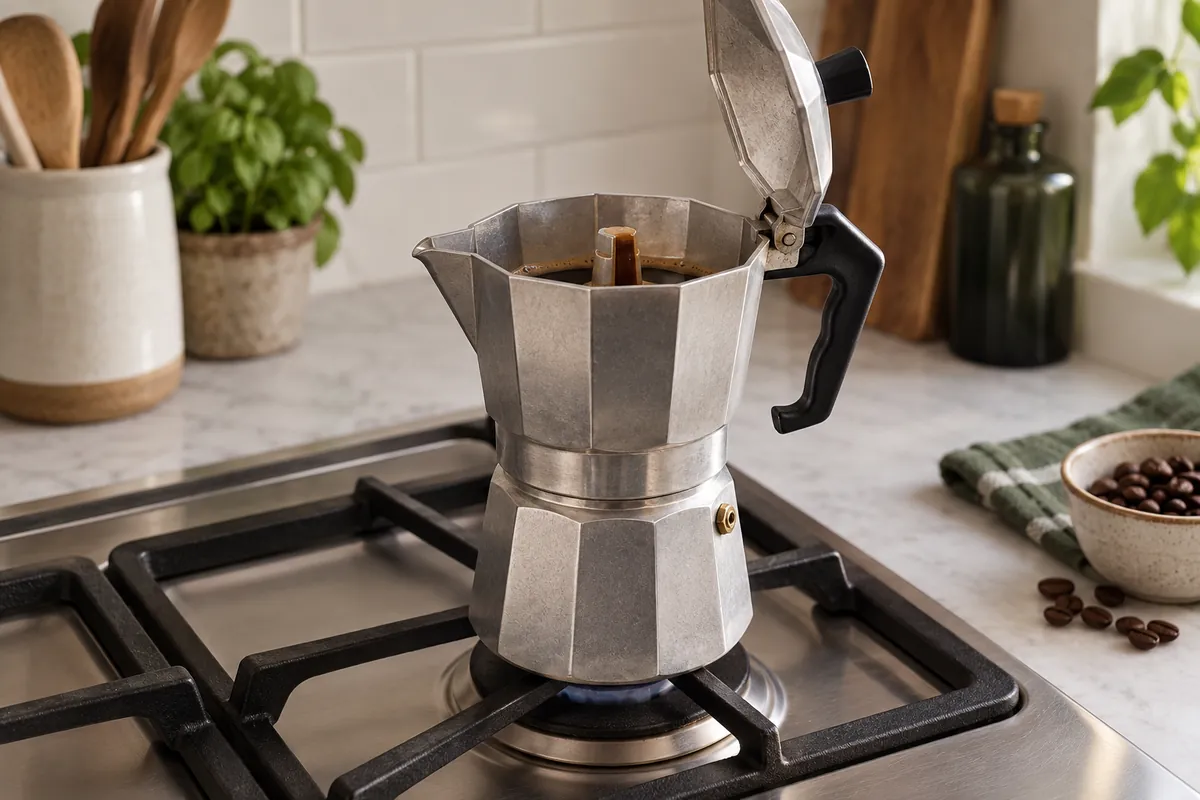
Why Does My Moka Pot Sputter? Read When and Where It Starts
A moka pot often gurgles briefly as the brew ends, but it should not spit violently from the first drops or vent...
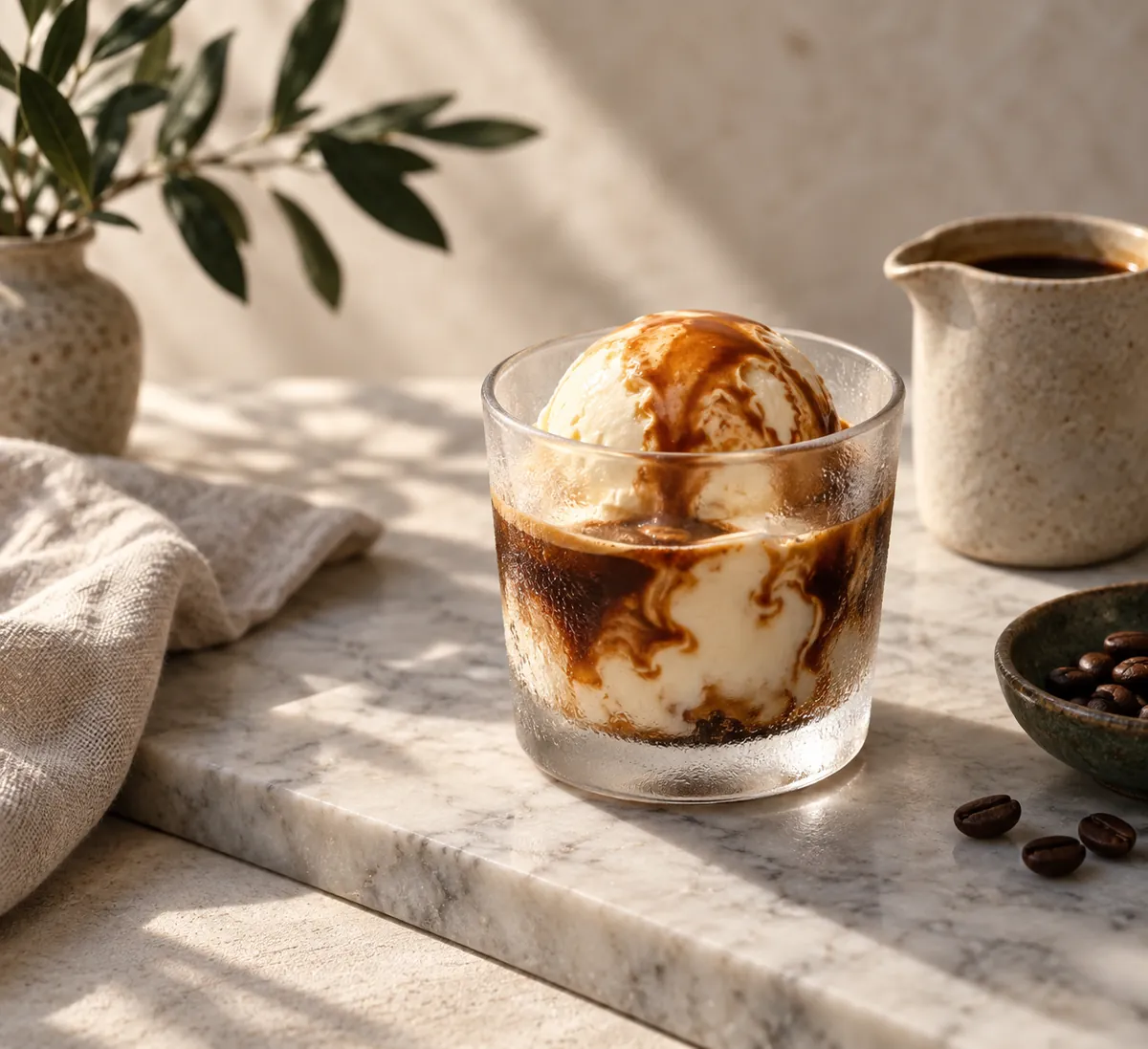
Why Your Affogato Turns to Soup, and the Four Numbers That Stop It
The drink is a contrast between something very hot and something frozen, and that contrast is dismantling itself from...
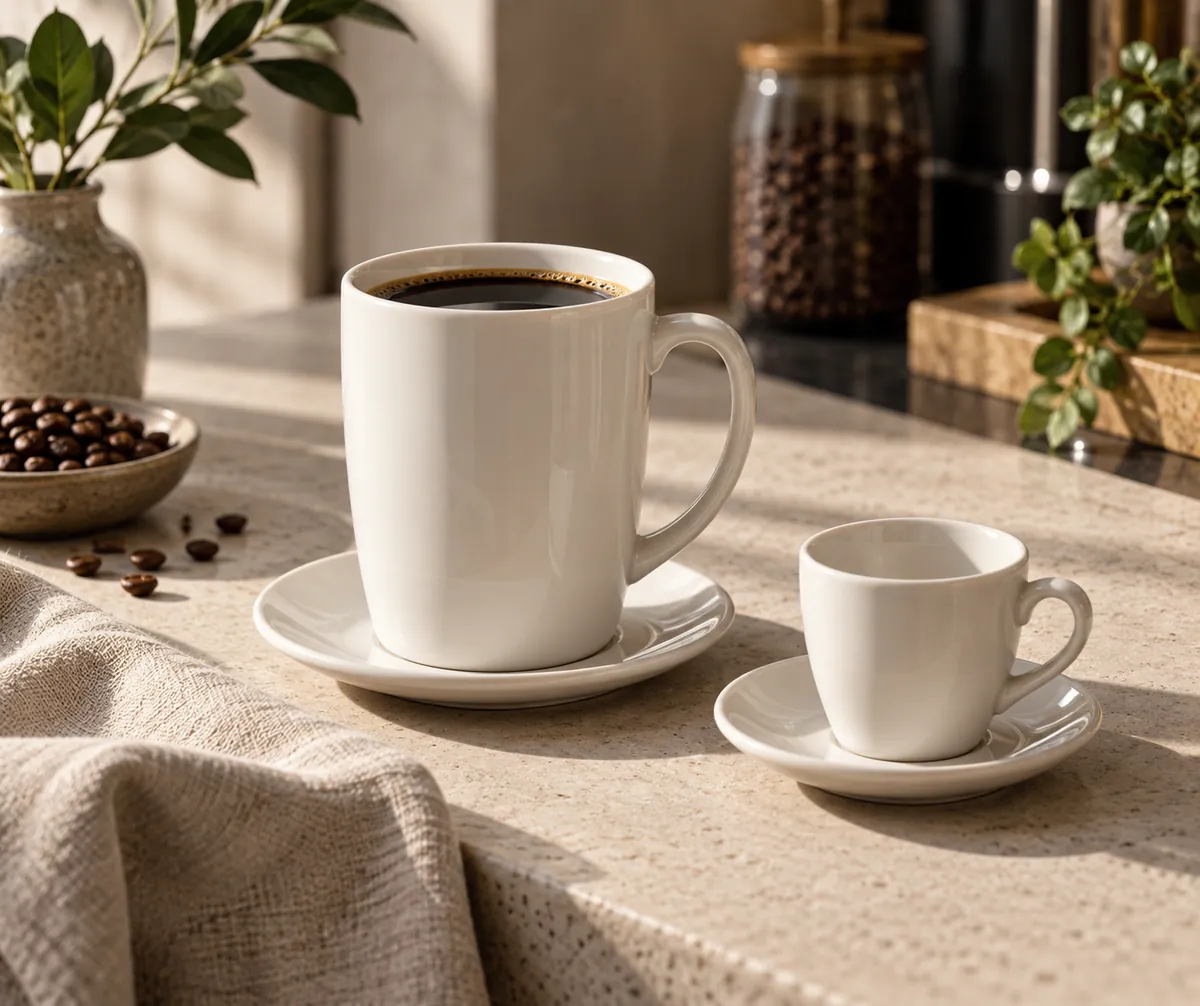
Why an Americano Tastes Worse Than the Shot It Came From
A shot you were happy with can turn harsh once hot water goes in, and most of the faults belong to the water rather...
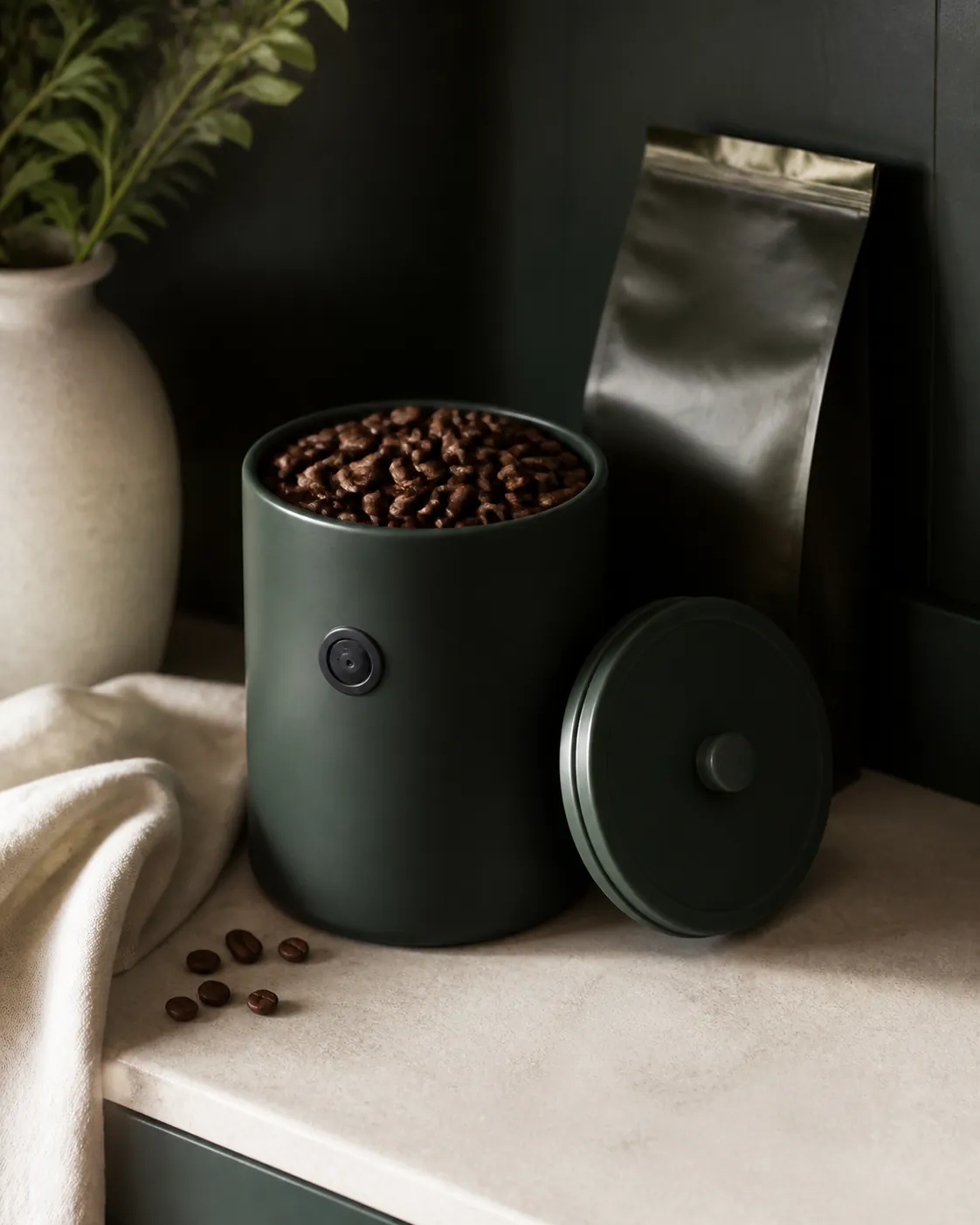
How to Store Coffee Beans: Opaque, Airtight, Room Temperature
Buy whole beans, keep them in an opaque airtight container at room temperature, and grind them as you go. Almost...
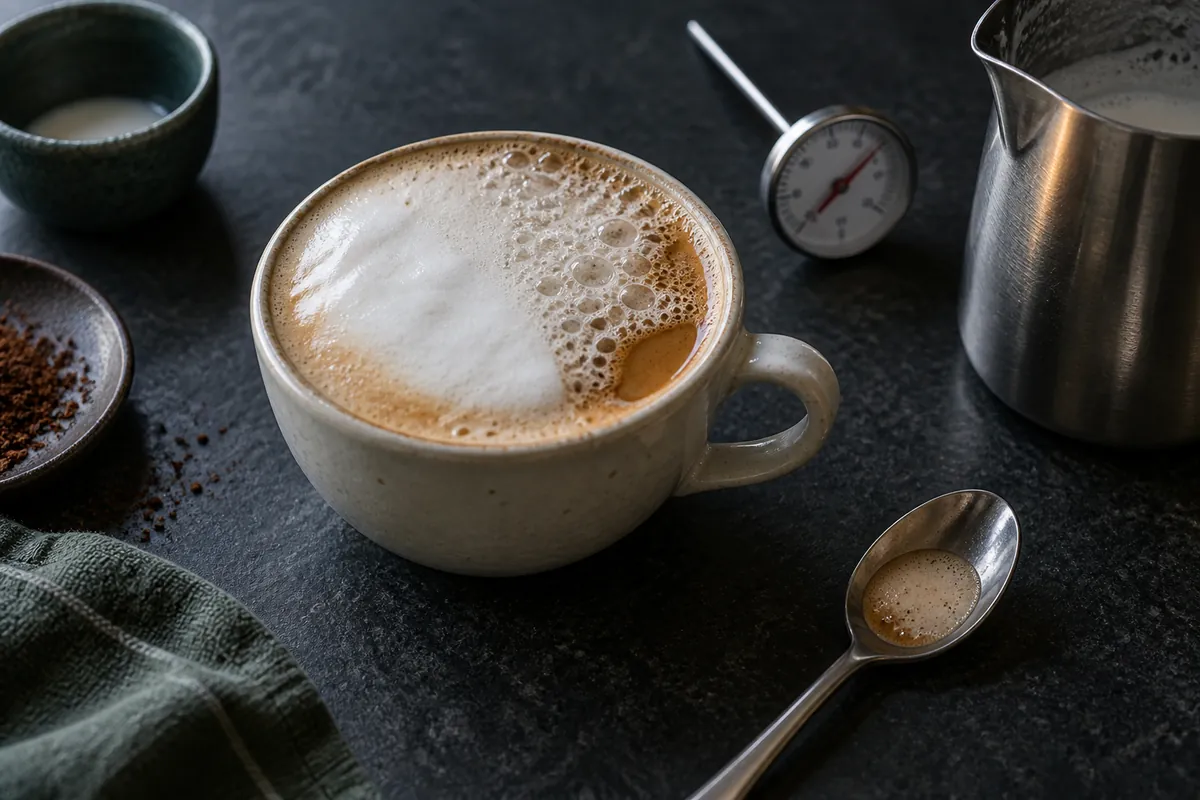
Why Does Cappuccino Taste Bad, and Which Part Failed?
Bad cappuccino is easiest to fix when you taste the espresso and milk separately. That split shows whether extraction...
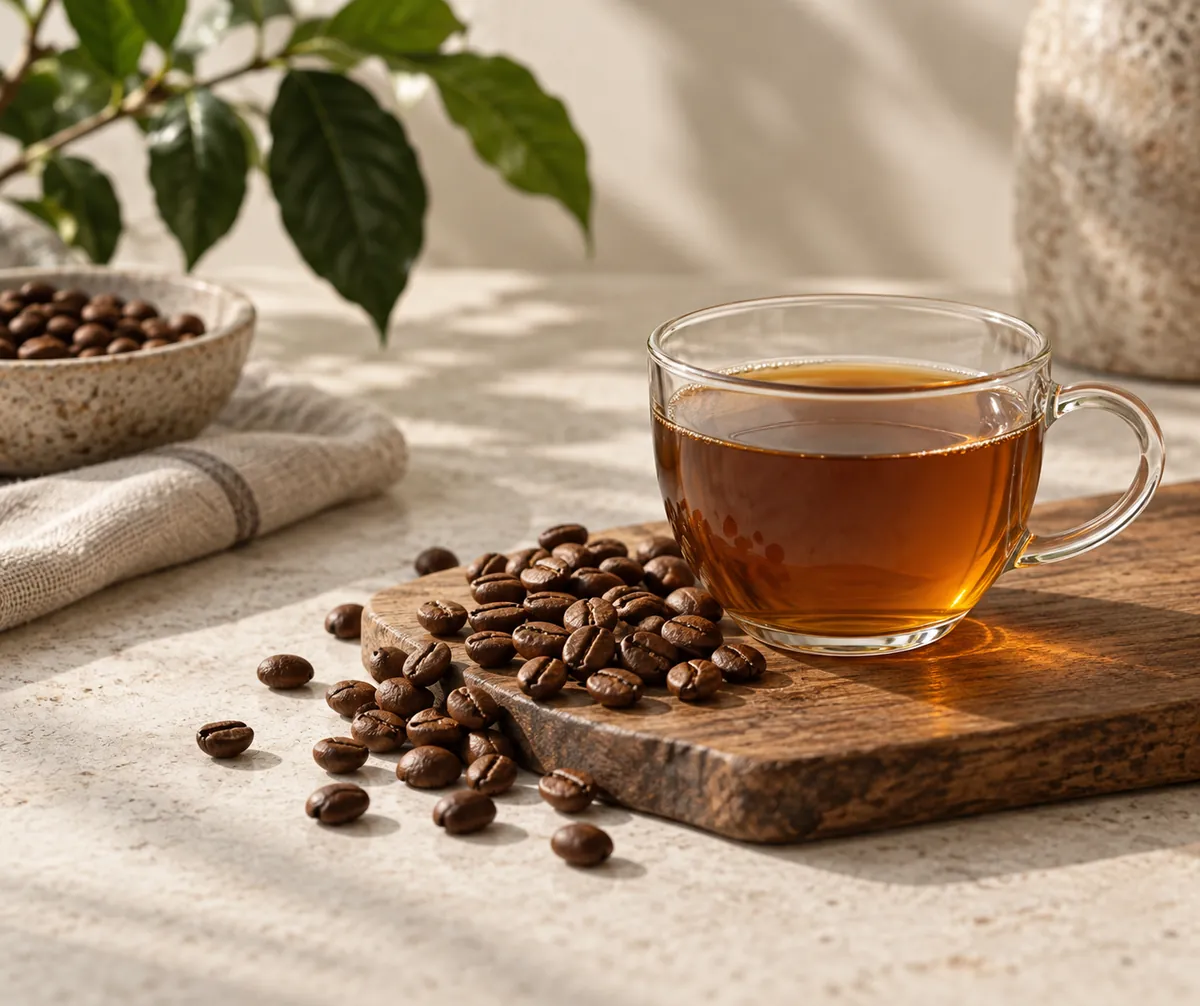
Why Your Arabica Tastes Sour, and Whether That Is a Fault
A sharp arabica is sometimes a fault and sometimes just a bright coffee, so it is worth checking whether anything is...
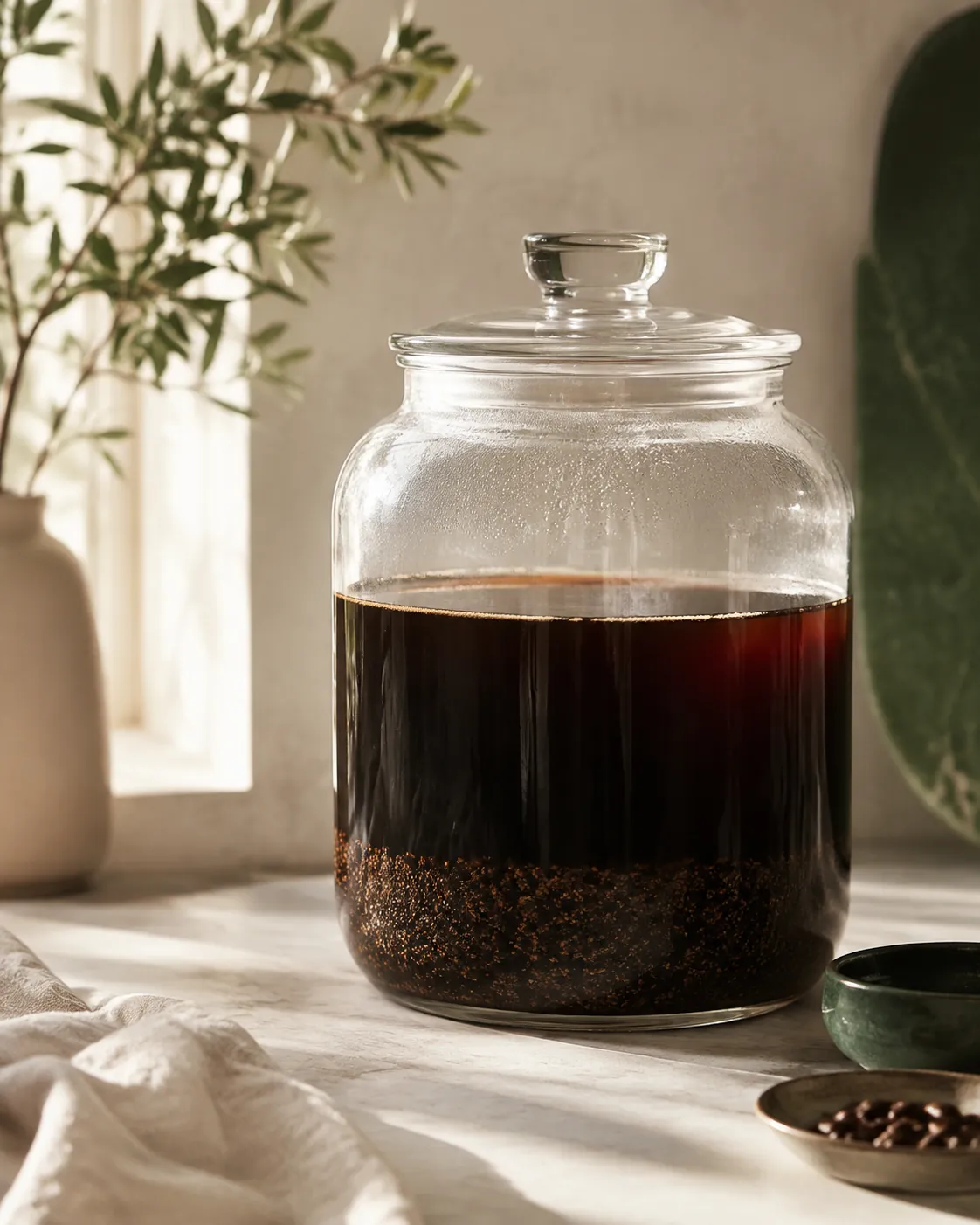
How to Make Cold Brew: Five Numbers and One Procedure
Cold brew has five numbers and one procedure. Get the ratio, the grind, the vessel, the clock and the strain right and...
More Coffee Guides
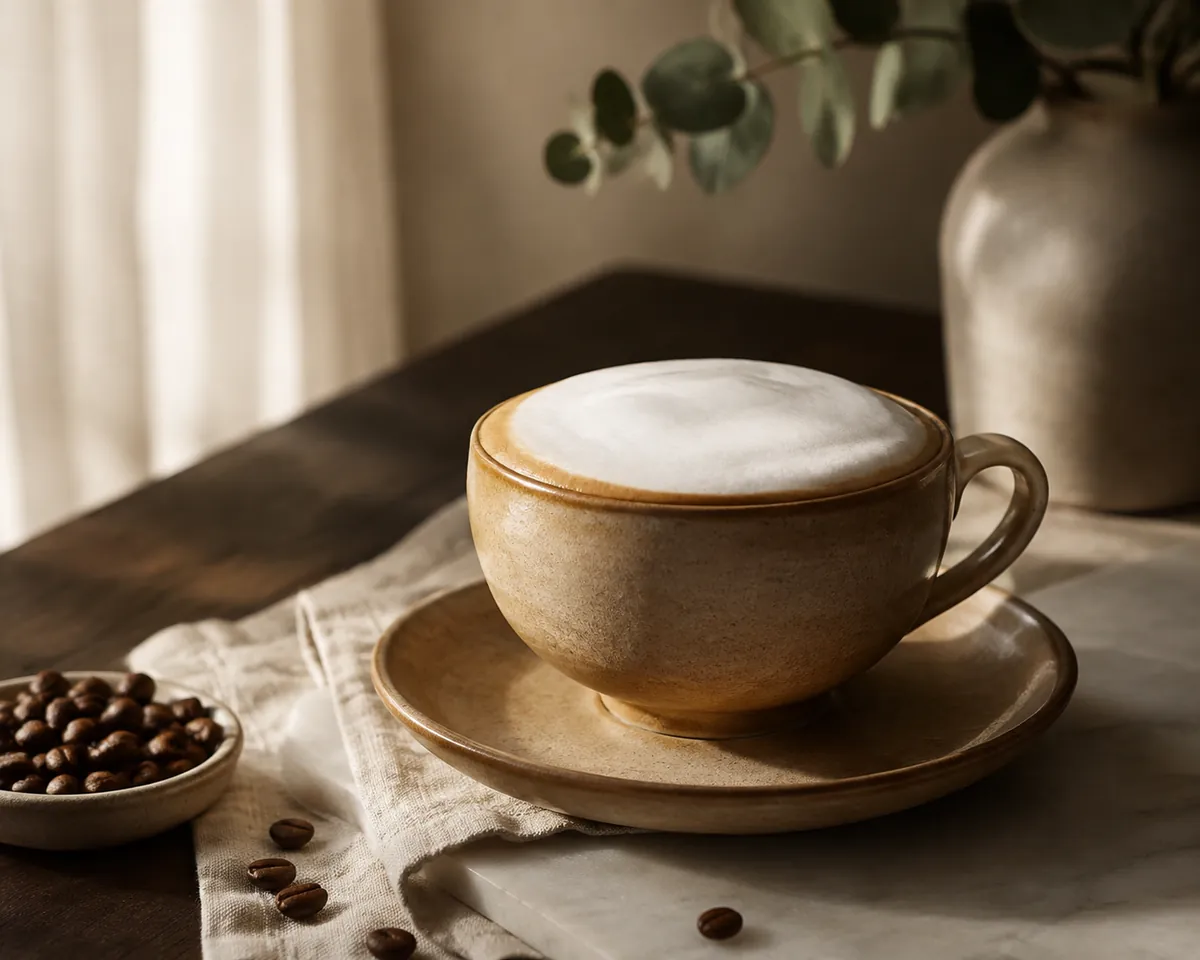
What Is a Cappuccino? The Thirds, and What They Actually Do
A cappuccino is the drink people order when they want coffee with milk and something on top. The thirds that define it...
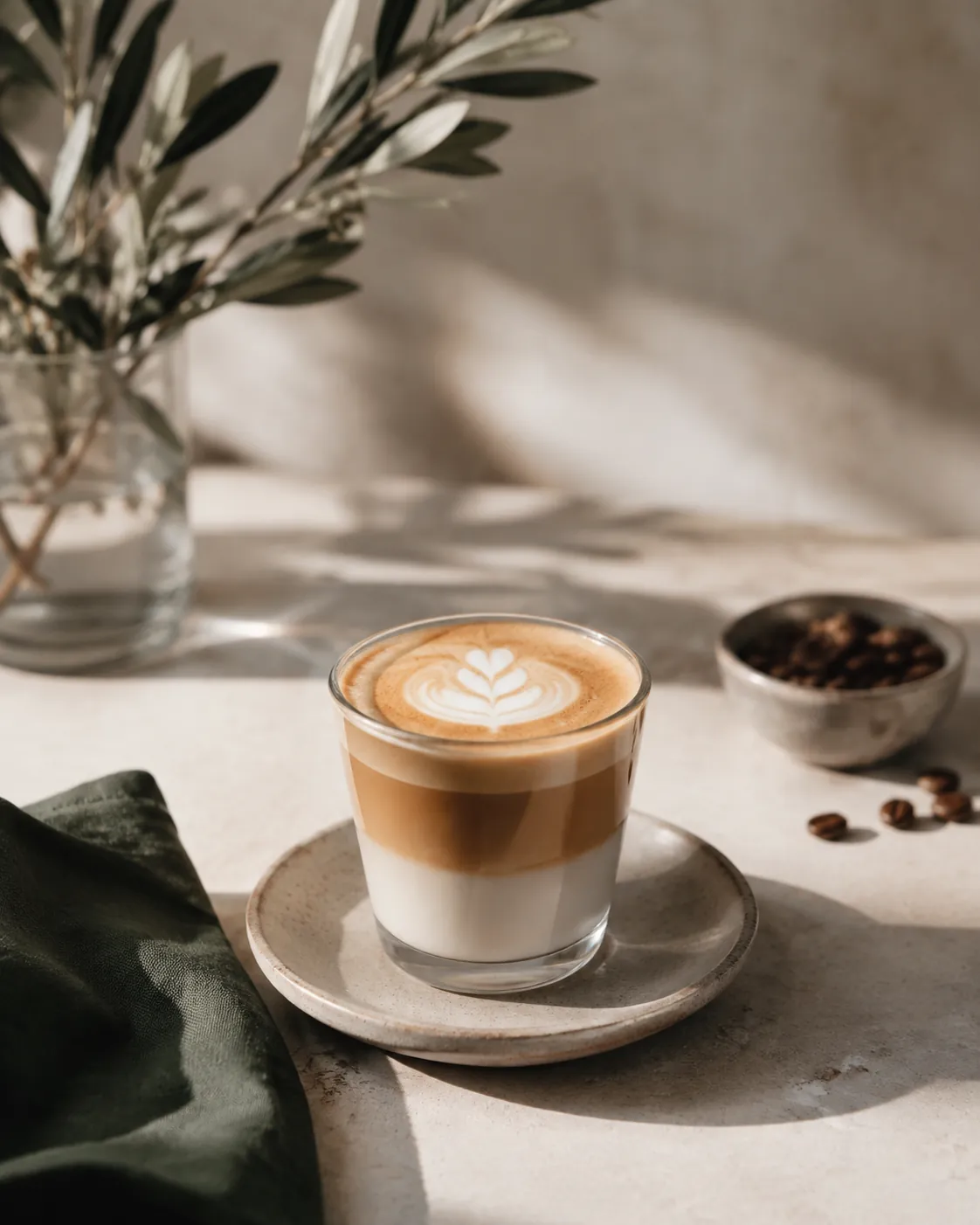
What Is a Cortado? Espresso Cut With an Equal Part of Milk
A cortado is espresso cut with about the same amount of milk and nothing else. It is the smallest drink where the milk...
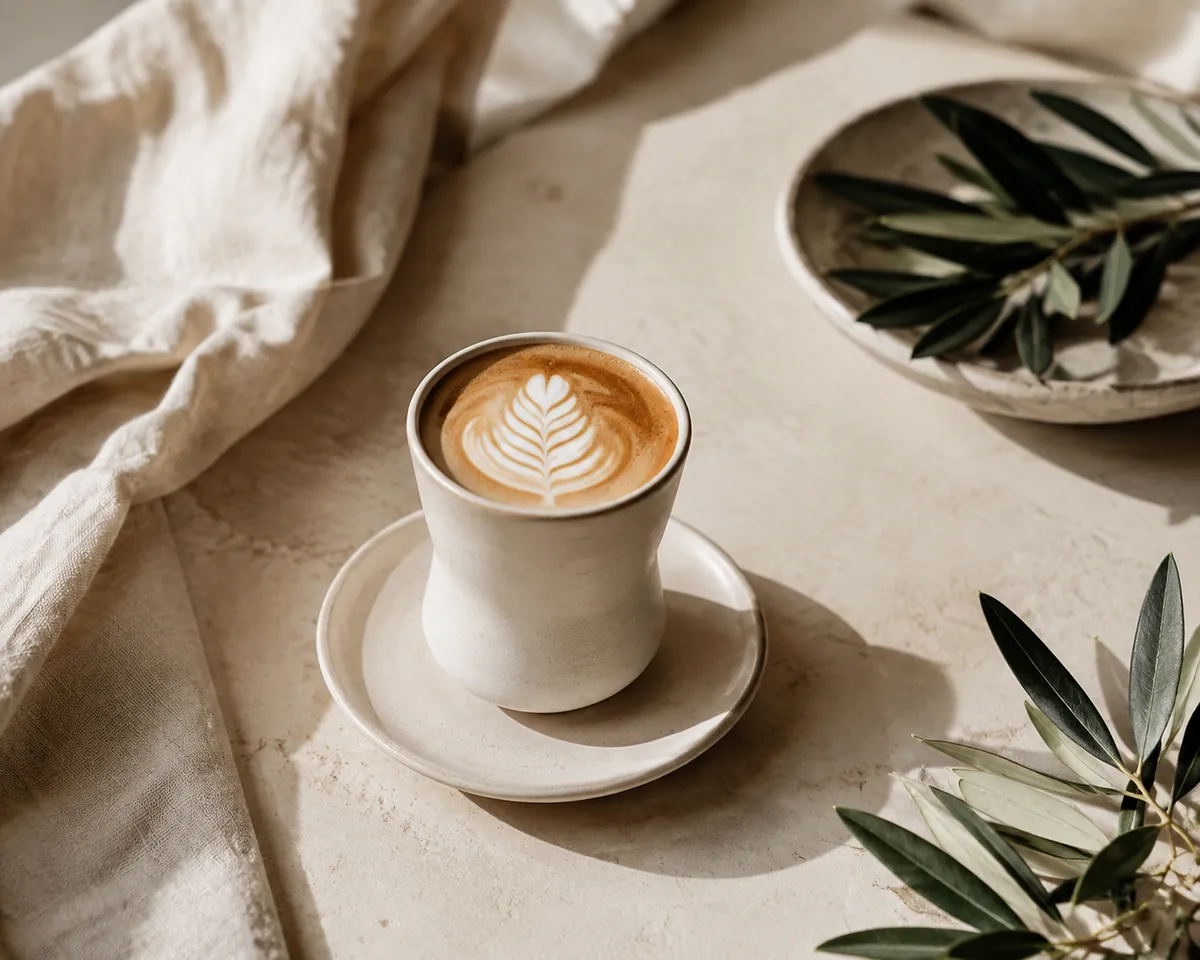
What Is a Flat White? Between a Latte and a Cappuccino
A flat white is the milk coffee for people who find a latte too long and a cappuccino too airy. It is the same size as...
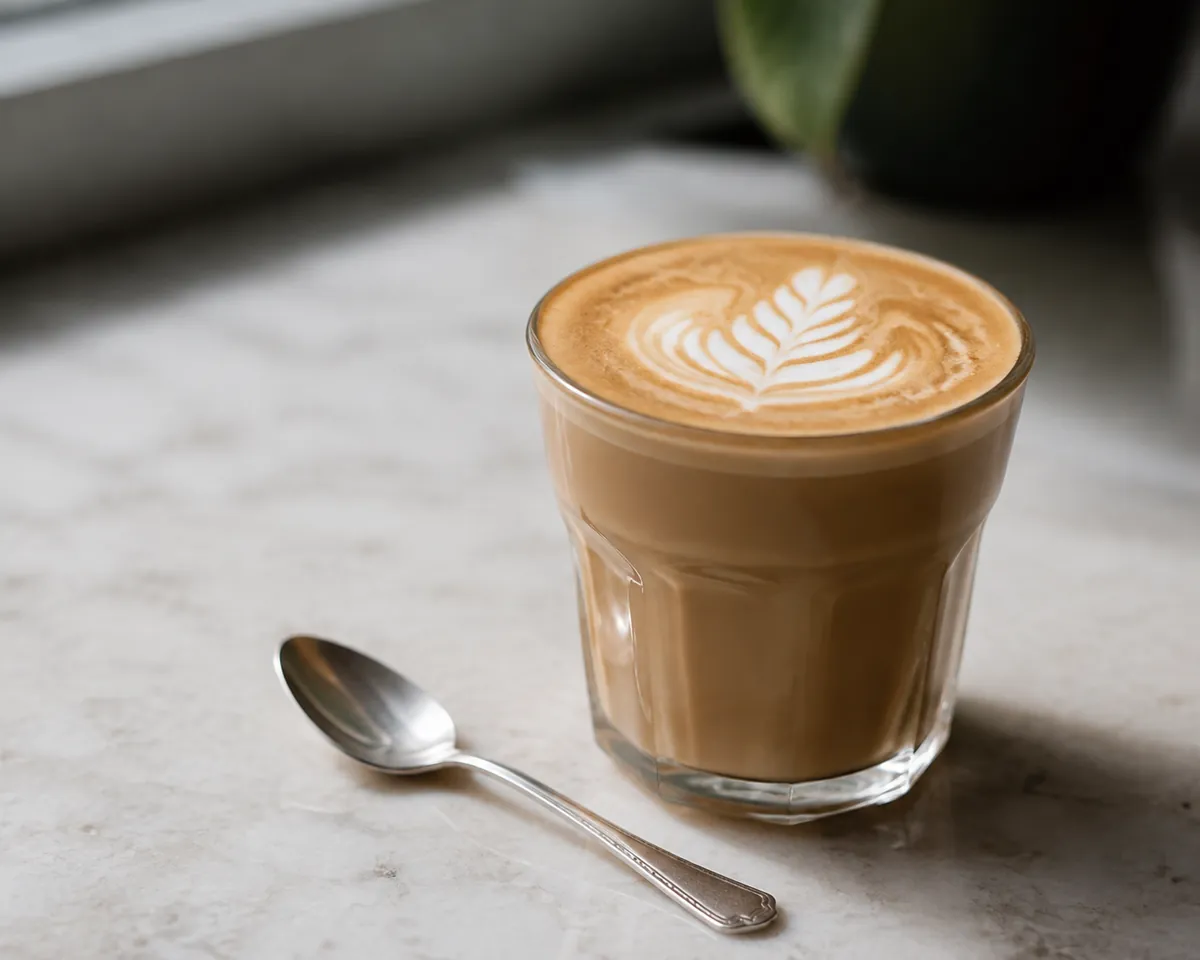
What Is a Latte? Espresso, Steamed Milk, and Microfoam
A latte combines espresso with a generous amount of steamed milk and a thin layer of fine foam. Its cup size and shot...
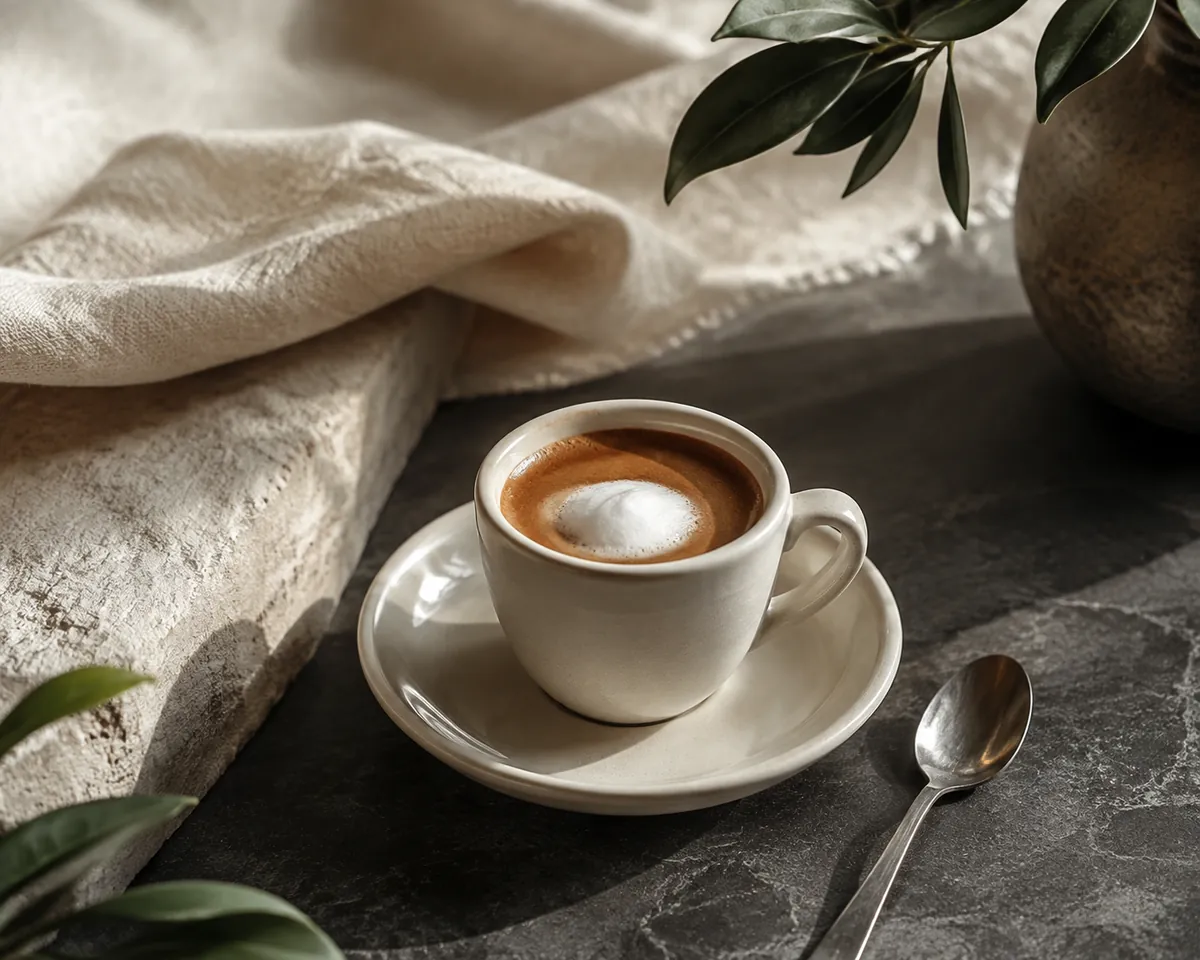
What Is a Macchiato? One Name Now Carried by Three Drinks
Macchiato means marked, and the name describes a stain of milk on espresso. Three different drinks now carry it, one of...
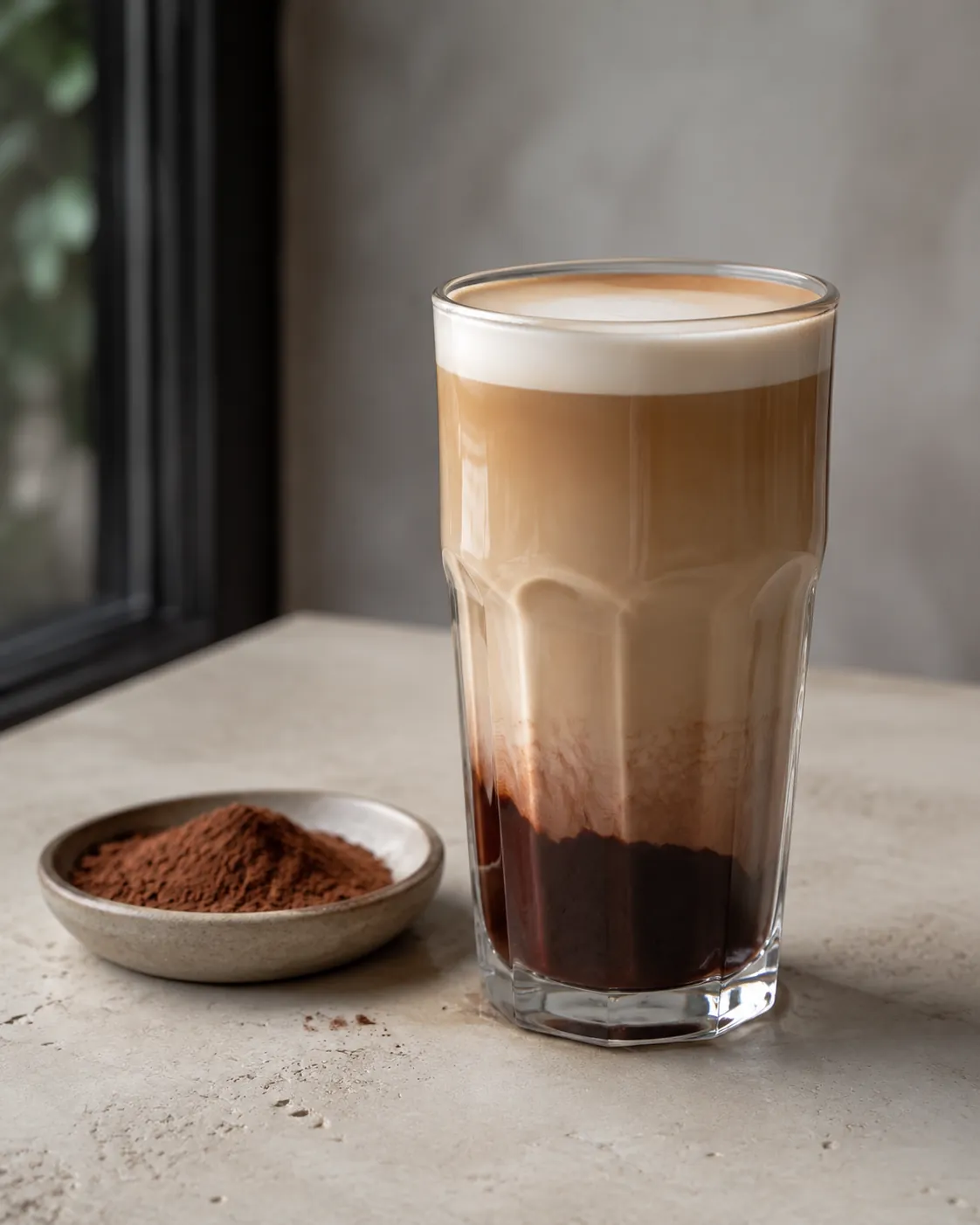
What Is a Mocha? A Latte With Chocolate, and a Port's Name
A mocha is a latte with chocolate in it. The name comes from a Yemeni port, not from chocolate, which is a coincidence...
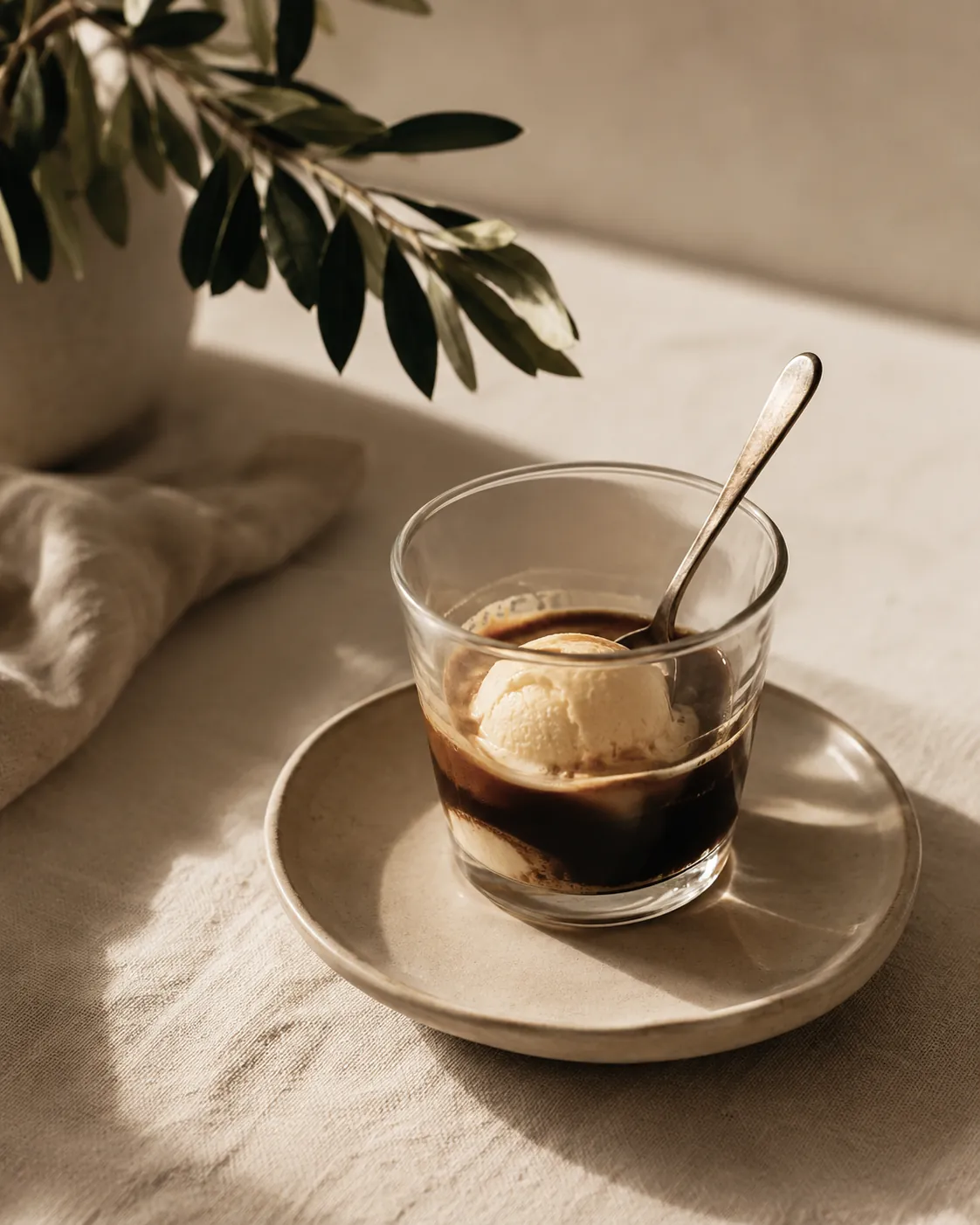
What Is an Affogato? Hot Espresso Over a Hard Scoop
A hot shot poured over a hard scoop melts a thin shell into a coffee-cream sauce while the centre stays frozen. That...
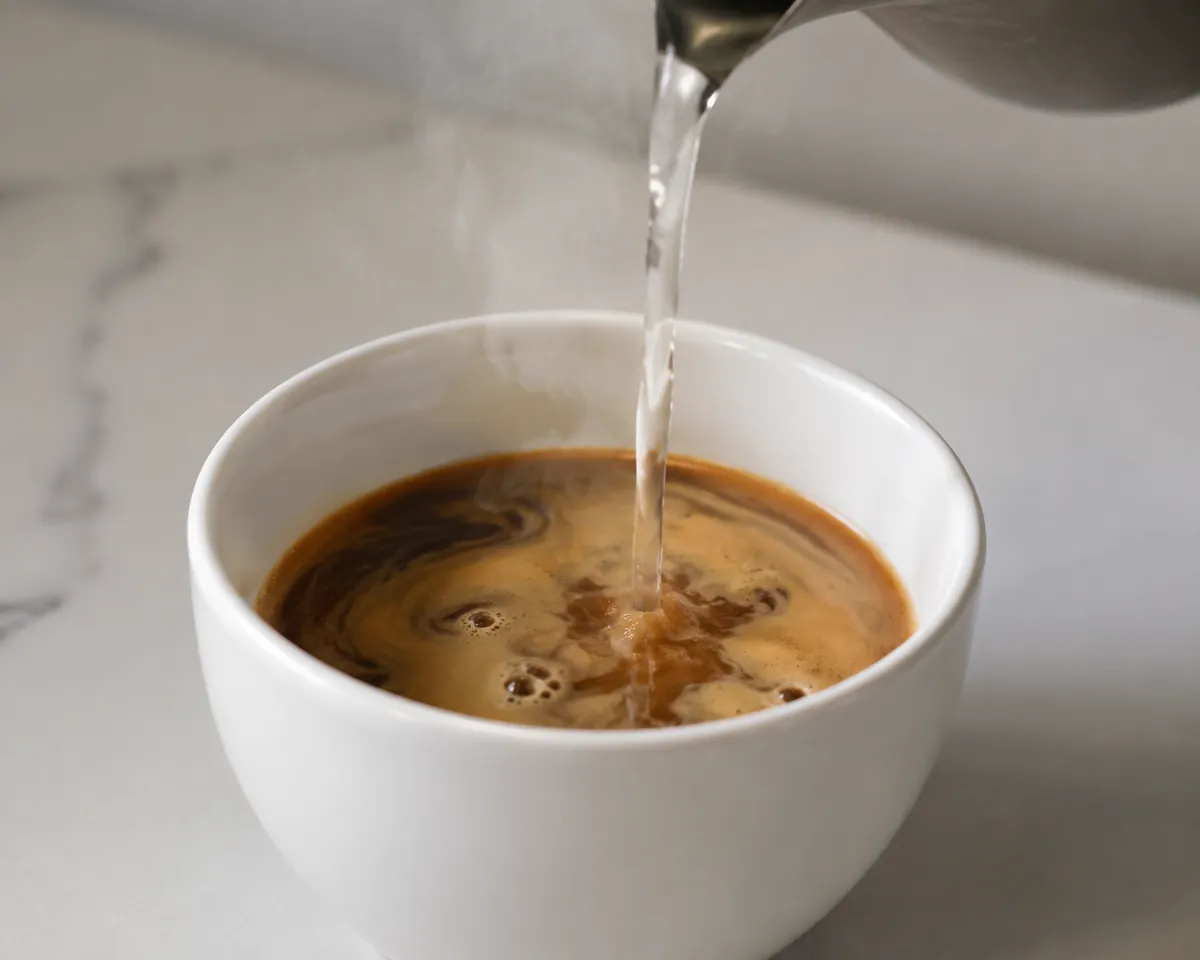
What Is an Americano? Espresso, Water, and Which Goes First
An americano is espresso with hot water added. That sounds like it should taste the same as any other black coffee, and...
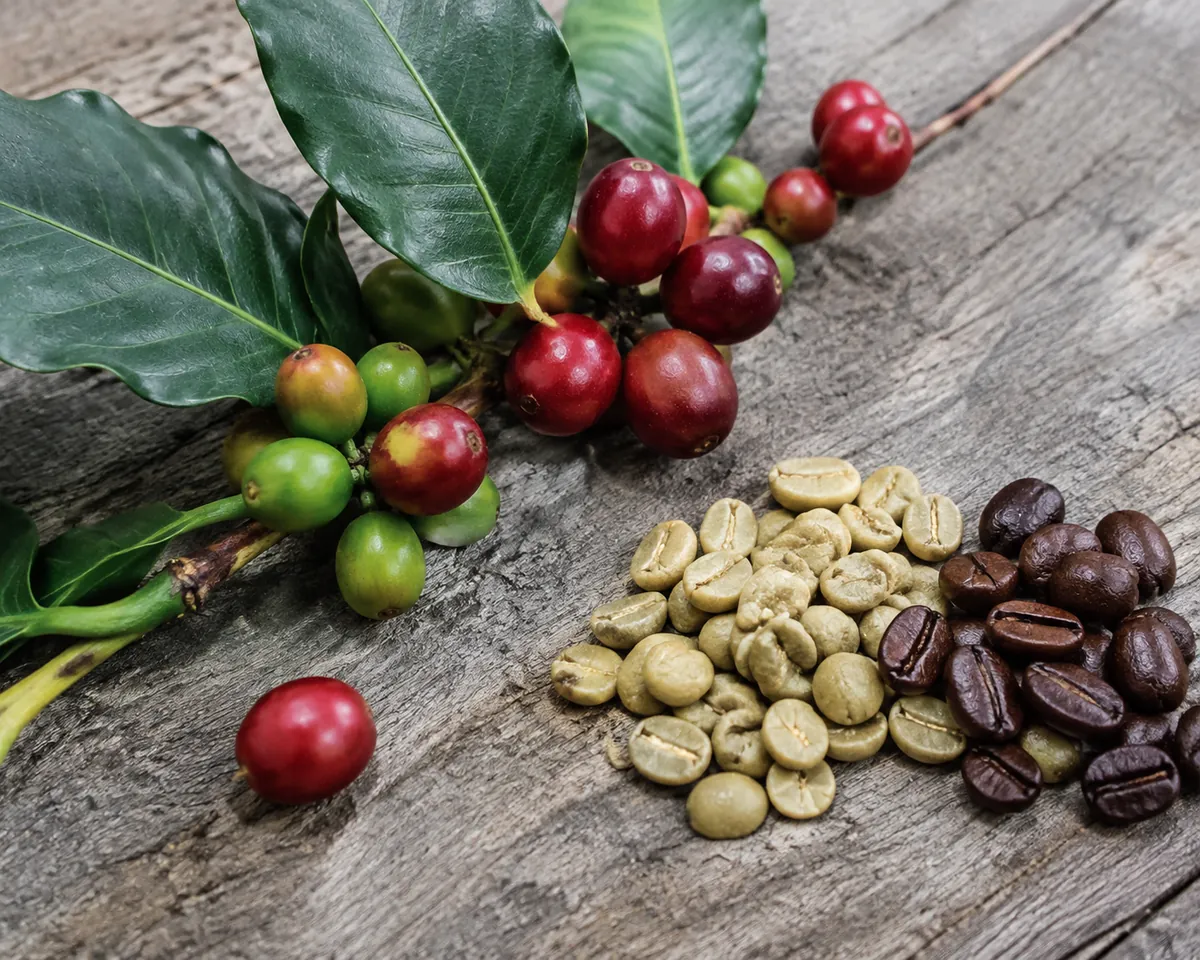
What Is Arabica? The Species Behind Most of the World's Coffee
Arabica is the world's dominant coffee species, but the name alone cannot predict quality. Cultivar, site, processing...
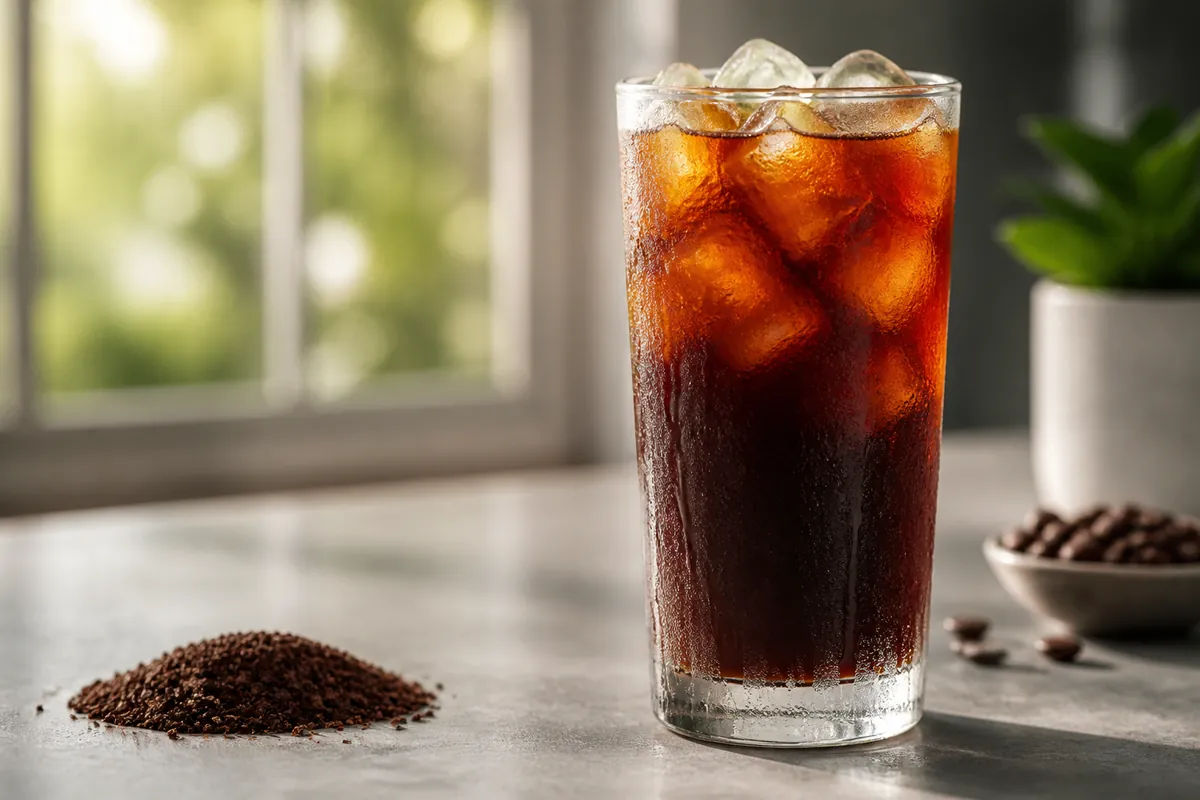
What Is Cold Brew Coffee? Why Temperature Matters, Not Time
Cold brew is coffee steeped in cold water for many hours rather than brewed with heat. The cold water, more than the...
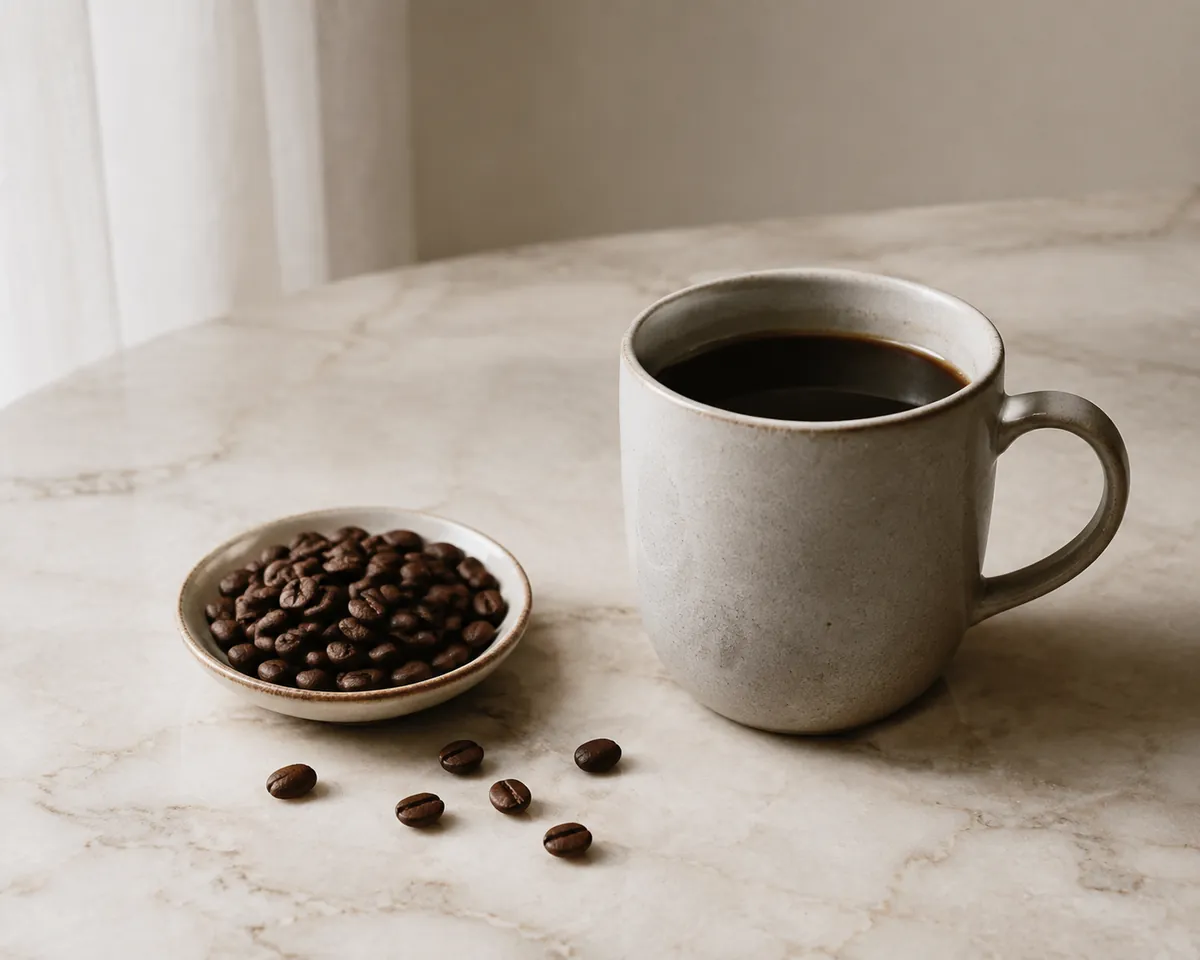
What Is Decaf Coffee? How the Caffeine Comes Out of the Bean
Decaf is coffee with most of its caffeine removed from the green bean before roasting. Which process was used changes...
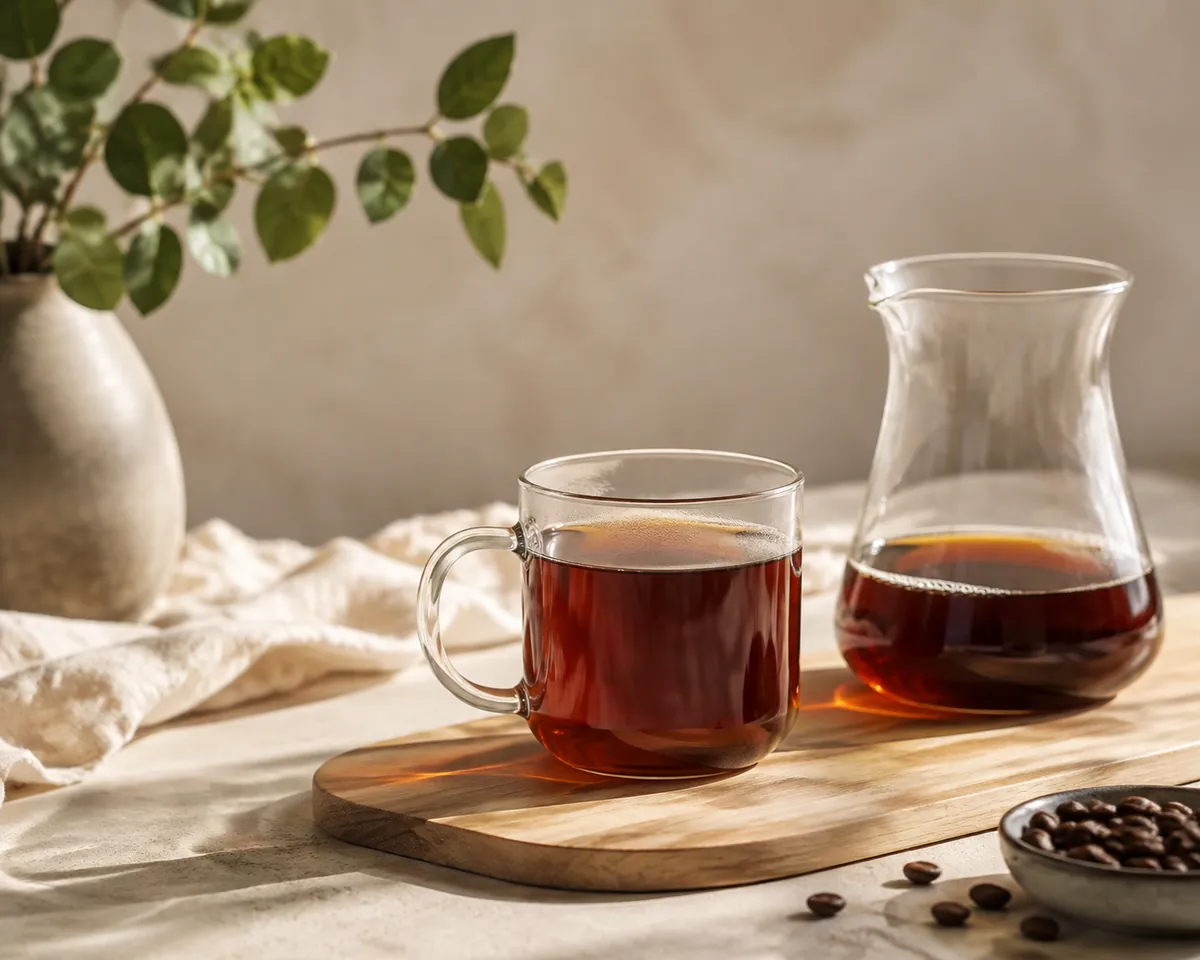
What Is Drip Coffee? When the Machine Decides How Water Arrives
In every other brewing method a person decides how the water arrives. In drip coffee a machine decides, which removes...

What Is Espresso? A Brewing Method, Not a Bean or a Roast
Espresso is a brewing method, not a bean or a roast. It is defined by pressure, a fine grind and a tight ratio, and...

What Is Iced Coffee? Brewed Hot and Then Chilled Down
Iced coffee is brewed with hot water and then chilled, which is the whole of what separates it from cold brew...
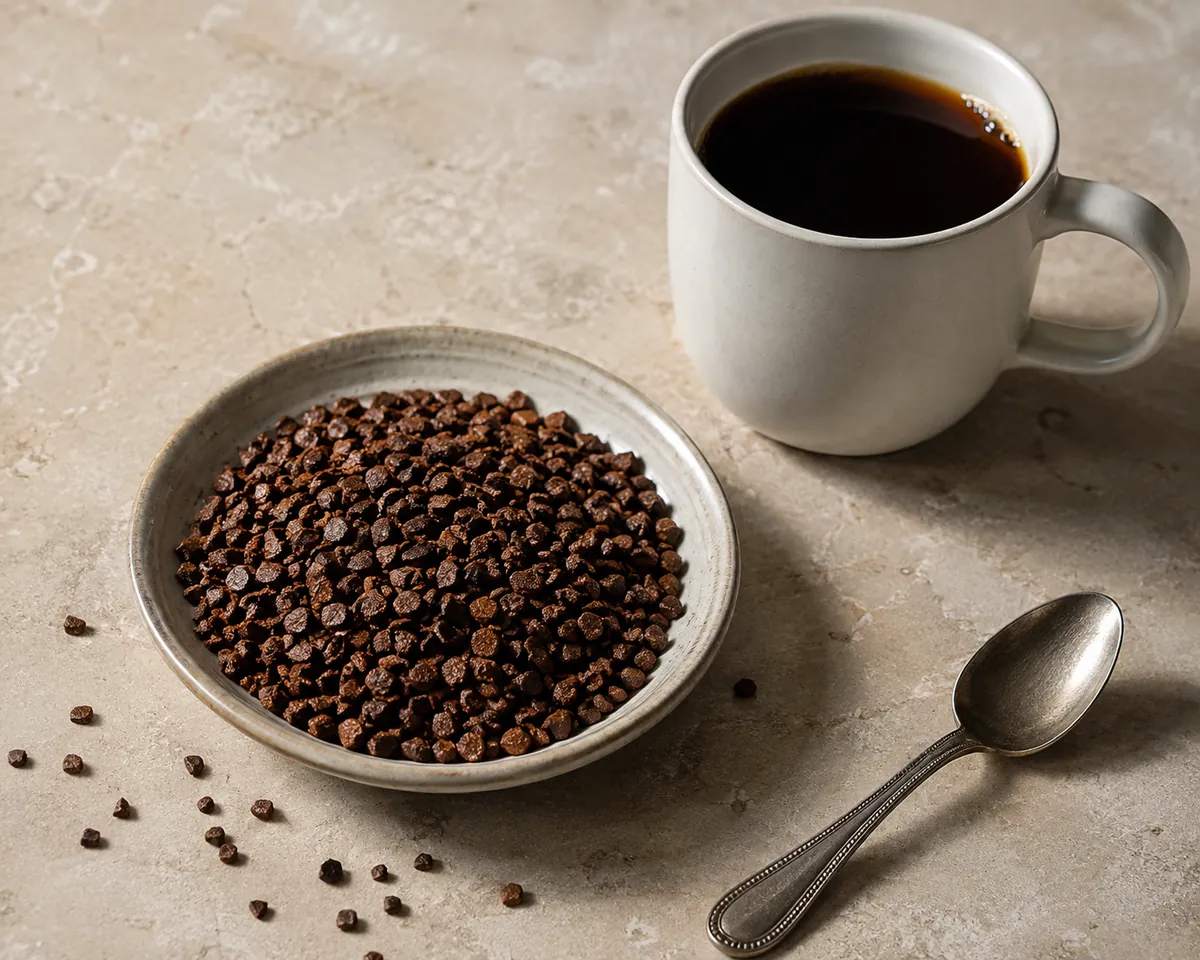
What Is Instant Coffee? Real Coffee With the Water Taken Out
Instant coffee is real coffee that has been brewed and then had its water removed. What is missing from the cup is not...
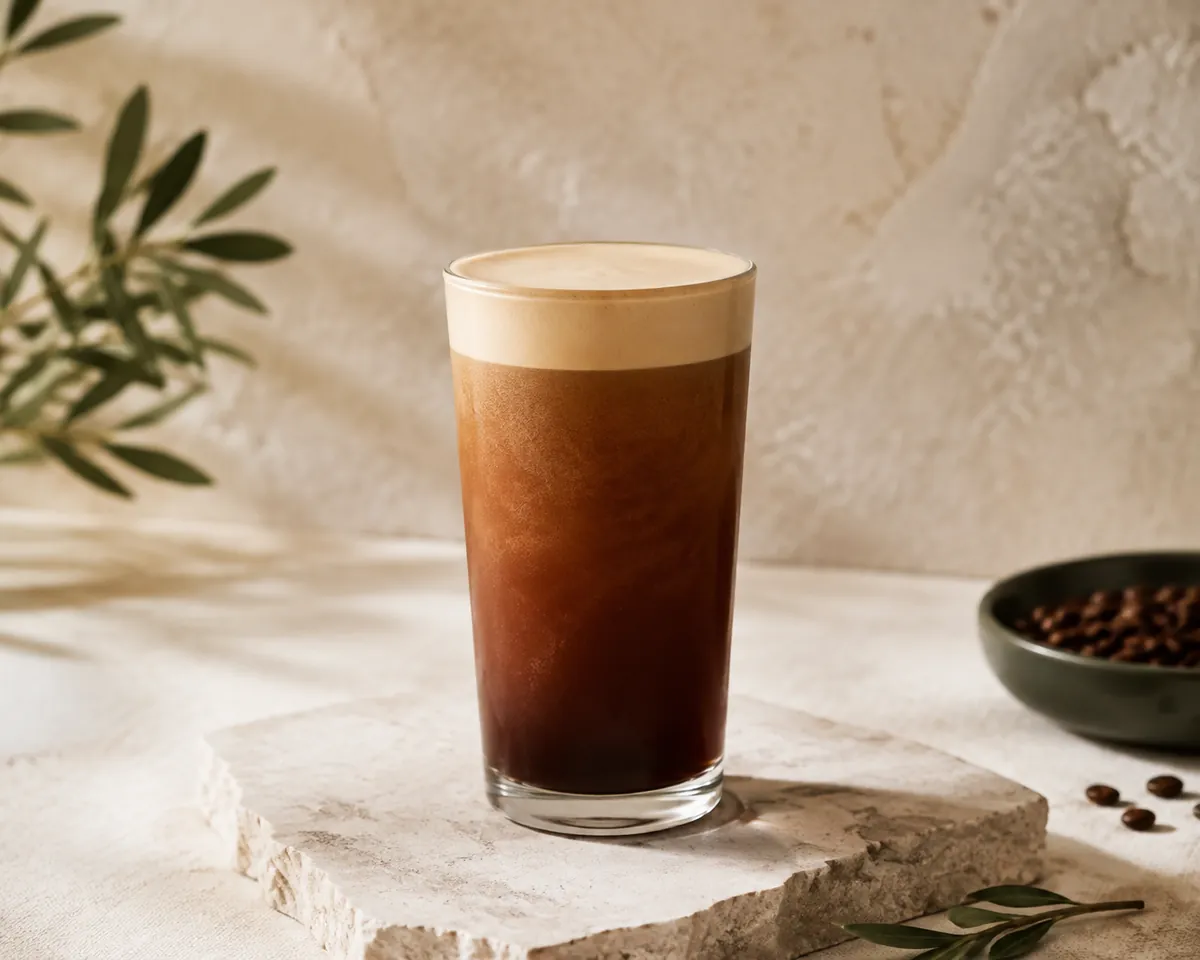
What Is Nitro Coffee? Why Nitrogen Behaves Unlike Carbon Dioxide
Nitrogen is poorly soluble in water, which is the entire reason this drink exists. It leaves solution as bubbles small...
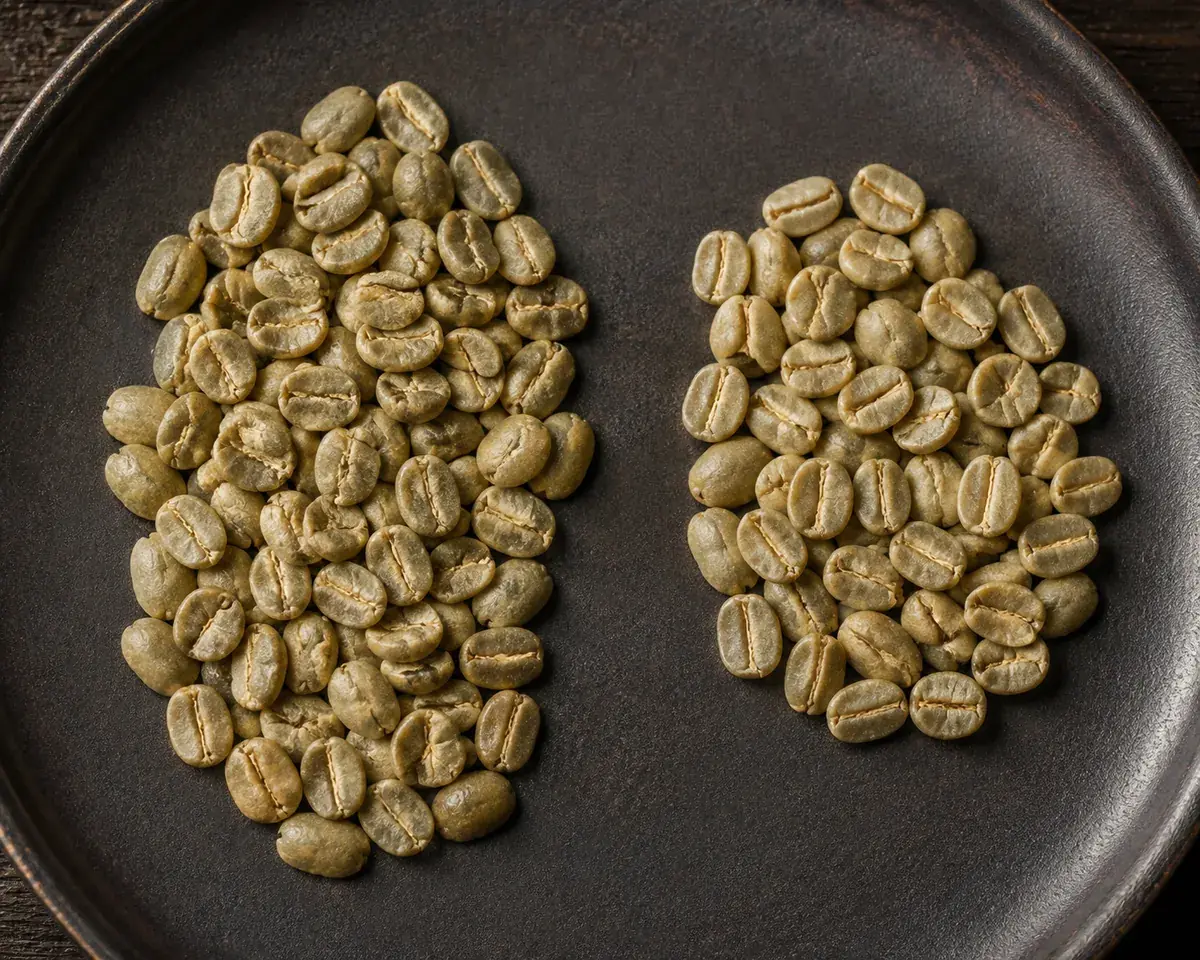
What Is Robusta Coffee? Taste, Caffeine, and Uses
Robusta is a coffee species with more caffeine, heavier body, and greater heat tolerance than arabica. If you know it...
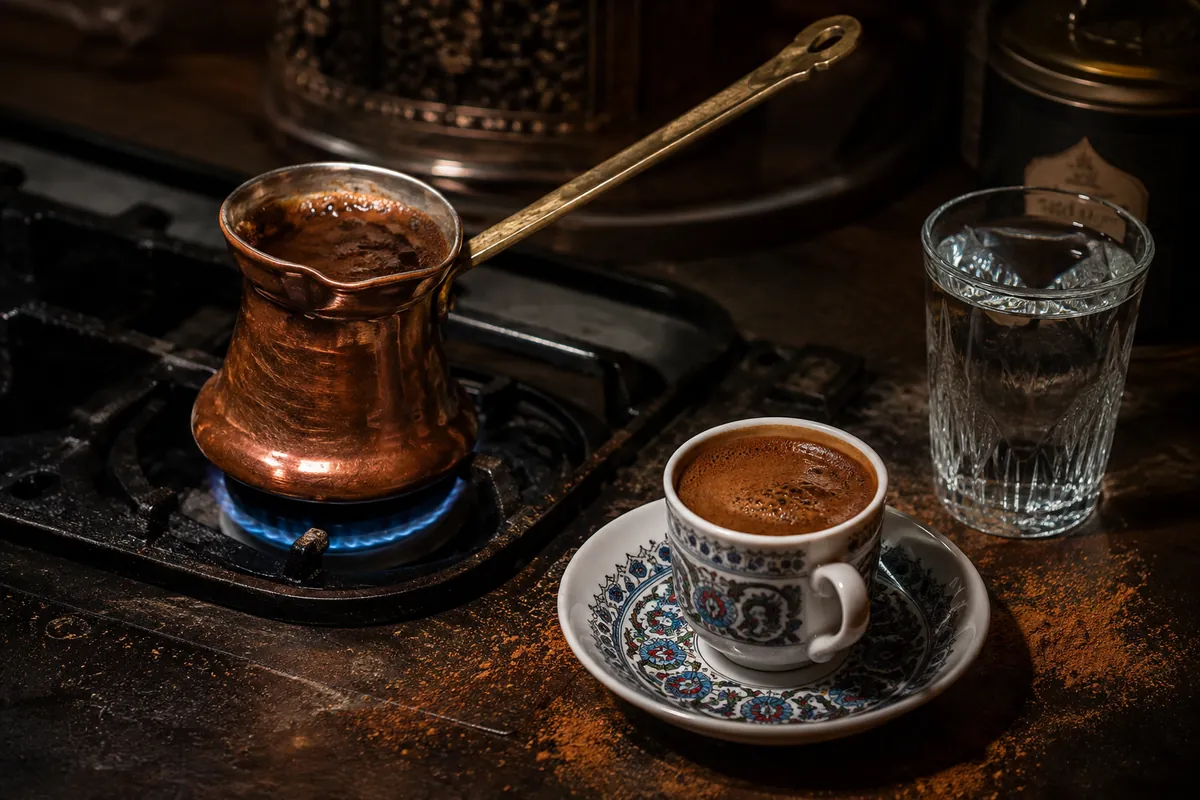
What Is Turkish Coffee? The One Method That Keeps the Grounds
Turkish coffee is the only common method where the grounds are never separated from the drink. Everything about it...
More drinks worth knowing
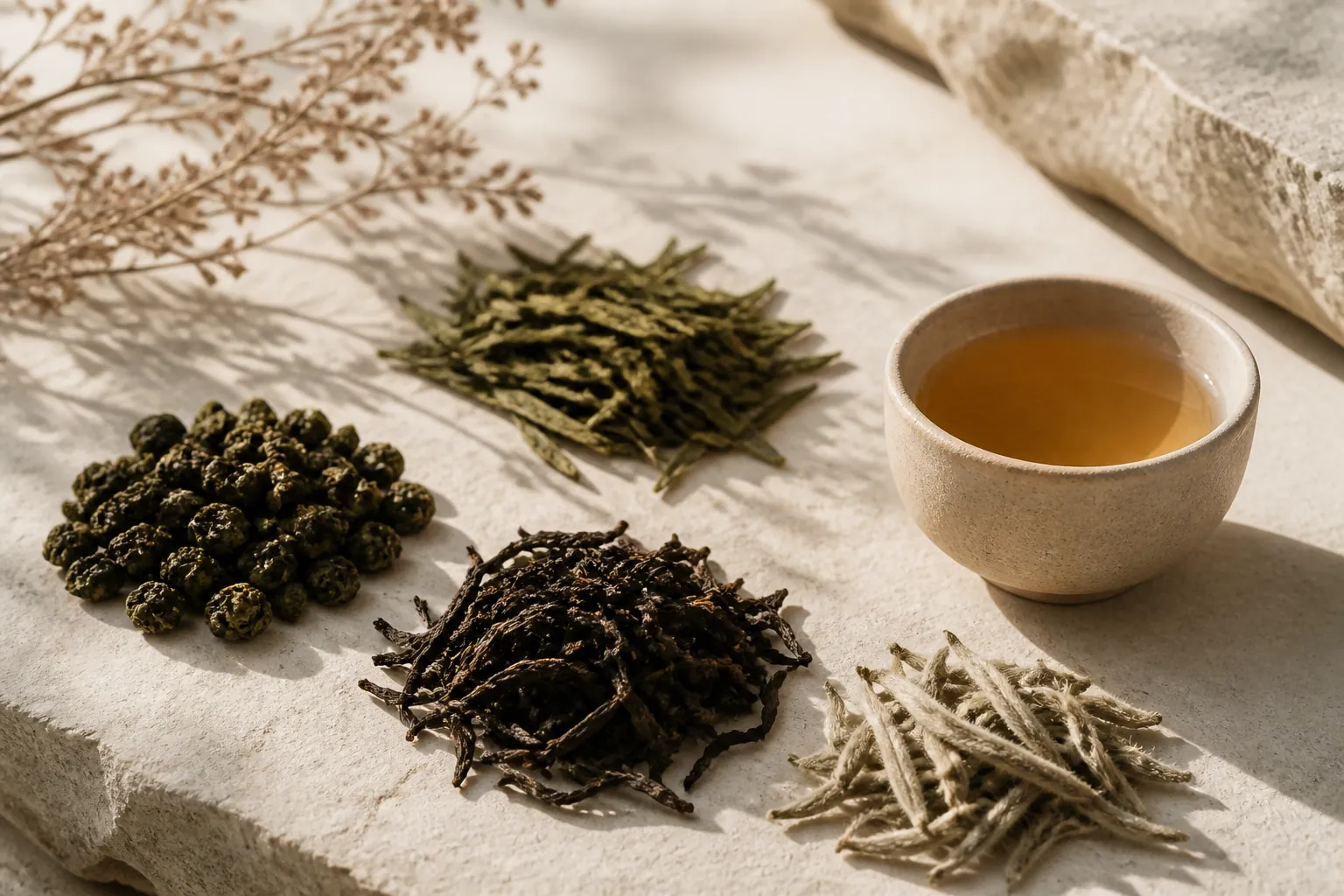
Tea
Green, black, oolong, white, and pu-erh. How the leaf is processed, what that does to the cup...
Matcha
Shade grown, stone ground, and drunk whole rather than steeped. Why matcha behaves unlike any...
Cocoa
Cocoa powder, drinking chocolate, and the difference alkalizing makes to colour, flavour, and...