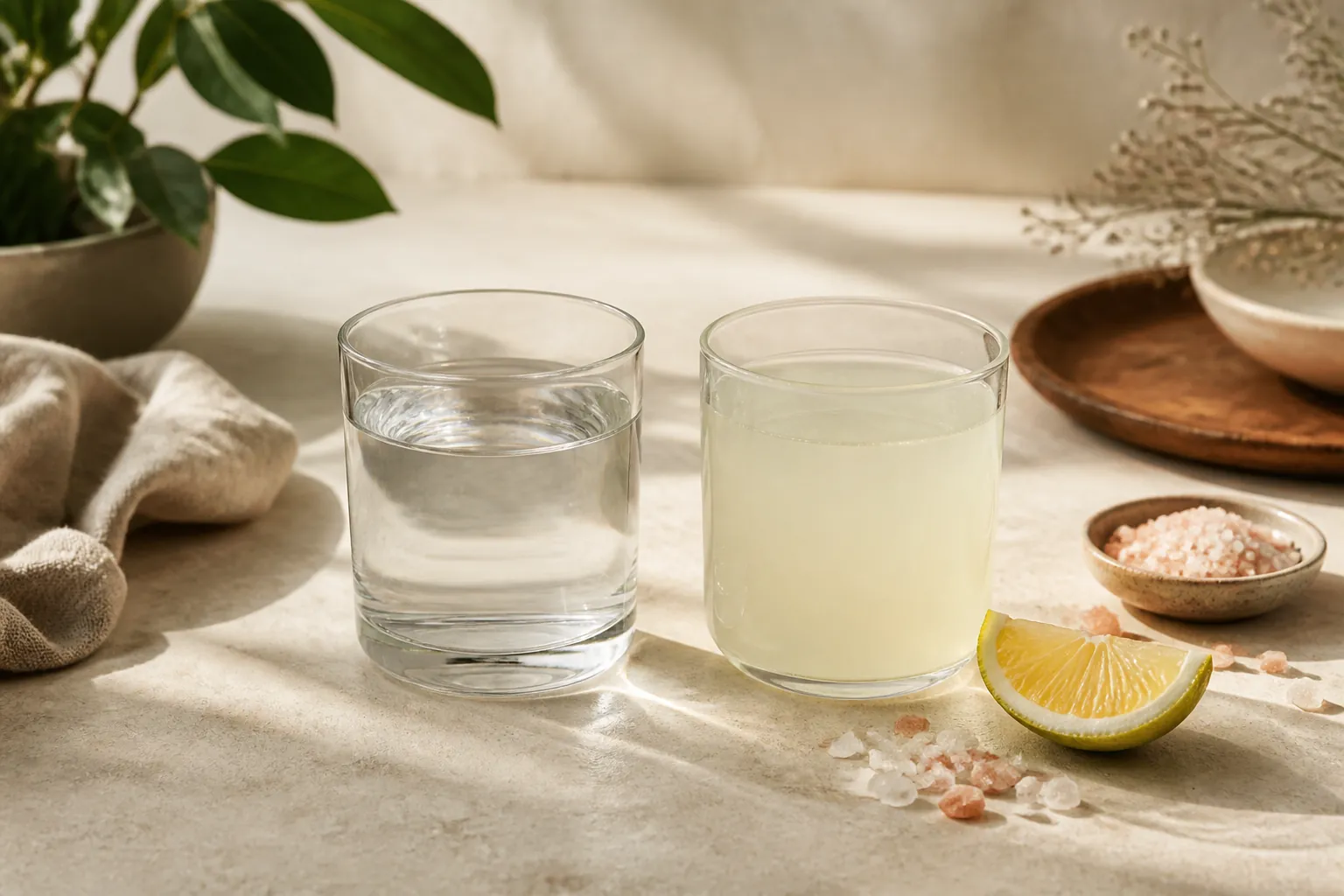
Hydration Drinks
Water, and the drinks built on top of it. What an electrolyte drink adds, in plain terms, and where the practical differences actually show up.
Most drinks hydrate. What separates a plain glass of water from a formulated hydration drink is the addition of dissolved minerals, most often sodium and potassium, and usually some carbohydrate.
What matters is what those products contain and how they are formulated. How much anyone should drink, and what any body needs, are questions for a qualified professional rather than a drinks reference.
What separates these products is composition rather than category. Sodium, potassium and carbohydrate in different proportions is most of what distinguishes one bottle from the next.
Consistency is the axis nobody prints on the label. A formulated drink is made to a specification and arrives the same every time, where a natural product varies with the harvest it came from.
Mineral water is a legally defined category rather than a marketing phrase. It has to come from a protected source and carry a stated analysis, which is why the panel on the back is worth more than the front of the bottle.
Alkaline water describes a pH figure and nothing more. That is a measurable property with a precise meaning, and it is a narrower claim than the packaging usually suggests.
These pages describe what is in the bottle and how the products differ.
What anyone should drink is a question for a qualified professional rather than a drinks reference.
Water, Electrolytes, and What Sets Them Apart
The drinks sold for replacing what you sweat out, and what is actually in each one.
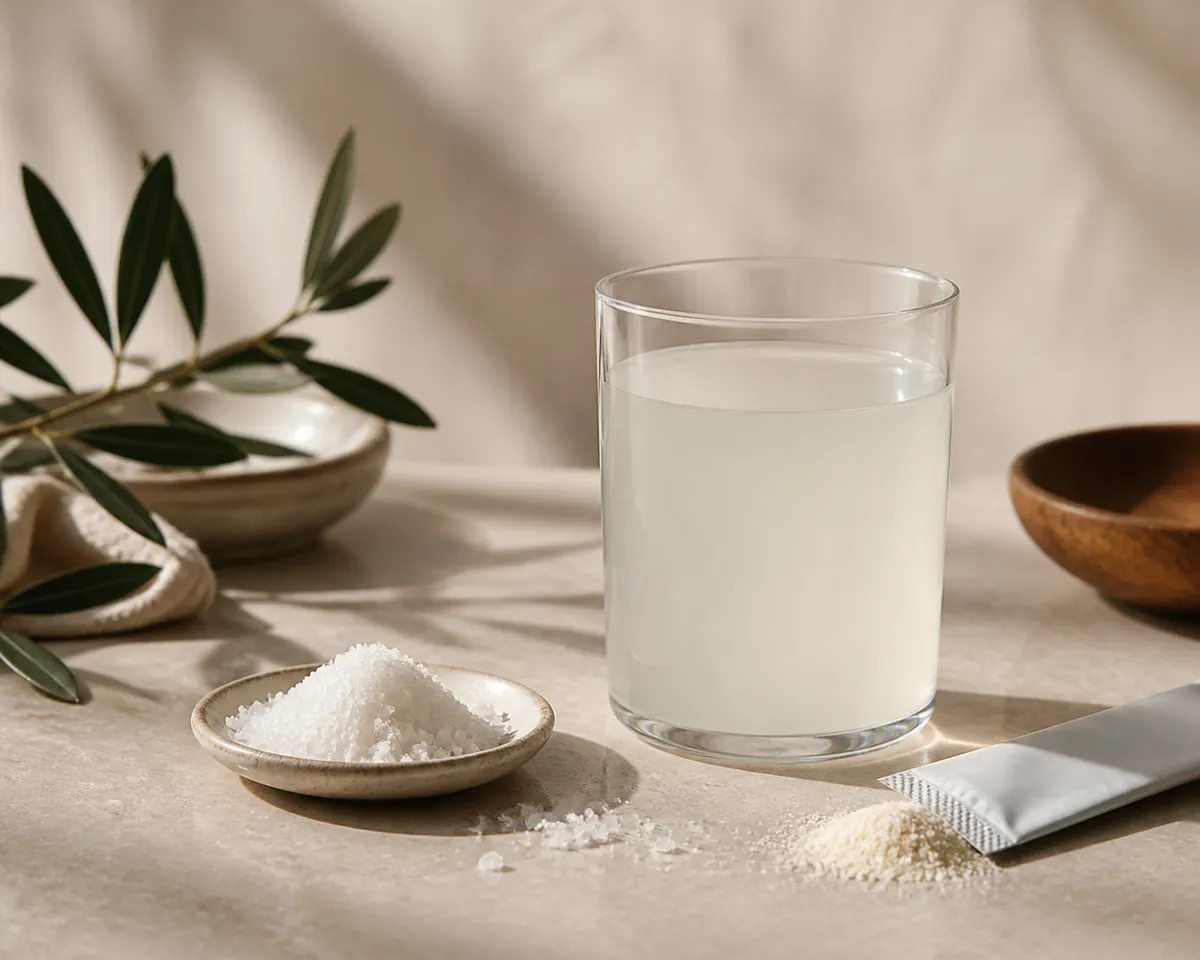
What Is an Electrolyte Drink? Water With Salts Dissolved In
An electrolyte drink is water with dissolved mineral salts added, most often sodium and potassium, and usually some...
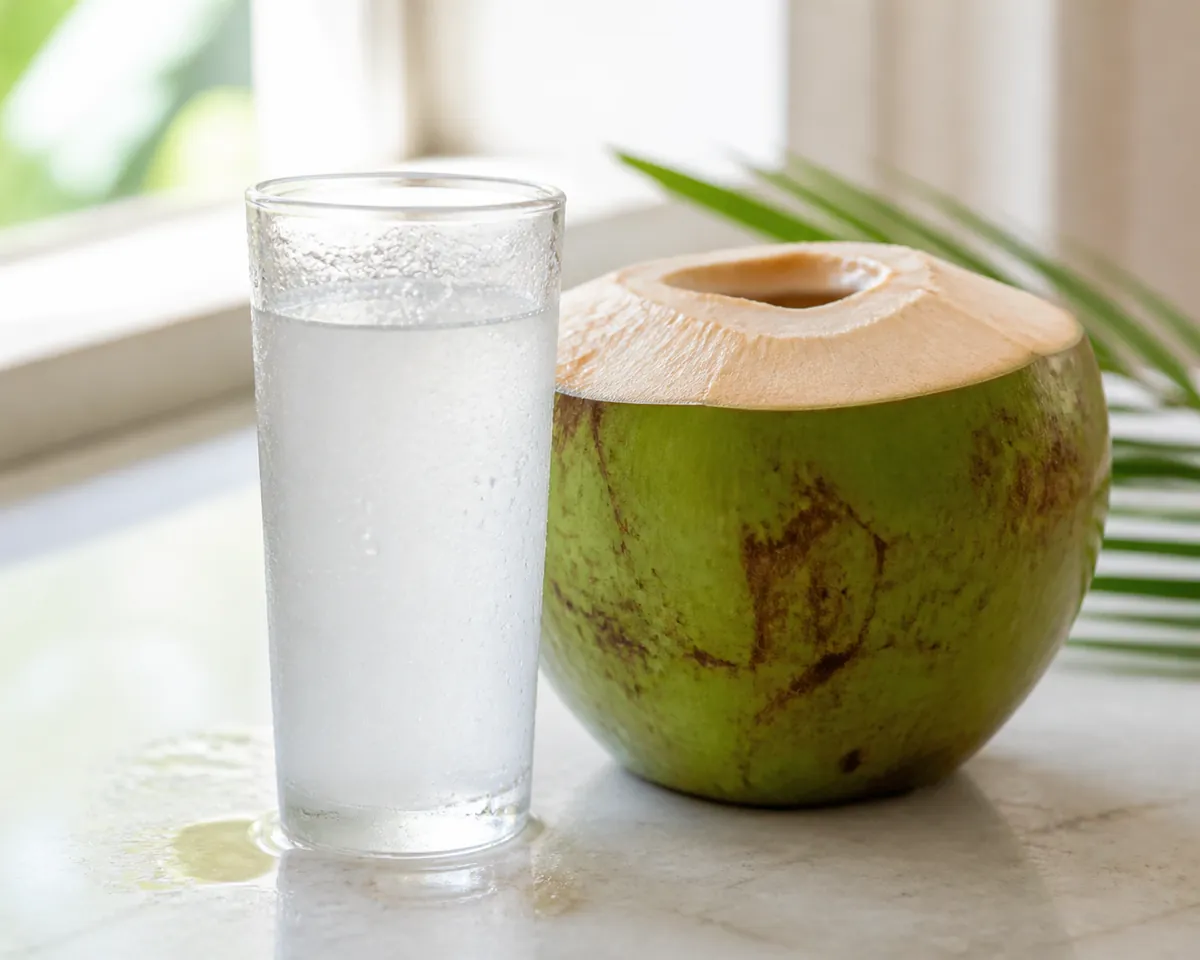
What Is Coconut Water? The Liquid Inside a Young Coconut
Coconut water is the liquid inside a young green coconut, not a pressed product. Its character is decided almost...
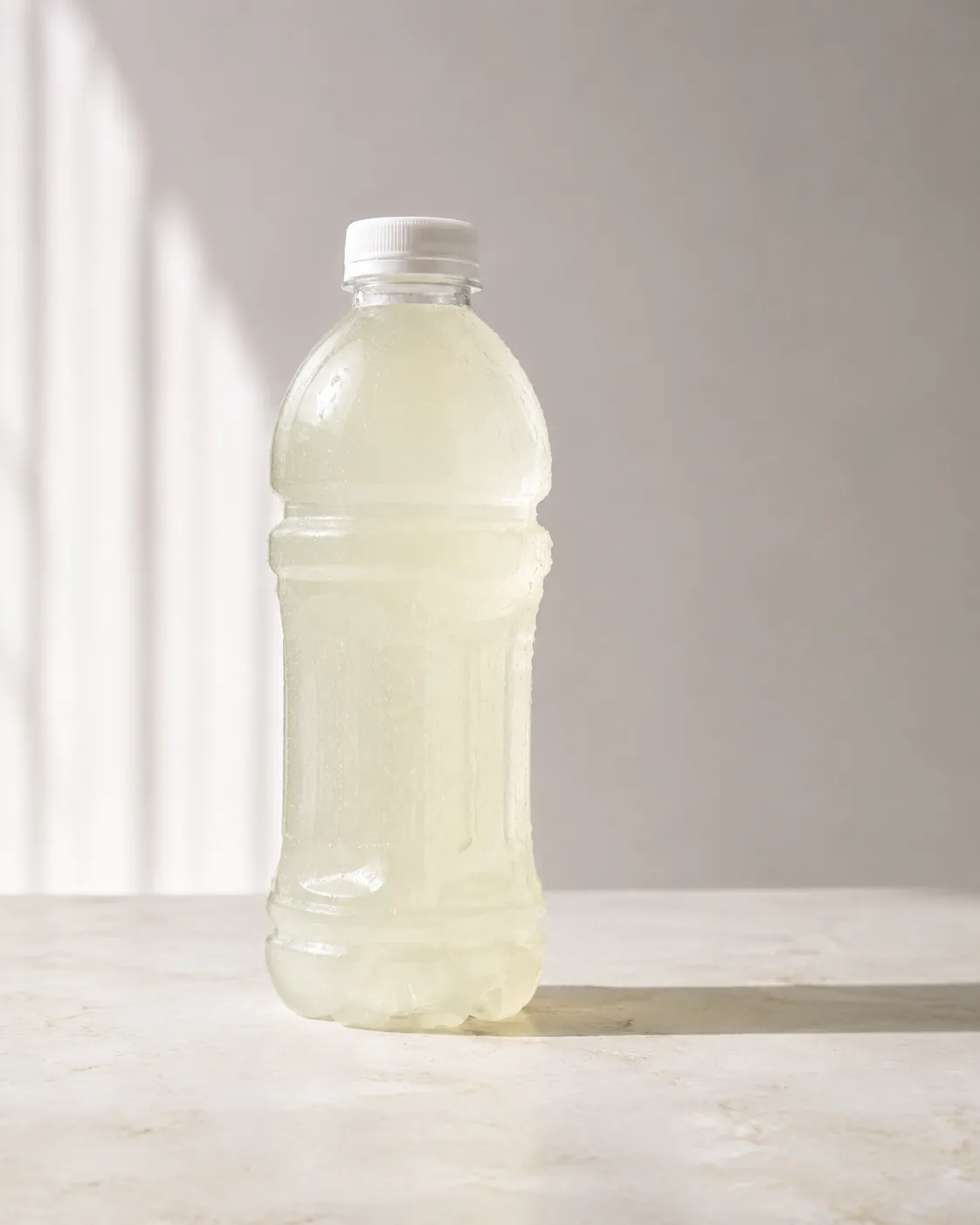
What Is a Sports Drink? Sugar and Salts at a Set Concentration
A sports drink is water with sugar and salts dissolved in it, formulated to a particular concentration. The word...
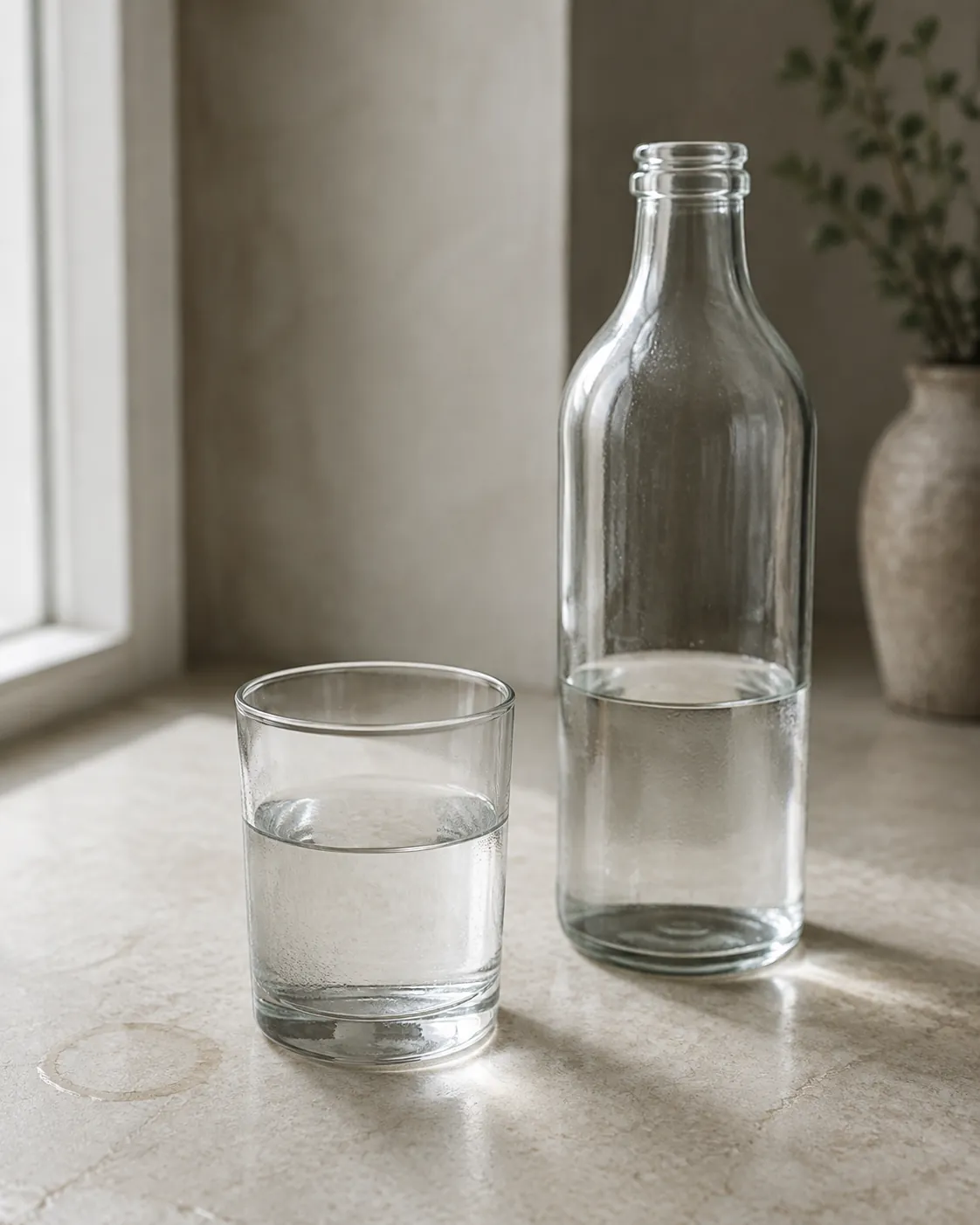
What Is Mineral Water? A Legally Defined Category, Not a Claim
Mineral water is a legally defined category, not a marketing phrase. It must come from a protected underground source...
More Hydration Guides
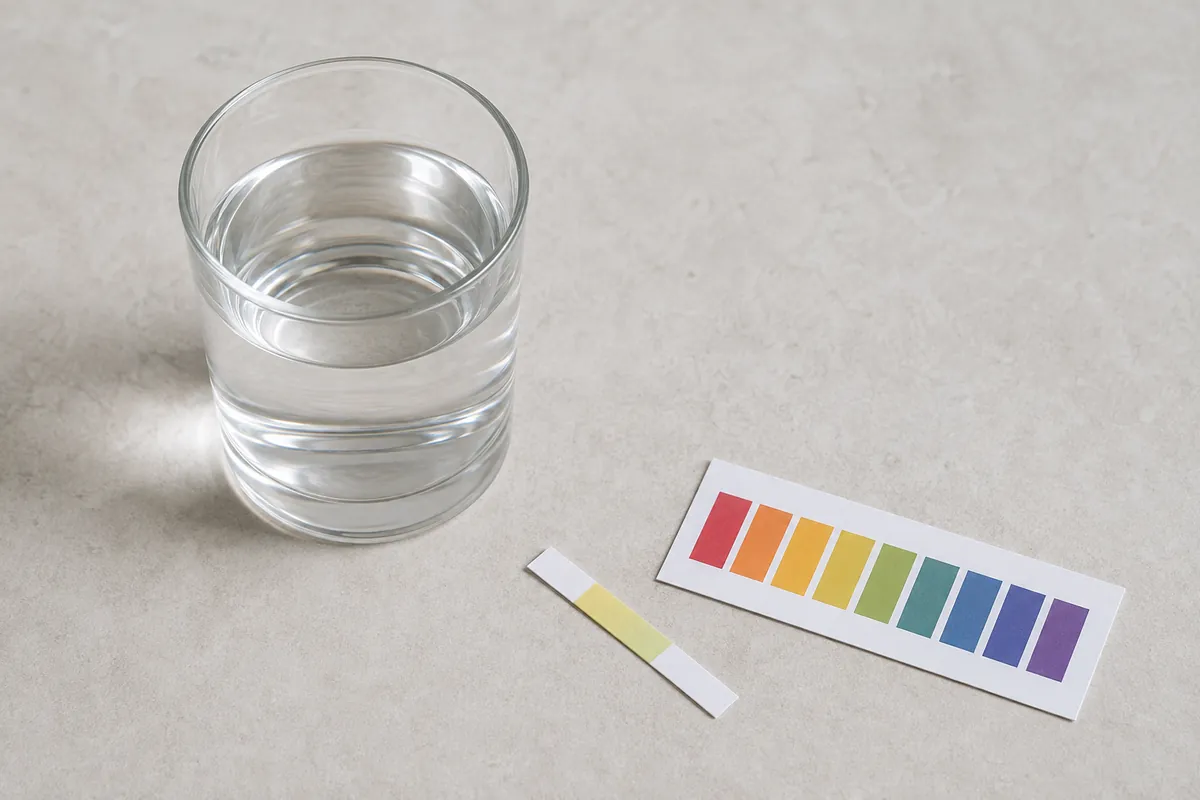
What Is Alkaline Water? A pH Figure, and What It Describes
Alkaline water is water with a pH above 7. That is a measurable property with a precise meaning, and it is surrounded...
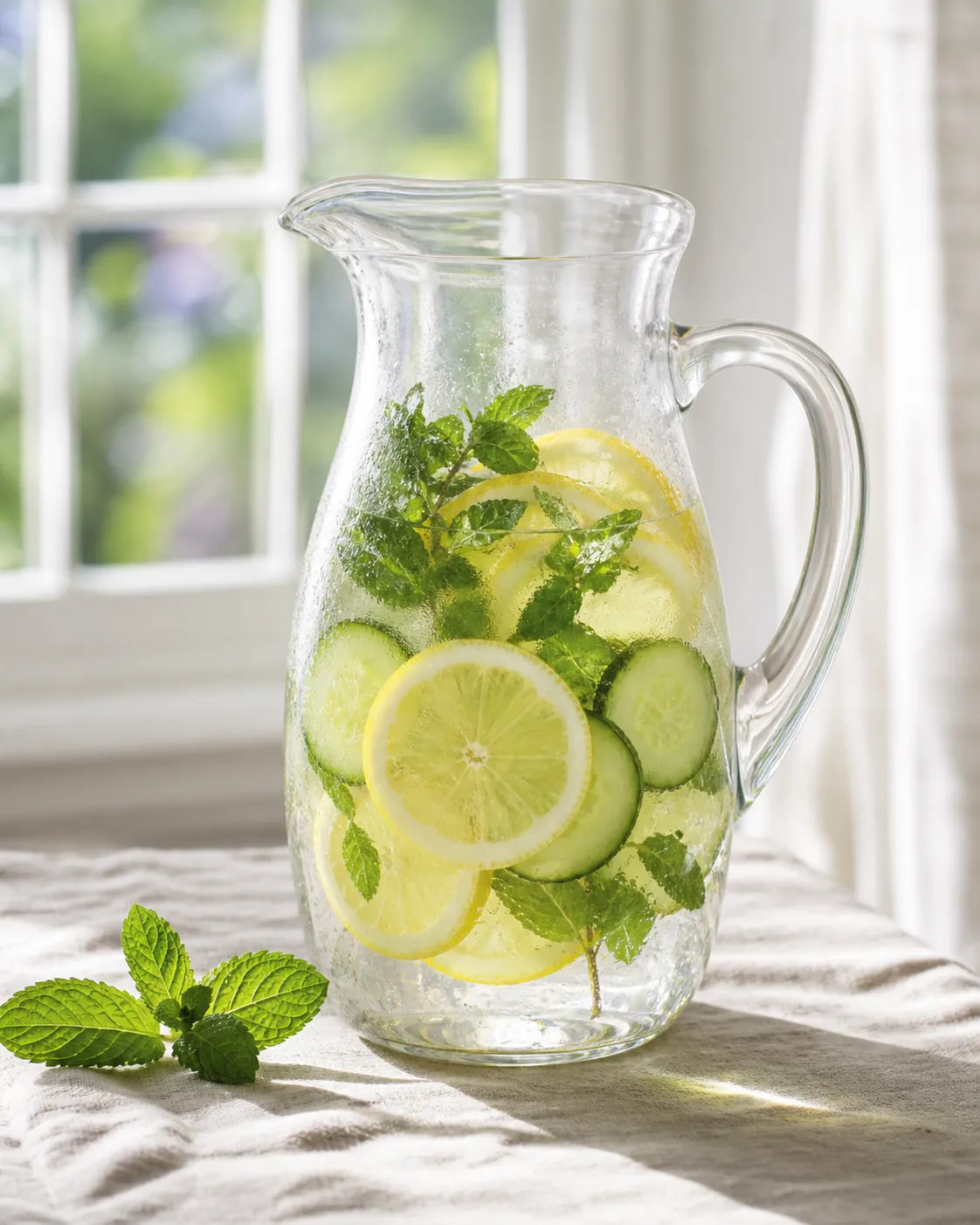
What Is Infused Water? How Little Actually Leaves the Fruit
Infused water is cold water flavoured by steeping fruit, herbs or vegetables in it. Very little transfers, which is the...
More drinks worth knowing

Tea
Every true tea comes from one plant. What separates green from black, and a good cup from a...

Coffee
Four things decide what lands in your cup: the bean, the grind, the water, and the time they...

Matcha
Matcha is not steeped and strained like other tea. The leaf is ground to powder and suspended...