Why Your Arabica Tastes Sour, and Whether That Is a Fault
A sharp arabica is sometimes a fault and sometimes just a bright coffee, so it is worth checking whether anything is broken before changing the brew.
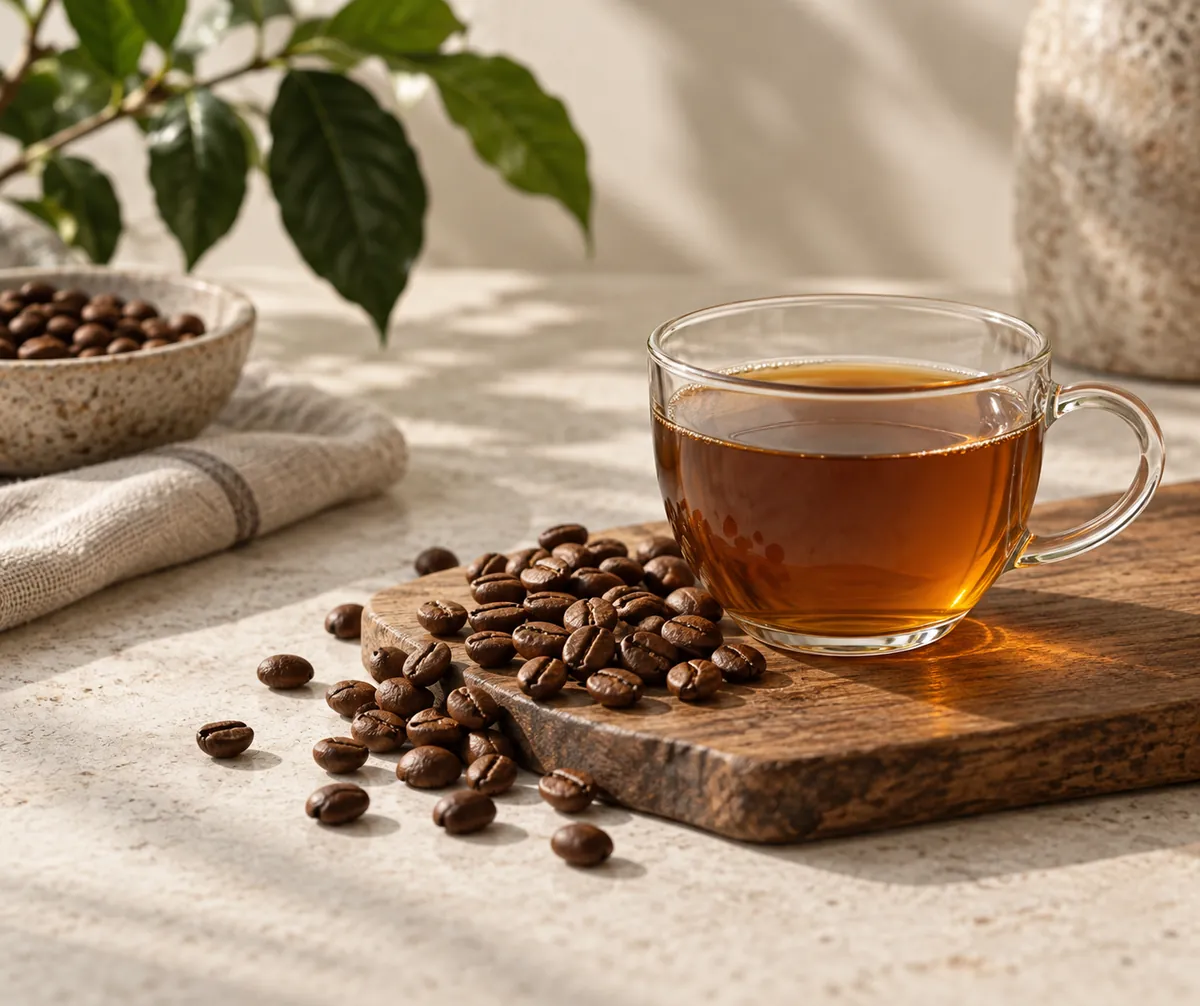
Arabica beans are sold on their acidity and complained about for its sourness, and those are the same property judged twice.
So the first question is whether anything is broken, and only after that how to fix it.
How do you tell bright acidity from sourness?
The difference shows in what arrives after the sharpness.
Bright acidity arrives with sweetness behind it and leaves a clean finish, the way a good apple does. Sourness arrives alone and stays sharp, closer to lemon rind than to fruit.
The sweetness test is to take a sip and wait: if sweetness follows the sharpness the cup is working, and if the sharpness is all there is, it is under-extracted and everything below applies.
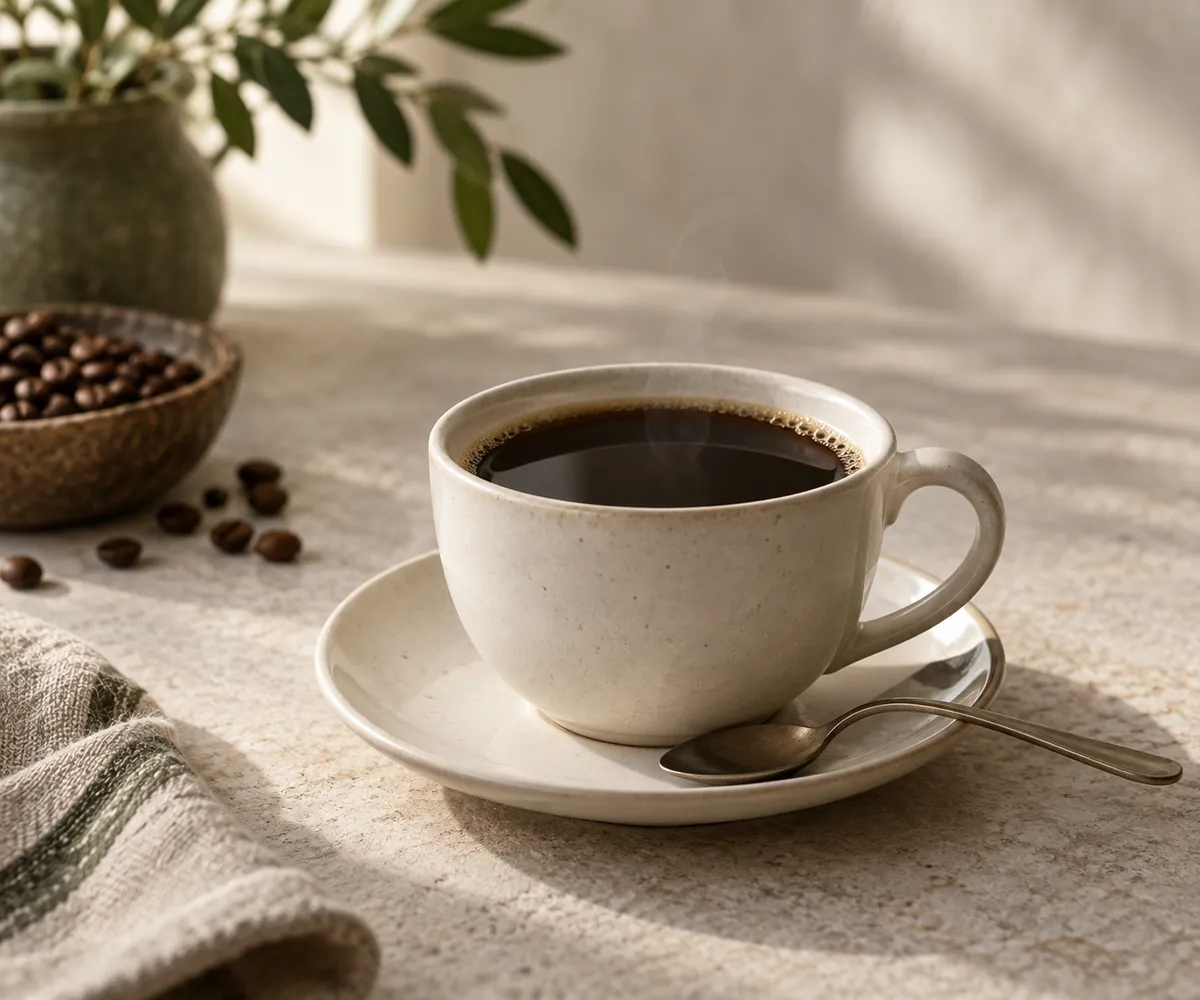
Judge it warm rather than hot. Heat flattens the distinction, and a cup that seemed harsh at pouring temperature is often obviously sweet three minutes later.
The vocabulary is worth borrowing: fruit, citrus and wine describe acidity, while vinegar, sharp and thin describe sourness, and roasters use the first set precisely because they are selling the thing.
Processing shifts it too. A washed lot is brighter than a natural one brewed identically, so the same settings give you a sharper cup from a different bag.
Some people simply dislike acidity. That is a preference rather than a fault, and what suits them is a darker roast or Robusta rather than a better technique.
Can well-extracted arabica still taste sharply acidic?
Yes. Species, origin, processing, roast, and serving temperature all shape acidity before your brewer touches the coffee, so a sharp cup is not automatic proof of under-extraction.
| Clue | What it may indicate | What brewing can change |
|---|---|---|
| Clean citrus with sweetness | Deliberate bright profile | Emphasise or soften it, not remove it |
| Berry or wine-like aroma | Natural or experimental processing | Change clarity and intensity |
| Green, peanut-like sharpness | Under-developed roast | Very little |
| Vinegar or solvent note | Fermentation or storage defect | Almost nothing |
| Papery acidity with no aroma | Stale coffee | Strength, but not freshness |
A washed coffee often presents acidity more clearly because less fruit material remains around the seed during drying, while a natural process often adds ripe-fruit aroma and body. Neither label guarantees a particular taste, and the roast can overwhelm both.
Read the tasting notes as a direction rather than a promise. Citrus, red fruit, and floral language prepare you for brightness, while chocolate, nut, and caramel usually signal a rounder target.
As coffee cools, aroma and sweetness become easier to separate from heat, so the warm-cup test above says more than the first hot sip.
If the cup is sweet, clear, and persistent, the acidity is probably part of the coffee, and a technical correction would erase a flavour you happened not to want from that bag rather than solve a fault.
When is the roast the problem rather than the brew?
Read the bag before you touch the grinder.
| Roast | Tastes like | Fixable by brewing? | What to do |
|---|---|---|---|
| Light | Bright, acidic, tea-like | Partly | Hotter water, finer grind |
| Under-developed | Grassy, sharp, hollow | No | Different roaster |
| Medium | Balanced, sweet | n/a | Nothing |
| Dark | Bitter, low acid, smoky | Partly | Cooler water, coarser grind |
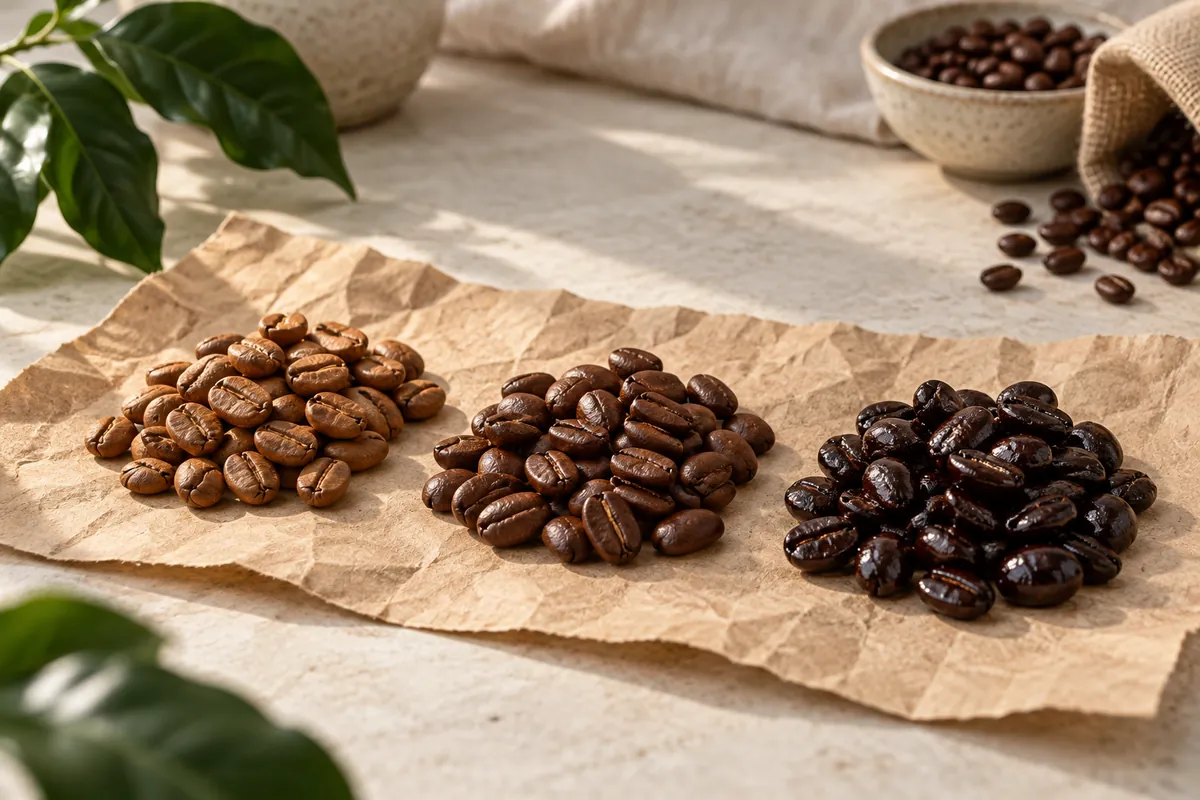
A light roast is acidic on purpose, because it has been stopped early to keep origin character, and brewing will move it only so far before you are fighting the roaster's intention. Under-developed is a different thing and a fault: the roast went fast or stopped short without the sugars developing and the cup is grassy and sharp at every setting you try.
Telling the two apart is difficult and worth attempting, and the clue is that a light roast has sweetness under the acidity while an under-developed one has a hollow where that sweetness should be.
Dark roast brings the opposite complaint, because much of the acidity has been roasted away and what people dislike there is bitterness rather than sourness.
The roast date matters as much as the roast level, and a bag that carries neither is telling you something by omission.
How do you fix an under-extracted arabica?
Finer, longer, and one change at a time.
Pulling the cup further in
- Grind finerTwo clicks. It is the largest single lever you have.
- Extend contactThirty seconds more, or a slower pour.
- Raise the doseOnly if the cup is thin as well as sharp.
- Stop at bitterThe correction has a ceiling, and past it you have the other fault.
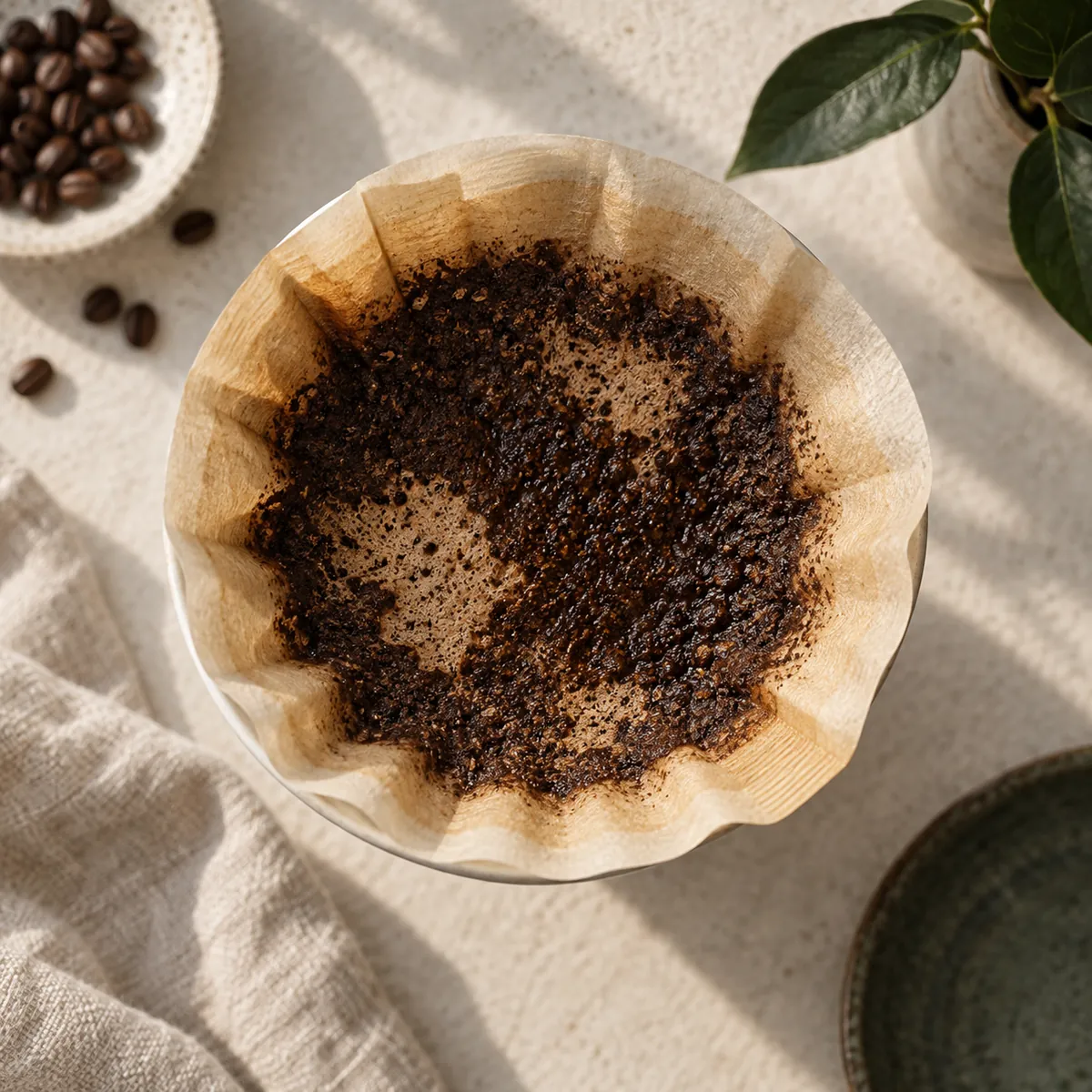
Under-extraction has a signature: the cup is sour and thin and short all at once, and it disappears from your palate rather than lingering.
Look at the spent bed afterwards. Pale dry patches mean water channelled around some of the coffee, and no amount of grind adjustment fixes a pour that missed.
Dose and grind fix different things. More coffee makes a thin cup stronger, and a finer grind makes a sour cup sweeter, and swapping them is how people end up strong and sour together.
There is a limit in the other direction. Push extraction far enough and the cup turns bitter and dry, which is the point to stop and accept where the bag lands.
What water temperature does arabica need?
Between 90 and 96 C, matched to the roast rather than fixed once.
The 90 to 93 C band is the balanced, safe default and suits darker roasts, and the 93 to 96 C band gives a fuller cup that suits light roasts.
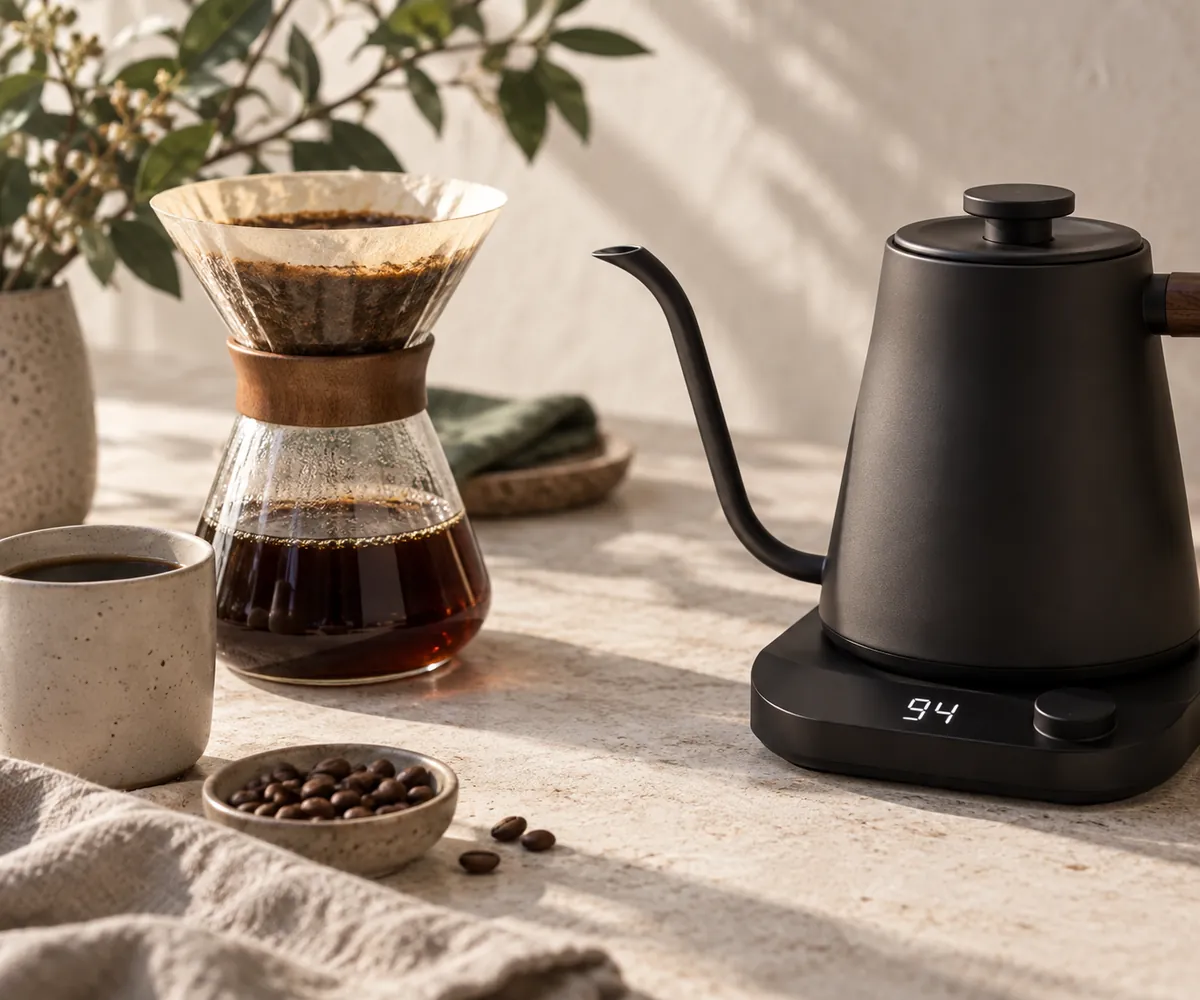
Below ninety is the quiet fault. The water itself simply cannot get enough out of the coffee, and the result reads as sour even at a perfect grind.
Light roasts want the top of the band. They are denser and harder to extract, so the same setting that suits a dark roast leaves them under-done.
Dark roasts want the bottom, because they give up their solids readily and hot water pushes them into bitterness before the brew has finished.
You do not need a variable kettle for this. A minute or two of standing after the boil brings the water into this band for free, and a thermometer confirms it.
The vessel matters too. A cold ceramic dripper takes several degrees out of the water on contact, which is enough to matter at the bottom of the band.
How does grind change an arabica cup?
Particle size is surface area, and surface area is how much coffee the water can actually reach in the time it has.
One change, followed through
- Move two clicksFiner for sour, coarser for bitter. One variable per brew.
- Flow changesThe brew runs slower or faster. This is the first sign it worked.
- Taste changesSweetness arrives, or bitterness does.
- Stop or repeatIf it improved but not enough, move two more.
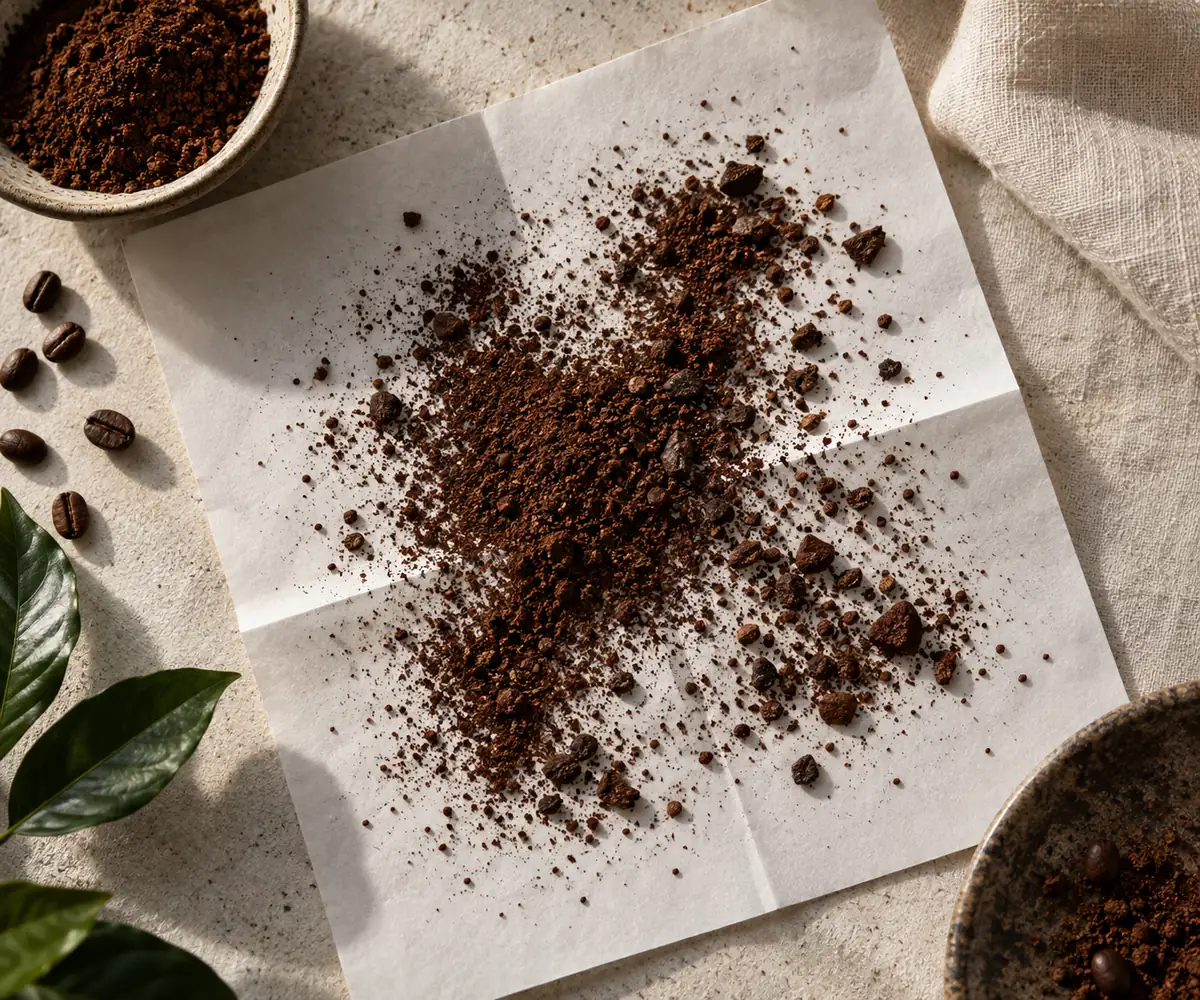
Two clicks is the useful increment, since one is usually below the threshold where you would notice it and five overshoots into the opposite fault.
Unevenness is the fault behind confusing cups: fines over-extract while boulders are still sour, so the same mouthful can be sharp and drying at once, and no single setting fixes it. That makes it a grinder fault rather than a setting problem, because a blade grinder cannot hold any grind consistently and there is no click number that compensates.
In immersion brewing a coarse grind is forgiven where a drip coffee bed does not forgive it, so the same click means different things in different brewers and a setting you carry between methods will land somewhere unexpected.
Why can the same cup taste sour and bitter?
Mixed faults usually mean uneven extraction. Some particles or parts of the coffee bed give up too much while others give up too little, so the cup contains both ends at once.
Wide particle spread
Fine dust extracts quickly while large fragments remain sour
Dry pockets
Water bypasses grounds that never became fully wet
Fast channels
A few paths carry most of the flow and overwork a narrow part of the bed
Poor agitation
The top moves while grounds at the edge stay untouched
Grinding finer is risky in this situation, because it can make the already extracted fraction harsher without bringing water to the dry or bypassed coffee.
Start by improving distribution. Level the bed, wet all the grounds, pour in a controlled pattern, and avoid digging one deep channel into the centre.
Then inspect the grinder: a burr grinder cannot eliminate every fine particle, but it should not leave obvious powder beside peppercorn-sized fragments.
Sour plus bitter calls for evenness first. Only after the bed and particle spread look consistent should you move the overall extraction finer, longer, hotter, or in the opposite direction.
What if it tastes flat rather than sour?
Flat and sour are different complaints, and only one of them is about brewing.
Flat
Papery, cardboard, no aroma. The bag is old, so buy differently.
Sour
Sharp with no sweetness. It is under-extracted, so brew differently.
Closed
Muted for two or three days after roasting. Wait rather than adjust.
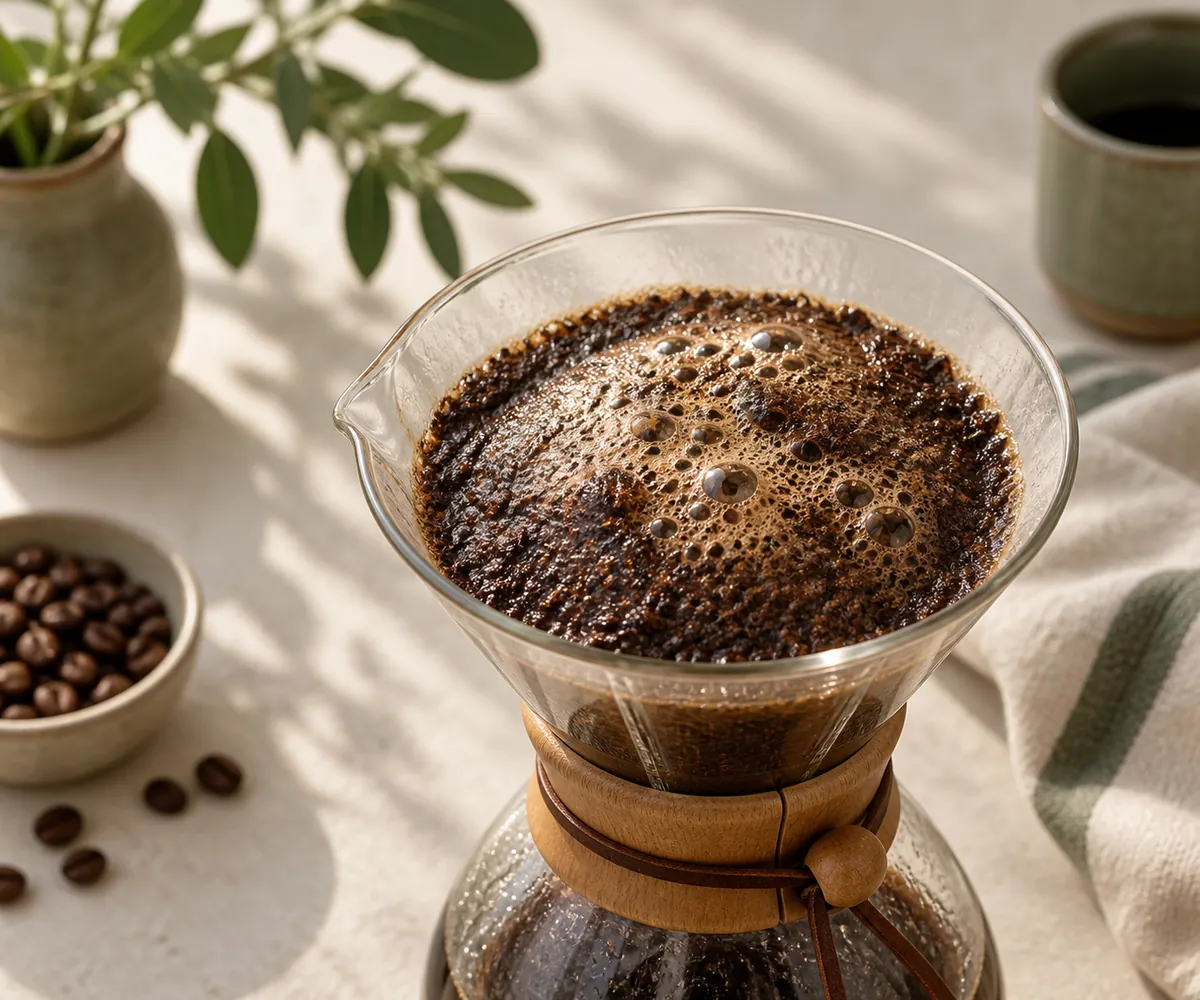
Aromatics go first, and coffee holds its body for weeks after it has lost the smell that made it worth buying, so flat coffee is still recognisably coffee and still disappointing.
The bloom tells you before you taste. Fresh coffee lifts into a dome as trapped gas escapes, and coffee that sits flat under the water has very little left in it.
Pre-ground is the fastest to go, because all the surface that makes fine grinding work also lets it stale, and an open bag is noticeably duller within a week.
Very fresh coffee can fool you. For two or three days after roasting a coffee can taste closed and muted, and the answer there is to wait rather than to grind.
Hard brewing water can flatten a cup independently. If every bag tastes dull and your kettle scales, compare the brew with neutral mineral water before blaming the roaster.
Which faults belong to the bean rather than to you?
At some point it makes more sense to stop adjusting and change bags.
- Is there a sharp fermented or winey note that survives every setting?
- Are there noticeably paler beans scattered through the bag?
- Has the bag been sitting somewhere warm, or above the kettle?
- Does the bag name an origin and a roast date, or neither?
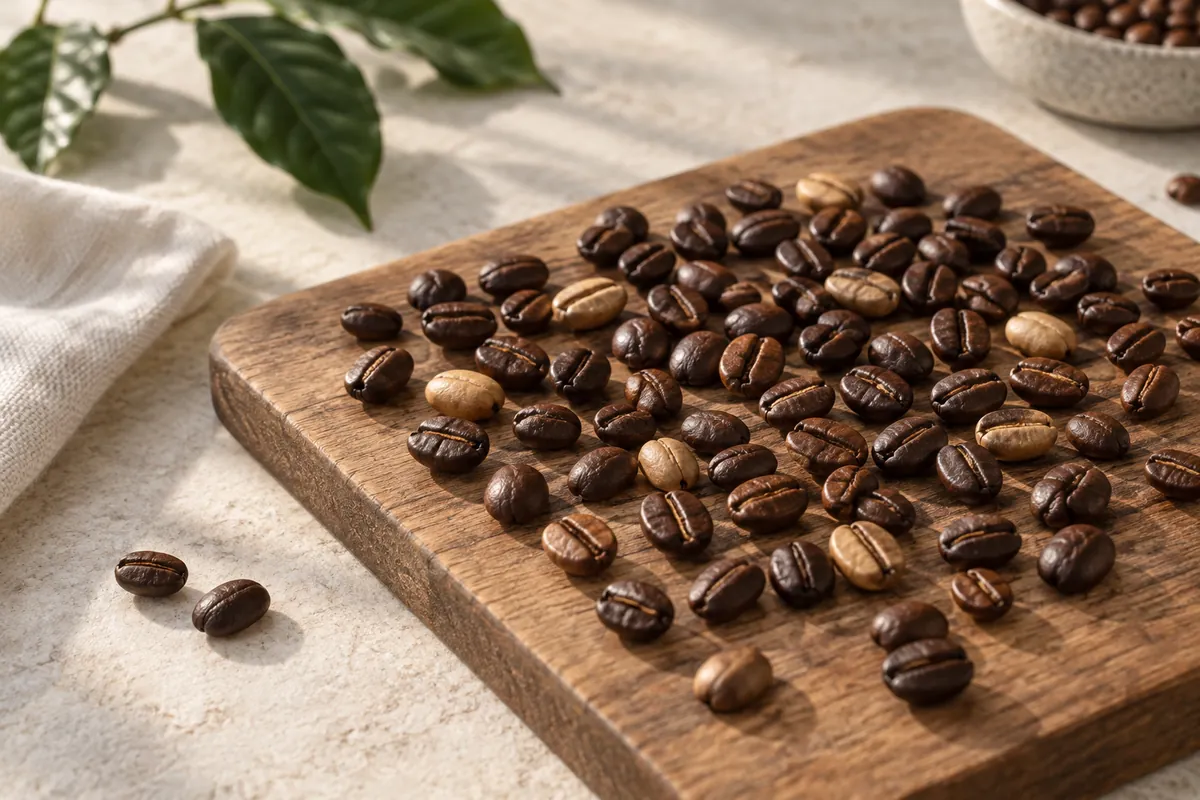
Defects carry through everything. A few badly fermented beans in a batch give a sharp winey note that survives every grind, temperature and ratio you try.
Uneven roasting never balances. Some beans are over and some are under in the same dose, so there is no setting at which both are right.
Storage undoes a good bag quietly, because a cupboard above the kettle is warm and humid and coffee kept there degrades faster than the roast date suggests, so how it is stored matters as much as when it was roasted.
Commodity blends are not automatically bad, but they are unpredictable, because they mix origins and roast dates, and a setting that worked last month may not work on this bag.
If a bag has not improved across three deliberate single-variable changes, the fault is upstream of your kitchen, which makes three brews a reasonable limit.
How do you run a useful correction test?
Keep the dose, water mass, brewer, and pouring pattern fixed, then move one variable far enough to taste. Tiny unmeasured changes create noise rather than an answer.
A three-cup diagnostic
- Set a baselineWeigh coffee and water, record grind, temperature, and total brew time
- Choose one leverGrind is usually the clearest first test for a sour or bitter cup
- Move it visiblyAdjust several small clicks rather than one imperceptible step
- Taste warmCompare sweetness, sourness, bitterness, body, and finish after the cup cools slightly
- Keep or reverseRetain an improvement, or return to baseline before testing another lever
Do not compare cups brewed hours apart if the kettle, room, or coffee dose has changed. A side-by-side test uses more coffee, but it makes a real difference easier to recognise and prevents memory from becoming the measuring tool.
Write down the result in plain language. "Sweeter but slightly drier" is more useful than "better", because it tells you which direction to continue and where the next limit may appear.
The third cup should answer whether technique can move the bag into a range you enjoy. If every controlled version keeps the same grassy, fermented, stale, or uneven-roast defect, stop spending coffee on settings and change the input.
Common questions
Does origin alone predict how acidic arabica tastes?
No. Origin is only one influence alongside variety, processing, roast, extraction, water, and serving temperature, so use the bag notes as a direction rather than a guarantee.
Can milk or sugar fix sour arabica?
They can mask sharpness but cannot correct uneven or insufficient extraction. Diagnose the black coffee first, then add milk or sugar because you want it.
Why does a new bag need a different grinder setting?
Roast development, bean density, age, and moisture change how the same grinder setting flows and extracts. Treat the previous setting as a starting point, not a rule.
Does a large bloom prove the coffee will taste good?
No. A bloom mainly shows that gas is escaping, which can indicate recent roasting, but it cannot prove even roasting, clean processing, or a balanced cup.