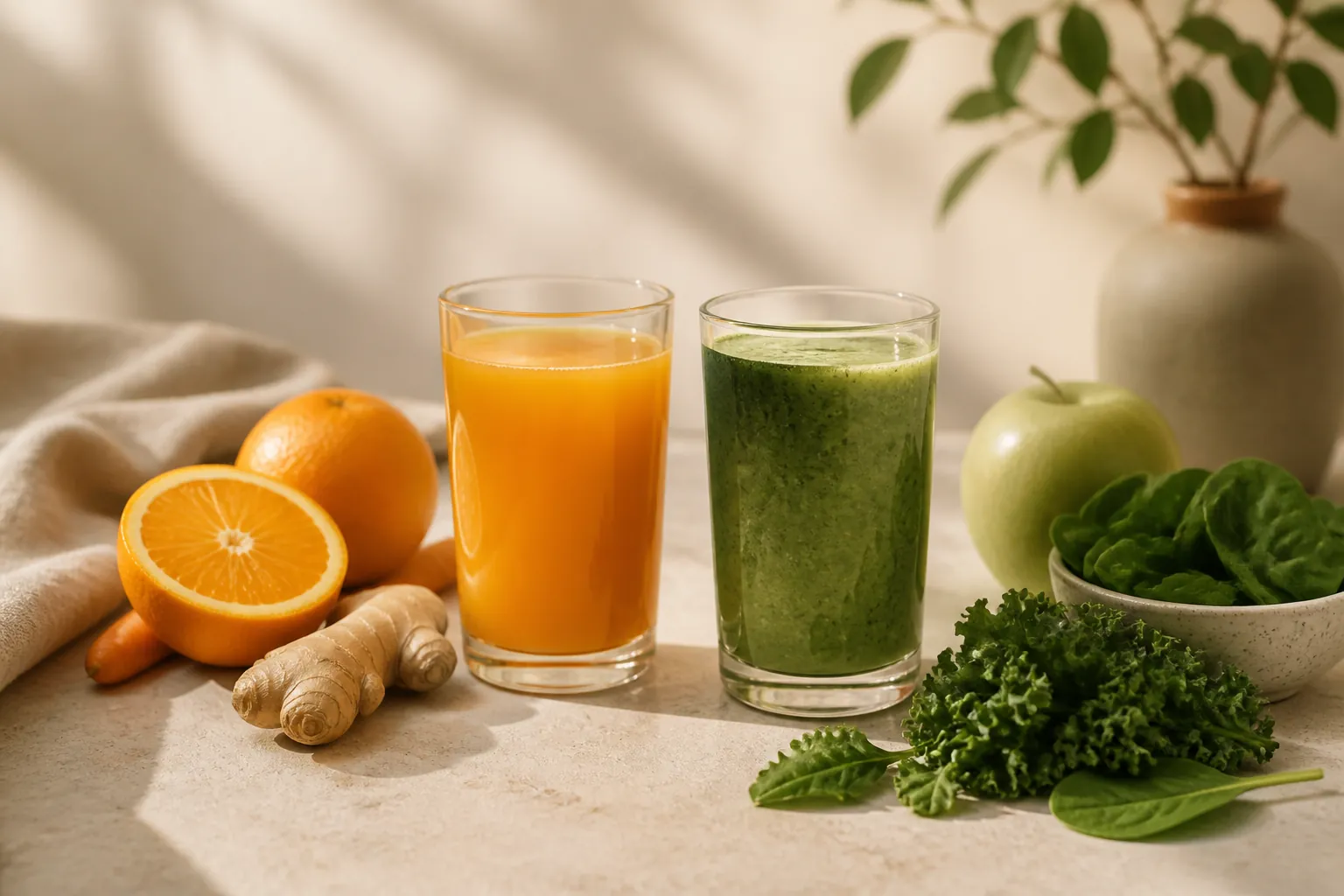
Juice and Smoothies
Juicing removes the fibre and keeps the liquid. Blending keeps everything and breaks it down. That single difference explains most of what separates the two glasses.
A juicer separates liquid from pulp, producing something thin, bright, and quick to drink. A blender keeps the whole fruit or vegetable and shears it into a suspension, which is why a smoothie is thick and why it holds together longer.
Both are perishable in ways that packaged drinks are not, and both change noticeably within minutes of being made. How each process works therefore decides how the result has to be handled.
Yield is where the two machines separate, and it depends on the produce. Leafy greens give up very little in a centrifugal juicer and a great deal under a press, while carrots and apples yield well either way.
Both drinks change within minutes of being made.
Juice separates and dulls as it oxidises, and a smoothie thickens as the fibre in it takes up liquid.
Thickness in a smoothie is a texture target rather than a recipe. Frozen fruit and the amount of liquid decide it, and a bowl needs to hold a topping where a glass needs to pour.
Order in the jug decides whether the blend works at all. Liquid at the bottom, soft items above it and frozen on top gives the blades something to circulate.
Sweetness in a juice comes from the produce and cannot be turned down afterwards. That is worth knowing before a glass is built entirely from fruit.
Juice and Smoothie Guides to Start With
What the machine does to the fruit, and why two glasses of the same fruit behave nothing alike.
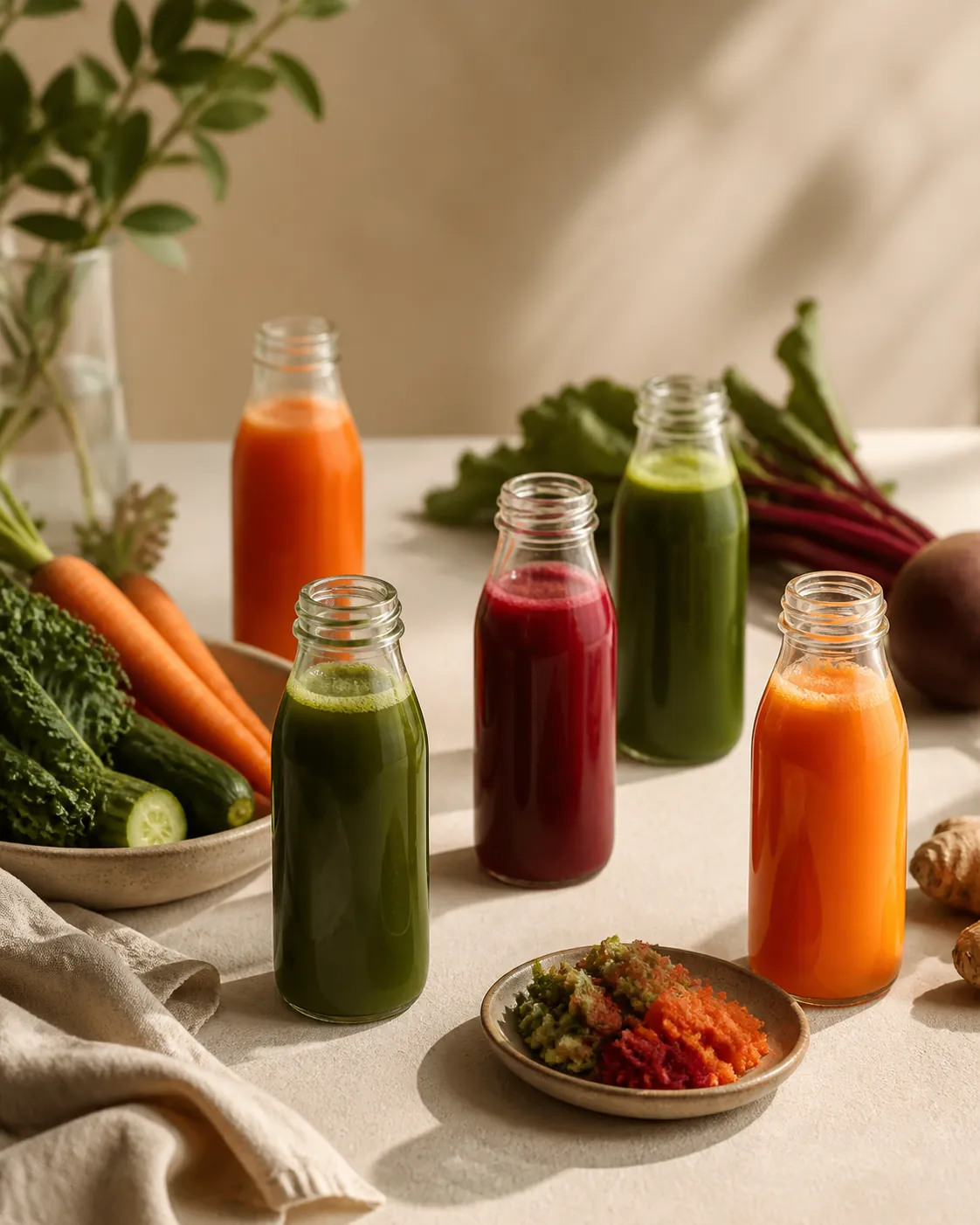
What Is Cold-Pressed Juice? Crushed First, Then Pressed Hard
Cold-pressed juice is made by crushing produce and then pressing it under high force, rather than shredding it with a...
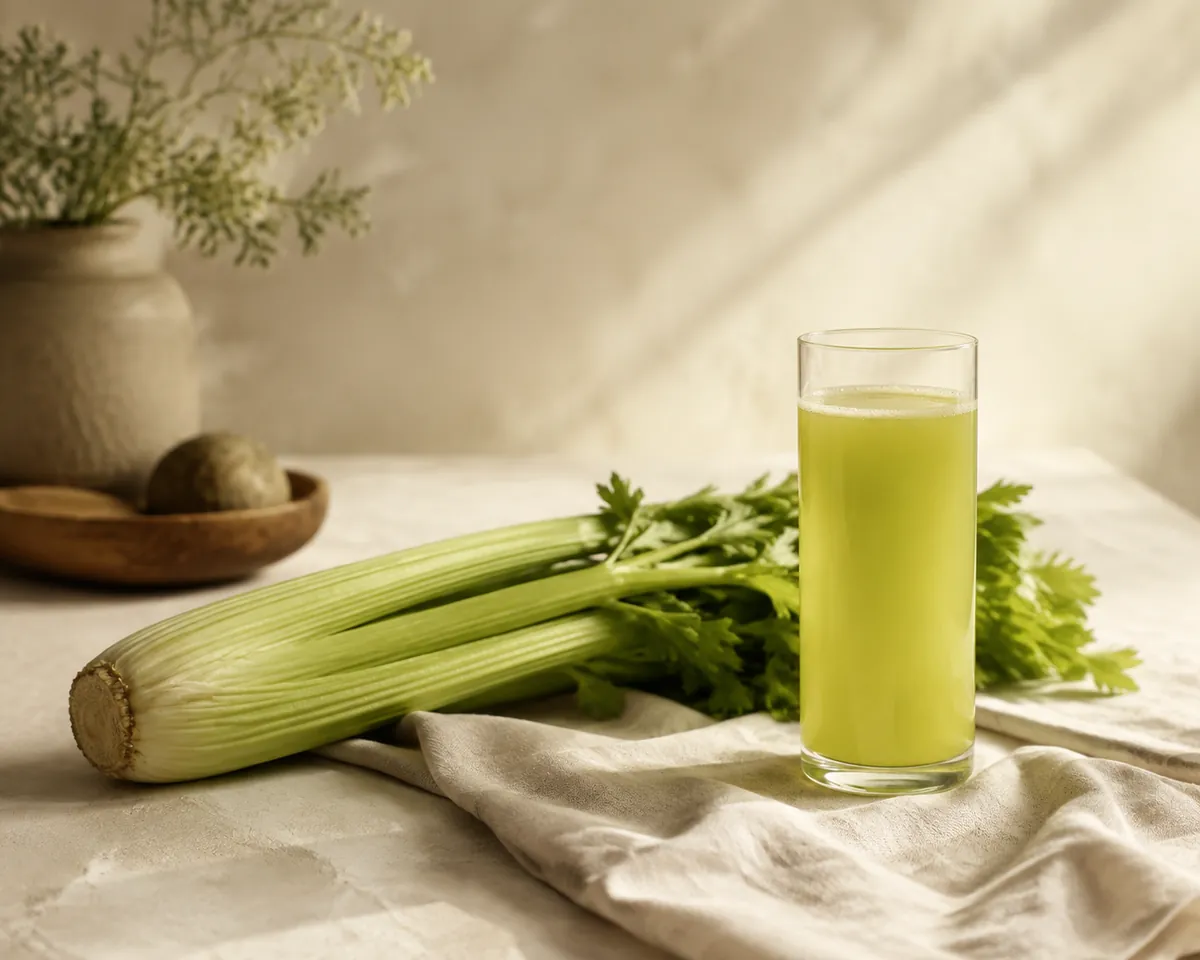
What Is Celery Juice? Pressed Stalks and Almost Nothing Else
Celery juice is the pressed liquid of celery stalks and almost nothing else. It yields more freely than any juice...
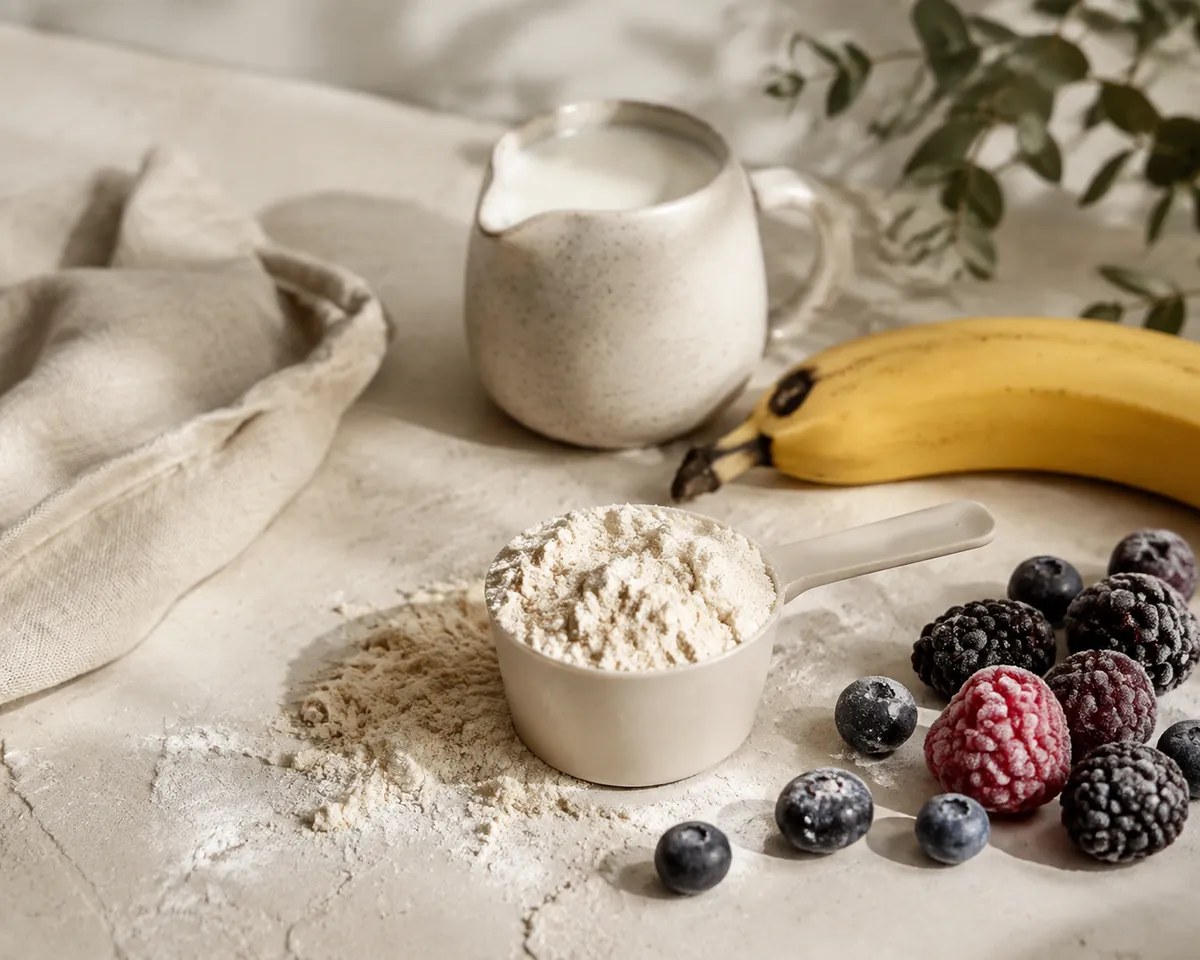
What Is a Protein Smoothie? Why the Powder Thickens Everything
Protein powder is a fine, thirsty solid that thickens whatever it lands in. Nearly every complaint about these drinks...
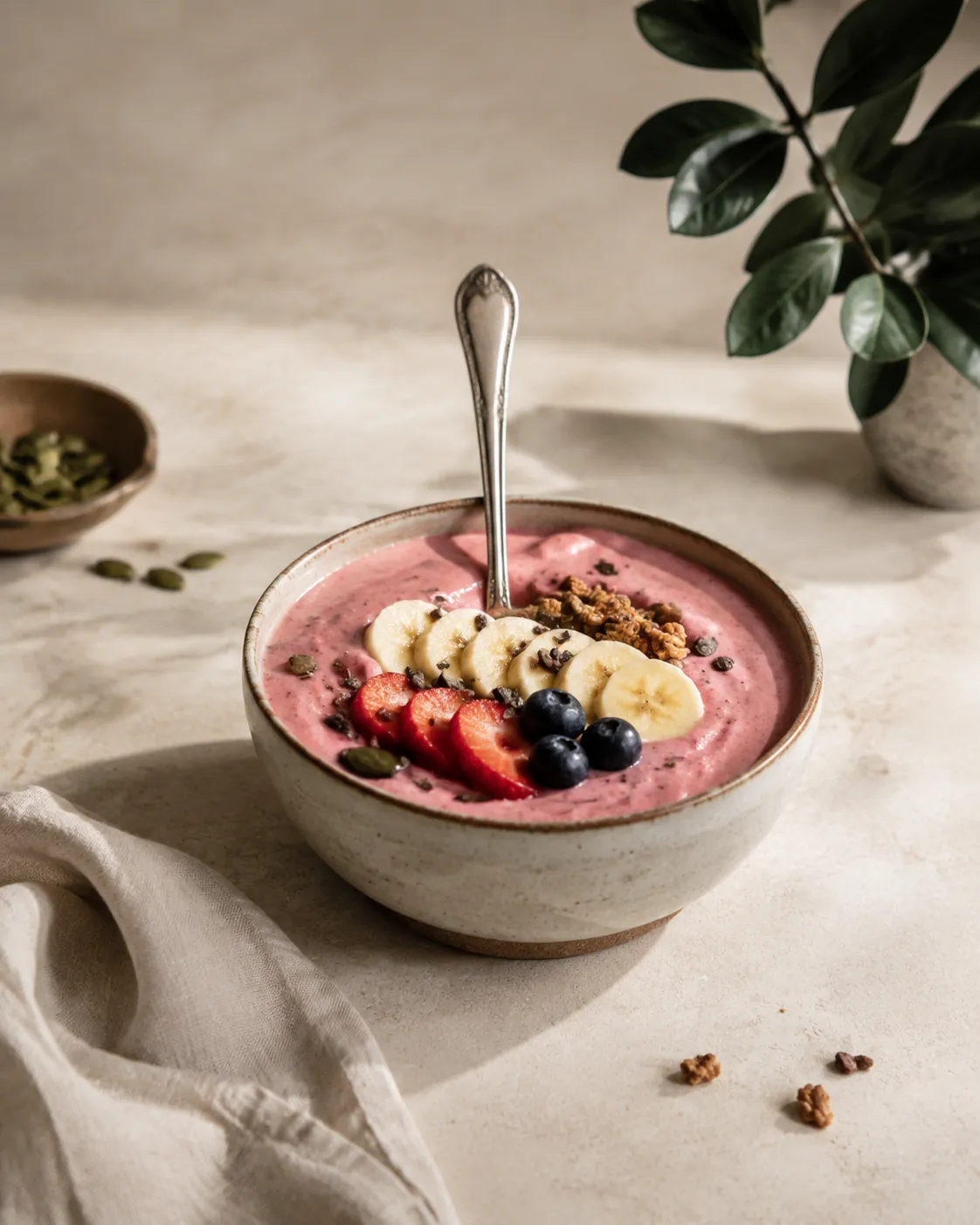
What Is a Smoothie Bowl? A Drink Built to a Texture Target
A smoothie bowl is defined by a texture target: thick enough to hold a topping on its surface. That target works...
More Juice and Smoothie Guides
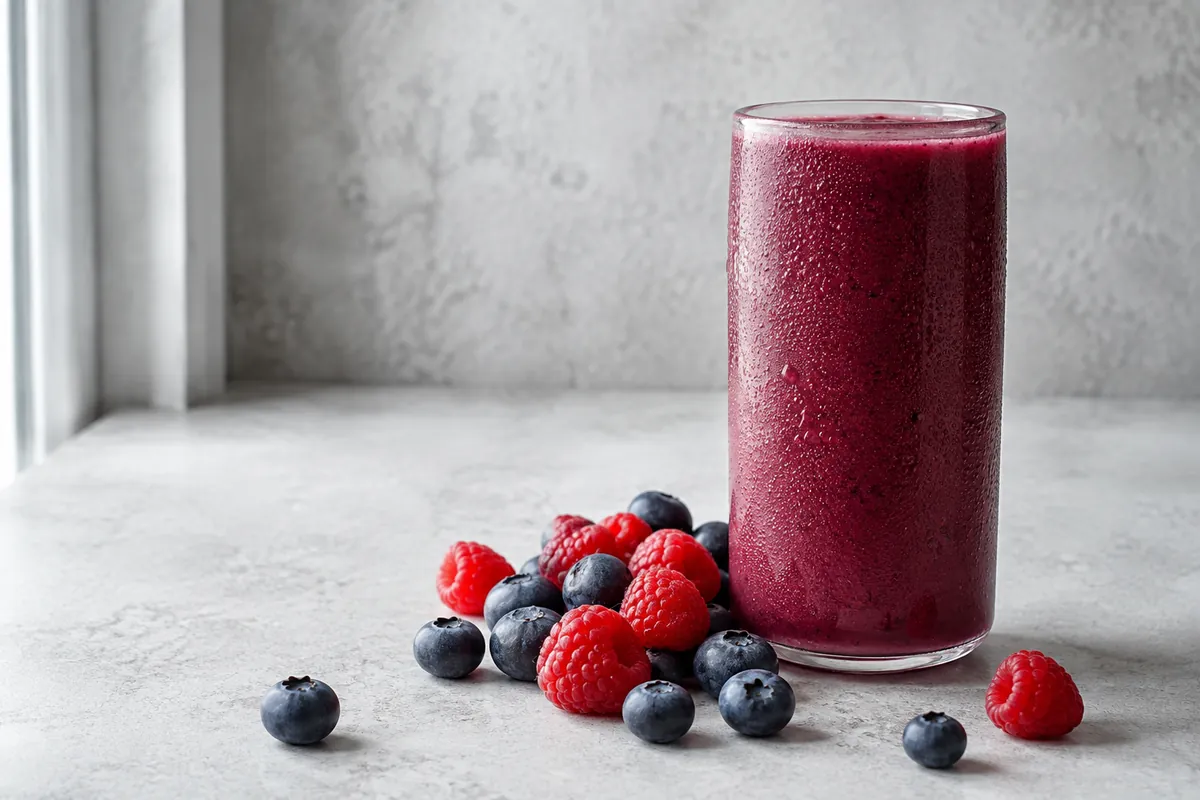
What Is a Berry Smoothie? Berries, Liquid, and Something Creamy
A berry smoothie is blended berries with a liquid and usually something creamy. Frozen berries are not a compromise...
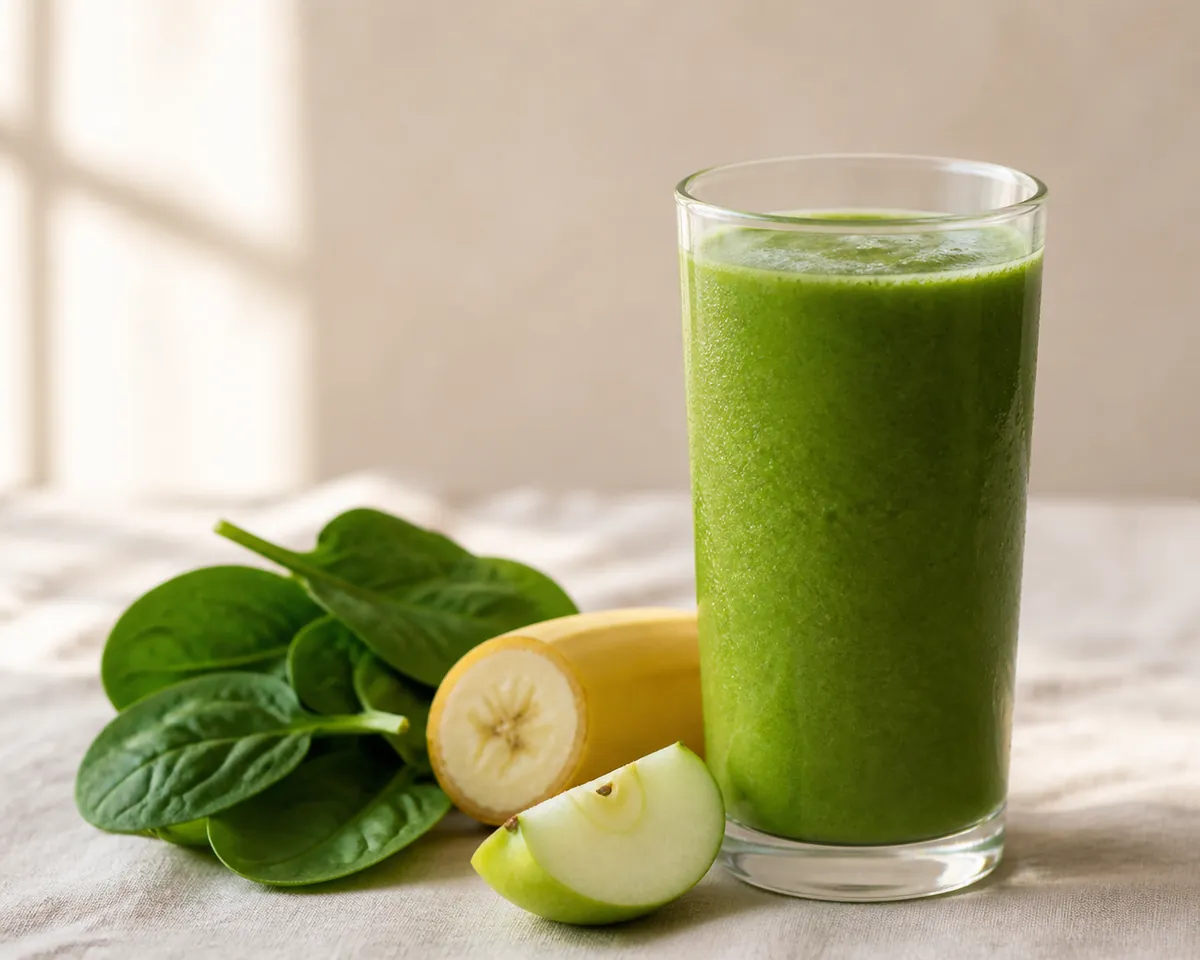
What Is a Green Smoothie? Blended Whole, Fibre and All
A green smoothie is leafy greens and fruit blended whole, fibre and all. That last part is what separates it from a...
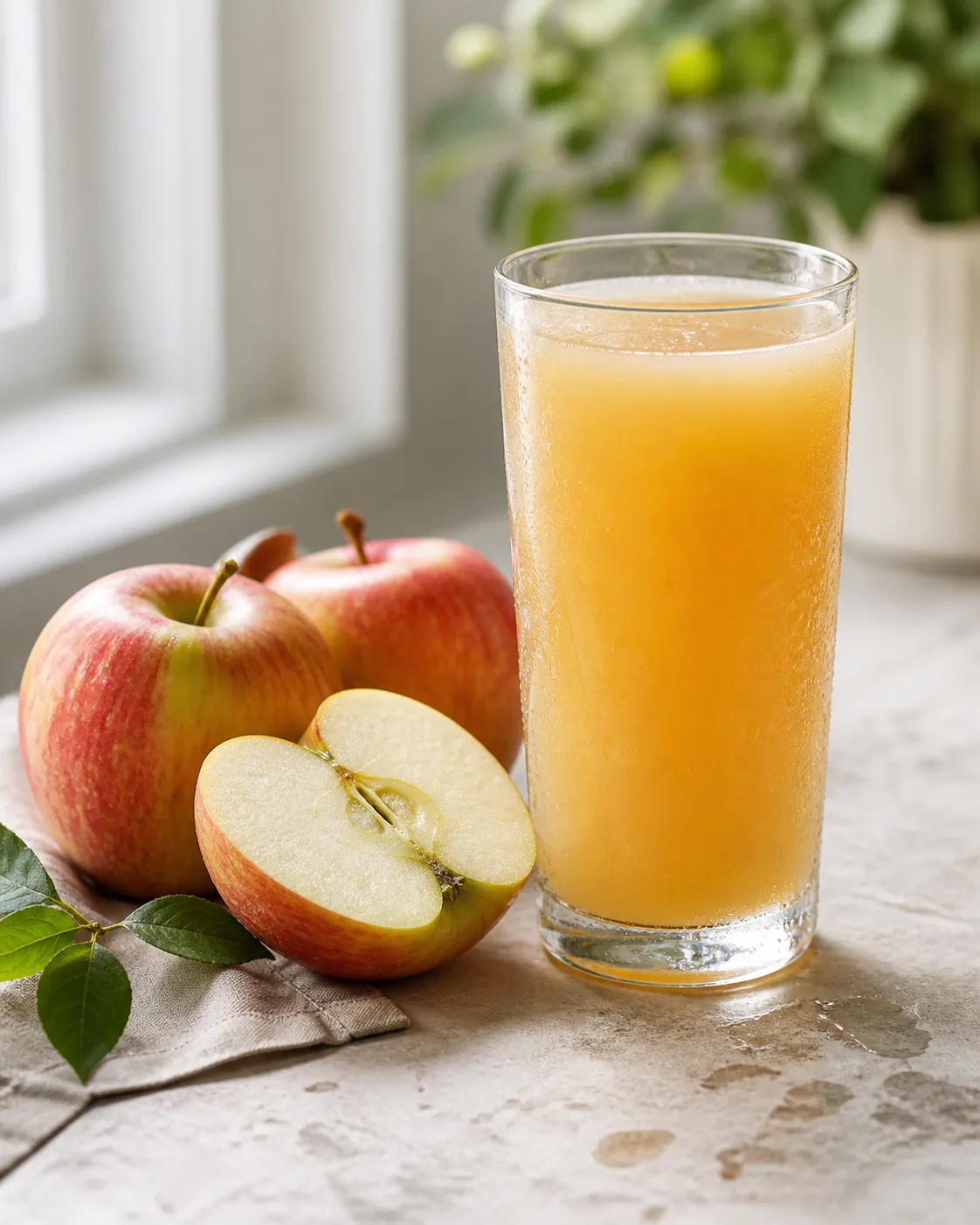
What Is Apple Juice? Clear or Cloudy, and Why It Matters
Apple juice comes clear or cloudy, and the difference is not decoration. Clear juice has been filtered and treated with...
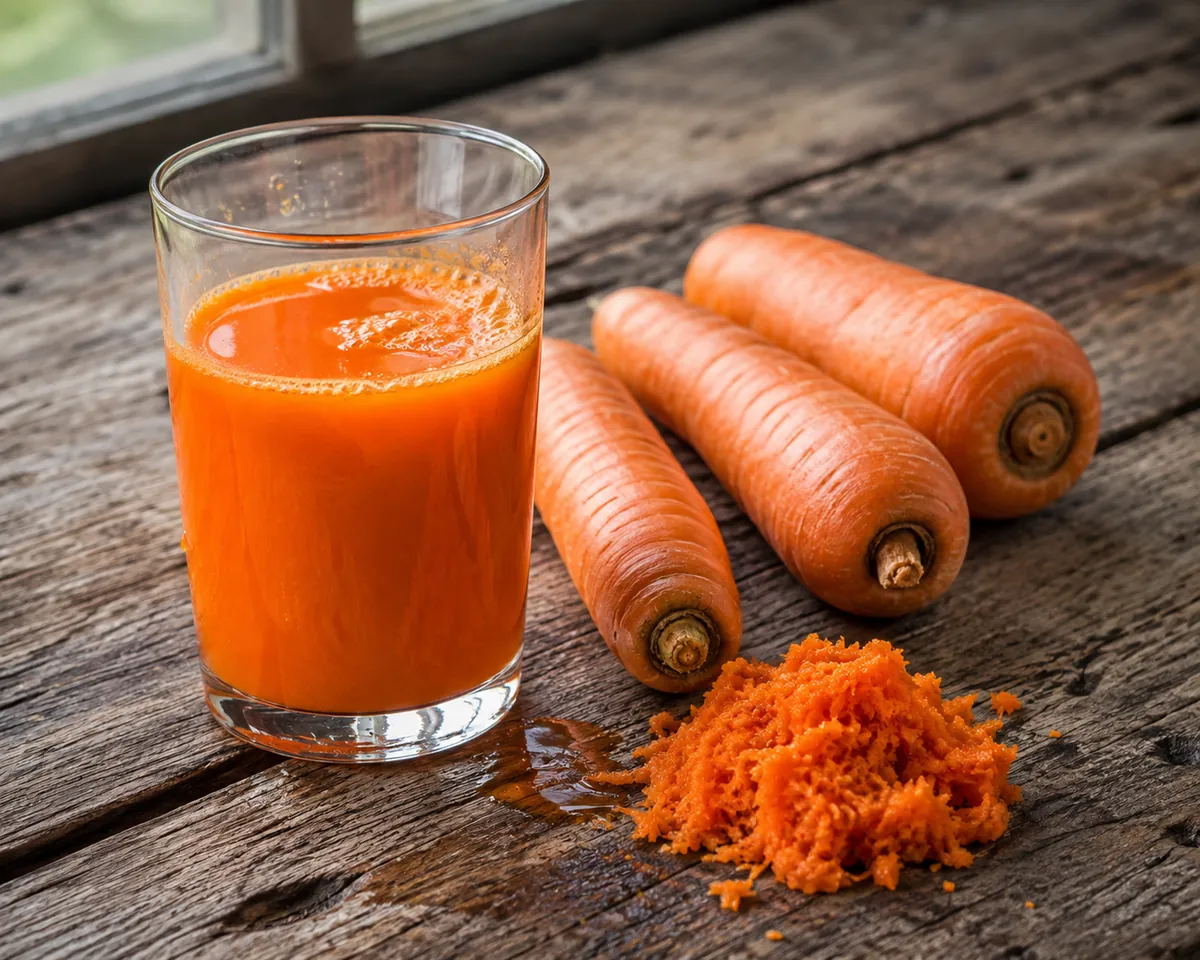
What Is Carrot Juice? The Vegetable That Juices Best
Carrots juice better than almost any vegetable: dense, low in fibre relative to their water, and sweet enough to drink...
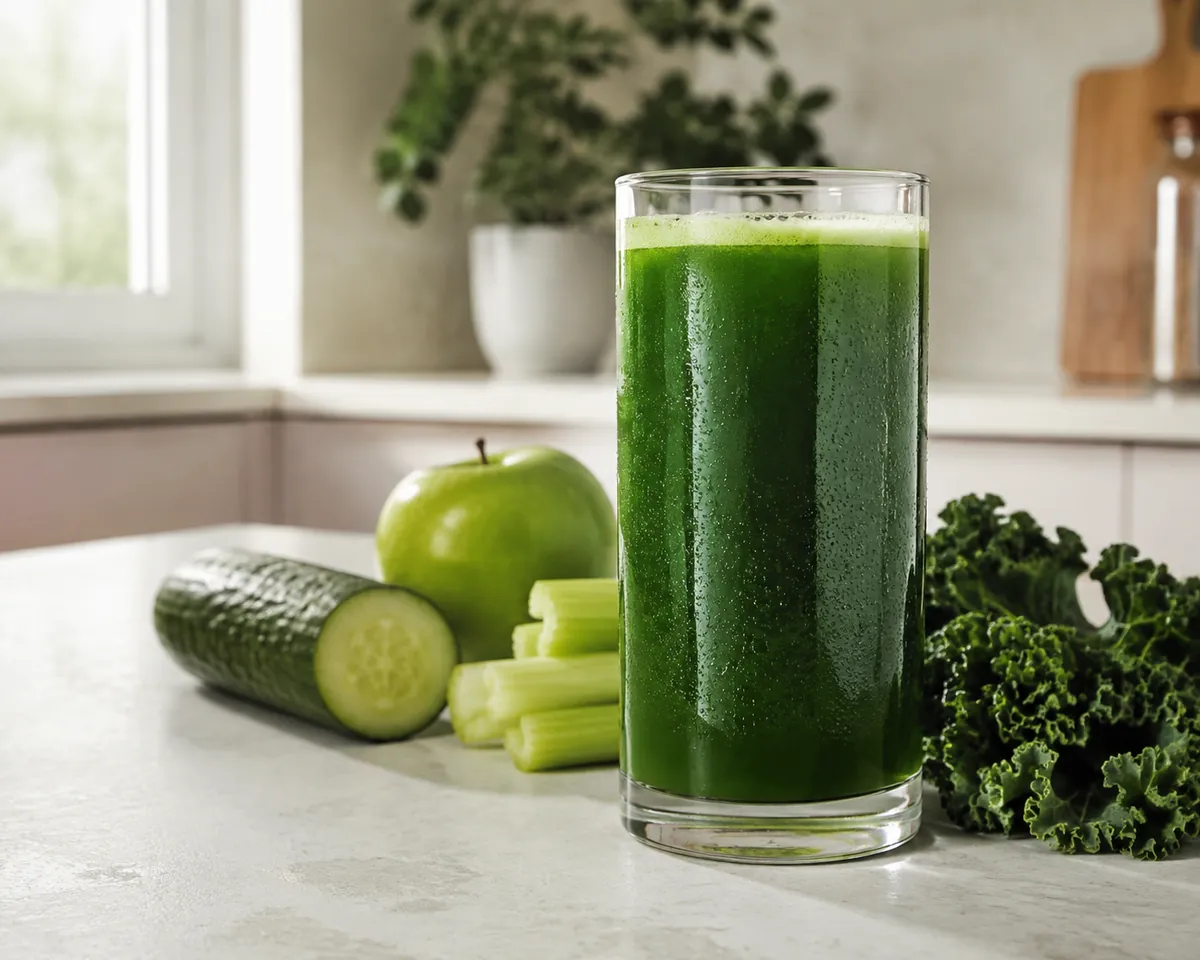
What Is Green Juice? The Hardest One to Make Well at Home
Green juice is the hardest of these drinks to make well at home, for a simple mechanical reason: leaves contain very...
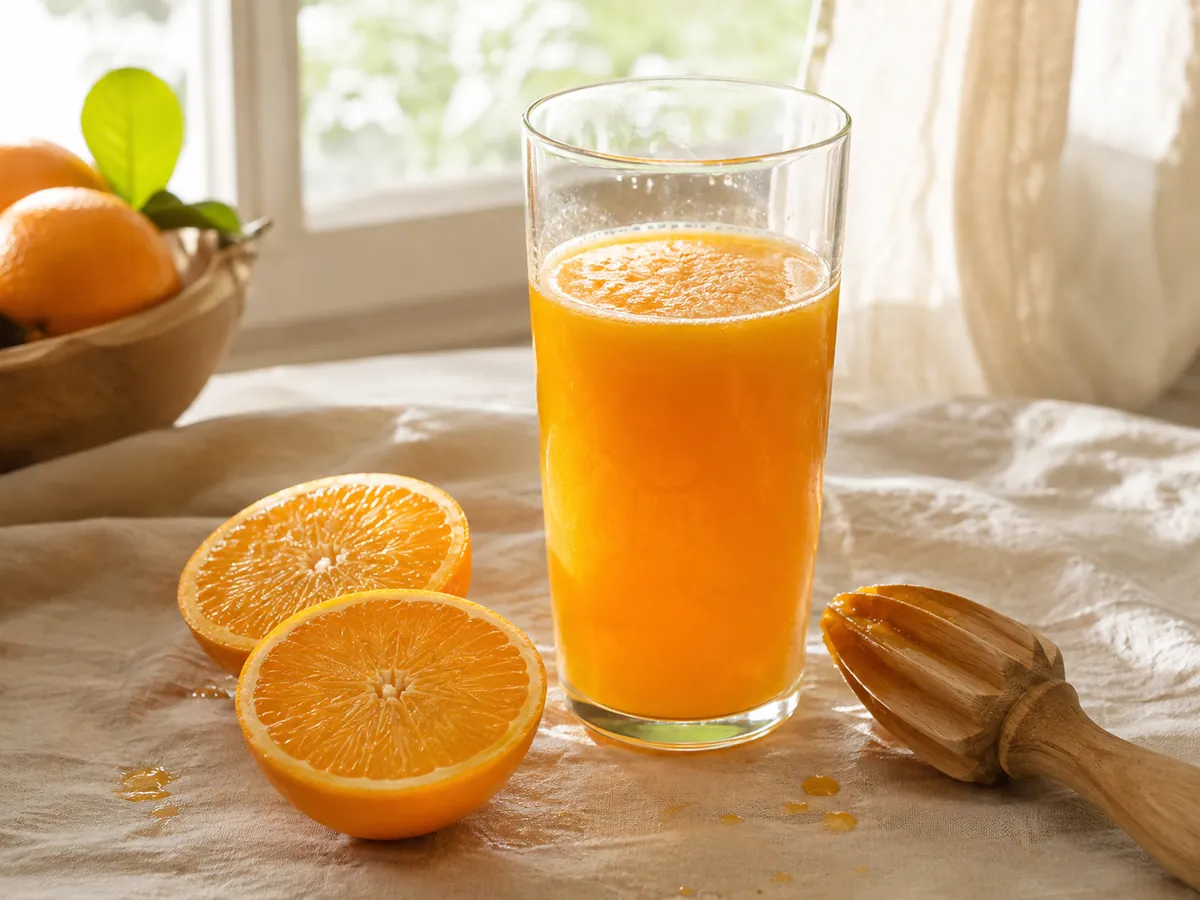
What Is Orange Juice? Several Products Under One Name
Orange juice covers several genuinely different products sold under one name. The gap between freshly squeezed and...
More drinks worth knowing
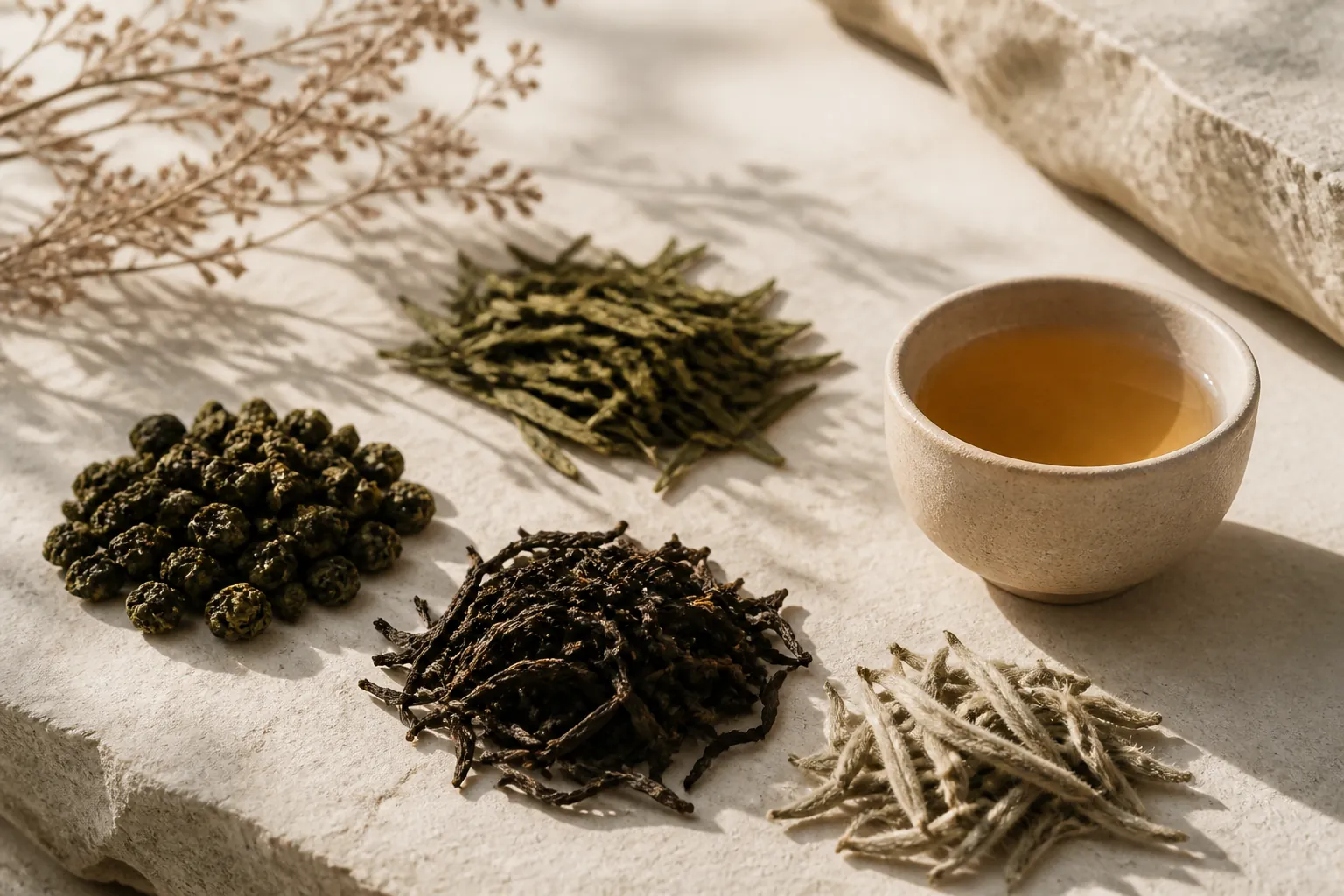
Tea
Every true tea comes from one plant. What separates green from black, and a good cup from a...
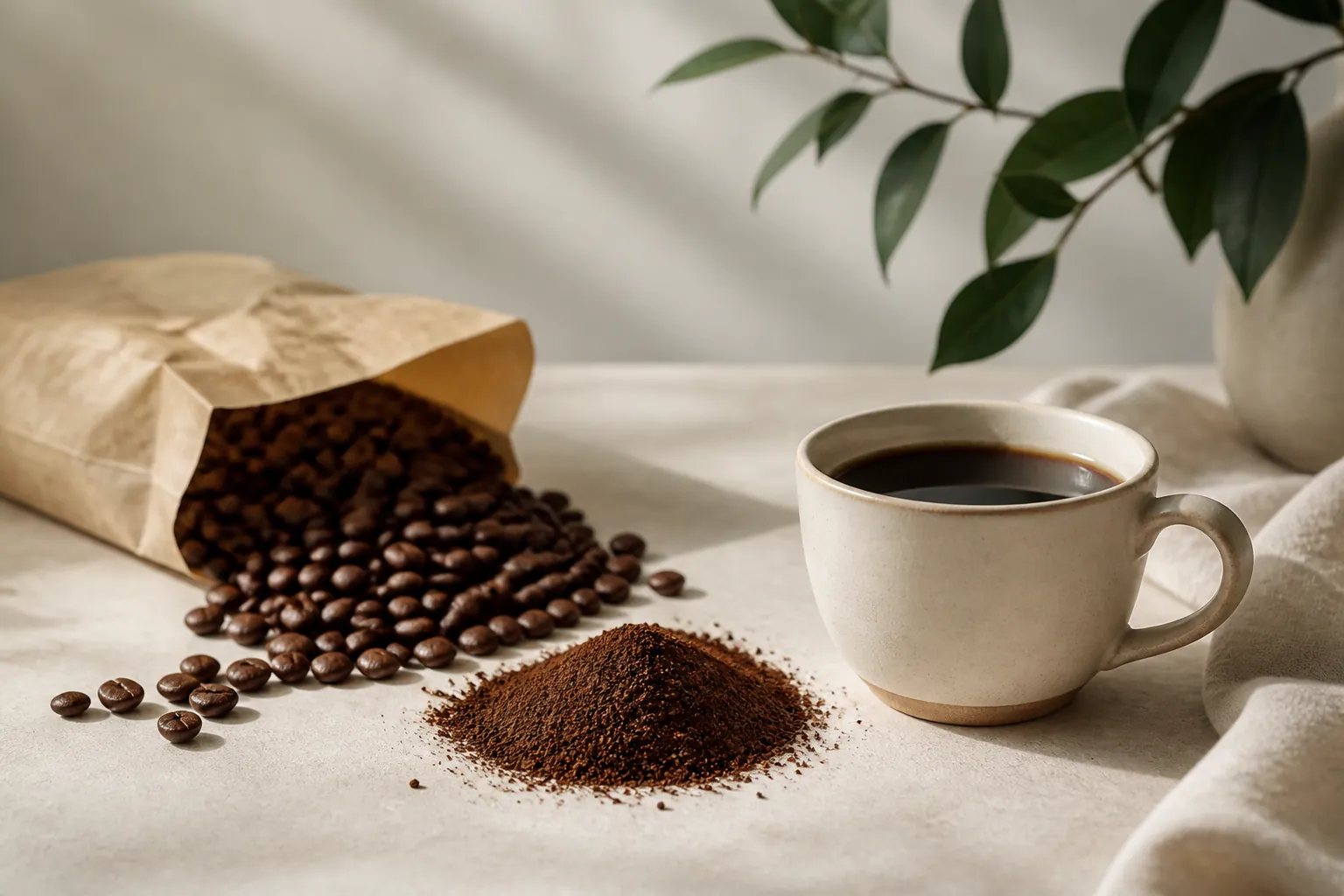
Coffee
Four things decide what lands in your cup: the bean, the grind, the water, and the time they...
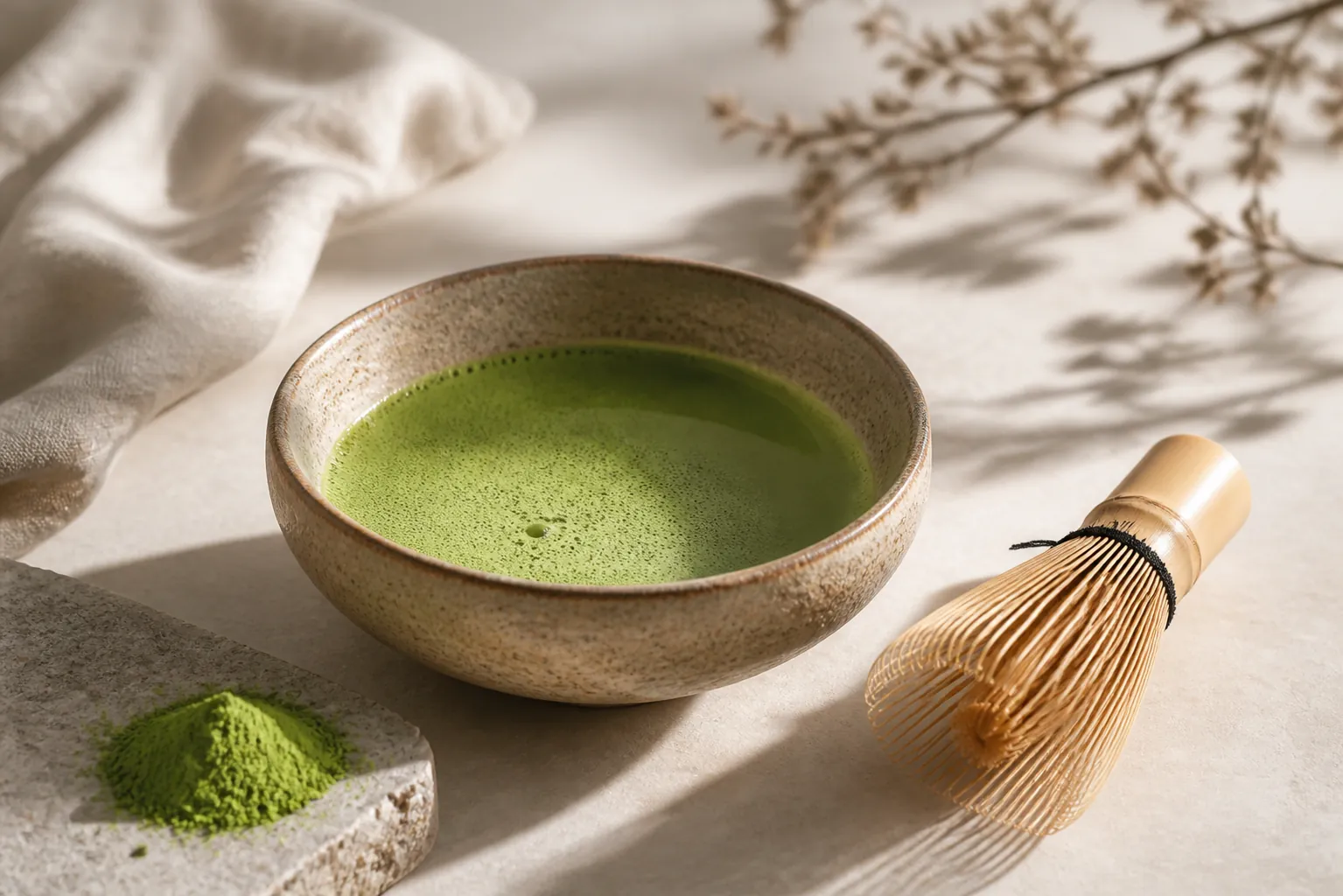
Matcha
Matcha is not steeped and strained like other tea. The leaf is ground to powder and suspended...