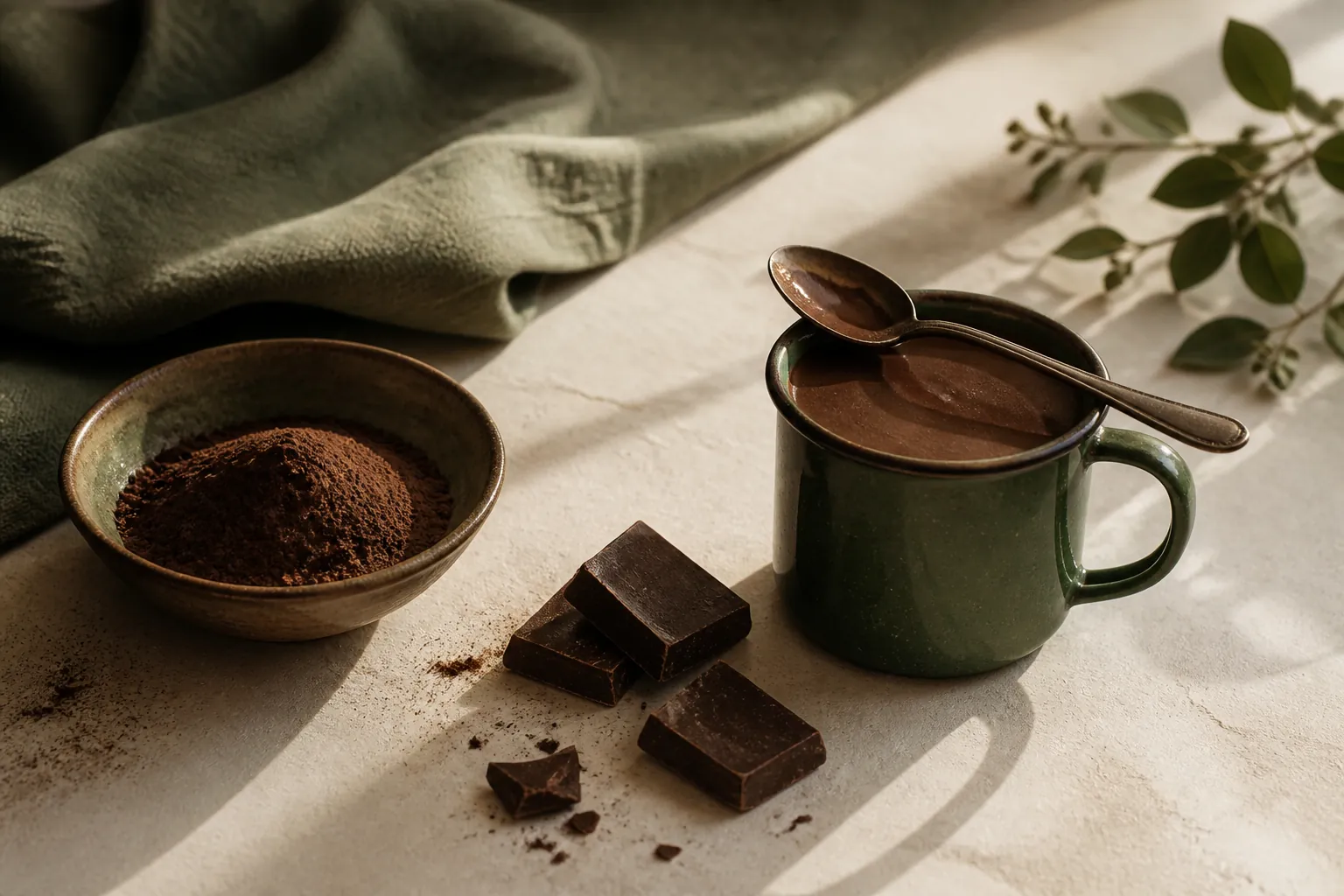
Cocoa and Drinking Chocolate
Cocoa powder and drinking chocolate are not the same product, and they do not behave the same way in a pan. The difference is fat, and whether the powder has been alkalized.
Cocoa powder is what remains after most of the cocoa butter is pressed out of roasted cocoa beans. Drinking chocolate keeps that fat, which is why it makes a thicker, richer cup and why it melts rather than dissolves.
Alkalizing, sometimes called Dutch processing, treats the powder to lower its acidity. It darkens the colour and softens the sharp, fruity edge of natural cocoa. Which one you want depends on whether you are after brightness or smoothness.
Cocoa powder never dissolves.
It is a ground solid held in suspension, which is why a mug settles within minutes and why no amount of stirring prevents it.
That is also why the paste step matters. Wetting the powder with a little hot liquid before the rest goes in is what stops the lumps that refuse to break up later.
Fat decides body more than cocoa content does. Drinking chocolate carries its cocoa butter and coats the mouth; pressed powder has had most of that removed and needs milk to supply it.
Acidity decides how a powder behaves in baking as well as in a pan. Natural cocoa reacts with baking soda and Dutch-process does not, which is a substitution that fails quietly.
Milk mediates all of it. With enough whole or oat milk in the cup the difference between the two powders narrows considerably, which is why a large milky drink is where they are hardest to tell apart.
Where to Start With Cocoa
Drinking chocolate, hot cocoa, and what the powder settles before you add anything to it.
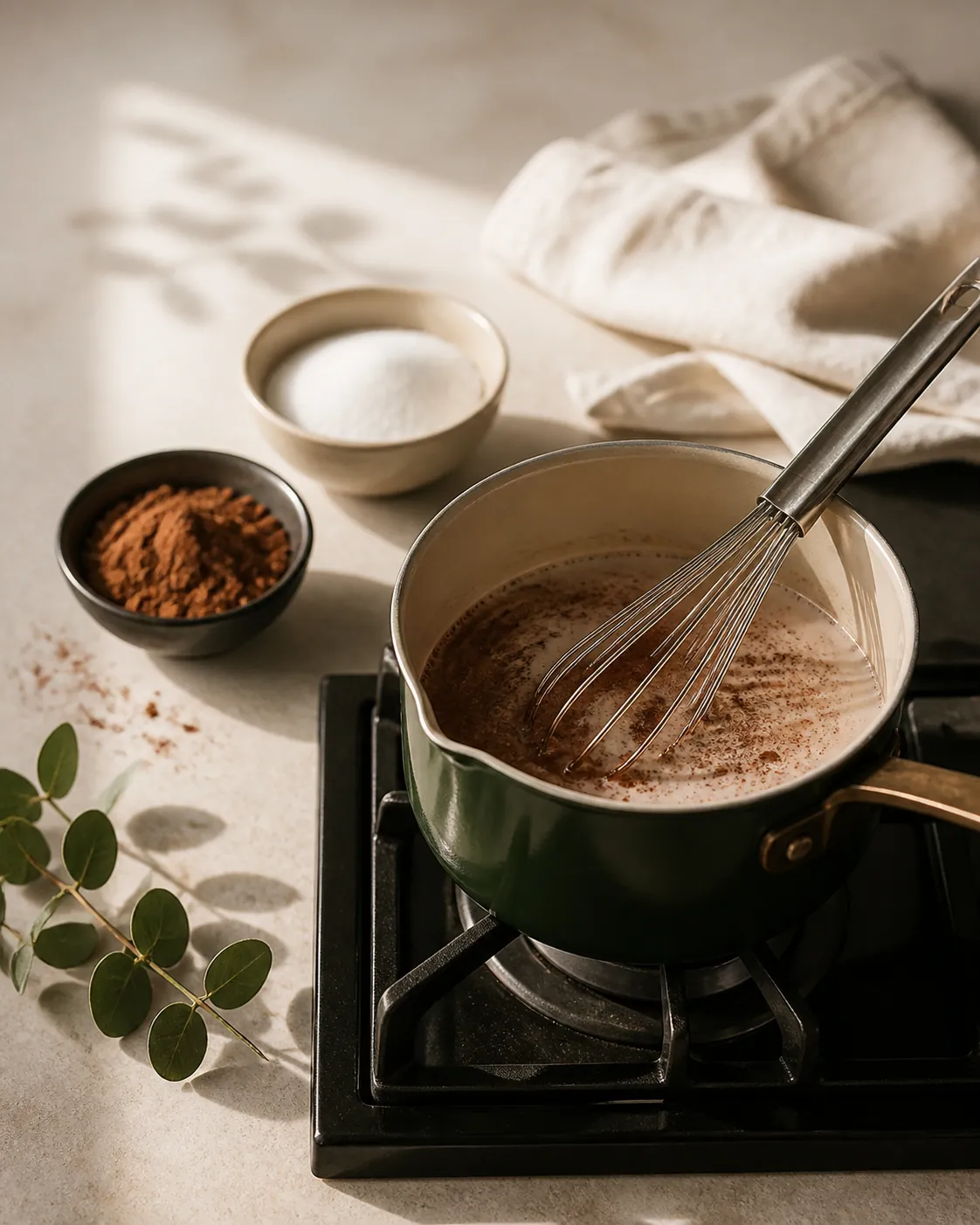
Stovetop Hot Cocoa, and Why the Pan Beats a Mug
Cocoa powder does not dissolve into milk. Mix it with the sugar first, make a paste with a little liquid, then add the...
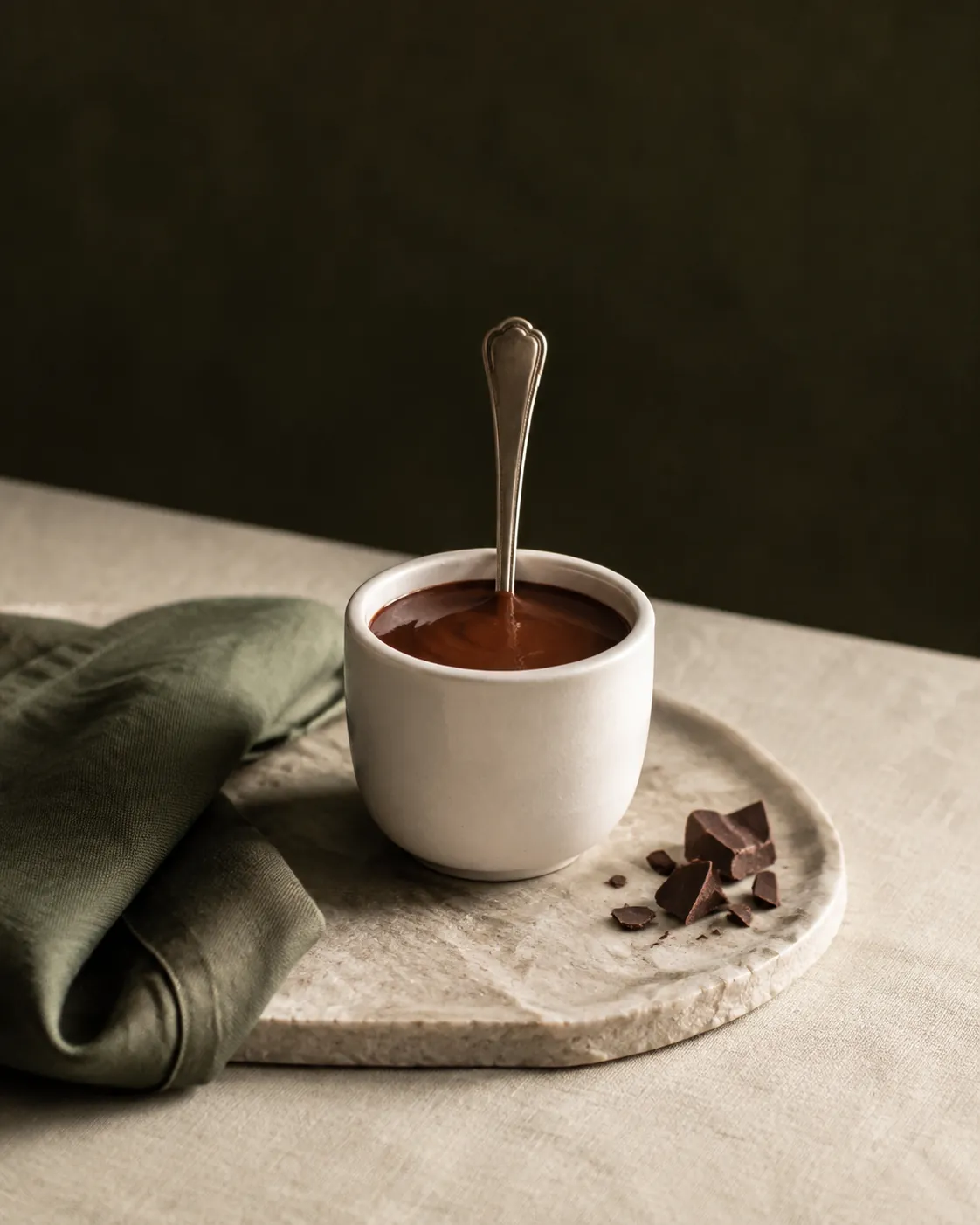
What Is Drinking Chocolate? A Bar Melted, Not a Powder Mixed
Drinking chocolate is a bar melted into liquid, not a powder mixed into it. The cocoa butter that comes with the bar is...
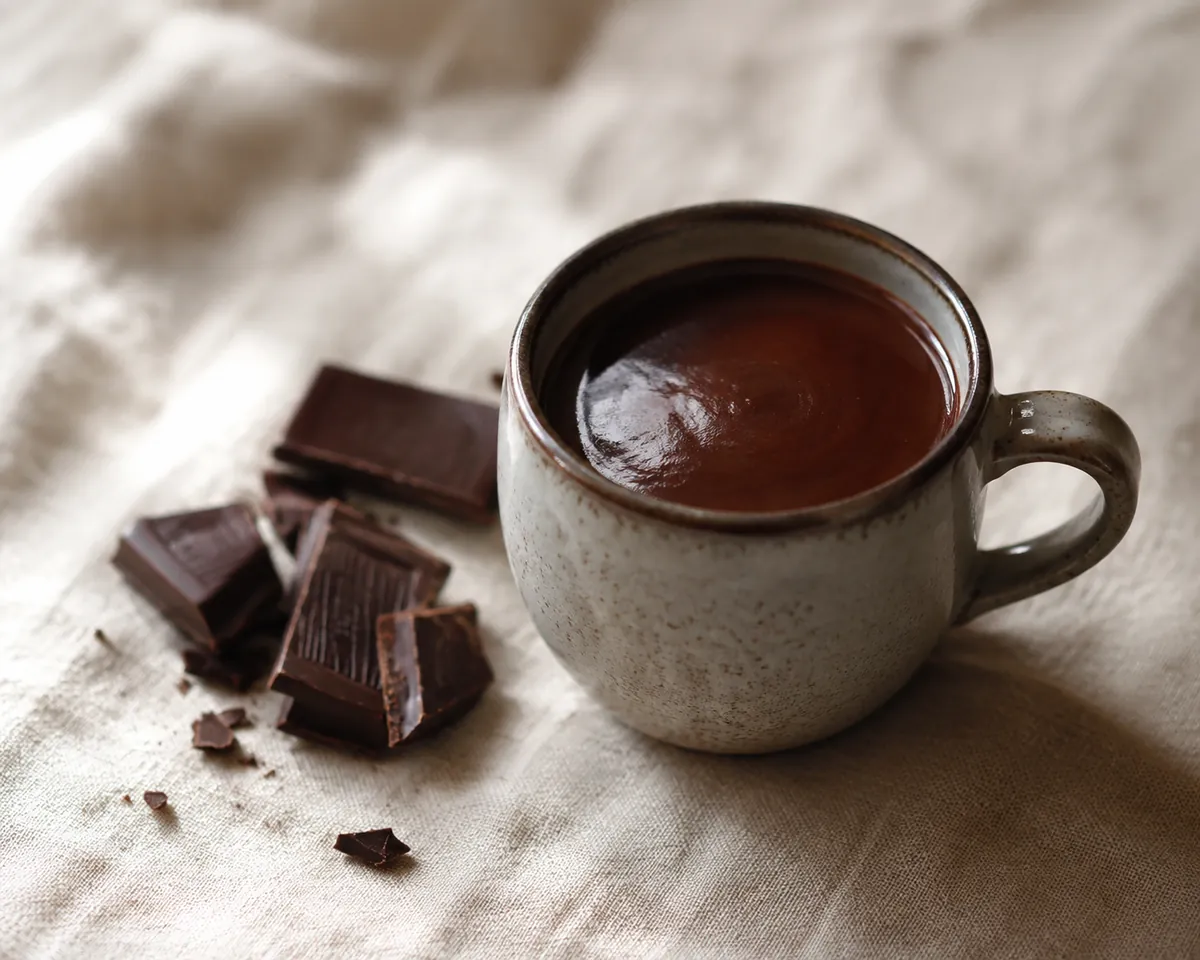
What Is Hot Chocolate? And How It Differs From Hot Cocoa
Hot chocolate and hot cocoa are different drinks, and the difference is not marketing. One is made from chocolate and...
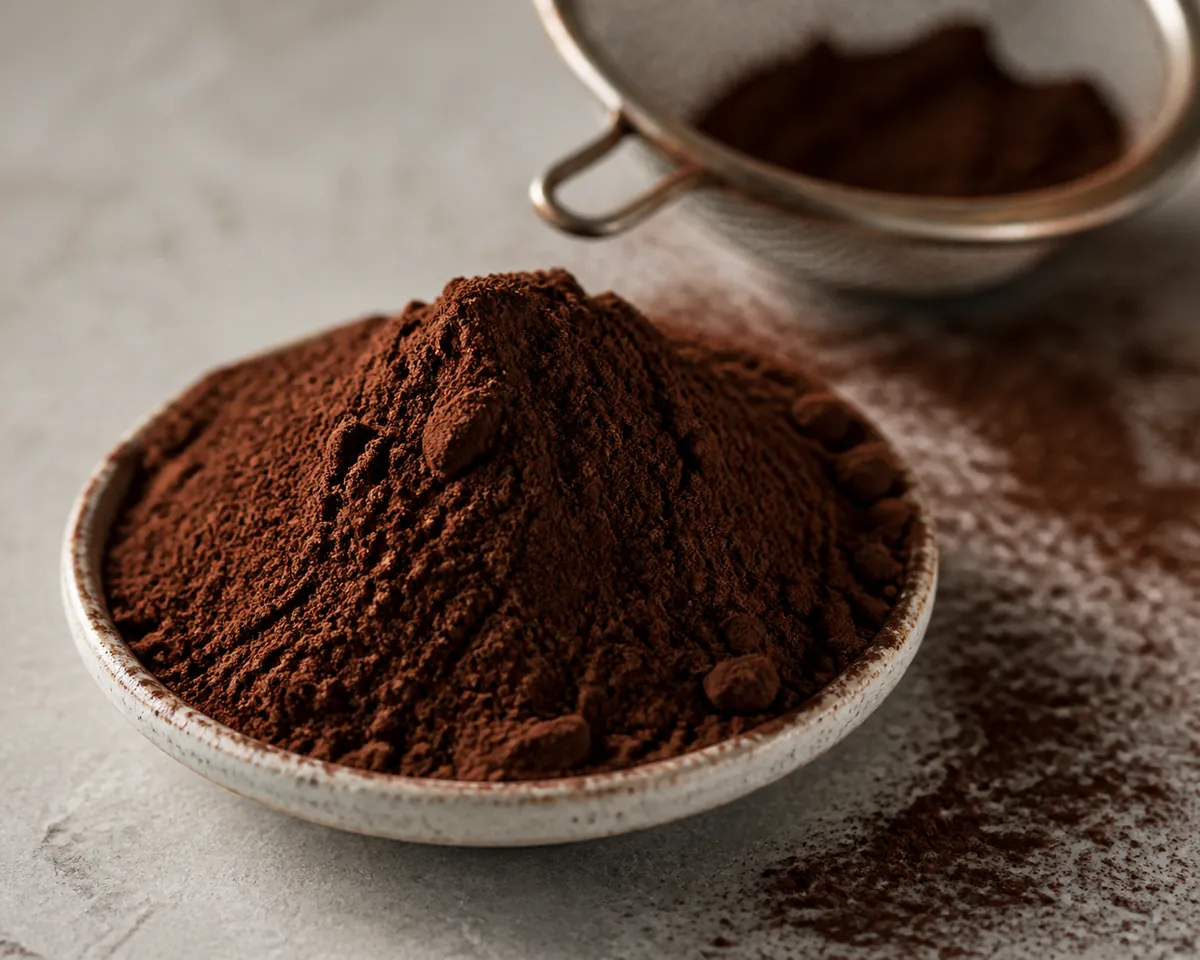
What Is Dutch-Process Cocoa? What the Alkali Actually Changes
Dutch-process cocoa has been treated with an alkali to neutralise its natural acidity. That one step changes its...
More Cocoa Guides
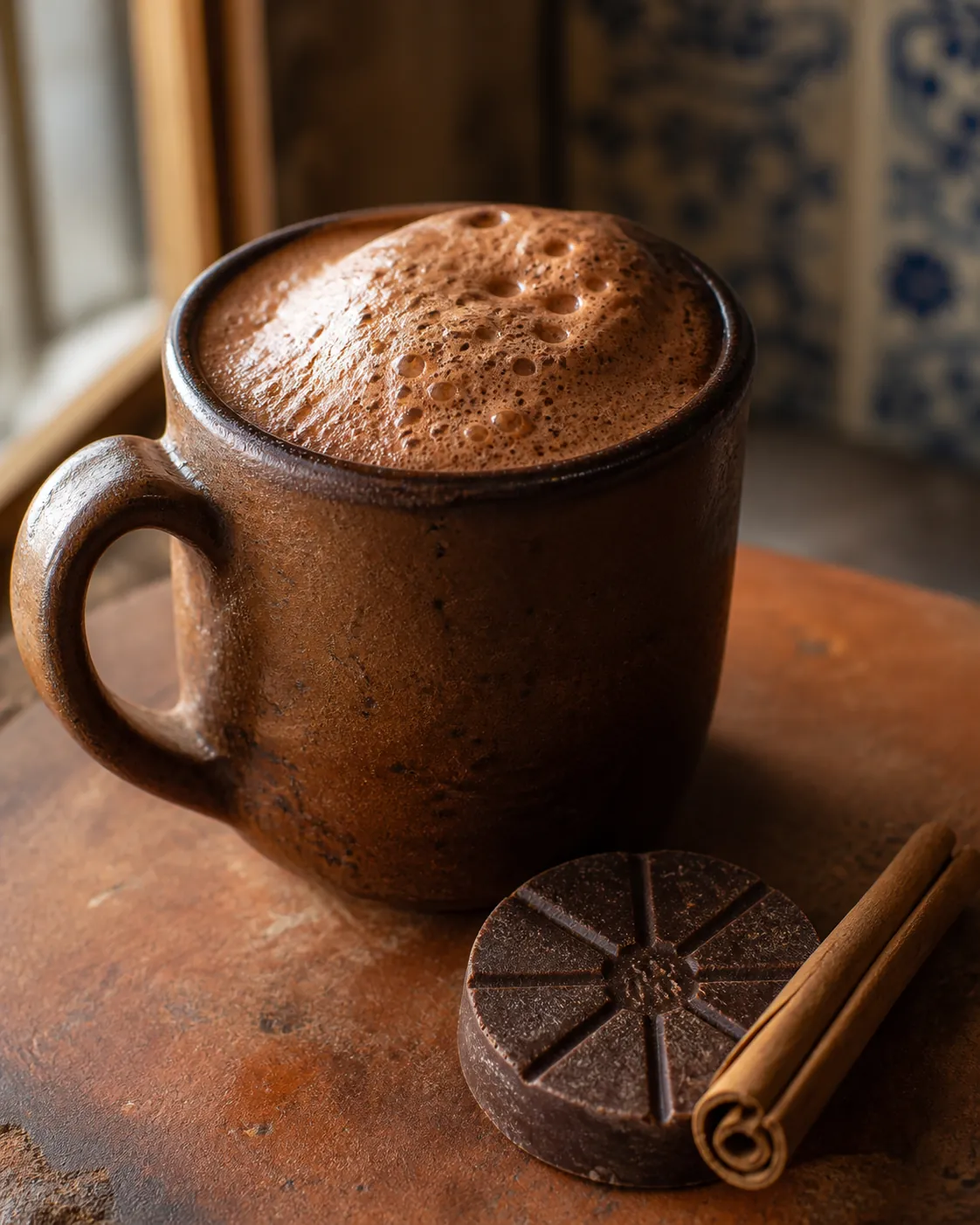
What Is Mexican Hot Chocolate? The Tablet, and Why It Is Grainy
Mexican hot chocolate is made from a pressed tablet of coarsely ground cocoa, sugar and cinnamon, whisked to a foam...
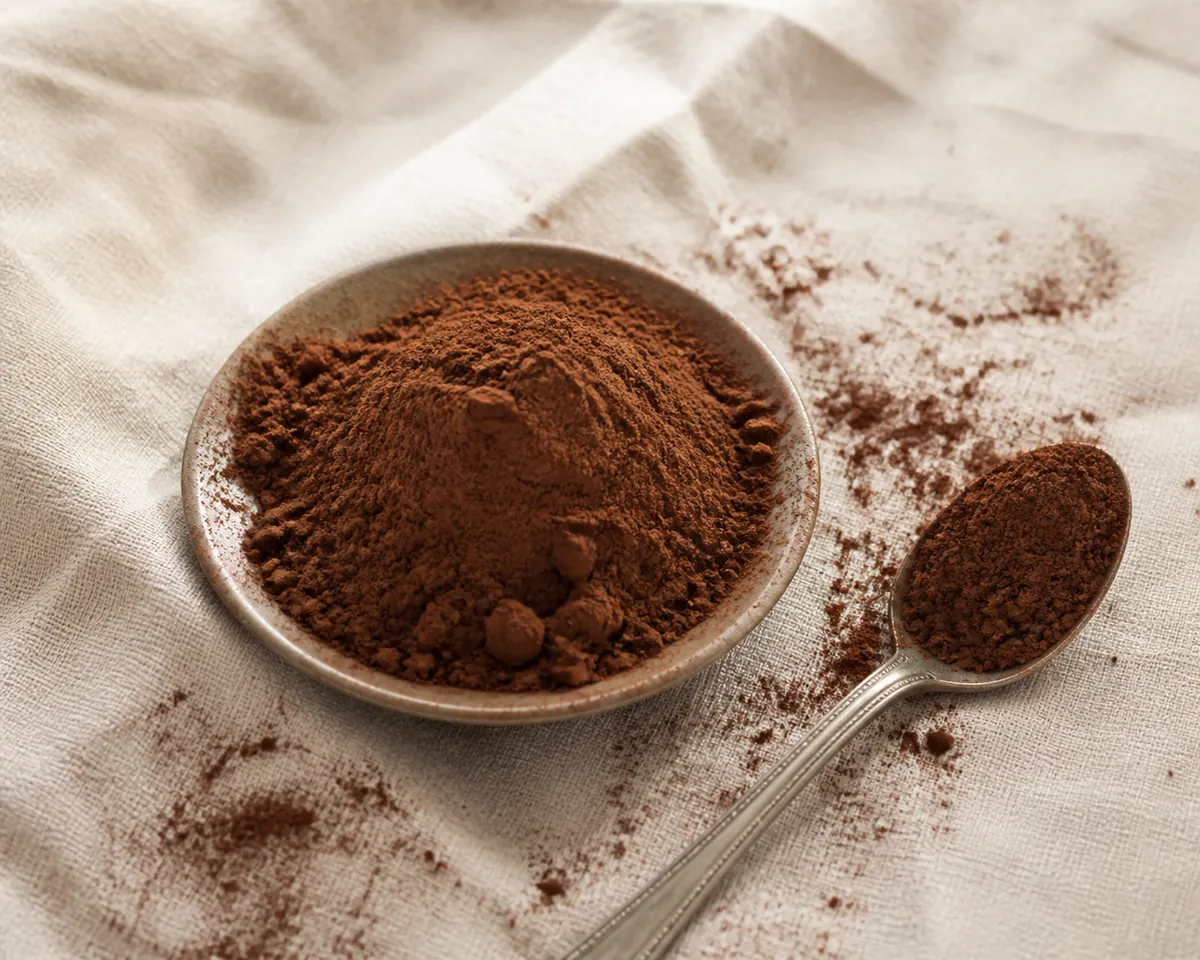
What Is Natural Cocoa? The Untreated Powder, and Its Acidity
Natural cocoa is simply cocoa powder that has not been treated with alkali. It keeps its natural acidity, which is what...
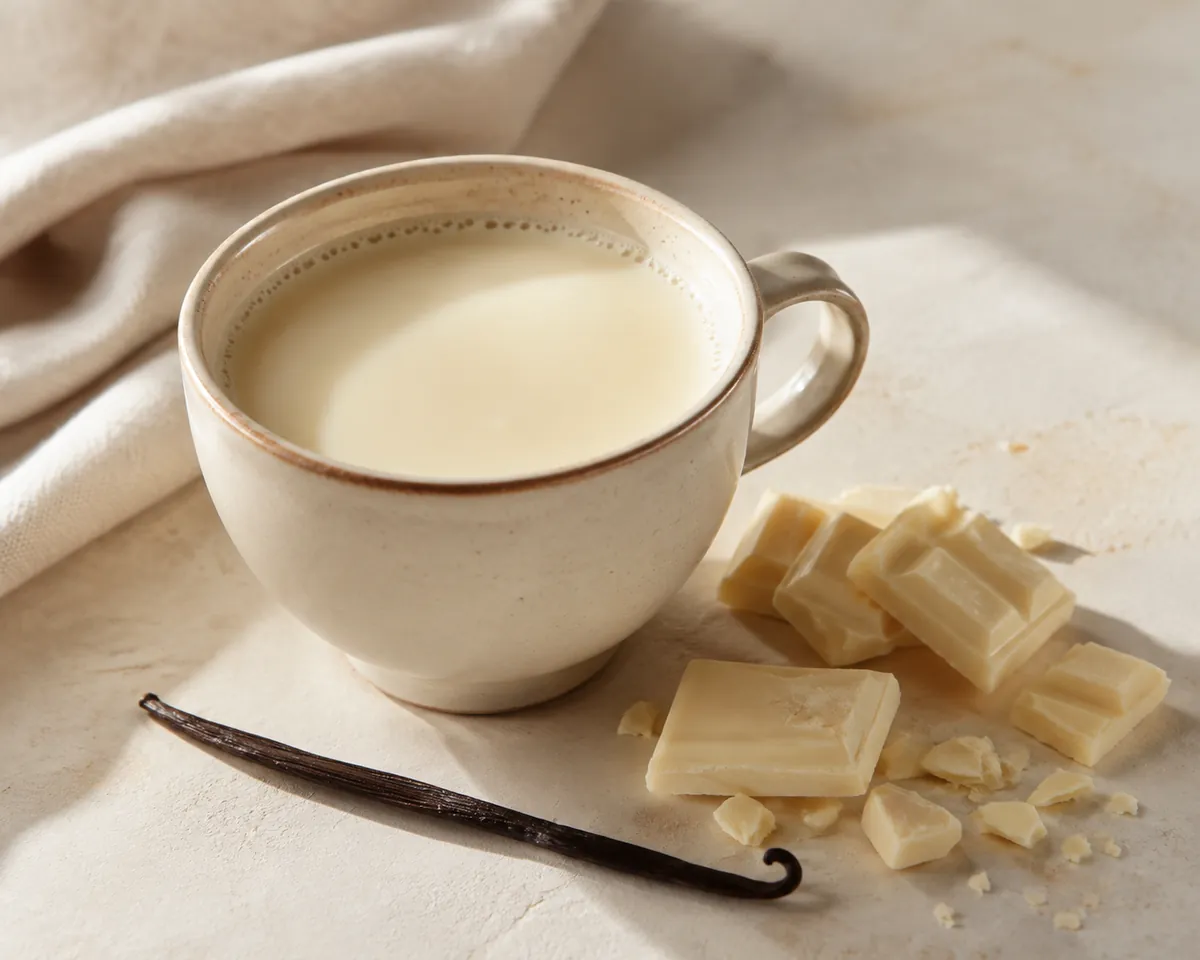
What Is White Hot Chocolate? A Drink With No Cocoa Solids
White chocolate contains no cocoa solids. It is cocoa butter, sugar and milk solids, which is why white hot chocolate...
More drinks worth knowing
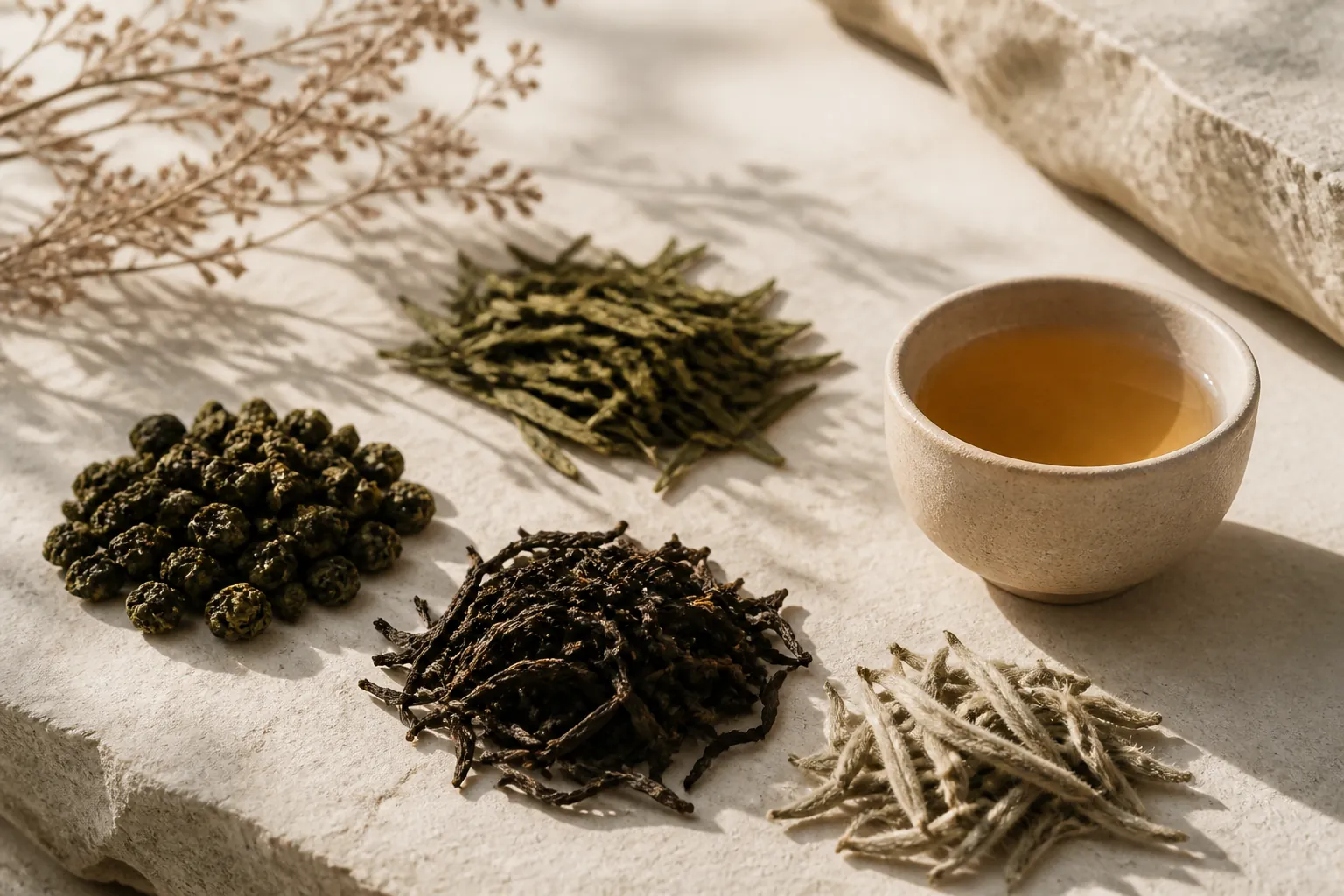
Tea
Every true tea comes from one plant. What separates green from black, and a good cup from a...
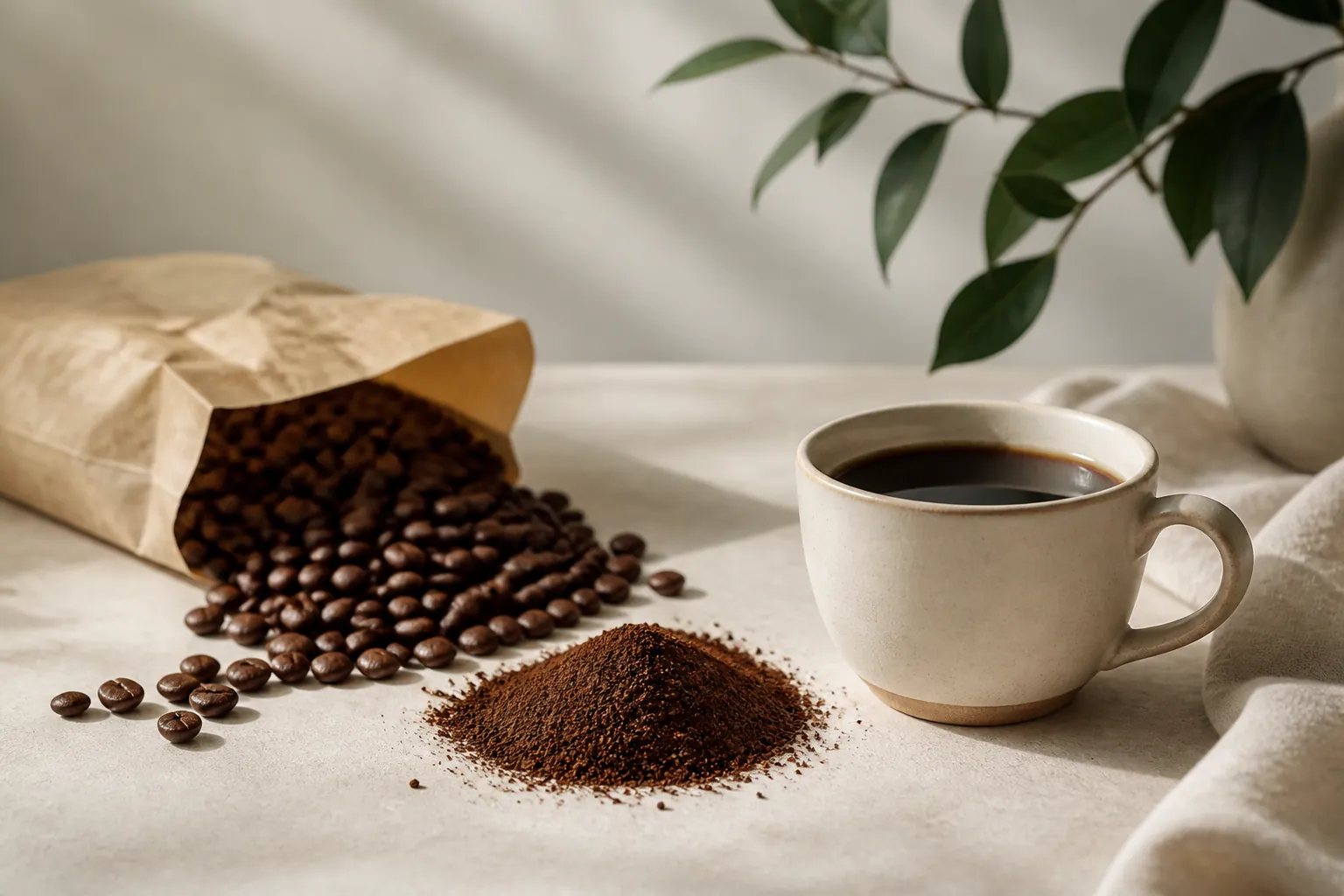
Coffee
Four things decide what lands in your cup: the bean, the grind, the water, and the time they...
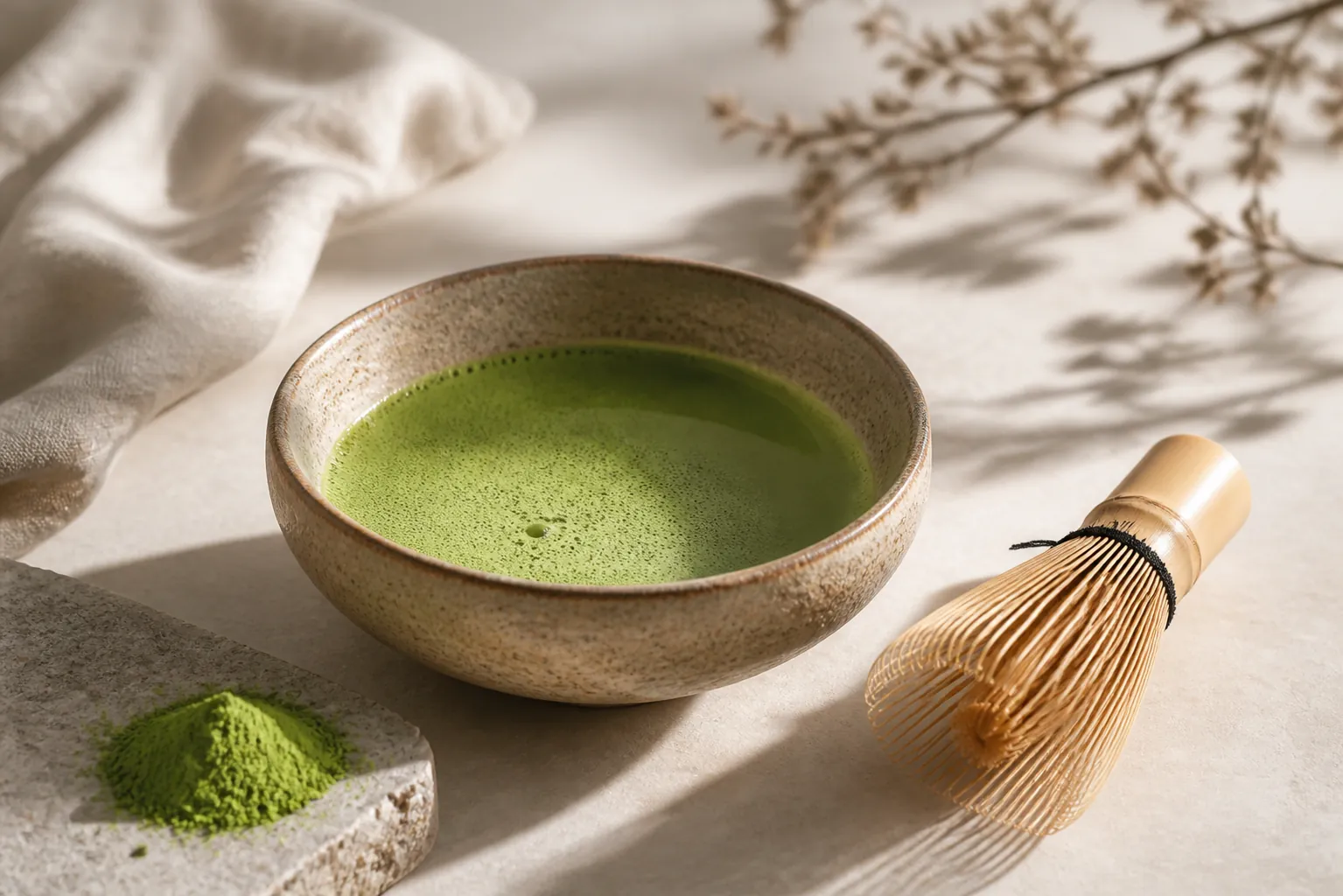
Matcha
Matcha is not steeped and strained like other tea. The leaf is ground to powder and suspended...