
Preparation Methods and Equipment
Each brewer works one particular way. Understand the mechanism and every ratio, grind size, and pouring instruction stops being a rule to memorise.
Brewing equipment falls into a small number of mechanisms. Immersion methods steep grounds in a fixed body of water. Percolation methods pass fresh water through a bed of grounds and away. Suspension methods, like whisked matcha, never separate the solids at all.
Those mechanisms are what set grind size, contact time, and the shape of the flavour. Knowing which mechanism a brewer uses tells you more about the cup than its brand does.
Equipment decides less than the order of purchase suggests. A grinder changes more cups than a brewer does, because grind consistency is what every other variable depends on.
The filter decides what reaches the cup. Paper removes oils and fines and gives clarity, metal leaves both in and gives body, and cloth sits between them.
Contact time follows the mechanism rather than the recipe. An immersion brewer holds the grounds in the whole body of water, so time is yours to set; a cone drains as it pours, so the grind sets the time for you.
Cleaning is the maintenance step that changes taste. Old oils in a mesh basket taint the next cup, which is a hygiene question rather than a case of metal flavouring the drink.
Before buying a machine, check which decisions it automates and whether those decisions are the ones causing inconsistent drinks.
A simpler tool may solve the problem with less cleaning, storage, and expense.
The Brewers Worth Understanding First
Four pieces of kit that cover most of what happens in a home kitchen, and how each one works.
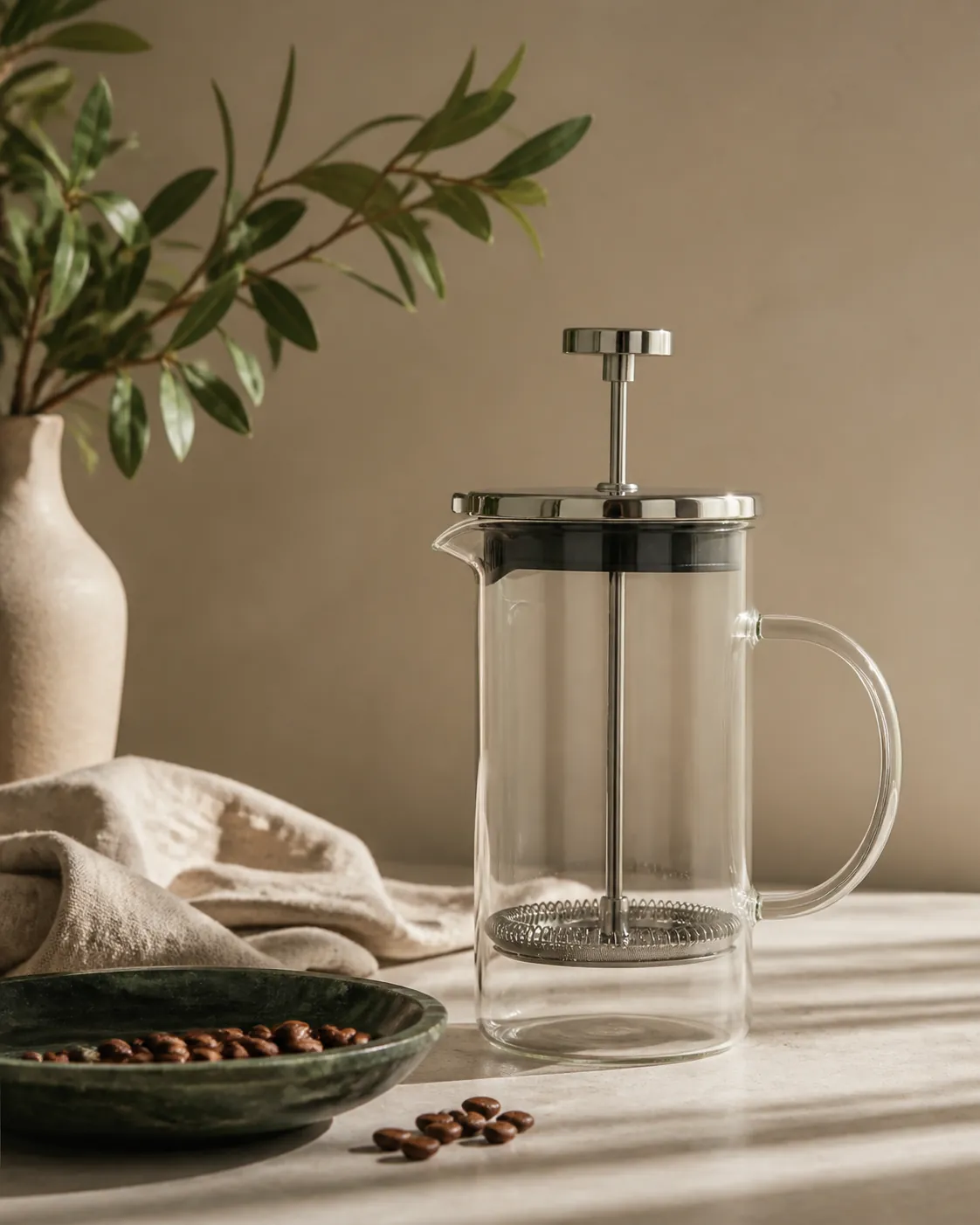
The French Press, and What a Metal Mesh Leaves In
A French press steeps grounds in the full body of water, then holds them back with a metal mesh. No paper filter means...
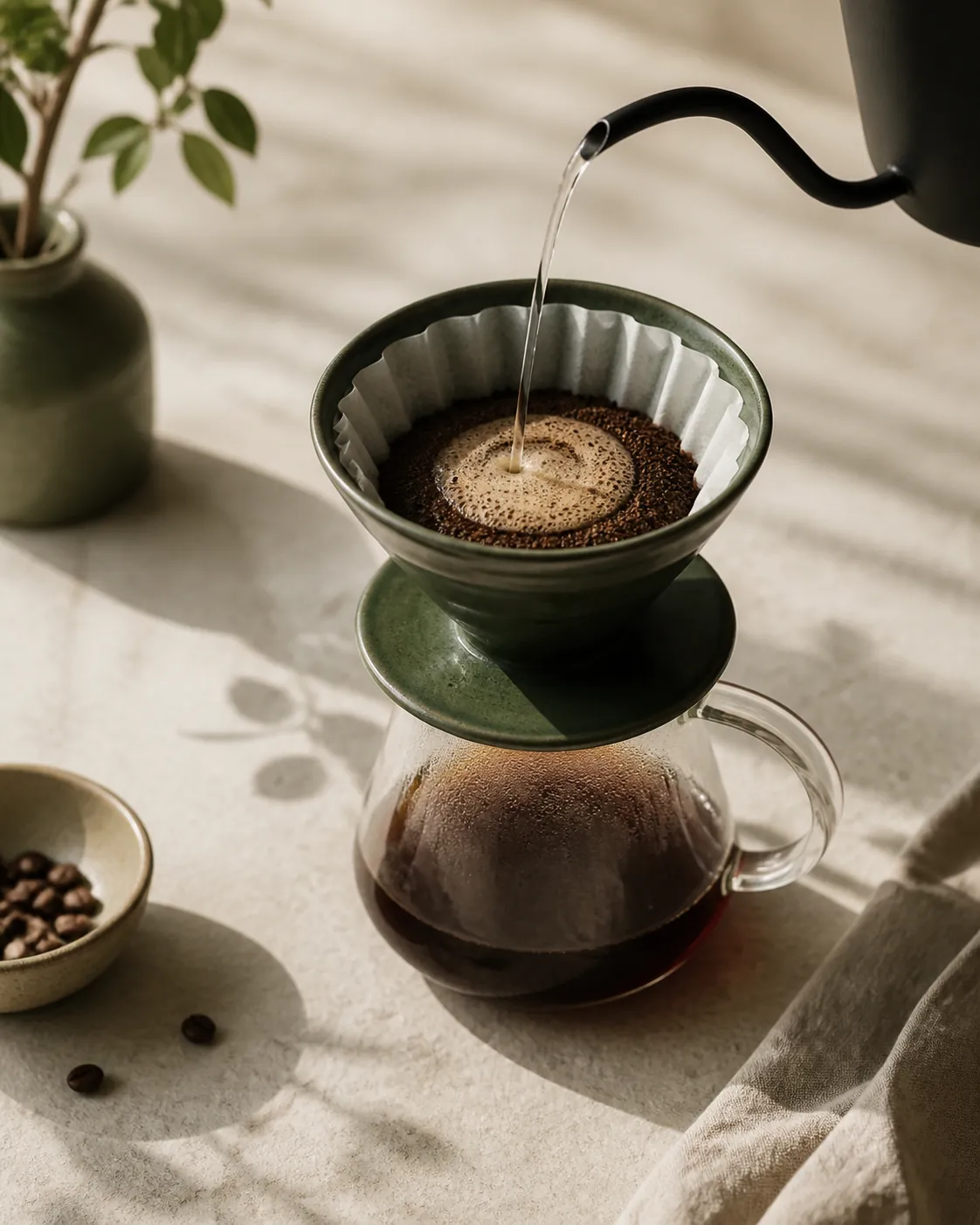
Pour-Over Brewing, and Why Fresh Water Leaves the Bed
Pour-over passes fresh water through a bed of grounds and away, through a paper filter. It gives the cleanest, most...
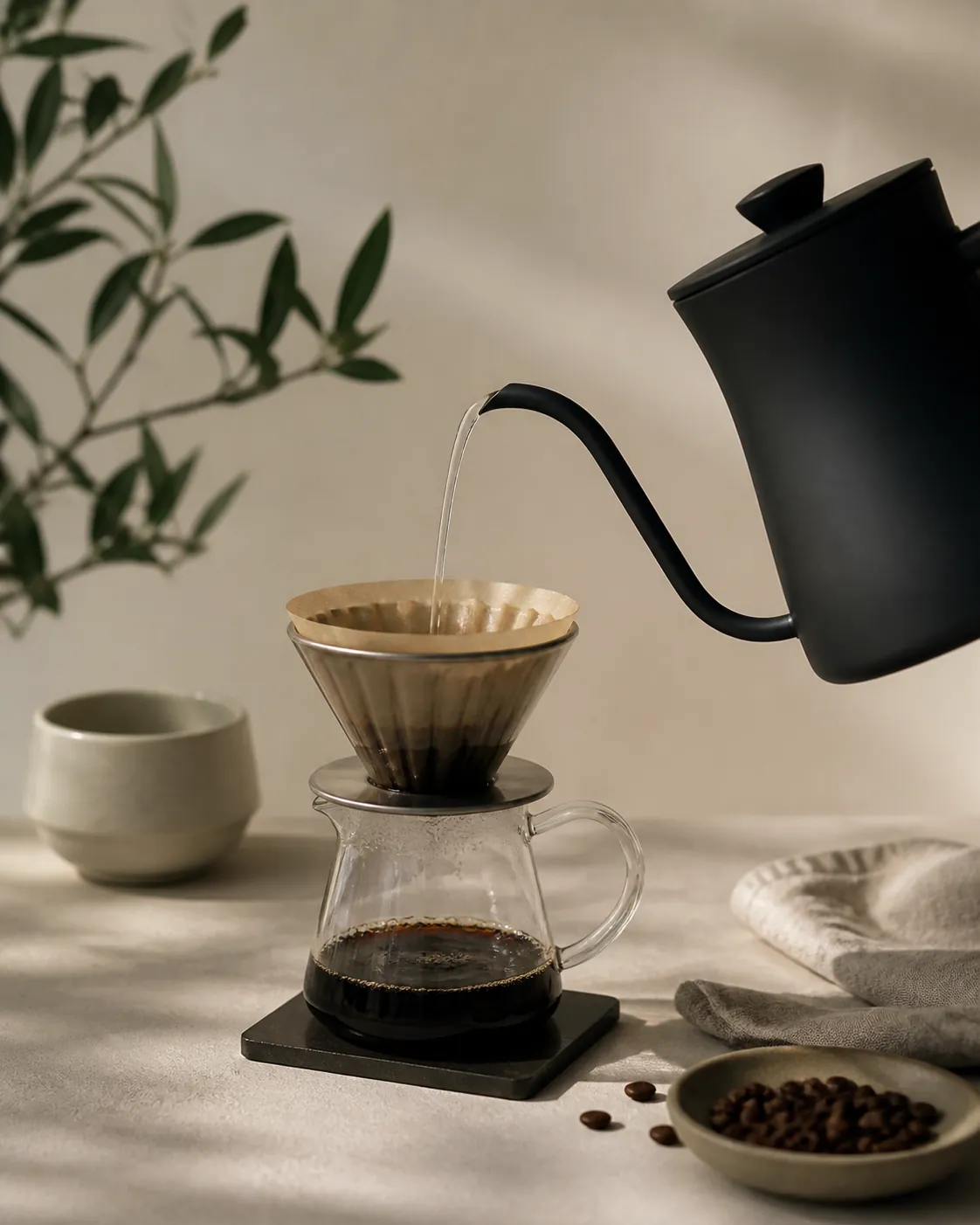
The Gooseneck Kettle, and Why Slow Pouring Matters
A gooseneck kettle exists to make pouring slow and precise. That matters enormously for pour-over coffee, and barely at...
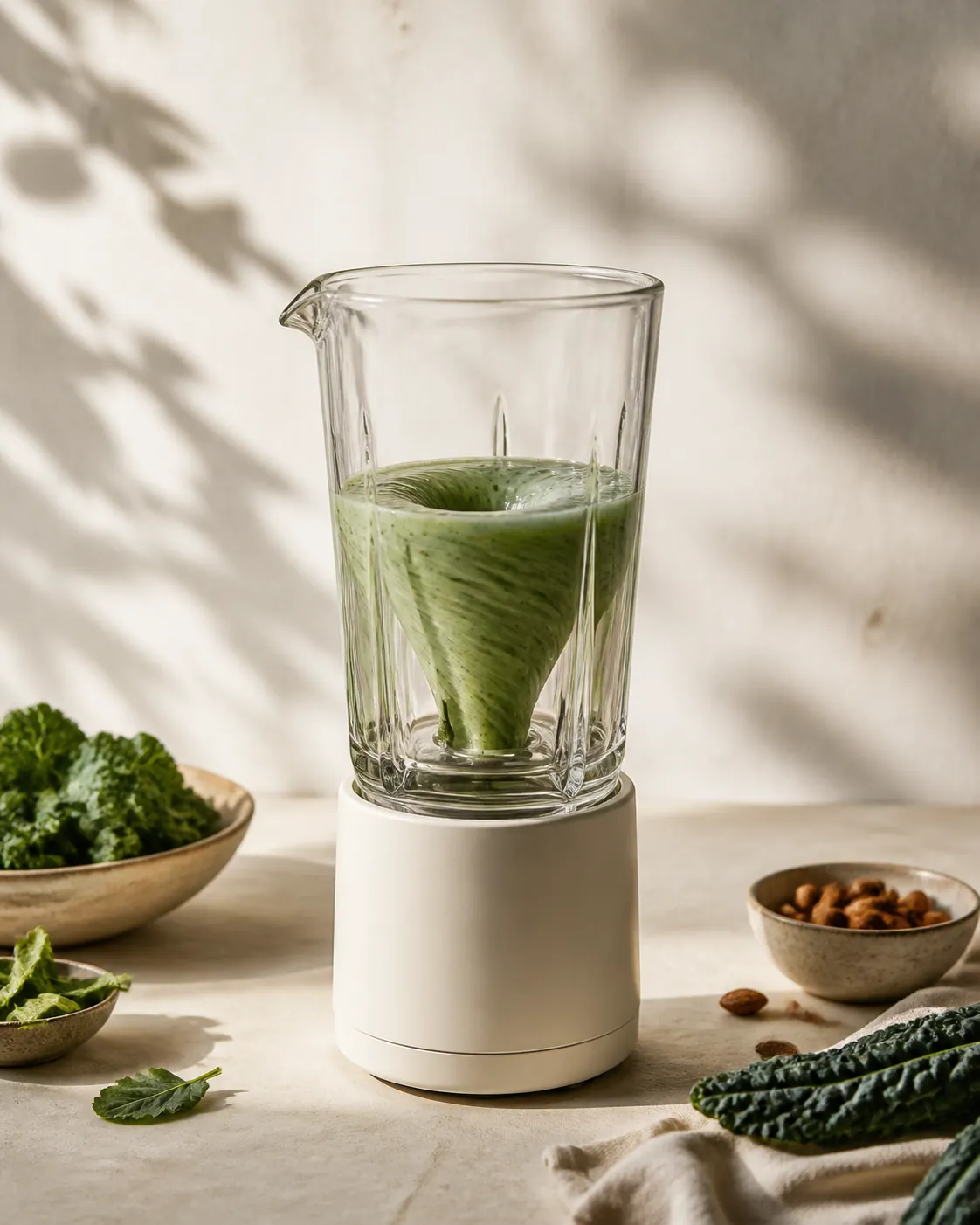
The Blender, and Why Circulation Does All the Work
A blender's blades are blunt and far too fast to cut anything. The machine works by circulation, which is why loading...
More Equipment Guides
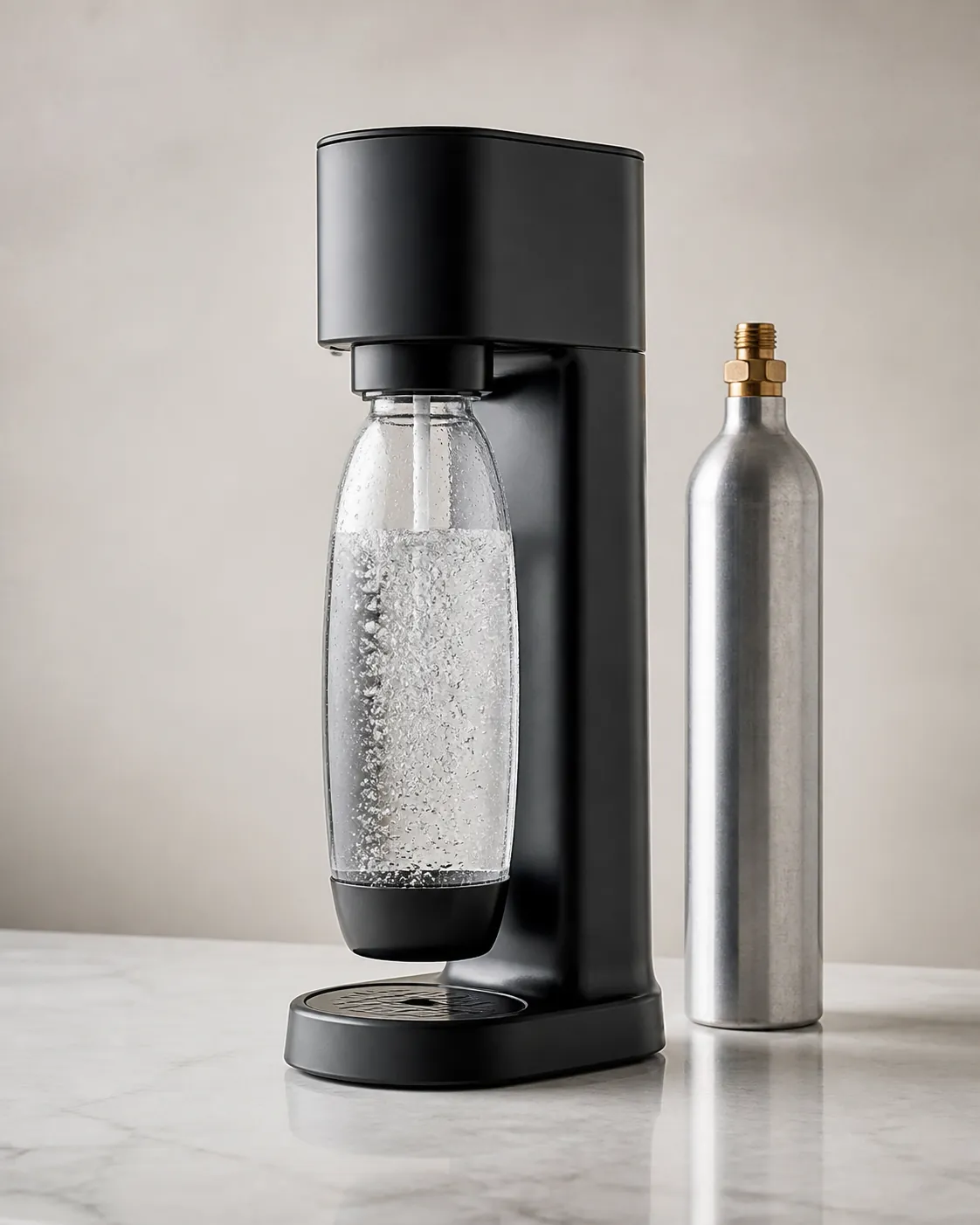
A Home Soda Maker, and Getting Proper Carbonation
A soda maker forces carbon dioxide into water in a sealed bottle. Almost everyone under-carbonates, and the fix is...
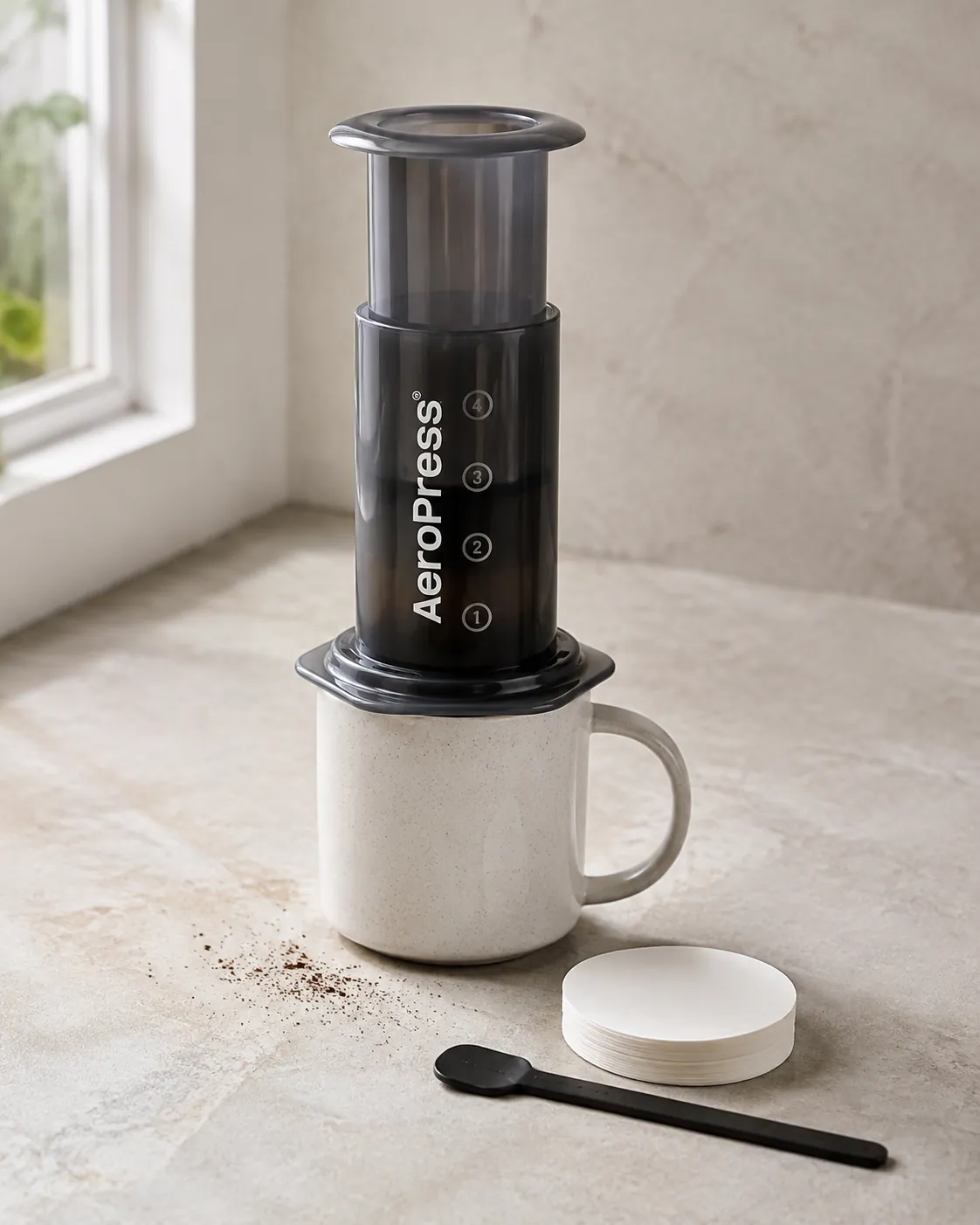
How the AeroPress Works, and What Inverting It Adds
The AeroPress is an immersion brewer that finishes with hand pressure through a paper filter. It is not an espresso...
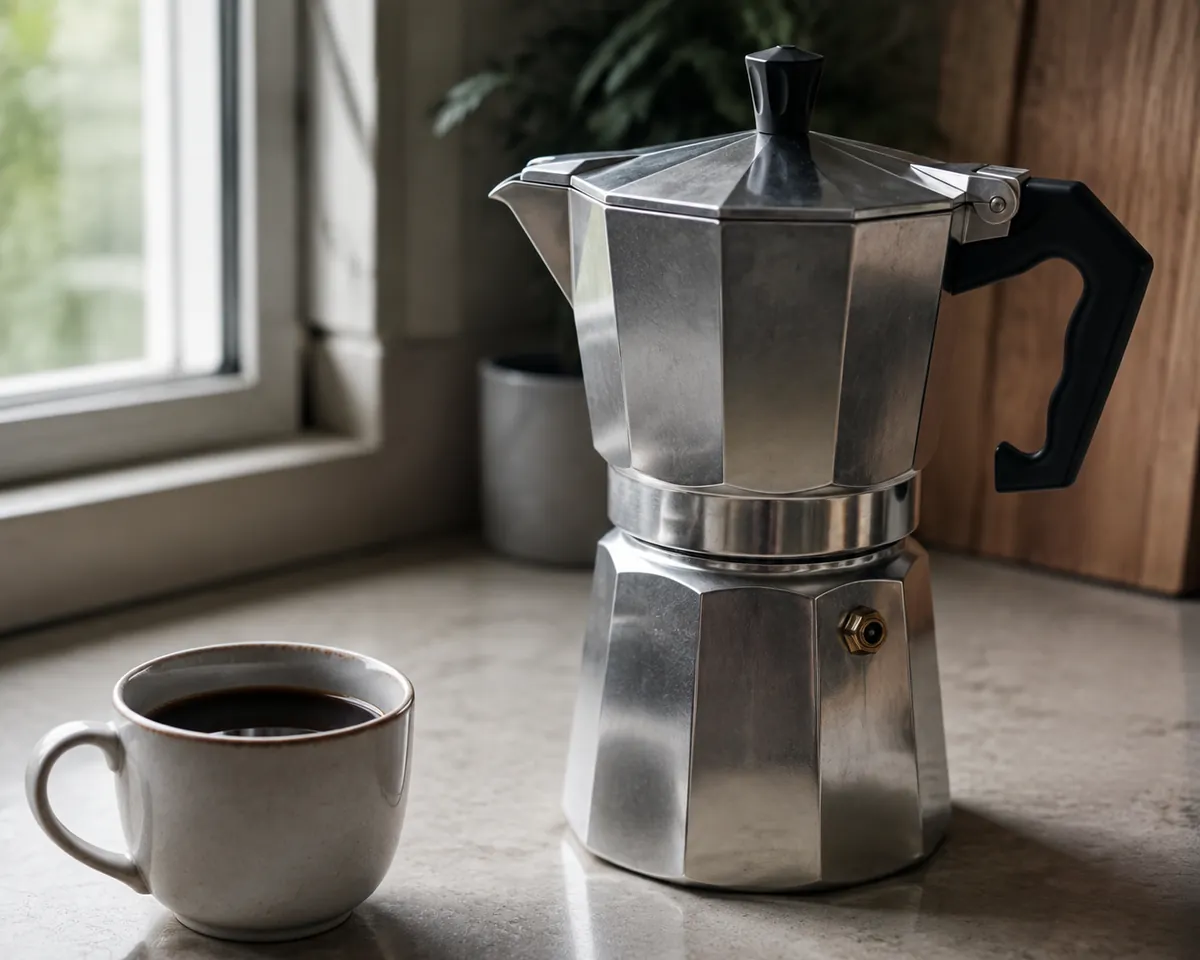
How the Moka Pot Works, and Why the Coffee Burns
The moka pot brews coffee by pushing water up through grounds with steam pressure. It has a reputation for bitterness...
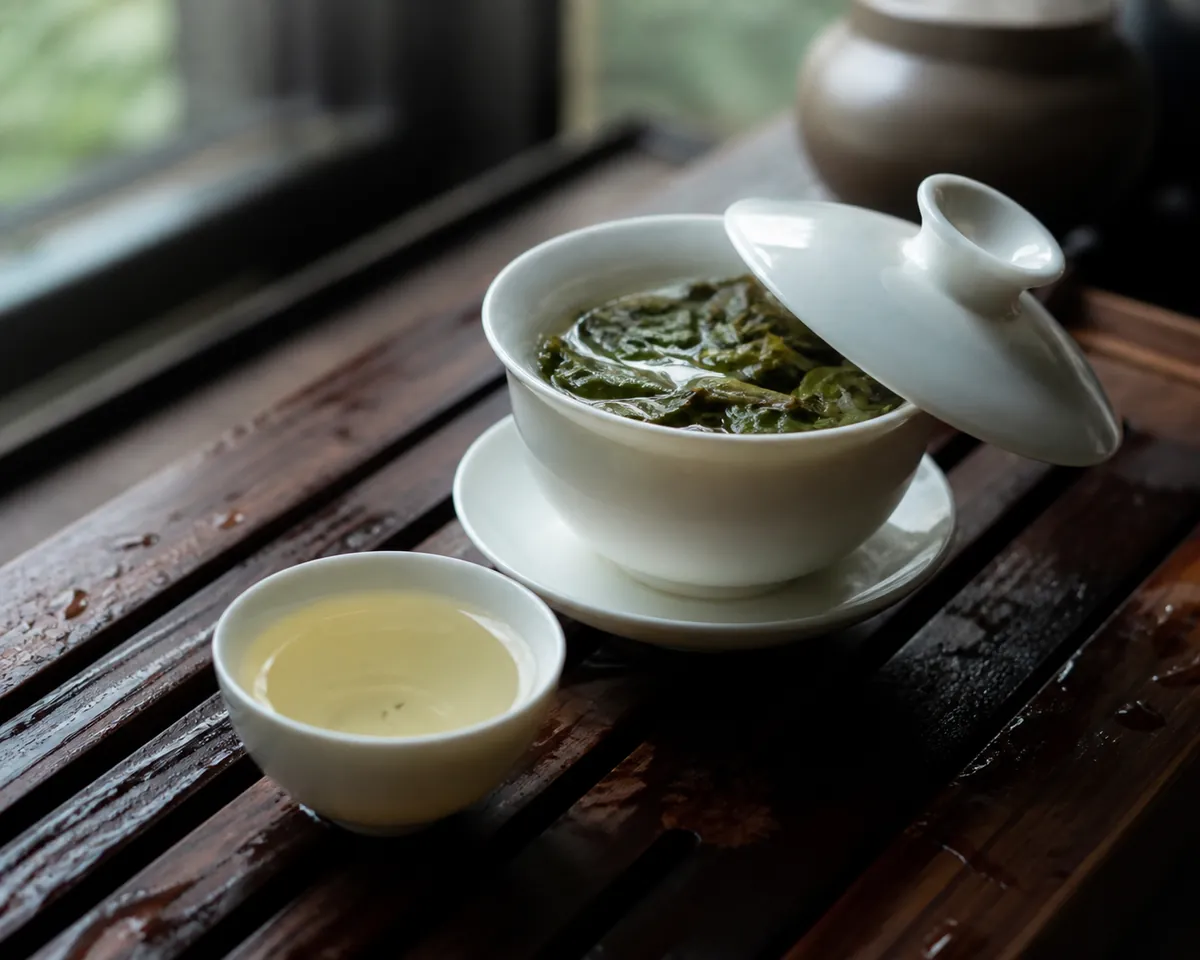
How to Use a Gaiwan, and Why It Beats a Teapot
A gaiwan is a lidded bowl with no spout, no filter and no moving parts. It is the most versatile brewing vessel in tea...
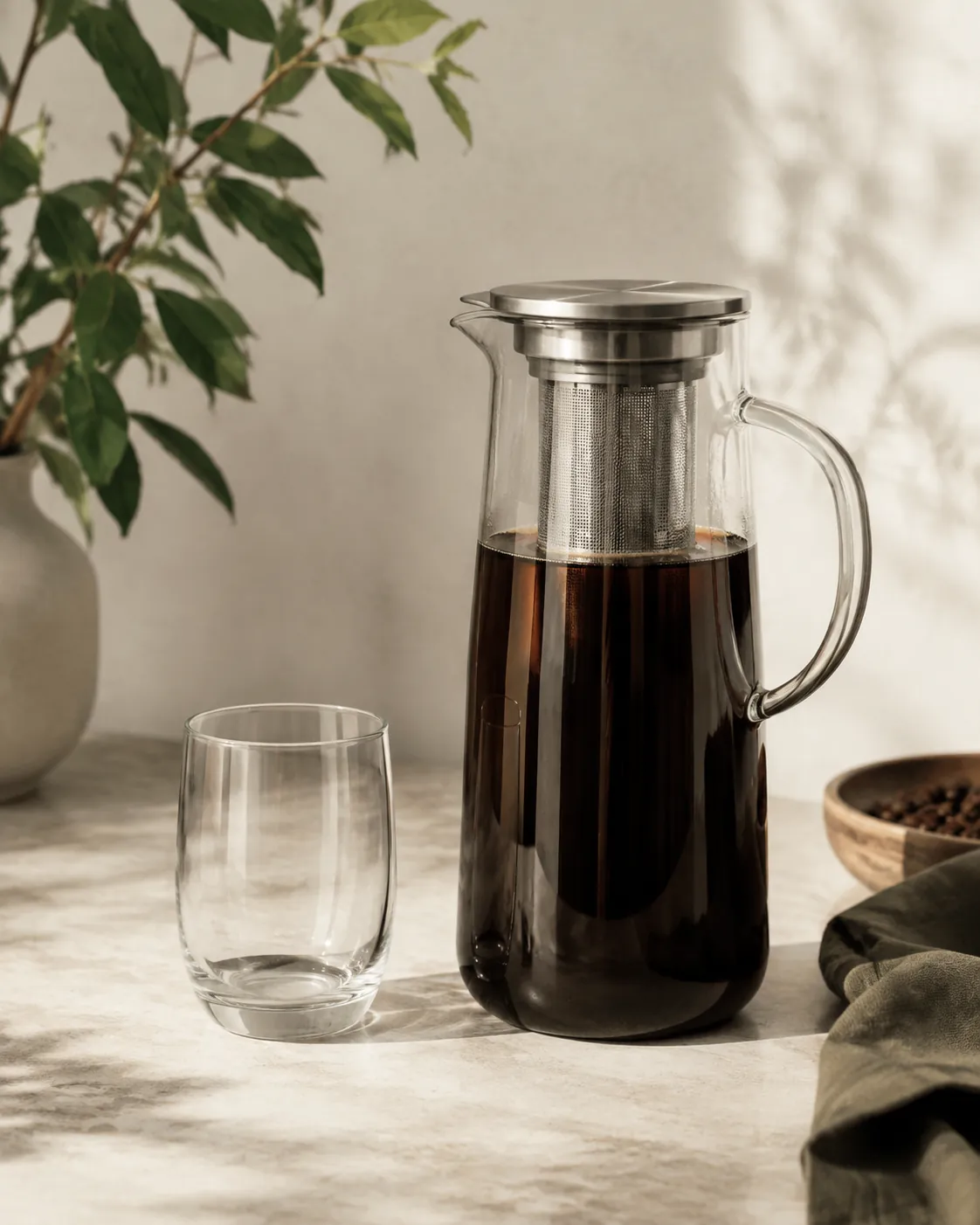
The Cold Brew Maker, and Why Time Does the Extracting
A cold brew maker has no pump, no heater and usually no electricity, because time does the extracting. What the vessel...
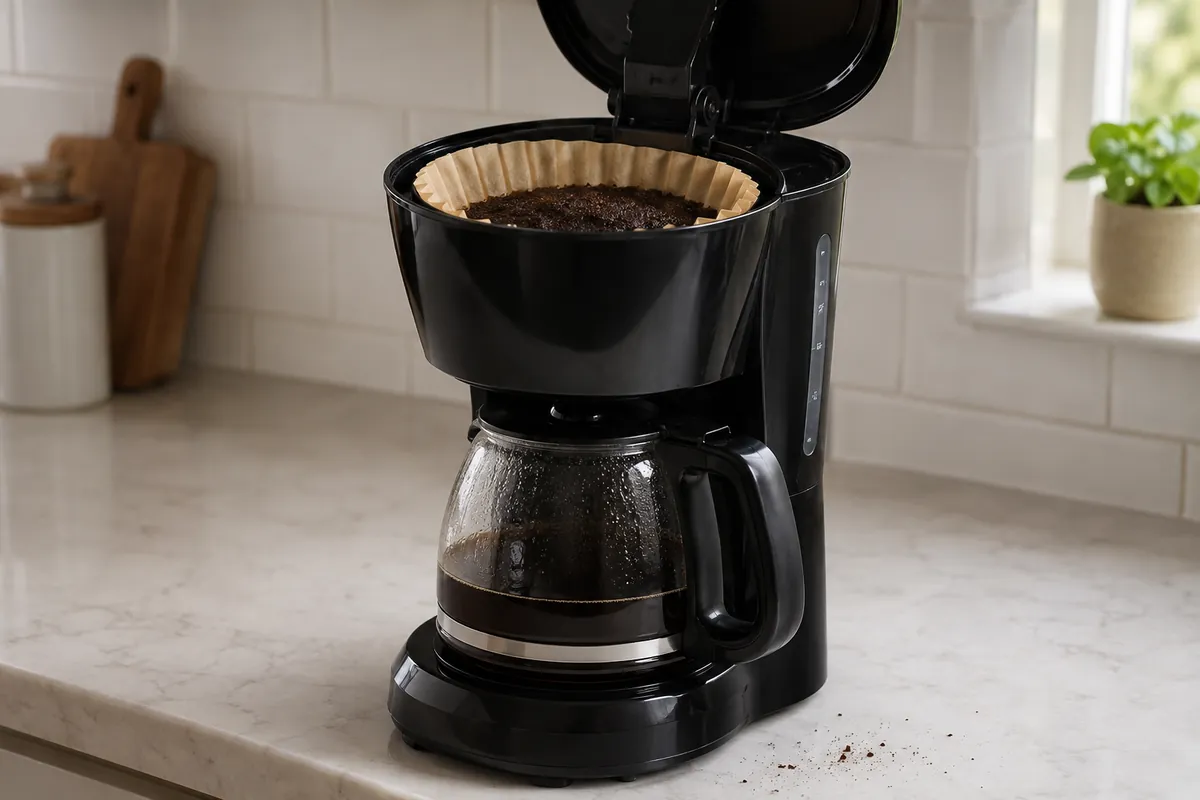
The Drip Coffee Maker, and Why Most Are Engineered Down
The drip machine makes more coffee than every other method combined, and most of them are engineered down to a price in...
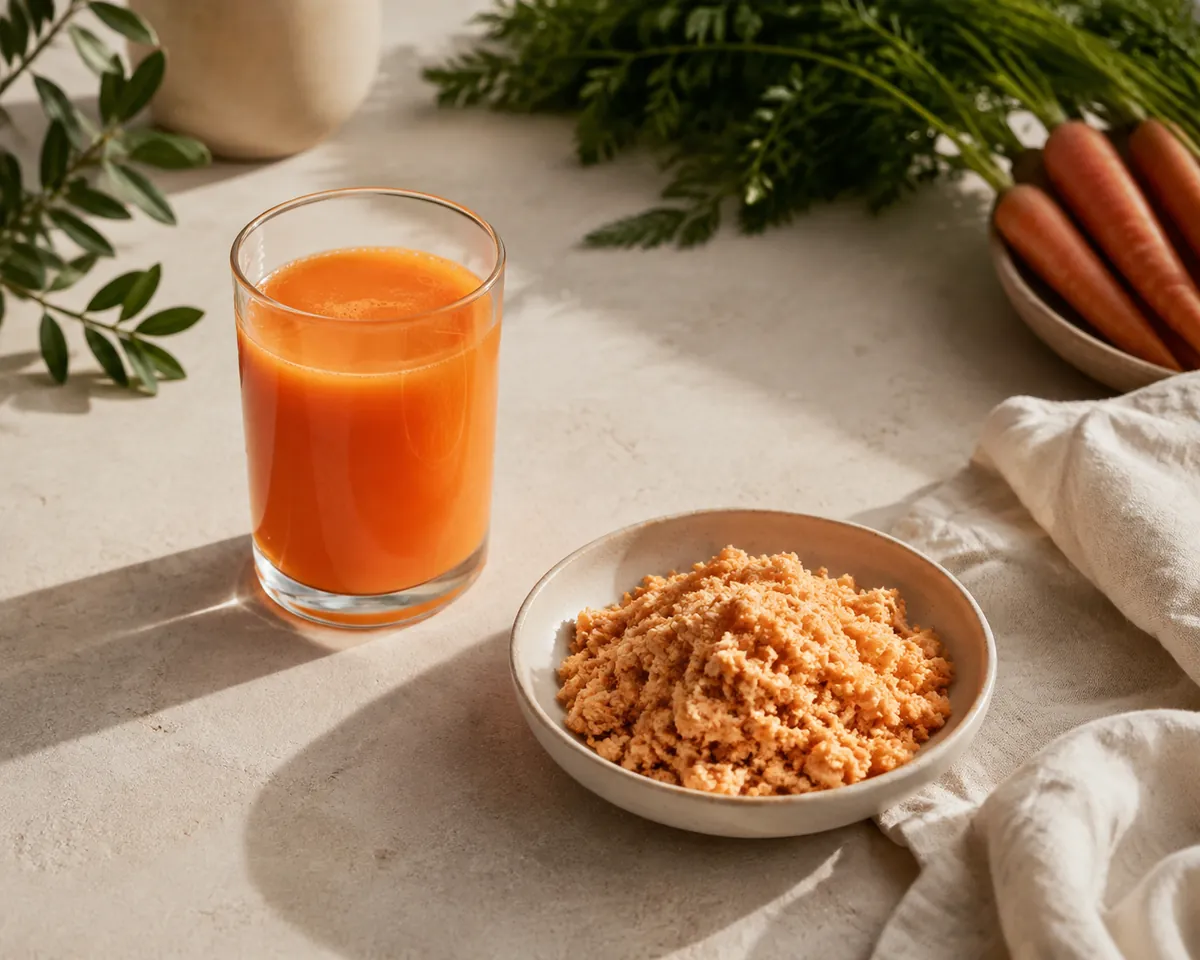
The Juicer, and the Two Ways of Separating Fibre
A juicer separates liquid from fibre and throws the fibre away. There are two ways of doing it, and the difference...
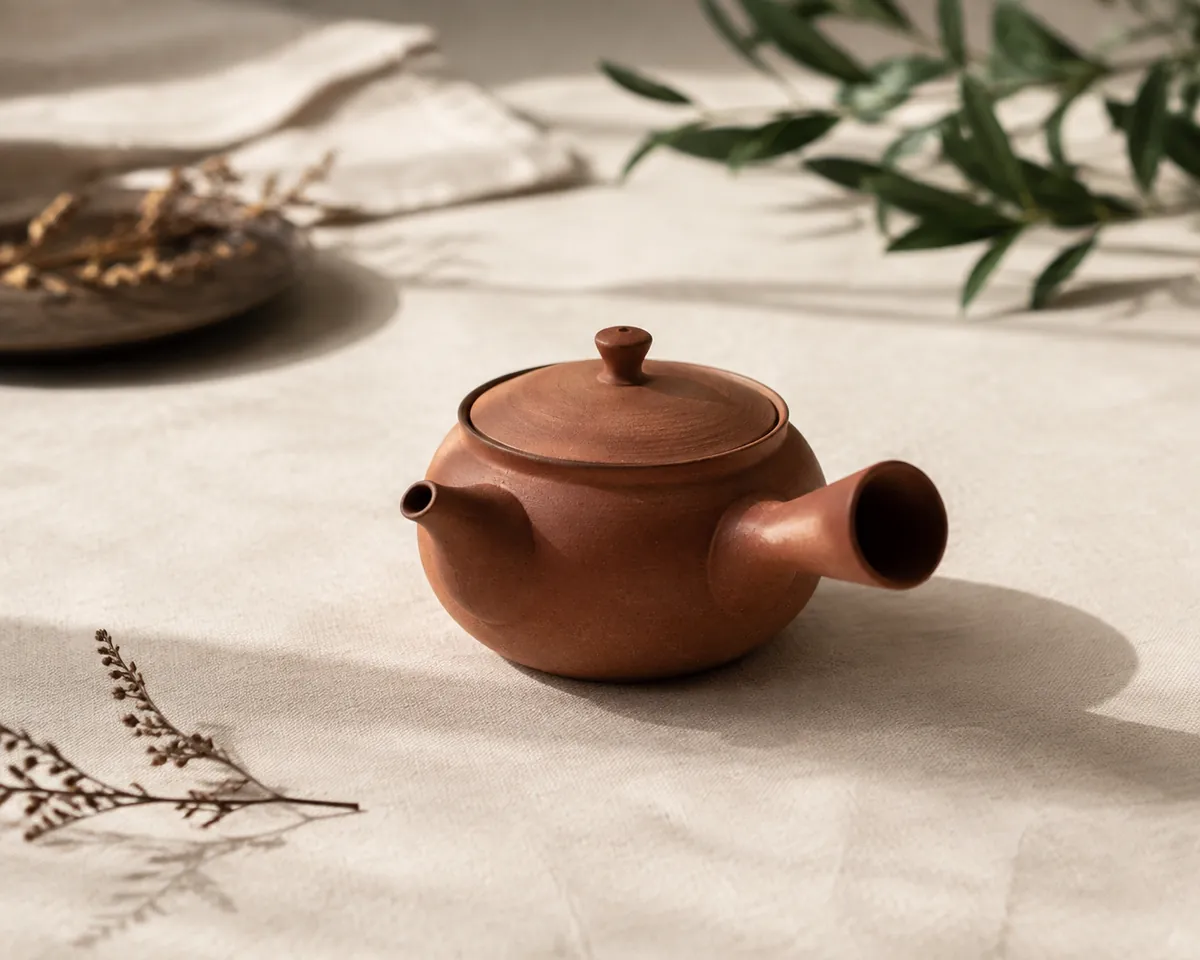
The Kyusu, and Why the Handle Sits on the Side
A kyusu puts the handle on the side and the filter across the spout, and both decisions were made by the tea it pours...
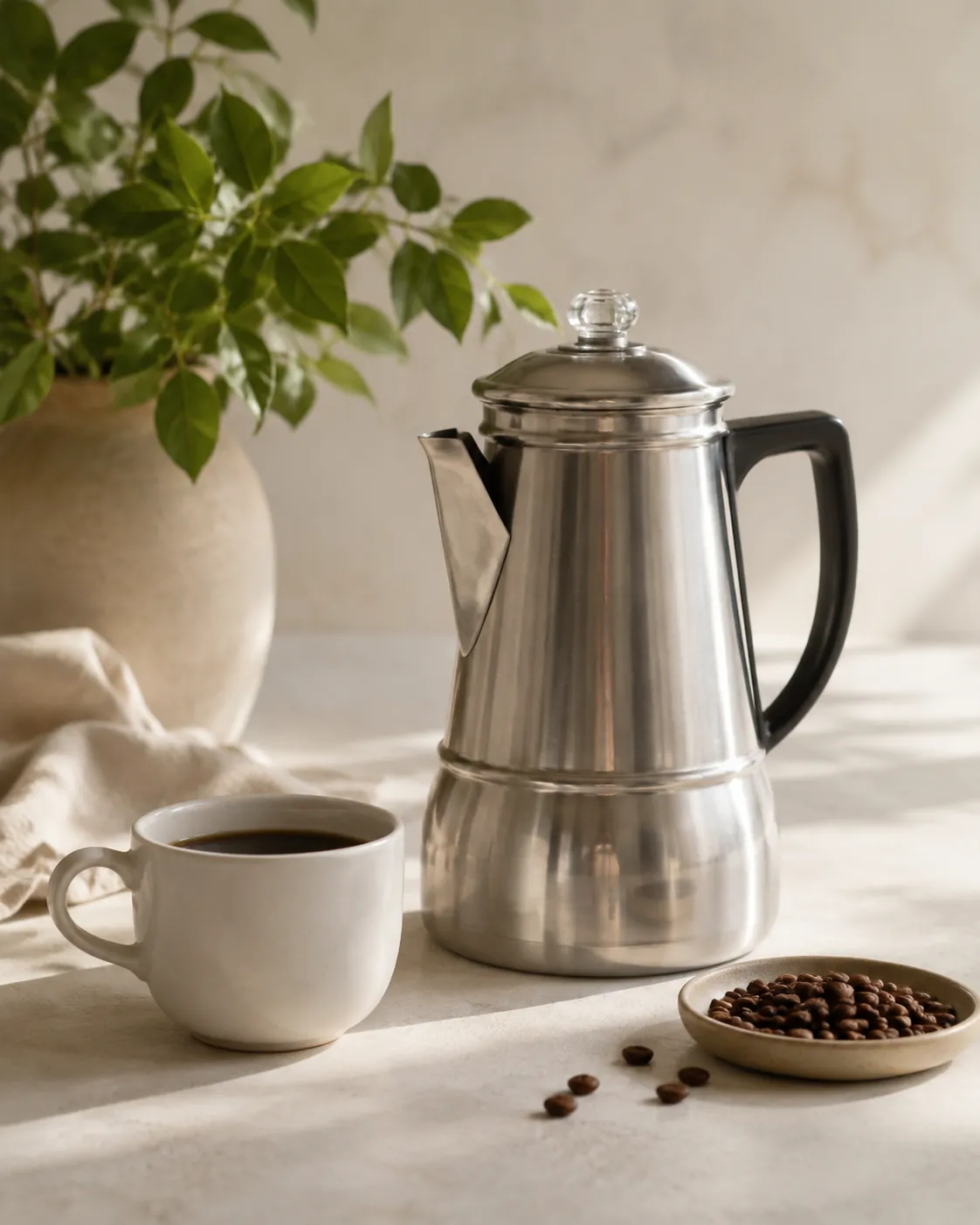
The Percolator, and Why It Recirculates the Same Liquid
A percolator cycles the same liquid through the same grounds over and over, which is both how it works and why it...
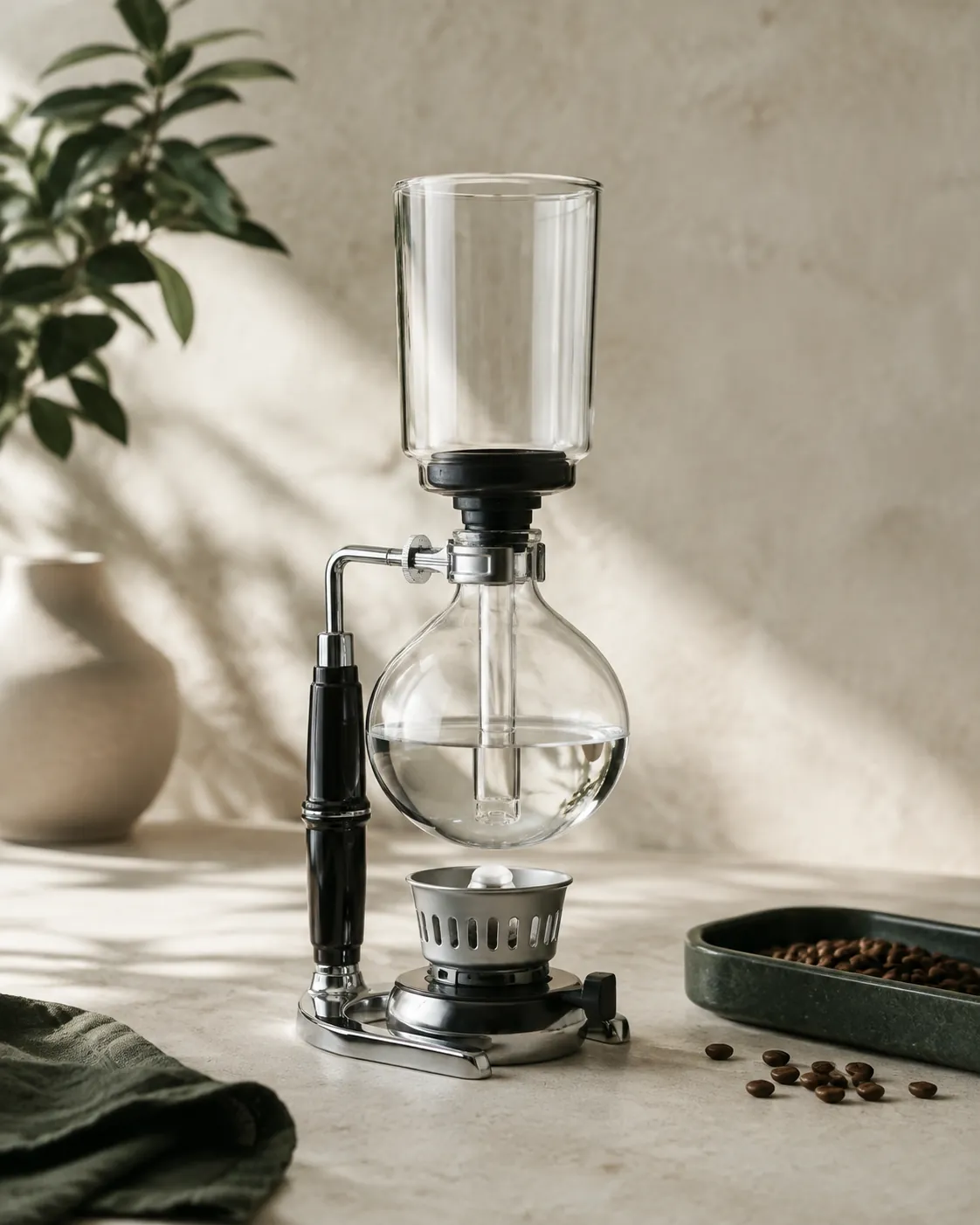
The Siphon Brewer, and How Vapour Pressure Moves Water
A siphon moves water uphill with vapour pressure and pulls it back down with a partial vacuum. The point of all that...
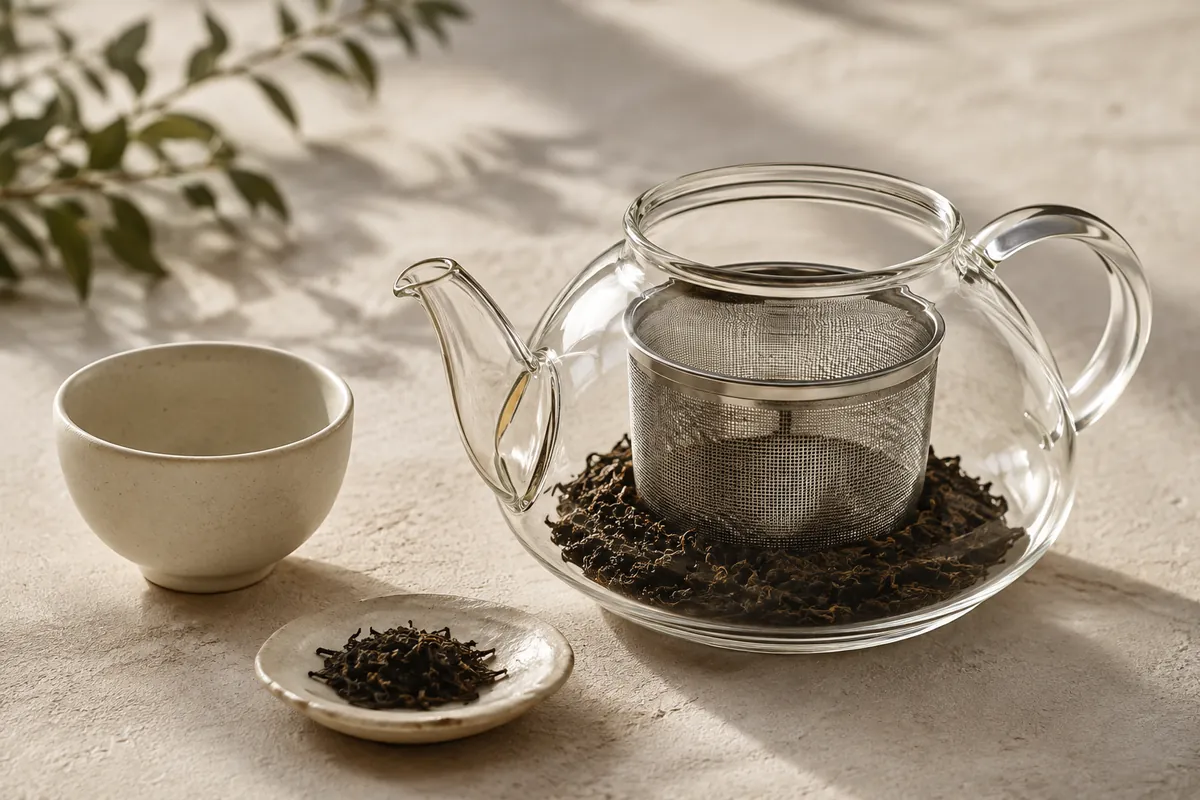
The Tea Infuser, and How Much Leaf the Water Reaches
An infuser does nothing to the tea by itself. It only decides how much of the leaf the water can reach, and leaf packed...
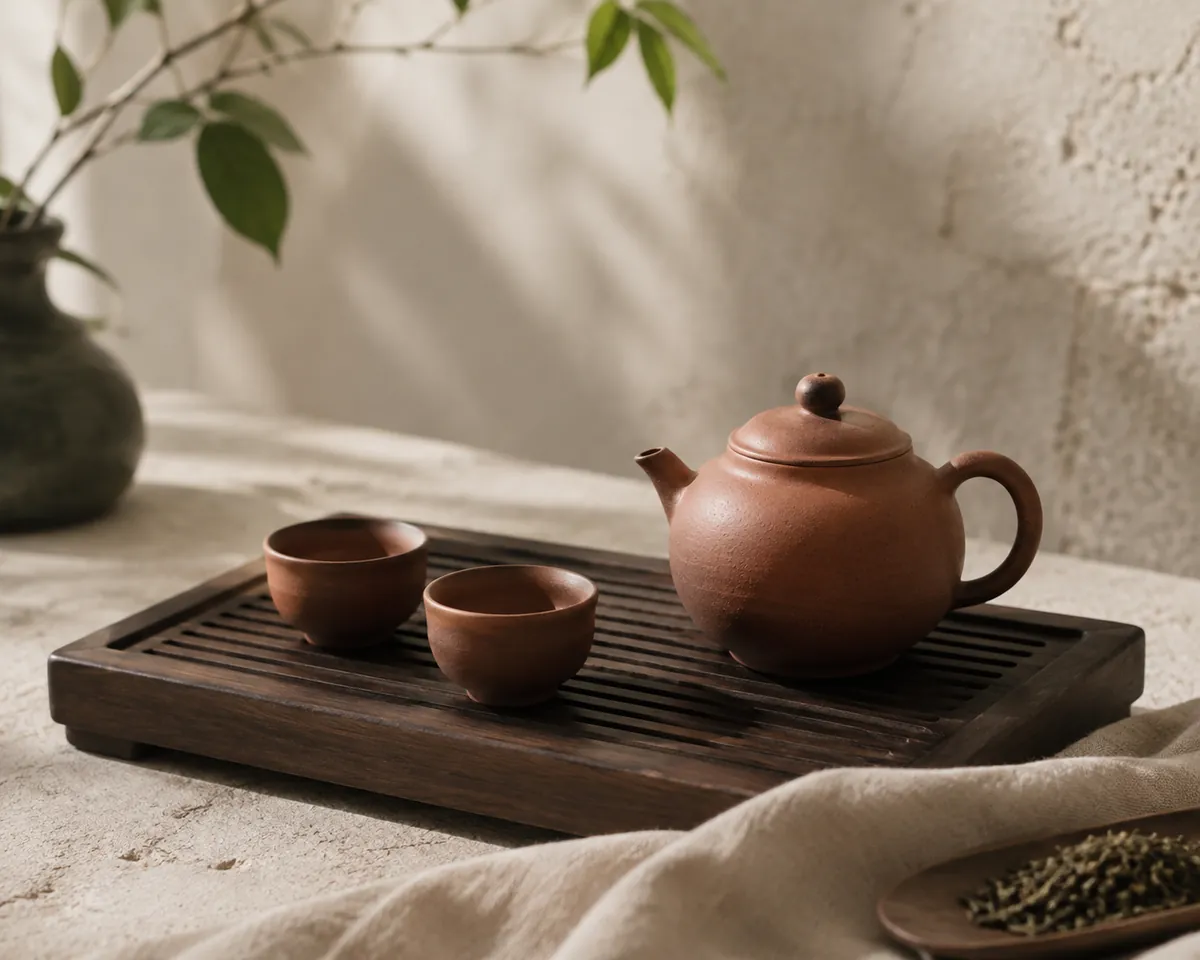
The Yixing Teapot, and Why the Clay Is Left Unglazed
A yixing pot is left unglazed on purpose, so the clay stays porous and takes something from every brew. That one...
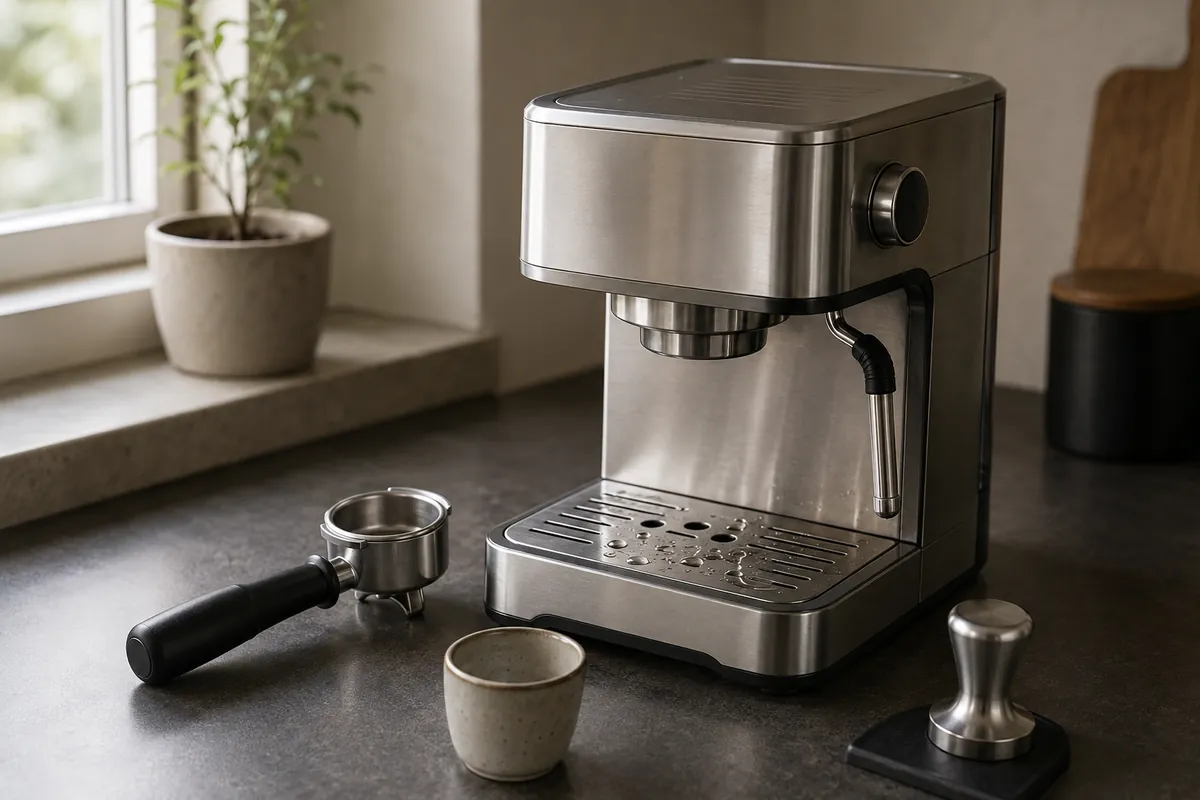
What Matters in an Espresso Machine, and What Does Not
An espresso machine has two jobs: hold water at a stable temperature and deliver it at around nine bars. Most of the...
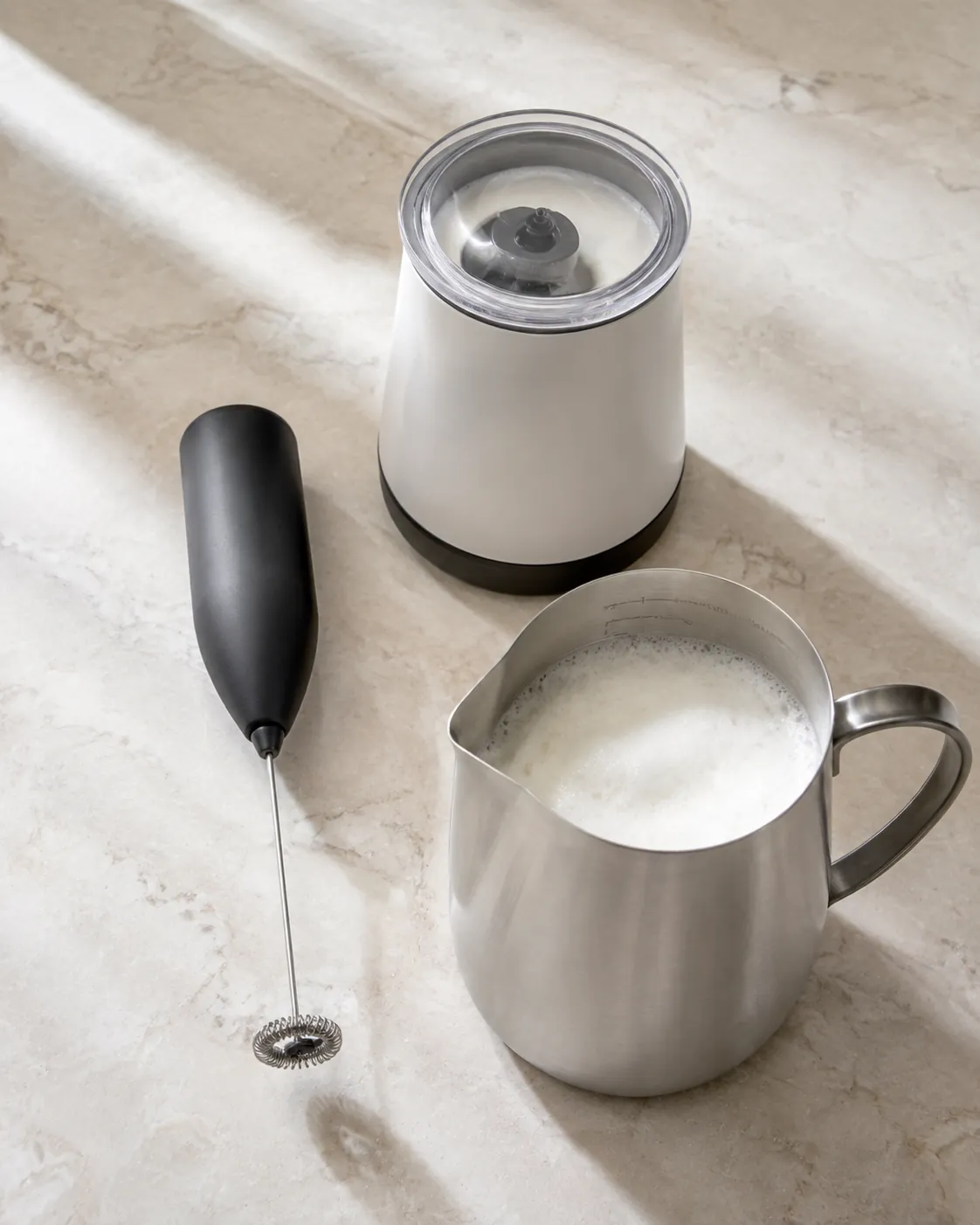
Which Type of Milk Frother Actually Makes Microfoam?
Frothers divide into those that whip air into cold milk and those that steam it. Only the second kind makes the glossy...
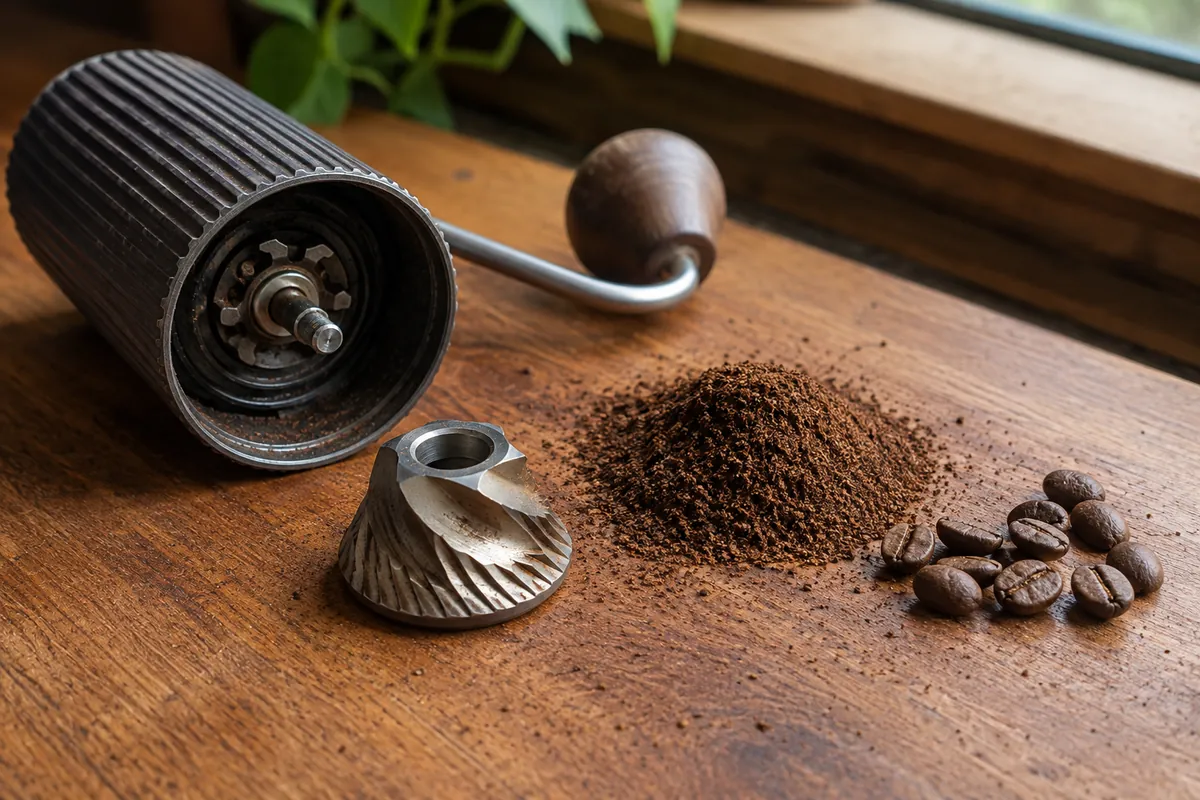
Why a Burr Grinder Beats a Blade, and Flat vs Conical
A burr grinder crushes coffee between two surfaces set a fixed distance apart, so every particle comes out roughly the...