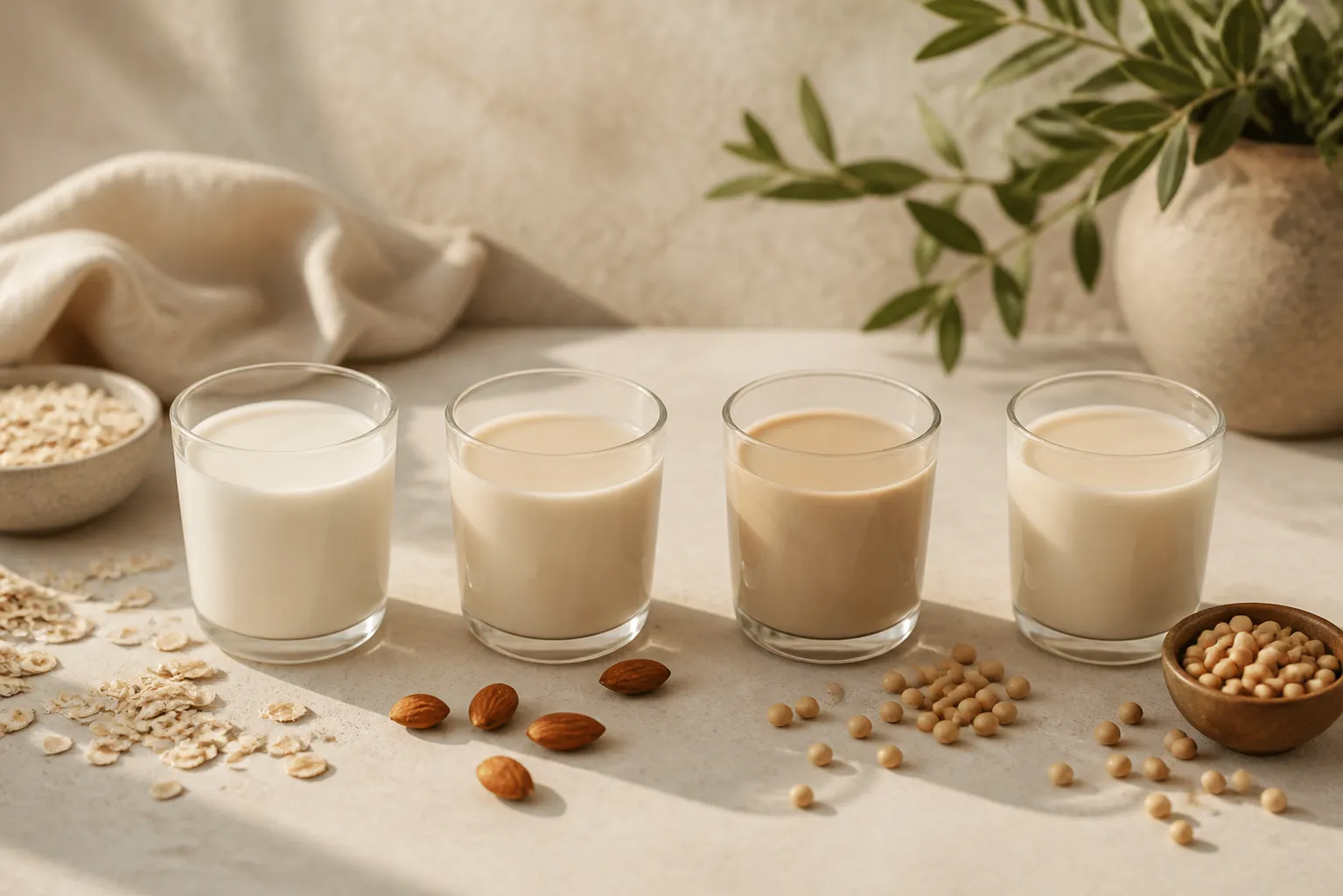
Milk and Plant Drink Guides: Types, Taste and Uses
Dairy milk and the plant drinks that stand in for it behave differently under heat, acid, and a steam wand. Knowing which is which saves a lot of split coffee.
Dairy milk is a stable emulsion of fat, water, and protein, and its protein is what lets it hold a foam. Plant drinks are suspensions built from ground nuts, grains, or seeds, and each one foams, splits, and sweetens differently depending on what it is made from and what has been added to it.
That is why one oat drink behaves beautifully in a flat white and another curdles on contact.
Protein is the tell.
Dairy and soy carry enough of it to build a stable foam, and the drinks that do not have to borrow structure from added gums and oils instead.
Splitting and foaming are separate failures with separate causes. A drink can foam beautifully and still curdle, because foam is a protein question and curdling is an acid and heat one.
Barista versions are a reformulation rather than a marketing tier. They add fat, protein or buffering salts specifically to survive a hot acidic shot, which is why the ordinary carton behaves differently.
Sweetness is often created rather than added. Oat drinks are made by treating the starch with enzymes that break it into sugars, so an unsweetened oat drink can carry more sugar than a sweetened nut one.
An opened carton fails abruptly rather than gradually. Plant drinks separate and sour with little warning, which is a different habit from dairy going off slowly.
Choosing a Milk, Dairy or Not
How each one foams, sweetens, and behaves once it meets hot coffee or tea.
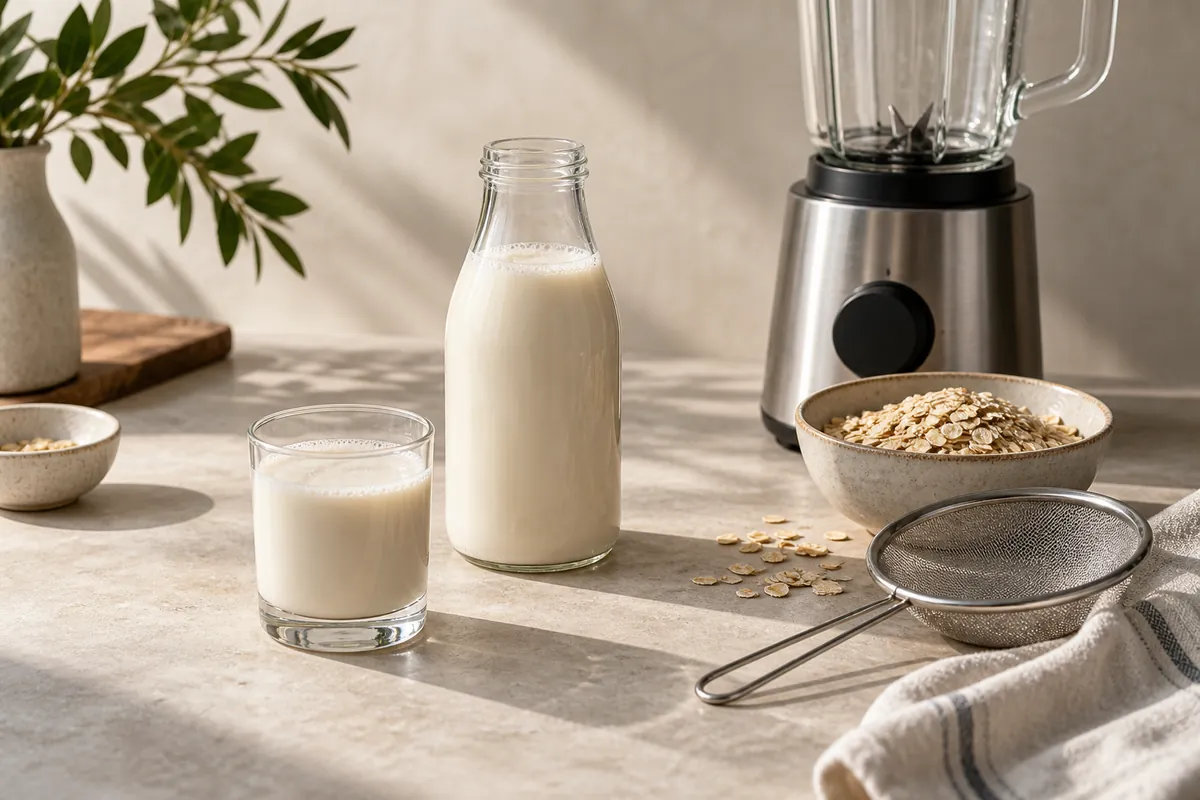
How to Make Oat Milk Without a Slimy, Gummy Texture
Cold water, a short blend and hands-off straining produce a clean, light oat drink. The method is simple, but the way...
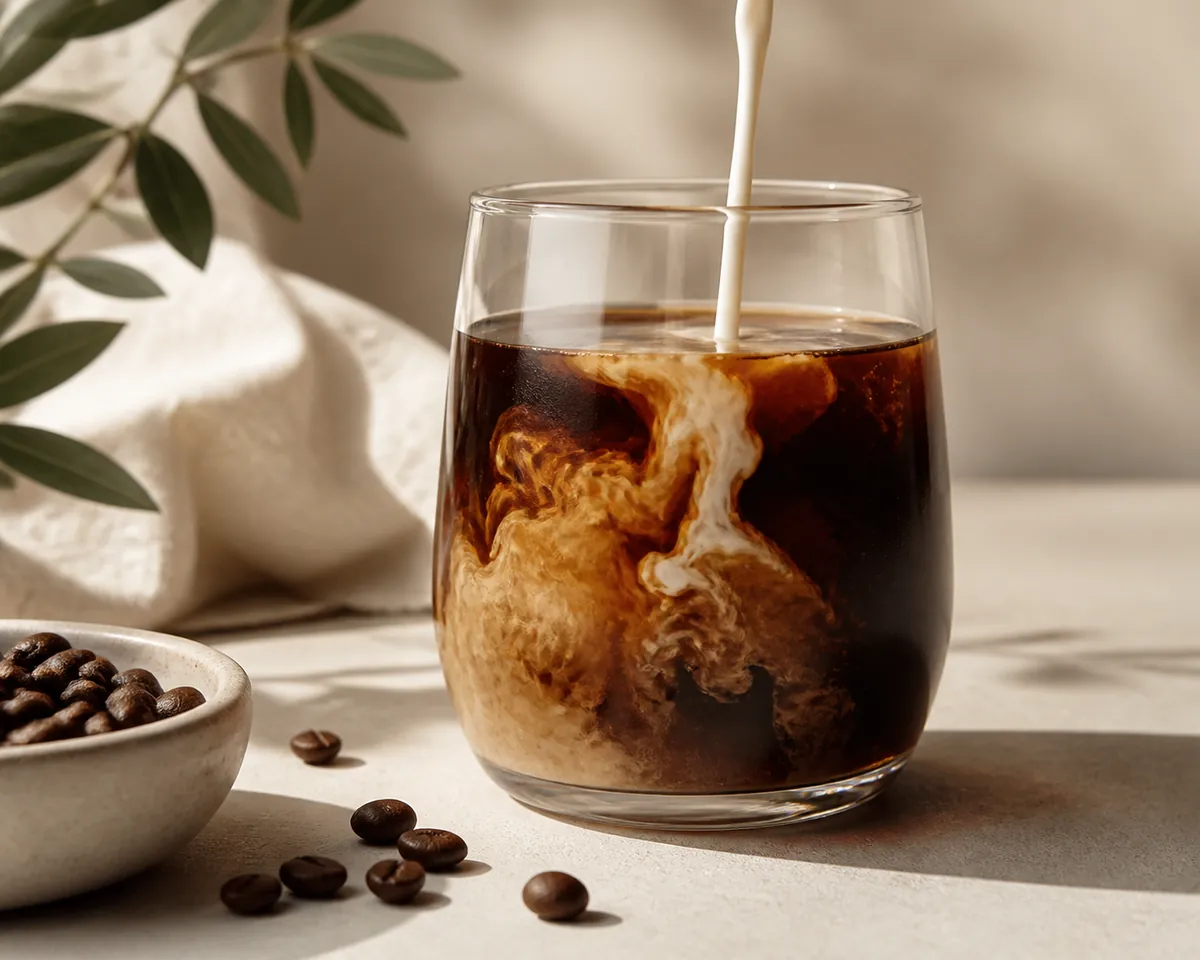
Why Does Plant Milk Curdle in Coffee? Acid, Heat, and Build
Plant drinks can split in coffee because the coffee is acidic and hot. Barista formulations are built with a buffer...
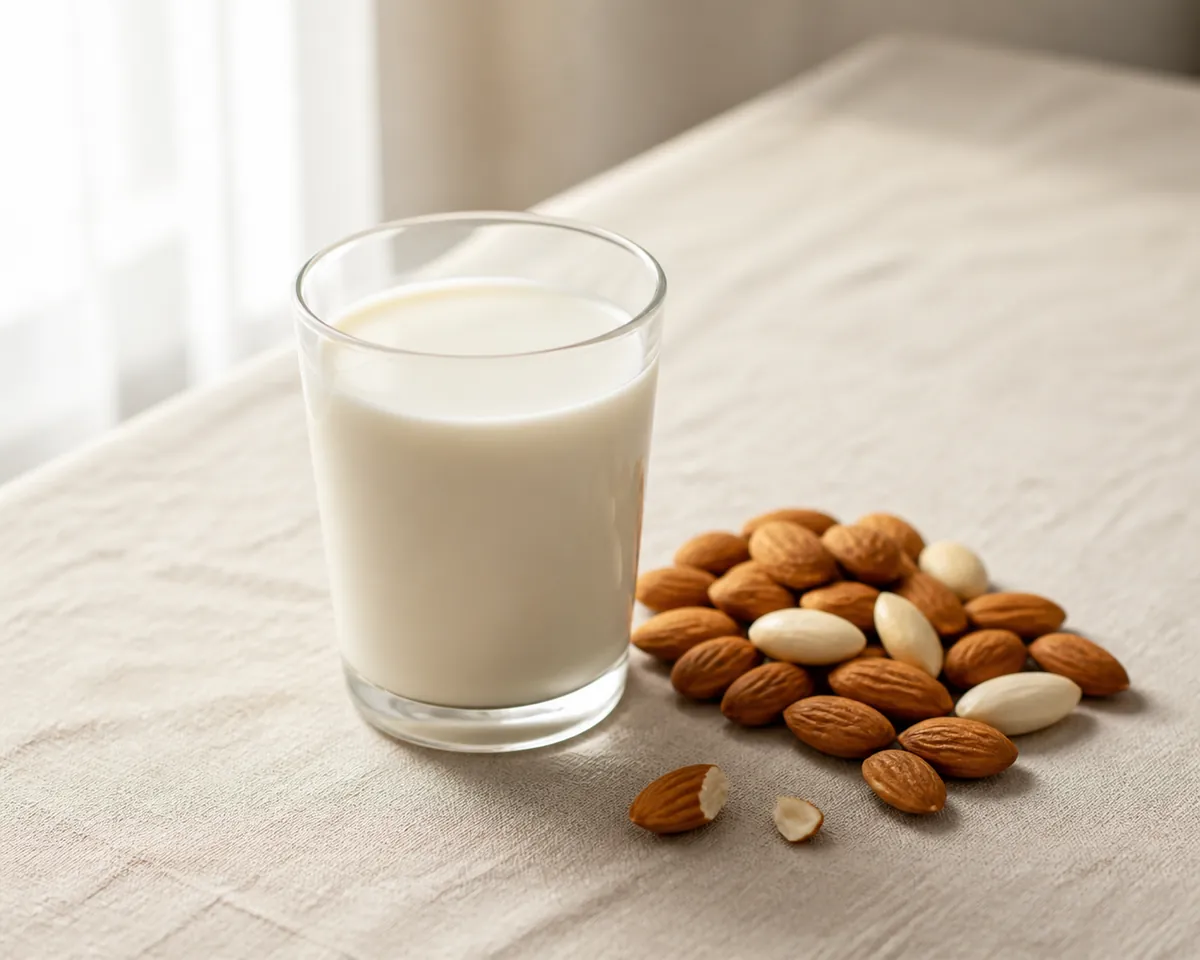
What Is Almond Milk? Ground, Blended, and Mostly Strained Out
Almond milk is ground almonds blended with water and strained. Most of the almond is removed in that last step, which...
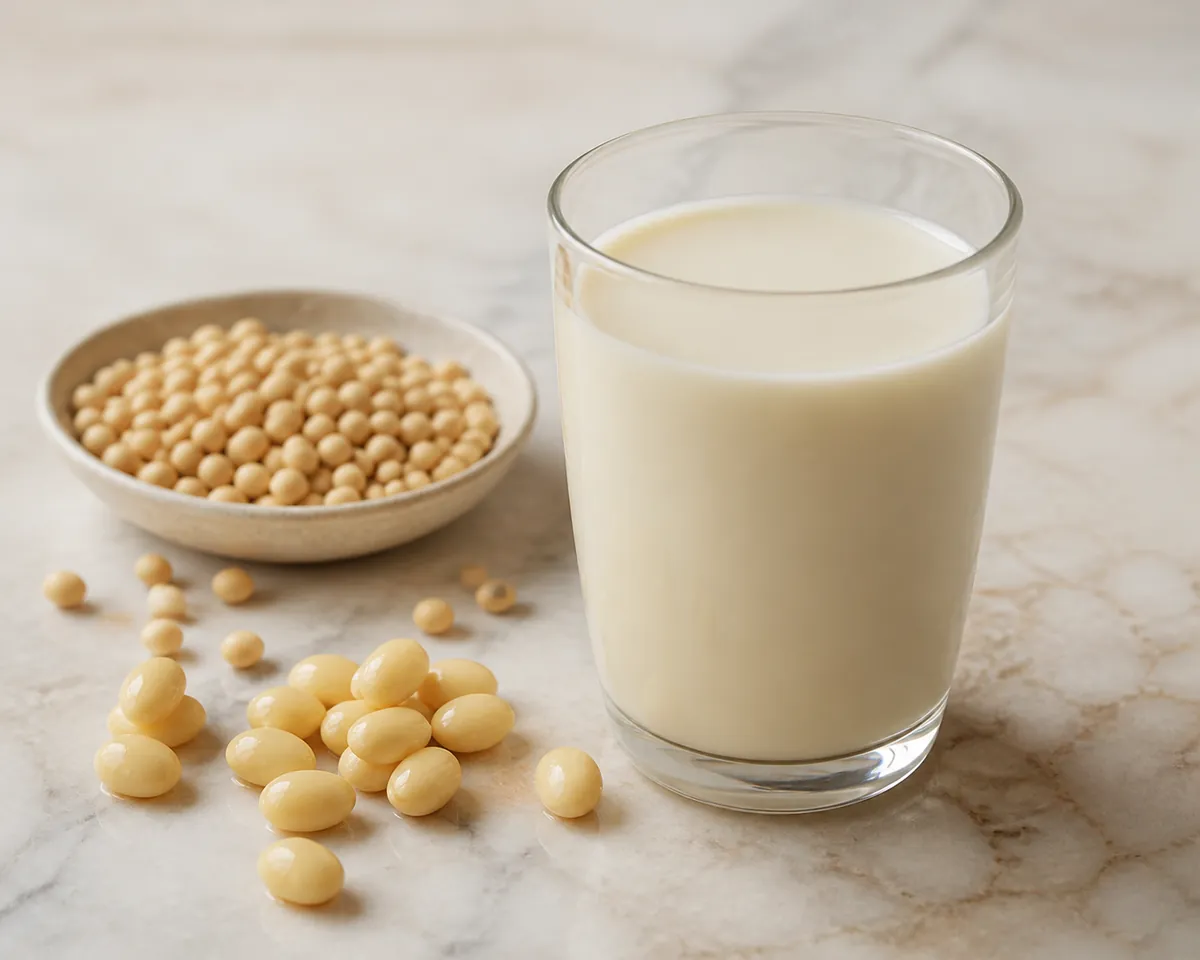
What Is Soy Milk? The Oldest One, and the Closest to Dairy
Soy milk is the oldest plant drink in commercial use and the only one that comes close to dairy on protein. That...
More Milk and Plant Drink Guides
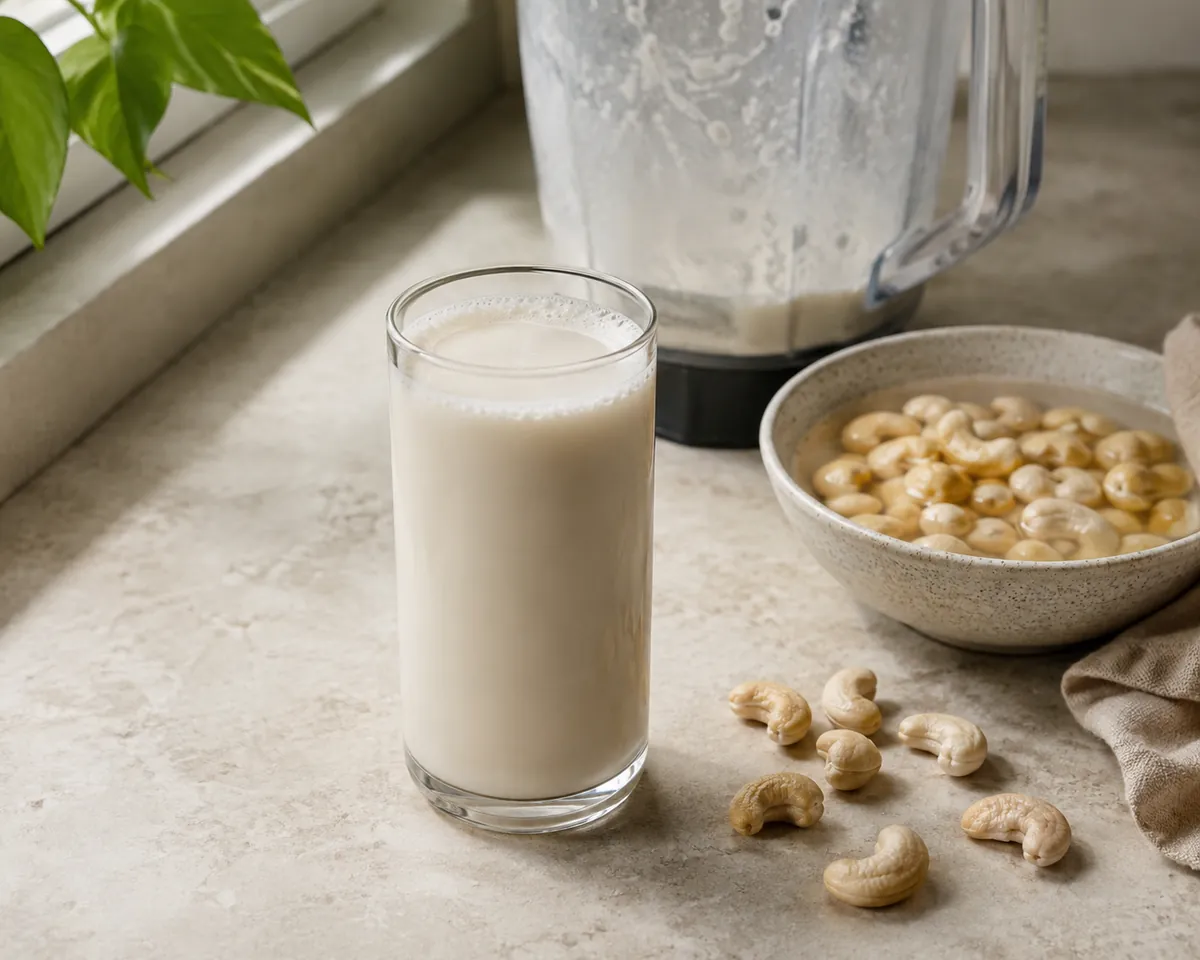
What Is Cashew Milk, and Why Is It So Creamy?
Cashew milk can be a rich homemade blend or a lighter stabilised carton, and the two should not be expected to behave...
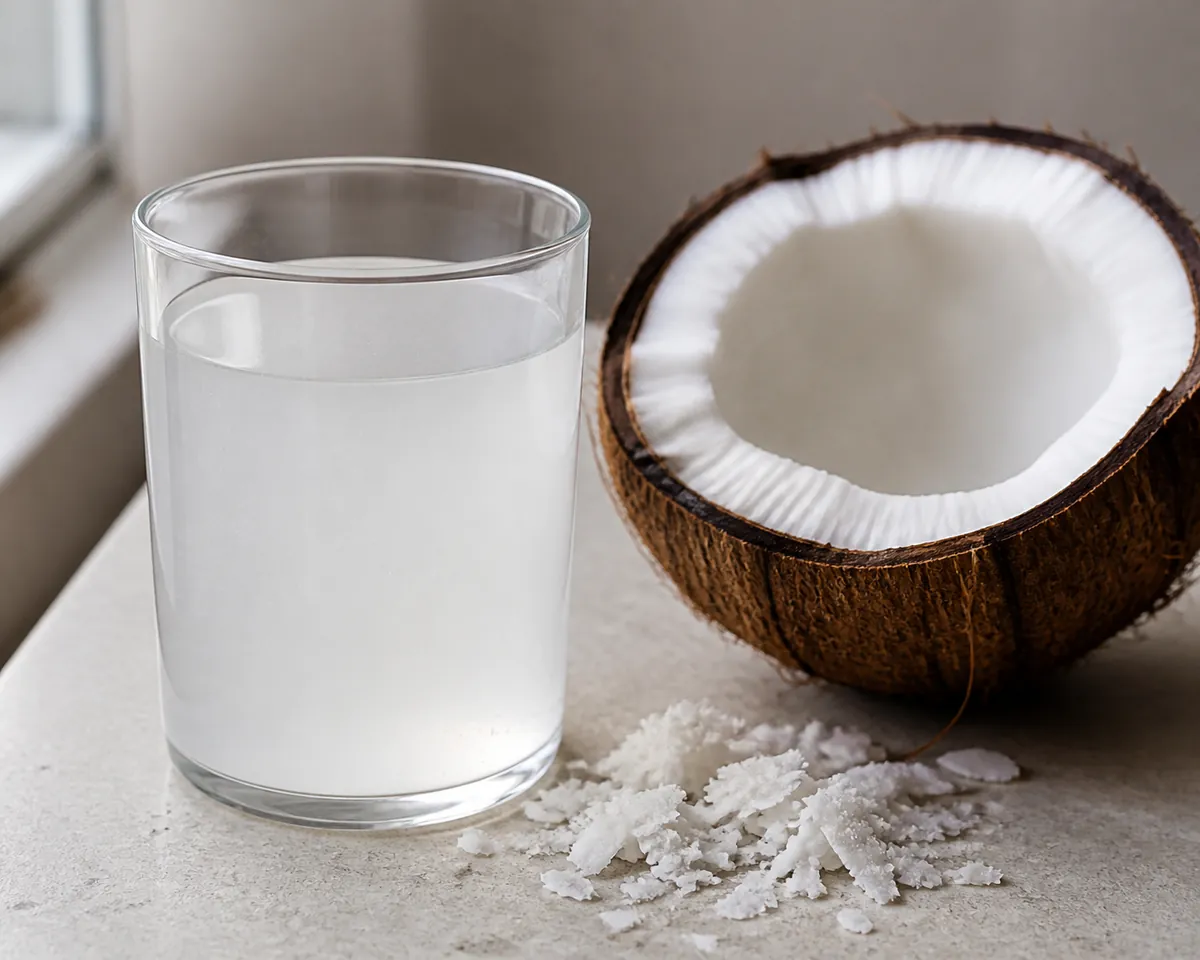
What Is Coconut Milk Drink, and Is It the Same as Canned?
Coconut milk drink is the pourable carton product used over cereal and in drinks. Canned coconut milk and coconut cream...
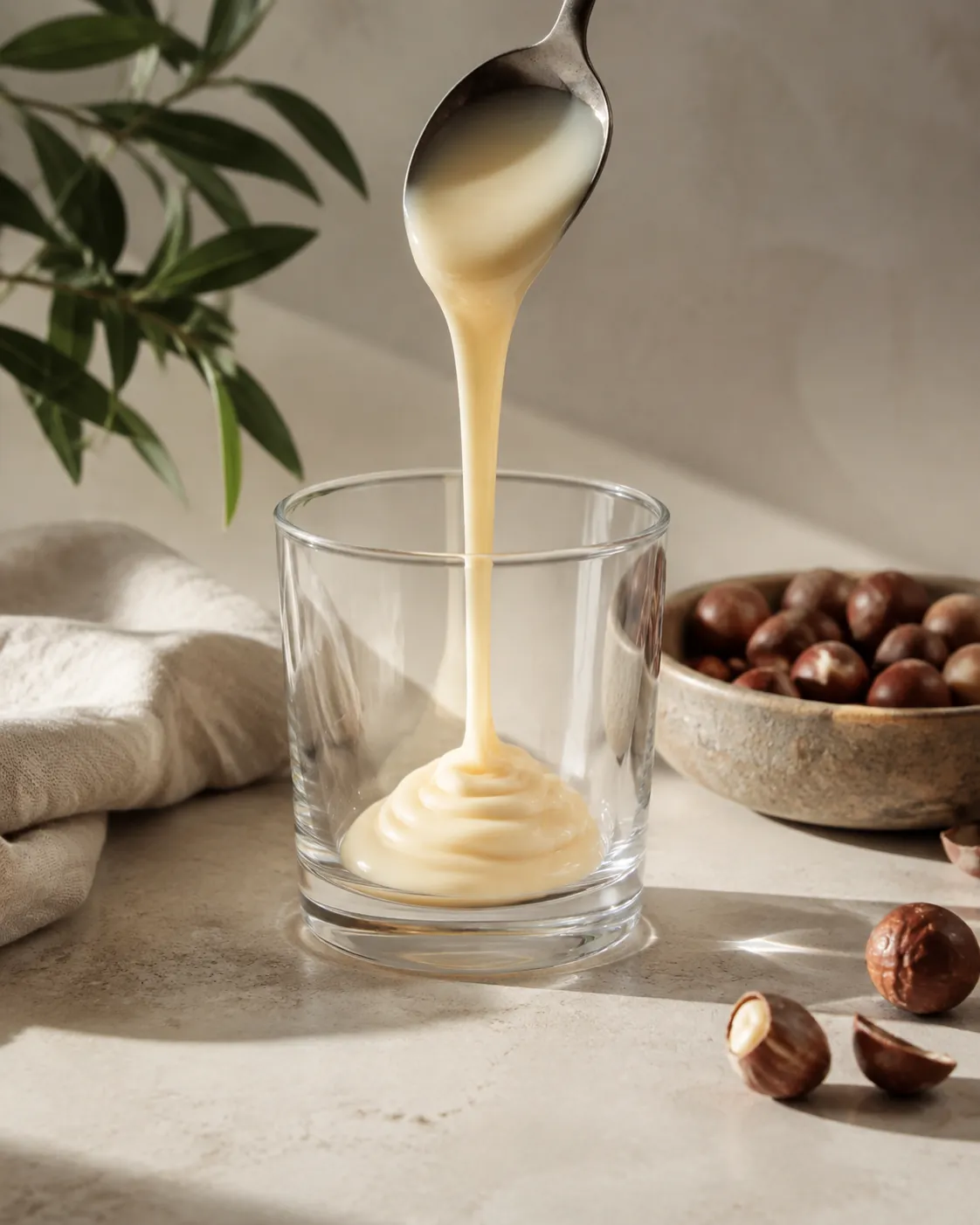
What Is Condensed Milk? Reduced by Half, and Half Sugar
Condensed milk is milk reduced by half with sugar making up close to half the weight. That sugar helps hold spoilage...
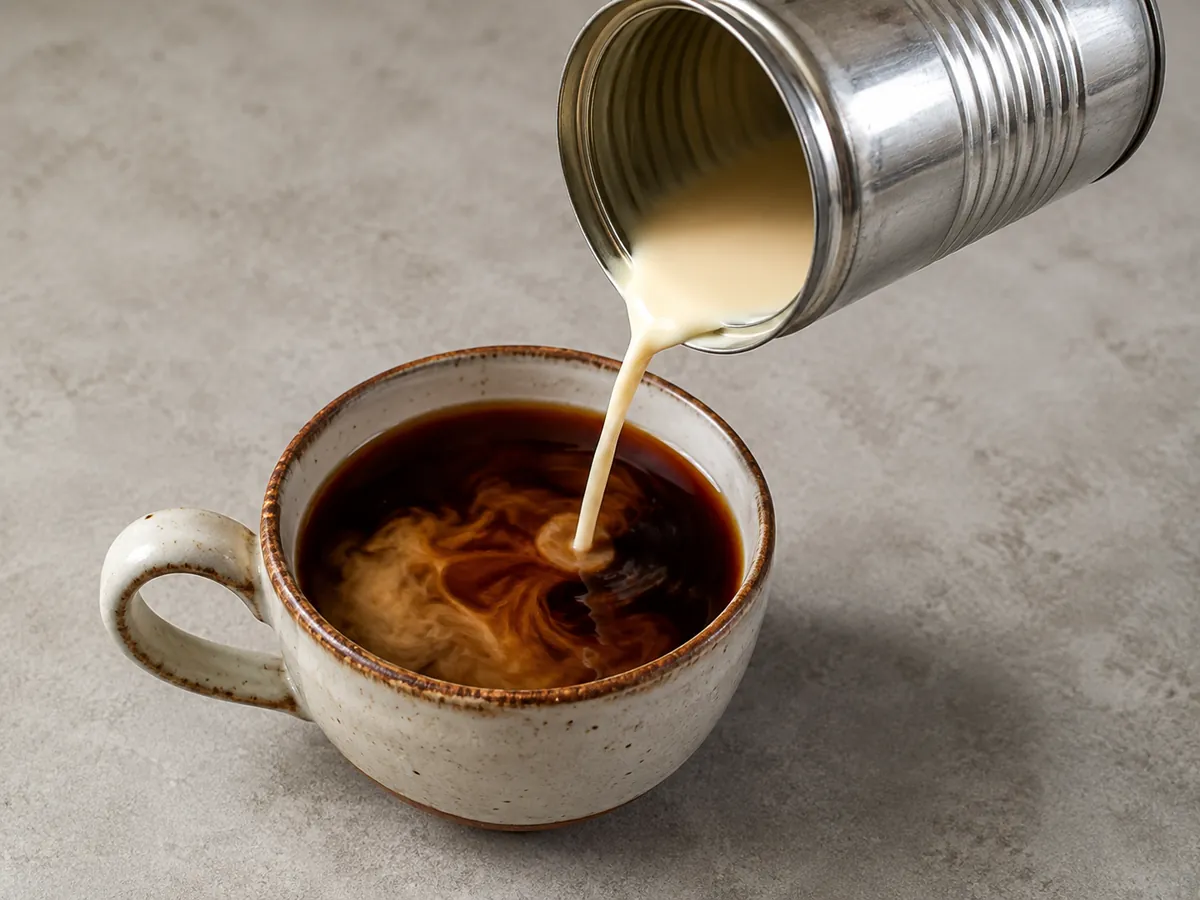
What Is Evaporated Milk? And Why It Is Not Condensed Milk
Evaporated milk and condensed milk look alike and behave nothing alike. One is unsweetened and one is roughly half...
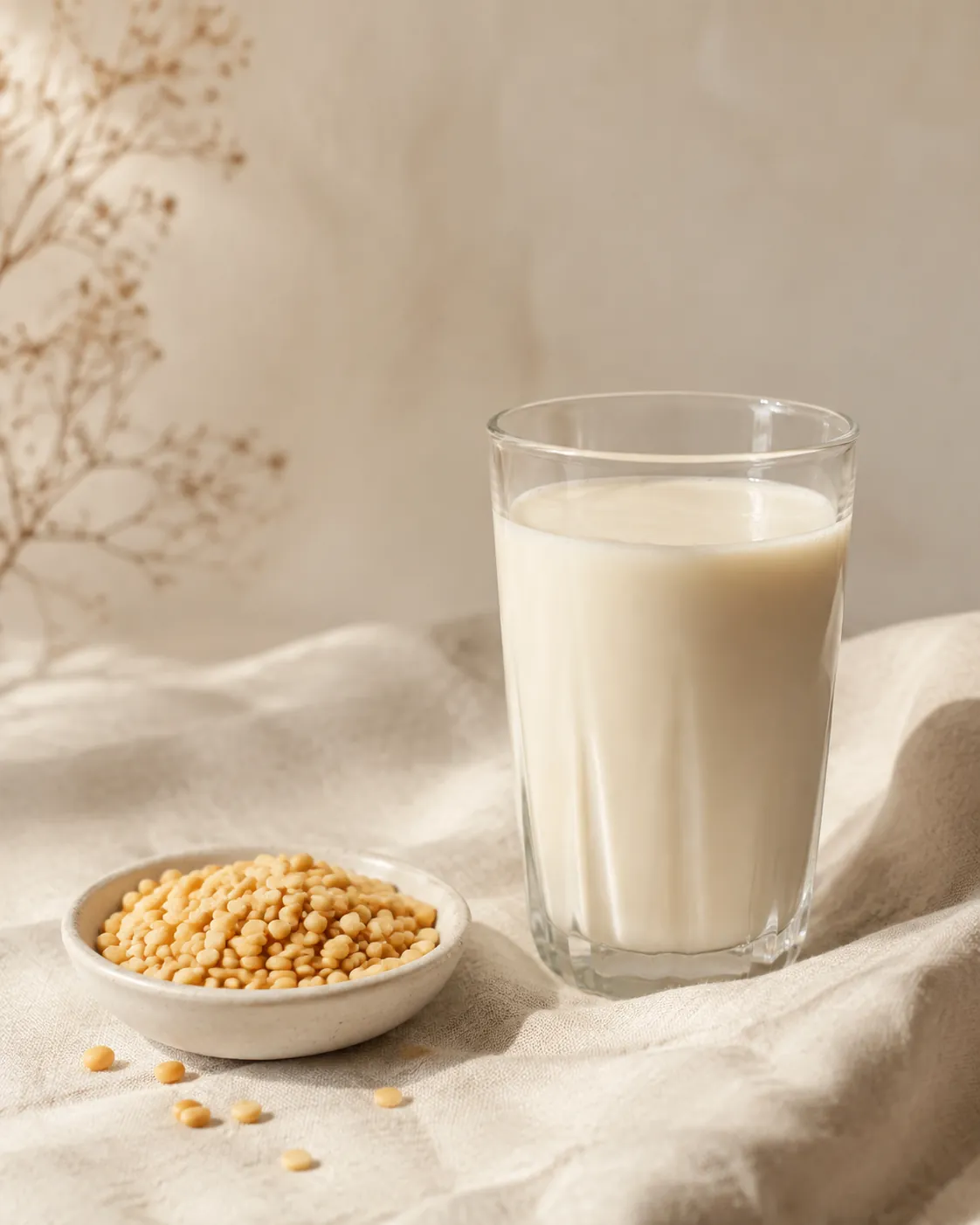
What Is Pea Milk? Built From Isolated Yellow Pea Protein
Pea milk is not made from peas in any recognisable sense. It is built from isolated yellow pea protein, which is why it...
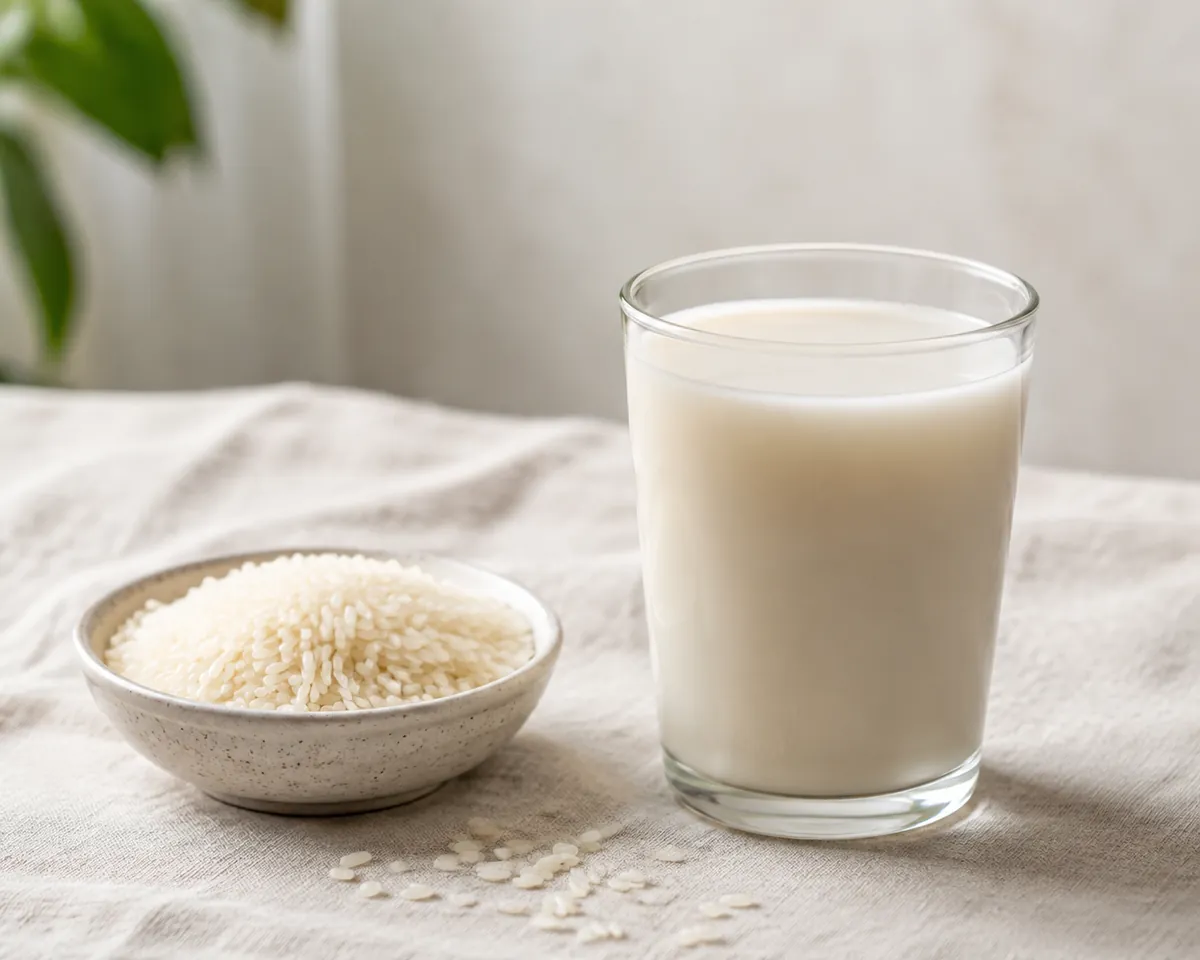
What Is Rice Milk? Sweet Without Any Sugar Being Added
Rice milk is naturally sweet without any sugar being added, because enzymes break the rice starch into sugars during...
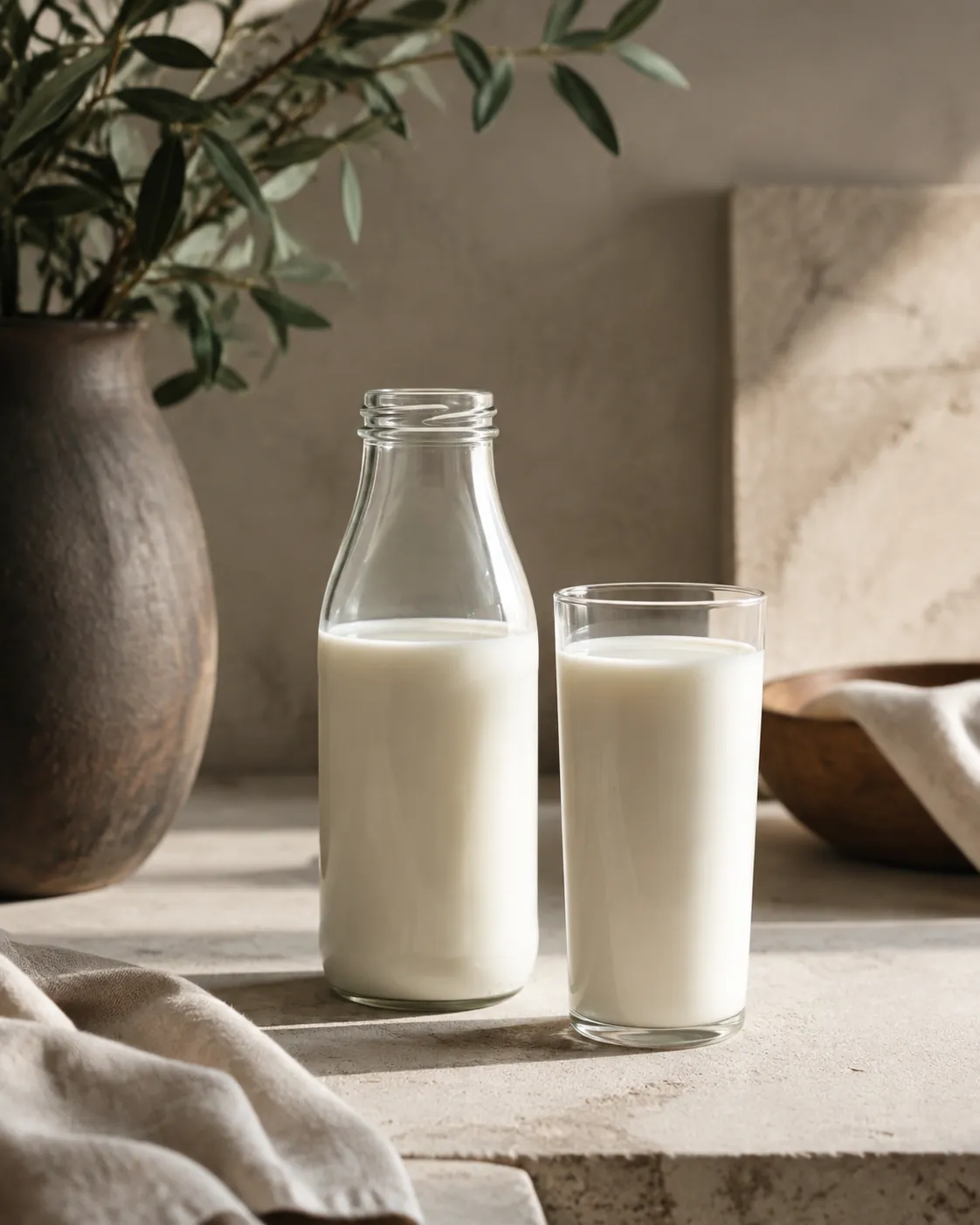
What Is Whole Milk? Butterfat, Casein, and Lactose at Work
Butterfat carries the body and the aroma, casein micelles hold the suspension together, and lactose is the only sugar...
More drinks worth knowing
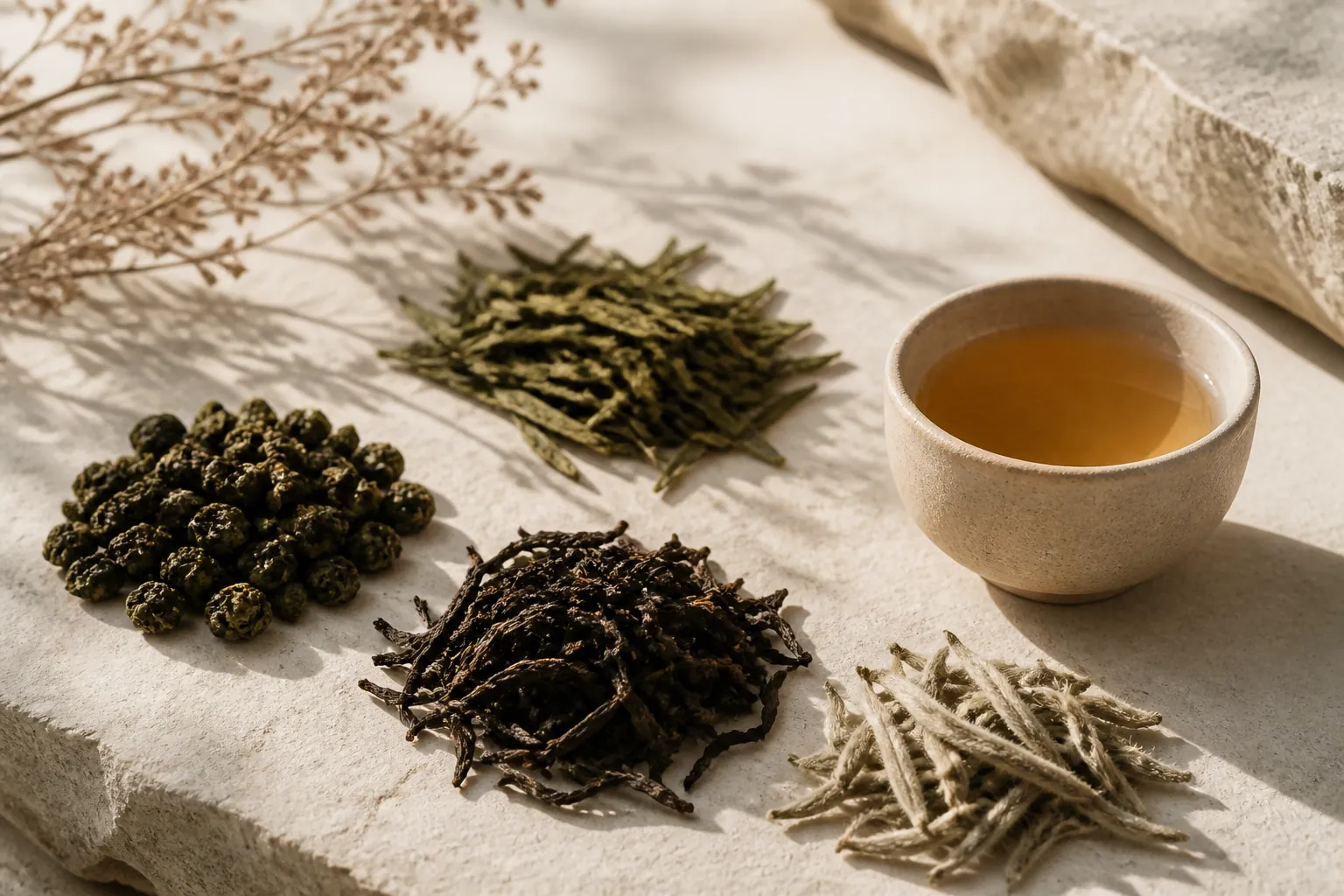
Tea
Green, black, oolong, white, and pu-erh. How the leaf is processed, what that does to the cup...
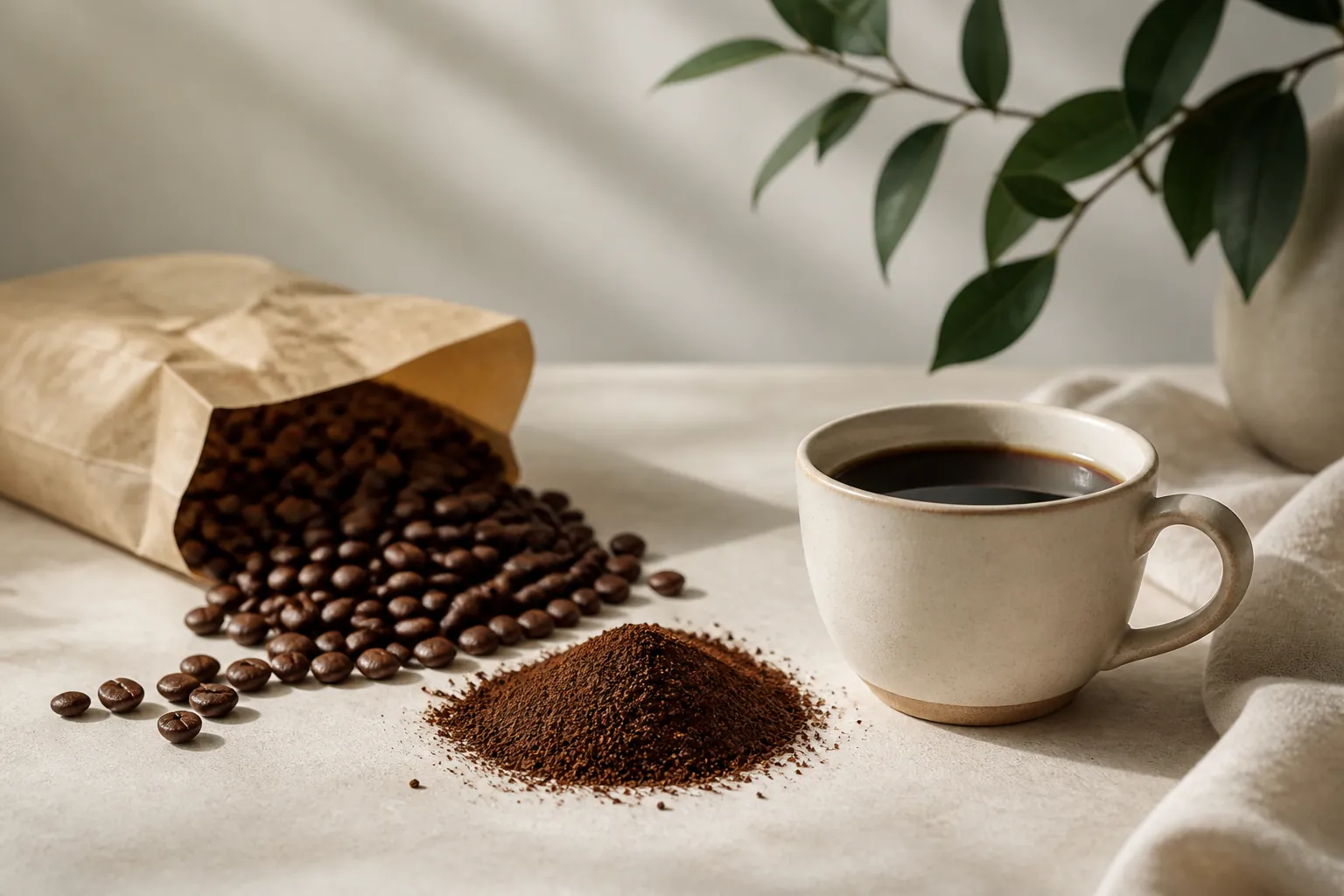
Coffee
Roast, grind, water, and time. What each one changes, and which brewing method rewards which...
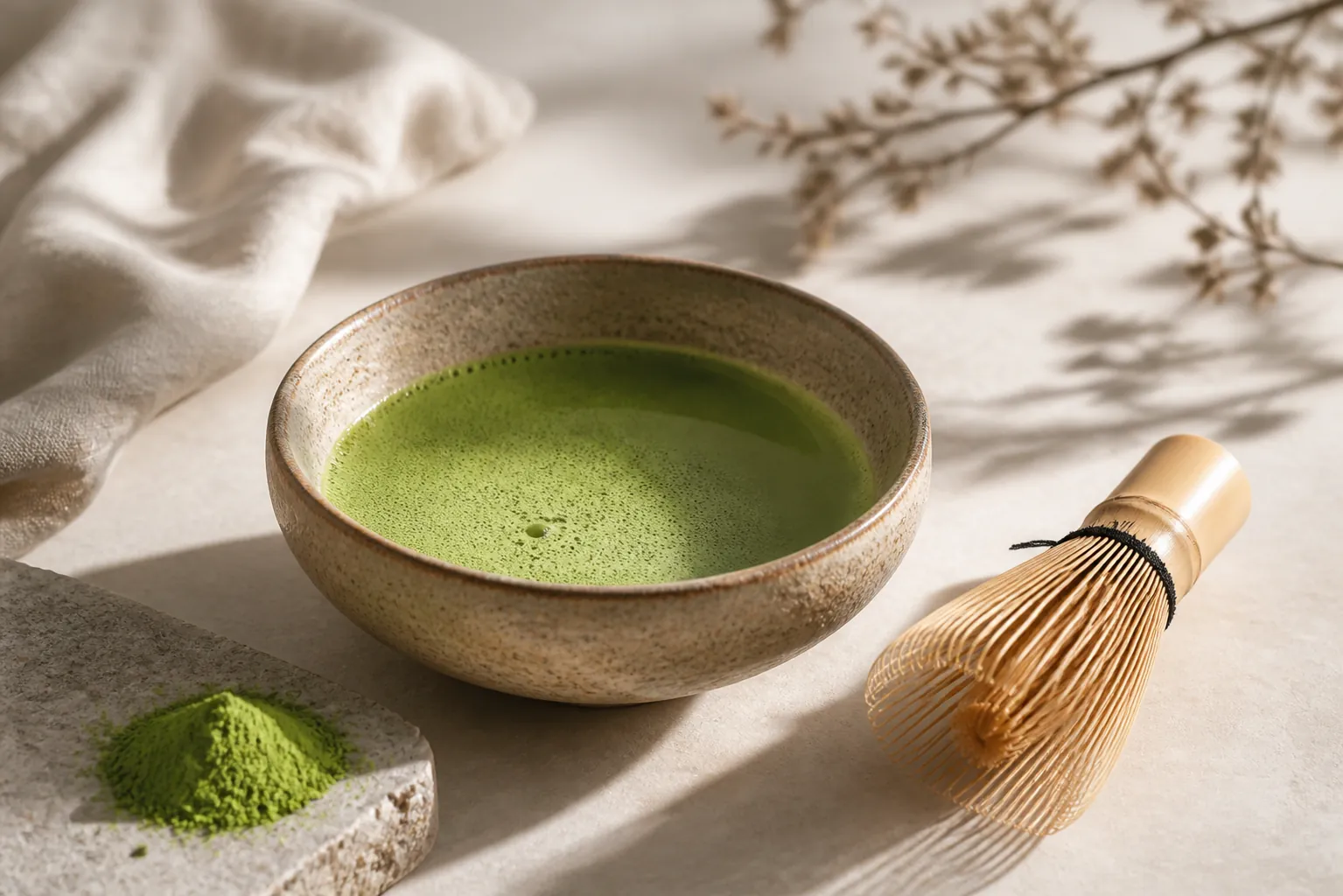
Matcha
Shade grown, stone ground, and drunk whole rather than steeped. Why matcha behaves unlike any...