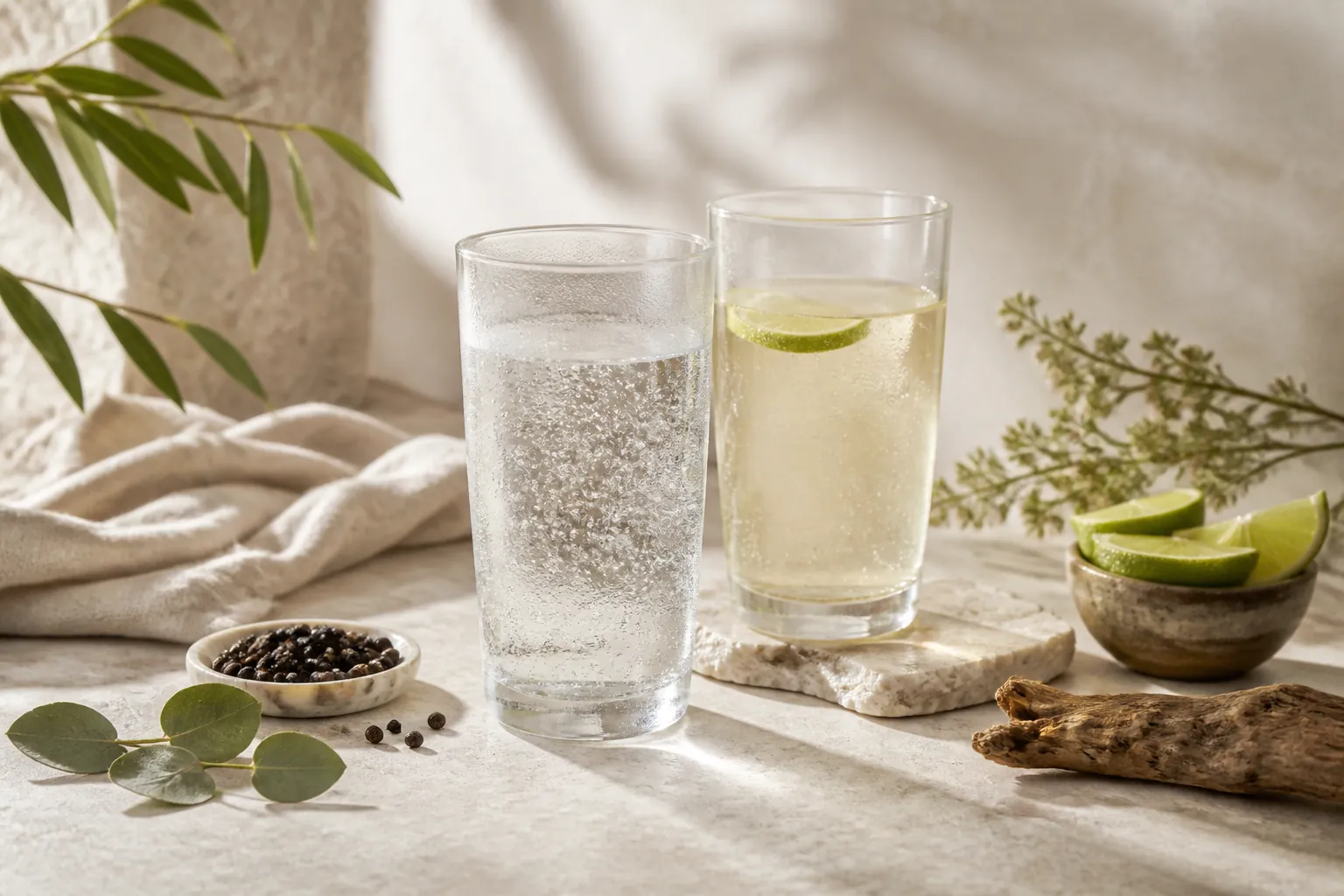
Soda and Sparkling Drinks
Carbonation is dissolved gas under pressure, and it is always trying to leave. Everything about serving a sparkling drink well is about slowing that down.
Carbon dioxide dissolves into cold liquid under pressure and comes out of it as the pressure drops or the temperature rises. That is why a warm bottle fizzes over, why an opened one goes flat, and why ice poured into soda makes it foam.
Flavour in this family is mostly a balance of sweetness, acidity, and bitterness, and carbonation itself contributes a mild sharpness of its own through the carbonic acid it forms.
Cold is what holds the gas. Carbon dioxide dissolves far better in cold liquid than warm, so a bottle chilled before opening keeps its carbonation and one opened warm gives most of it up at once.
How you pour decides how much survives the glass. Down a tilted side keeps the bubbles in the drink; straight into the bottom drives them into a head that collapses.
The names on this shelf describe ingredients rather than strength. Seltzer is defined by an absence, soda water by added salts, and tonic by quinine and a great deal of sugar.
Bitterness here is deliberate and rare.
Tonic is the one mainstream soft drink built to be bitter, and it is also far sweeter than most people expect it to be.
Sweetener choice changes the aftertaste more than the sweetness. Cane sugar, high fructose syrup, stevia and sucralose each leave a different finish behind the same flavour.
Fizz, Explained
What separates seltzer, club soda, tonic, and mineral water once you read past the label.
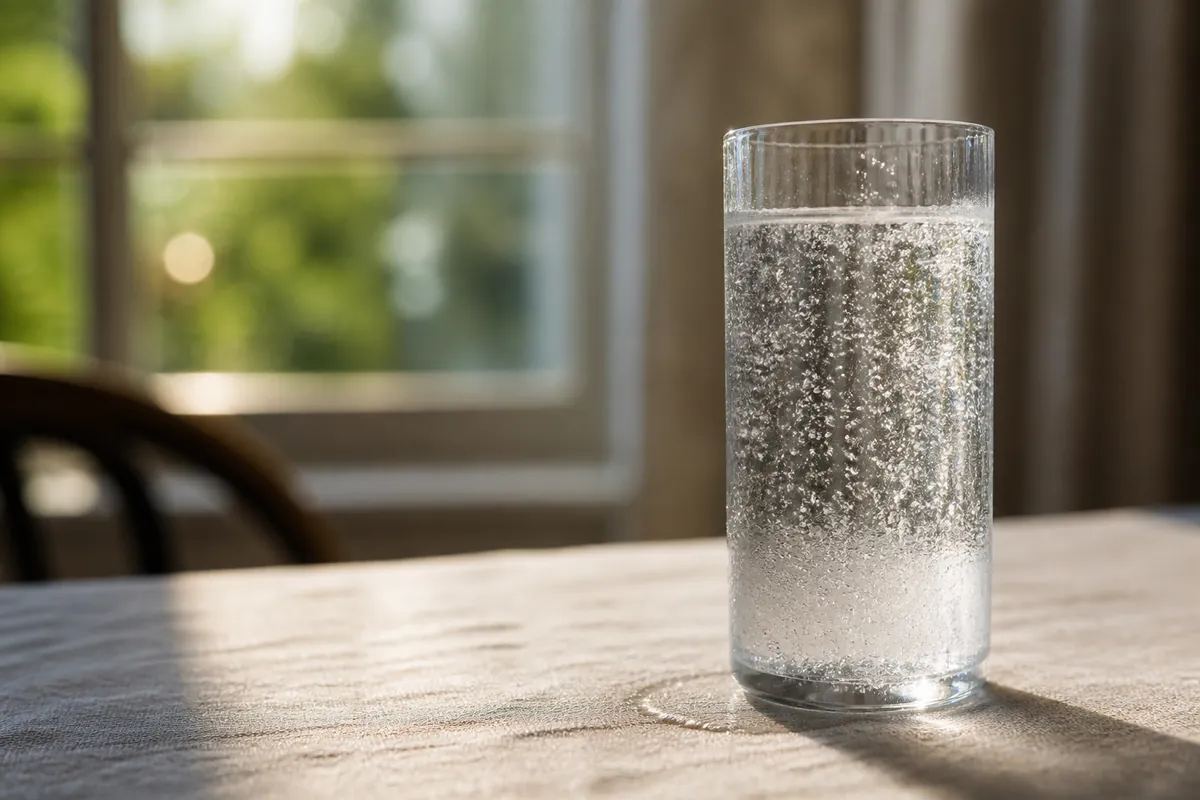
What Is Sparkling Water? An Umbrella Over Several Products
Sparkling water is an umbrella term covering several genuinely different products. The names on the shelf are not...
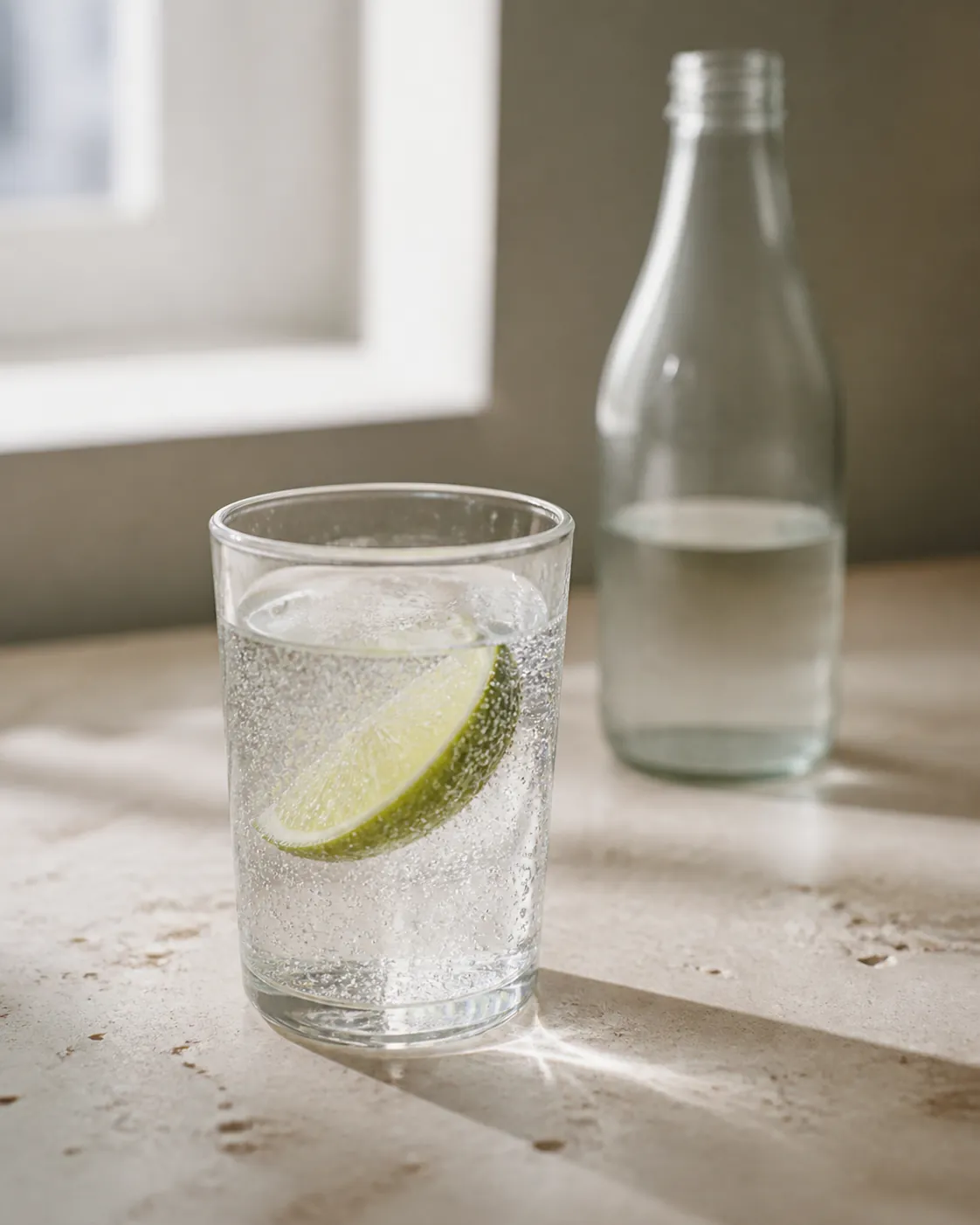
What Is Soda Water? Carbonated, With Salts Deliberately Added
Soda water is carbonated water with mineral salts deliberately added. Those salts are the entire point: they change how...
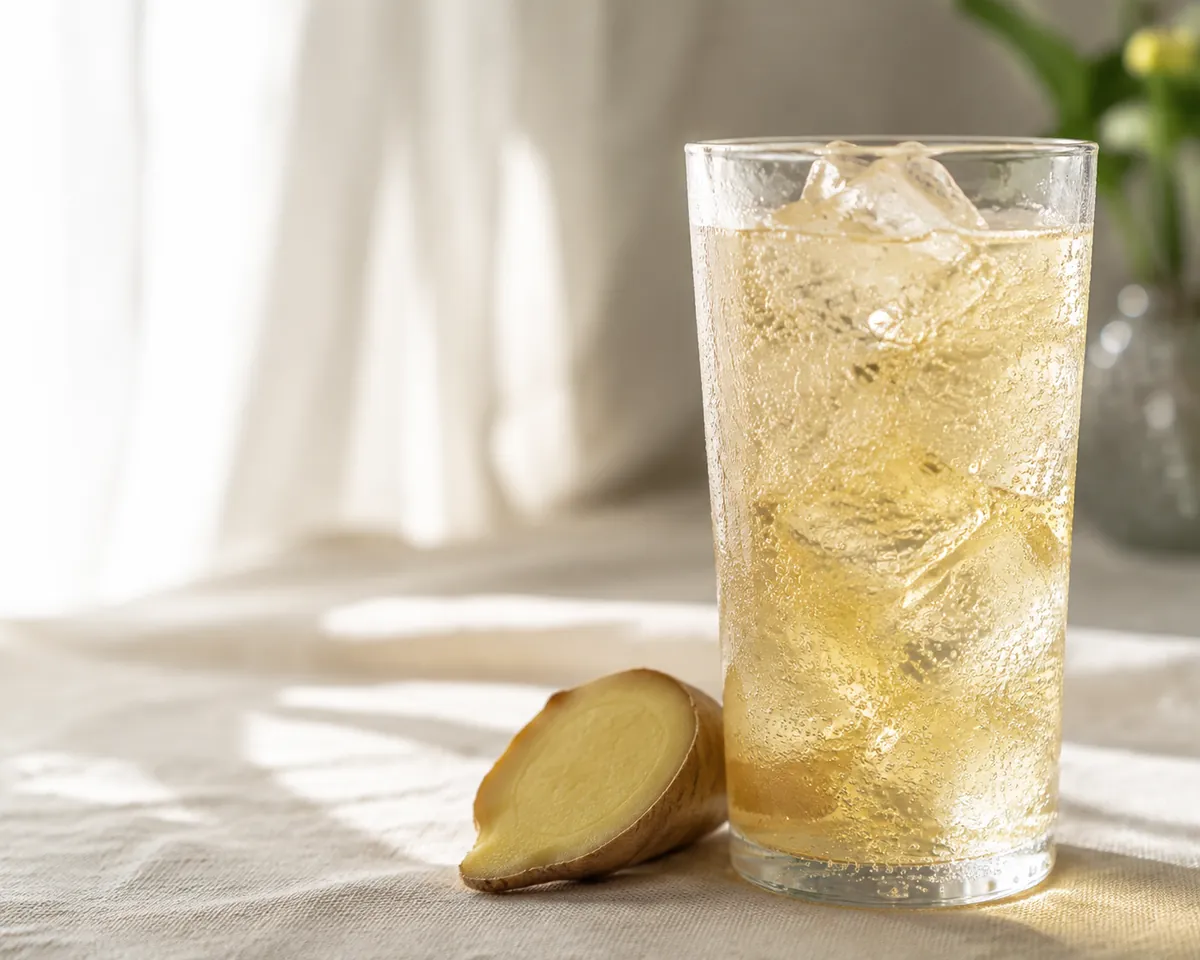
What Is Ginger Ale? Sweet, Carbonated, and Not a Beer
Ginger ale is a sweetened carbonated soft drink flavoured with ginger. Despite the name it contains no alcohol, and...
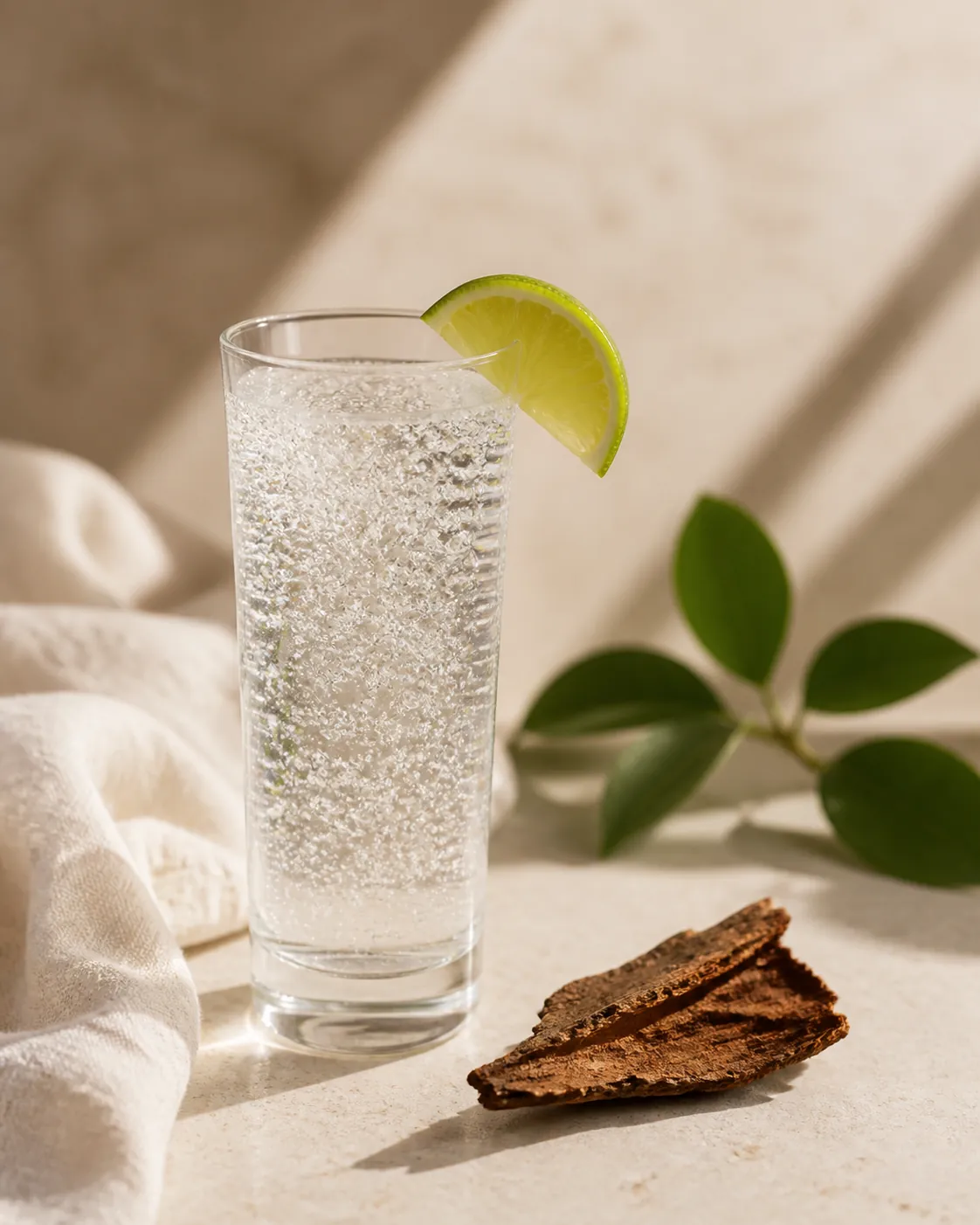
What Makes Tonic Water Bitter? Quinine, From Cinchona Bark
Tonic water is bitter because of quinine, a compound extracted from the bark of the cinchona tree. It is the only...
More Soda and Sparkling Guides
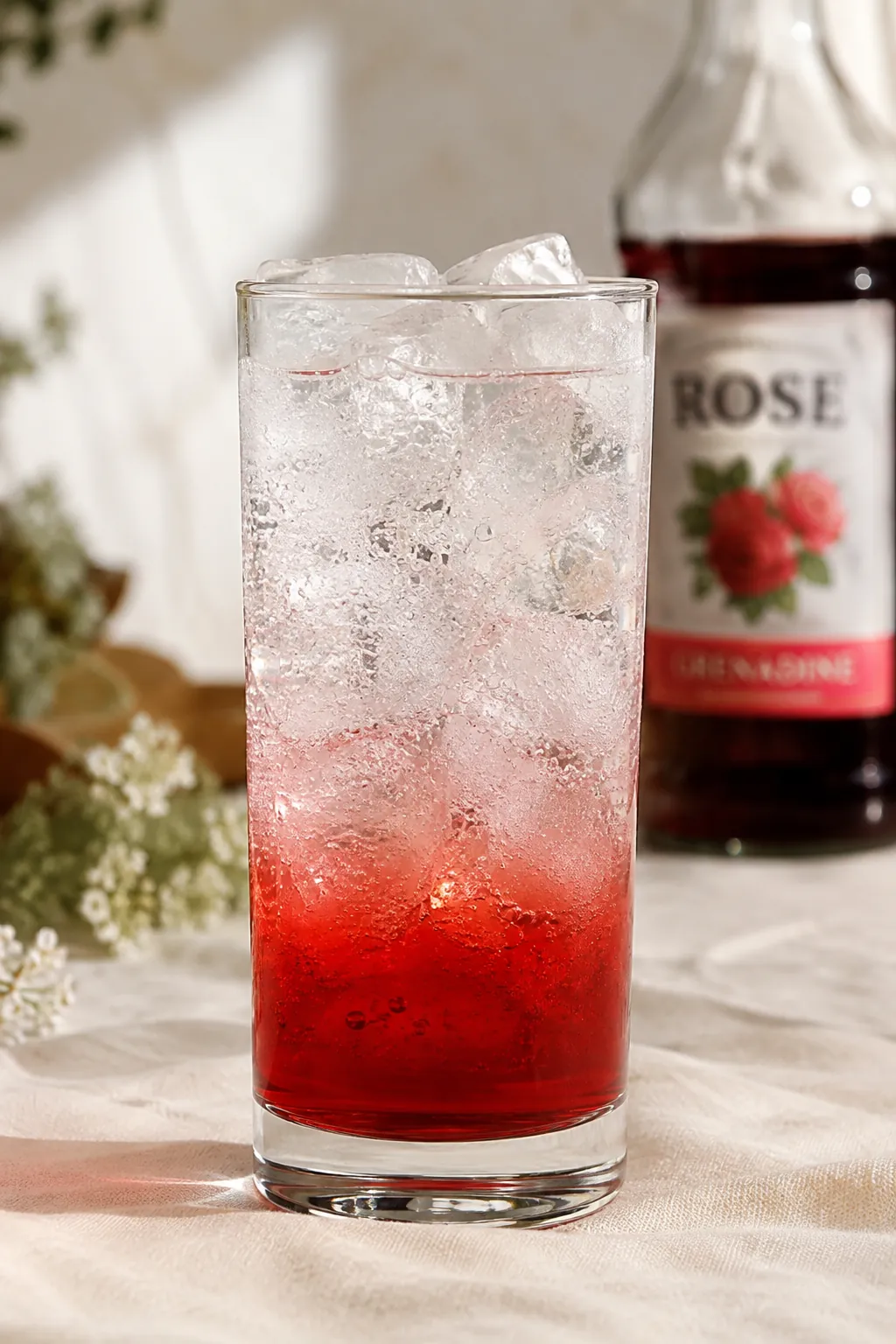
What Is an Italian Soda? Syrup, Soda Water, and Little Else
An Italian soda is syrup and soda water, and almost nothing else. It is about as simple as a mixed drink gets, which...
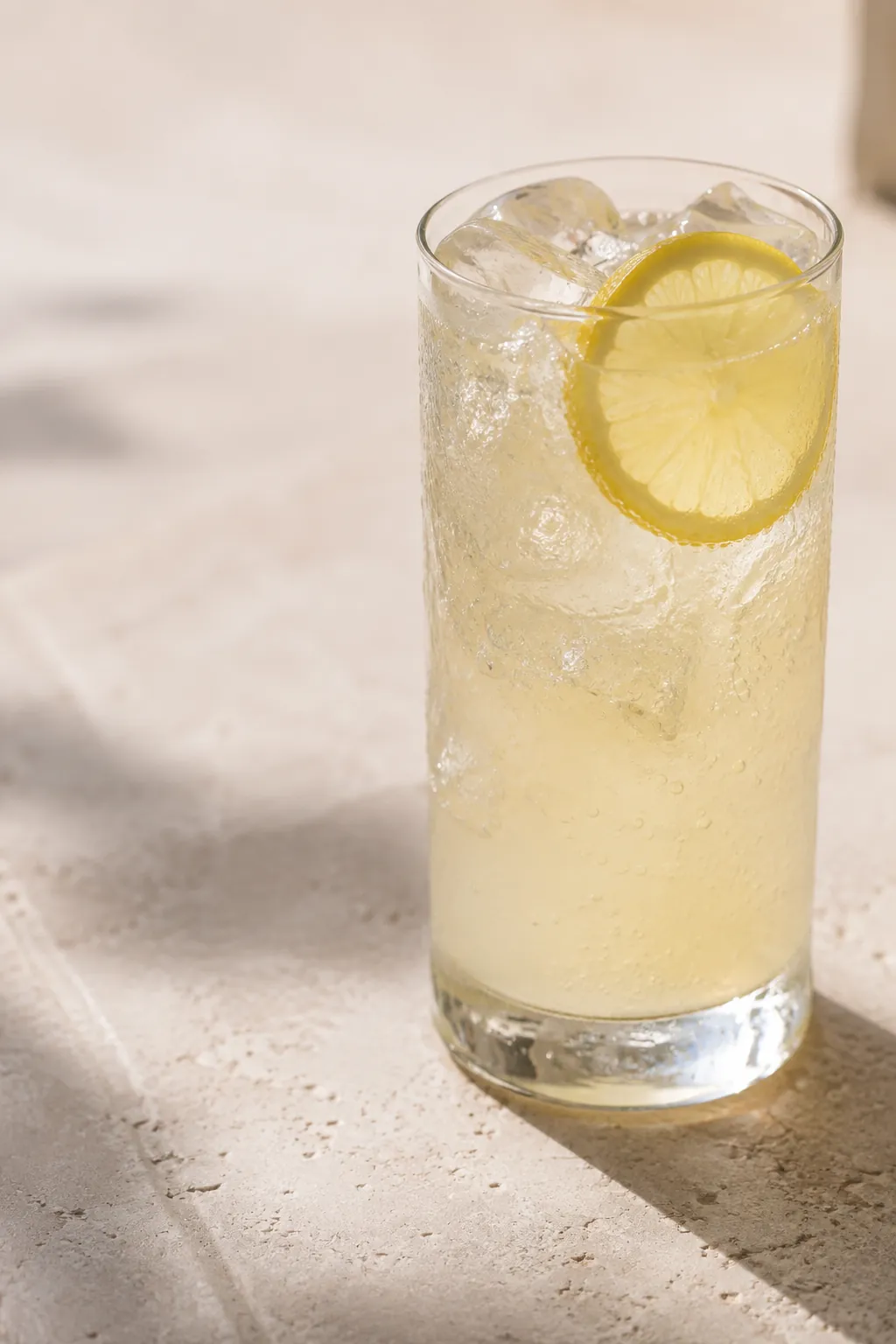
What Is Bitter Lemon? Tonic Water, Lemon, and the Pith
Bitter lemon is tonic water with lemon added, and the addition includes the pith. That is where the second layer of...
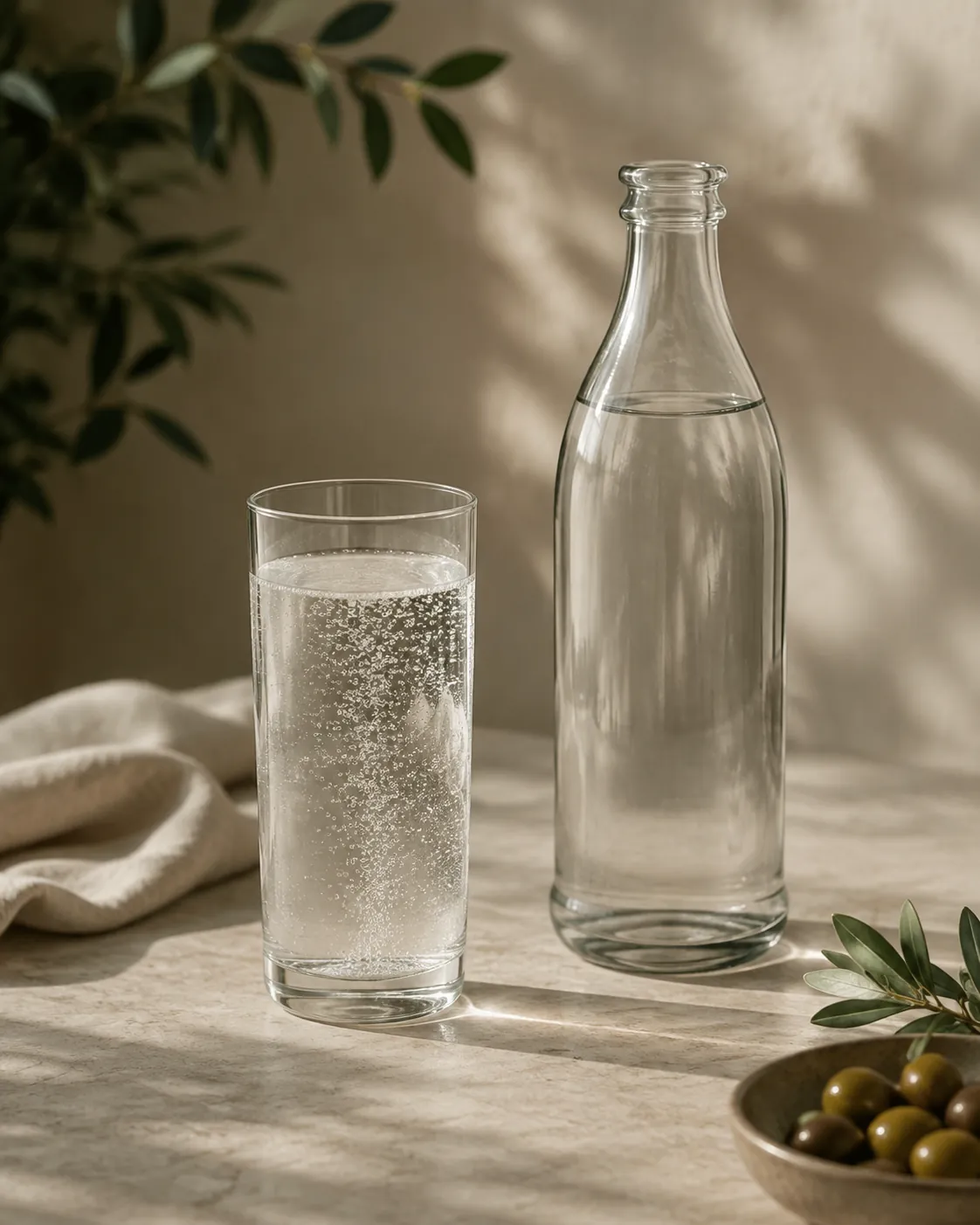
What Is Club Soda? The Fraction of a Gram That Buffers It
Club soda carries well under a gram of mineral salts in a litre, and that fraction of a gram is a buffer. Everything...
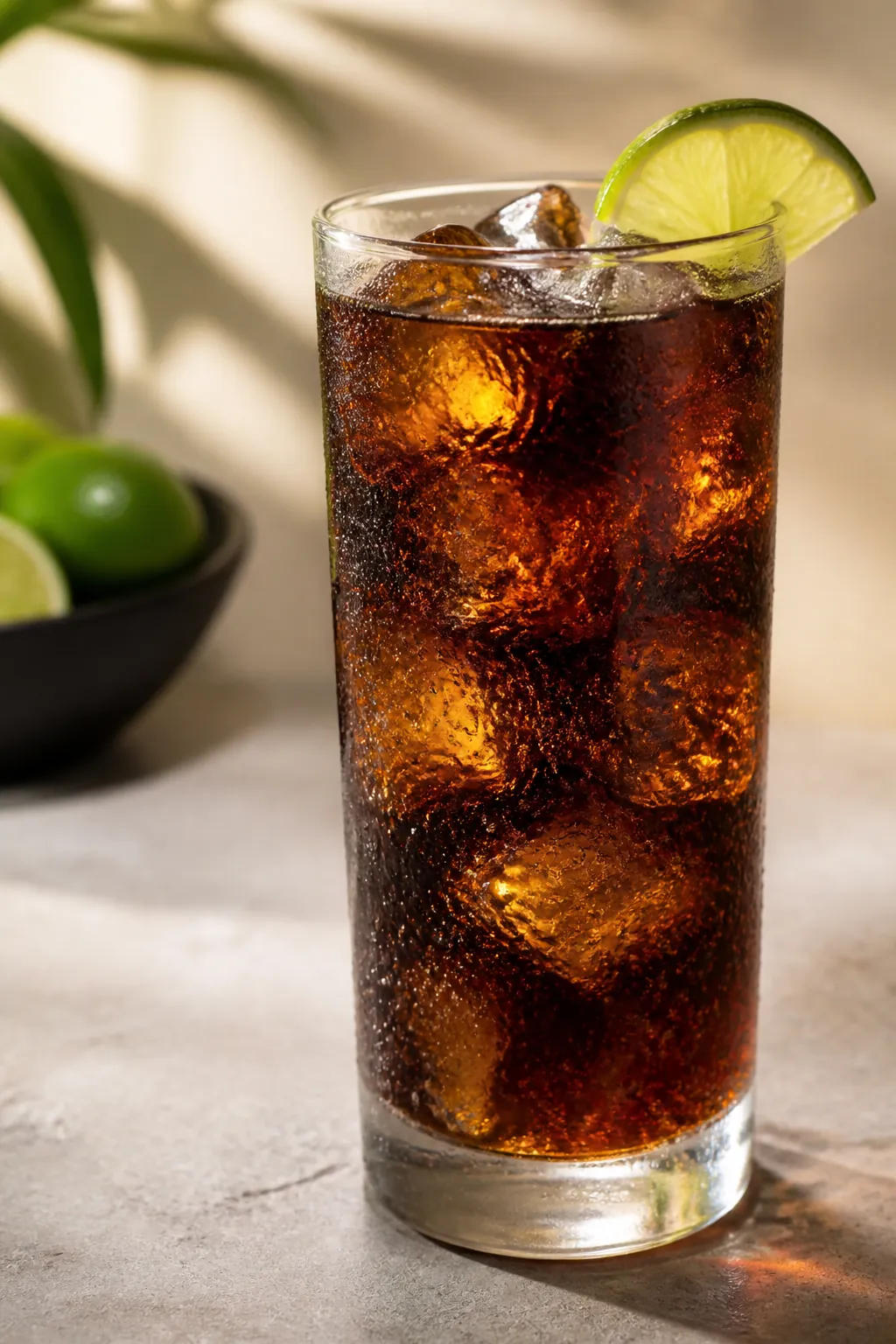
What Is Cola? A Category Built on Citrus and Spice Oils
Cola is a category rather than a single recipe. Its flavour comes mostly from citrus and spice oils, and the kola nut...
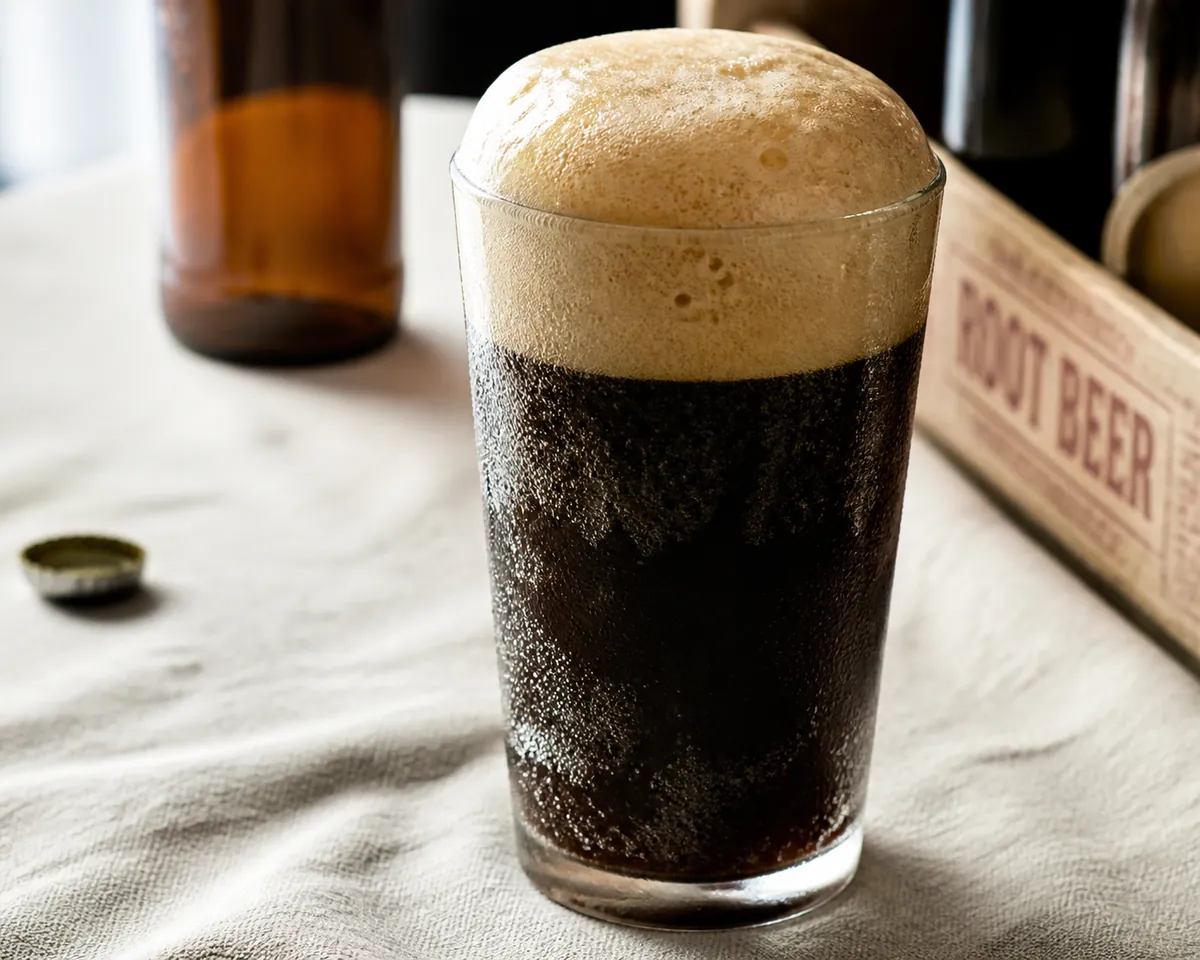
What Is Root Beer? Roots, Barks, and Spices in One Glass
Root beer is a carbonated soft drink flavoured with a blend of roots, barks and spices. It is the most regionally...
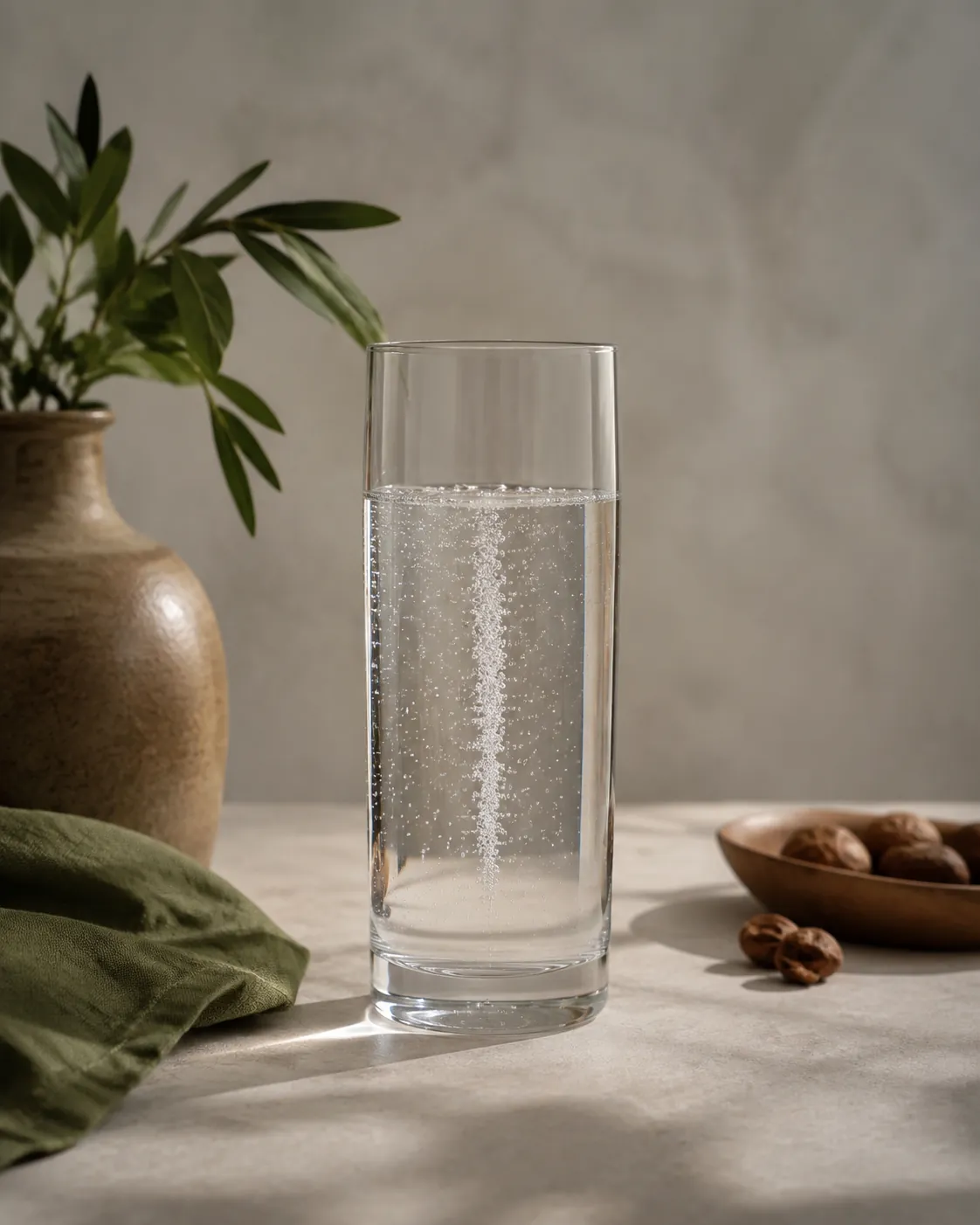
What Is Seltzer? The Bottle Defined by What Is Absent
Seltzer is the one bottle on the sparkling shelf defined by an absence. No salts, no minerals from a spring, no sugar...
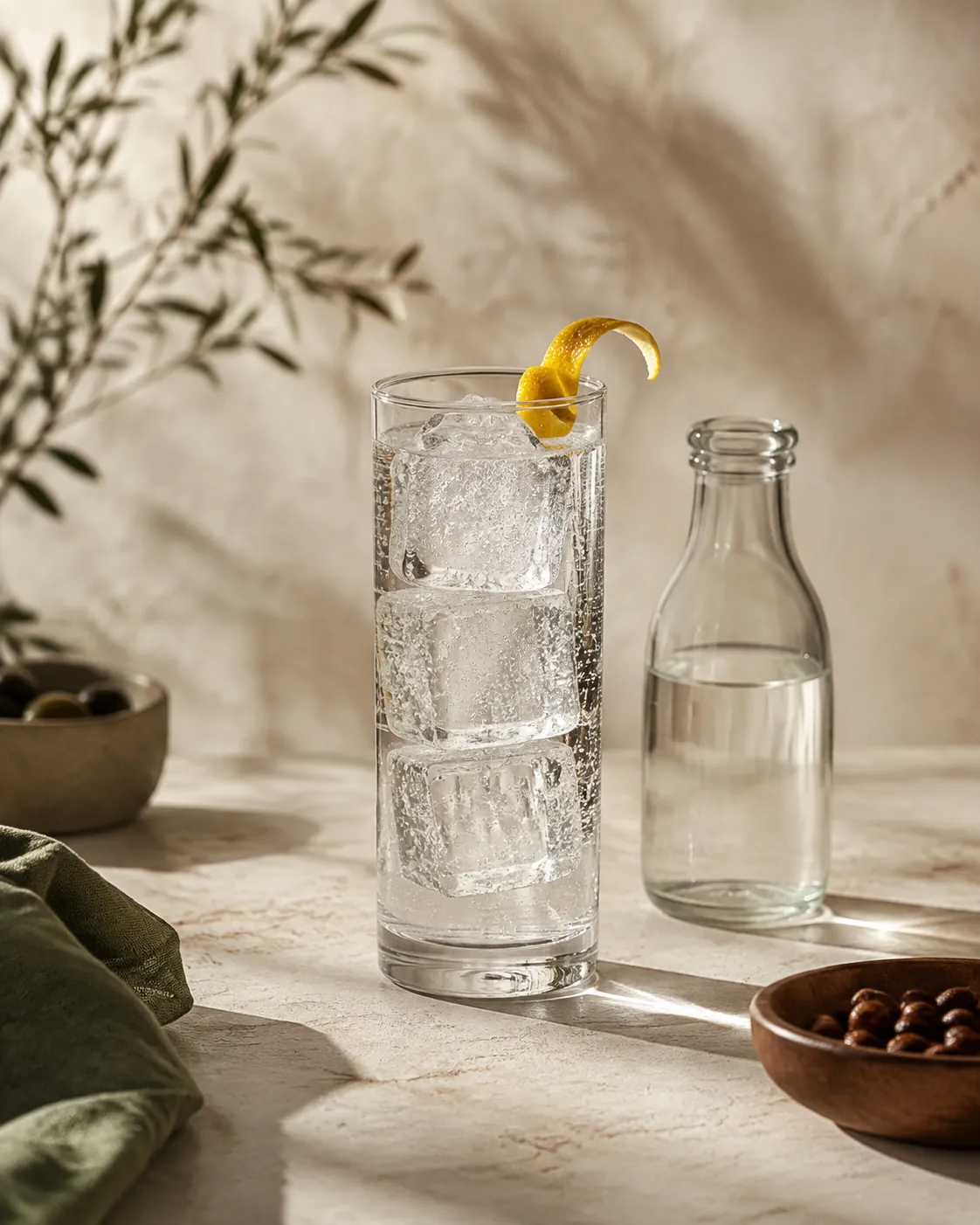
What Is Tonic Water? Deliberately Bitter, and Surprisingly Sweet
Tonic water is the only mainstream soft drink made deliberately bitter, and it is also far sweeter than anyone guesses...
More drinks worth knowing
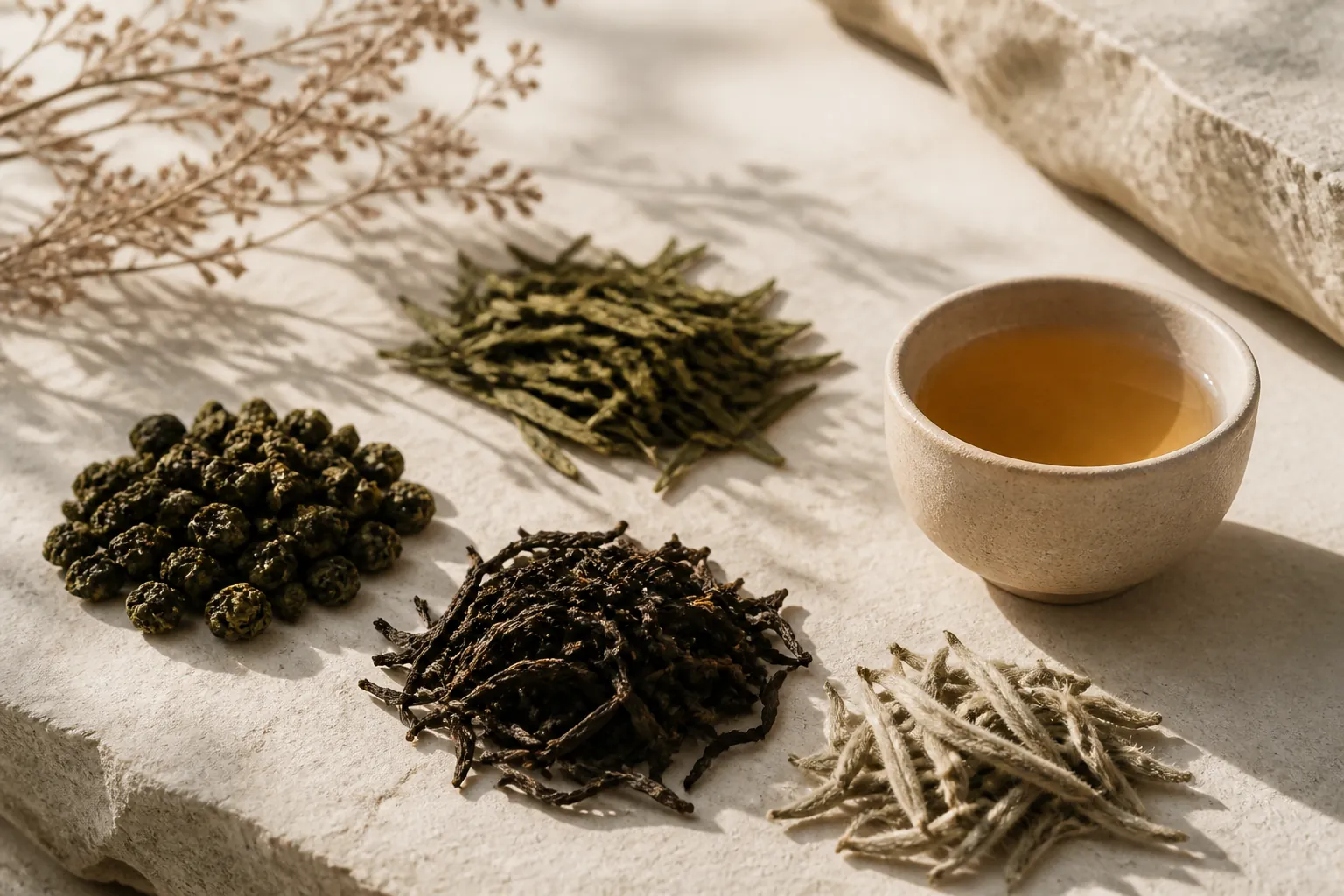
Tea
Every true tea comes from one plant. What separates green from black, and a good cup from a...
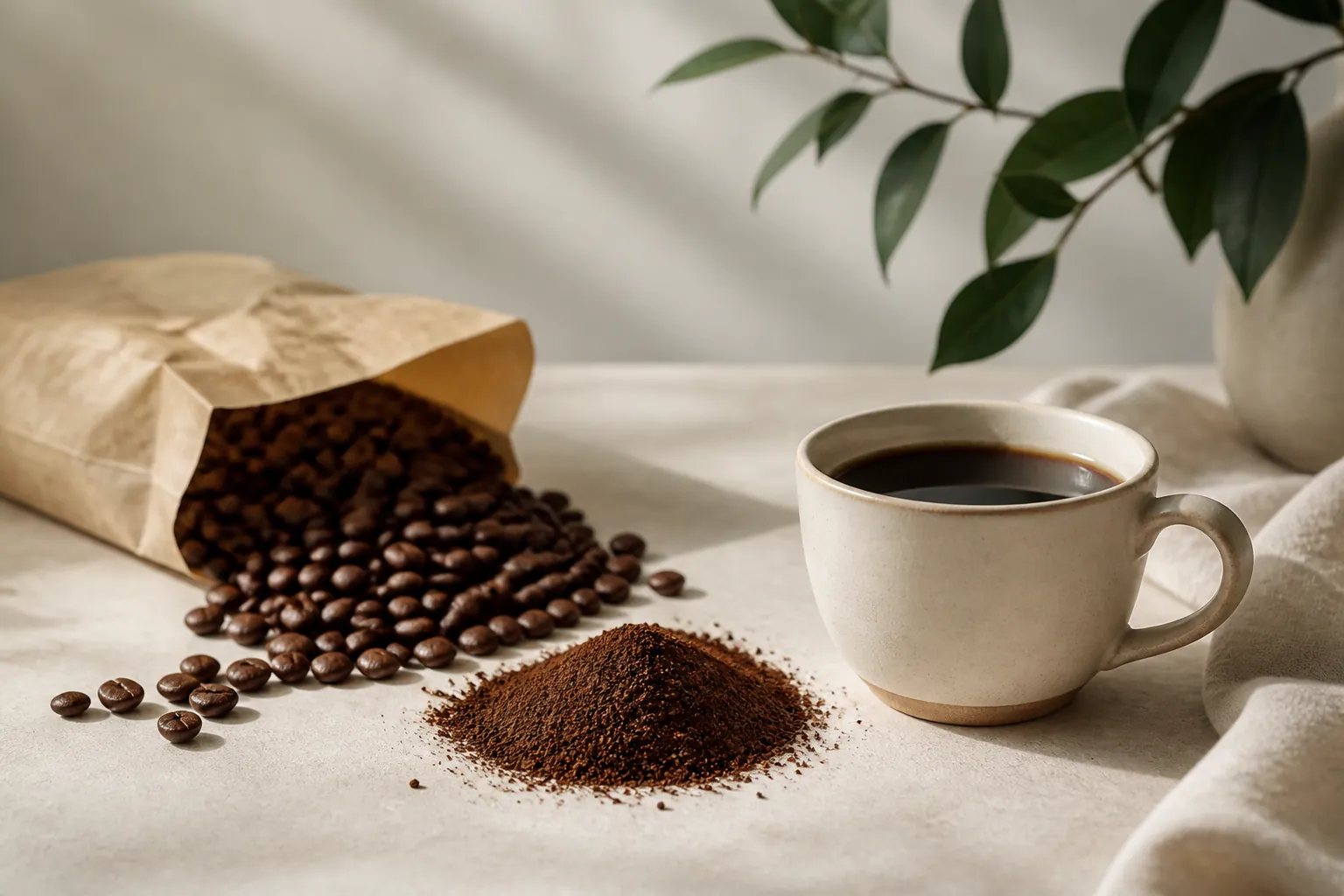
Coffee
Four things decide what lands in your cup: the bean, the grind, the water, and the time they...
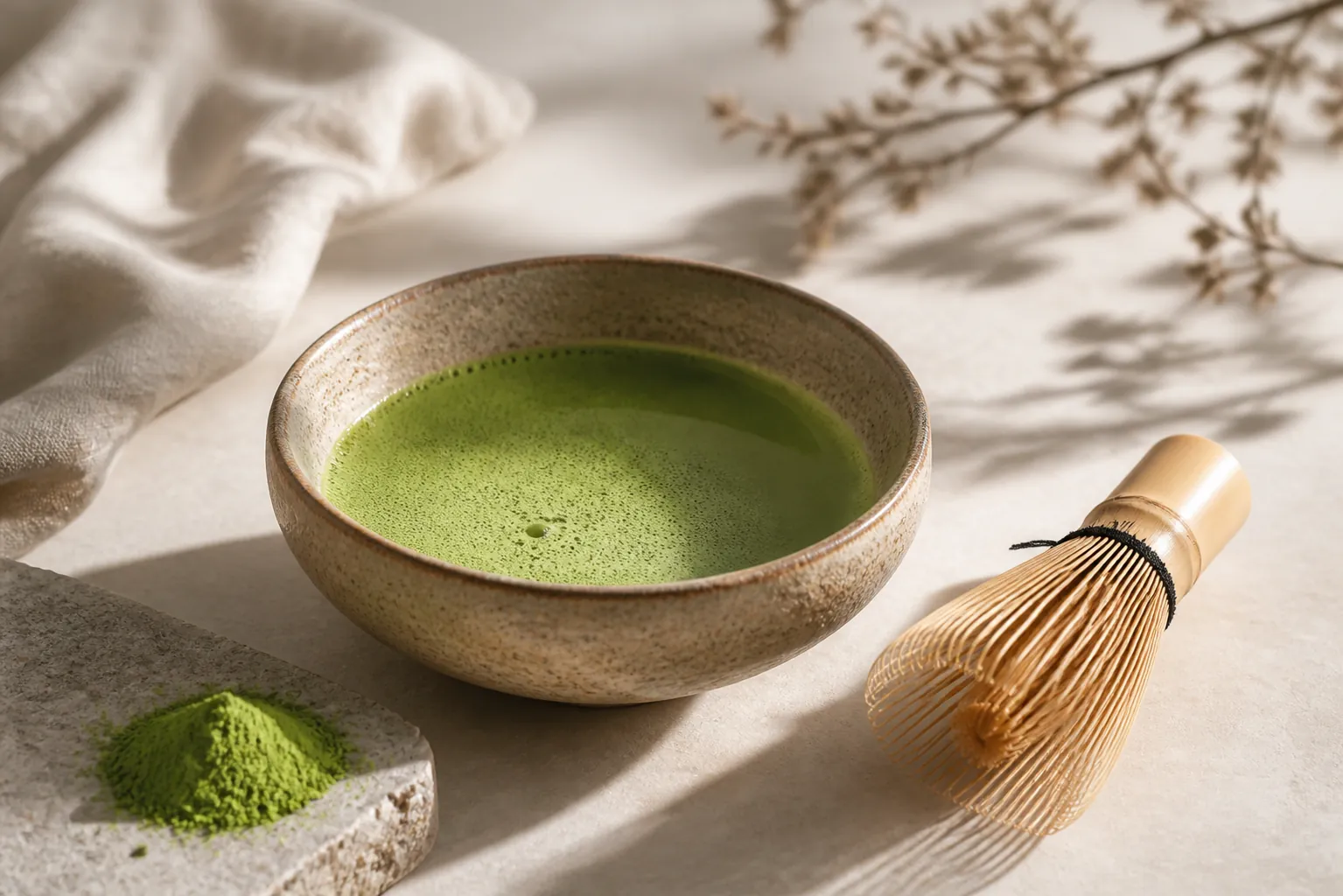
Matcha
Matcha is not steeped and strained like other tea. The leaf is ground to powder and suspended...