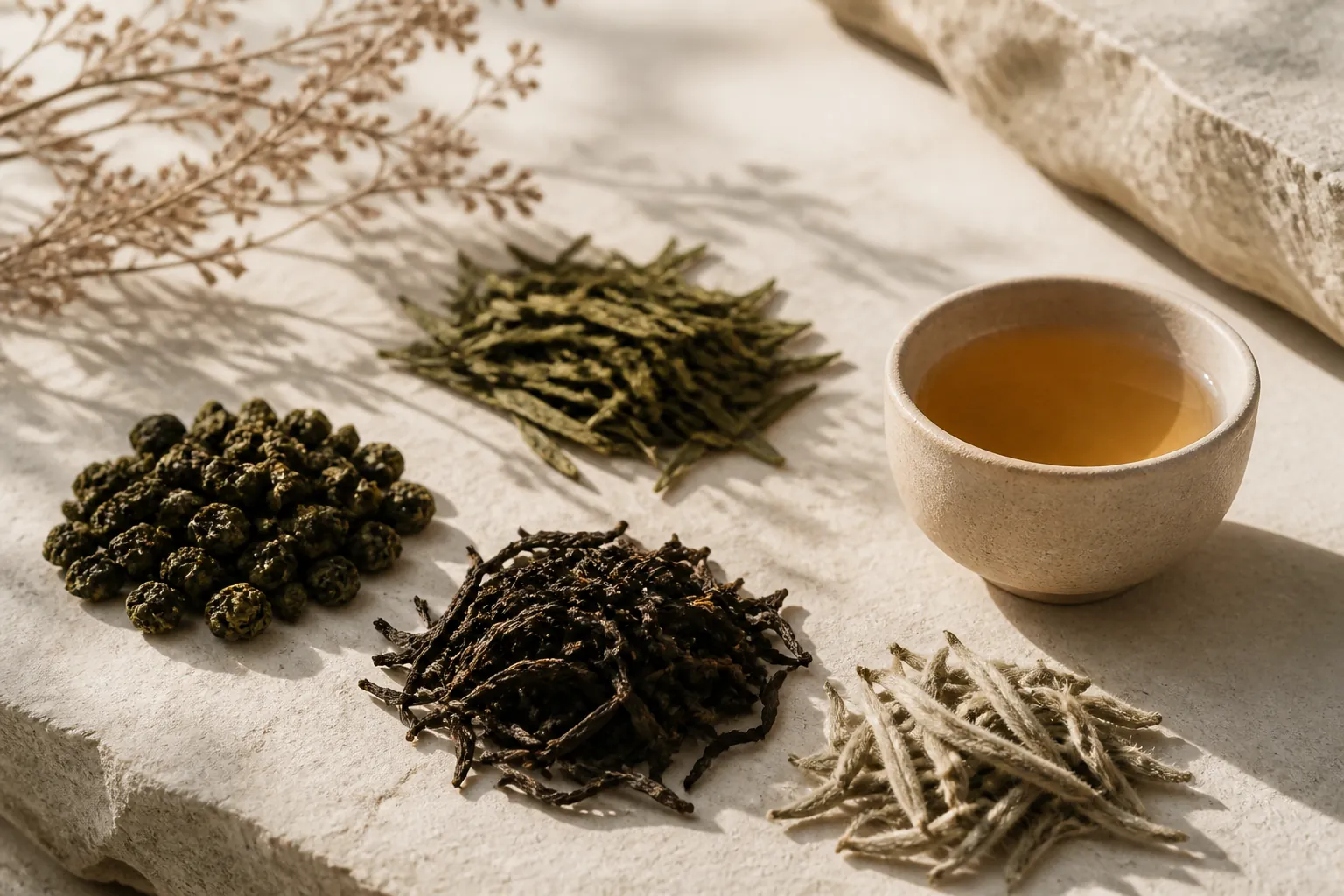
Tea, Leaf by Leaf
Every true tea comes from one plant. What separates green from black, and a good cup from a bitter one, is what happens to the leaf after it is picked and what you do with it at the kettle.
Green, black, white, oolong, and pu-erh are all made from Camellia sinensis. The differences between them are differences of processing: how long the leaf is allowed to oxidise, whether it is heated to stop that process, and how it is dried, rolled, or aged.
That matters at home because processing is what sets a tea's brewing tolerance. A delicate green tea will turn harsh in water that a robust black tea shrugs off. So the useful questions are what each style actually is, how hot to brew it, and what to change when a cup comes out bitter or thin.
Two numbers decide most cups, and they are the two nobody measures.
Water temperature and steeping time account for nearly every complaint about a tea being bitter, thin or flat.
Leaf grade decides how much room those numbers leave you. Broken leaf and dust extract several times faster than whole leaf, so the three minutes printed on a box of teabags is usually a minute too long for what is inside it.
Origin sets where the safe window sits before you touch the kettle. Chinese greens are pan-fired and comparatively forgiving; Japanese greens are steamed and want water lower again.
Storage is the quiet variable. Tea does not spoil in a way that makes it unsafe, it goes flat, and light, air, moisture, heat and neighbouring smells are what flatten it.
The pages below split three ways. Some name a style and say what it is, some work through a brewing decision, and a few handle the faults that send people looking in the first place.
New to Tea? Start Here
The styles most people meet first, and the one guide that explains why a cup turns bitter.
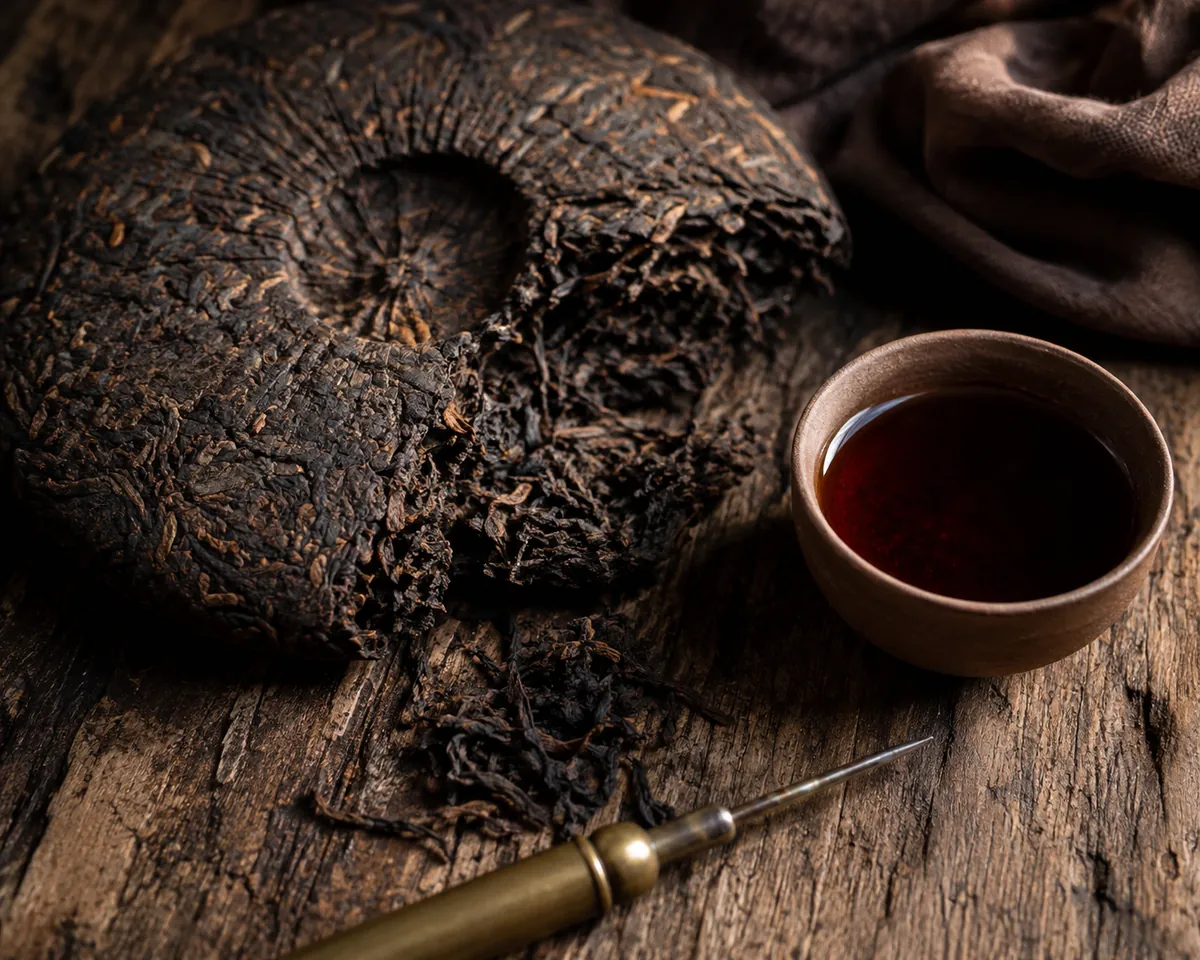
What Is Pu-erh? The One Tea That Is Genuinely Fermented
Pu-erh is the one tea where the word fermented is accurate. Microbes act on the leaf over months or decades, which is...
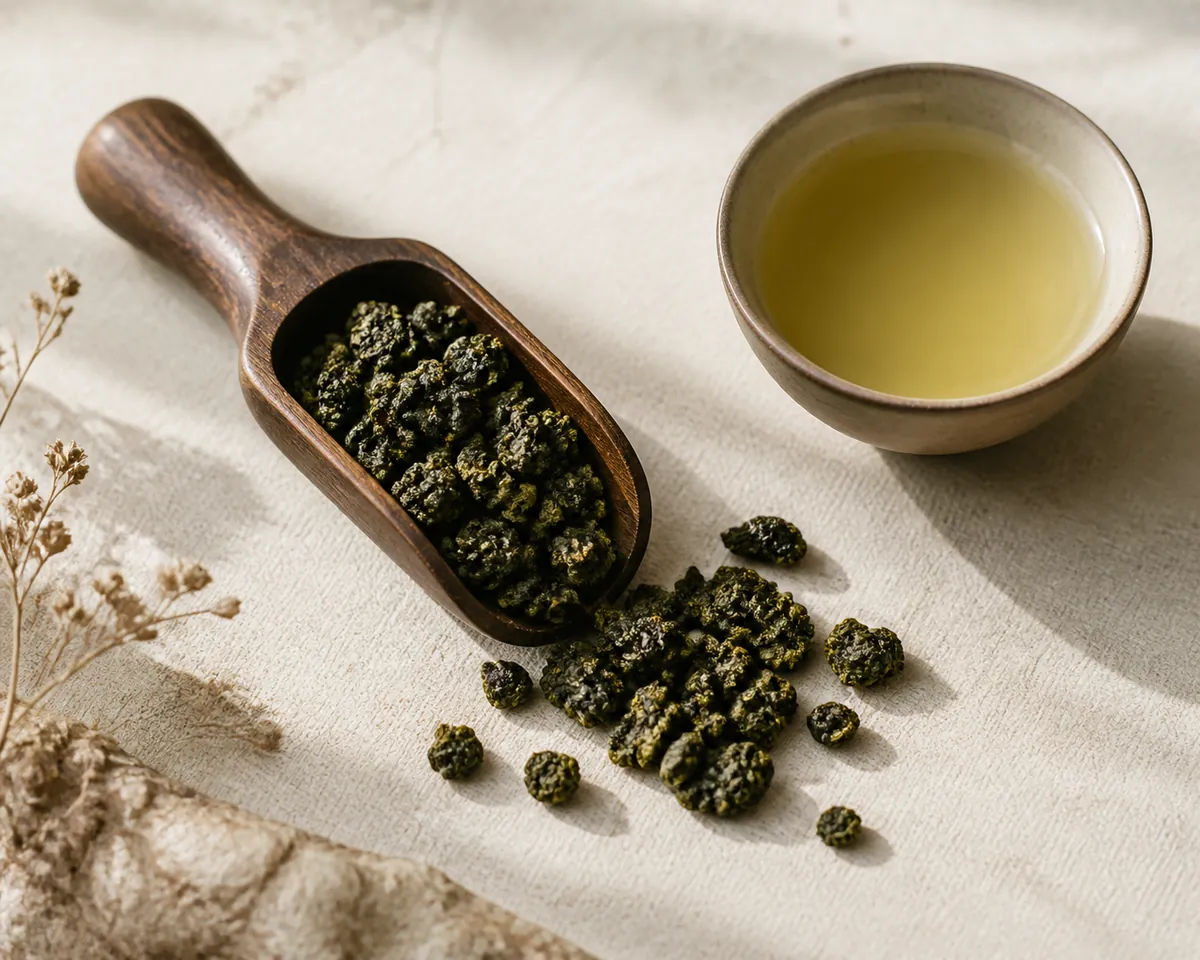
What Is Green Tea? The Decision Made in the Hours After Picking
Green tea and black tea grow on the same bush. What separates them is a decision made in the hours after the leaf is...
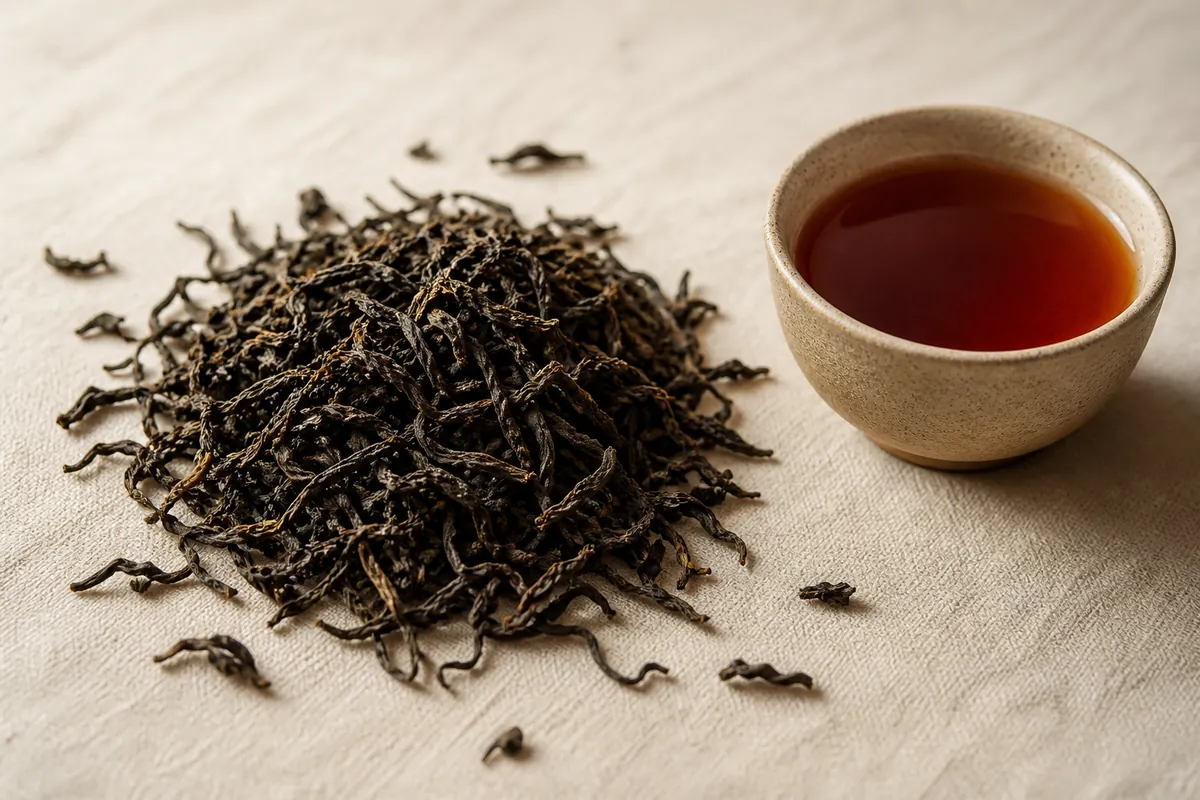
What Is Black Tea? The Same Leaf, Taken All the Way Through
Black tea is the same leaf as green tea, taken all the way through the reaction green tea is made to prevent. That...
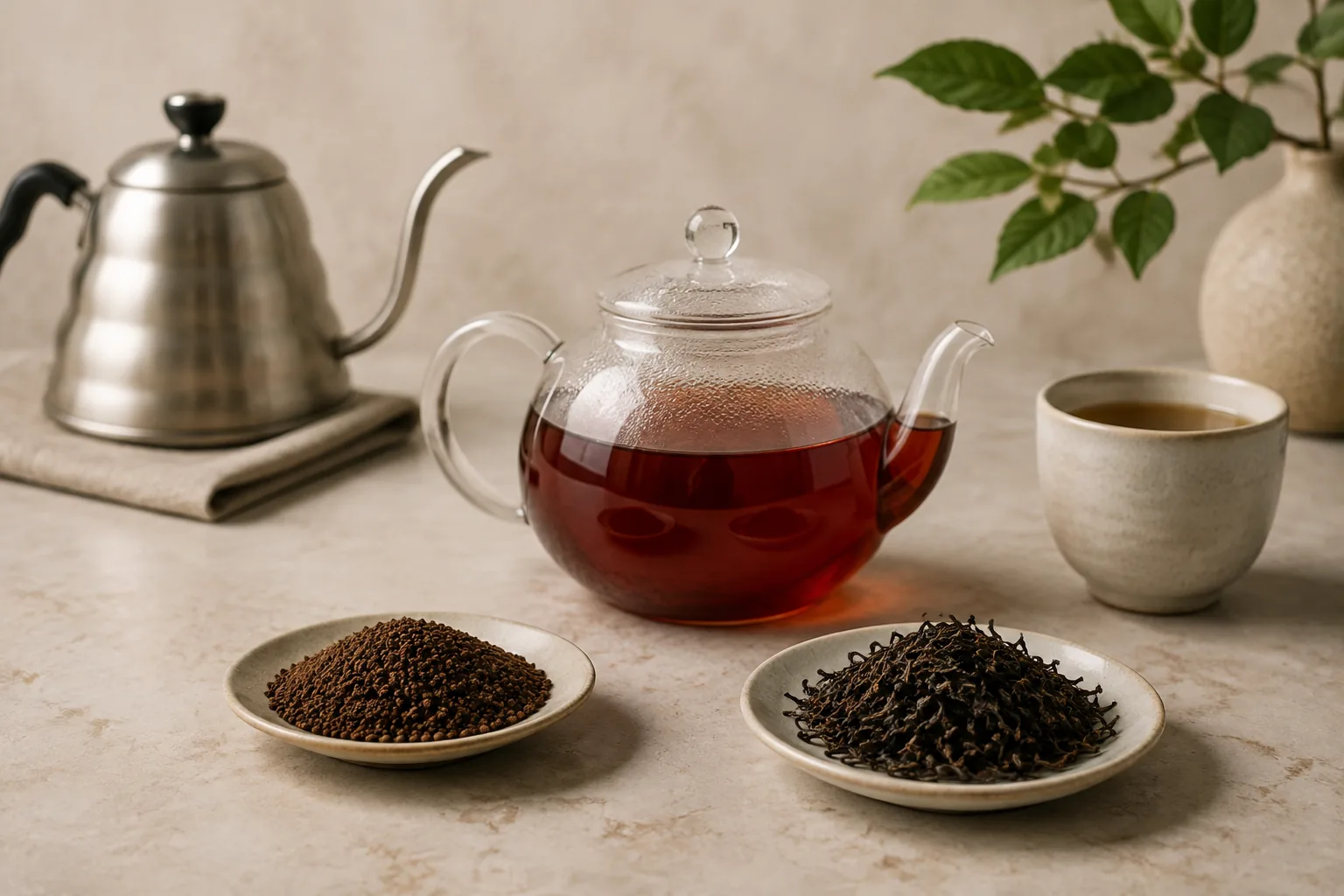
How to Make Assam Tea Without Losing Its Maltiness
Assam can be a clear malty cup or a strong milk tea, but those versions need different leaf and timing. Start with the...
Brewing Tea, and What to Change When It Tastes Wrong
Water temperature, steeping time, and how to keep leaf worth drinking once the packet is open.
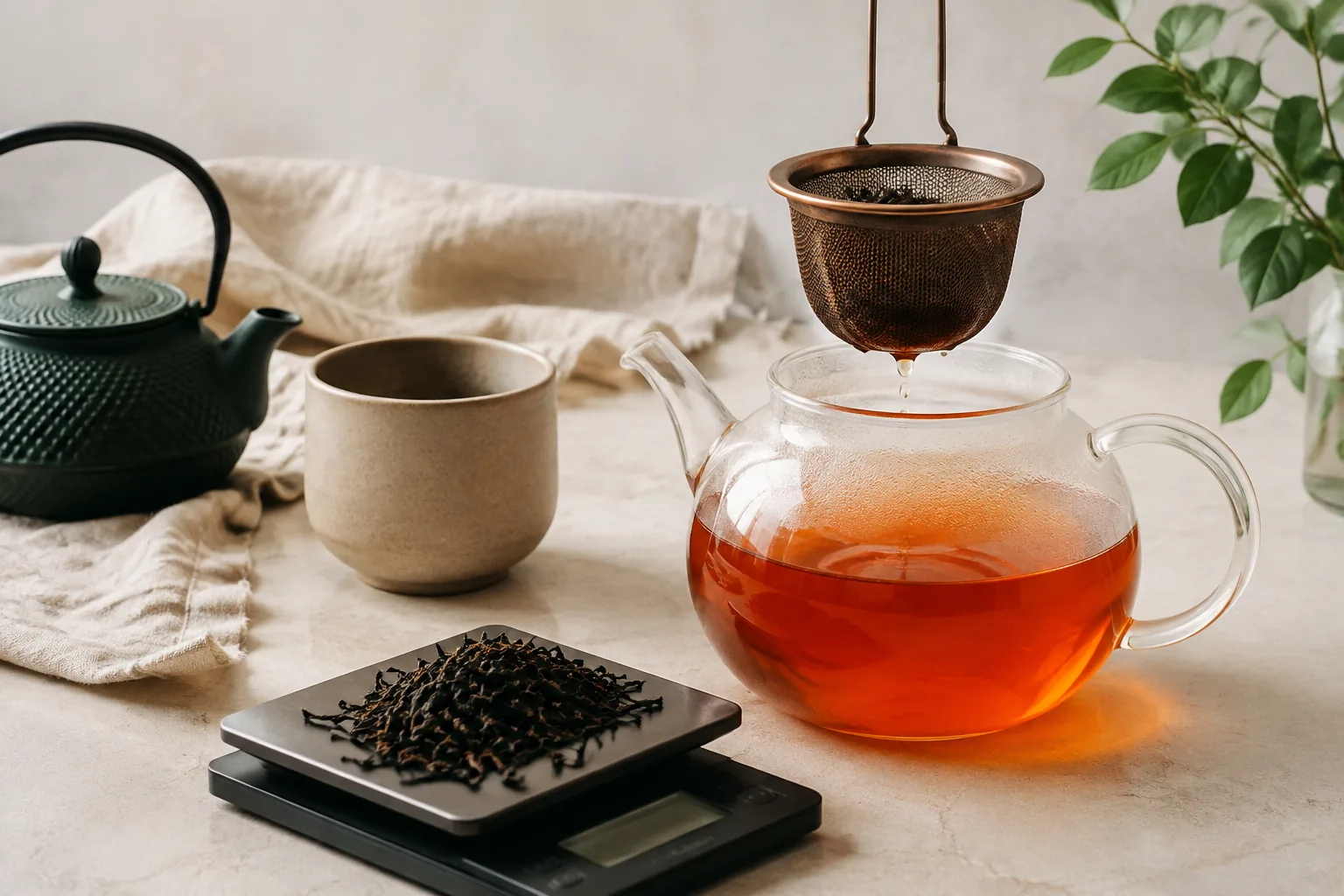
How to Make Black Tea for the Leaf in Front of You
Black tea is forgiving about heat and unforgiving about leaving small particles in the water too long. Identify the...
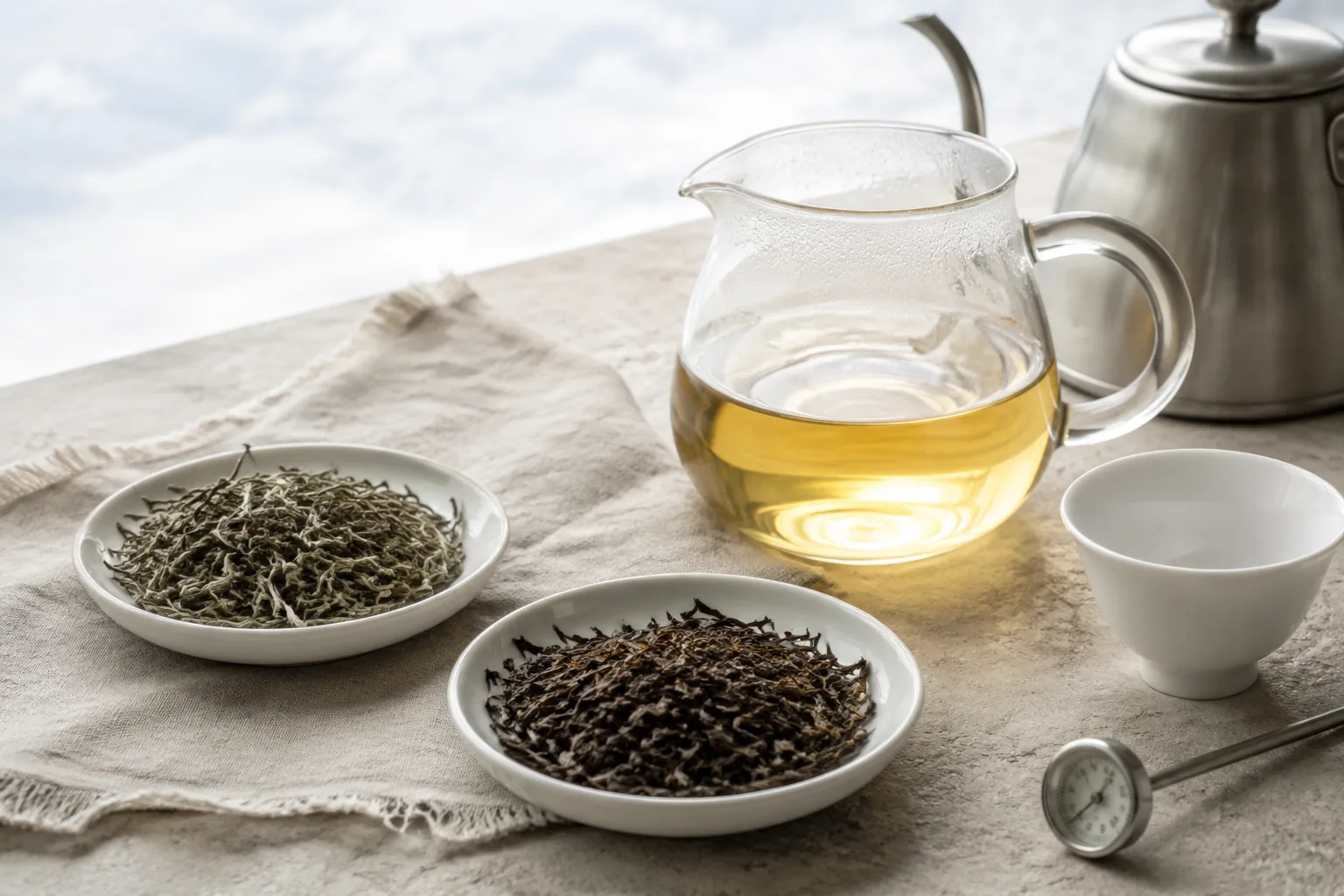
How to Make Darjeeling Tea for Each Flush
Darjeeling does not have one useful black-tea setting. A green-edged first flush needs gentler water than a darker...
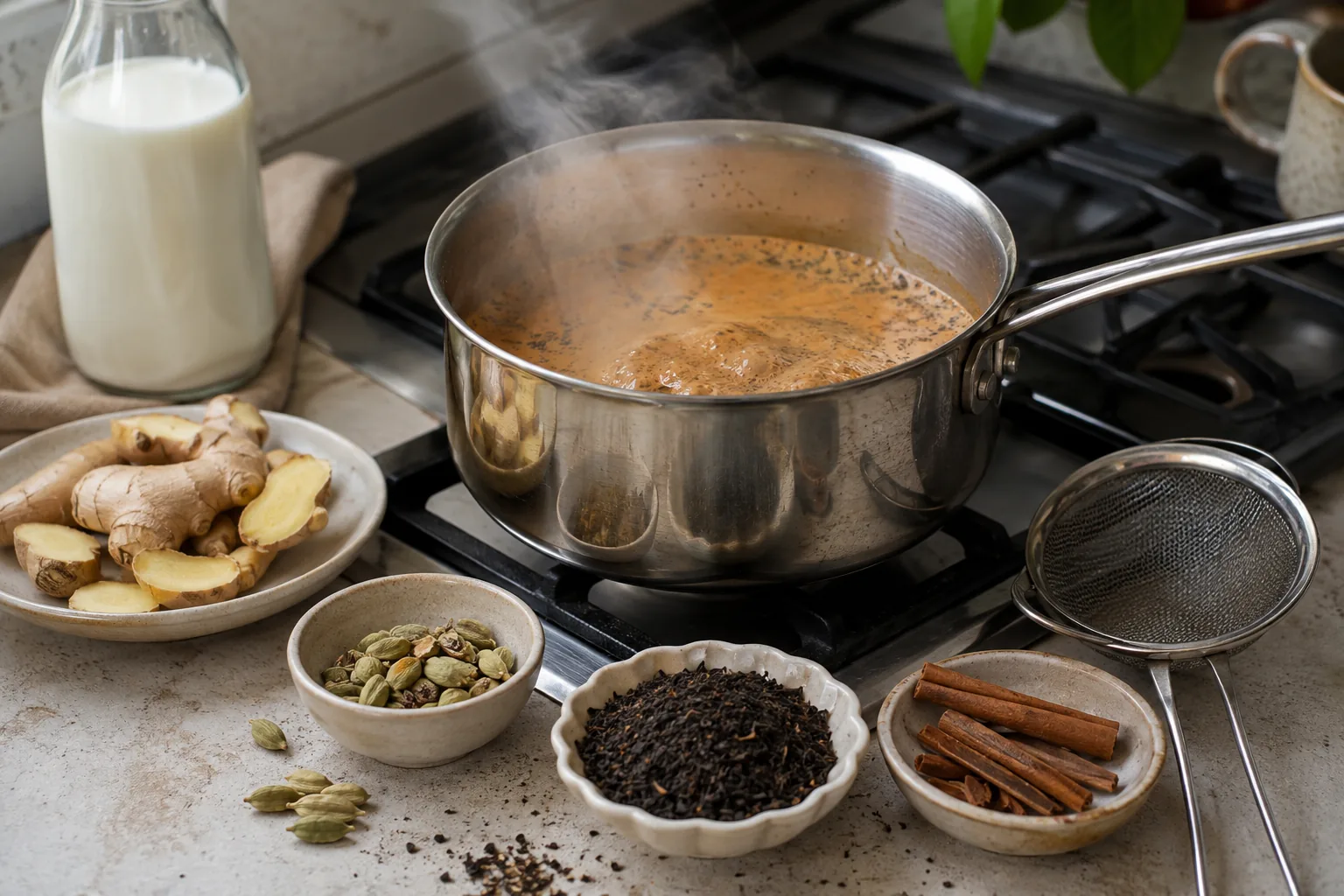
How to Make Masala Chai on the Stovetop
Masala chai is built in stages: spices release into water, strong black tea adds structure, and milk rounds the brew...
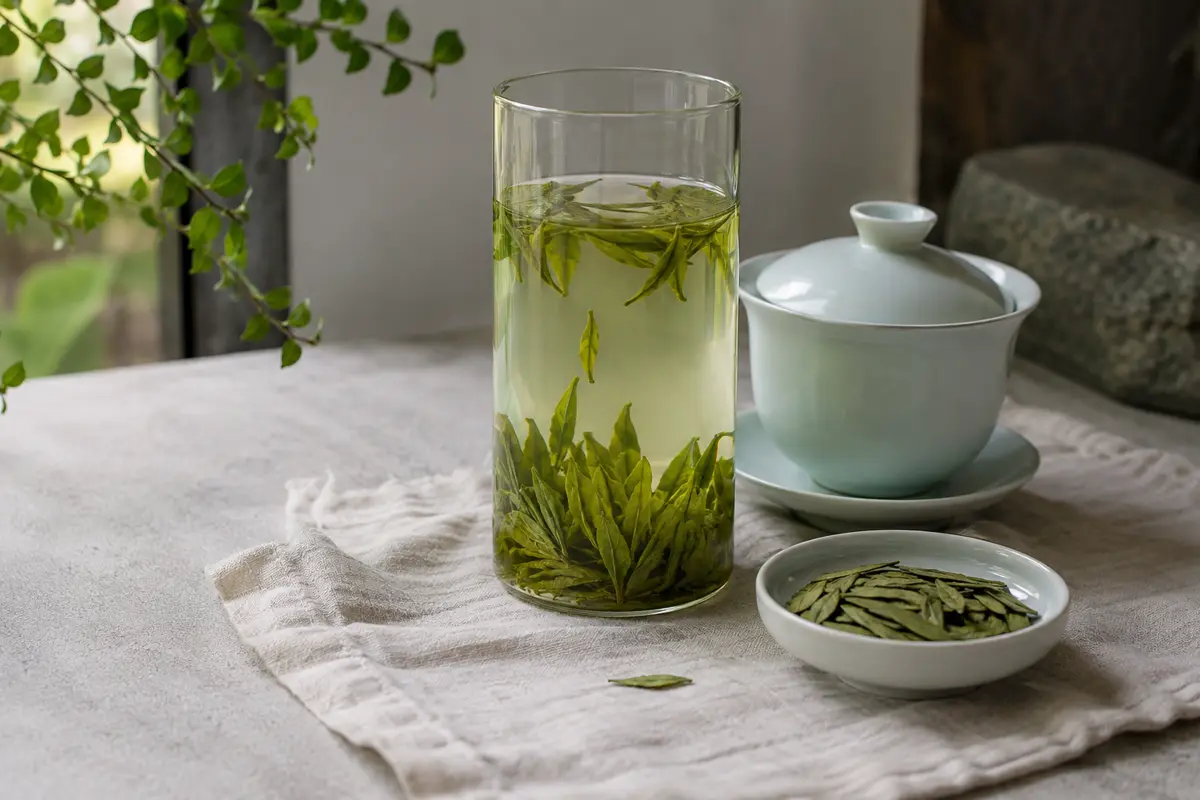
How to Make Dragon Well Tea Without Losing Its Sweetness
Flat Dragon Well leaves show their progress as they stand, open, and sink. Moderate water and short first infusions...
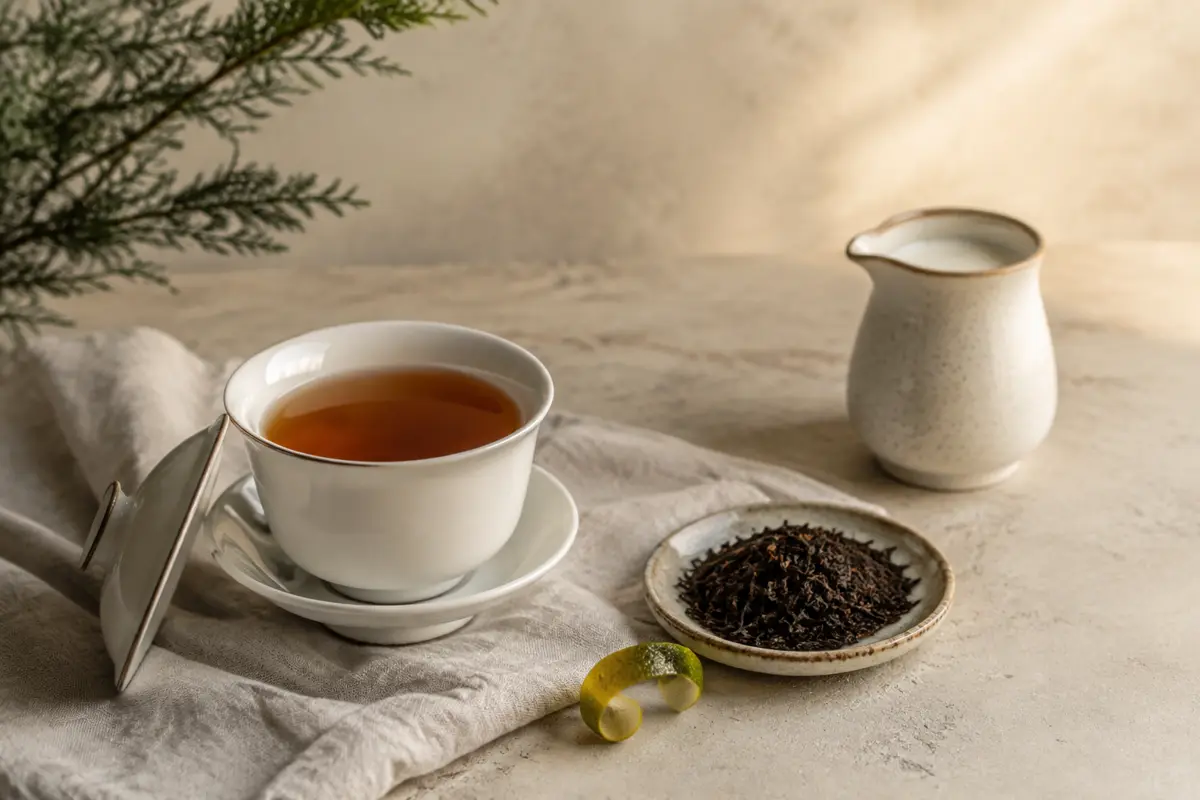
How to Make Earl Grey Without Losing the Bergamot
Earl Grey can use black, green, white, rooibos, or decaffeinated tea. Read the base first, then choose temperature and...
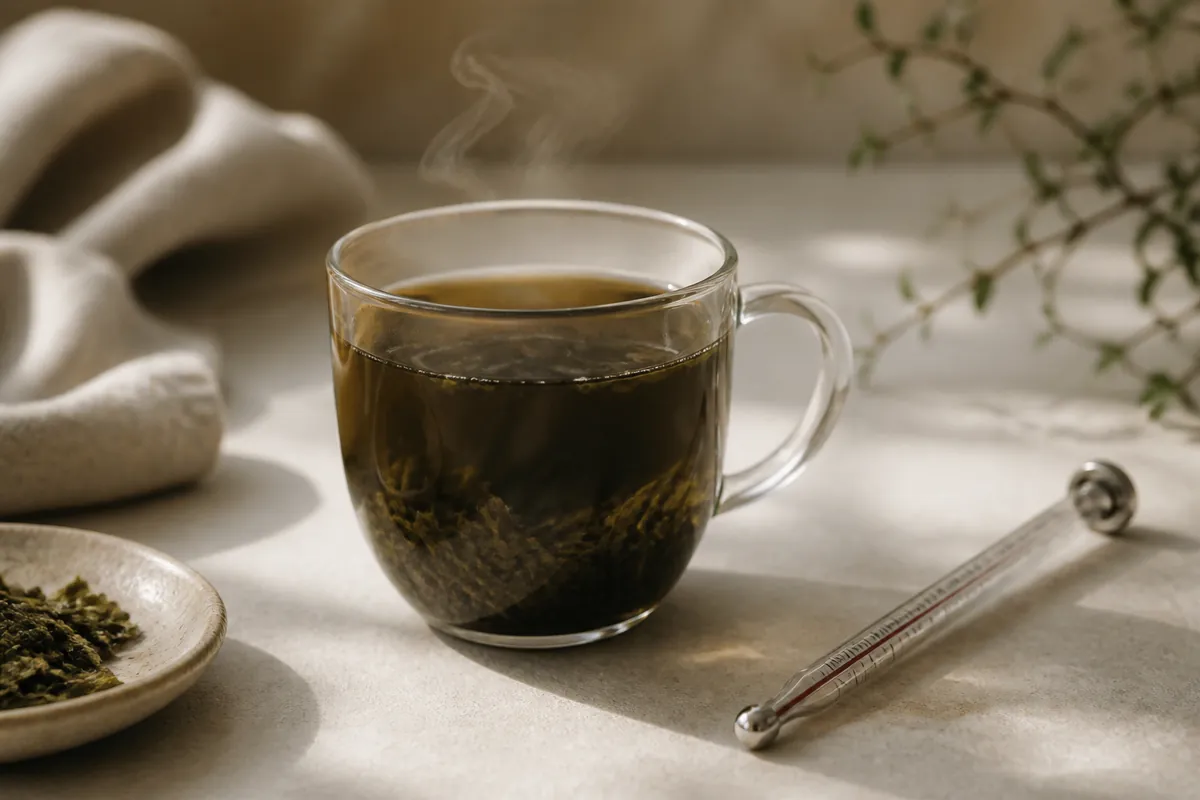
Why Does Green Tea Taste Bitter? Heat, Time, and Leaf Quantity
Nearly all bitter green tea comes down to two things: water that was too hot, or a steep that ran too long. Both pull...
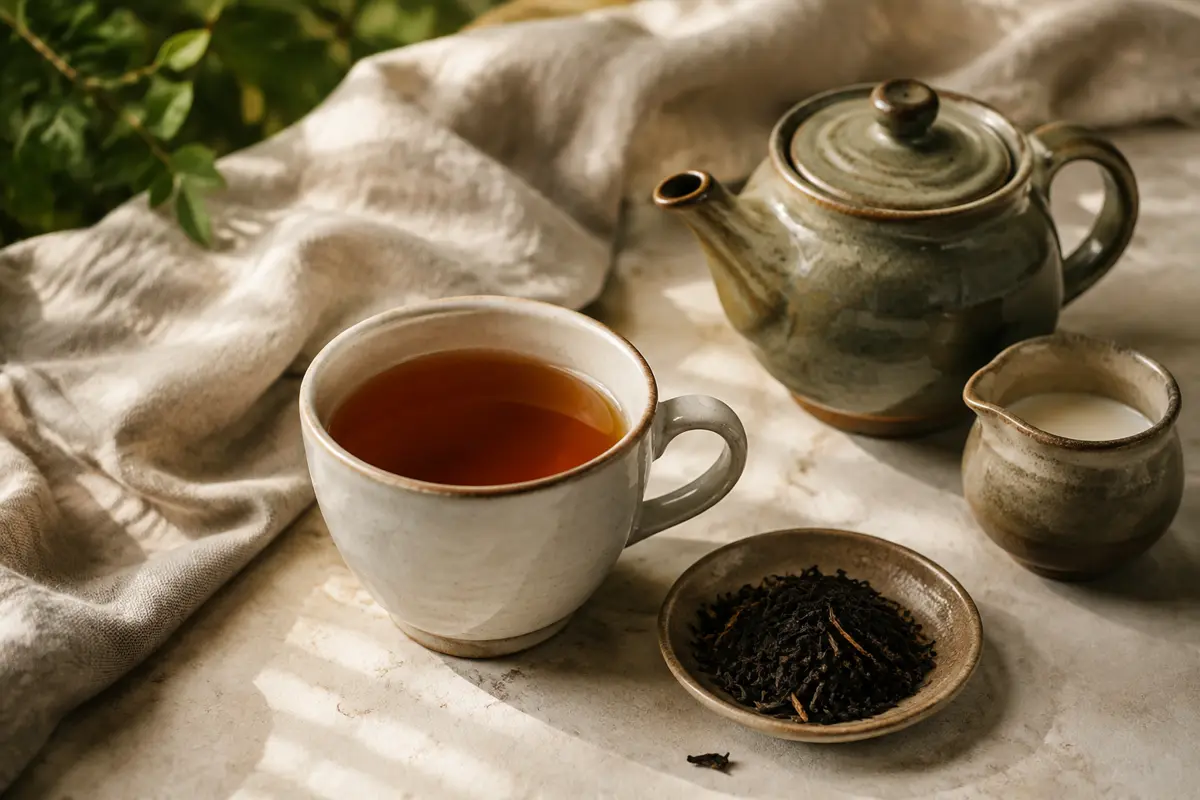
How to Make English Breakfast Tea for Milk or Plain
English Breakfast blends vary by origin and leaf size. Let the smallest particles set the first taste, then use dose...
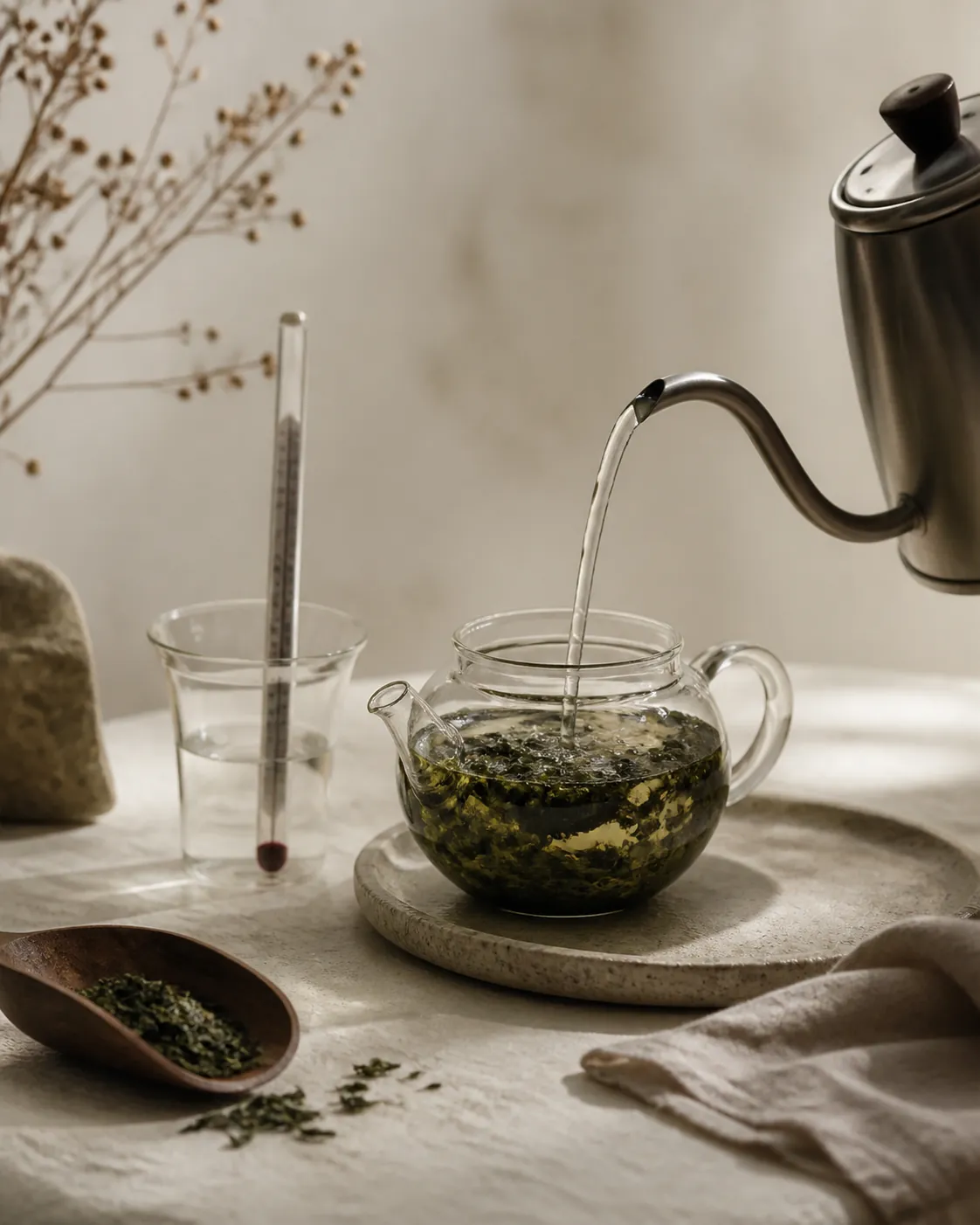
Tea Steeping Temperature Basics: A Starting Point for Each Style
Every tea style has a temperature range it was made for. Here are sensible starting points for each, and the reason the...
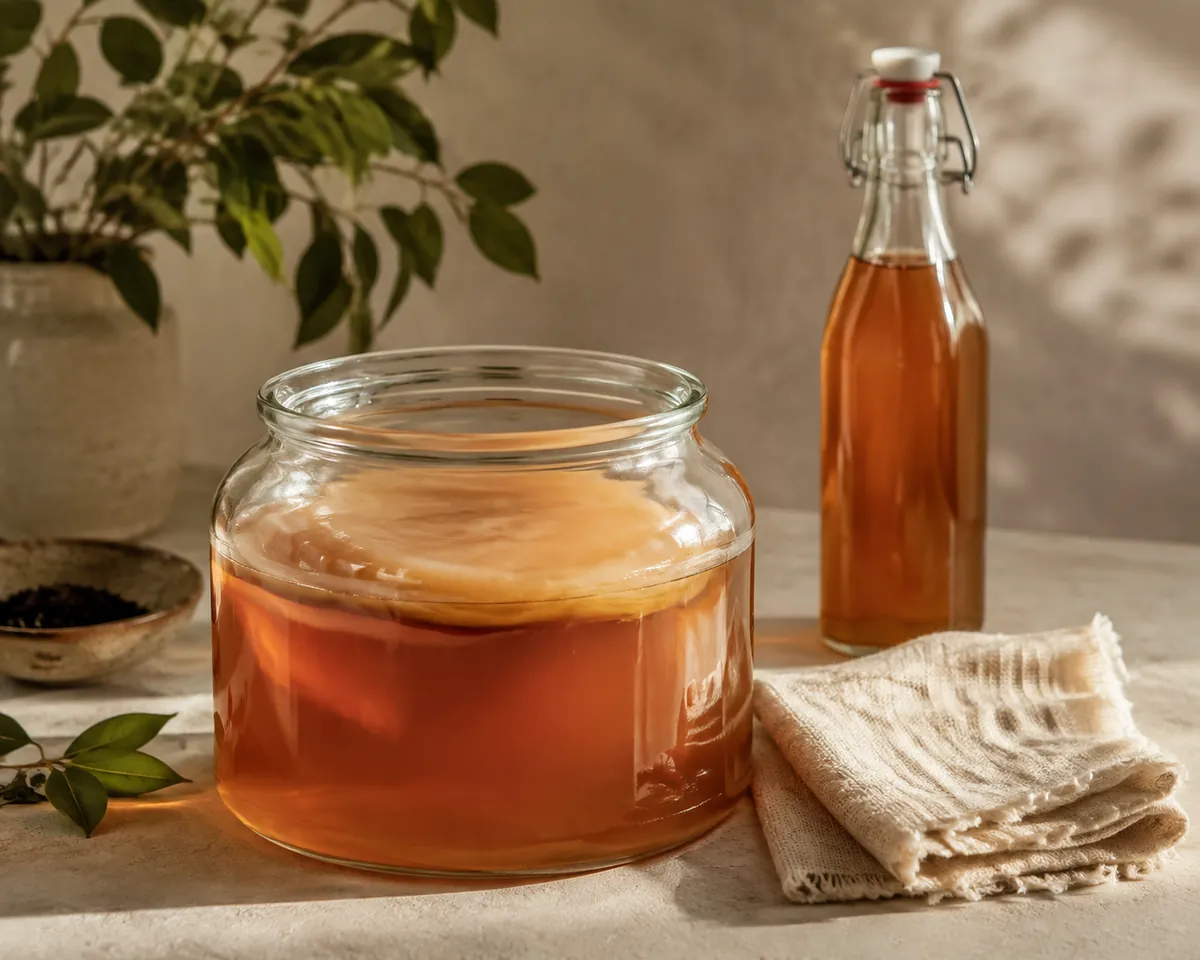
Making Kombucha, from the First Ferment to the Second
Kombucha is sweet tea that a culture has eaten most of the sugar out of. The ratio is forgiving, the timing is a taste...
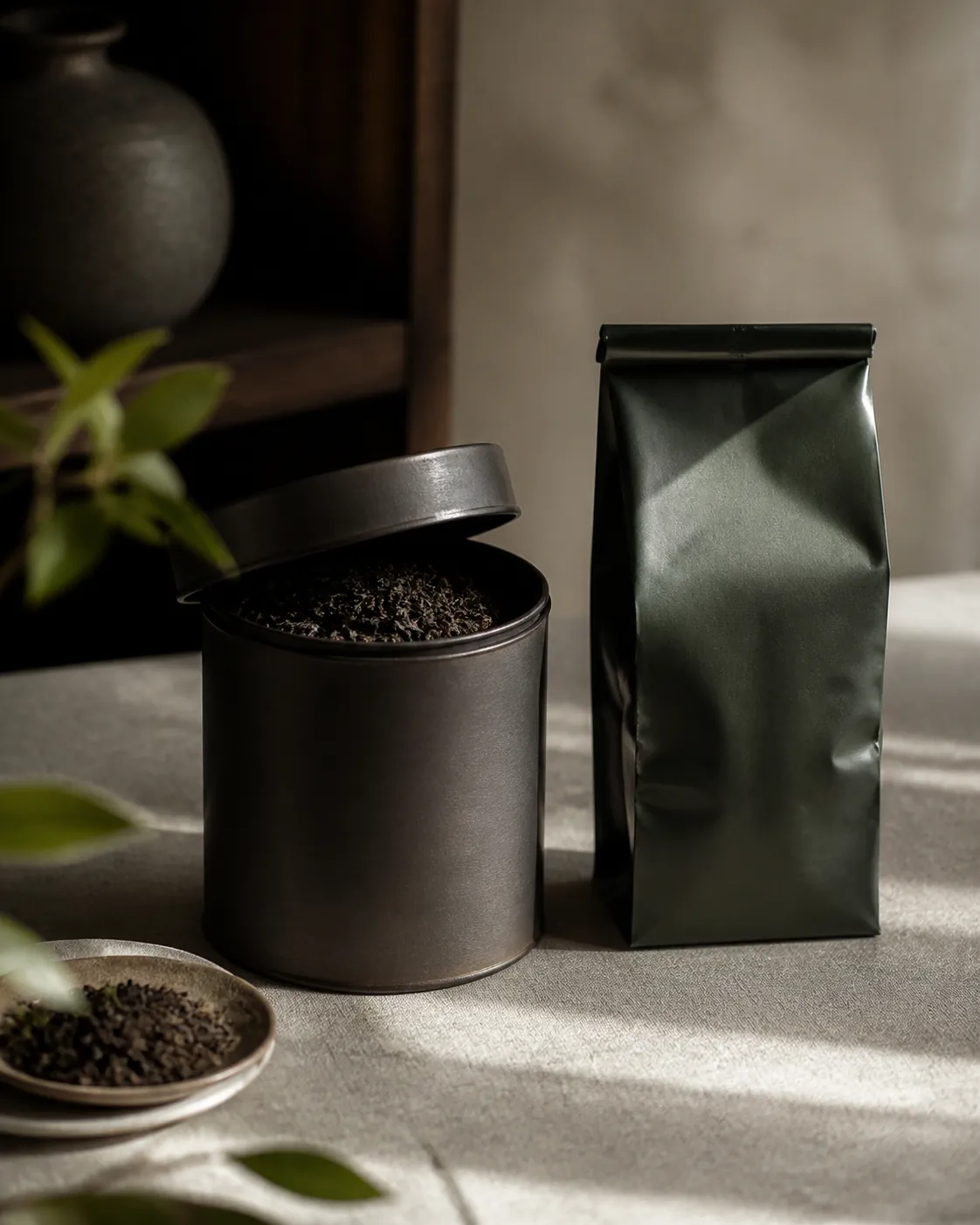
How to Store Loose-Leaf Tea: The Five Things That Flatten It
Tea does not spoil in a way that makes it unsafe. It goes flat. Five things cause that, and an opaque airtight tin in a...
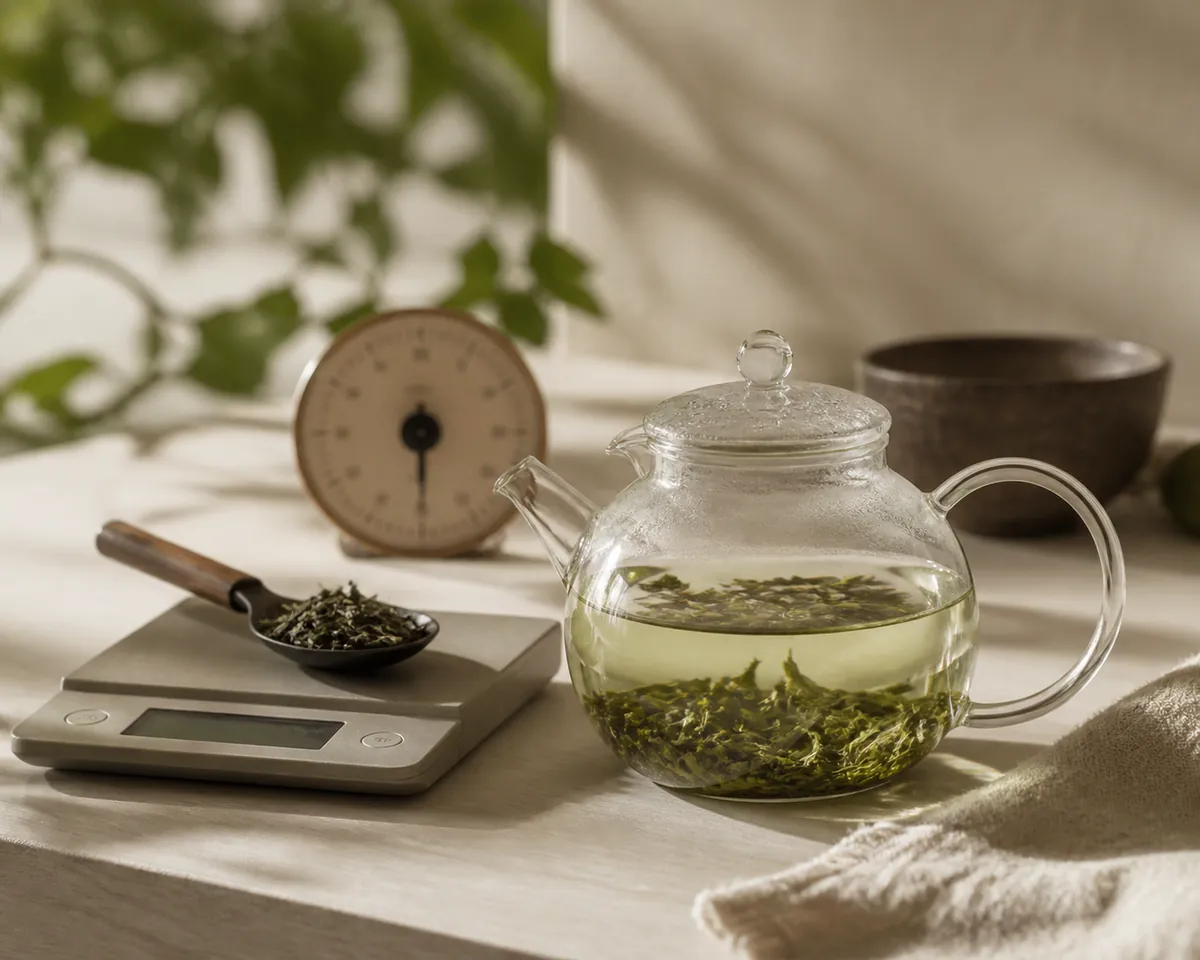
Making Green Tea, and the Temperature That Decides It
Green tea is the one thing on a tea shelf that a boiling kettle actively ruins. Here is the sequence that avoids it...
More Tea Guides
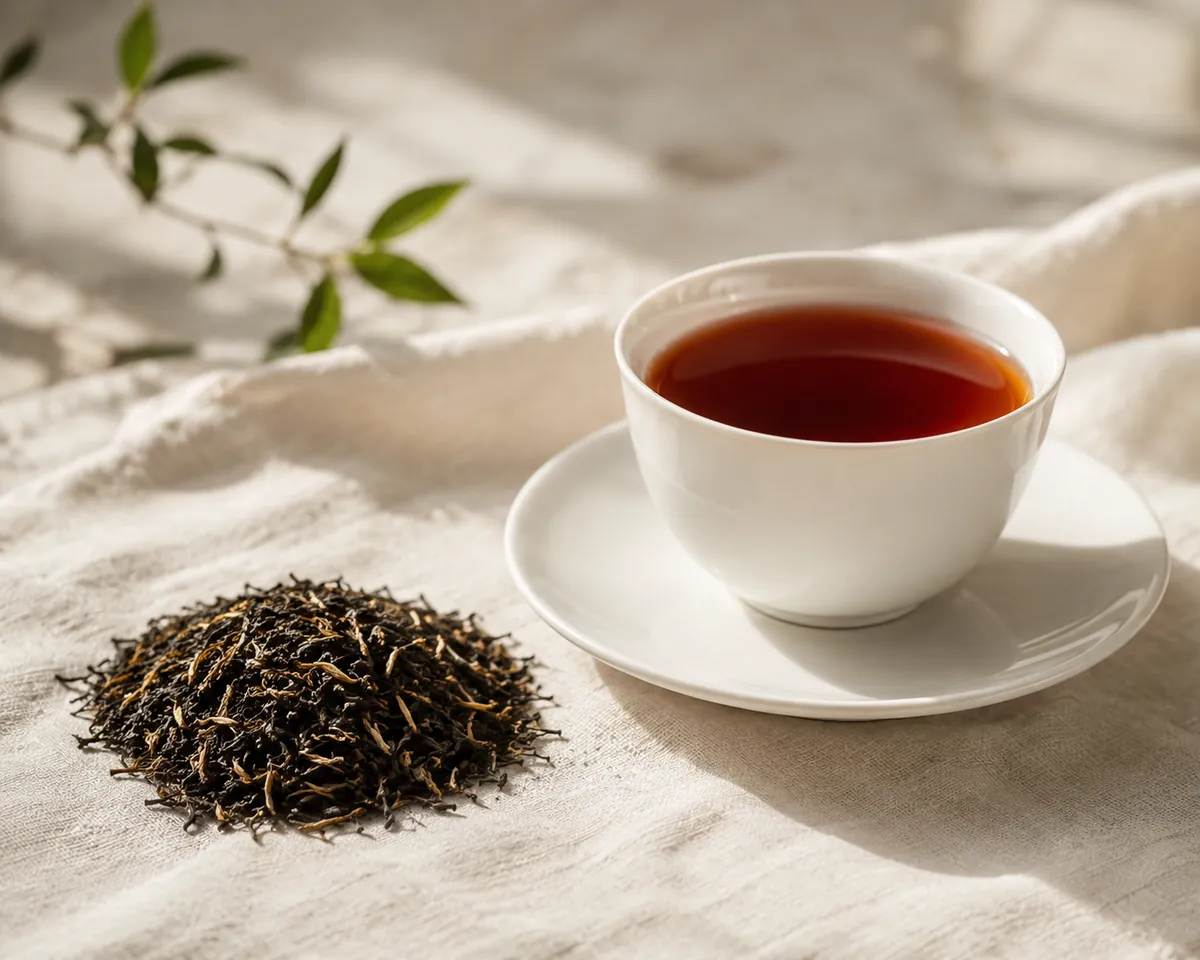
What Is Assam Tea? The Place, and the Malty Style It Names
Assam is unusual among tea names because it points at two things at once: a hot floodplain in northeast India, and a...
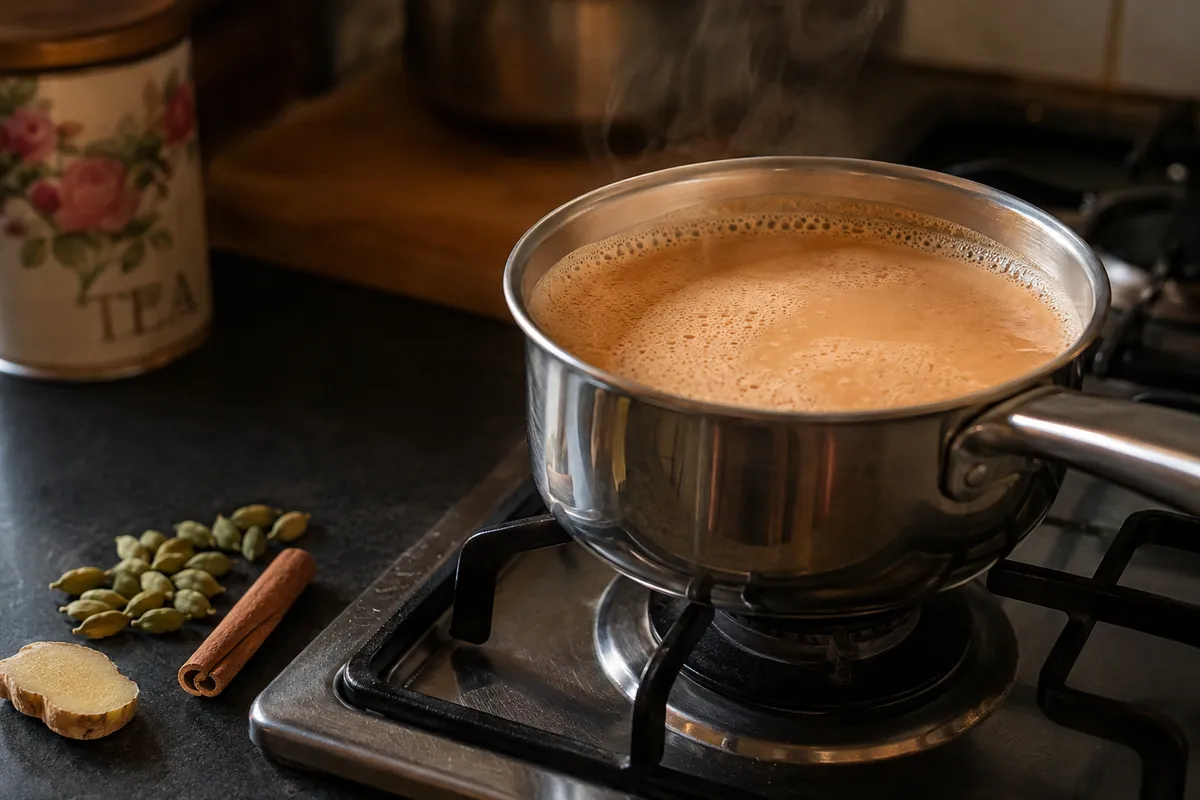
What Is Chai? Why It Is Simmered Rather Than Steeped
Chai is simmered, not steeped. That single difference is why a chai teabag in hot water never tastes like the drink it...
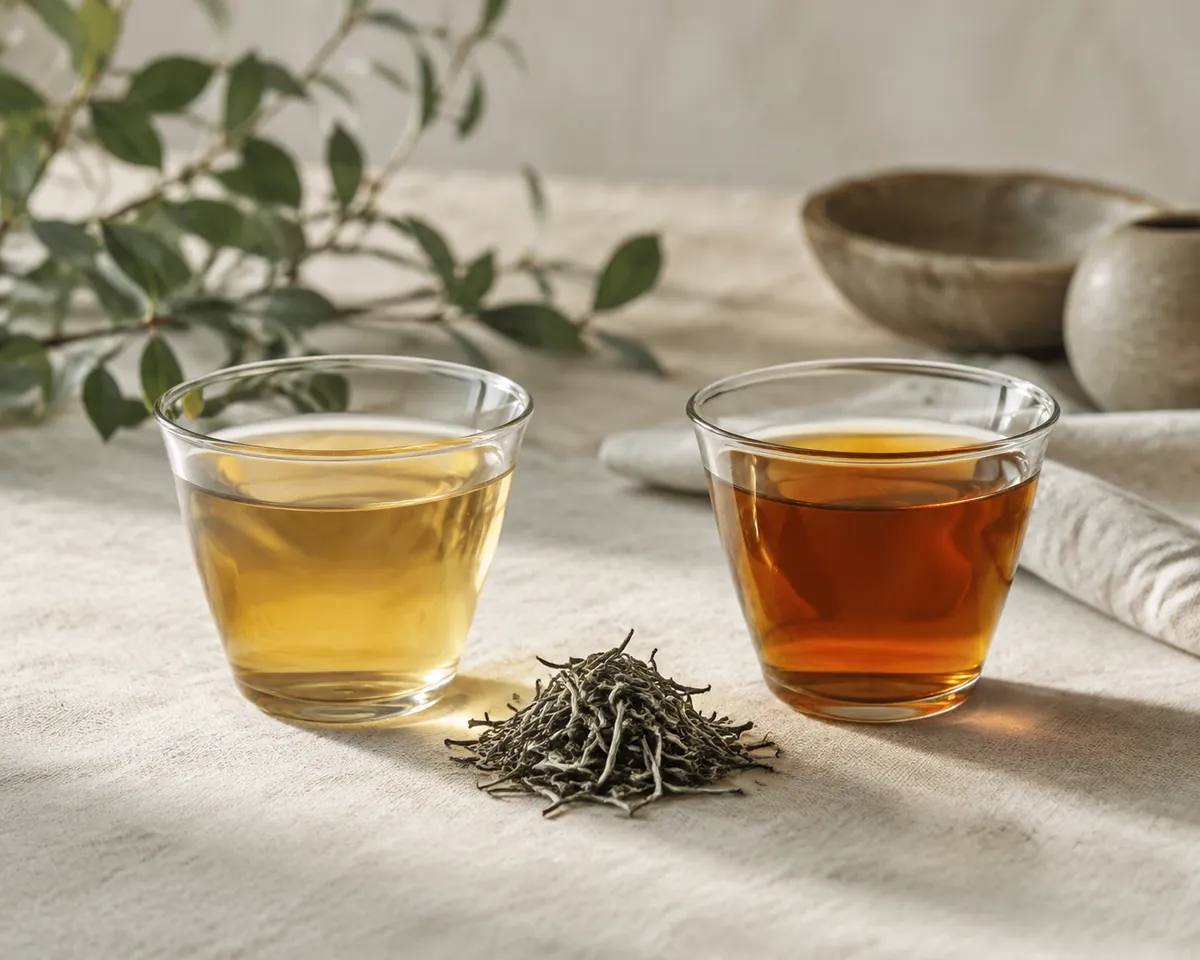
What Is Darjeeling? A Map Reference Rather Than a Recipe
Darjeeling is the only common tea whose name is a map reference rather than a recipe, and a great deal of it is...
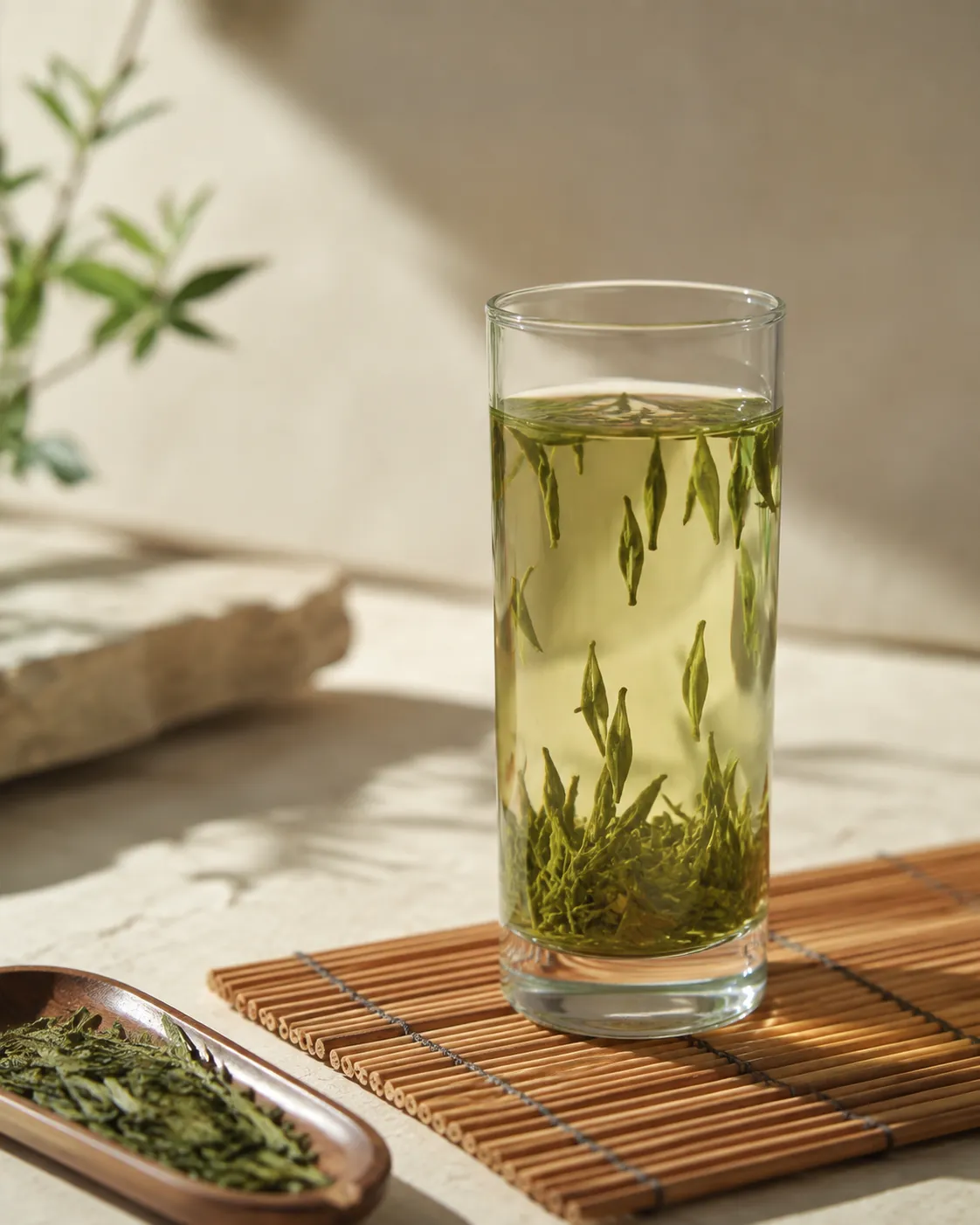
What Is Dragon Well? Where Fixing and Shaping Are One Move
Dragon Well is the tea where fixing and shaping are the same movement. A hand presses the leaf against a hot wok, which...
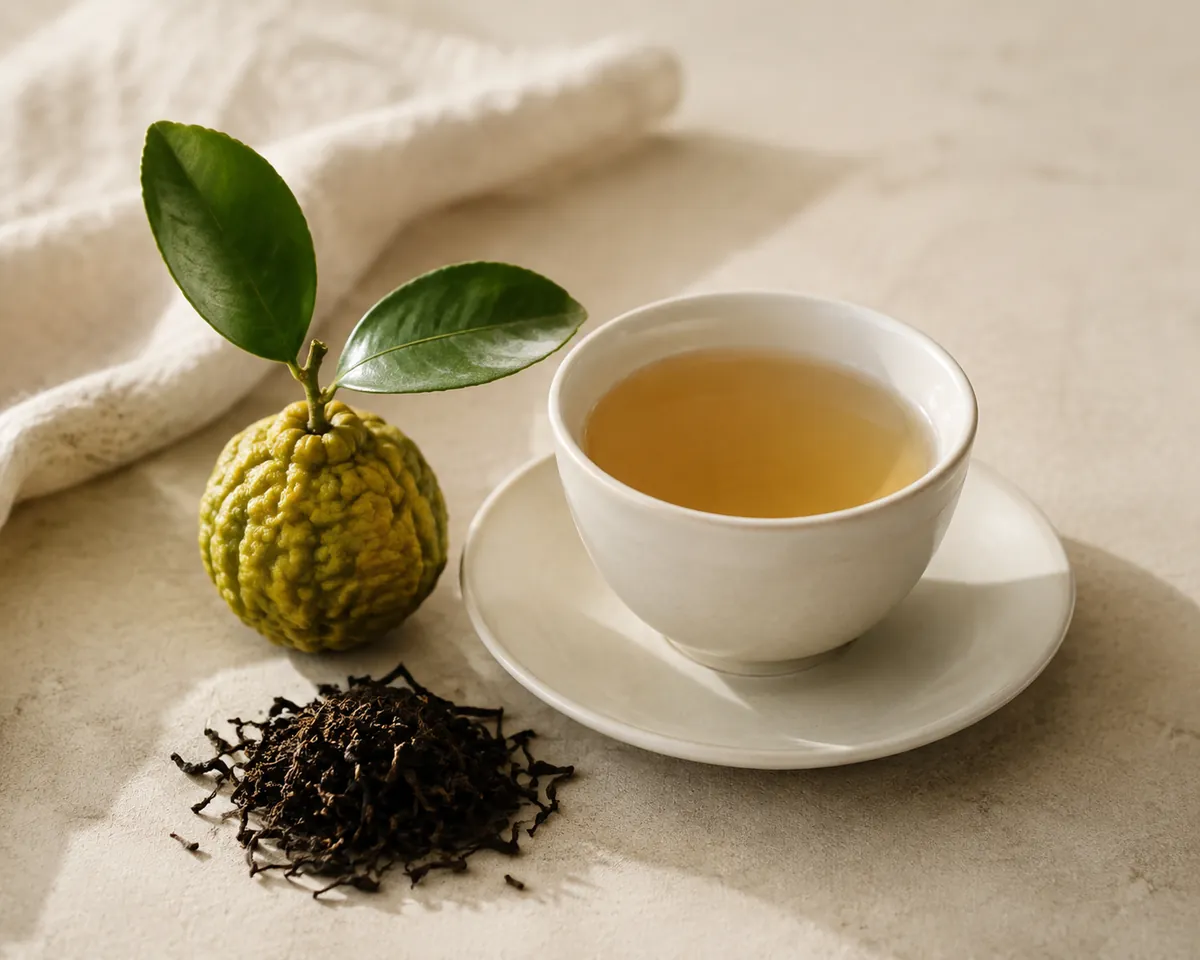
What Is Earl Grey? Black Tea and Calabrian Bergamot Oil
Earl Grey is finished black tea with the rind oil of a Calabrian citrus applied to it. The tea underneath is usually...
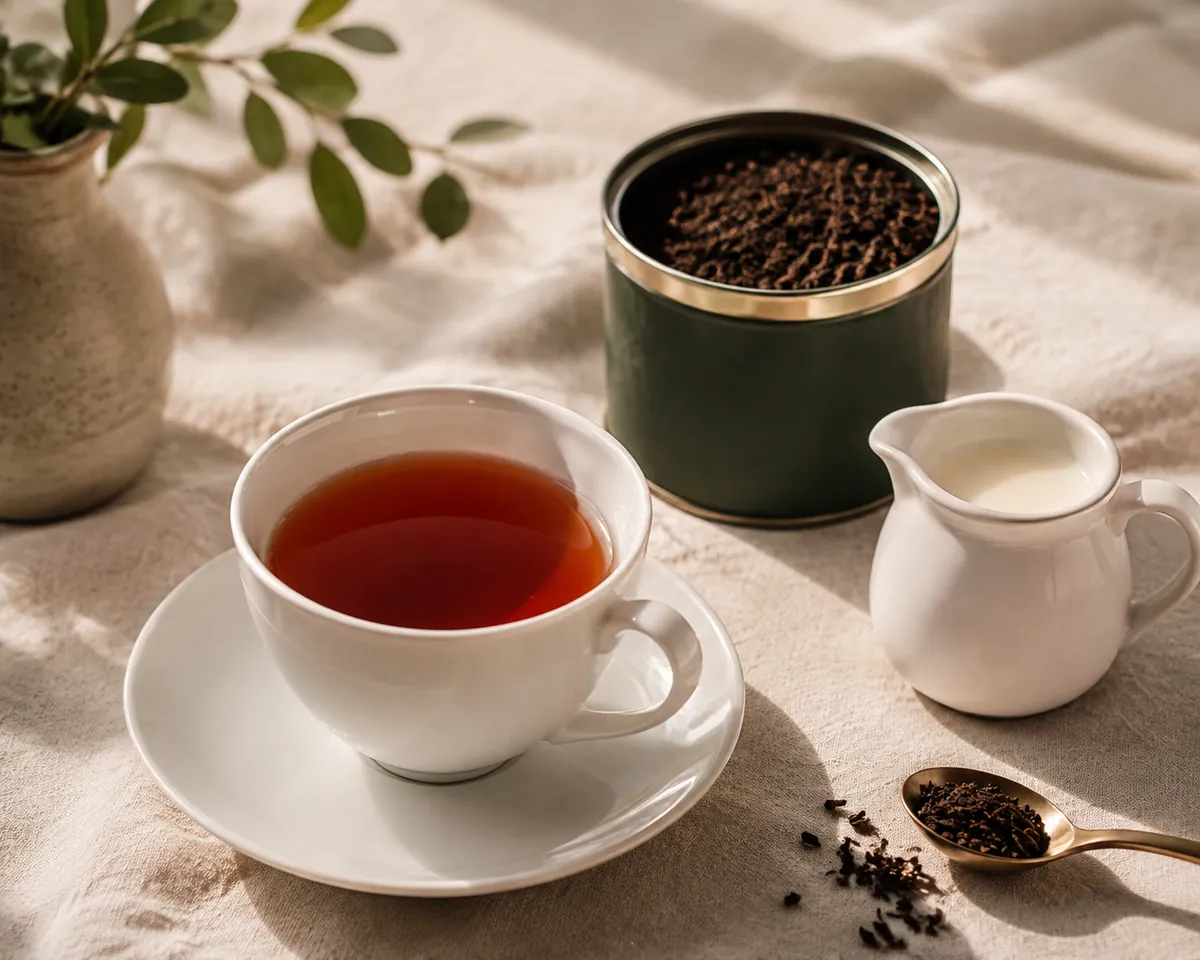
What Is English Breakfast Tea? A Recipe, Not a Plant
English Breakfast is the only major name on a tea shelf that points at a recipe rather than a plant, a place or a...
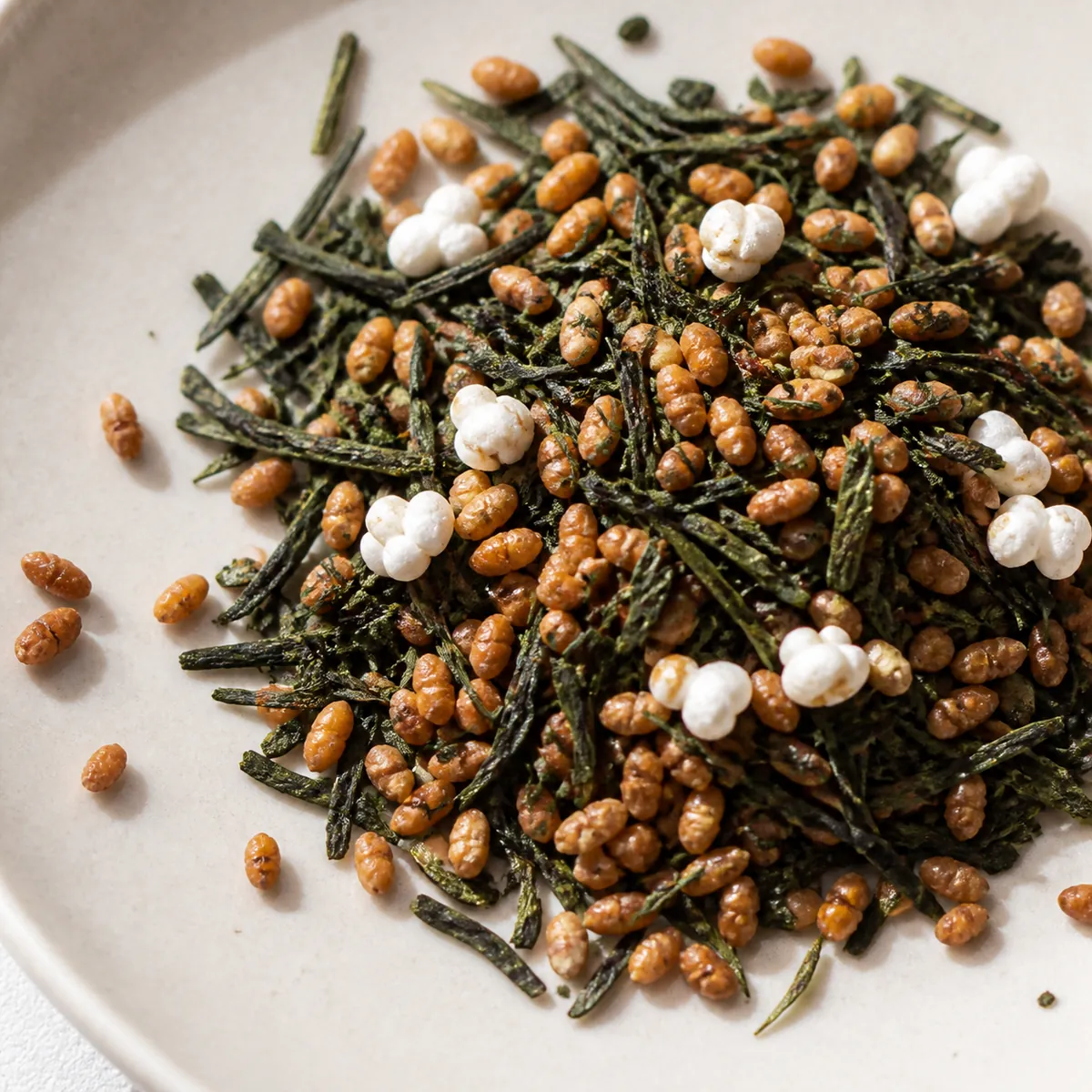
What Is Genmaicha? Green Tea Cut With Roasted Rice
Genmaicha is green tea mixed with roasted brown rice. The rice was originally there to make expensive tea go further...
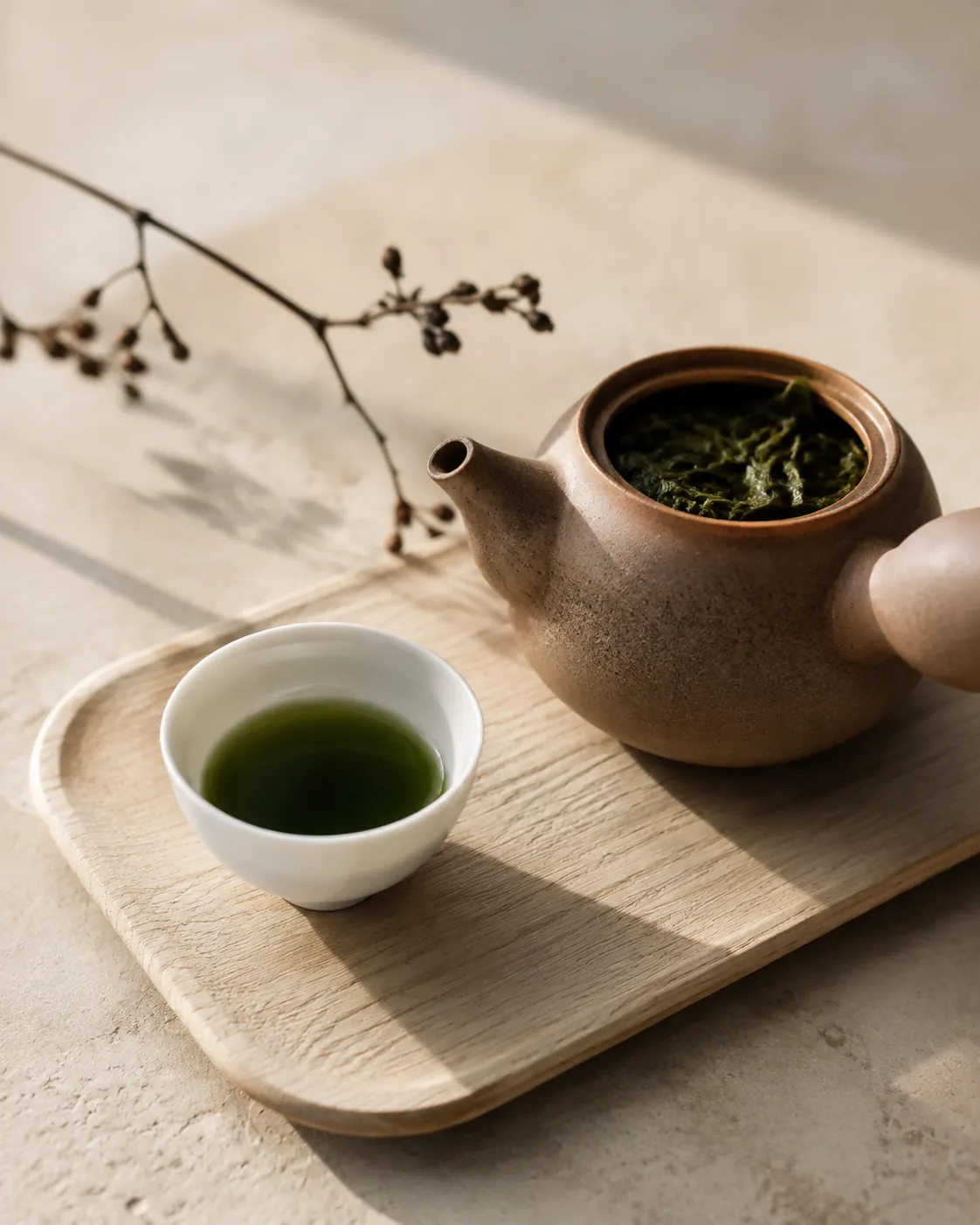
What Is Gyokuro? What Three Weeks Under Screens Changes
Three weeks under screens changes what is in the leaf before anyone boils a kettle. That single decision in the field...
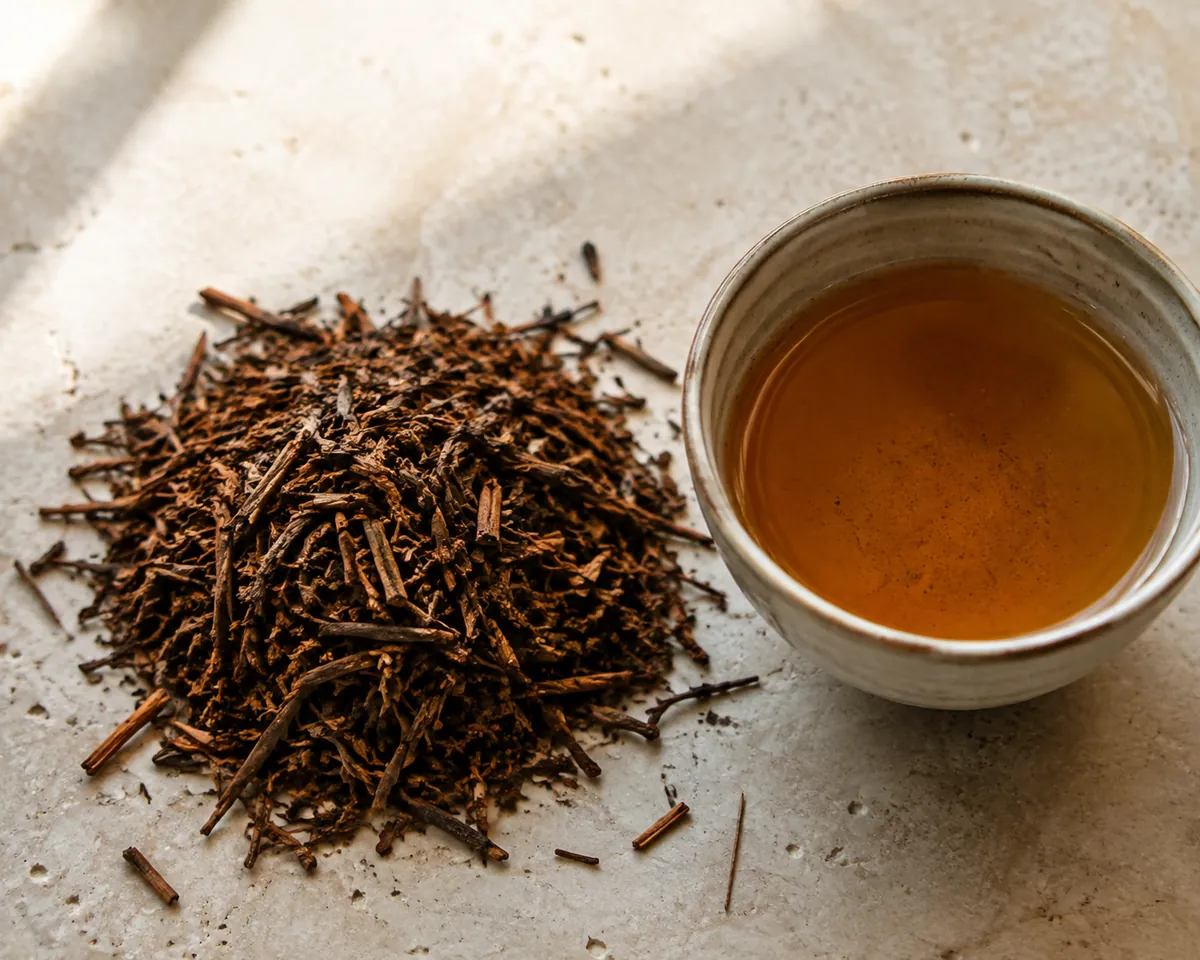
What Is Hojicha? Roasted Green Tea, and Why It Is Low in Caffeine
Hojicha is green tea that has been roasted until it is brown. Roasting drives off most of what makes green tea green...
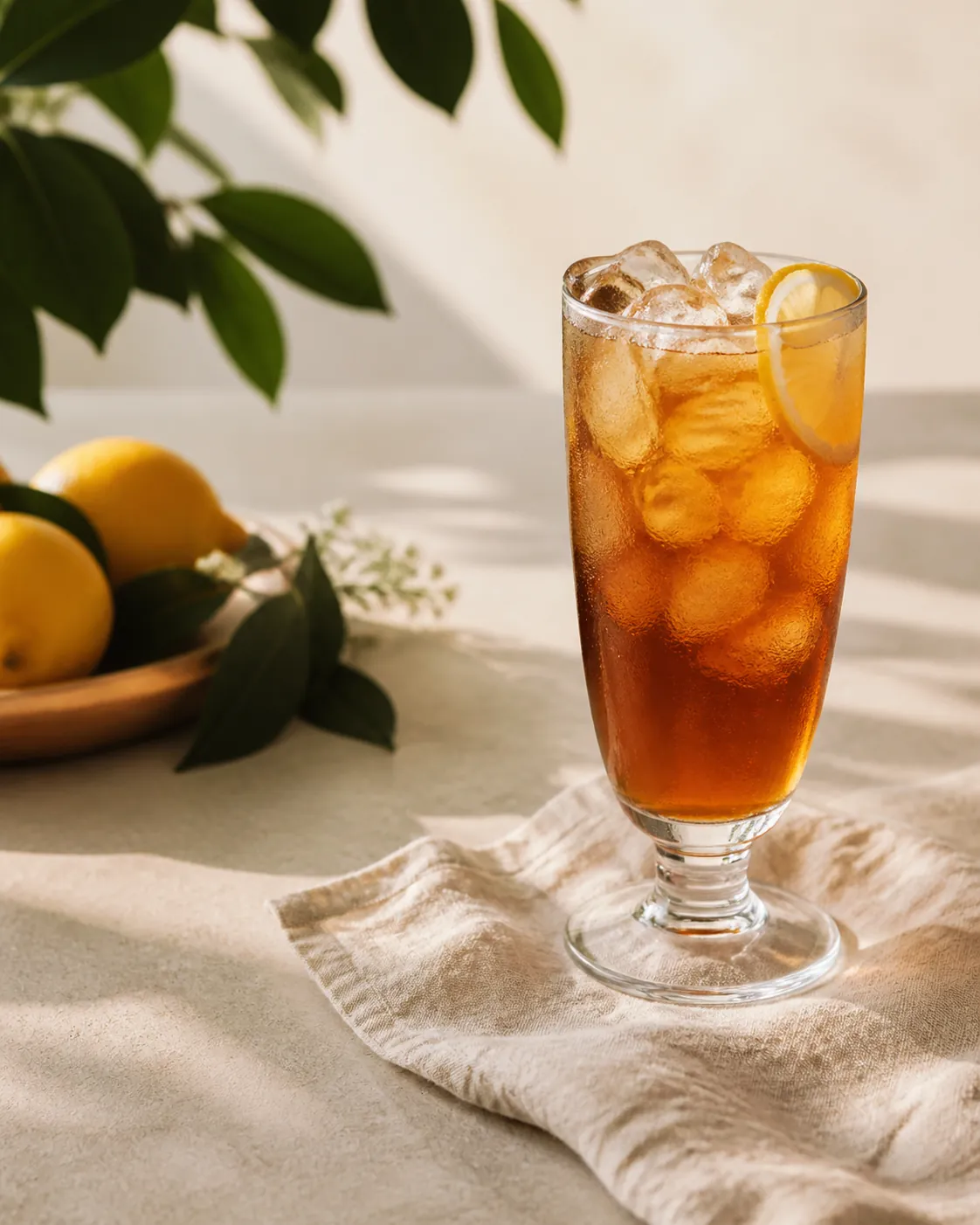
What Is Iced Tea? Why It Clouds, and Why Sugar Will Not Go In
Tea does two awkward things as it cools. It clouds, and it refuses to dissolve sugar. Both are settled before the glass...
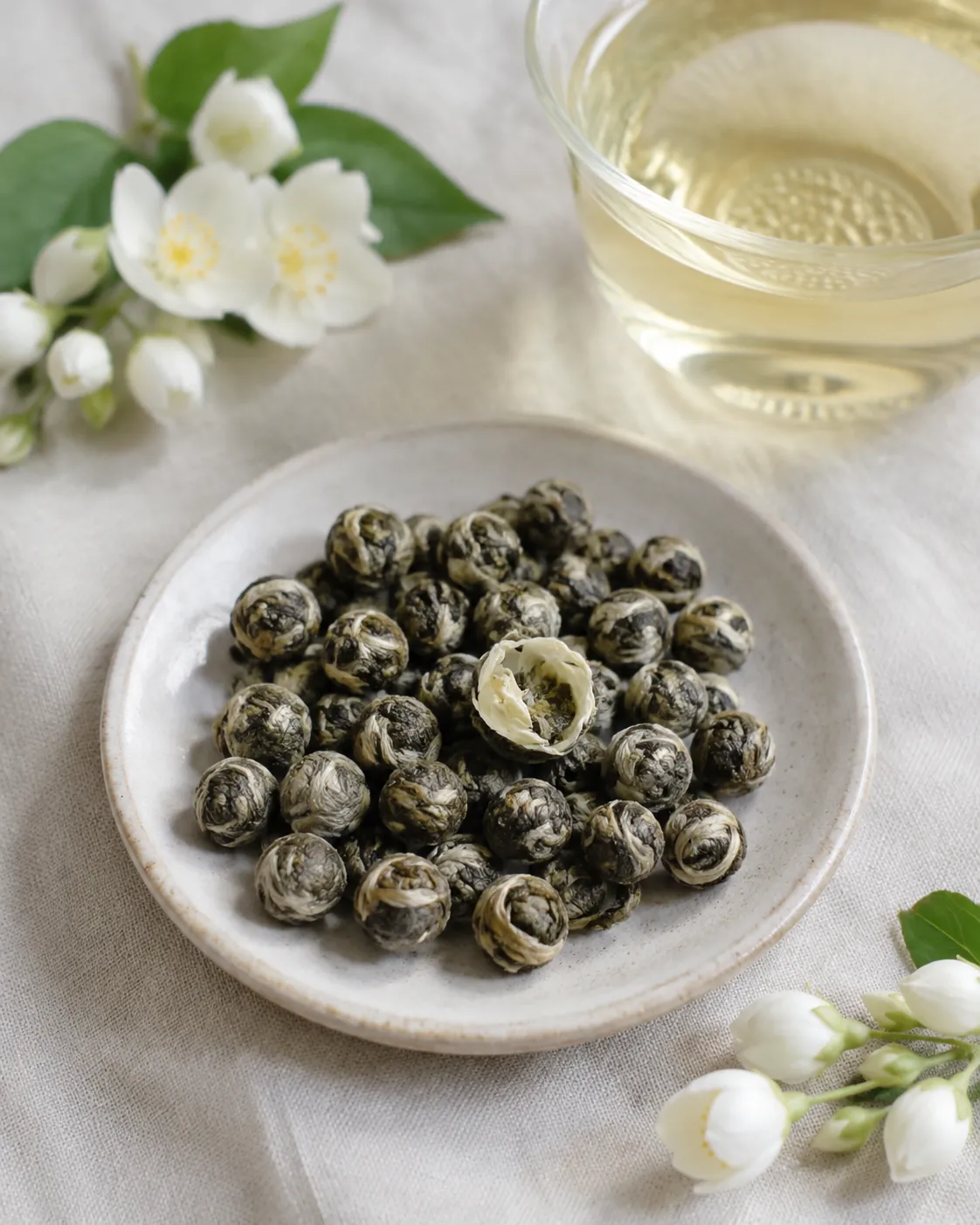
What Is Jasmine Tea? Why Good Jasmine Holds No Flowers
Good jasmine tea contains no jasmine. The flowers are laid against the leaf overnight, removed, and replaced with fresh...
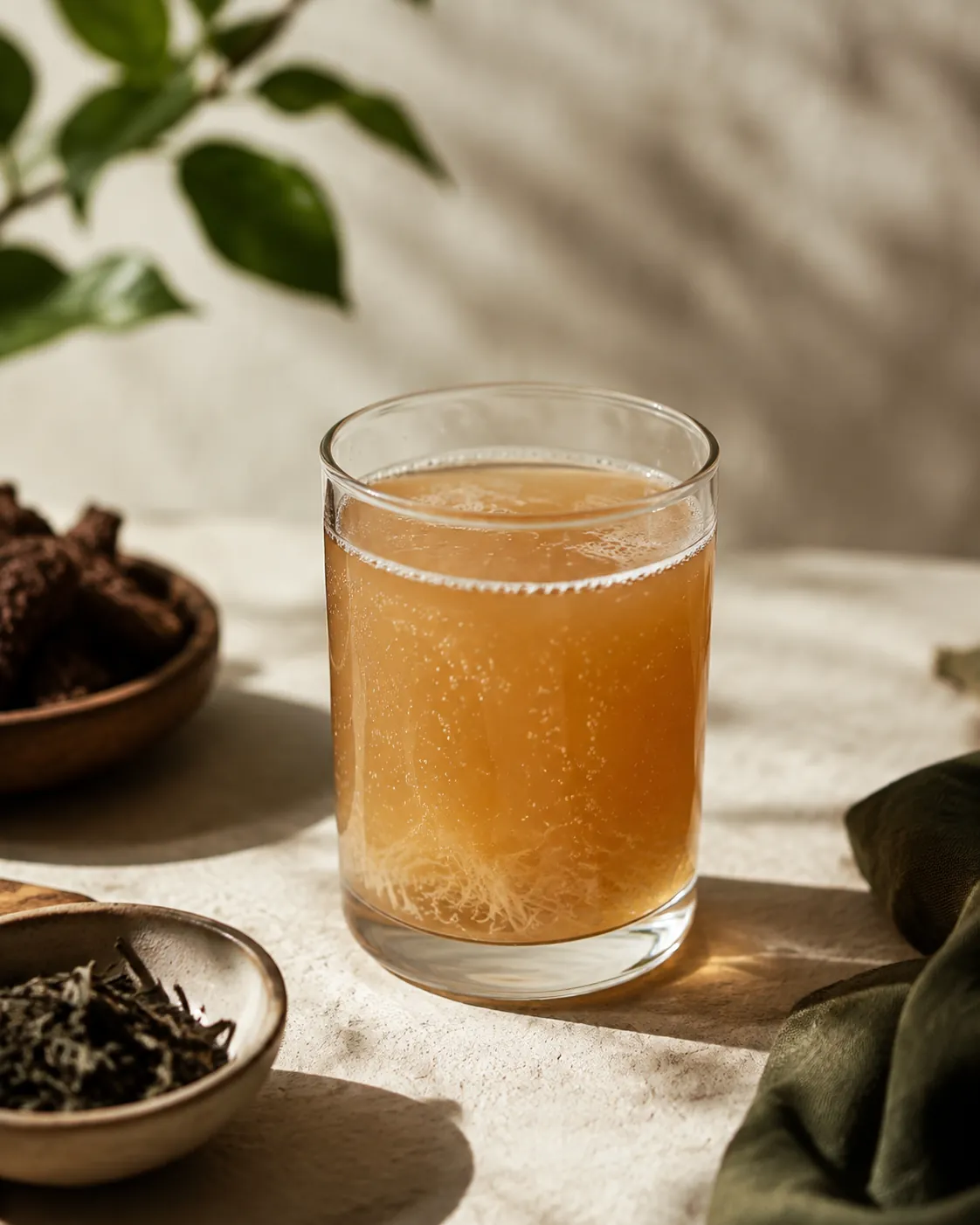
What Is Kombucha? Fermented Sweet Tea, and a Two-Stage Relay
Kombucha is fermented sweet tea, and two organisms work on it in sequence: yeasts make alcohol from the sugar, and...
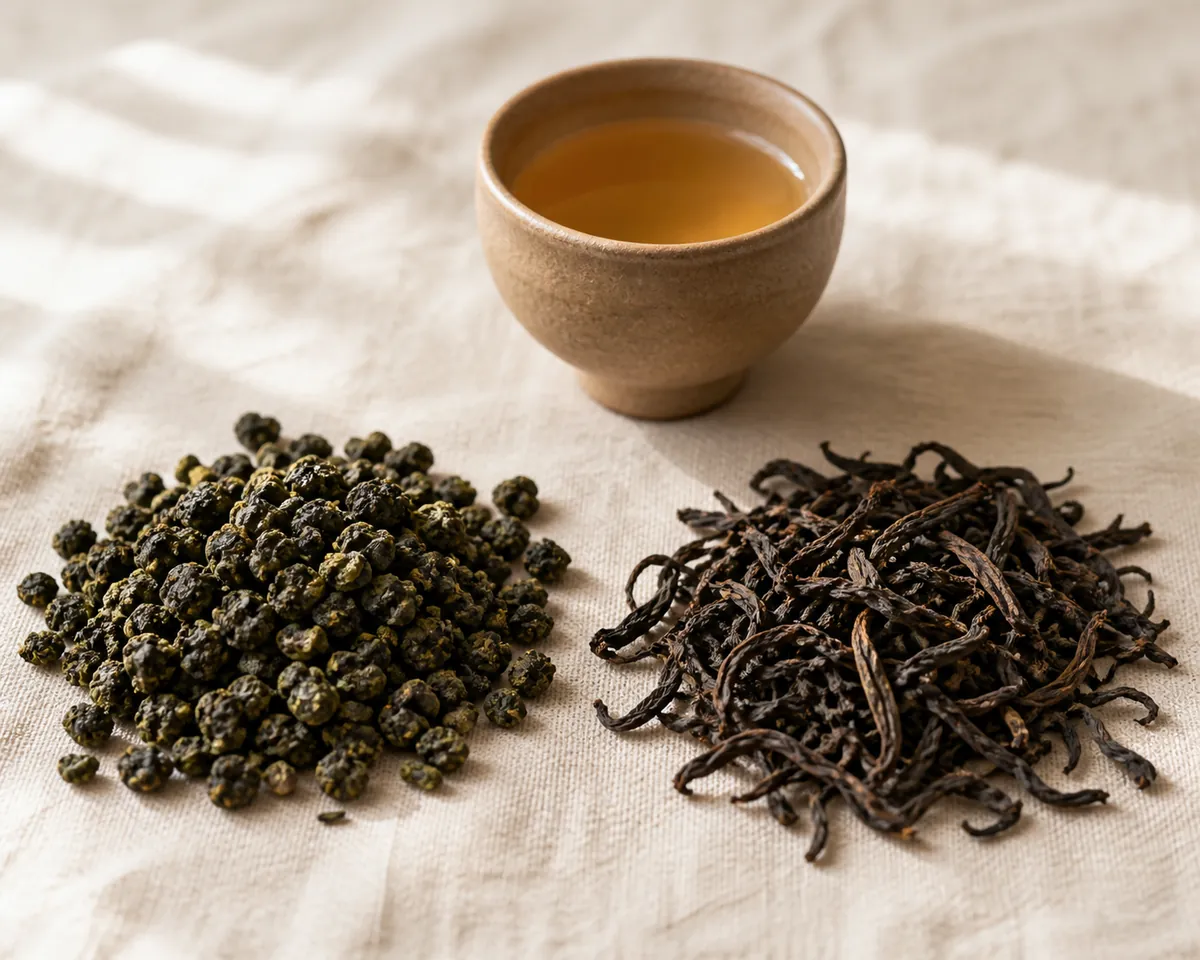
What Is Oolong Tea? The Whole Band Between Green and Black
Oolong is the widest category in tea. It covers everything between green and black, so two teas both correctly called...
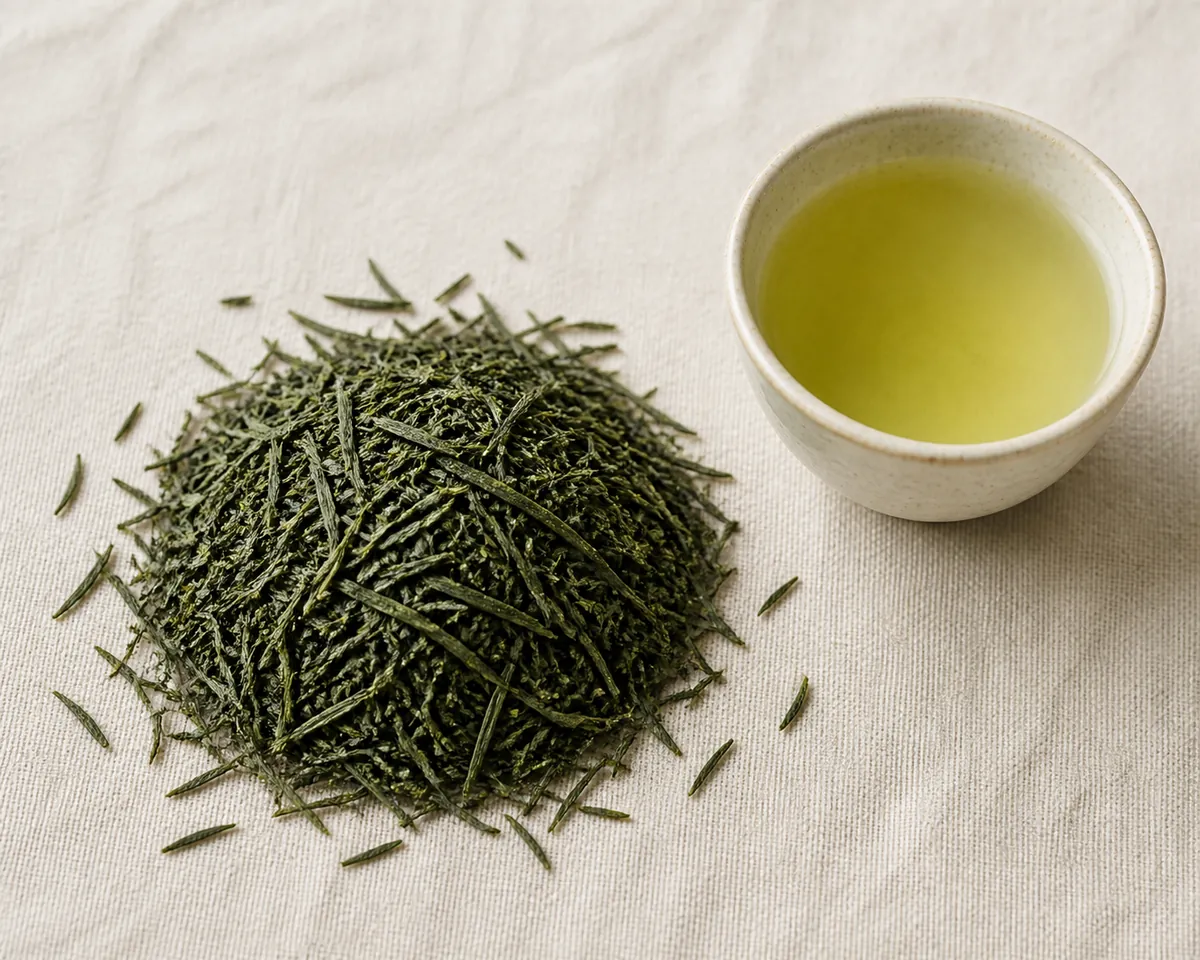
What Is Sencha? Why Steaming Time Decides the Cup
Sencha accounts for most of the tea drunk in Japan. The variable that separates one from another is not origin or grade...
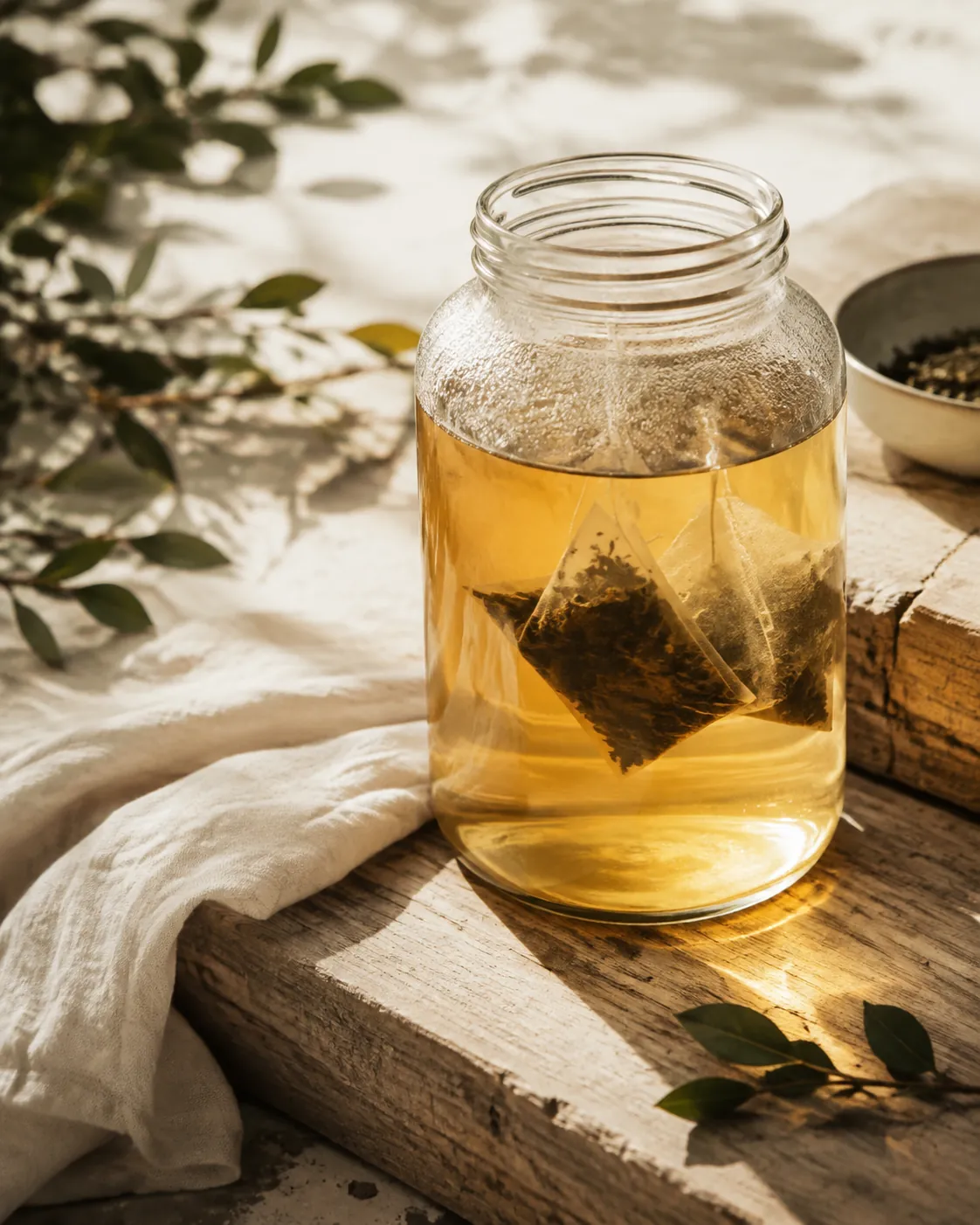
What Is Sun Tea? Sunlight Warms It, It Does Not Brew It
Sunlight does not brew sun tea, it only warms the water, and not by much. Everything that makes the drink mild, sweet...
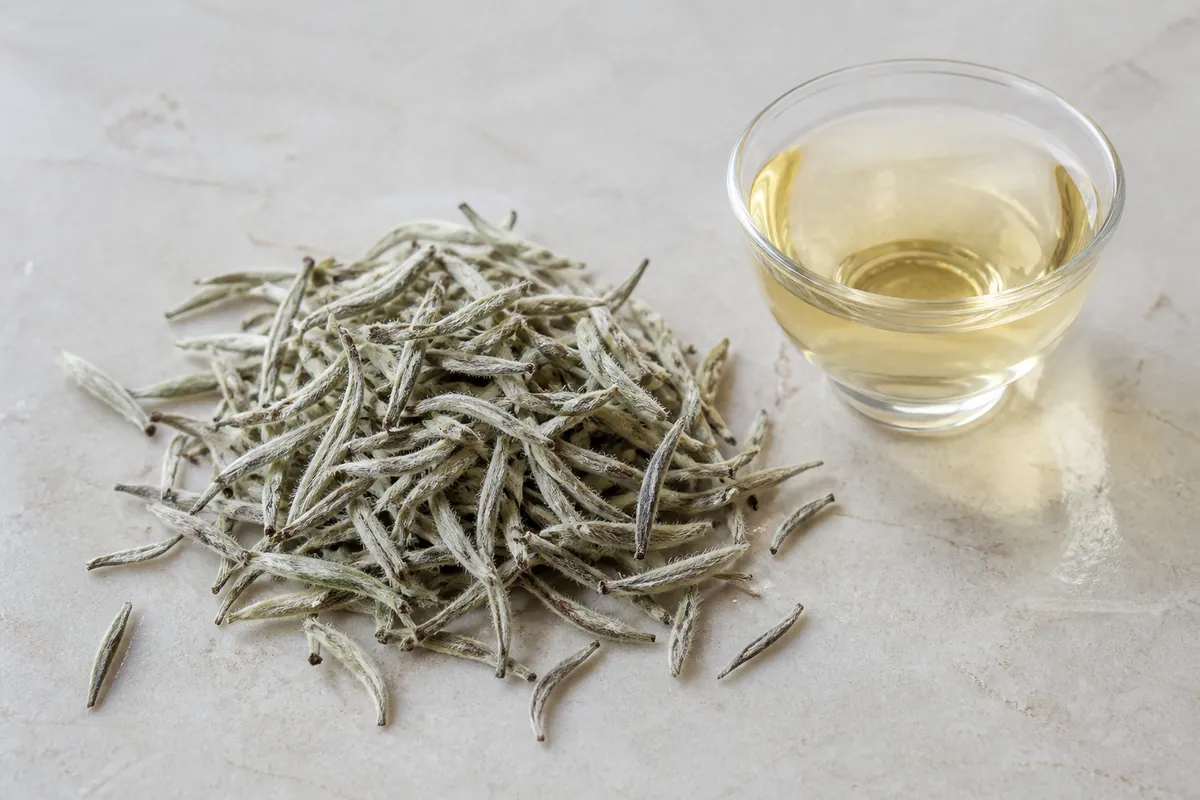
What Is White Tea? Neither Heated to Stop Nor Rolled to Start
White tea is the least processed of the true teas. It is not heated to stop oxidation and not rolled to start it, which...
More drinks worth knowing
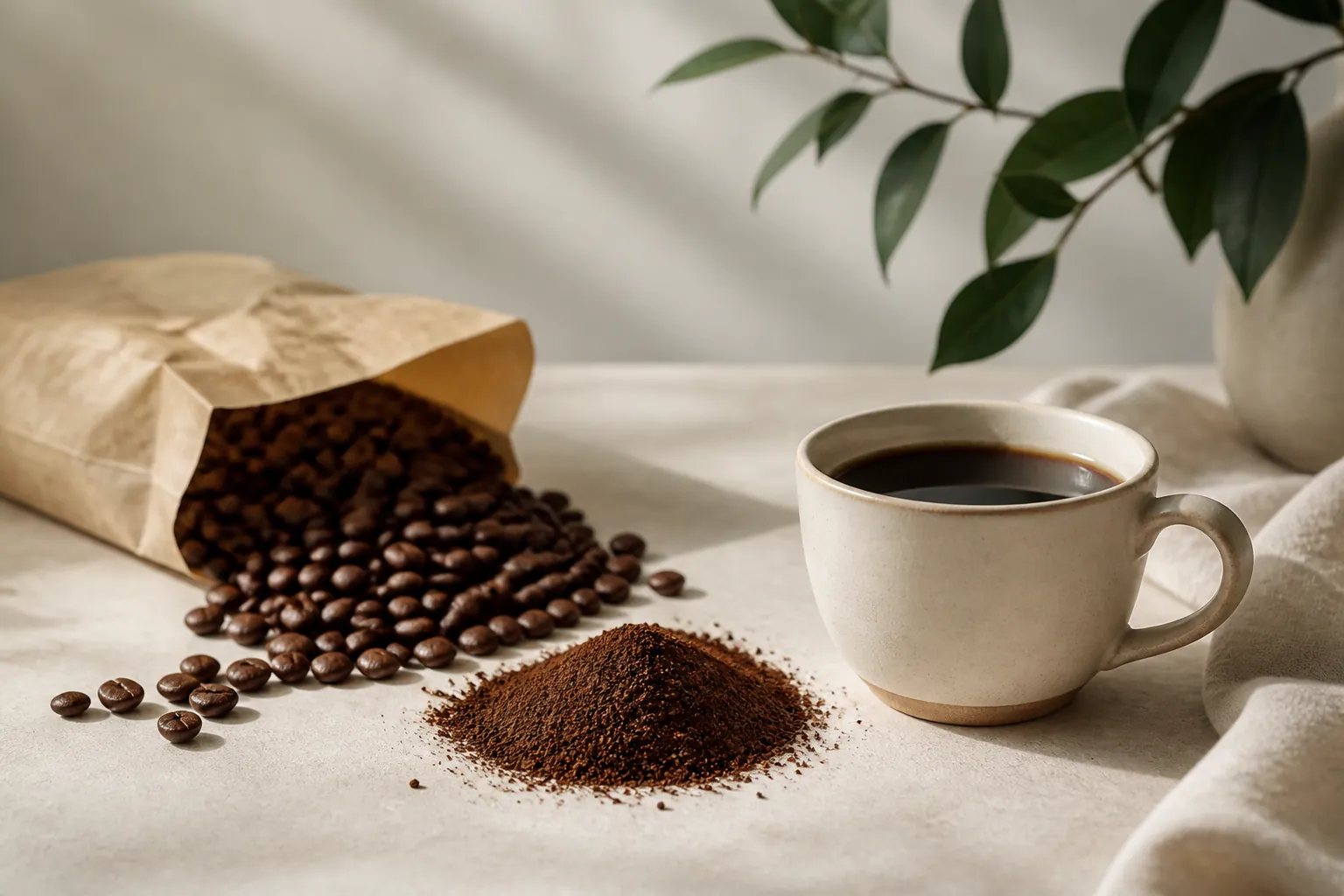
Coffee
Four things decide what lands in your cup: the bean, the grind, the water, and the time they...
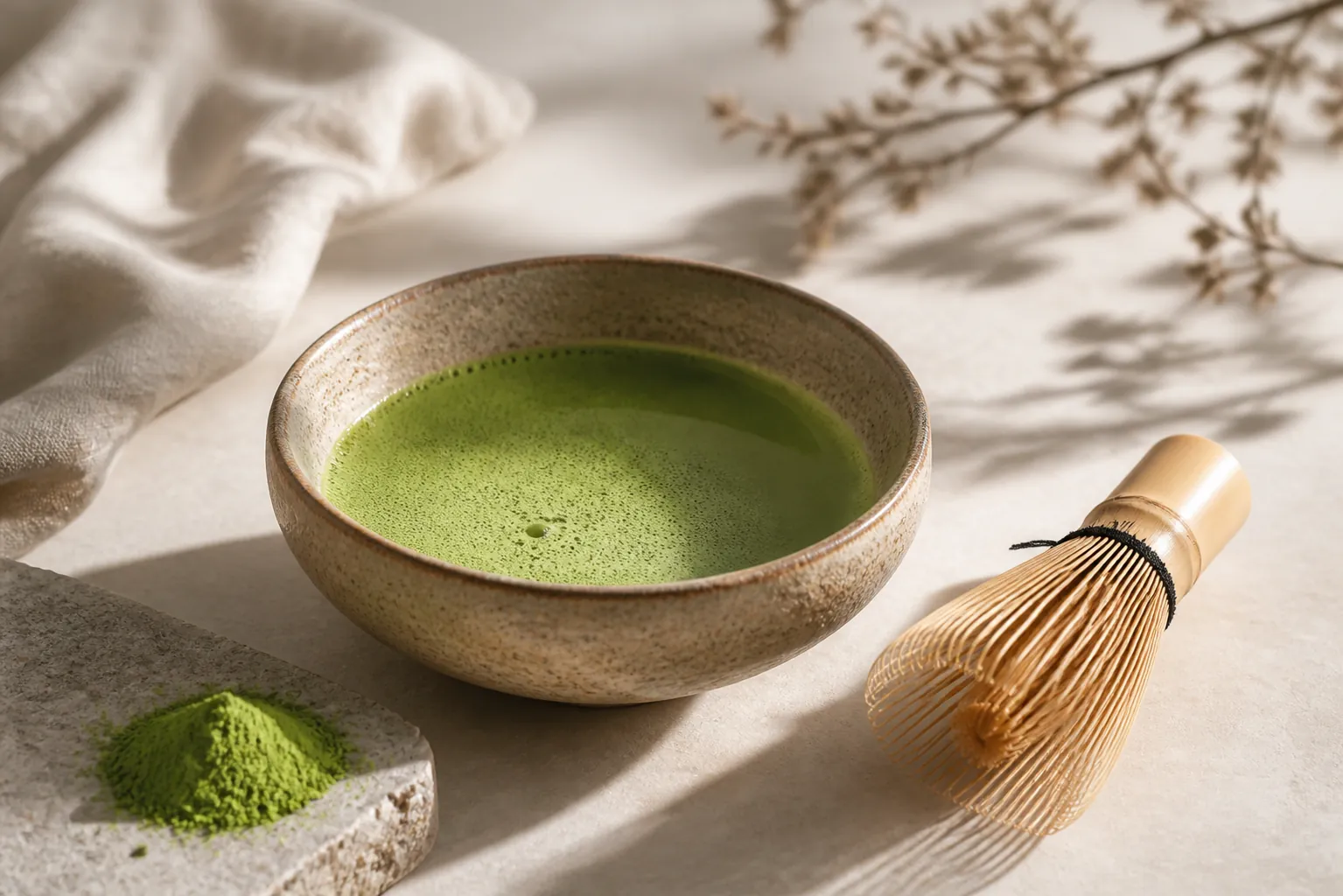
Matcha
Matcha is not steeped and strained like other tea. The leaf is ground to powder and suspended...
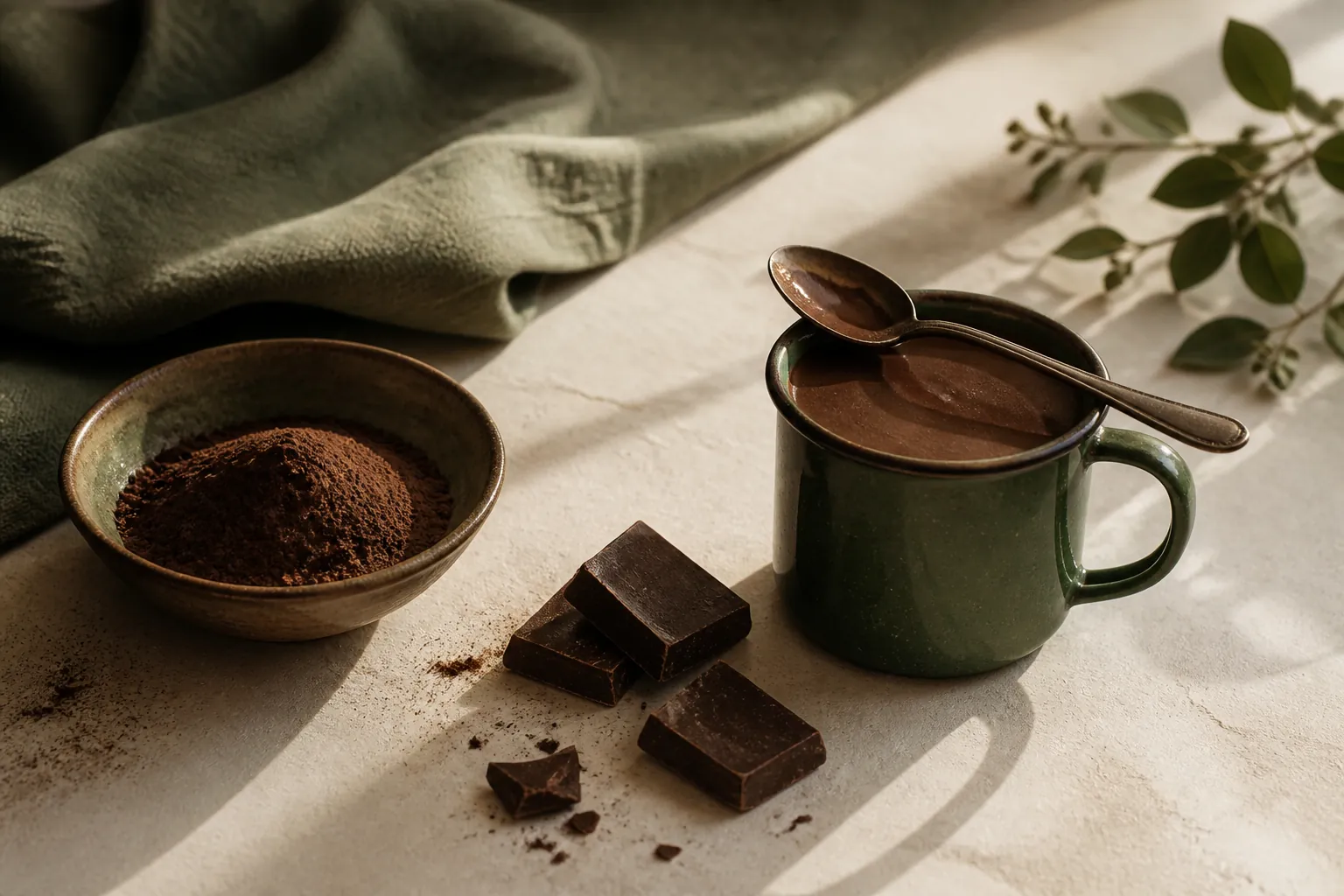
Cocoa
Cocoa powder and drinking chocolate are not the same product, and they do not behave the same...