
What Goes Into the Cup
A drink is mostly water, and often mostly whatever you added to it. These are the components, and what each one changes about taste and texture.
Coffee is around 98 percent water by weight, and tea more still. That makes water an ingredient rather than a neutral background, and its mineral content measurably changes what you taste.
The same goes for the things people add without thinking: the milk or plant drink, the sweetener, the syrup. Each one changes body, sweetness, and how the other flavours read.
Sweeteners are not interchangeable, and the difference is rarely sweetness. Where they part company is how they dissolve, what body they add, and whether they carry a flavour of their own.
Temperature decides which of them work. Granulated sugar will not dissolve in a cold drink and syrup will, which is the whole reason simple syrup exists.
Acid does more than sour. Citric and malic acid lift aroma and sharpen a drink that reads flat, and the same acidity is what makes a plant drink split against a hot shot of coffee.
Aromatics live in oils rather than in juice.
The smell of lemon sits in the peel, not the flesh, which is why a strip of zest does more for the impression of lemon than another squeeze does.
Spices behave the same way and fade the same way. Whole pods and quills hold their oils for months where ground spice loses them in weeks.
The Ingredients That Change a Drink Most
Water, milk, sugar, and acid do more to a glass than any recipe step does.
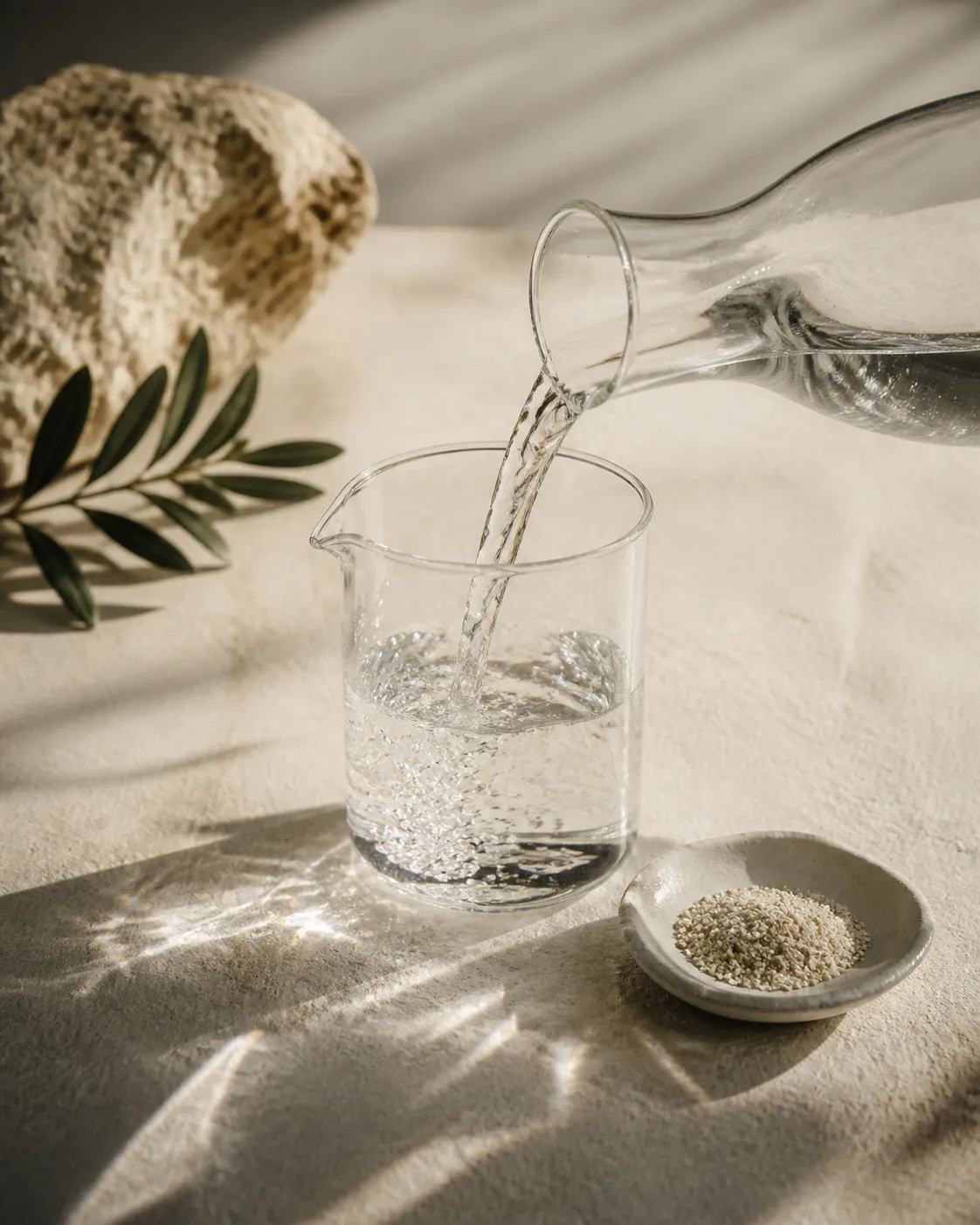
Brewing Water, and Why 98 Per Cent of the Cup Is Not Neutral
Coffee is roughly 98 percent water by weight, and tea more still. Water is not a neutral background to a drink, it is...
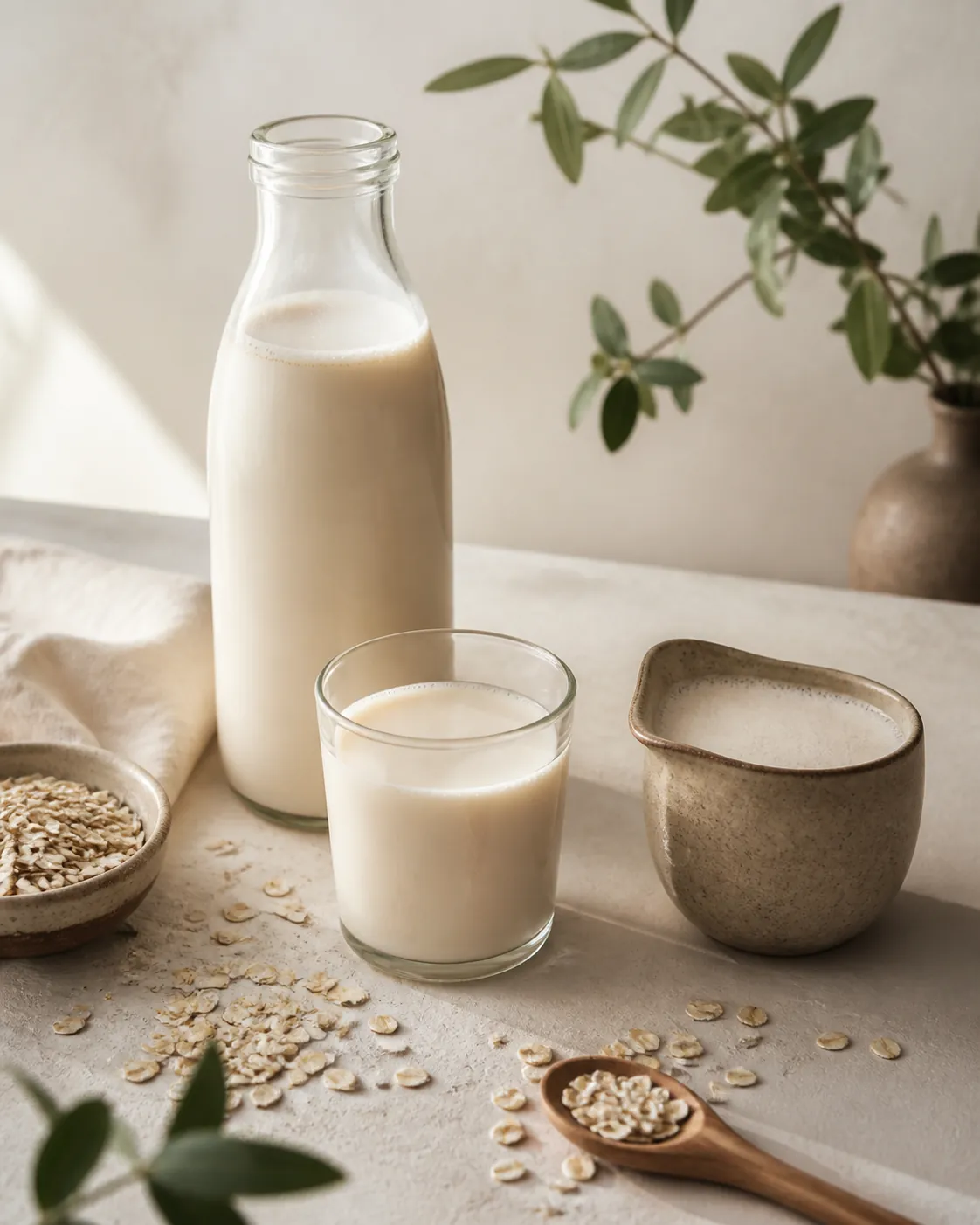
Oat Drinks, and the Enzymes That Make Them Sweet
Oat drinks are made by treating oats with enzymes that break their starch into sugars. That single step explains the...
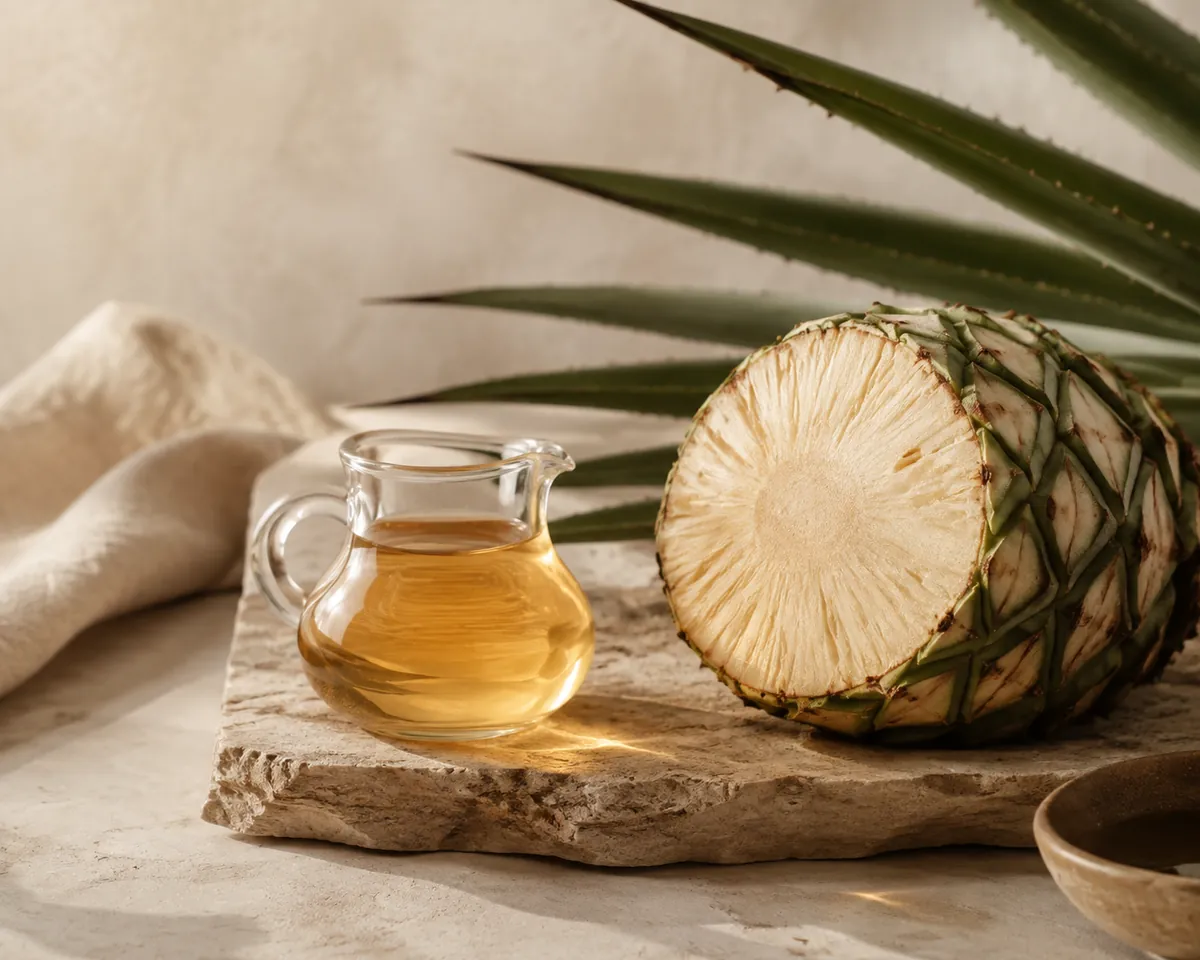
Agave Syrup, and Why Fructose Behaves Unlike Table Sugar
Agave syrup sweetens with fructose rather than the sucrose in table sugar. That one difference sets the dose, explains...
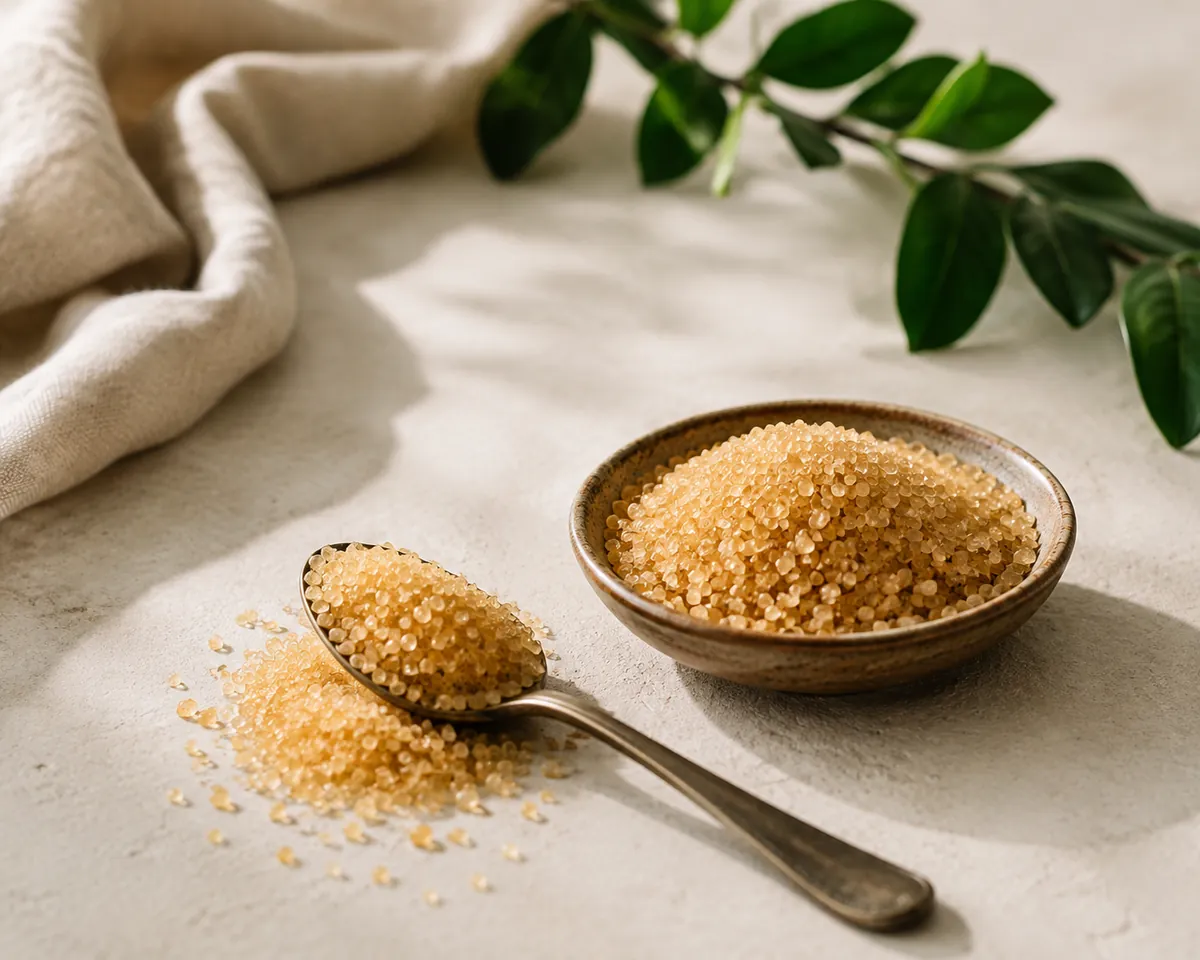
Cane Sugar, and the Three Jobs It Does in a Glass
Cane sugar is doing three jobs in a glass, and sweetness is only the first. The other two explain why a drink with the...
More Ingredient Guides
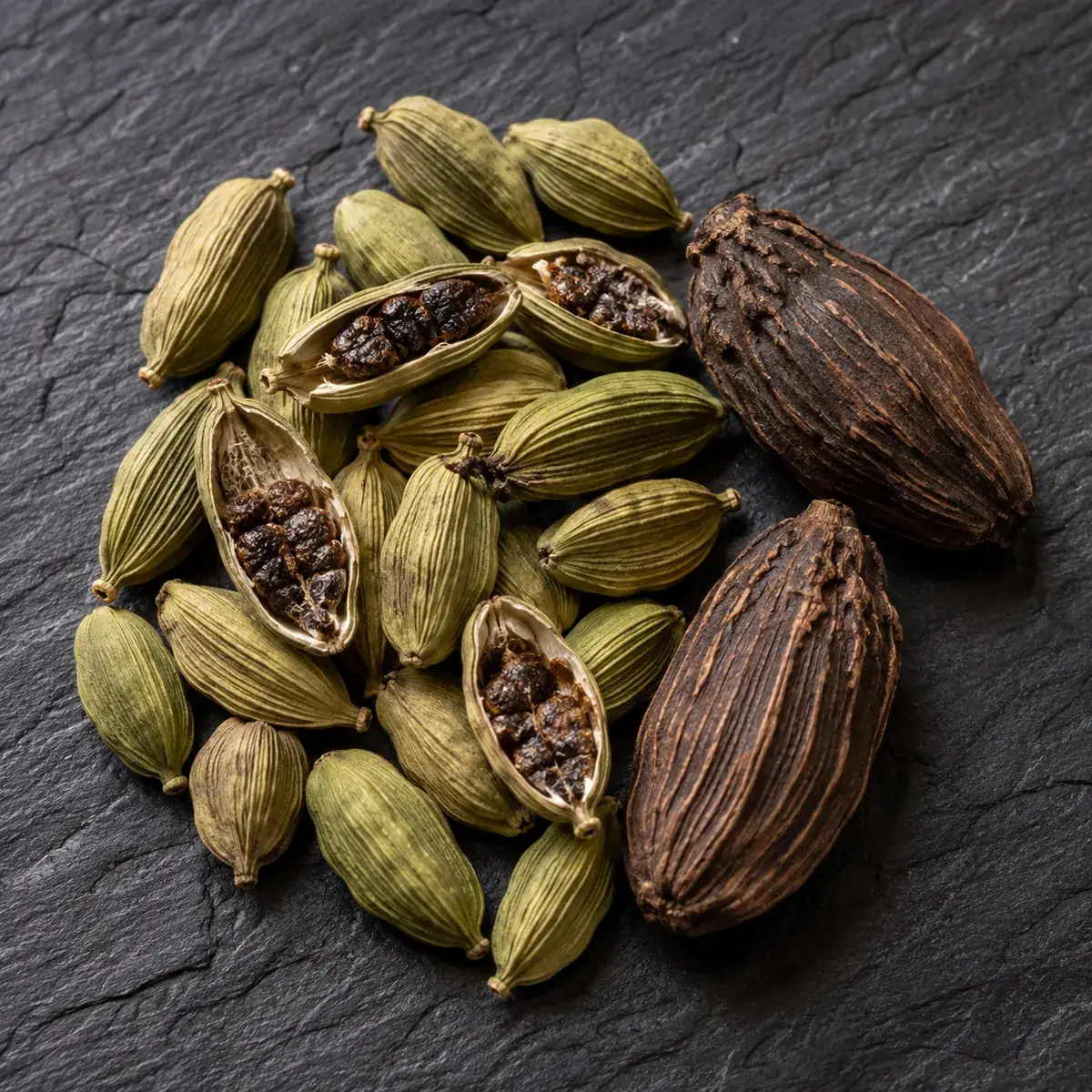
Cardamom in Drinks, and Why the Pod Beats the Powder
Cardamom is sold as pods for a reason: the seeds inside lose their aroma within weeks of being ground. Buying it...
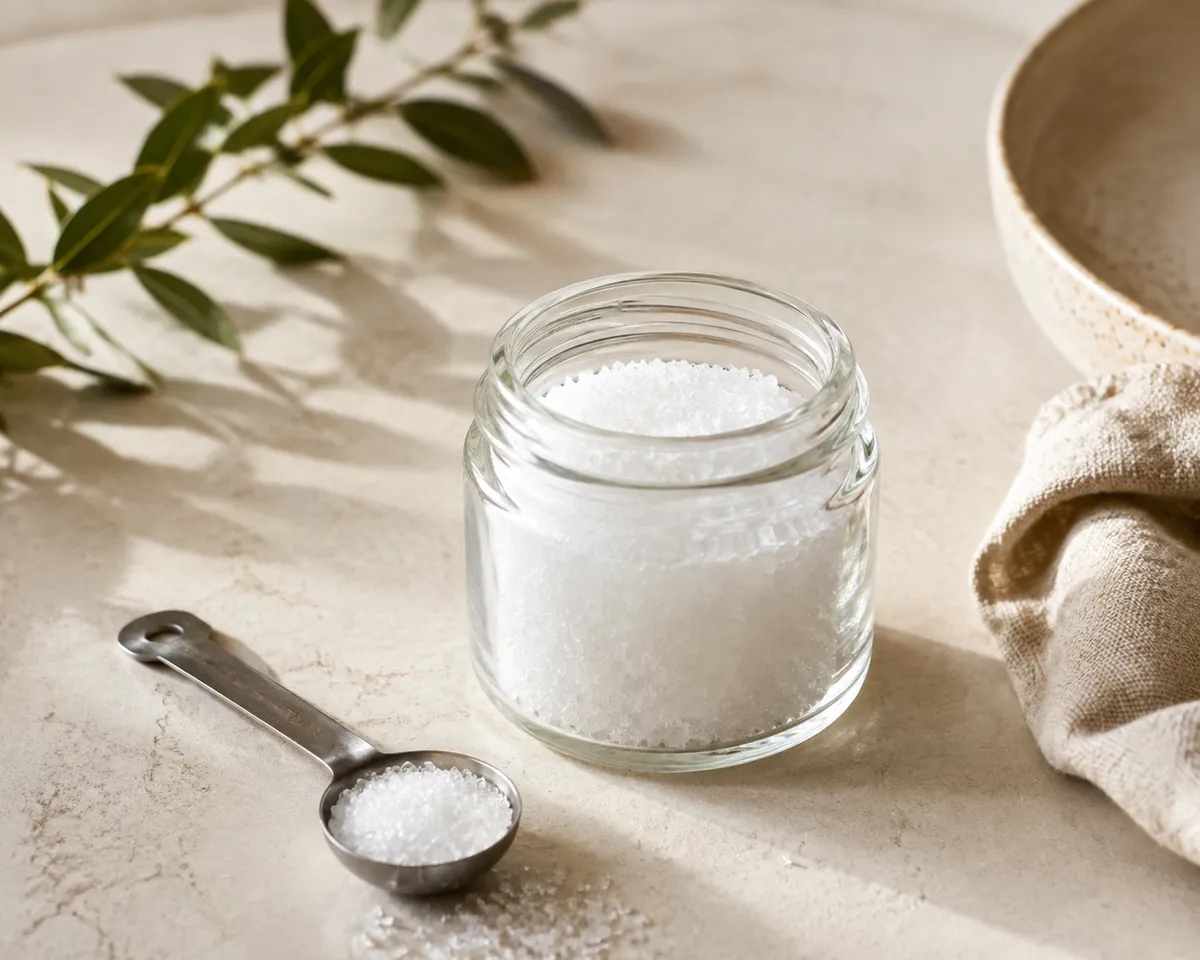
Citric Acid, the Sourness Behind Most Soft Drinks
Citric acid is the sourness in most soft drinks, sold as a powder roughly twenty times stronger by weight than lemon...
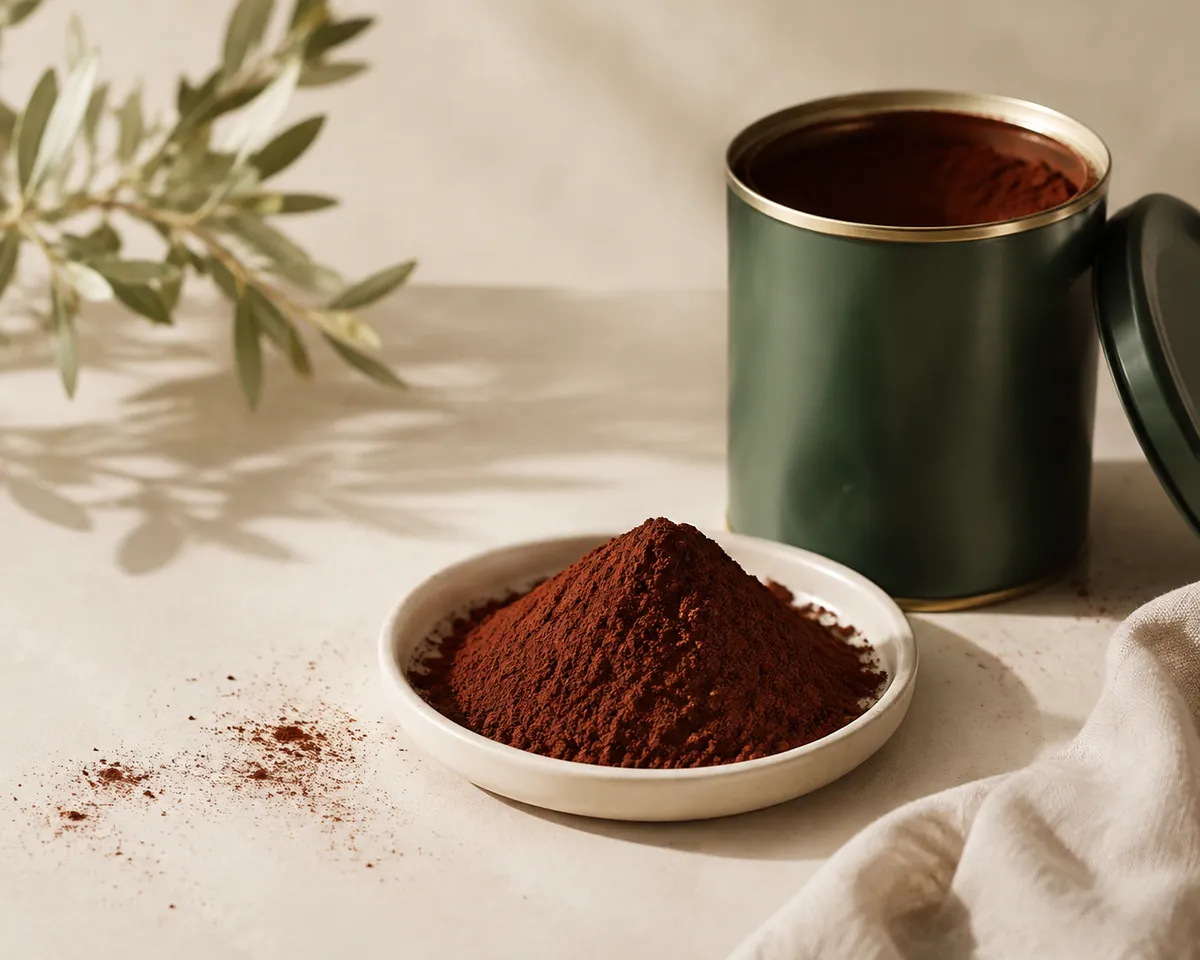
Cocoa Powder, a Ground Solid That Never Dissolves
Cocoa powder is a ground solid, not a syrup or an extract, and it never dissolves. It hangs in the liquid as a...
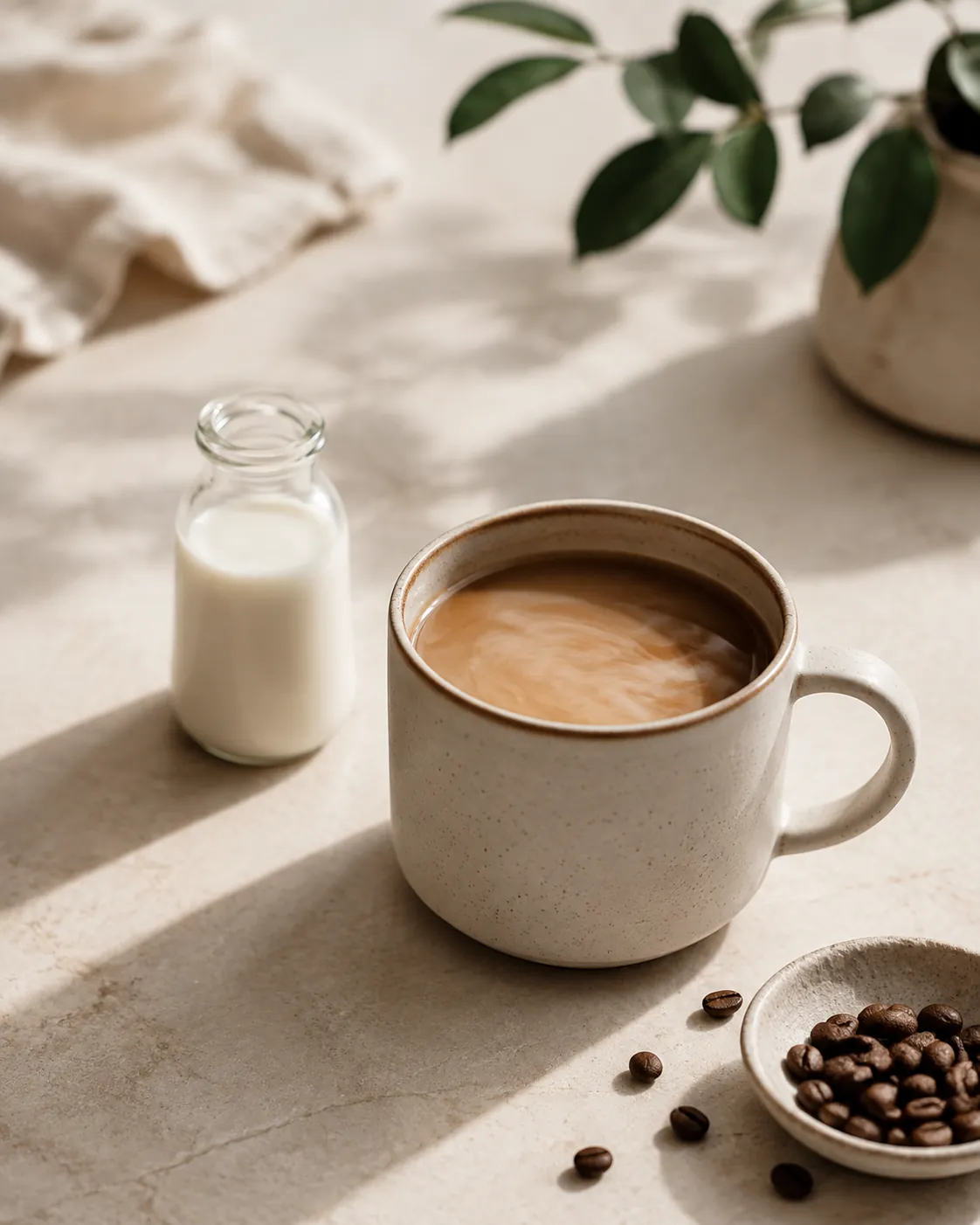
Coffee Creamer, and What It Imitates About Milk
Coffee creamer is not imitating milk, it is imitating what milk does in a cup. That narrower brief explains the...
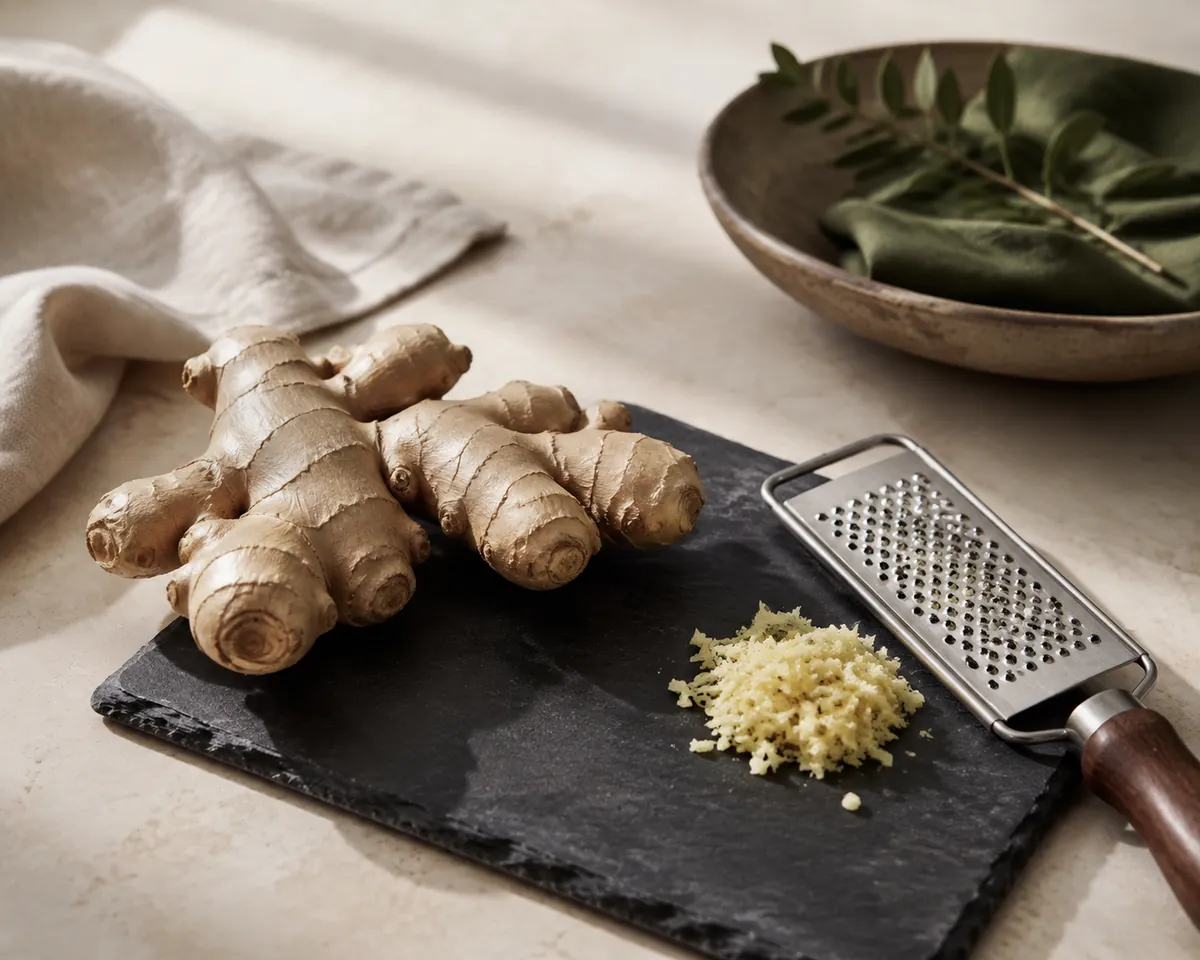
Ginger, and the Two Unrelated Things It Does in a Glass
Ginger does two unrelated things in a glass. One is a smell that leaves with the steam, and the other is a burn that is...
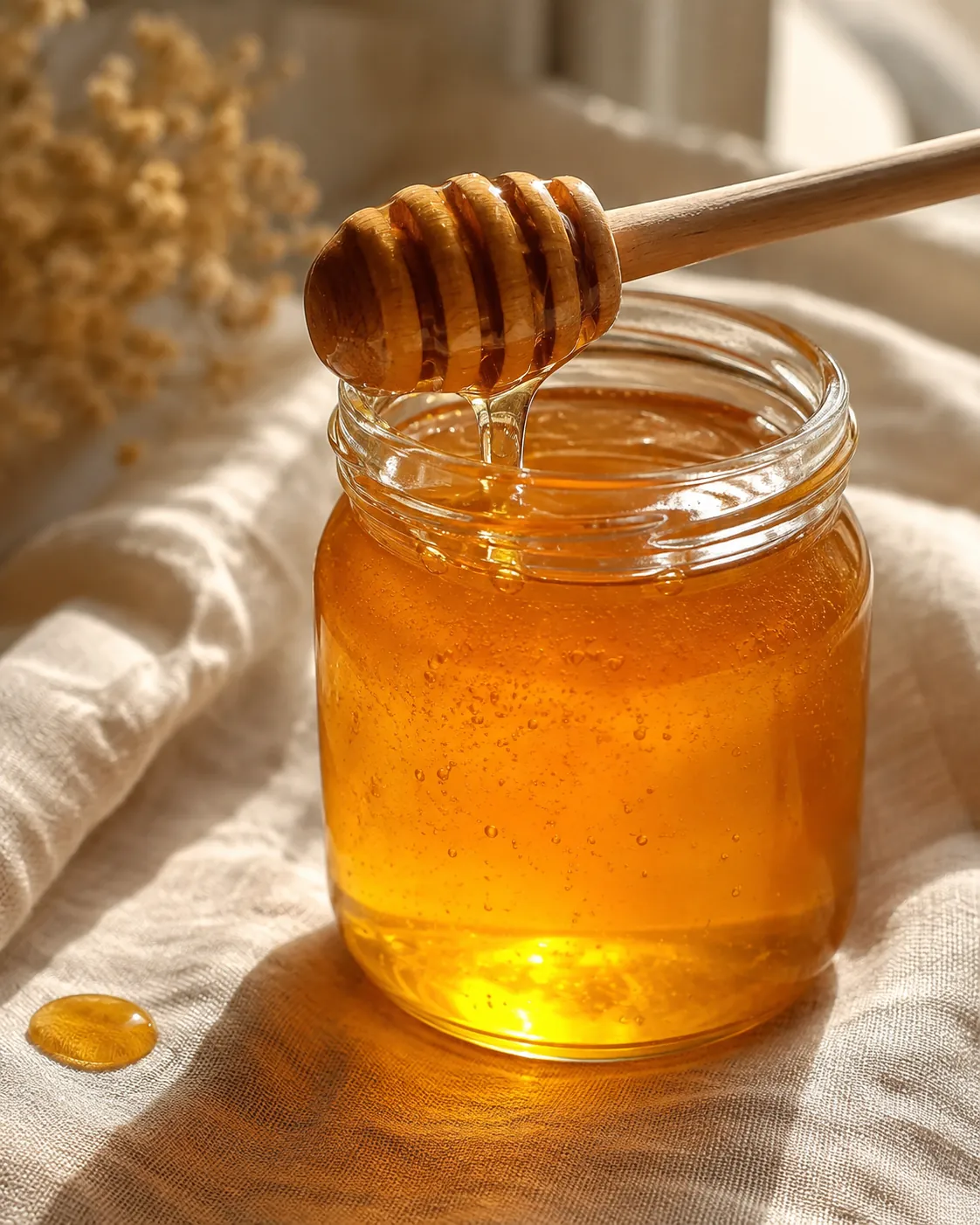
Honey in Drinks, and Why It Will Not Dissolve Cold
Honey is not a like-for-like swap for sugar. It is roughly 17 per cent water, more acidic, and far more strongly...
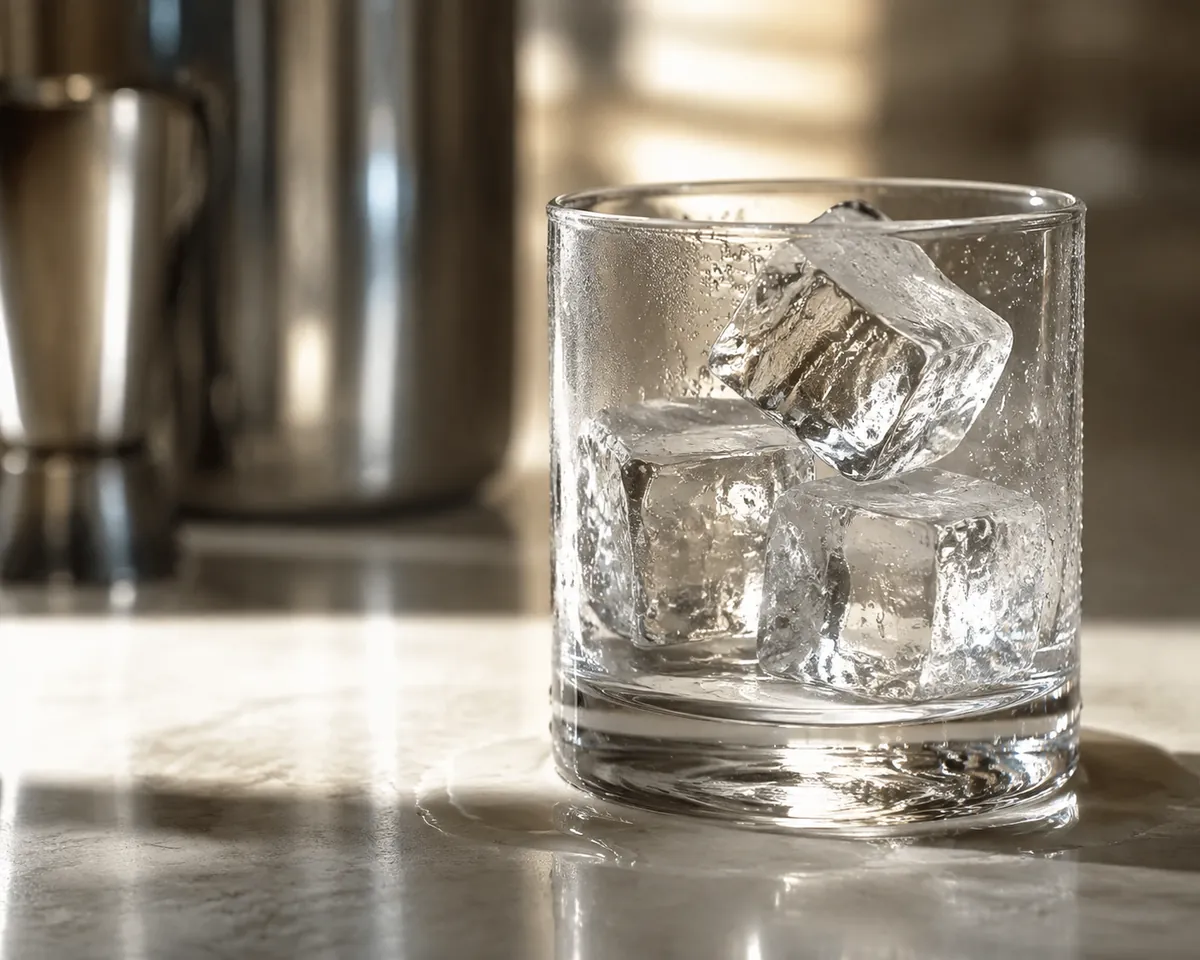
Ice Keeps Changing the Drink After You Pour It
Ice is the only ingredient that keeps changing the drink after it is served. Treating it as filler is why so many iced...
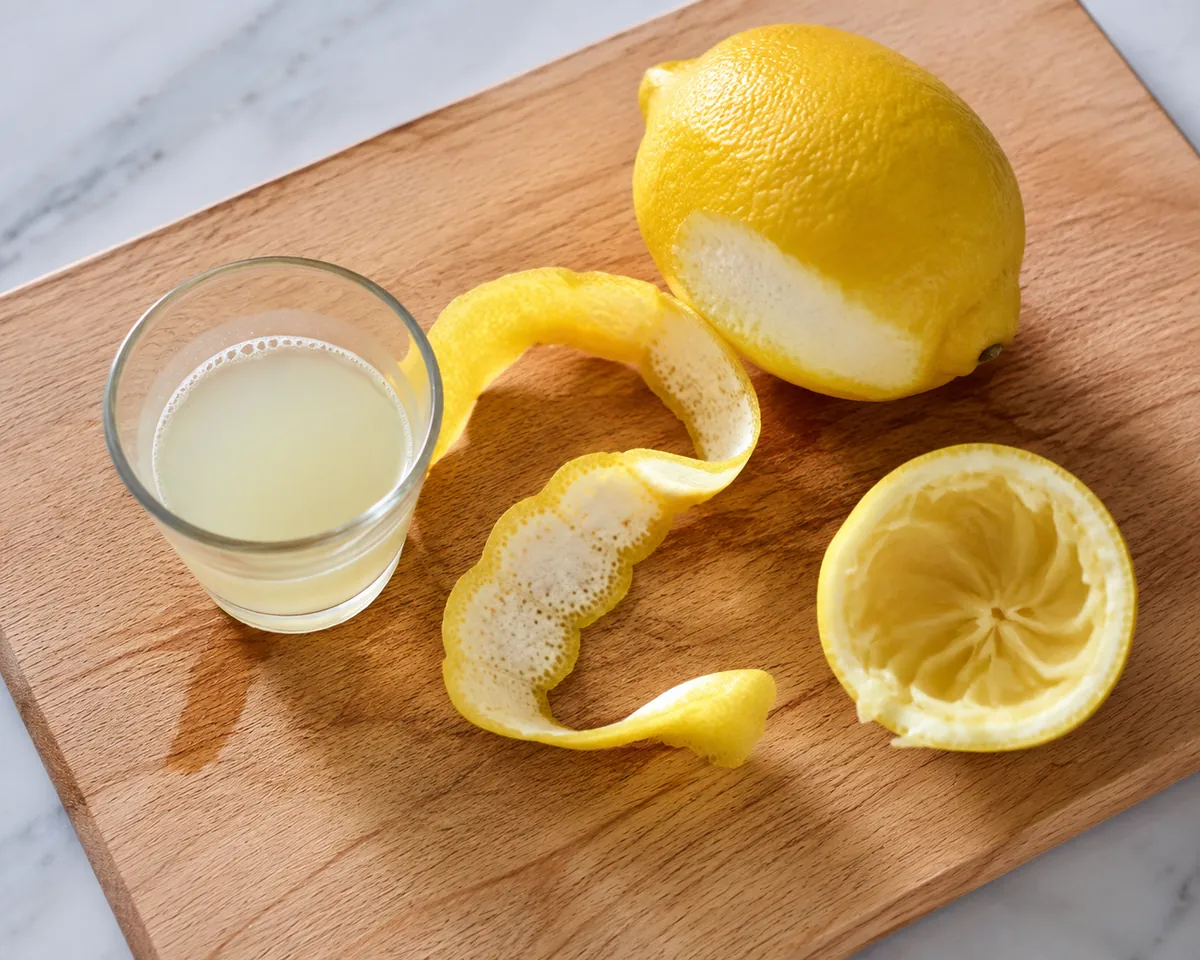
Lemon Gives a Drink Three Things, and They Behave Differently
A lemon offers three separate ingredients. The juice is acid, the zest is aroma, and the pith is bitterness, and most...
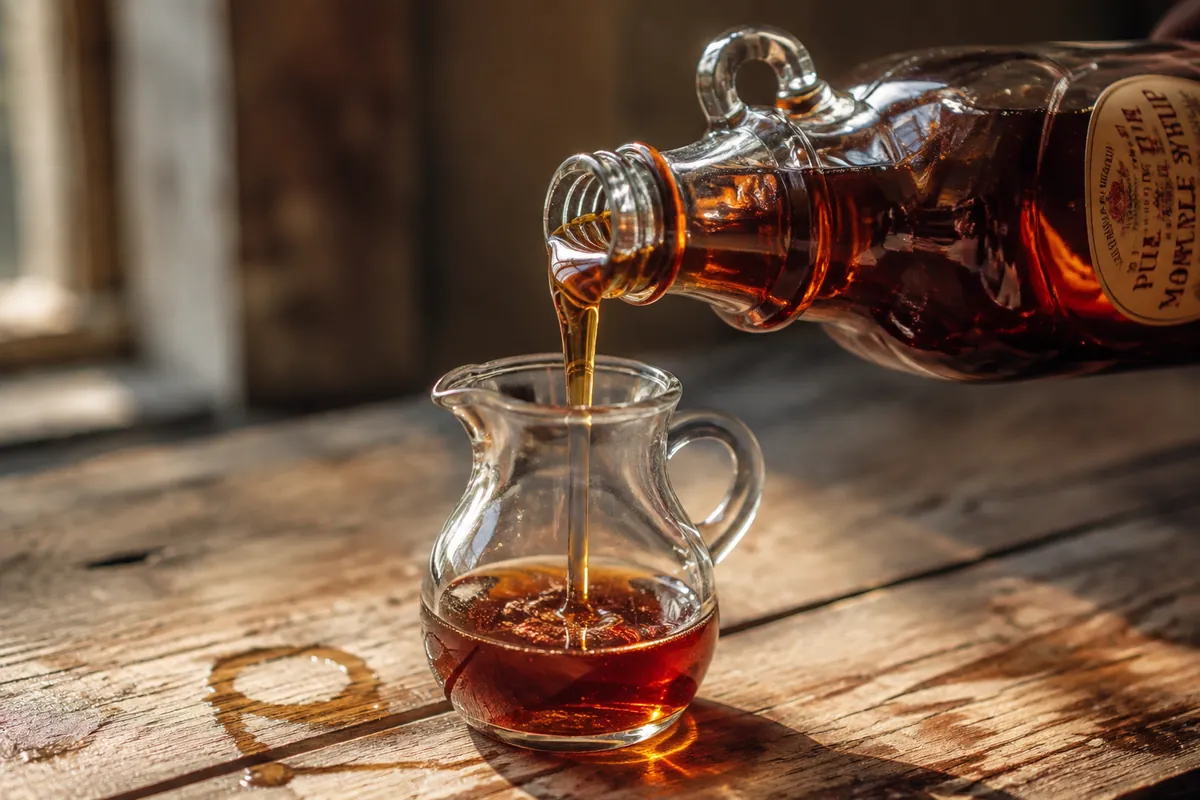
Maple Syrup in Drinks, and What the Grades Actually Mean
Maple syrup is sap boiled down about forty to one. The grade names changed in 2015 and now describe colour and strength...
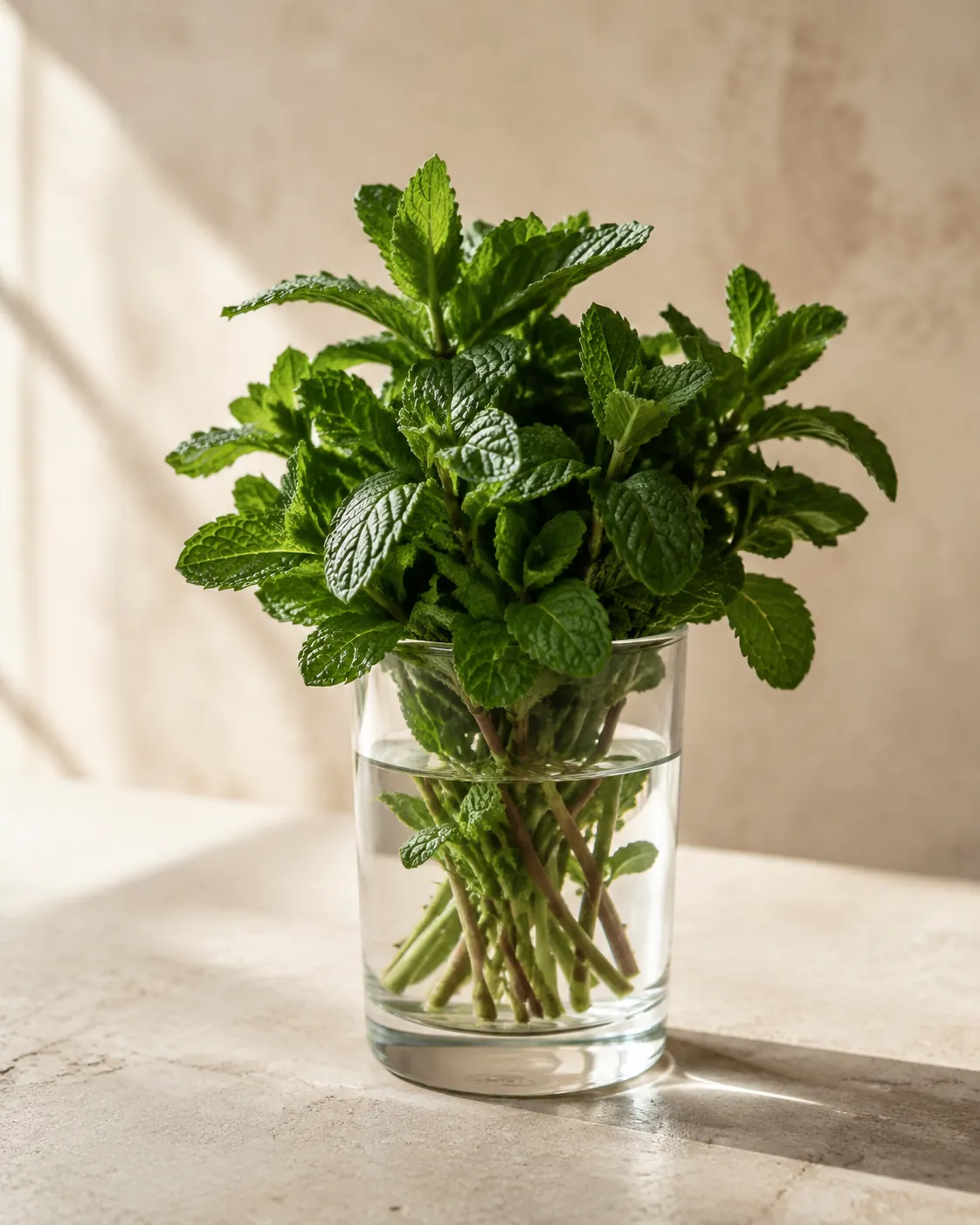
Mint, and Why It Is a Sensation Rather Than a Taste
Mint barely registers as a taste. It arrives as a smell and as a cooling sensation, and nearly every mistake made with...
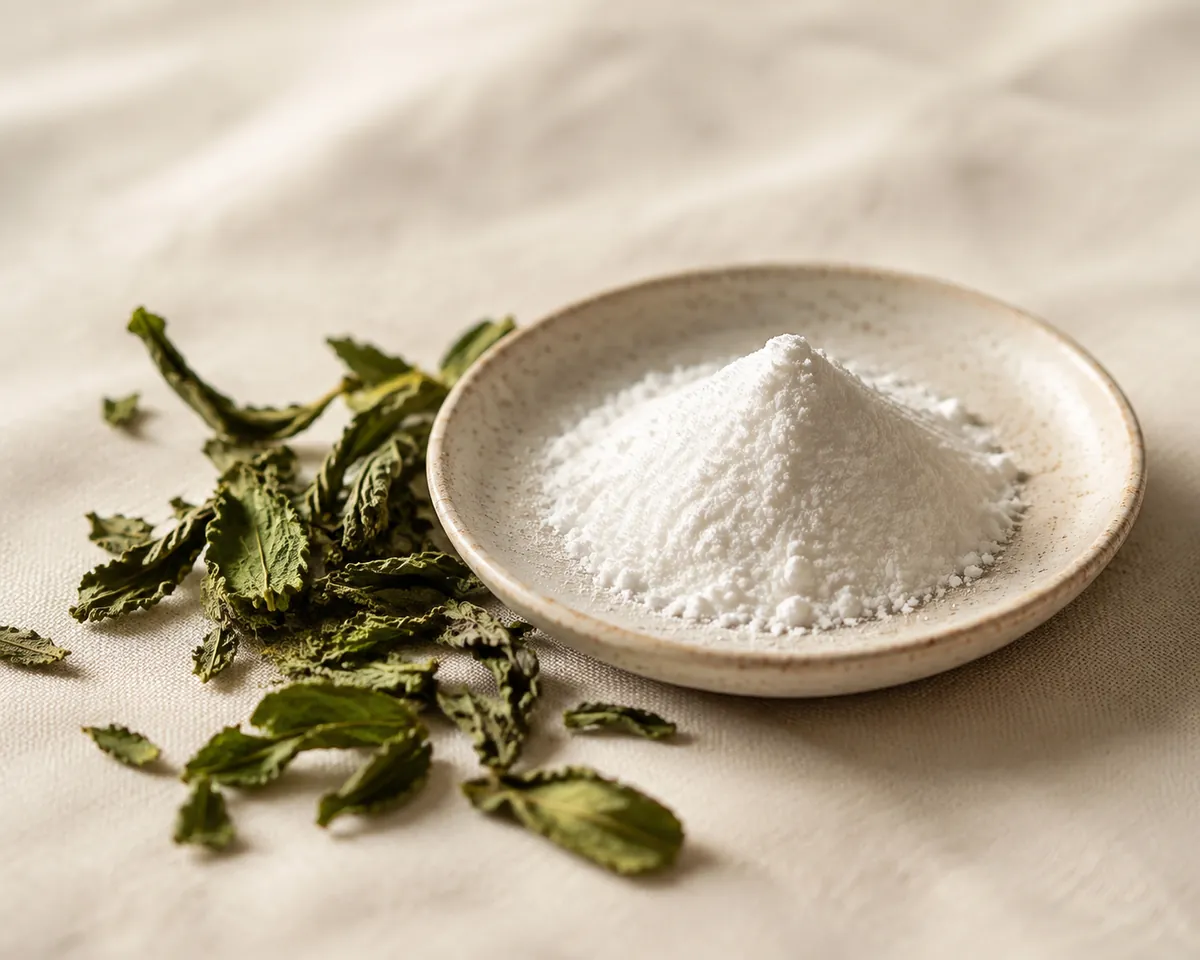
Stevia, and Why Doing Nothing Else Is the Whole Story
Stevia sweetens at a few milligrams a cup and does nothing else. That absence is the whole story, because a drink built...
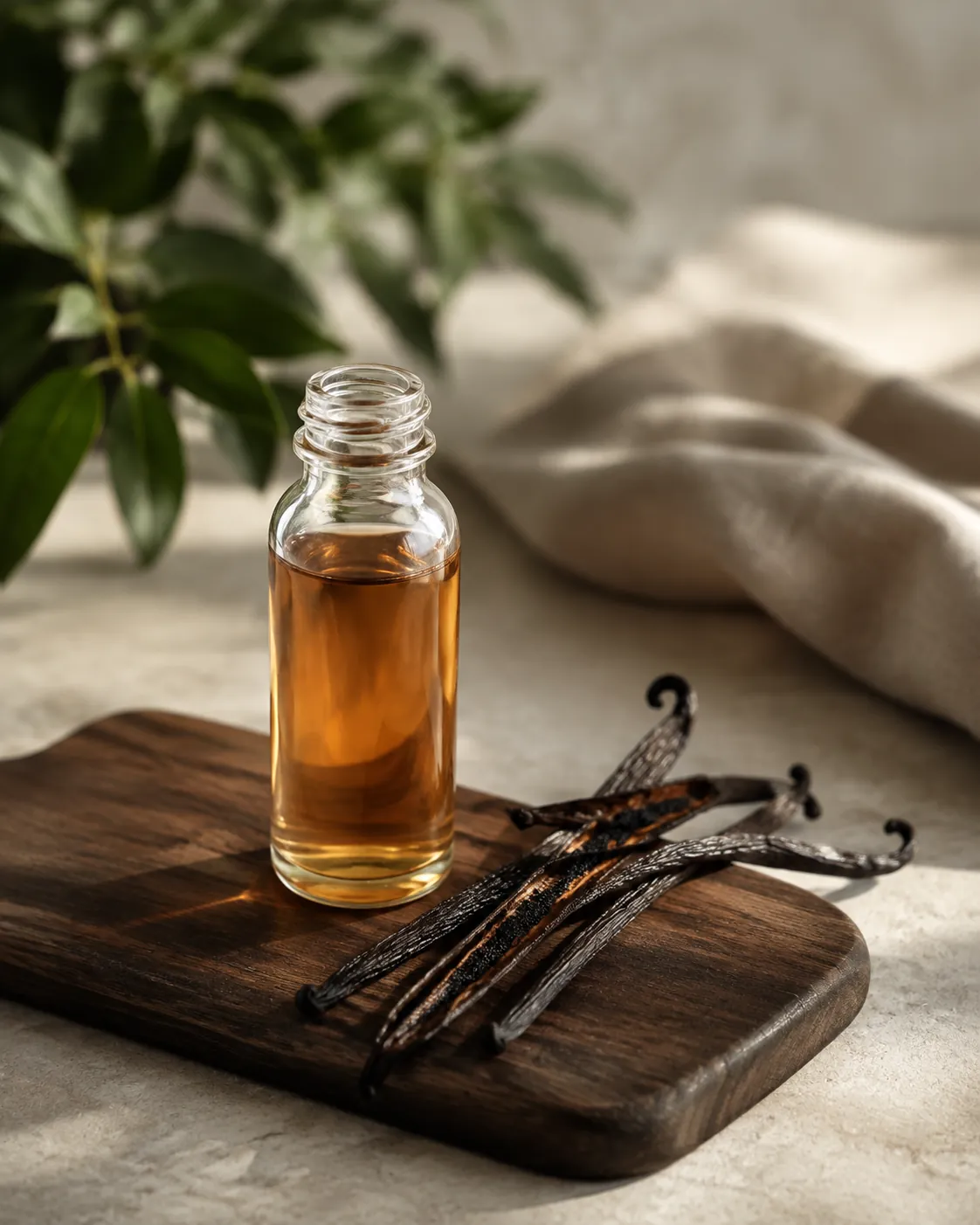
Vanilla Syrup, and Why Vanilla Has No Taste at All
Vanilla has no taste at all. It is an aroma, and the reason a drop of it makes plain water seem sweet is the same...
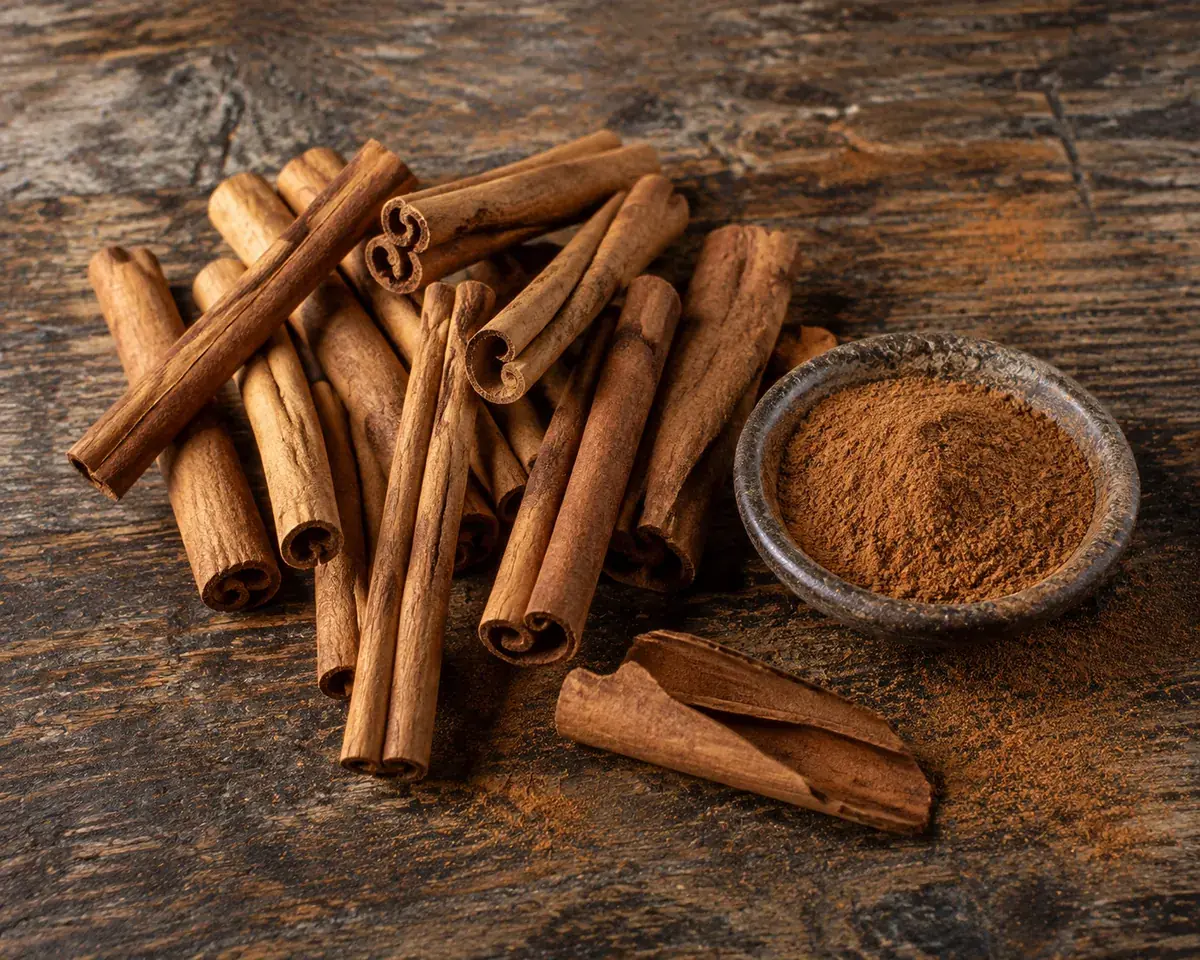
Which Cinnamon Belongs in a Drink, Cassia or Ceylon?
Most of what is sold as cinnamon is cassia, a related bark that is harder, hotter and roughly twice as assertive. In a...
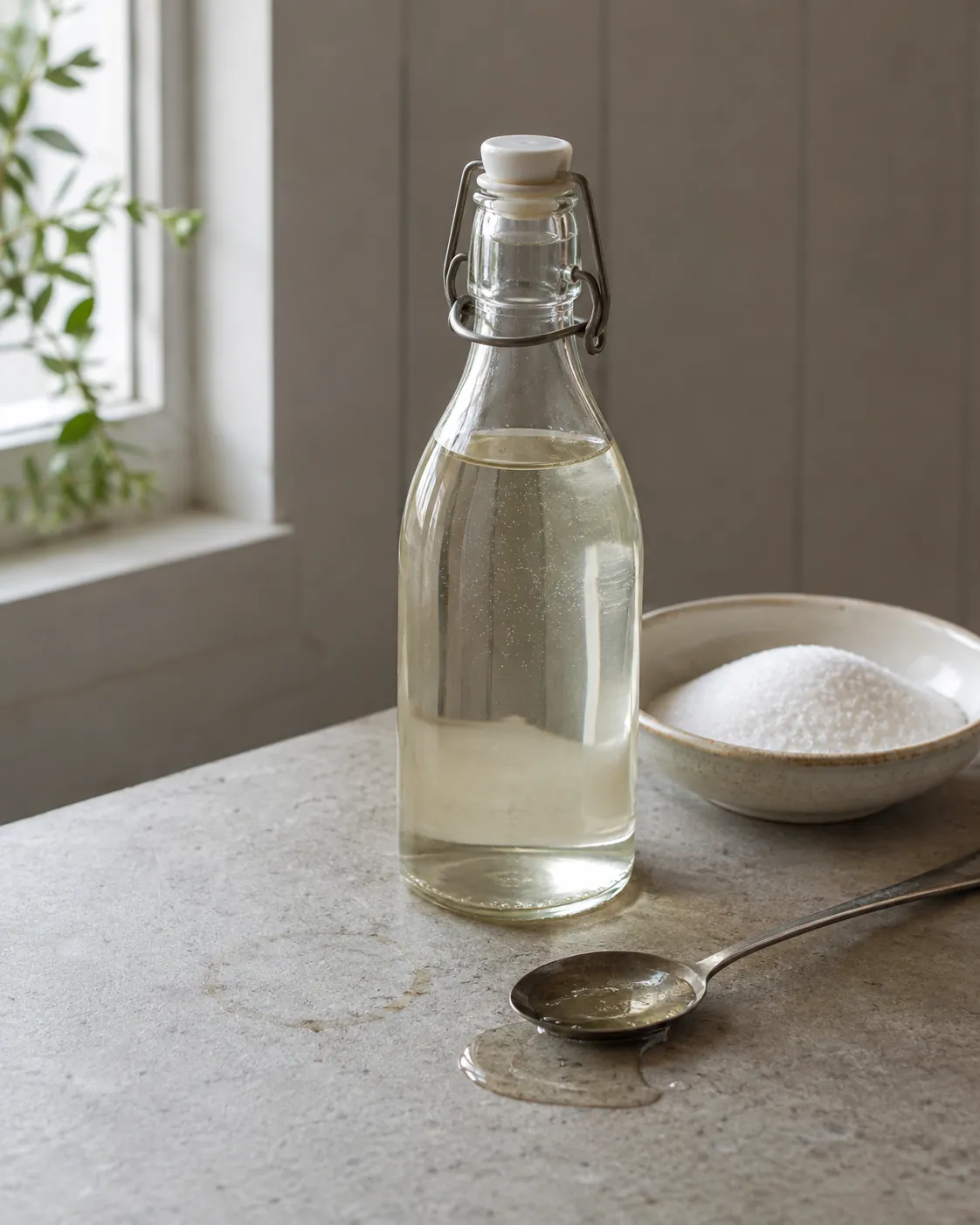
Why Cold Drinks Need Simple Syrup, and How to Make It
Sugar does not dissolve in a cold drink. Simple syrup exists to solve that one problem, and everything about how it is...
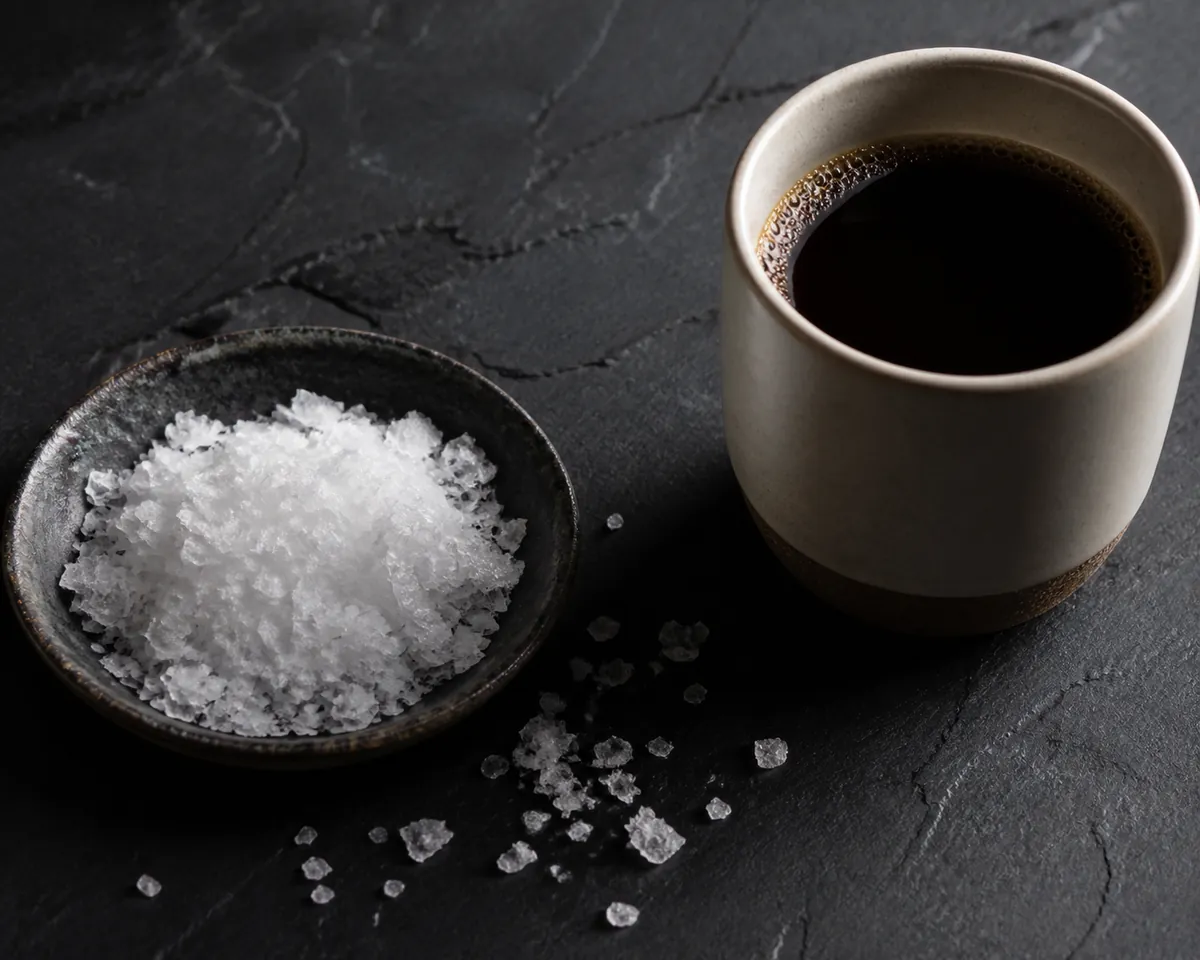
Why Salt in Drinks Improves Coffee, Cocoa and Tonic
Salt suppresses bitterness more effectively than sugar does. A pinch in coffee or cocoa is not a trick, it is the most...