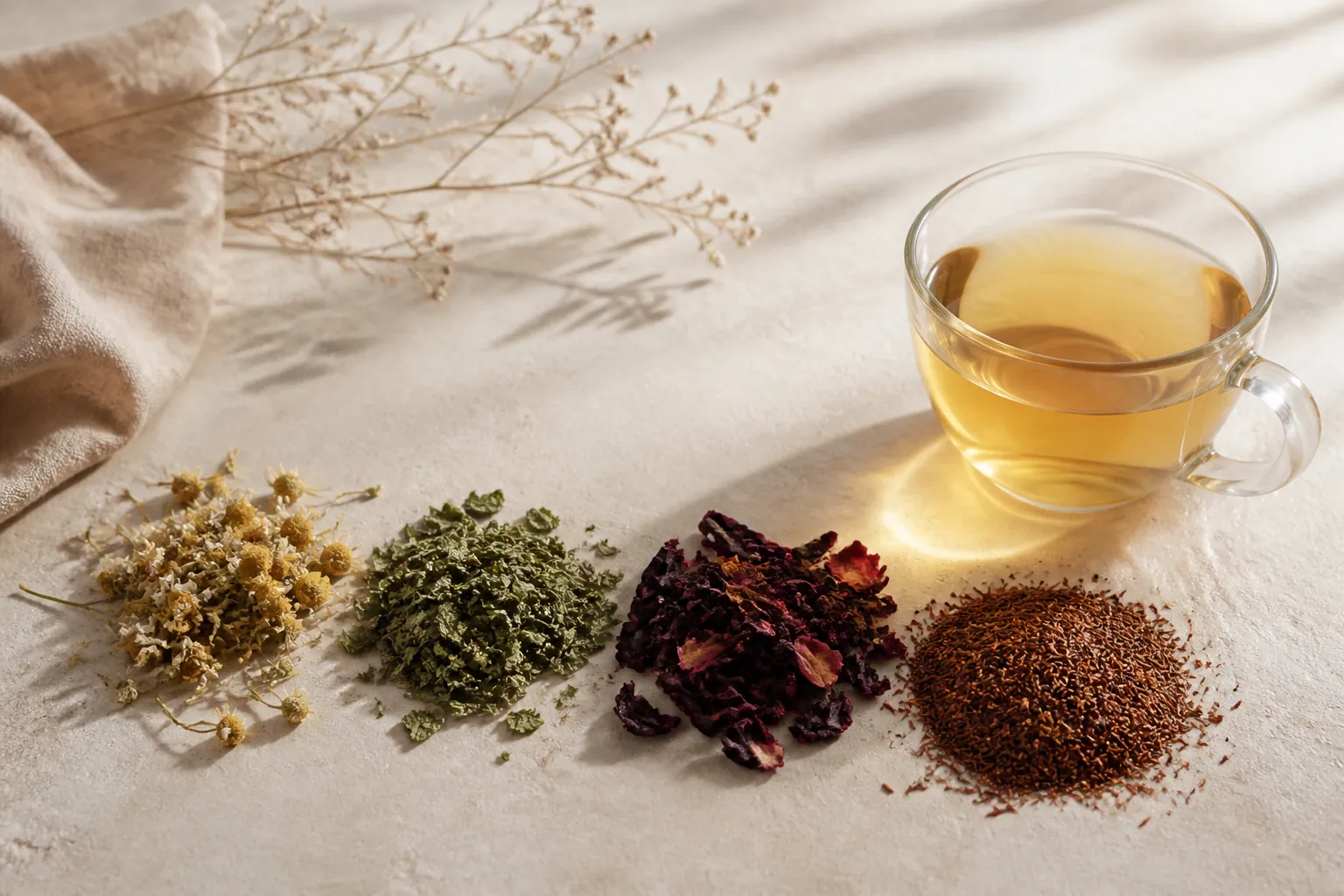
Herbal Drinks and Tisanes
An herbal infusion is not tea in the strict sense. It is made from something other than the tea plant, which is why most of them contain no caffeine at all.
Chamomile, peppermint, rooibos, hibiscus, and ginger are infusions of flowers, leaves, bark, and roots. Because they are not Camellia sinensis, calling them tea is a convenience rather than a botanical fact, and the term tisane is the more precise one.
Practically, that changes how you brew them. Most tisanes are far harder to over-steep than green tea, because they do not carry the same tannins, so a long steep deepens the flavour instead of turning it astringent.
The material decides the method, more than the name on the packet does.
A flower head, a leaf, a bark and a root give up their character at different rates and want different treatments.
Flowers and leaves are volatile and want a covered cup. Their character sits in oils that leave with the steam, which is why an uncovered mug of chamomile or mint tastes thinner than it should.
Roots, barks and hips want heat and time instead. Ginger and rosehip are simmered or steeped long, and neither turns astringent the way an over-steeped green tea does.
Caffeine is the exception rather than the rule here. Most of this family has none at all, and the two that do, yerba mate and guayusa, are worth reading as caffeinated drinks rather than as tisanes.
Aroma is how freshness announces itself. A dried leaf that smells of very little in the packet will taste of very little in the cup, and no adjustment at the kettle recovers it.
Popular Herbal Infusions
The four people reach for most, and what each one actually tastes like.
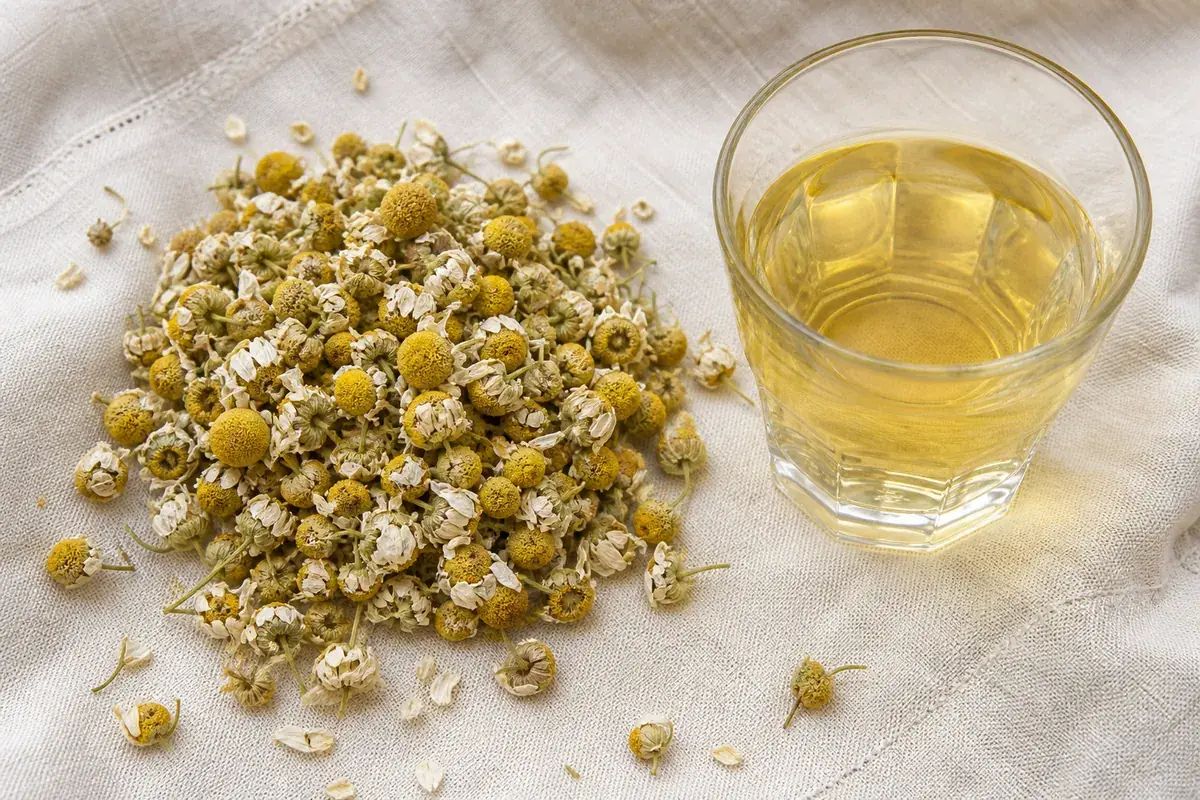
What Is Chamomile Tea? Dried Flower Heads, and No Tea At All
Chamomile tea contains no tea. It is an infusion of dried flower heads from a daisy-family plant, and the single thing...
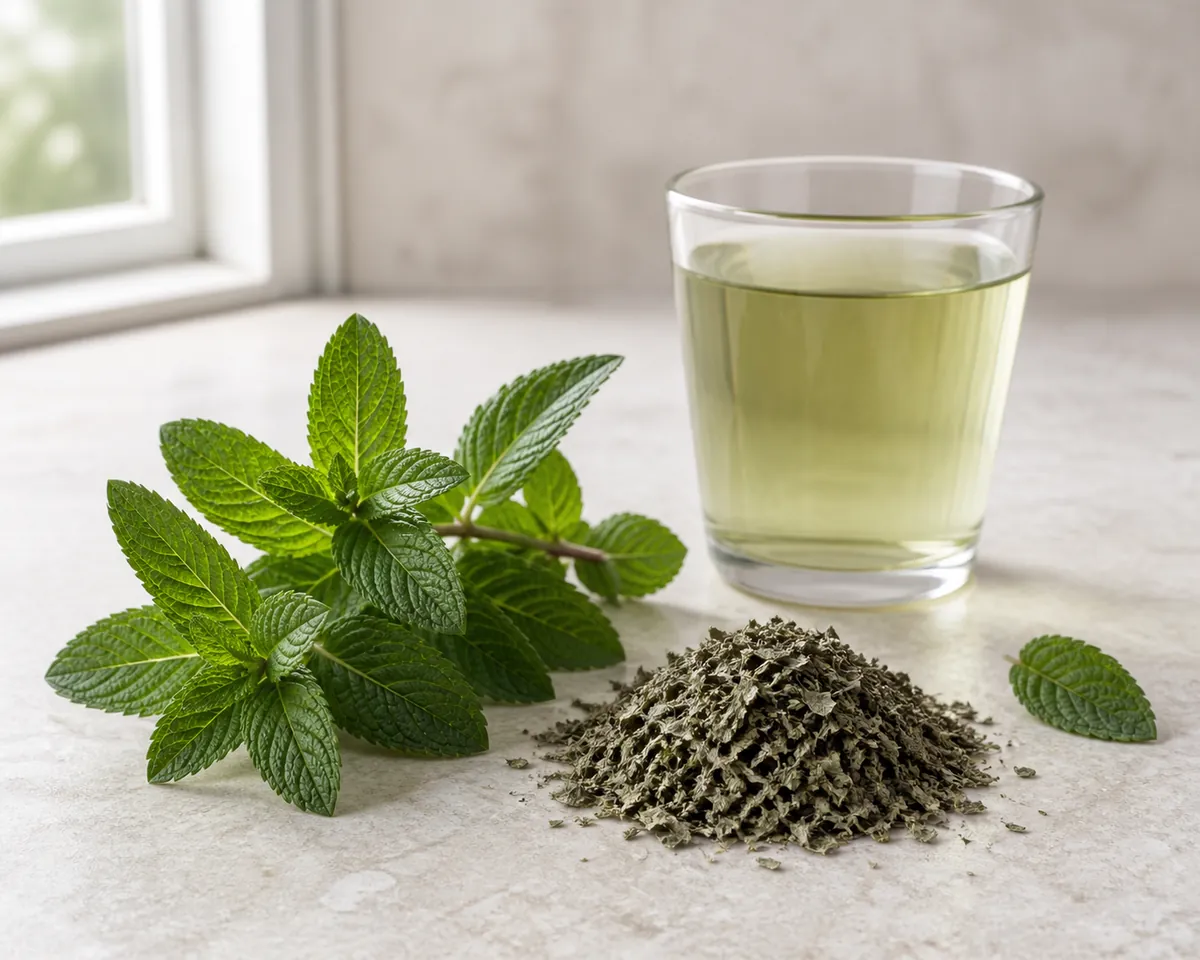
What Is Peppermint Tea? A Hybrid of Watermint and Spearmint
Peppermint is a hybrid, a natural cross between watermint and spearmint. That accident of botany is why it carries so...
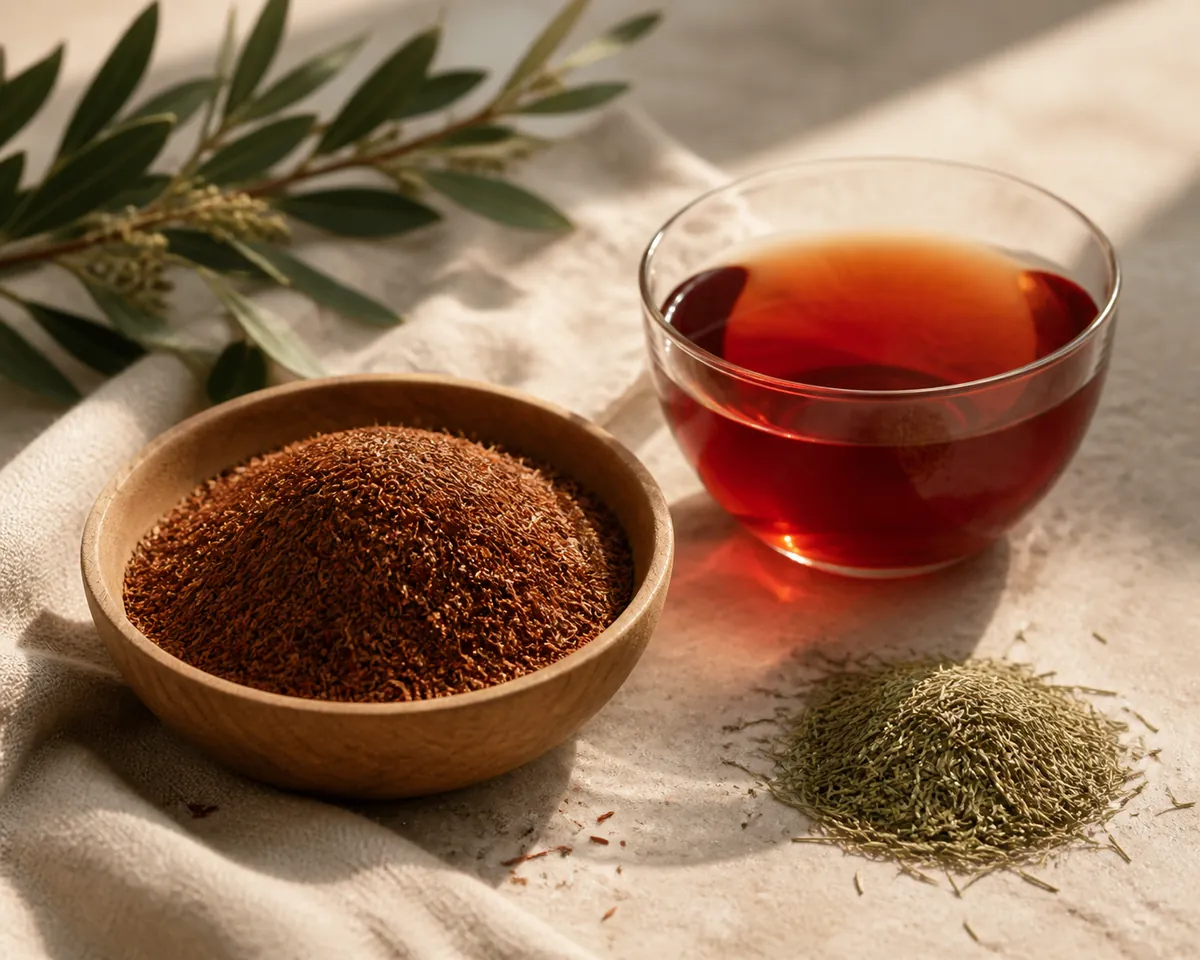
What Is Rooibos? A South African Shrub, and Not a Tea
Rooibos is an infusion made from a shrub that grows in one region of South Africa. It is not tea, contains no caffeine...
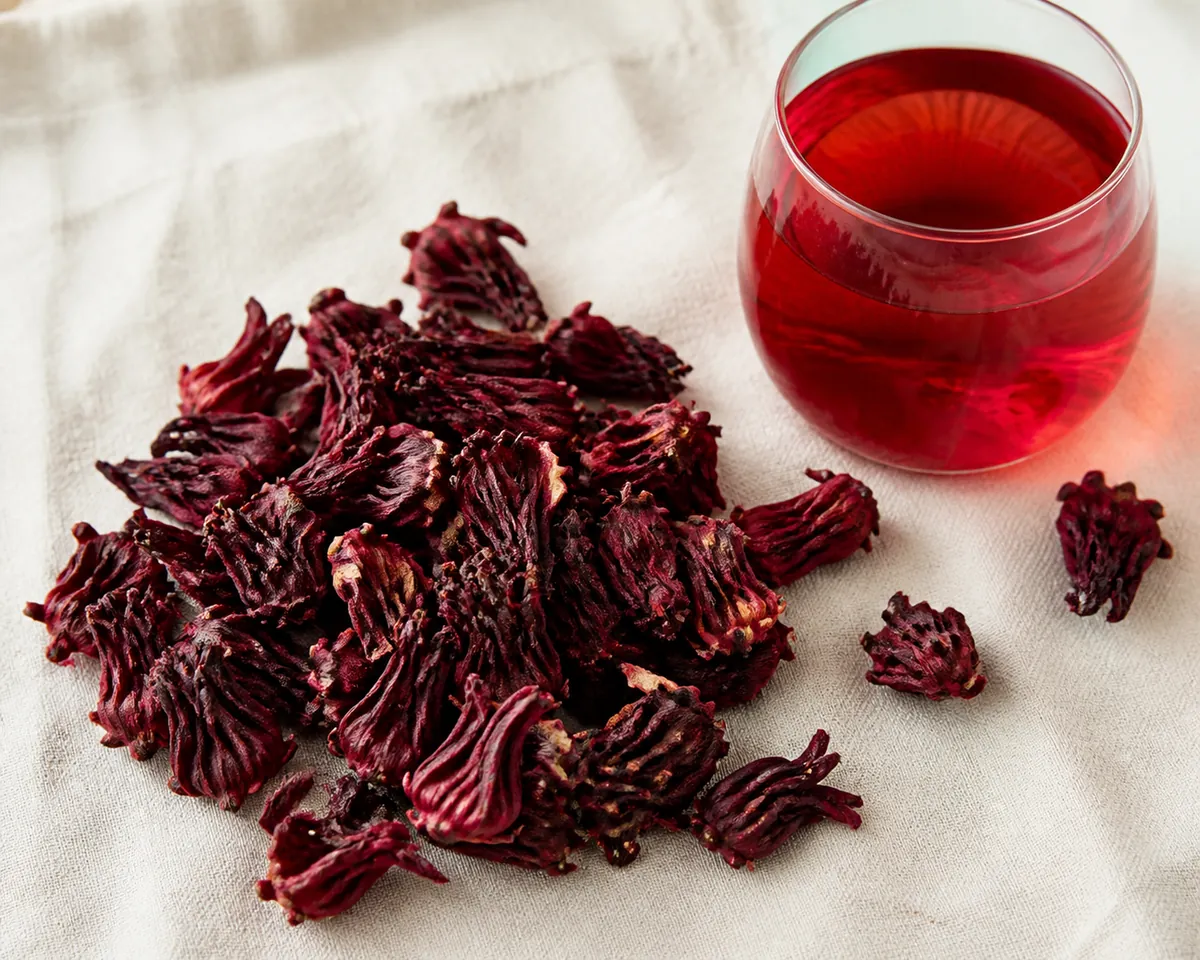
What Is Hibiscus Tea? The Calyx, Not the Flower
Hibiscus tea is not made from the flower. It is made from the calyx, the fleshy cup that sits under the bloom, and that...
More Herbal Guides
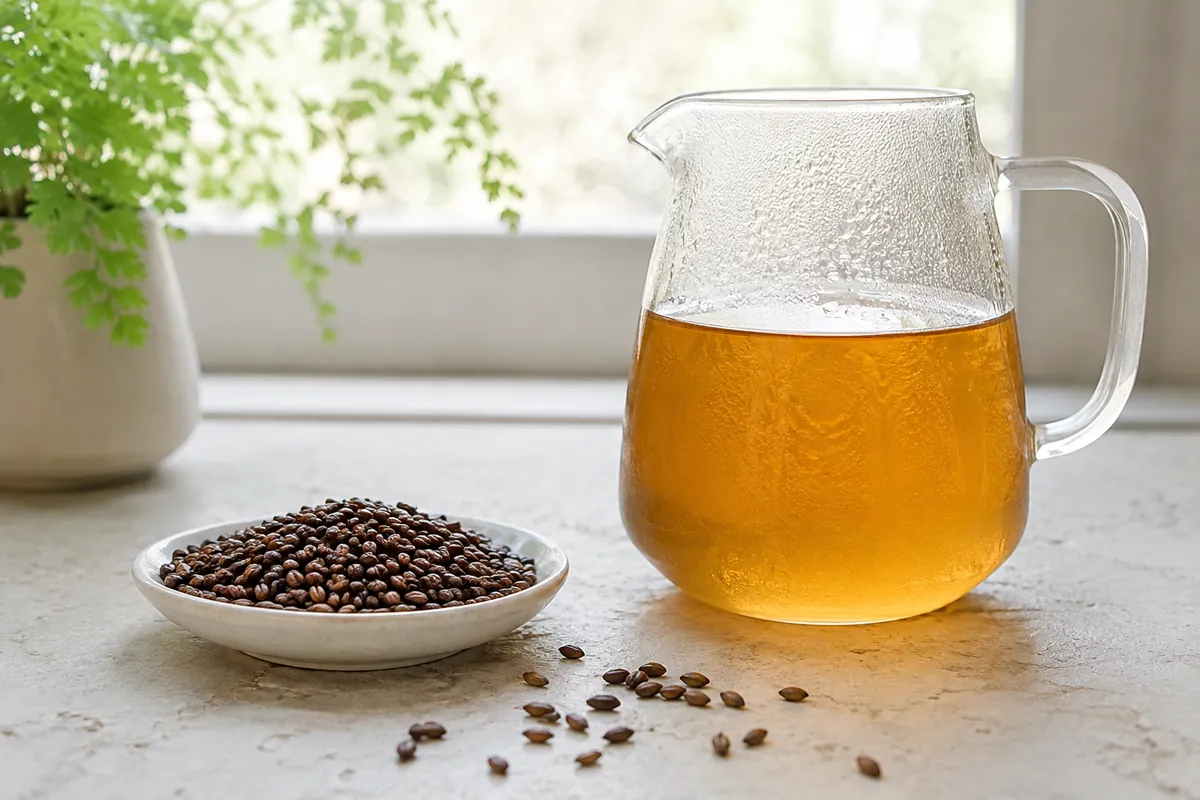
What Is Barley Tea? Roasted Grain, and Why It Costs So Little
Barley tea is roasted grain in water. It is caffeine-free, costs almost nothing, and is the drink that sits in the...
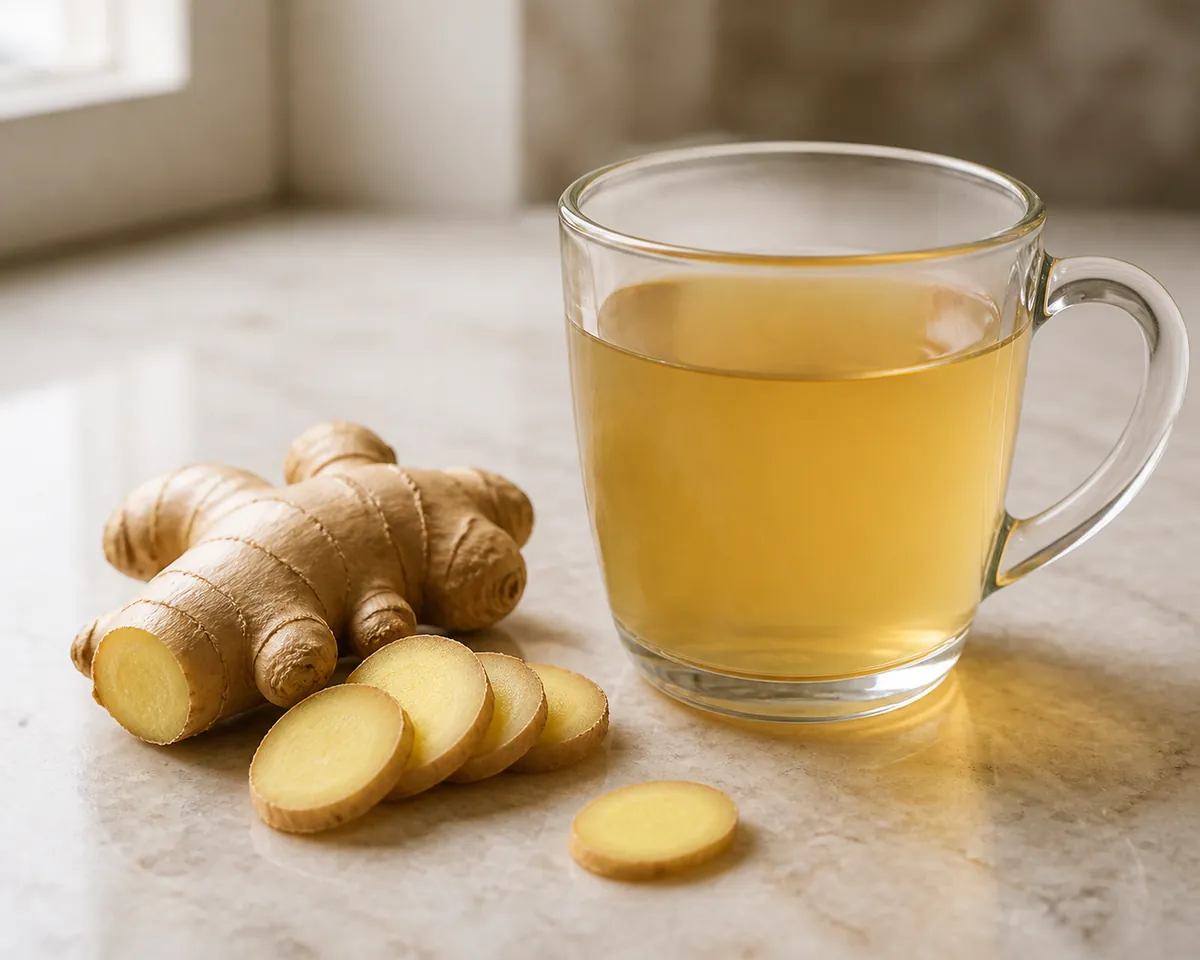
What Is Ginger Tea? Brewed From a Stem, Not a Leaf
Ginger tea is made from an underground stem, which makes it the odd one out in this section. It also means the usual...
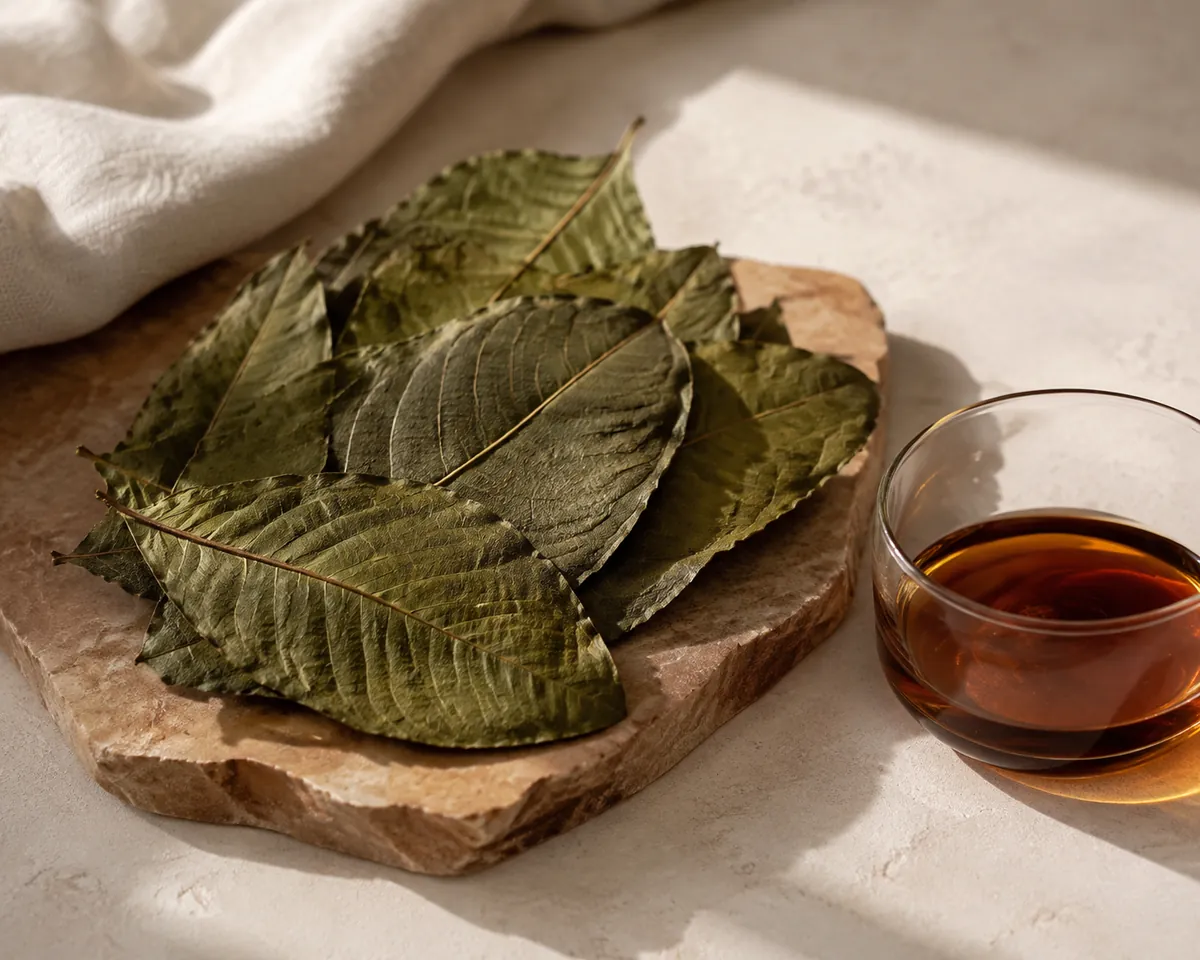
What Is Guayusa? An Amazonian Holly, and One Missing Compound
Guayusa is a caffeinated leaf from an Amazonian holly tree, and one missing compound explains almost everything about...
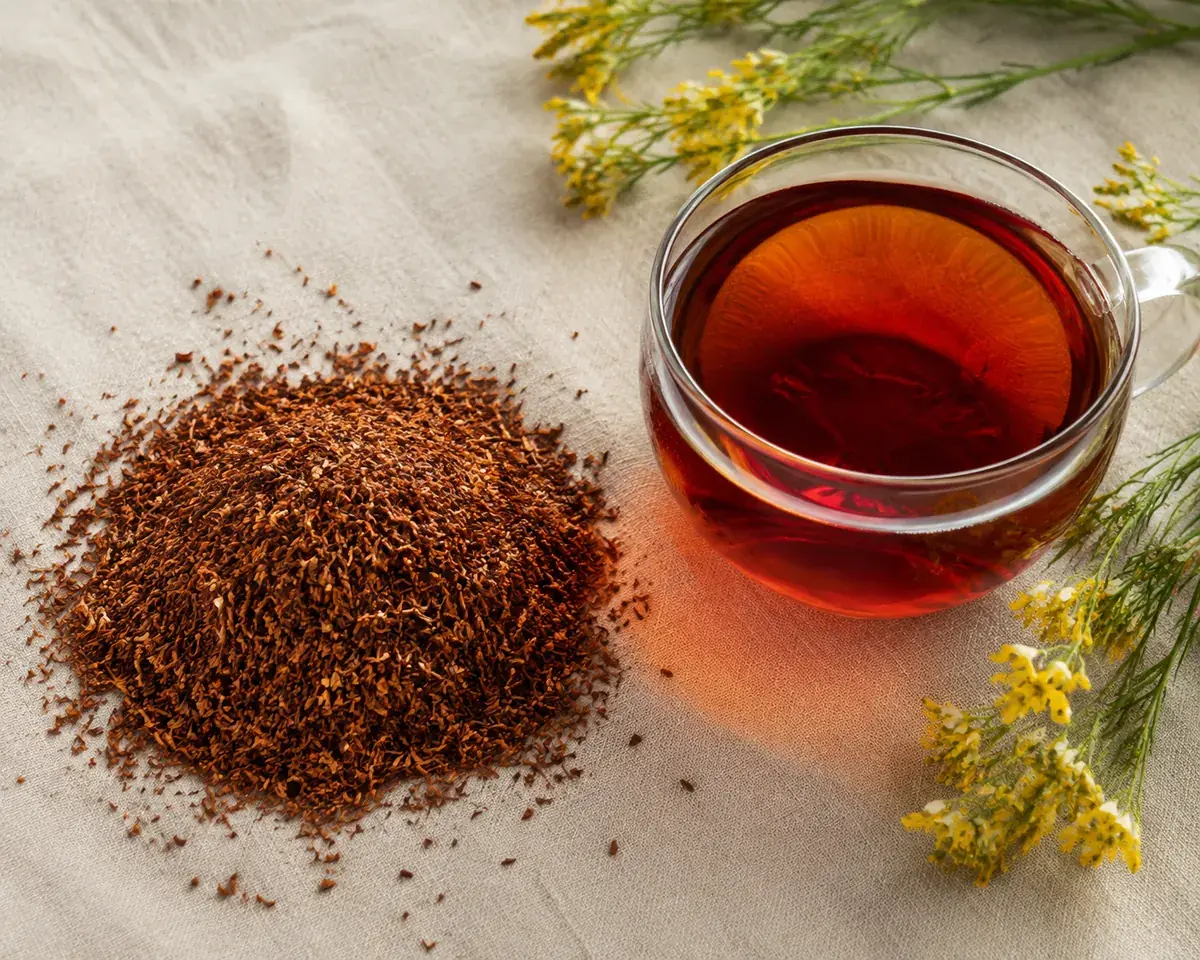
What Is Honeybush? The Sweeter Neighbour of Rooibos
Honeybush grows on the same South African mountainsides as rooibos and is treated the same way. It is sweeter, more...
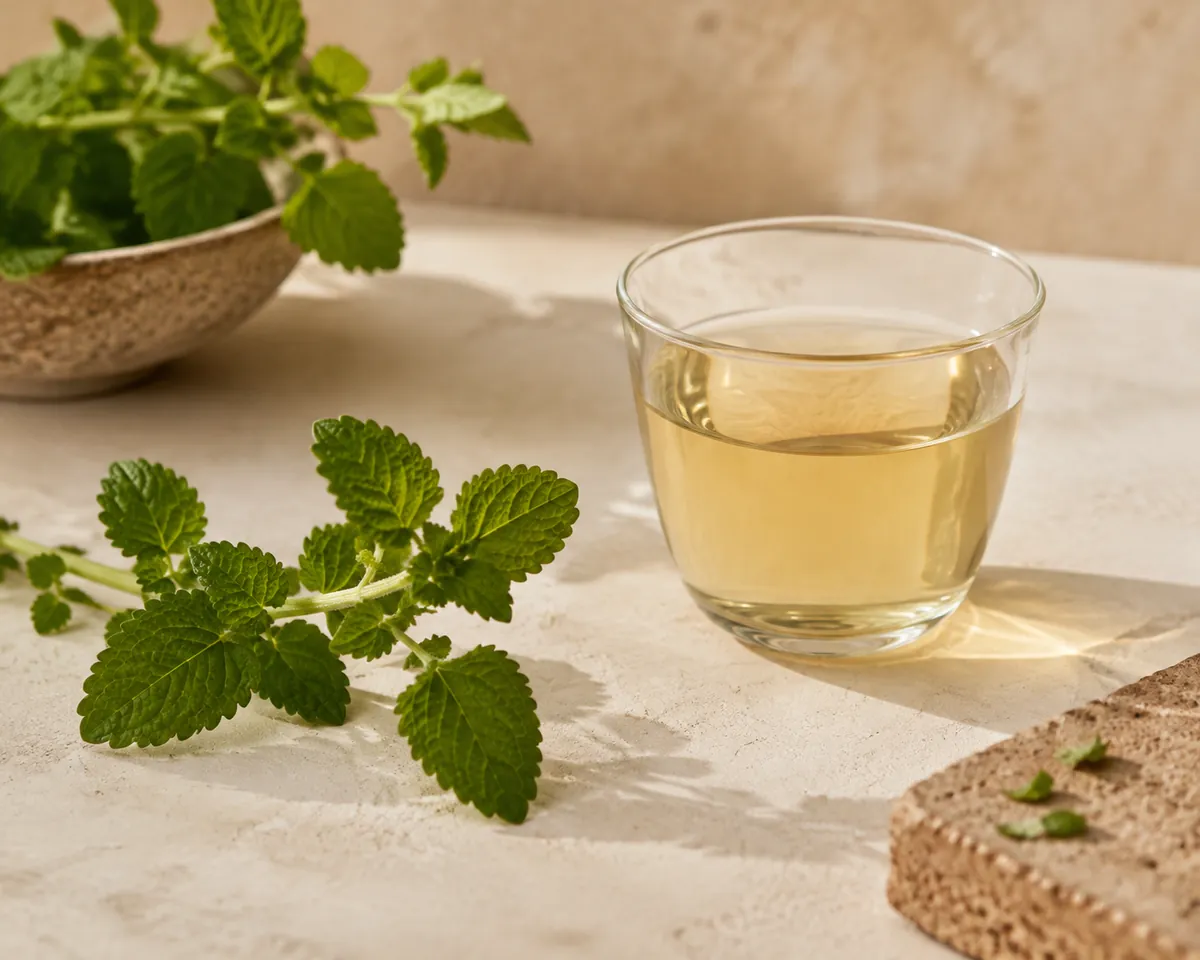
What Is Lemon Balm Tea? Sharp on the Nose, Soft in the Cup
Lemon balm smells sharply of lemon and tastes soft and sweet, and the whole drink turns on one thing: the aroma sits in...
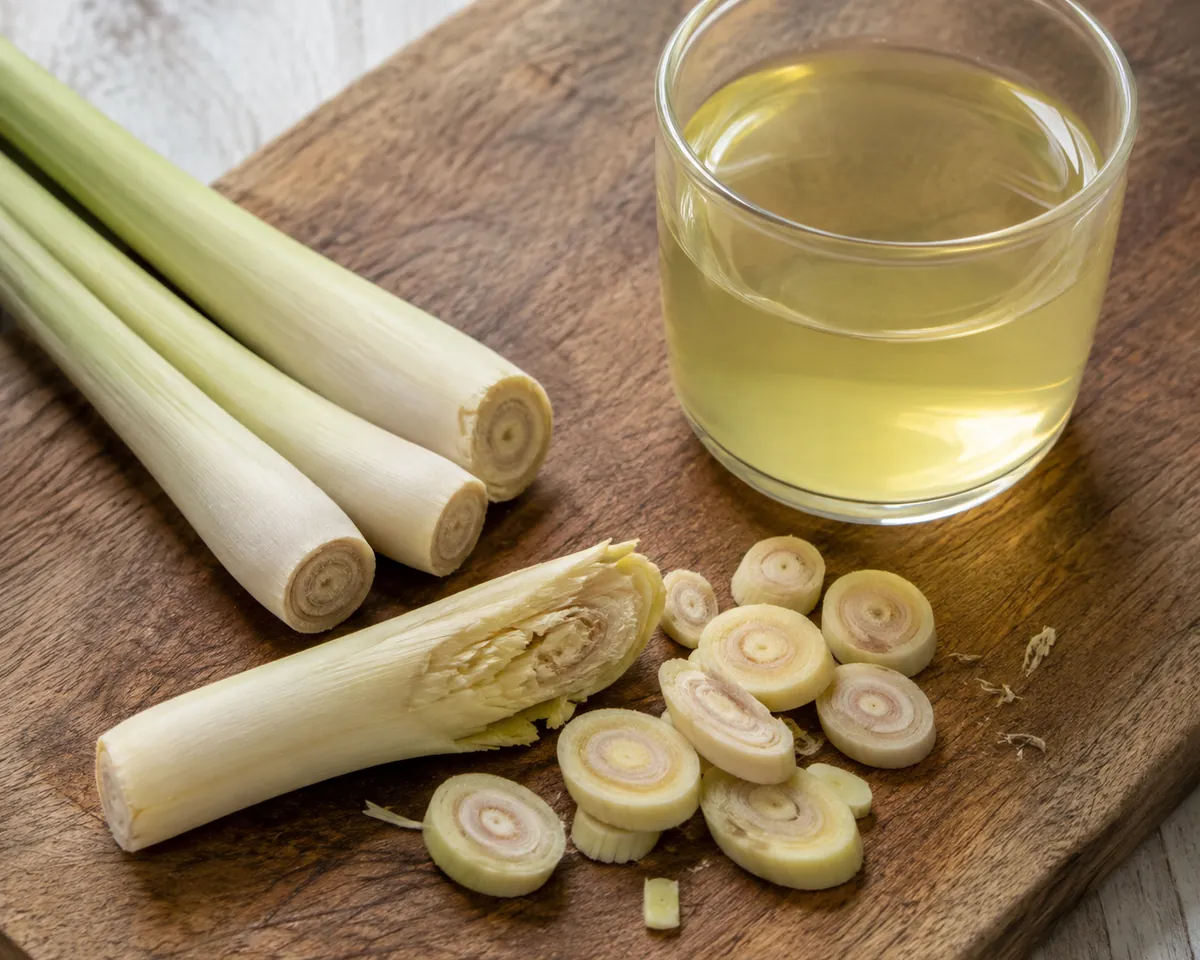
What Is Lemongrass Tea? Lemon Flavour With No Citrus In It
Lemongrass tastes of lemon and contains no citrus at all. The compound responsible is the same one that dominates lemon...
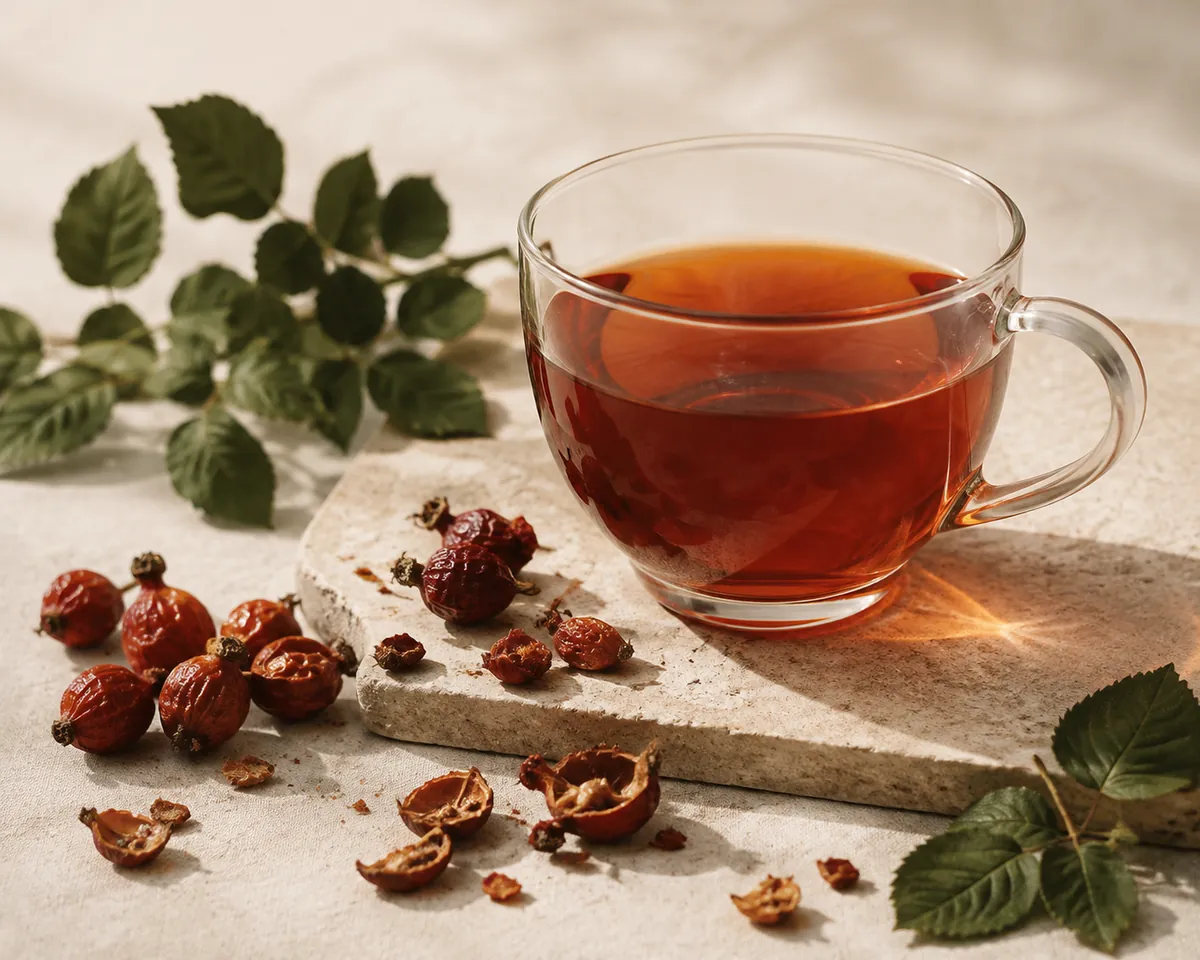
What Is Rosehip Tea? Brewed From the Fruit of the Rose
Rosehip tea is made from the fruit of the rose, not a leaf, and that changes everything about how it brews. It also...
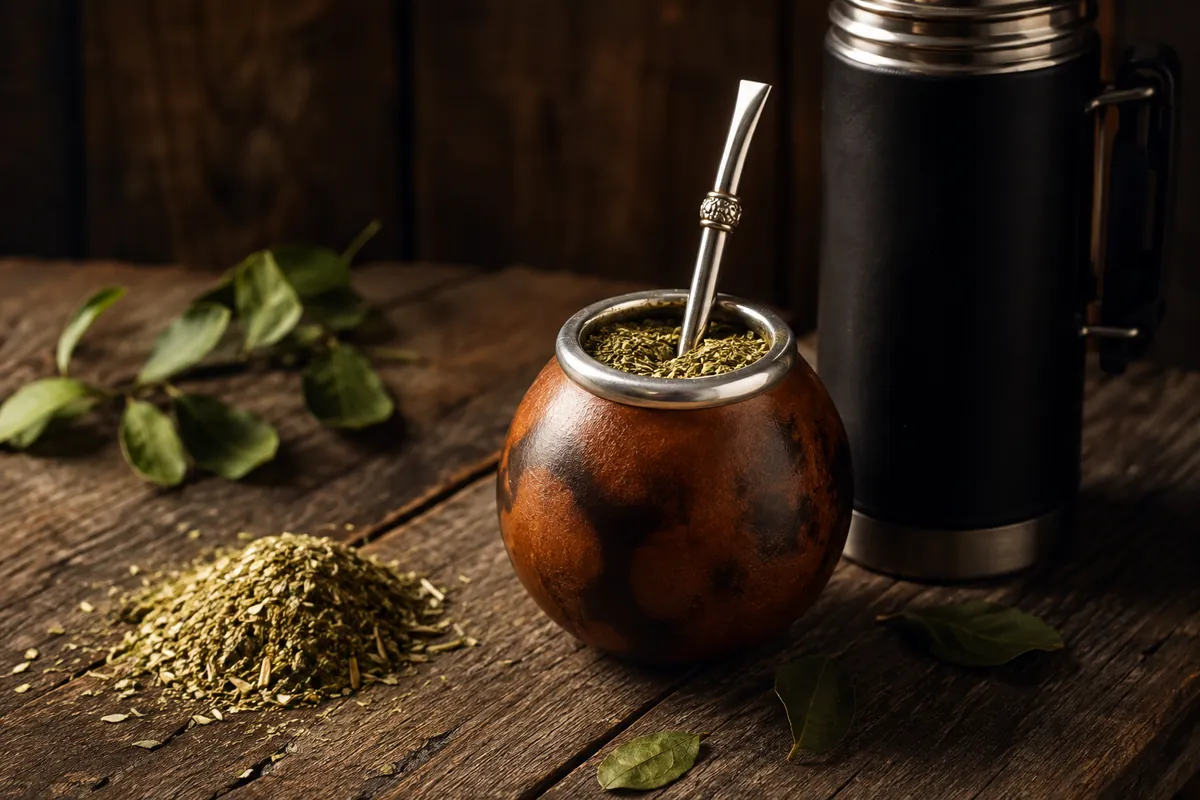
What Is Yerba Mate? The Leaf That Comes With Its Own Kit
Yerba mate is the only caffeinated drink in this section, and the only one that comes with its own equipment. The gourd...
More drinks worth knowing
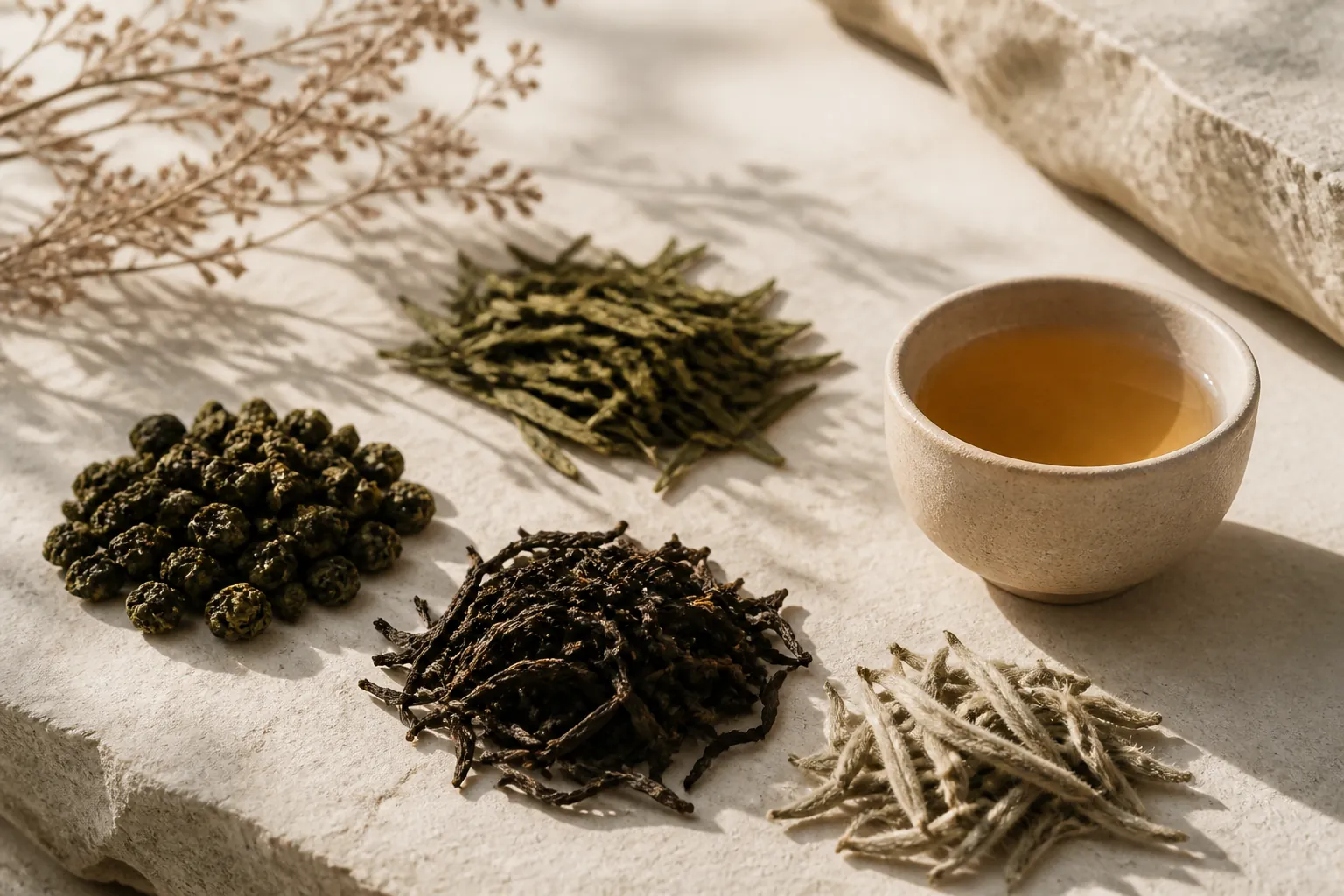
Tea
Every true tea comes from one plant. What separates green from black, and a good cup from a...
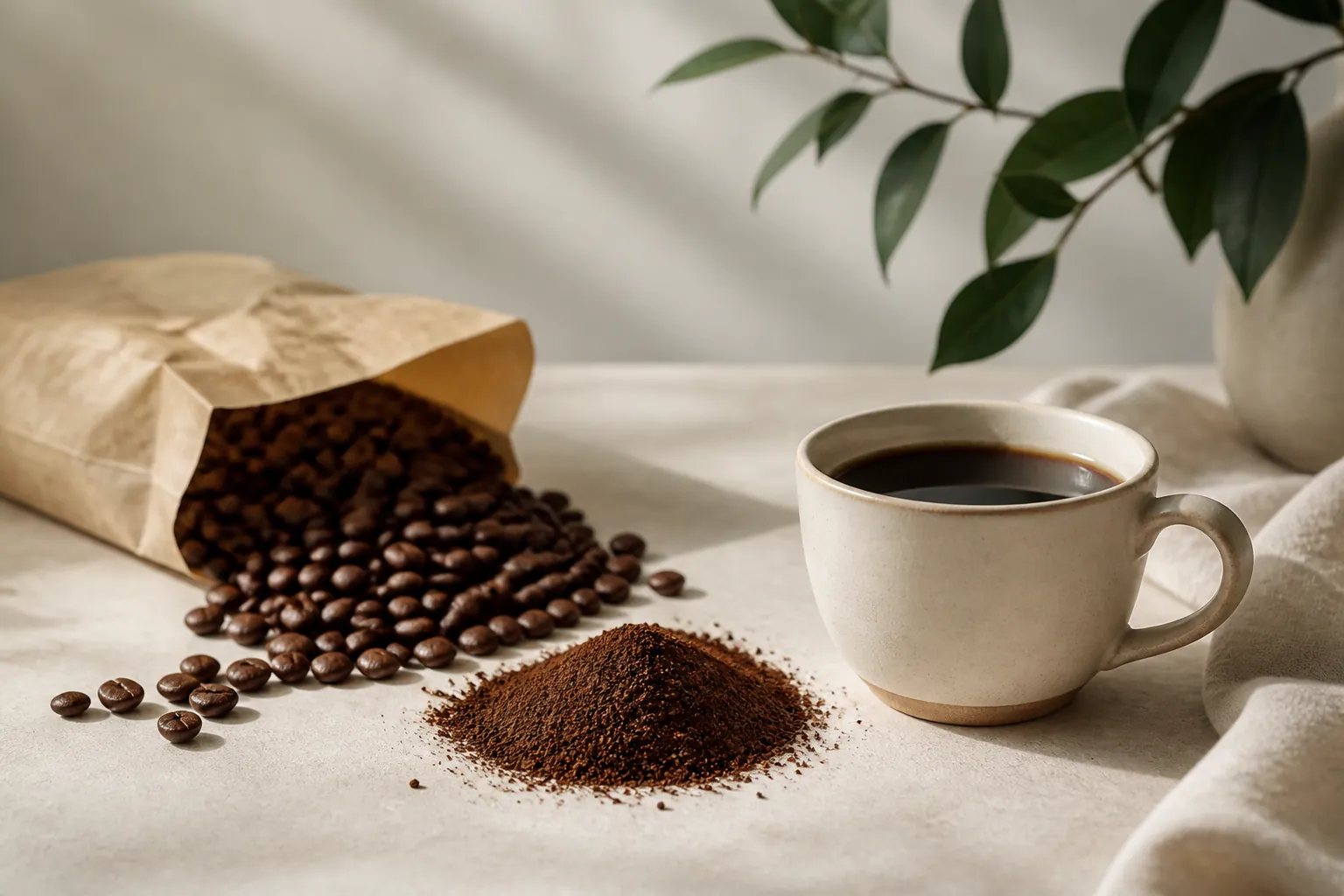
Coffee
Four things decide what lands in your cup: the bean, the grind, the water, and the time they...
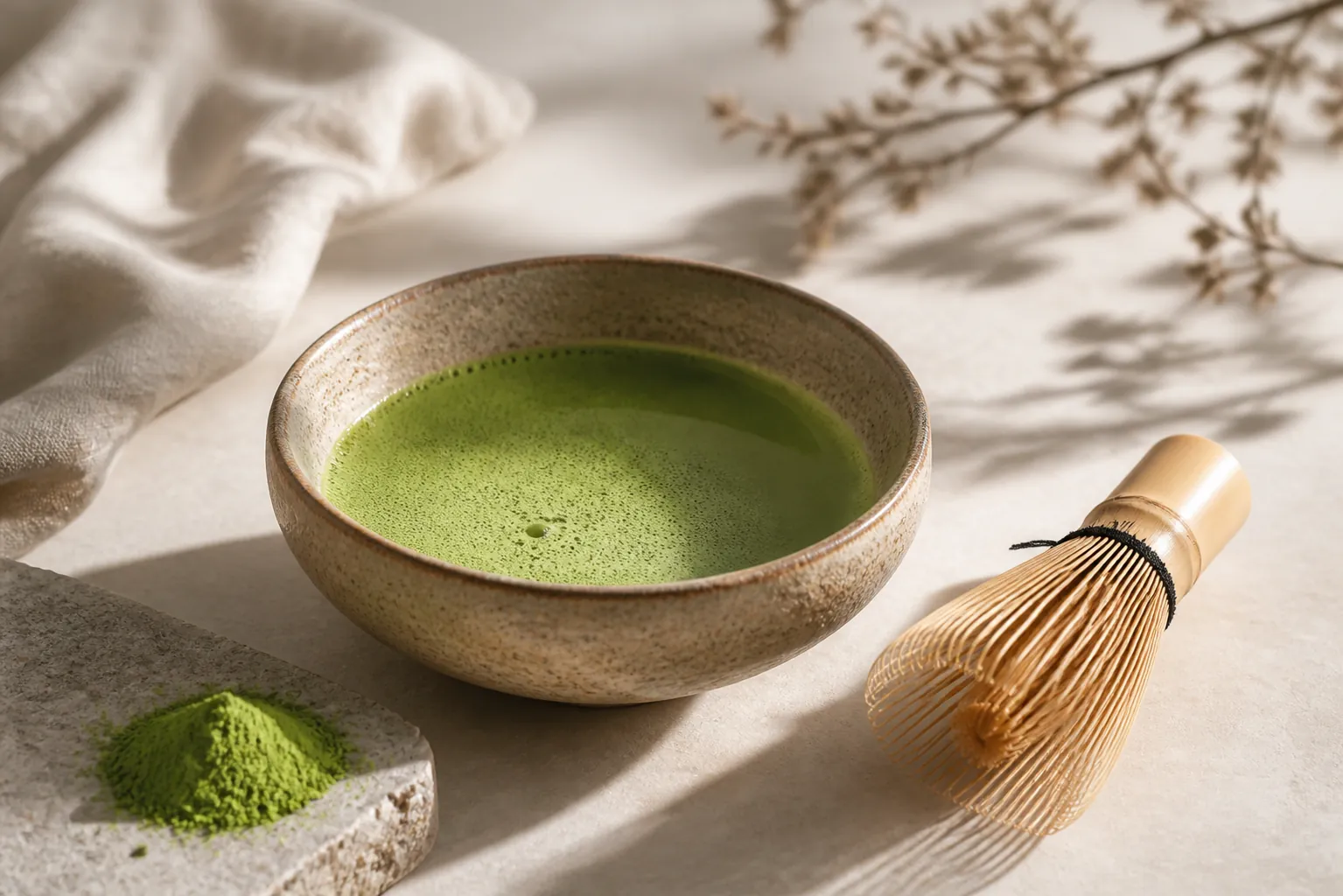
Matcha
Matcha is not steeped and strained like other tea. The leaf is ground to powder and suspended...