How to Make English Breakfast Tea for Milk or Plain
English Breakfast blends vary by origin and leaf size. Let the smallest particles set the first taste, then use dose rather than excessive time to build body for milk.
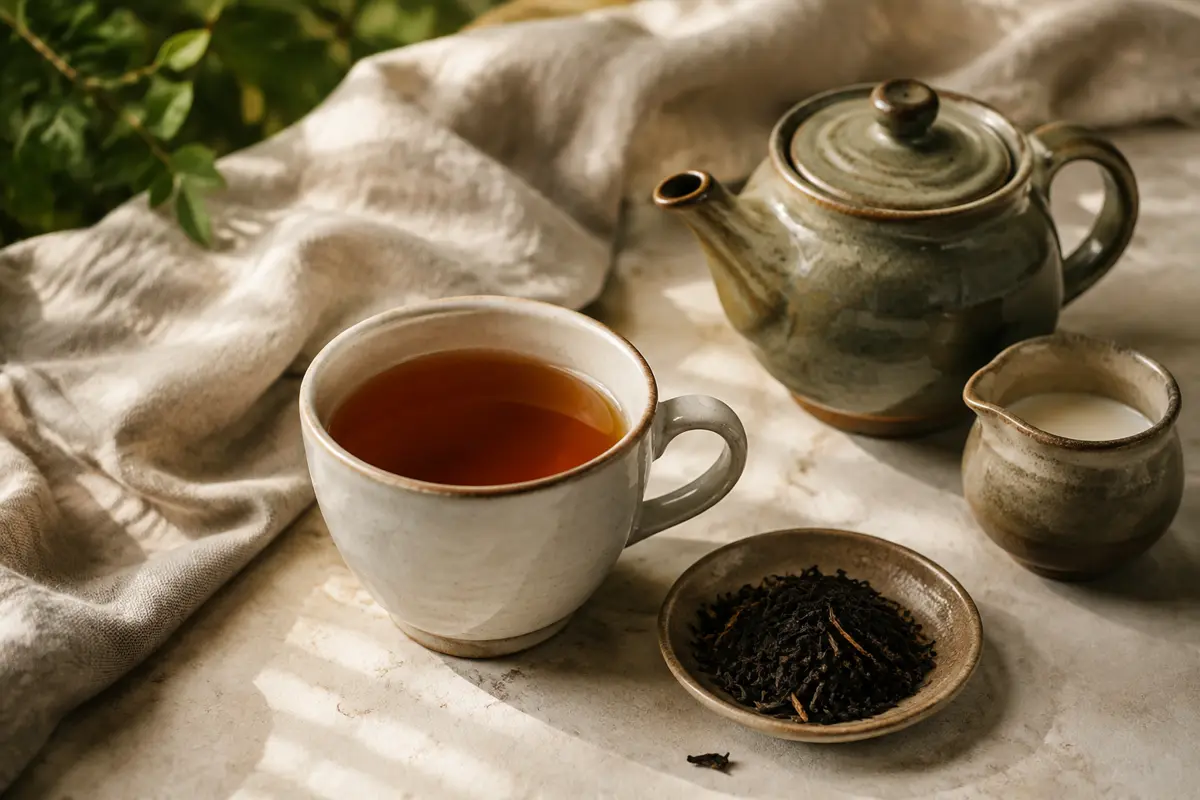
To make English Breakfast tea, use 2.5 to 3 g of tea per 250 ml of near-boiling water and taste from three minutes.
Because the blend often combines several origins and leaf sizes, the smallest particles set the first useful tasting point, while the intended milk decides how concentrated the brew should be.
One breakfast mug
- Tea
- 2.5 to 3 g
- Water
- 250 ml
- Temperature
- 95 to 100 C
- First taste
- 3 minutes
- Common finish
- 3 to 5 minutes
- For milk
- Increase leaf or reduce brew water
Read the blend before setting the timer
English Breakfast is a blend name rather than a single origin.
One pack may lean malty with Assam, another brisk with Ceylon, and another rounder with Kenyan tea, while fine CTC particles extract faster than long orthodox leaves in any of them.
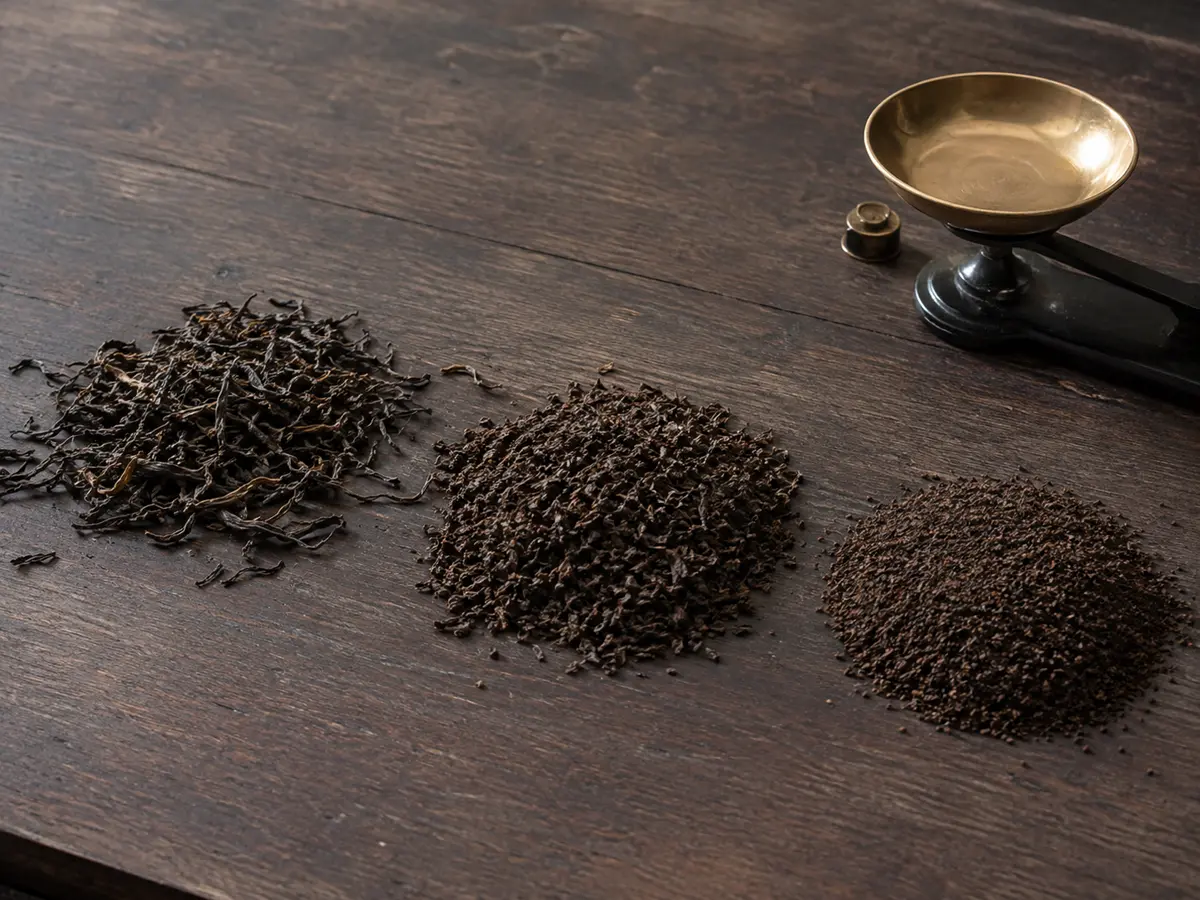
The English Breakfast profile explains why packers create different recipes under the same name. At the kettle, inspect particle size and taste according to the fastest-extracting part rather than assuming every tin needs five minutes.
Small particles set the clock. A blend can look mostly whole-leaf yet become drying early because the broken fraction releases tannin first.
Shake the closed packet gently before opening if fine particles have settled during shipping, then measure from a representative mix. Repeatedly scooping only the large leaves from the top makes the last third of the bag much stronger and faster-brewing.
Tea bags deserve the same inspection. A roomy sachet can hold broad broken leaf, while a flat paper bag often contains fine CTC; bag shape alone does not determine quality, but particle size predicts how soon tasting should begin.
Build strength for plain tea or milk
Milk dilutes the liquor, lowers its temperature, and softens astringency. A mug brewed at a pleasant plain strength may therefore disappear after a large splash, while a five-minute steep can preserve color at the cost of a rough finish.
Plain | Begin with 2.5 g in 250 ml and taste at three minutes
Small splash of milk | Use 3 g or slightly less brew water
Milky breakfast cup | Concentrate with more leaf, not a much longer steep
Large teapot | Scale leaf and water together, then decant completely
Over ice | Increase leaf and let measured ice supply dilution
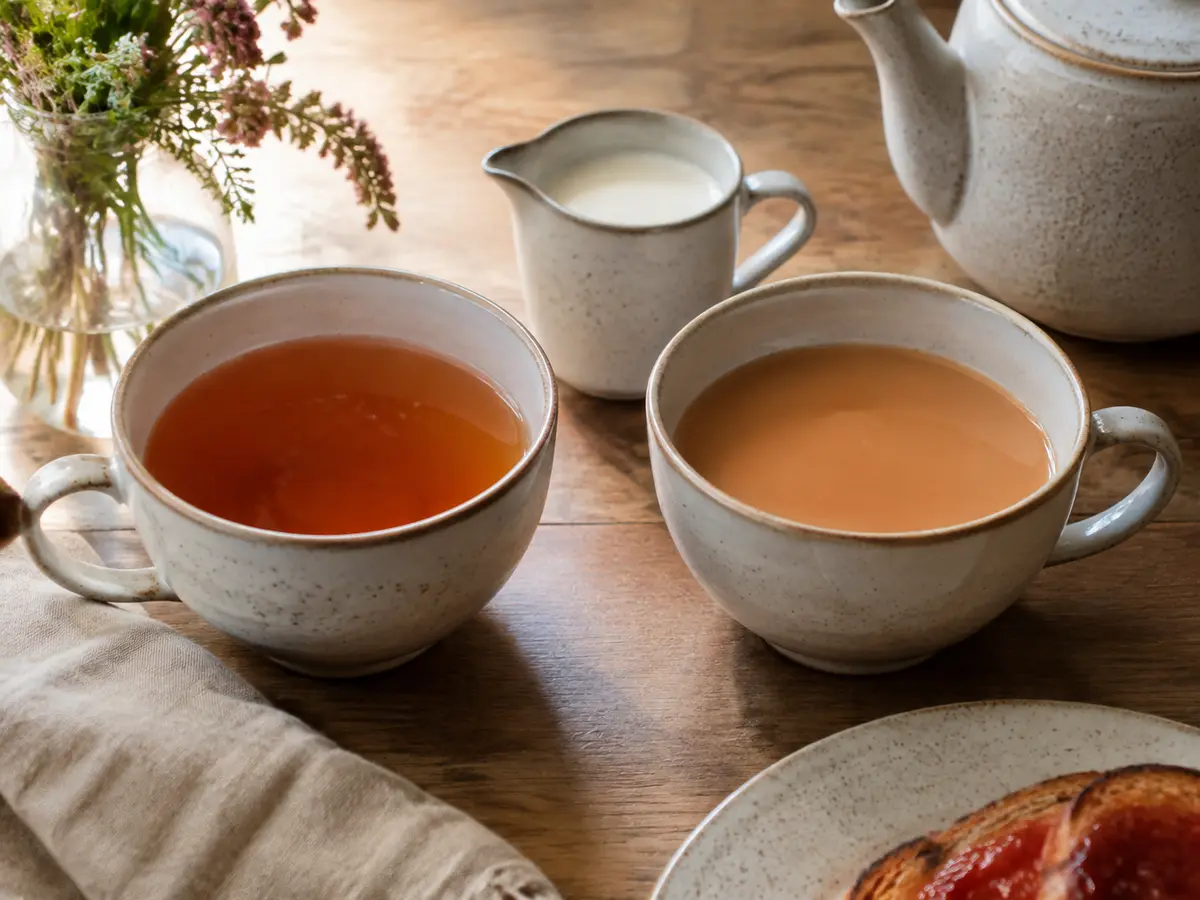
For a milk cup, try 3 g in 220 ml of water and reserve the rest of the mug for 20 to 30 ml of milk. This keeps the tea-to-water relationship deliberate instead of adding dairy on top of an already full mug.
Dose supplies body more cleanly than extra time. Extending contact pulls aroma, color, caffeine, bitterness, and tannin together, so it cannot strengthen only the part milk needs.
Water hardness changes how that body appears. Hard water can make a robust blend seem dull and heavy, while very soft water may reveal briskness without enough roundness; test water before blaming the blend when several black teas change together.
Pre-warm the final mug as well as the pot when milk will be added. A cold oversized cup plus refrigerated milk can drop the serving temperature so far that aroma and sweetness seem weaker than the brew actually is.
Choose your milk amount before brewing when consistency matters. A measured 25 ml addition can be supported by a deliberate concentrate, while an unknown pour makes one cup disappear and the next taste balanced despite identical tea.
For a large breakfast mug, preserve the ratio rather than adding one bag to ever more water. Package directions often assume a smaller cup, and doubling water without increasing tea creates color before it creates enough body.
Brew and strain one even infusion
Pre-warm a cold pot or mug, empty it, add the measured tea, and pour the full water amount over the leaves. Cover the vessel to retain heat, especially when using a thick pot or brewing in a cool kitchen.
English Breakfast method
- InspectCheck whether the blend is whole, broken, CTC, or a tea bag
- WarmRinse the pot or mug with hot water and empty it
- DoseMeasure tea for the actual brew-water volume
- PourAdd near-boiling water and cover the vessel
- TasteBegin at three minutes, earlier for very fine particles
- StrainRemove all tea when body and briskness balance
- FinishAdd sugar while hot and milk after the leaf is gone
Use a roomy tea infuser for loose leaf so water can move through your blend and the basket can leave the cup in one action.
A tea bag should drain briefly without being squeezed against the mug.
Straining ends extraction. Leaving the basket below the liquid or allowing the pot to stand on its leaves gives each successive cup a harsher finish.
Decide when the tea is ready by taste
Color develops quickly in many breakfast blends and can remain dark after their best aroma has passed. Taste for malty fragrance, enough body to remain present after milk, and a brisk finish that stops short of persistent mouth-drying grip.
The breakfast-tea infusion curve
- EarlyFragrant but light, often too delicate for milk
- BalancedMalt, body, and a clean brisk finish meet
- LateDarker liquor with growing dryness
- OverdoneAroma fades while tannin dominates the afterfeel
Take a teaspoon at three minutes, then another thirty seconds later if your cup is still thin.
Short tasting intervals are more useful than accepting a printed maximum without checking the blend in front of you.
Astringency is the tactile drying or gripping sensation after swallowing. Bitterness is a taste.
Name the fault correctly, because a shorter steep often fixes excessive grip while odd bitterness can also come from stale leaf, smoke, flavoring, or water.
Temperature changes the curve as well as the timer. Near-boiling water suits most black breakfast blends, but a kettle that has cooled substantially can produce dark color from fine particles while leaving the broader leaf underdeveloped.
Taste the tea plain before adding anything, even when milk and sugar are the final plan. That small sample identifies whether the base is already rough, weak, or flat and prevents additions from hiding the source of the problem.
Add milk without flattening the tea
Strain first, then add milk gradually while watching the color and tasting. A small amount softens briskness and adds body.
A large amount can cool the cup and cover the malt and citrus notes the blend was built to carry.
| Addition | What it contributes | What to watch |
|---|---|---|
| Whole dairy milk | Body and strong tannin-softening | Can mute a lighter blend |
| Lower-fat dairy milk | Less body and a clearer tea finish | May feel thin in a large mug |
| Oat drink | Sweetness and body | Some products dominate the blend |
| Soy drink | High body | Heat and acidity can cause splitting |
| No milk | Clearest view of origin and extraction | Dryness is more exposed |
Plant drinks behave differently by formulation. The guide to plant milk curdling explains the heat, acid, and protein interaction, while an oat milk intended for hot drinks is often easier to integrate.
Warm milk gently for a large pot serving rather than boiling it. Boiling creates a cooked dairy aroma that competes with the tea and can leave skin on the surface.
Sugar dissolves best before cold milk lowers the temperature. Lemon and milk should not share the same cup because acid can gather dairy proteins into visible curds.
Add plant drinks slowly to the strained tea and watch the surface. A product that separates may behave better when warmed gently and added to a slightly cooler cup, but a sour smell or unexpected clumping in the carton itself calls for disposal rather than technique changes.
Milk-first versus tea-first matters less than controlling the finished proportions when brewing a single mug. In a shared pot, serving milk separately preserves each person's choice and keeps leftover plain tea easier to cool or repurpose.
Correct weak, rough, cloudy, or flat tea
Weak tea is not one problem. A fragrant but light cup needs more leaf, a sharp thin cup may need better extraction, and a flat dark cup may point to stale tea or mineral-heavy water.
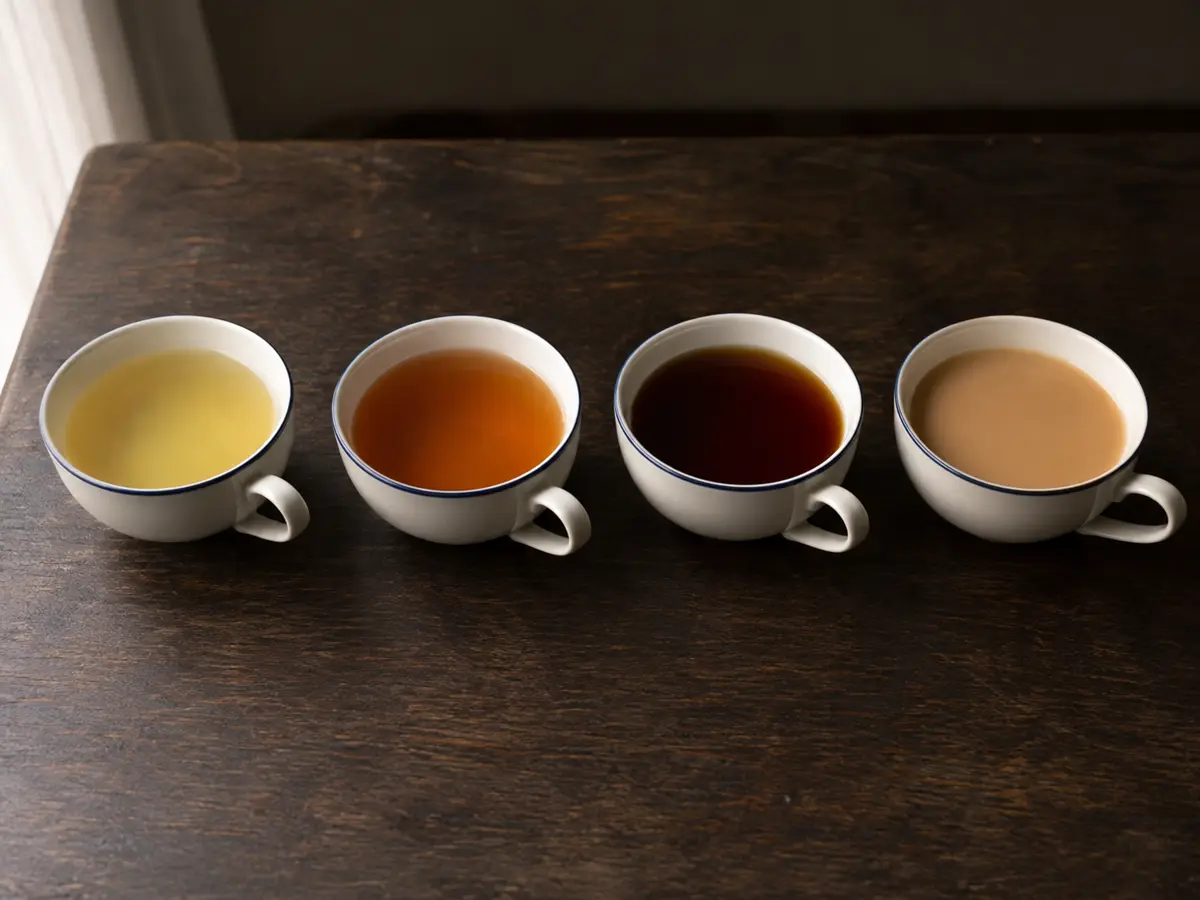
- Weak before milk: add a little leaf while keeping time stable.
- Strong and drying: strain earlier rather than diluting after the fault appears.
- Watery after milk: reserve mug volume and brew a smaller concentrated base.
- Cloudy after cooling: tea cream can form as caffeine and tannins bind. It is not automatically spoilage.
- Film and muted aroma: test filtered brewing water and descale the kettle.
- Stale flavor across every setting: clean the infuser, pot, lid, and travel mug.
The finished cup is the evidence. The blend on the next box may need a different setting even when the front label carries the same name.
Use a side-by-side test when a familiar product changes. Brew the old and new packets with identical water, dose, vessel, and time, then compare aroma, body, and finish after both cups cool to the same temperature.
This also distinguishes a reformulated blend from grinder, kettle, or water changes elsewhere in the kitchen. Record the package date or batch code when available instead of assuming the remembered recipe must still fit.
Do not correct a smoky or musty defect by adding more milk and sugar. Additions may hide the first sip, but they do not make damp, contaminated, or badly stored tea suitable to keep.
Make a pot that stays consistent from first cup to last
Scale both leaf and water, pre-warm the pot, and use an infuser that can be removed or decant the entire brew into a separate serving pot. Pouring around loose leaves gives the first guest a lighter cup and the last guest the most extracted liquid.
- - Measure the pot's real filled volume once
- - Scale leaf from that brew-water amount
- - Warm the pot before adding the tea
- - Start one timer after the full pour
- - Remove the infuser or decant every drop
- - Stir or swirl gently before serving
- - Keep finished tea warm without returning leaves to it
An insulated pot protects temperature without a direct hot plate. Reheating brewed tea drives off aroma and can make tannin more obvious as some water evaporates.
If milk is offered separately, each person can control dilution without changing the whole pot. For pre-mixed service, warm the milk and combine only the amount that will be poured promptly.
Make a fresh smaller pot when the table needs more. Holding a large batch for hours saves one brewing cycle but replaces the blend's aroma with heat and storage flavor.
For two successive pots, pre-measure the second dose but keep it dry until needed. Wet leaf left in a warm infuser continues extracting and cannot produce a clean second full-strength pot.
Rinse the serving pot with hot water just before decanting, then empty it completely. Pre-warming reduces heat loss without diluting the finished tea with forgotten rinse water.
Store the blend so the recipe remains recognizable
Keep the tea dry, sealed, dark, and away from strongly scented ingredients. Breakfast blends are robust, but their high notes still fade and their small particles offer plenty of exposed surface to air.
The loose-leaf storage guide explains moisture and odor transfer in detail. A clean airtight inner bag inside a tin is more useful than a decorative container whose lid leaks.
Do not refill a tin over old crumbs indefinitely. Empty and clean it before a fresh bag goes in, because oxidized dust can make the first cup from new tea taste tired.
Record the blend and setting together. A note reading “3 g, three and a half minutes, small milk” is useful only when it also names the product whose particle mix made that setting work.
Write down your water volume as well as mug size. Two mugs that look alike can differ by 100 ml, which is enough to turn the same measured dose from sturdy to noticeably thin.
Use the recorded recipe as a starting point when opening a new blend, then taste again at three minutes. English Breakfast is a category with many component teas, so transferring a setting without a fresh sensory check gives the label more authority than the leaves.
English Breakfast method
- Makes
- 1 mug, about 250 ml
- Ratio
- 2.5 to 3 g tea per 250 ml water
- Water temp
- 95 to 100 C / 203 to 212 F
- Total time
- 7 min
What you need
- 2.5 to 3 g English Breakfast tea
- 250 ml fresh water
- 20 to 30 ml milk, optional
Equipment
- Kettle
- Covered mug or teapot
- Infuser
- Timer
Method
- InspectCheck the blend's leaf size.
- WarmPreheat the pot or mug and empty it.
- DoseMeasure tea for the brew-water volume.
- PourAdd near-boiling water and cover.
- TasteBegin at three minutes, earlier for fine particles.
- StrainRemove all tea when body and briskness balance.
- FinishAdd sugar while hot and milk after straining.
Common questions
How long should English Breakfast tea steep?
Taste from three minutes and commonly finish within five. Fine CTC and tea-bag particles may be ready earlier than whole-leaf blends.
How do you make English Breakfast strong enough for milk?
Use a little more leaf or slightly less brew water while keeping a moderate contact time. A much longer steep adds drying tannin along with strength.
Should milk go in before or after English Breakfast tea?
Strain the tea first, then add milk gradually so you can judge dilution and color. For a teapot, serving milk separately keeps the whole batch consistent.