How to Make White Tea That Tastes of Something
White tea wants more leaf than looks sane and a longer steep than instinct allows, because the leaf is bulky for its weight and, being unrolled, gives up its flavour slowly.
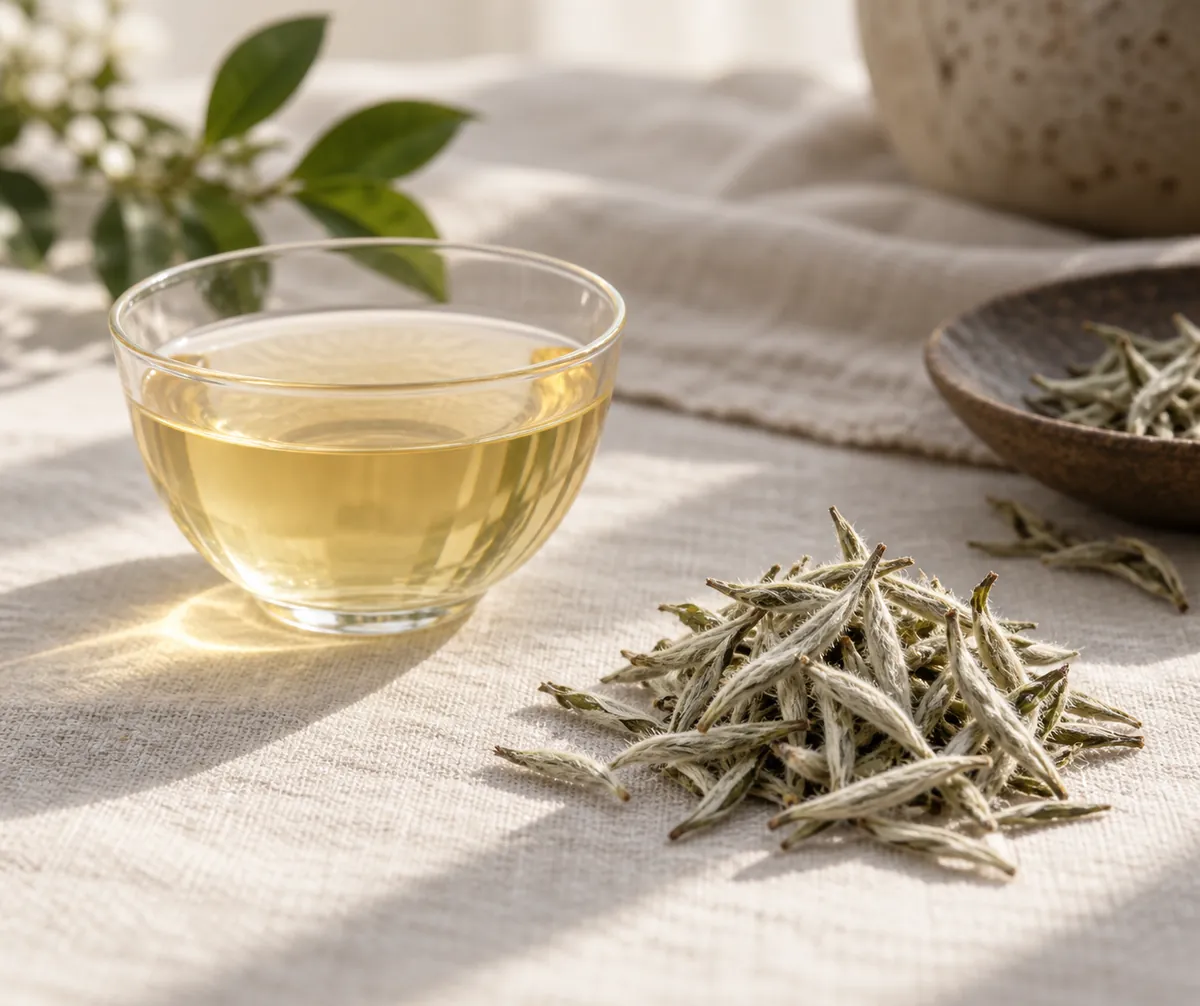
Nearly every tea guide warns you about scorching the leaf, and white tea is the one where the usual mistake runs the other way.
A disappointing cup of it is almost never over-brewed. It is under-leafed, under-steeped, or both, because being told to treat something gently reads as being told to treat it weakly.
Which white tea are you brewing?
White tea comes as closed buds, mixed leaf, or the coarse late pick, which sounds like a small distinction and decides up to a threefold difference in how much you put in the pot.
| Grade | Looks like | Dose per 180 ml | Water |
|---|---|---|---|
| Silver needle | Closed silver-downed buds only | 2 teaspoons | 70 to 80 C |
| Bai mu dan | Buds with grey-green open leaves | 1 to 2 tablespoons | 75 to 85 C |
| Shou mei | Large brown open leaves | 2 tablespoons | 85 C |
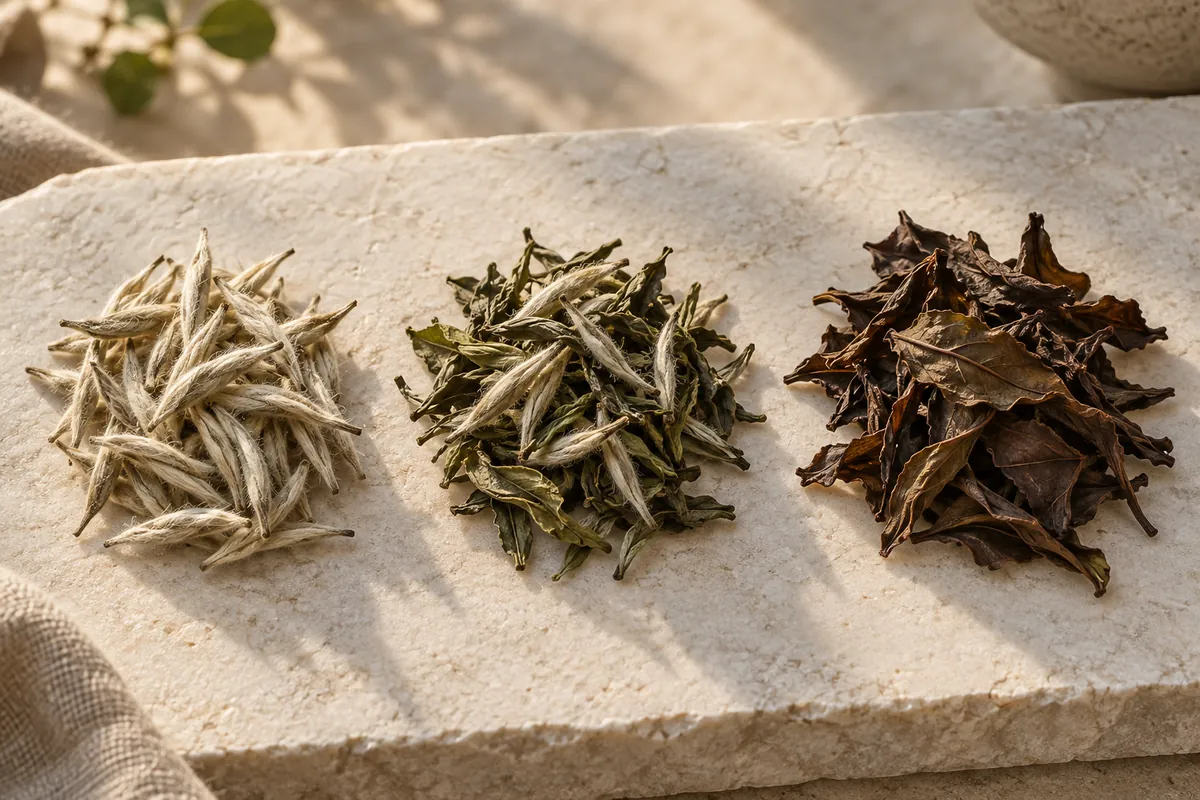
Silver needle is buds and nothing else, and they are very light for their size, which is exactly why people under-dose them without realising.
Bai mu dan is what most packets sold as white tea actually contain: buds and open leaves together, fuller in the cup, and more forgiving of a rough measure. At the coarse end, shou mei is made of large late-picked leaves that are darker, cheaper, and closer in behaviour to a light green infusion than to a bud tea.
Colour is the quickest way to sort them, with anything silver and downy at the delicate end, anything brown and leafy at the robust one, and most packets somewhere between.
A pressed cake changes the rules again, behaving like compressed pu-erh, which needs a rinse and time to open, rather than like the loose buds described here.
How much white tea leaf do you need?
You need more than looks sane: two teaspoons of buds to a cup, or two tablespoons of open leaf, which is more than most people put in and roughly what the tea actually needs.
By weight that comes to 2 to 3 g for a 180 ml cup.
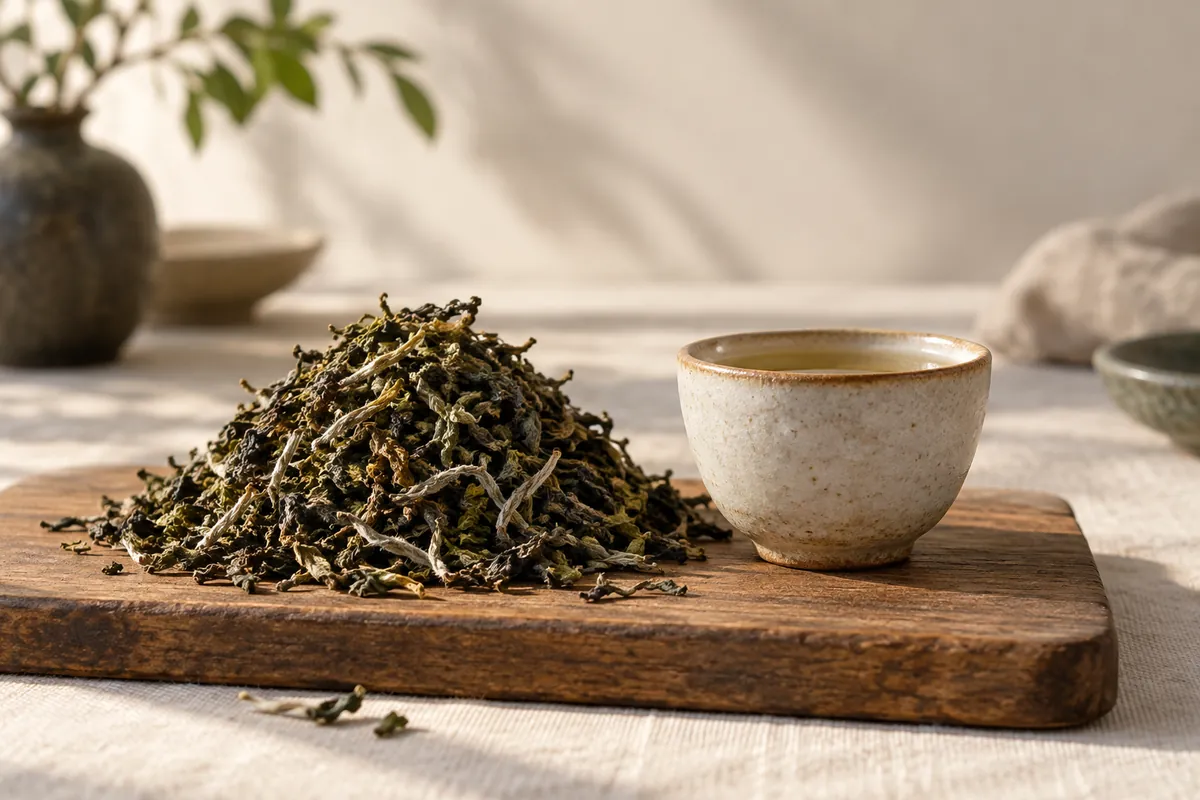
Measure this one by volume rather than weight. Two grams of silver needle looks like a small handful, and a scale gives a number that feels wrong every time you read it.
Buds are mostly air and fine down, which is why the same weight that would be a modest spoon of black tea is a heap here.
Under-leafing is the commonest cause of a disappointing white tea, and it is worth simply doubling what you did last time before changing anything else.
Teabags are the extreme case. A white tea bag holds around two grams of broken leaf, a reasonable dose in principle and a much smaller one in practice than a spoon of whole buds.
What temperature does white tea take?
Somewhere between 70 and 85 C, which is warmer than most people assume once they have been warned to be careful with a leaf that cost them this much.
Inside that range the cup comes out sweet and floral, with body.
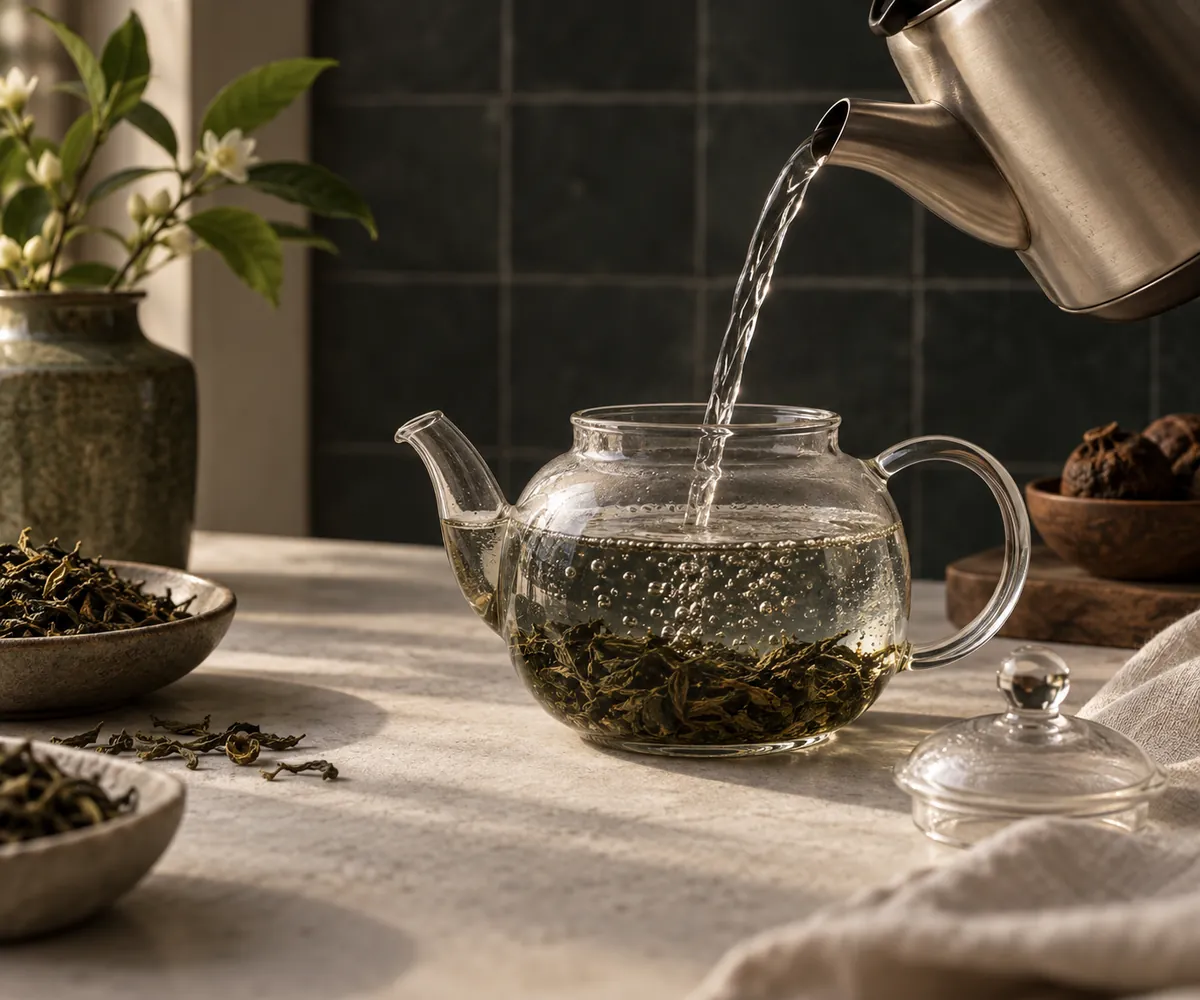
Boiling water can flatten the aroma you are paying for and give the buds a cooked edge that the leaf does not easily lose.
But the over-correction is just as common. Water at 60 C leaves this leaf giving up very little, and the pale cup that results gets blamed on the tea.
The steeping temperature table puts white tea a few degrees above green rather than below it, which surprises people. Green tea has a narrower tolerance, and white tea can take a few more degrees.
Fine buds want the lower end of the band and coarse brown leaf the upper end, which is the same distinction the table in the first section drew.
Pour between two cups to get there. Each transfer of boiled water costs roughly five to ten degrees, so a kettle reaches the middle of the band after two or three.
How long do you steep white tea?
Longer than instinct allows, at three to five minutes for the first infusion.
That is far longer than the green tea habit most readers arrive with, and the reason is that unrolled leaf simply gives up its flavour slowly.
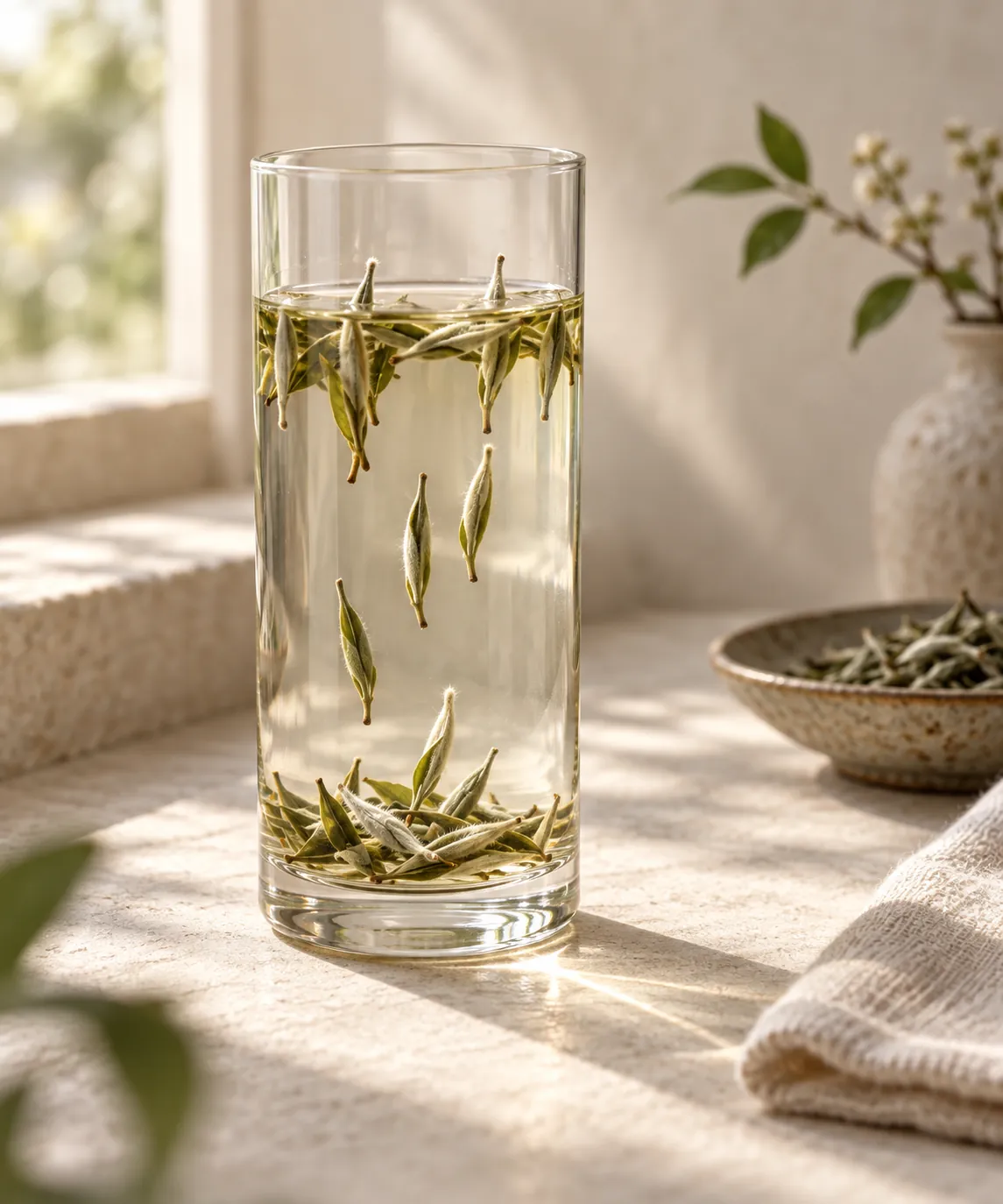
Being neither rolled nor broken, this leaf has no cut edges for water to work at, so the whole extraction happens through intact surfaces.
That slow release means white tea turns astringent later than green tea does. Some green teas turn astringent past ninety seconds, while a white tea at eight minutes tends to be a bit stronger, with the compounds that make other teas harsh coming out more slowly.
You can overshoot with very little cost, but a steep under two minutes leaves the leaf barely started, so the timing is forgiving in one direction only.
In a bag, though, broken leaf extracts at ordinary speed and does want the shorter end, around two minutes.
How do you brew white tea step by step?
A leaf this bulky decides its own container, so room is the constraint and the vessel comes first.
White tea, in order
- WarmRinse the pot with hot water and tip it out.
- LeafTwo teaspoons of buds, or two tablespoons of leaf, into a wide mesh basket.
- PourWater at 75 to 80 C, decanted two or three times from the kettle.
- Wait and liftThree to five minutes, then take the basket out.
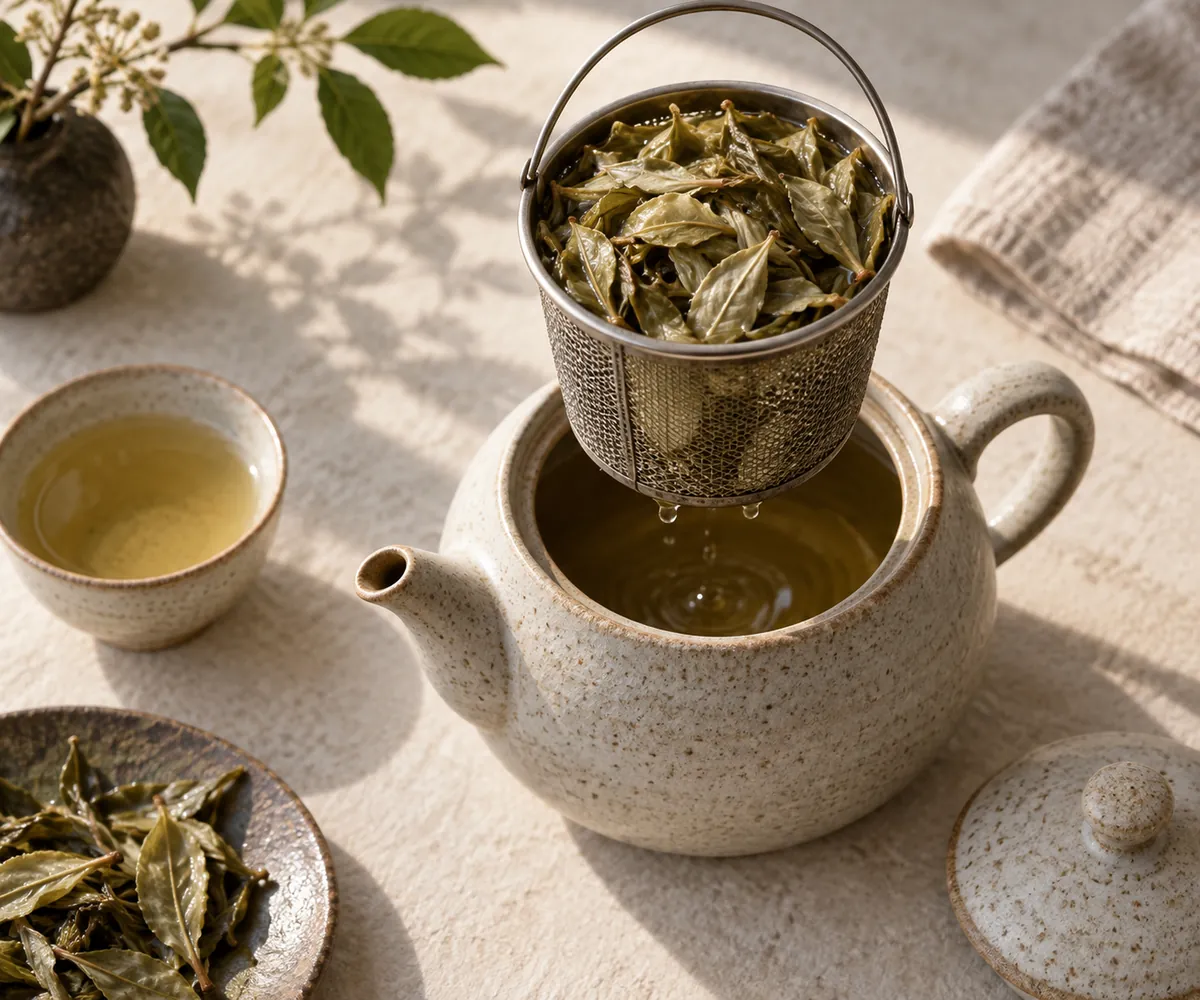
Use a generous basket rather than a ball, because this leaf takes up much more than its dry volume and a spoonful of buds that fits comfortably in a mesh ball will be pressed against the mesh within a minute.
Warm the pot here, unlike Japanese sencha. The band is high enough that a cold pot pulls the water below where you wanted it, so this tea follows the ordinary rule rather than reversing it.
Take the leaf out rather than pouring off. With so much time in play a basket you can lift is easier than a pot you have to empty completely.
A glass pot is worth using at least once. Watching the buds stand upright and then slowly sink is the most interesting thing this tea does, and it is invisible in the ceramic pot a black tea method would use.
Do not leave the leaf in a mug. The tea keeps extracting for as long as the leaf stays in, and a mug without removal often ends up steeping for far longer than planned.
How many times can you resteep white tea?
Several more pots from the same leaf, and round two usually beats round one.
Across a session
- First3 to 5 minutes. Light, floral, still opening.
- Second4 to 6 minutes. The fullest cup of the set.
- Third6 to 8 minutes. Sweeter, softer, thinner.
- LaterAdd a couple of minutes each time until nothing comes.
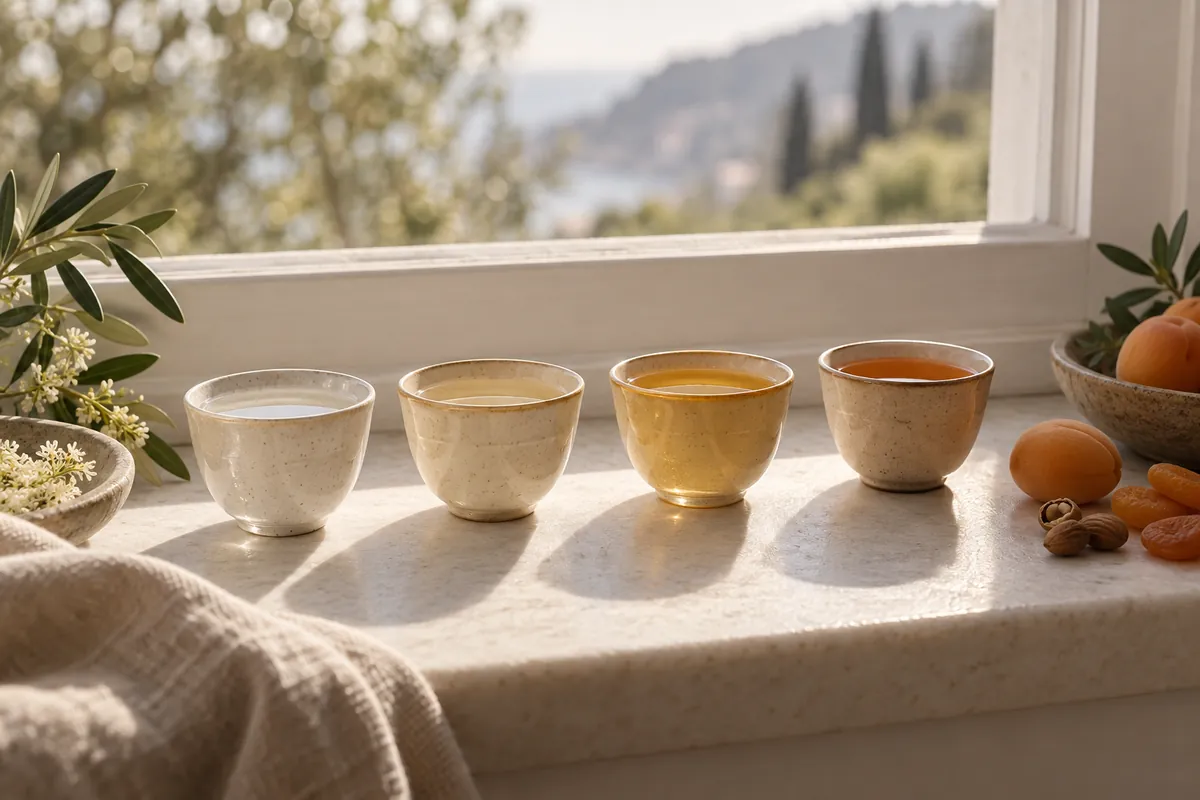
The second infusion beats the first because buds are still opening through the early minutes, so the leaf is not fully available until the water has already been on it once.
Each round wants a genuine increase. A minute or two longer, not thirty seconds, because there is little bitterness waiting to punish you for it.
Aged white tea goes further than fresh. It has been changing slowly in the packet, and an old cake will still give something at the seventh or eighth pour.
Do not carry wet leaf overnight. It goes sour rather than stale, and the tea it makes the next morning is not the one you were saving.
Why does my white tea taste of nothing?
Every likely cause of an empty cup runs in the same direction, toward more of something rather than less, which makes this the easiest diagnosis in tea.
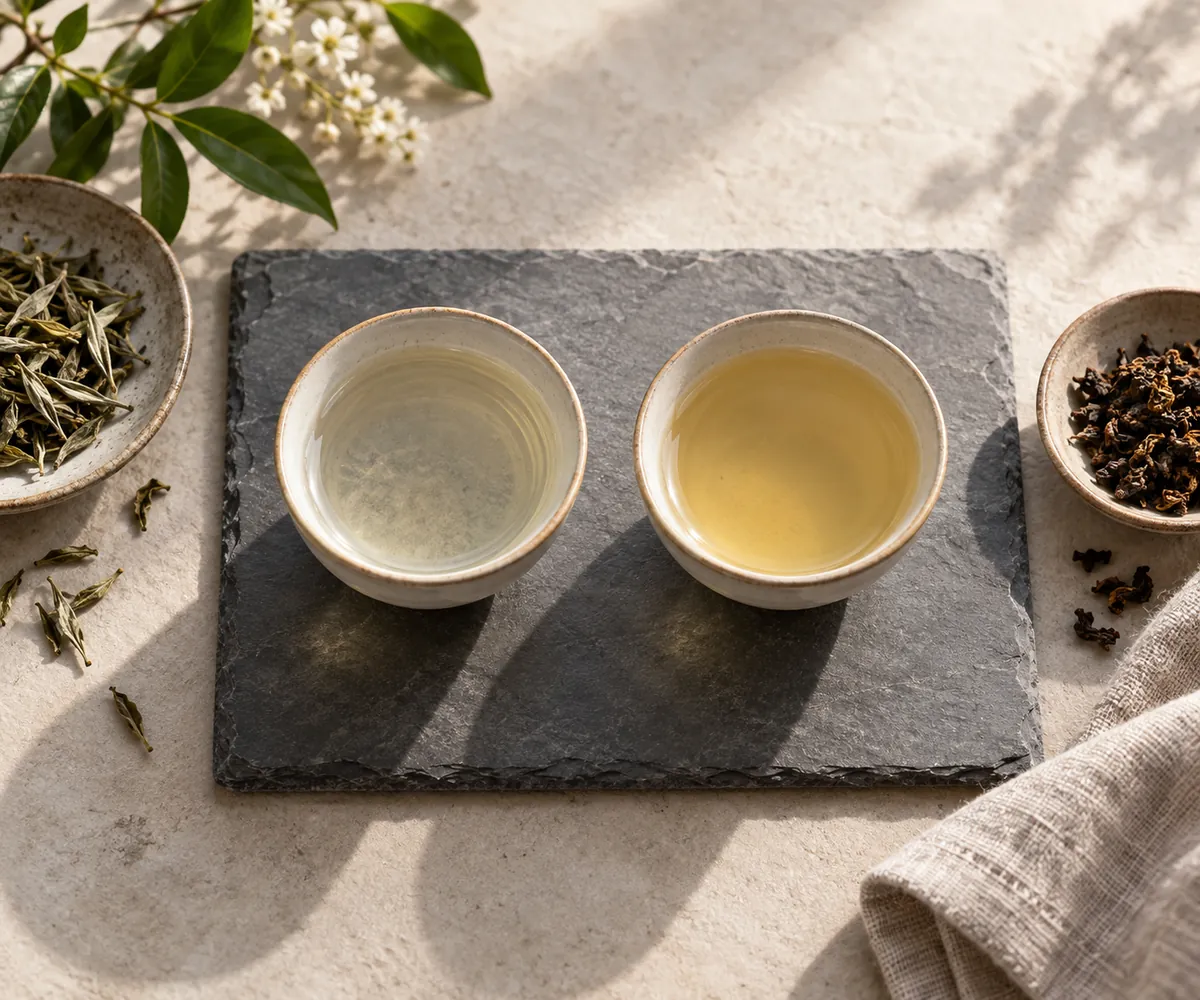
Leaf quantity is a leading cause. Doubling it often fixes a disappointing cup of this tea.
Time is next, and the floor is two minutes. Anything under that and the leaf has barely started, whatever the packet says.
Cool water is the over-correction. Being told not to boil it sends people to sixty degrees, where the leaf gives up very little.
The ball infuser causes the fault silently, because buds pressed against mesh never open and you get a weak cup from leaf that looks used.
Two things are not brewing faults. Badly stored leaf does fade genuinely and tastes of hay, and a very soft cup is simply what this tea is, so some drinkers will always prefer a black tea.
White tea method
- Makes
- 180 ml, and three to five infusions from the same leaf
- Ratio
- 2 teaspoons of buds or 2 tablespoons of open leaf per 180 ml
- Water temp
- 70 to 85 C, matched to the grade
- Steep time
- Three to five minutes on the first infusion
- Total time
- 8 min
What you need
- 2 teaspoons of white tea buds, or 2 tablespoons of open leaf, per 180 ml
- Water at 70 to 85 C
Equipment
- Teapot with a wide mesh basket
- Kettle
- A second cup for cooling water
Method
- WarmRinse the pot with hot water and tip it out.
- LeafTwo teaspoons of buds or two tablespoons of leaf into a wide basket.
- PourWater at 75 to 80 C, decanted two or three times from the kettle.
- WaitThree to five minutes on the first infusion.
- LiftTake the basket out rather than leaving the leaf in the pot.
Common questions
How much white tea should you use per cup?
Two teaspoons of buds or up to two tablespoons of open leaf per 180 ml. Measure by volume, since a gram of buds looks like a handful.
What temperature does white tea need?
Between 70 and 85 C, which is warmer than green tea rather than cooler. Boiling scorches the buds, and water below 70 gets very little out of them.
Can you over-steep white tea?
Not easily. Unrolled leaf releases slowly and tends to turn astringent later than green tea does, so a longer steep costs less here than it would with green tea.
How many times can you resteep white tea?
Three to five, and the second infusion is often the fullest because the buds are still opening through the first.