What Is Earl Grey? Black Tea and Calabrian Bergamot Oil
Earl Grey is finished black tea with the rind oil of a Calabrian citrus applied to it. The tea underneath is usually ordinary on purpose, so the quality and the dose of that one oil decide almost everything about the cup, including whether it tastes of fruit or of soap.
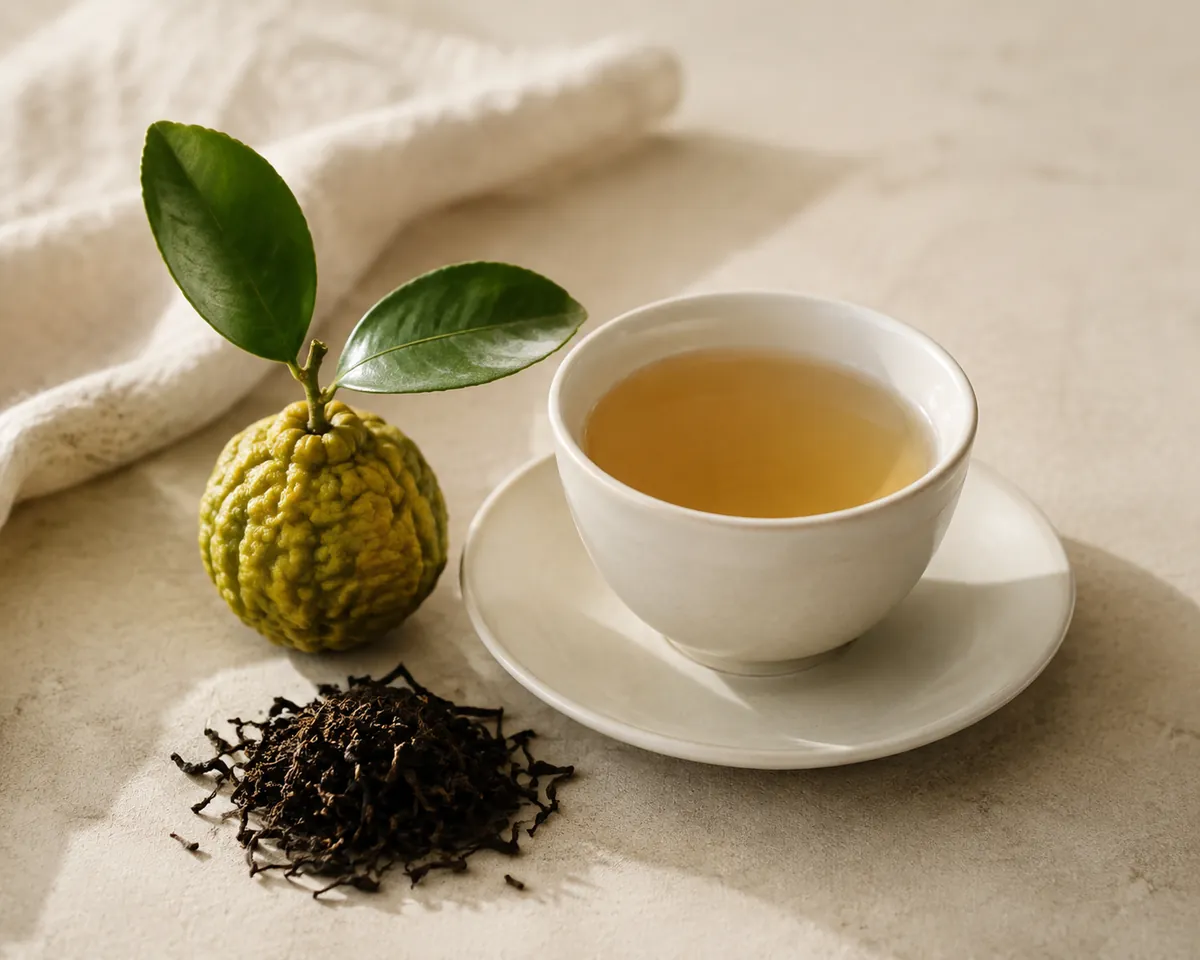
Earl Grey is black tea carrying the rind oil of a citrus fruit. That is the whole definition, and everything separating a very good one from an unpleasant one happens inside those few words.
The fruit is bergamot. Its oil is pressed from the peel rather than squeezed from the flesh, and it is applied to leaf that has already been withered, rolled, oxidised and dried, so the flavouring is the last thing to happen rather than part of how the tea was made.
That order matters more than it sounds. It means the tea underneath is a separate purchase from the aroma on top of it, and it means one ingredient that never appears on the label by quantity is doing most of the work in the cup.
Earl Grey at a glance
- What it is
- Finished black tea flavoured with bergamot oil
- The fruit
- Bergamot, Citrus bergamia, grown mainly in Calabria
- The part used
- The rind. The juice is too sour and too bitter to be worth much
- How it is applied
- Sprayed or tumbled onto dry leaf, then rested so it spreads
- Not the same as
- Jasmine tea, which absorbs aroma from flowers instead
- Water
- Boiling, with a short steep so the top notes survive
- Keeps
- Badly. The oil fades long before the leaf beneath it does
The oil is the whole tea
Take the bergamot away and what remains is an unremarkable black tea that nobody would have bought. Add too much of it, or the wrong sort, and the tea underneath stops mattering at all.
The name attaches to Charles Grey, the second Earl Grey and briefly the British prime minister in the 1830s. Every origin story attached to him is undocumented, the accounts offered by different companies contradict each other, and none of them changes what is in the packet.
The recipe is the durable part.
Oil quality
Cold-pressed bergamot rind oil, or a synthetic flavouring built to resemble it. The single biggest variable.
Dose
How much went on. Too little and the tea reads plain, too much and nothing else survives.
Base
The black tea under the oil, which decides the body and almost none of the aroma.
Freshness
How long the tin has been open. The aroma leaves first and takes the character with it.
Additions
Cornflower petals, citrus peel or vanilla, which belong to the variants rather than the original.
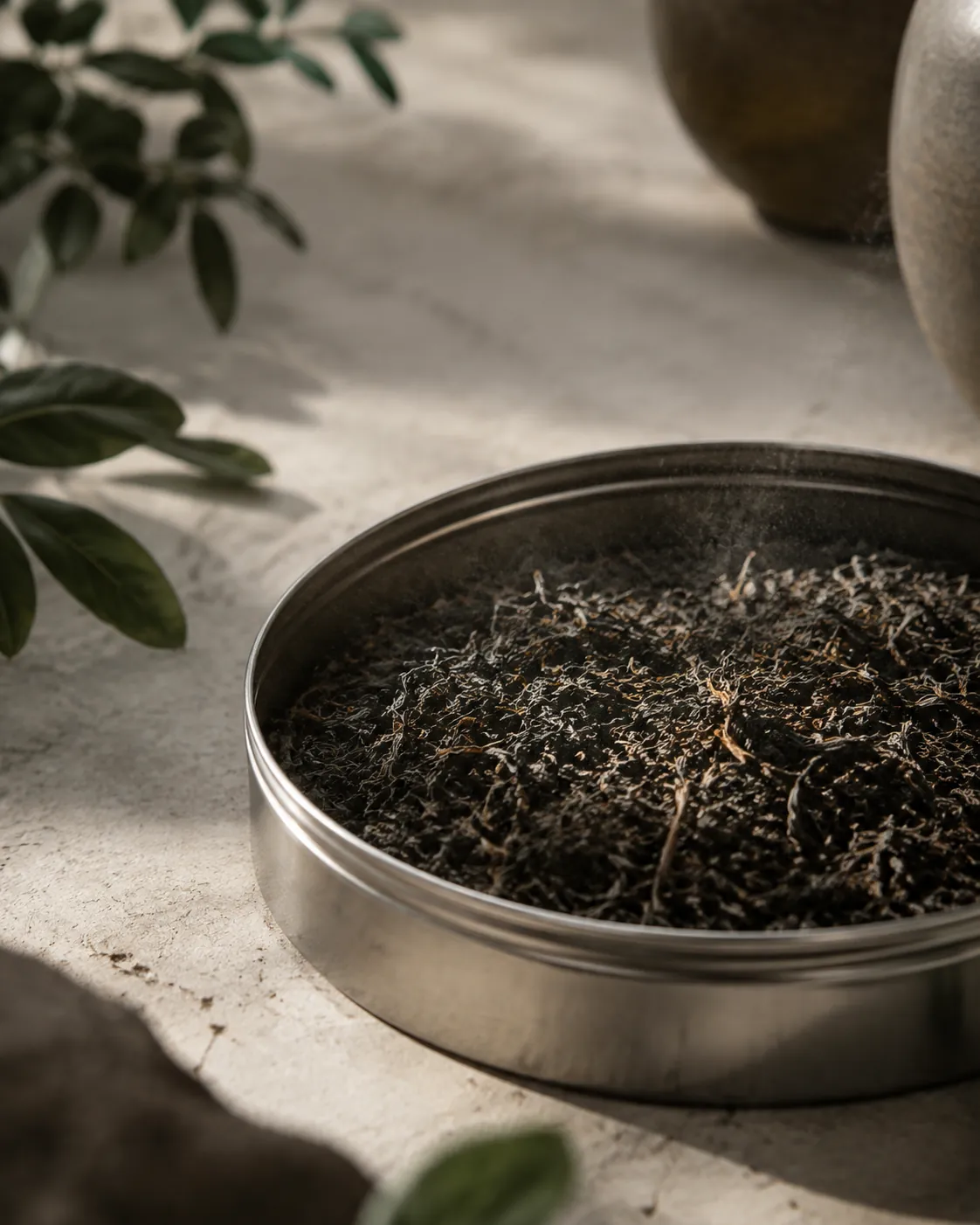
Nothing else on the tea shelf is this lopsided. With a Darjeeling or a sencha the leaf is the product, and here the leaf is closer to a carrier for something bought by the litre from a completely different agricultural industry.
What a bergamot actually is
A bergamot is a knobbly, pear-shaped citrus, yellow-green when ripe, about the size of an orange and far too sour to eat. It is widely understood to be a hybrid rather than a wild species, and its commercial life is almost entirely about its skin.
Nearly all of it comes from one narrow coastal strip in Reggio Calabria, in the far south of Italy, where the crop is picked through the winter.
Perfumery discovered it long before tea did, and it remains one of the most recognisable top notes in the trade.
| Question | Answer |
|---|---|
| What it is | Citrus bergamia, a sour citrus grown for its peel |
| Where | Overwhelmingly the Calabrian coast, with smaller plantings elsewhere |
| When | Harvested through the winter months |
| The valuable part | Rind oil, cold-pressed from the peel |
| The juice | Very sour, very bitter, and little used |
| Other main use | Perfumery, where it is a classic top note |
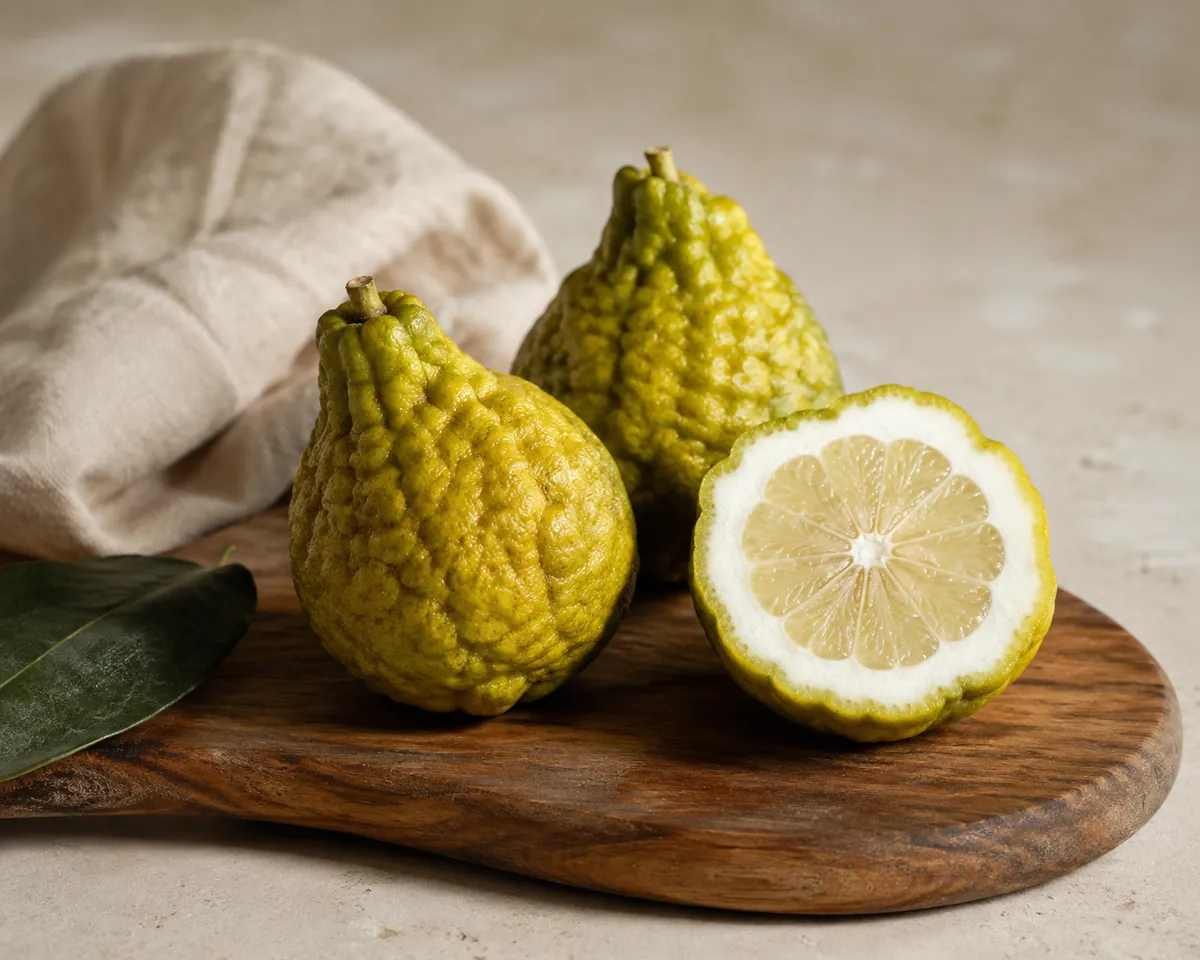
Yield is the reason the good oil is expensive. It takes a great many fruit to press a small quantity of oil, the crop is confined to a small region, and a poor winter there moves the price of every tea that depends on it.
The oil is also volatile by design, which is what makes it useful in perfume and awkward in a tin. Its brightest compounds are the first to leave, and they start leaving the moment the packet is opened.
Why this is a flavoured tea and jasmine is a scented one
The two words are used loosely in shops and they describe genuinely different operations. Getting them apart explains a good deal about why Earl Grey behaves the way it does.
Scenting works by absorption. Dry leaf readily takes up aroma from the air around it, so flowers laid in layers with the leaf over several nights transfer their character into it, and the spent flowers are then sifted out.
How jasmine is scented sets that process out in full.
Flavouring works by addition. An oil or a flavour preparation is sprayed or tumbled directly onto finished leaf and left to rest so it distributes, which takes hours rather than nights.
| Scented | Flavoured | |
|---|---|---|
| Method | Layered with fresh flowers over repeated nights | Oil applied directly to finished leaf |
| Time | Days, and several cycles for a good one | Hours |
| What is left behind | Usually nothing. The flowers are removed | The oil itself, sitting on the leaf |
| Cost | High, and it rises with each cycle | Low |
| Control over strength | Limited, and bounded by what the leaf will absorb | Total, which is the problem |
| Example | Jasmine green tea | Earl Grey |
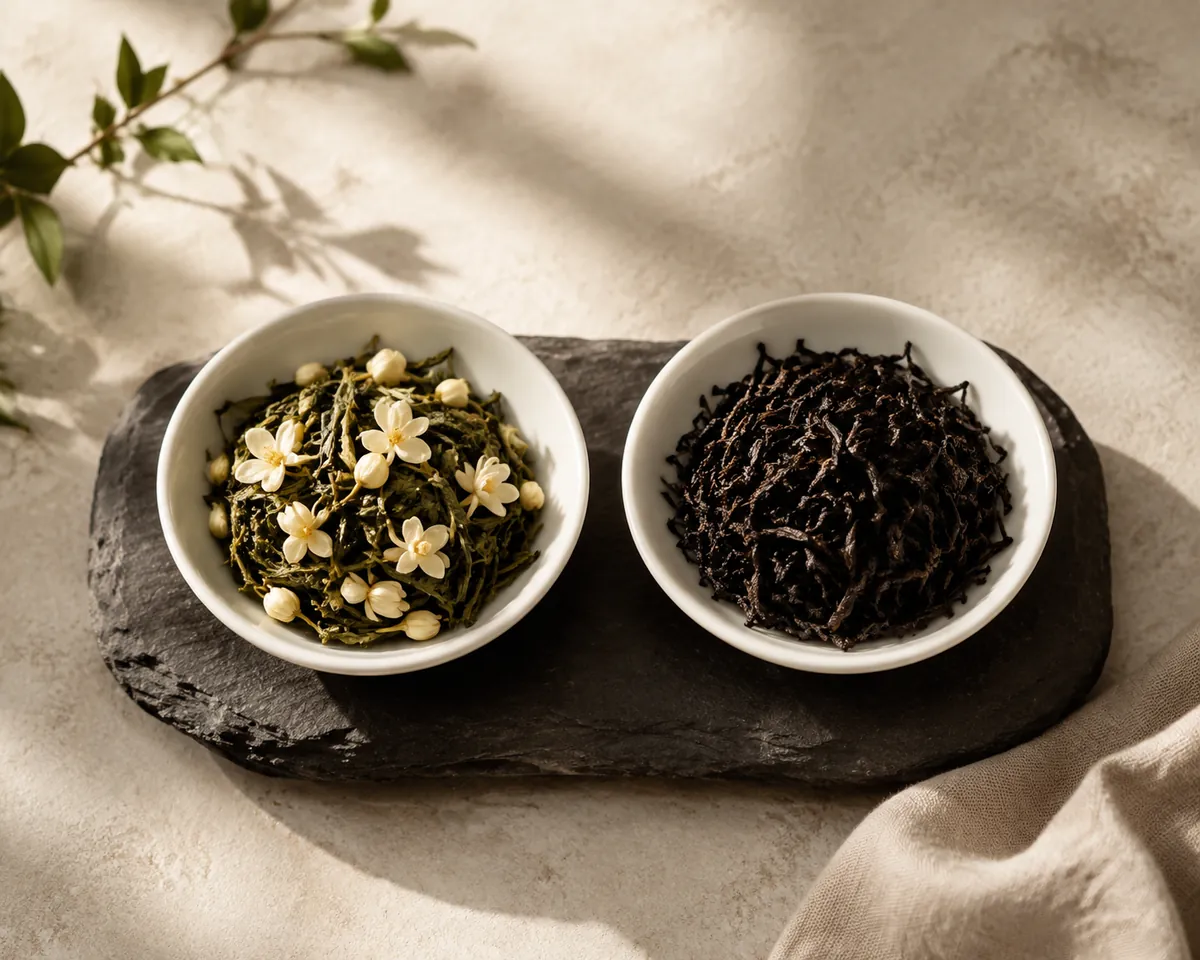
That last row is the important one. Because an oil can be added at any strength, an Earl Grey can be pushed to a level of aroma that no scenting process could ever reach. A scented tea is limited by what the leaf will take up, and a flavoured one is limited only by what the blender decides.
Why the cheap ones taste of soap
The soapy quality that puts people off this tea is not imagined, and it is not a matter of an unrefined palate. It has a straightforward chemical explanation.
Bergamot oil is dominated by a handful of compounds, chiefly linalyl acetate, linalool and limonene. The first two are also the backbone of a great many soap, detergent and fabric-conditioner perfumes, so a version built mostly on those and missing the dozens of minor components in the real oil lands squarely in the household-cleaning register.
Four things push a cup that way, and they often arrive together.
Synthetic flavouring
A nature-identical preparation reproduces the loudest notes and leaves out the rest, which is exactly the profile a soap perfume has.
Overdosing
A heavy hand hides a poor base. It also removes any chance of the tea reading as fruit rather than perfume.
Oxidised oil
Bergamot oil degrades in storage, and old oil turns sharp and turpentine-like rather than merely faint.
Long steeping
The bitter and resinous fraction extracts late, so an over-brewed cup tastes far more perfumed than a short one.
Water hardness makes it worse in a way that surprises people, because a heavy mineral load flattens the fruit and leaves the perfume standing alone, which is one more argument for the case that brewing water sets out.
How to read the ingredients line
More can be learned from the small print here than from almost any other tea, because the flavouring has to be declared and the declaration follows conventions.
- Look for bergamot oil or oil of bergamot named outright, which is the best signal available.
- Treat natural flavouring as a maybe. It permits real bergamot and permits a great deal else.
- Treat flavouring on its own as a synthetic preparation, whatever the picture on the front shows.
- Ignore cornflower petals entirely. They are decoration and contribute no aroma.
- Smell the dry leaf if you can. Real oil reads as bitter peel, and a flavouring reads as perfume.
- Check the pack date. This is the one tea where the year on the tin genuinely matters.
Price here tracks the oil rather than the leaf, which is the opposite of how most tea is priced. A tin costing three times its neighbour is usually paying for cold-pressed Calabrian oil at a sensible dose, not for a better base underneath it.
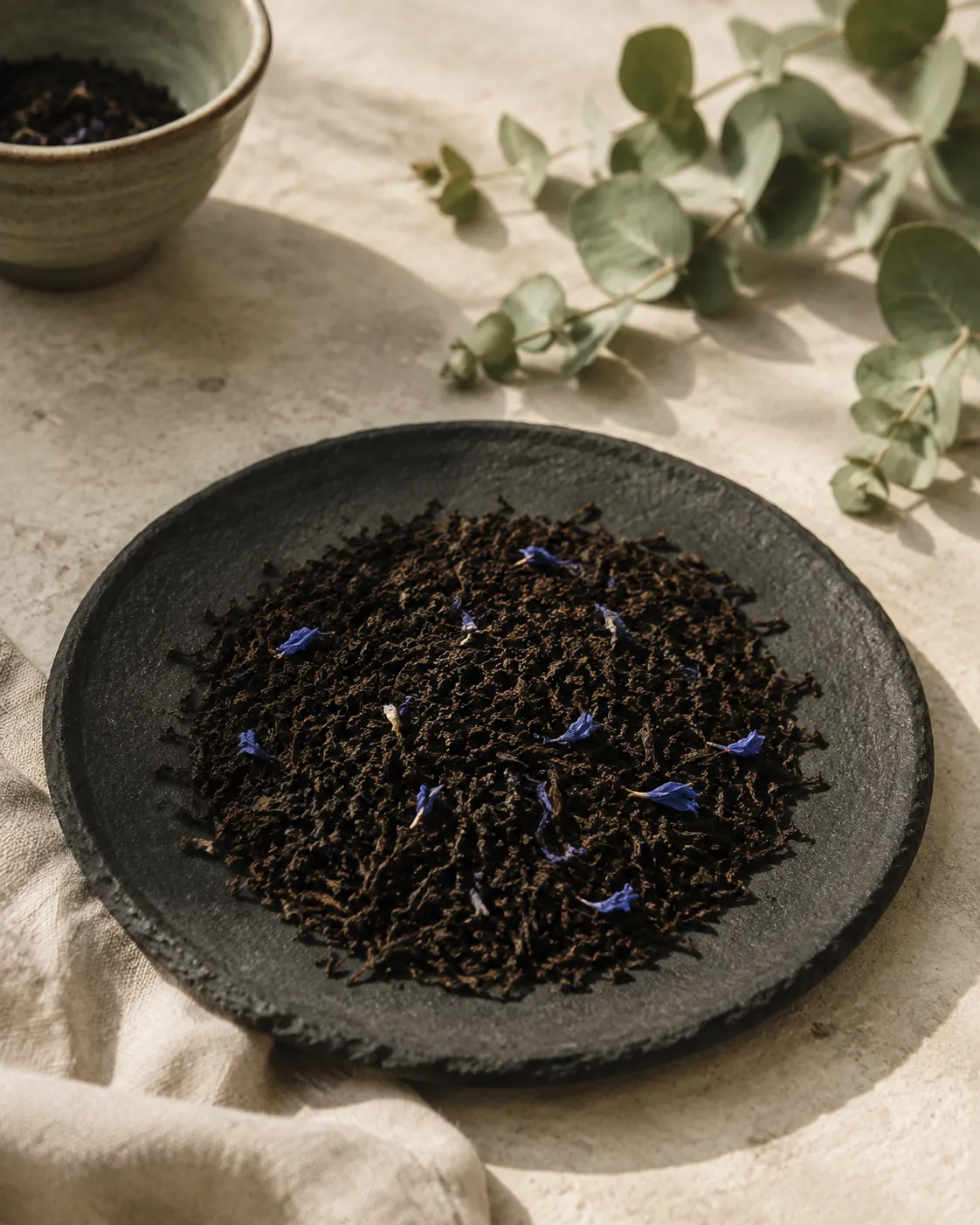
Blue cornflower petals deserve a specific warning because they have become shorthand for quality. They are pretty, they survive drying and they smell of nothing, so a packet full of them tells you about the marketing budget rather than the aroma.
The base underneath, and why it is usually plain
Almost every Earl Grey rests on a light Ceylon or a Chinese black, sometimes with a little Assam for weight, and the choice is deliberate rather than lazy. A base with a strong voice of its own would argue with the bergamot.
That is why paying for a distinguished single-garden leaf under the oil rarely repays. A fine Darjeeling spends everything it has on aroma, and the bergamot is going to sit on top of that aroma and win.
Bases used under bergamot, and how they behave
- Green or white leafDelicate, and the bergamot has almost nothing to push against
- Chinese black, Keemun typeSoft and cocoa-toned. Lets the fruit lead, and the traditional choice
- CeylonBright and citric, which flatters bergamot. The commonest base of all
- Blended breakfast-styleMore body, more colour, and a fair match for milk
- Assam-ledMalty and thick. Turns the drink into a strong tea with citrus on it
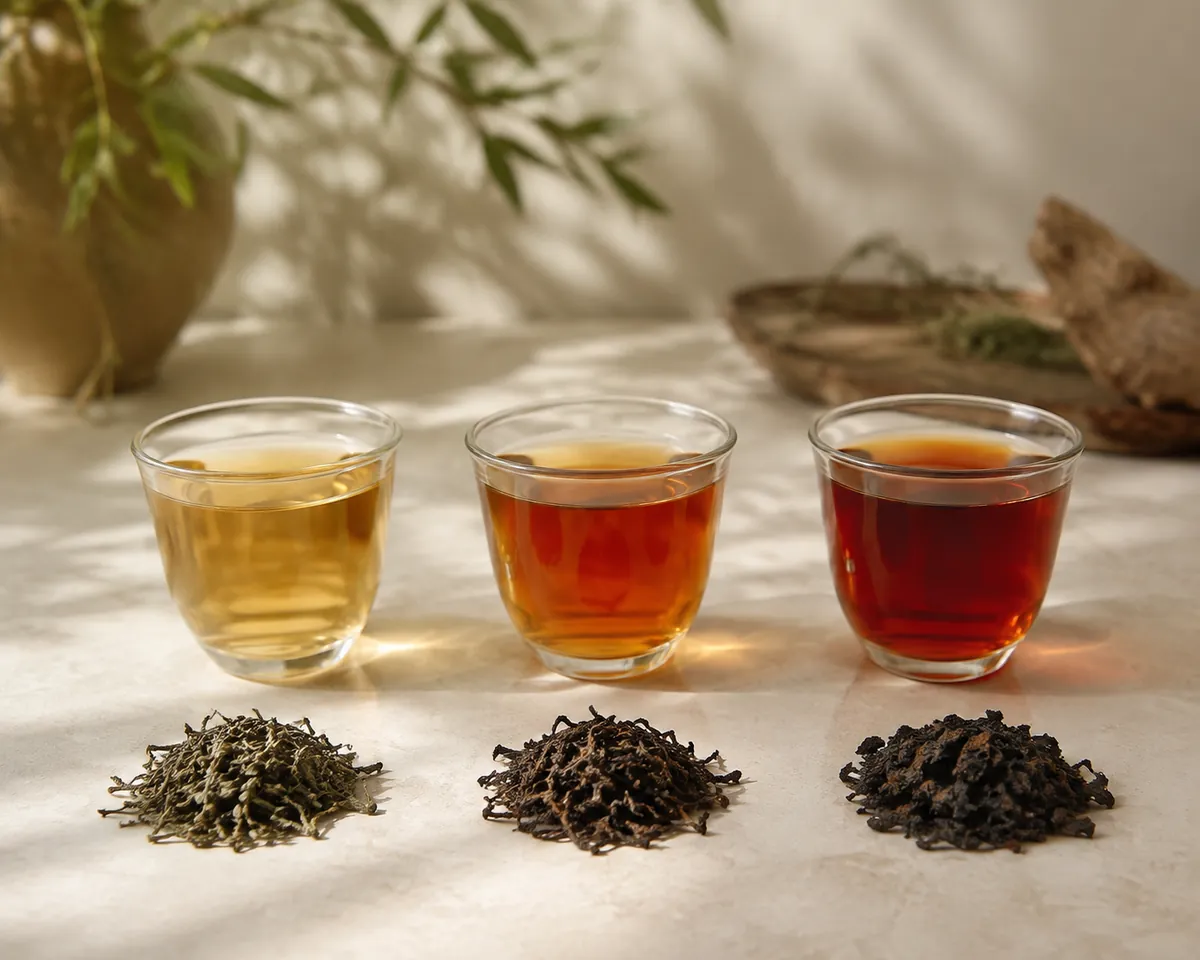
The oil also travels well beyond black tea. Green, white and oolong Earl Greys are all made, and so are versions on rooibos for people who want the flavour without the leaf, though a lower-tannin base gives the bergamot far less to push against and the result can read thin.
Where the base is a light one, the practical consequence is at the kettle rather than in the shop. A Chinese-black Earl Grey turns bitter faster than a breakfast blend does, which is worth knowing before you leave the bag in.
What Lady Grey, cream and French Earl Grey add
The variants are all the same move made twice: something else is added on top of a tea that was already a flavoured product. Knowing which is which saves a disappointing purchase.
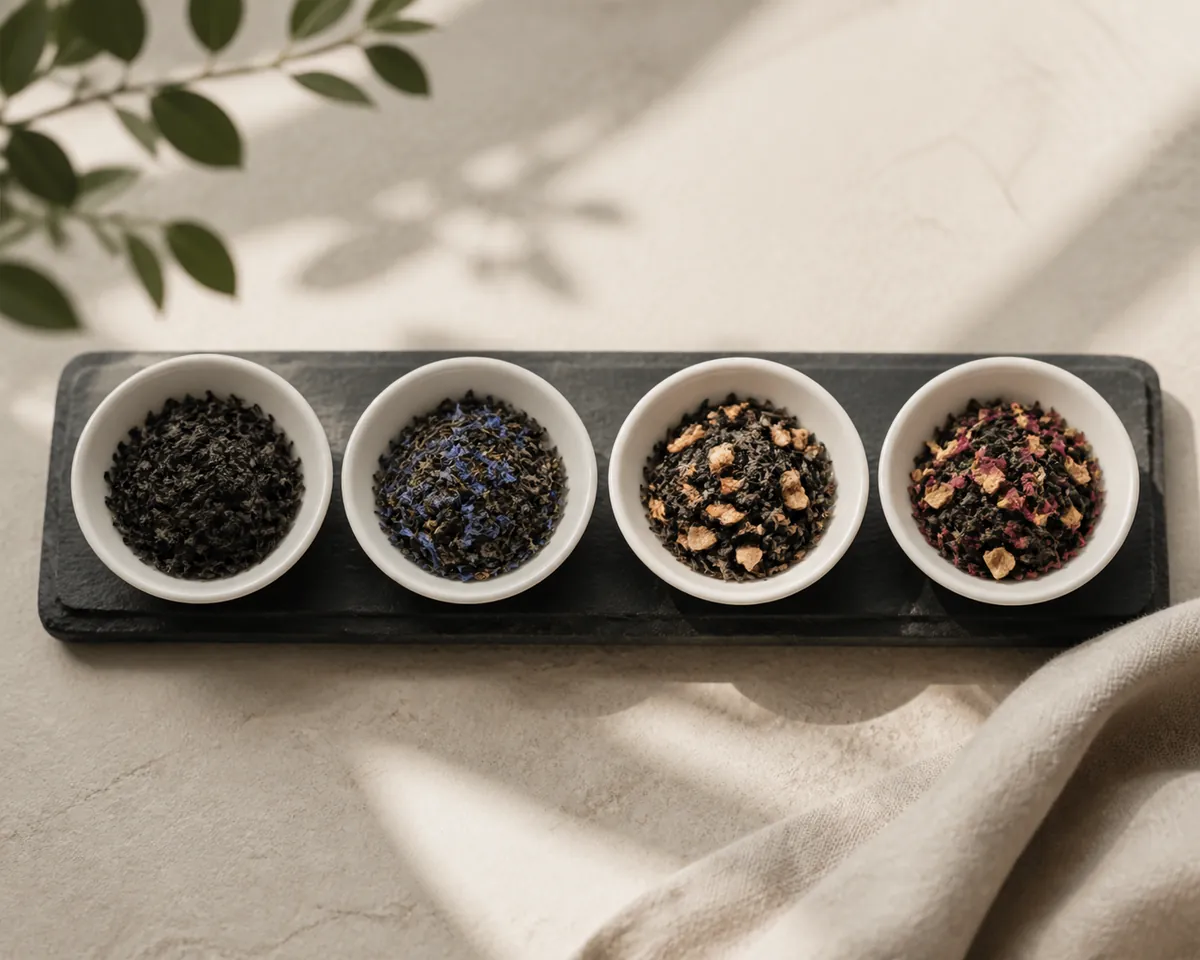
Lady Grey is a trademarked name rather than a generic style, and the recipe conventionally softens the bergamot with citrus peel and cornflower.
Anything sold as a cream version carries vanilla flavouring and no dairy of any kind, which catches people out.
| Name | What is added | What it does to the cup |
|---|---|---|
| Lady Grey | Citrus peel and cornflower, over less bergamot | Lighter, more orange, less perfumed |
| Earl Grey cream | Vanilla flavouring. No dairy is involved | Rounder and sweeter, and it can read as confected |
| French Earl Grey | Dried fruit and flower petals | Fruity and floral, and further from the original |
| Russian Earl Grey | Additional citrus peel, often orange and lemon | Sharper and more marmalade-like |
| Smoky Earl Grey | A proportion of pinewood-smoked leaf | Divisive, and the smoke usually wins |
The sweetened versions are worth a separate thought, because a tea already carrying an added aroma takes sweetening differently from a plain one. A little vanilla syrup in a plain Earl Grey gets you most of the way to a cream version without buying one, and it lets you stop when you want to.
None of these variants is a stronger Earl Grey. Each is a different drink built on the same starting point, and someone who wants more bergamot should buy a better-dosed tea rather than a variant.
How to brew it so the bergamot survives
The base is fully oxidised, so boiling water does it no harm, and the whole map of where each style sits is in steeping temperature basics. What needs protecting is not the leaf but the aroma sitting on it.
Starting points
- Water
- 95 to 100 C for a black base, 80 to 85 C for a green one
- Leaf
- 2.5 to 3 g per 200 ml
- Steep
- 3 minutes, and taste at two and a half before committing
- Cover
- Keep a lid or a saucer on it while it brews
- Second infusion
- Weak, because the oil largely leaves on the first pass
- With milk
- Only on a heavier base, and add leaf rather than time
Covering the cup is the one instruction people skip and the one that does most. Volatile aromatics leave with the steam, so an open mug loses a noticeable share of the bergamot to the room in the first minute.
A saucer laid over the rim costs nothing and holds most of it back.
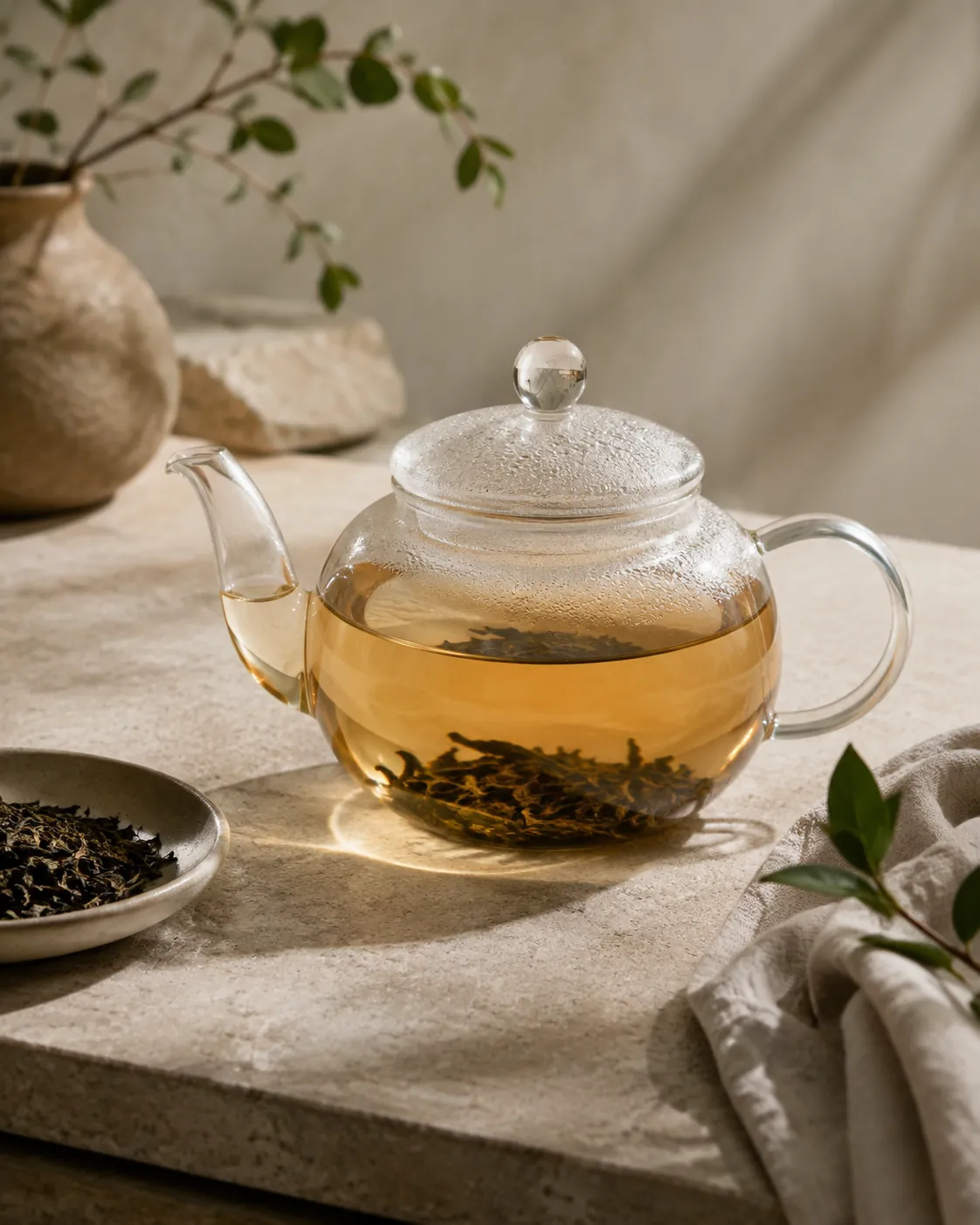
Time punishes this tea in a specific direction. Push past three or four minutes and the bright fruit has already gone while the resinous fraction of the oil is still arriving, so an over-brewed cup does not taste stronger so much as more perfumed and more bitter, which is where Earl Grey problems usually starts.
Give the leaf room, since a cramped ball extracts unevenly and the oil distribution is uneven to begin with, which is the case the tea infuser page makes at length. Brewing Earl Grey therefore depends on a short, timed infusion rather than a weaker dose.
Why the tin fades before the leaf does
Every tea loses aroma with time. This one loses the part you bought it for, it does so on a much shorter clock than the leaf underneath, and the loss is finished long before anything else about the tin has changed.
The oil sits on the surface, exposed to air in a way that the compounds locked inside a leaf are not, and its brightest fractions are the most volatile of all. So a tin that smelled vivid in the shop can read faint and slightly waxy four months later while the black tea beneath it remains perfectly sound.
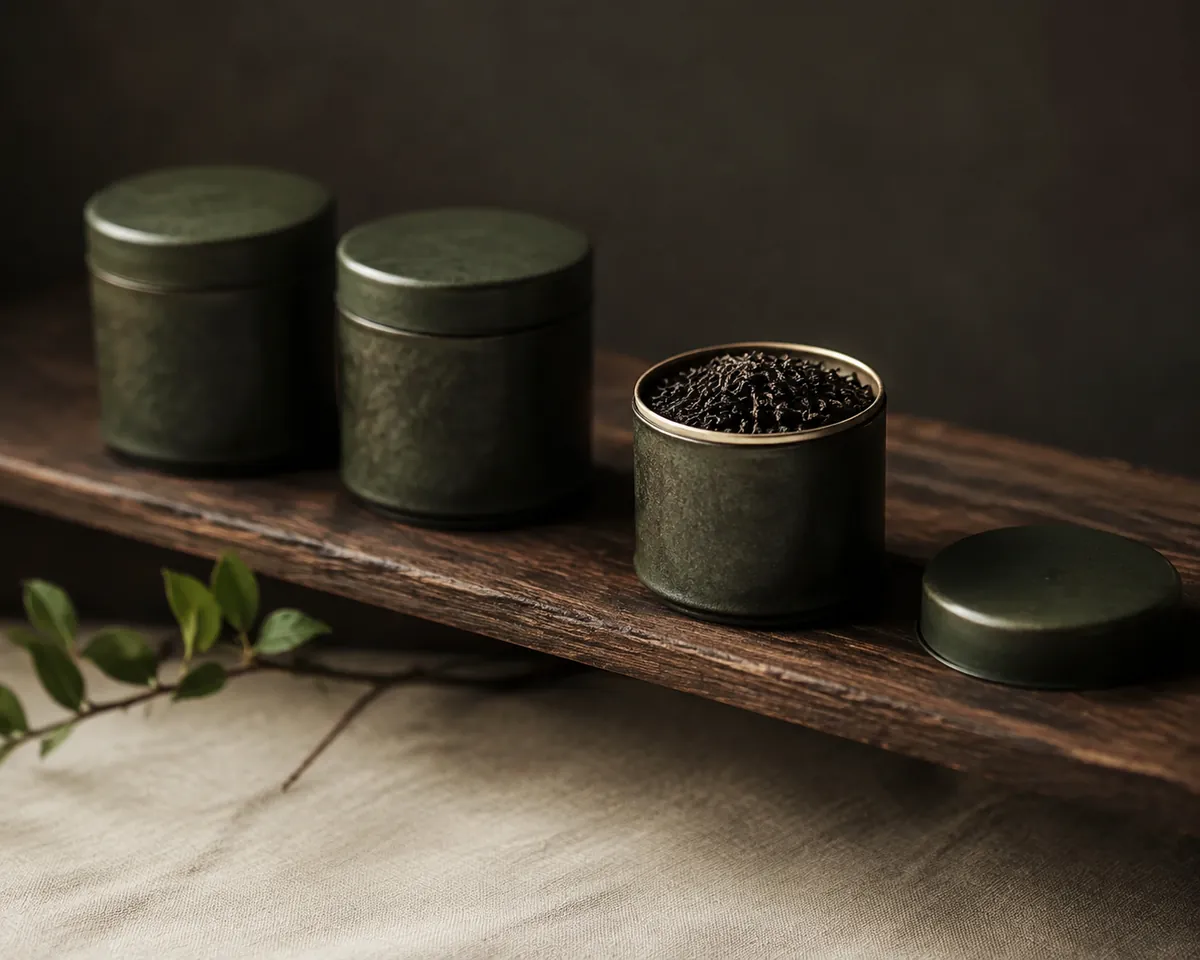
- Buy small. A hundred grams finished quickly beats a large tin finished slowly.
- Keep it airtight and opaque, and open it as briefly as you can.
- Store it apart from your other teas, because the oil migrates into anything nearby.
- Never keep it beside a green tea or a white tea, which pick up the bergamot within weeks.
- Judge it by smell rather than by the printed date, since the aroma goes first.
That third point is the one specific to this tea. Dry leaf absorbs aroma readily, which is the whole basis of scenting, so an open Earl Grey tin will flavour its neighbours given a few weeks on the same shelf.
The tea that suffers most is whichever delicate green happened to be next to it.
The general rules in storing loose-leaf tea all apply, and they apply with more urgency here than to anything else on the shelf. Keeping Earl Grey goes further into the specifics, and a tin that has gone flat is still perfectly good as a strong base for iced tea, where a larger dose covers the loss.
How much caffeine sits under the bergamot
Bergamot oil carries no caffeine, so the answer is simply whatever the base delivers, which places Earl Grey in the ordinary black tea range rather than anywhere unusual.
In practice a cup often lands slightly below a strong breakfast blend, and the reasons are the ones already covered. The base is frequently a lighter Ceylon or Chinese leaf, and the brew is kept short to protect the aroma, so two of the three variables point downwards.
A green or rooibos base changes the arithmetic entirely. That is worth checking on the packet rather than assuming, since neither is signalled anywhere on the front.
How much caffeine is in Earl Grey works through the variables, black tea against green tea covers the neighbouring styles, and caffeine by brewing method gives the coffee benchmark for scale.
Where it belongs, and where the oil gets in the way
Earl Grey is at its best where its aroma is the point of the drink rather than a complication in it. Served plain, in a thin cup, without food fighting it, a well-made one is genuinely aromatic in a way very little else on a supermarket shelf manages.
It is at its worst where something else in the room is already claiming that job.
Right when
You want an aromatic cup drunk plain, and you have three minutes to time it properly.
Right when
You are cold brewing, since long cold extraction is gentle on the oil and gives a clean iced glass.
Wrong when
It is going in a travel mug with milk, where an English Breakfast does the job better and costs less.
Wrong when
You want something to drink alongside strongly spiced food, which flattens the bergamot completely.
Start here
A loose-leaf tin that names bergamot oil in its ingredients, bought in a small quantity.
The spiced-drink point is worth taking seriously. Bergamot and heavy spice occupy the same part of the palate and neither gives way, which is why nobody makes a masala chai on an Earl Grey base and why the results are unpleasant when anyone tries.
What a good one tastes like, in more detail, is the subject of what Earl Grey tastes like.
Common questions
What is bergamot, and which part of it goes into the tea?
Bergamot is a sour yellow-green citrus, Citrus bergamia, grown almost entirely along a narrow strip of the Calabrian coast in southern Italy. Only the rind is worth anything, because the juice is too sour and too bitter to drink, and the oil is cold-pressed from the peel and then applied to finished tea leaf.
Why does some Earl Grey taste like soap?
Cheap versions are built on a synthetic or nature-identical flavouring dominated by linalool and linalyl acetate, which are also the backbone of a great many soap and detergent perfumes, so the association is literal rather than imagined. Overdosing to cover a poor base and using oil that has oxidised in storage both push the cup the same way.
Is Earl Grey a scented tea like jasmine?
No, and the difference is a real one. Jasmine is scented, meaning dry leaf absorbs aroma from fresh flowers laid alongside it over several nights and the flowers are then removed. Earl Grey is flavoured, meaning an oil is sprayed or tumbled directly onto finished leaf, which is faster, cheaper and far easier to overdose.