Why Does Green Tea Taste Bitter? Heat, Time, and Leaf Quantity
Nearly all bitter green tea comes down to two things: water that was too hot, or a steep that ran too long. Both pull out catechins and caffeine faster than the sweet and savoury compounds that should balance them.
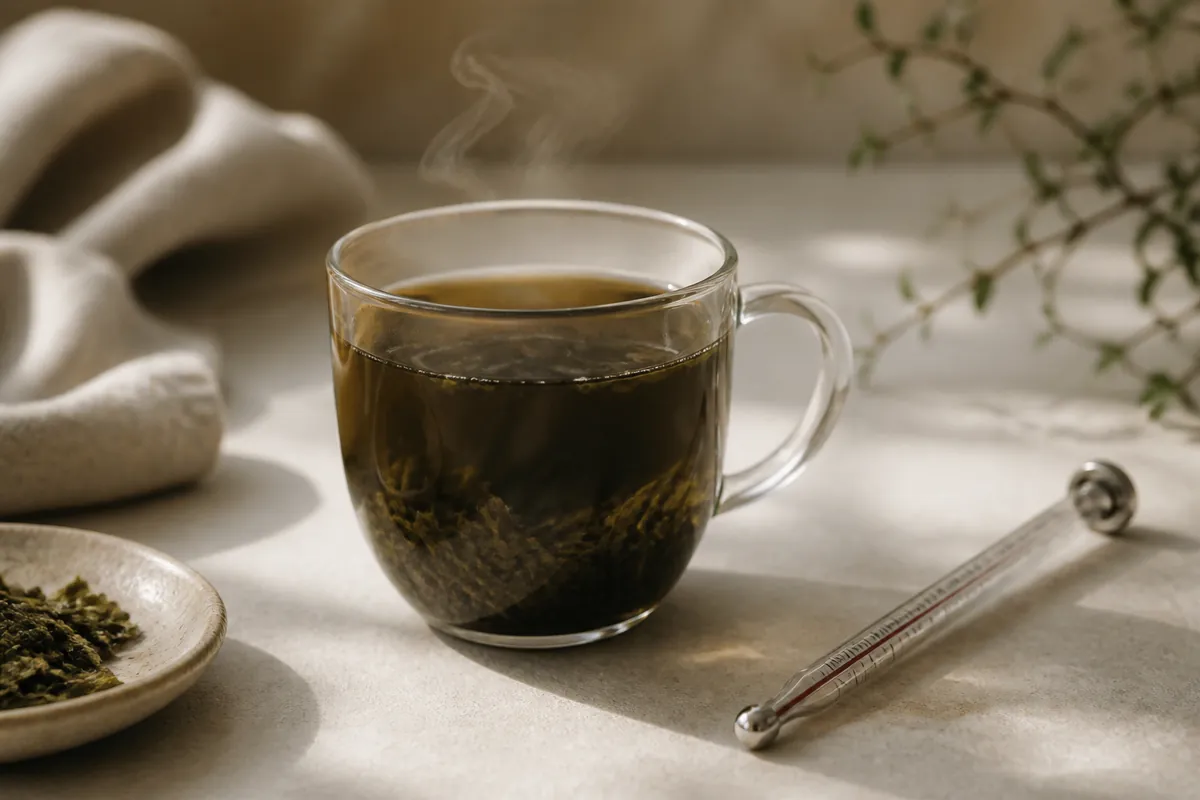
Green tea has the narrowest brewing window of any common tea.
Black tea will take boiling water and five minutes without complaint. Green tea will not, and when it is pushed past its limits the result is a harsh, drying, bitter cup that no amount of stirring will settle.
Four things cause it, and they are worth checking in order, because the first one accounts for most cups and the last one is the hardest to see. The leaf's own contribution is set out in what green tea is.
The rest happens between the kettle and the cup.
Water above 80 C is the usual culprit
Water temperature is by far the most common reason a cup of green tea comes out harsh, and it is also the easiest of the four causes to fix, because it needs no equipment and no judgement beyond a clock.
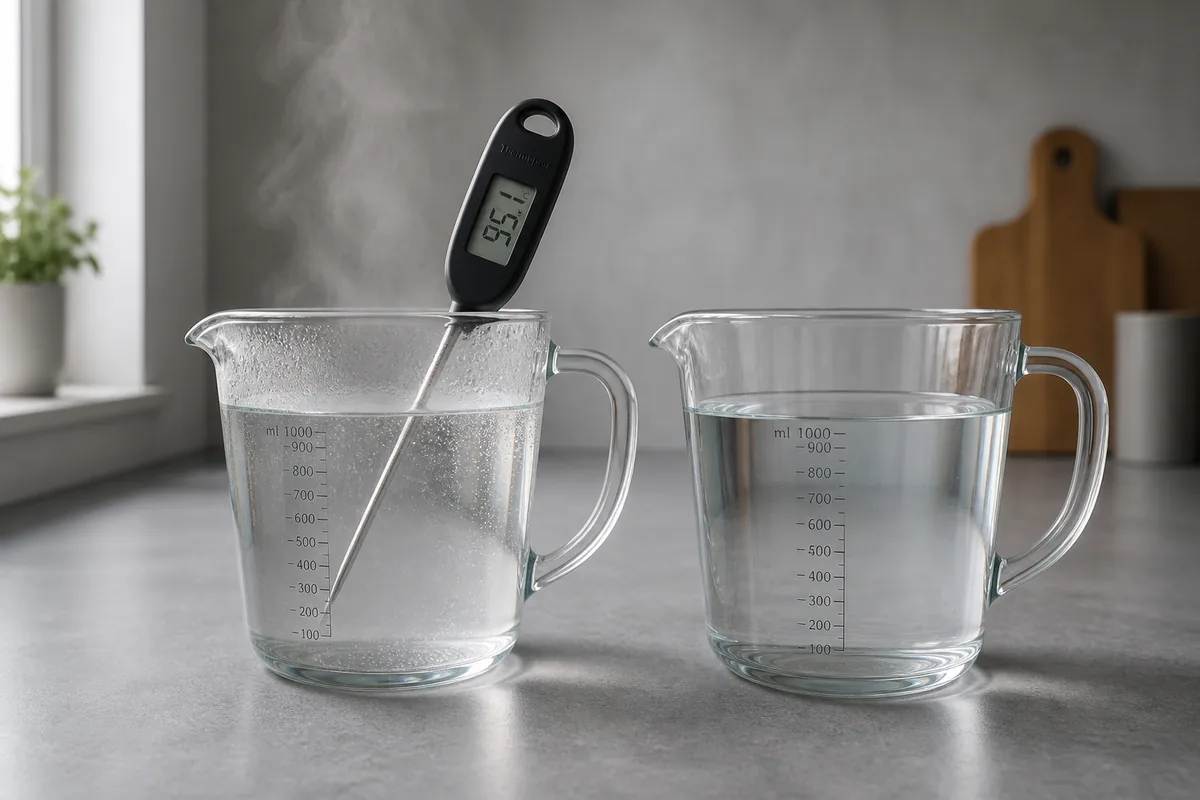
Green tea carries catechins, which taste bitter and astringent, alongside theanine and simple sugars, which taste sweet and savoury. Both groups dissolve into hot water, but catechins extract disproportionately faster as the water gets hotter.
Boiling water does not pull more of everything out evenly; it tilts the balance hard towards the bitter end and leaves the sweetness behind.
Starting temperatures
- Delicate Japanese greens
- 70 C / 158 F
- Most everyday green tea
- 75 to 80 C / 167 to 176 F
- Robust or roasted greens
- 80 to 85 C / 176 to 185 F
Without a variable-temperature kettle, boil the water and then let it stand: in an open cup, freshly boiled water drops into the seventies within two to three minutes, and pouring it into a cold cup or teapot first takes several degrees off immediately. A gooseneck kettle with a temperature dial removes the guesswork, and it is the one purchase that changes this page rather than merely speeding it up.
What the catechins and the theanine are doing
Two families of compound are competing in the cup. Both come out of the same leaf into the same water, and which one arrives first decides how the cup tastes.
What is actually in the cup
- EGCG
- The dominant catechin, and the most astringent. Extracts fastest above 80 C
- EGC and ECG
- The other major catechins. Similar behaviour, less intense
- Caffeine
- Genuinely bitter in its own right, and it extracts fast and early
- L-theanine
- An amino acid, sweet and savoury. Extracts readily even in cool water
- Saponins
- A small fraction, giving a faint bitter edge and the foam on whisked tea
- Simple sugars
- Sweet, and the first thing to leave a stale leaf
Theanine is the key to the whole problem. It extracts happily at 60 to 70 C while EGCG needs more heat to come out in quantity, which is precisely why cooler water gives a sweeter cup rather than a weaker one.
Caffeine complicates the picture, since it extracts fast at any temperature, so a short cool steep produces a cup that is sweet and still carries most of its caffeine.
| Water | What comes out first | How the cup reads |
|---|---|---|
| 70 C | Theanine and sugars | Sweet, savoury, very soft, can taste thin |
| 75 to 80 C | Balanced | Sweet with enough grip to have shape |
| 90 C | Catechins pull ahead | Drying, the sweetness starts to disappear |
| 100 C | Catechins dominate | Harsh and bitter, no sweetness left |
The pattern is steady rather than sudden. Nothing breaks at a particular temperature and no threshold is crossed; the astringent compounds simply arrive faster the hotter the water gets, and above about 85 C they arrive faster than the sweet ones can keep up with.
That is the entire mechanism, and every fix on this page is a way of slowing one side of it down.
Leaving the leaf in, and how much of it went in
Extraction does not stop when the tea tastes right. It keeps going, and the later it runs the further the balance tilts, which is why the same leaf can be pleasant at two minutes and undrinkable at five.
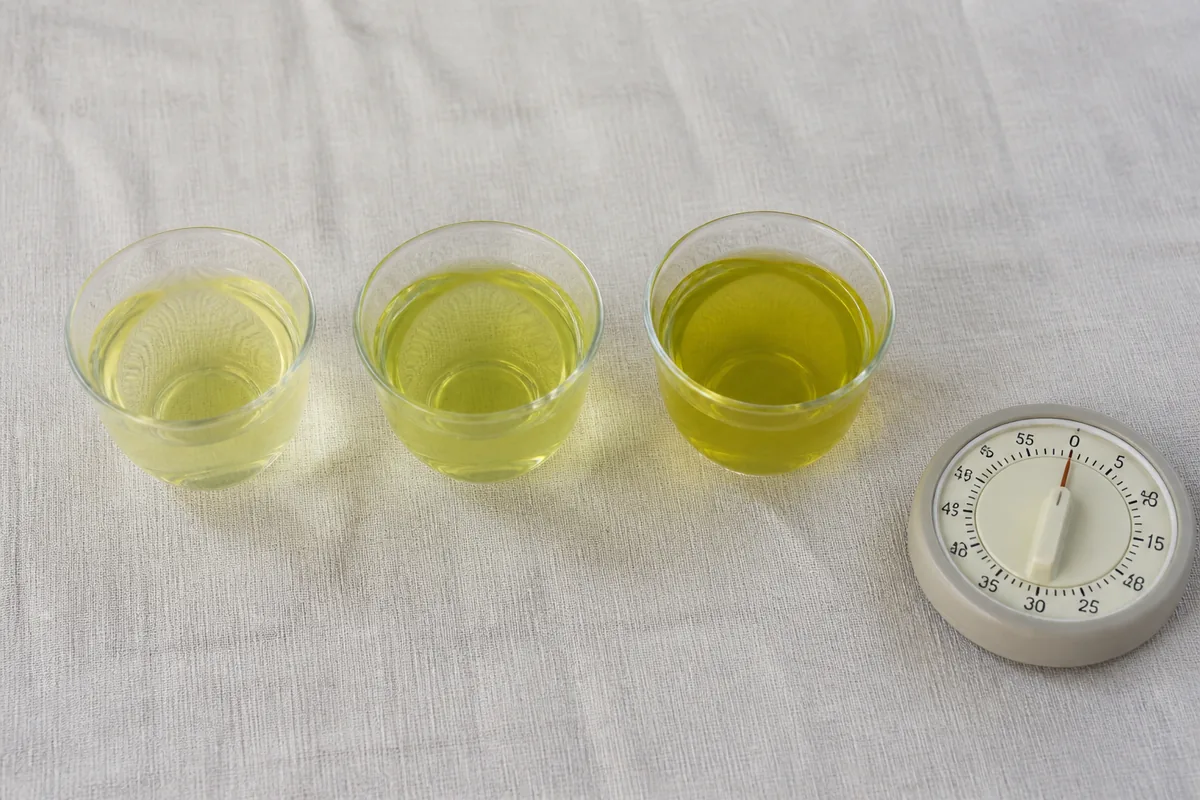
Most green tea wants one to three minutes, and two is a sensible place to start. Timing matters most in the first minute, so a cup abandoned while you answer the door is already a different drink by the time you come back to it.
Dose is the same argument by another route, since more leaf in the same water means more of everything, the bitter compounds included. Around 2 g per 200 ml is a reasonable starting point, roughly a level teaspoon for a small cup, and a heaped spoon is easily double a level one.
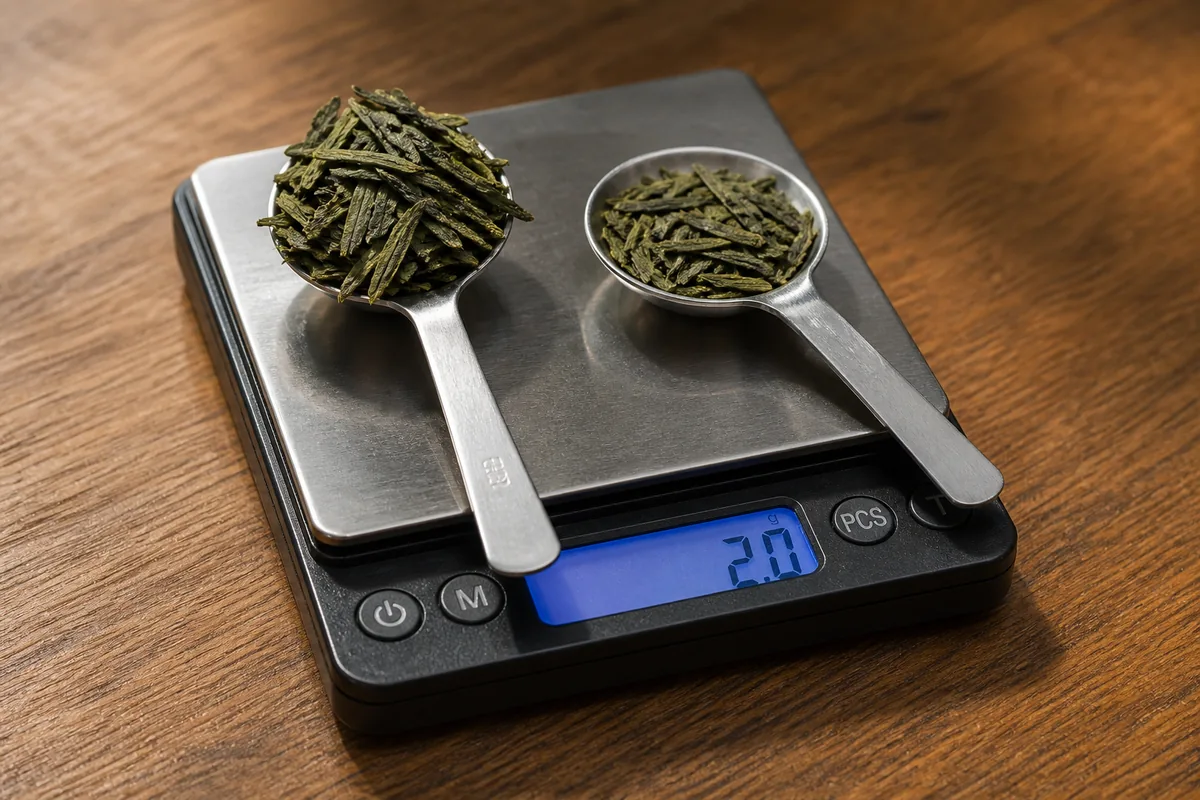
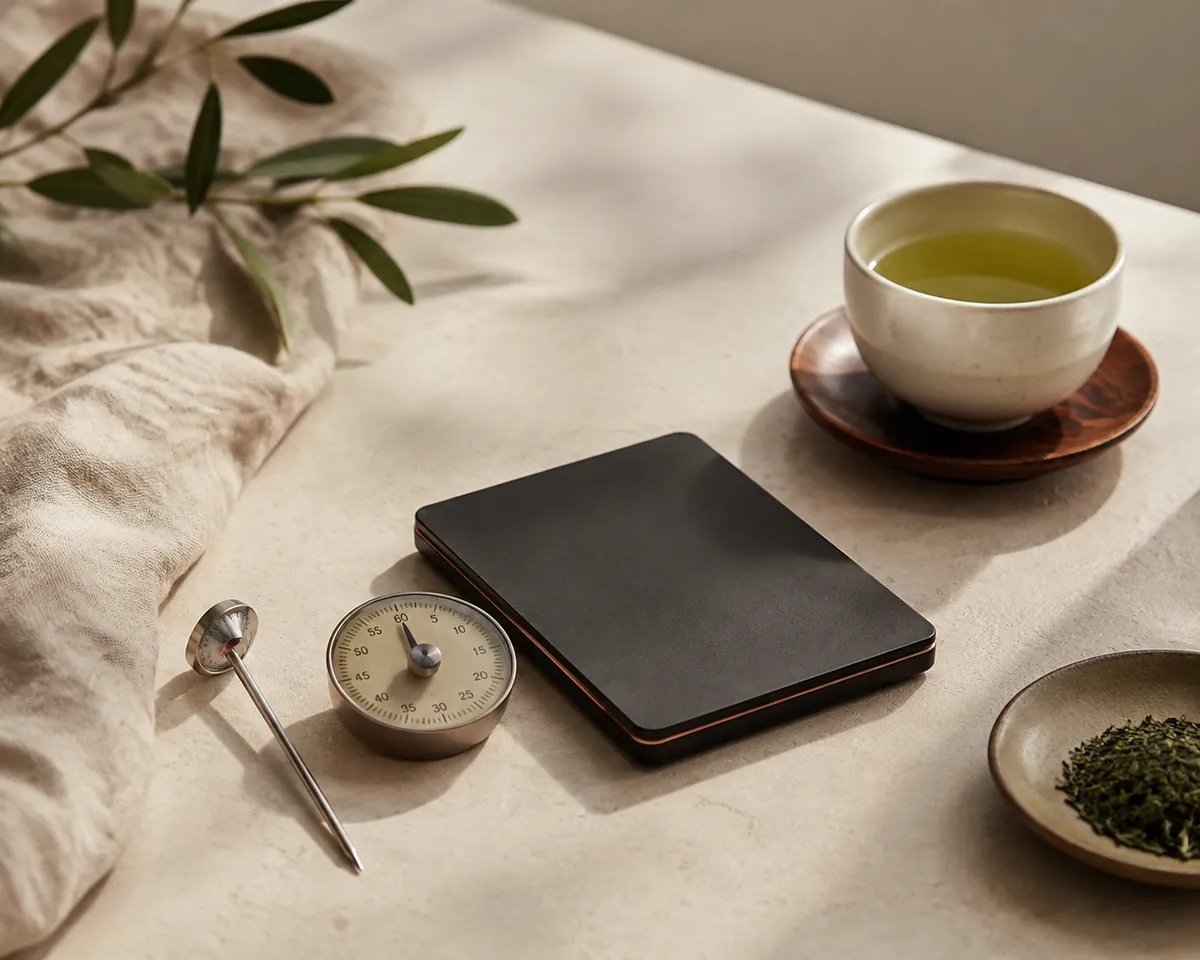
Eyeballing a large mug is how people end up brewing at twice the intended strength without ever realising they made a decision. A cheap set of scales settles it permanently, and it is the only piece of kit on this page that costs less than a bag of decent leaf.
Bitter, astringent, and the water underneath both
The two words get used interchangeably and they describe different sensations, which matters because it changes what you are looking for when you taste the next cup. Bitter is a taste registered on the tongue, like the back end of strong coffee.
Astringent is a physical sensation, a drying, puckering grip across the whole mouth.
Most complaints about green tea are astringency rather than bitterness. Both come from the catechins and both respond to cooler water, so the fix is the same even when the description is not, but naming the sensation correctly tells you whether the caffeine or the EGCG is doing the damage.
Water itself is the fourth cause and the hardest to diagnose, because it is invisible and it never changes at home. Very hard water tends to flatten and dull tea, while very soft or distilled water can leave it thin and slightly sour, and brewing water sets out why the mineral content matters as much as the temperature.
What to change, in order
- TemperatureThe largest effect on the balance between sweet and astringent.
- TimeNext largest, and the easiest to overshoot without noticing.
- DoseMore leaf means more of everything, including the bitterness.
- WaterThe last thing to test, and the hardest to see from the cup alone.
If the same tea tastes different at a friend's house and you have ruled out the first three, the water is the remaining candidate. Work down that order and each change tells you something; work across it and you learn nothing you can repeat.
Changing one thing and tasting again
Change one thing. Then taste, and only then change the next, because a cup improved by three simultaneous adjustments tells you it is better without telling you why.
Work through these one at a time
- Drop the temperatureTake the water down to around 75 C. Change only this and taste again, so you know whether it was the cause.
- Shorten the steepTry two minutes, then adjust in thirty-second steps rather than jumping to one minute.
- Measure the leafUse roughly 2 g per 200 ml instead of estimating.
- Remove the leavesTake them out when the time is up rather than leaving them in the cup.
- Try different waterIf the first four made little difference, brew the same tea with filtered or bottled water and compare.
Keep the same leaf throughout the sequence, and keep enough of it to run the test properly, because switching tea halfway through resets everything you have learned. Five cups is a cheap price for a setting you will use for the rest of the packet, and the numbers you land on will hold for that tea rather than for green tea in general.
Steeping temperature basics covers how far those numbers travel across the other styles.
Shading, steaming, and why one setting fails
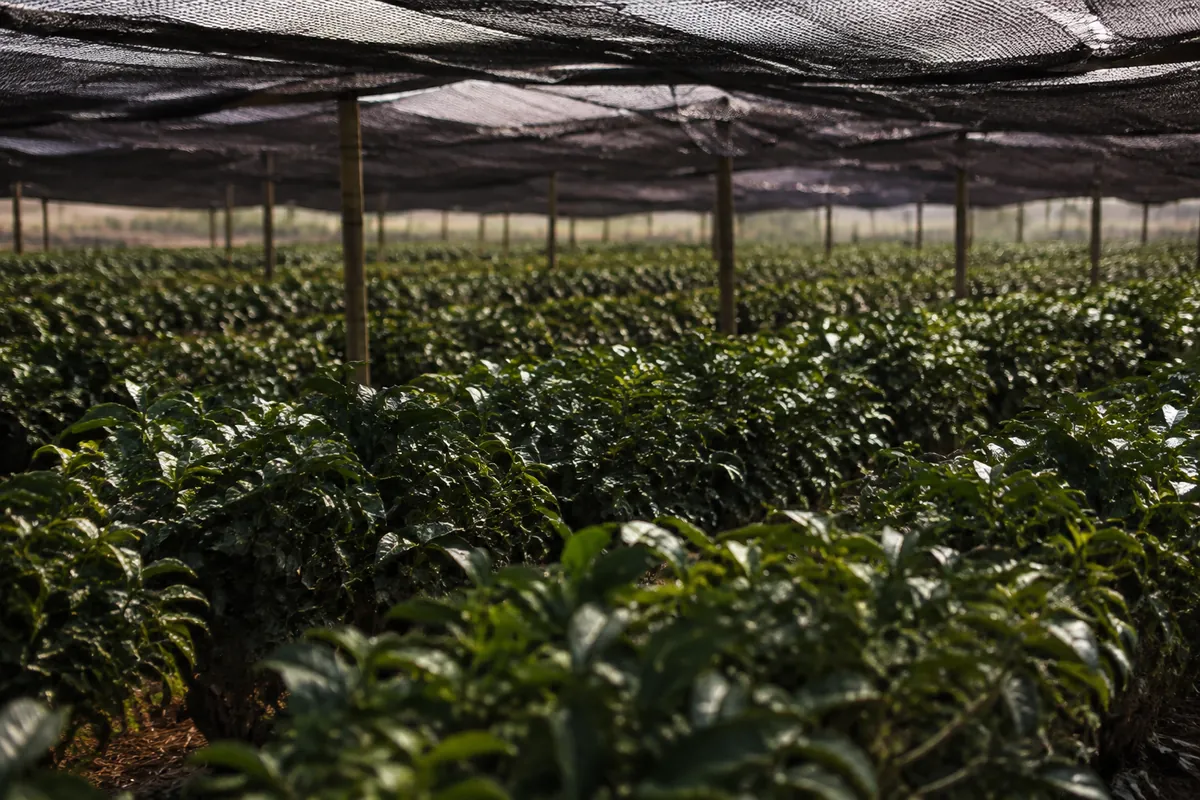
Some green teas are far harder to make bitter than others, and the reason lies in the field and the factory rather than in your kettle. Covering the bushes for two to four weeks before harvest starves them of light, and the plant responds by holding more theanine and converting less of it into catechins, so the leaf arrives with a different balance before anyone boils anything.
How much shading, and what it does
- GyokuroThree to four weeks covered. Intensely sweet, very low astringency, brewed at 50 to 60 C
- KabusechaOne to two weeks. Sweeter than sencha and more forgiving
- SenchaUnshaded. The standard, and the balance in question
- BanchaLater leaf, unshaded. More astringent and cheaper
- Chinese pan-fired greensUnshaded, and lower in catechins than Japanese leaf overall
A gyokuro brewed at 80 C will be bitter where a sencha at 80 C will not, so the more shaded the leaf, the cooler the water it wants. The fixing method pulls in the same direction: Japanese leaf is steamed, which ruptures cell walls and leaves it giving up its contents fast, and deep-steamed fukamushi breaks into smaller pieces still.
Chinese leaf is pan-fired, dried more gently and left more intact, so the same weight releases its contents more slowly and forgives a longer steep. That is why a Longjing takes three minutes where a fukamushi sencha turns harsh at ninety seconds, and why a habit built on one produces bad tea from the other.
Old leaf, cheap grades, and the cups that were never going to work
Not every harsh cup is a brewing fault. Green tea is the least stable of the tea styles, and stale leaf loses its sweet and savoury notes long before it loses its astringency, which leaves the bitterness standing exposed with nothing to balance it.
If a bag has been open in a cupboard for a year, no amount of temperature control will bring back what has gone.
Storing loose-leaf tea covers keeping it drinkable, and the short version is that green tea belongs in an opaque, airtight tin bought in quantities you will finish.
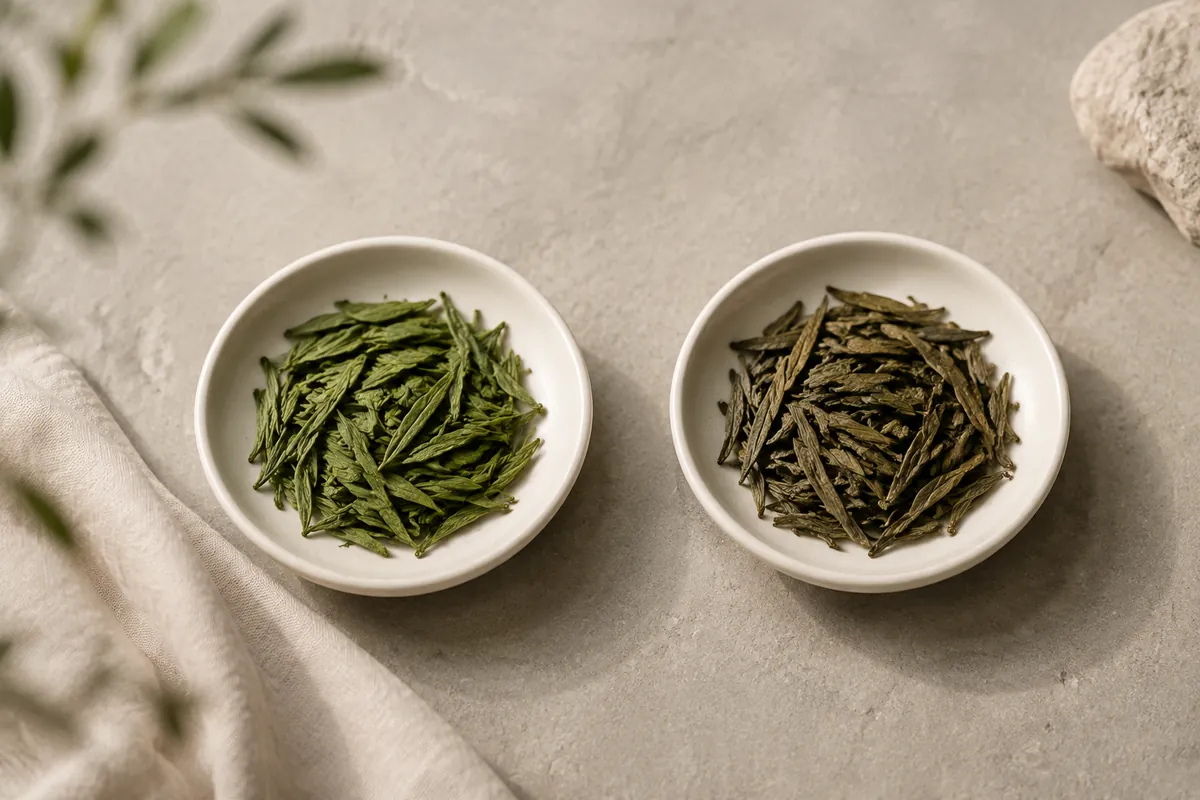
Grade is the other honest possibility, and it explains most of the disappointment people have with tea bags. Dust-grade leaf has an enormous surface area.
It extracts within seconds and turns astringent at temperatures a whole-leaf tea would shrug off, so the same 80 C water is generous to one and punishing to the other. Making green tea sets out how to handle both.
The second steep, and where the astringency goes
A second infusion behaves differently from the first, and the direction it moves in is predictable enough to plan around. The first steep takes most of the caffeine and a large share of the catechins, so a second is usually sweeter and softer even at the same temperature.
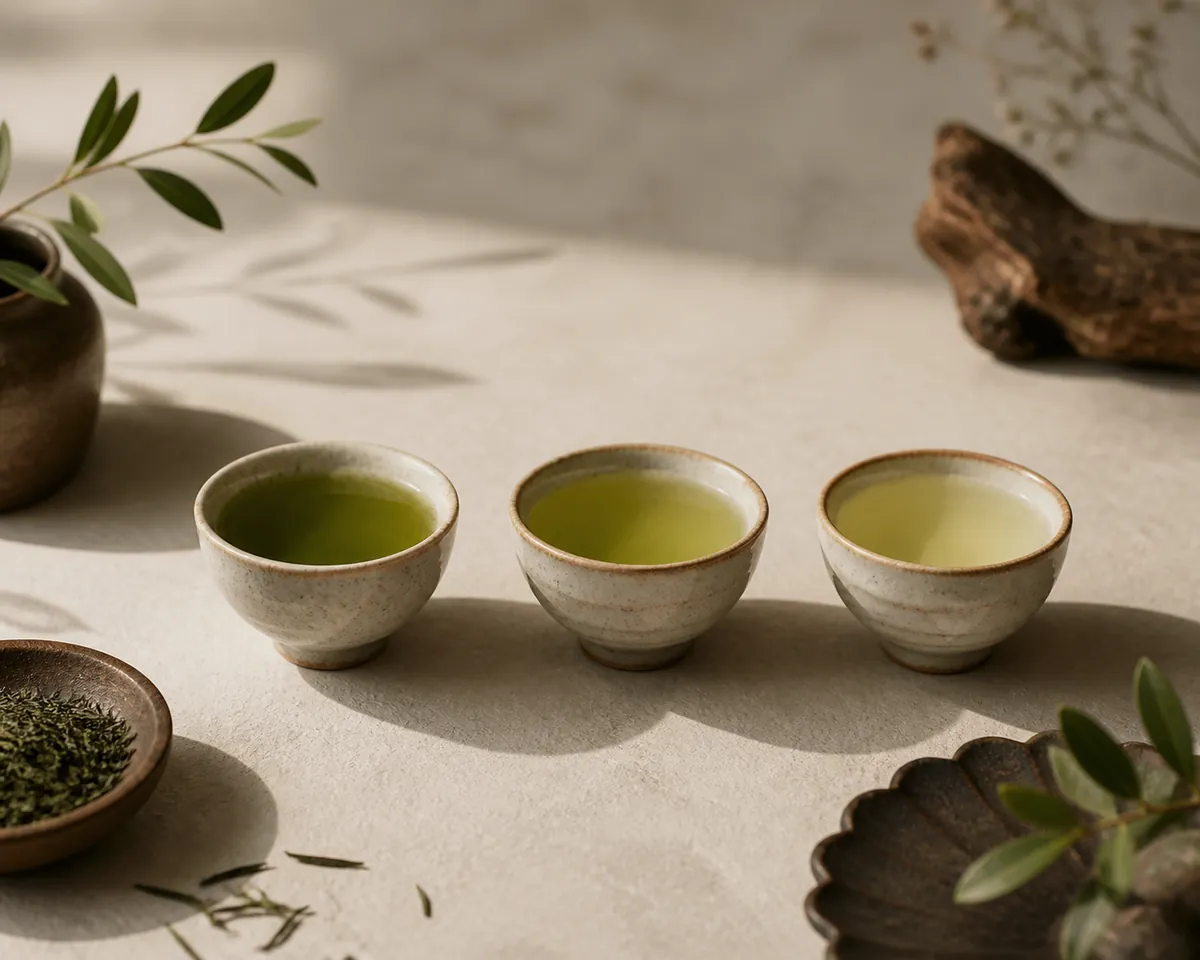
That is why a tea which was slightly harsh on the first cup often comes right on the second, and why it is worth pouring a second before writing a leaf off. The exception is a first steep that ran too long: over-extracted leaf has nothing sweet left to give, so the second cup arrives thin and papery instead of sweet.
Adding thirty seconds per infusion works from a good first steep and cannot rescue a bad one.
Not all astringency is a fault, and treating it as one leads people to underbrew perfectly good tea. Some styles are made to have grip, and a Longjing has a definite drying finish that belongs to it, so brewing it cool enough to remove that produces something flat.
The distinction worth holding is whether the astringency arrives alongside sweetness or instead of it, and what green tea tastes like works through the styles that are meant to be brisk.
What can still be done once it is in the cup
Once the tea is in the cup the options narrow, and two of them genuinely work rather than merely distracting from the problem.
- Dilute with hot water, which lowers concentration without adding anything
- Add milk, whose protein binds the astringent compounds directly
- Add a pinch of salt, which suppresses bitterness rather than masking it
- Chill it hard, since cold blunts the perception of bitterness
- Accept it as iced tea, where the fault reads as strength instead
Dilution is the effective one. Adding hot water halves the concentration of everything, and because astringency is more noticeable than sweetness at low levels, the cup improves by more than the strength drops.
It is a blunt fix and it is the only one that addresses the actual concentration.
A little sugar or honey suppresses bitterness genuinely rather than masking it, and so does a very small amount of salt. Milk does the same by binding to the catechins, which is exactly why it is traditional with astringent black tea and unusual with green, where it buries the flavours you were brewing for.
What does not work is more heat, more tea, or waiting. The extraction has already happened, nothing added to the cup reverses it, and a bitter pot left standing gets worse rather than settling.
Common green tea problems covers the rest of the failures that arrive after the leaf is out.
Cold water takes the problem away
There is one method that removes the problem rather than managing it, and it asks for nothing but patience and fridge space.
Cold water extracts theanine and simple sugars readily and pulls out very little EGCG, because the catechins need heat to come out in quantity. The result is sweet, round and completely without astringency however long it is left, which means there is no window to miss and no timer to watch.
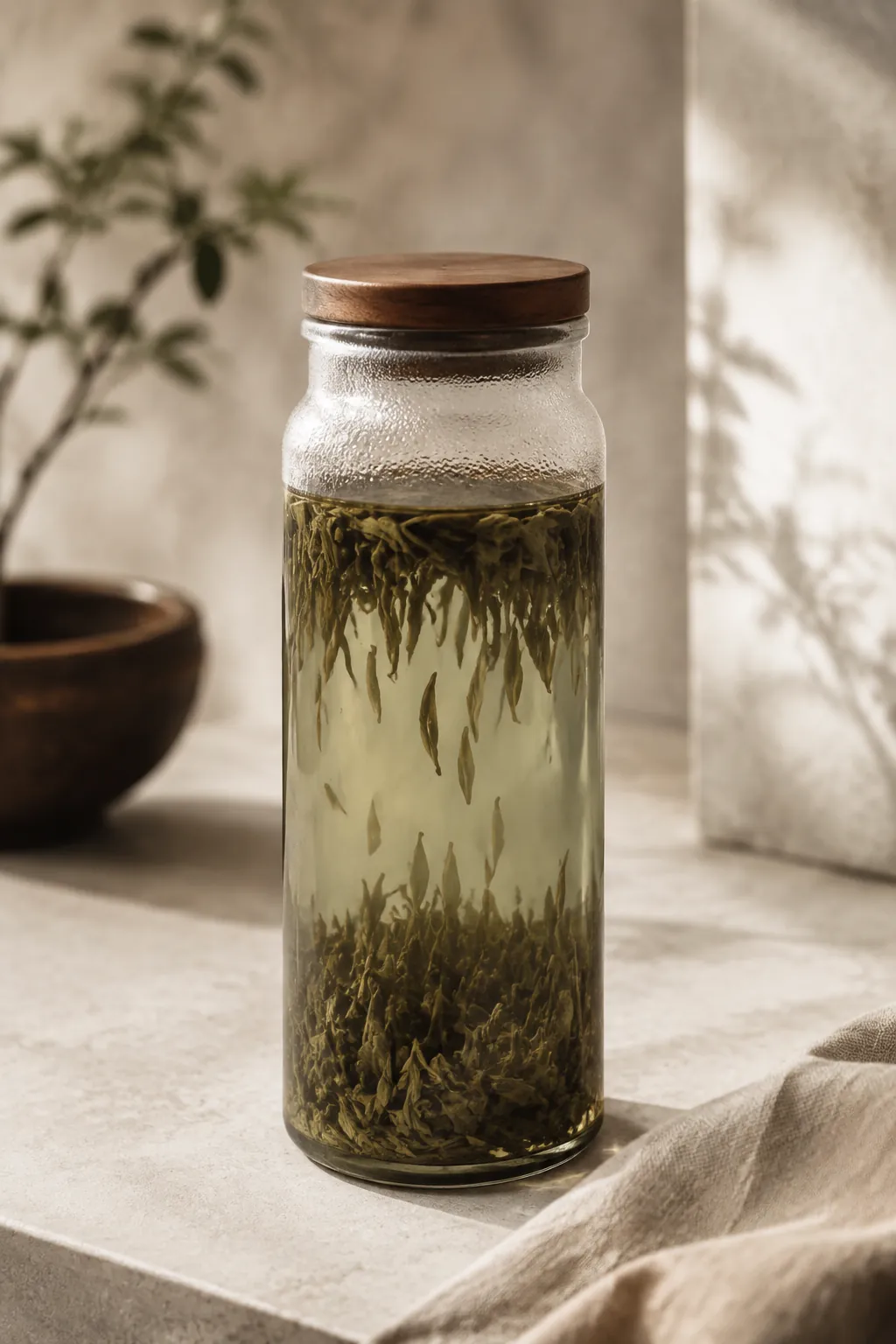
Cold-brewed green tea
- Leaf
- 10 g per litre, roughly double a hot brew
- Water
- Cold, from the tap or filtered
- Time
- 6 to 12 hours in the fridge
- Result
- Sweet, thick-textured, no bitterness at any point
- Caffeine
- Lower than a hot brew, since caffeine also extracts more slowly cold
Treat it as a diagnostic as much as a recipe. A tea that is unpleasant hot and lovely cold-brewed is telling you the leaf is fine and the brewing was the problem. It is also the honest recommendation for anyone who has worked through everything above and still finds green tea harsh, since nothing about the method requires judgement, and a jug of ice turns the same batch into a summer drink.
The same trap in white, oolong and jasmine
Green tea is the most sensitive of the styles, and the mechanism behind that sensitivity is not unique to it. Anything that kept its catechins through processing behaves the same way in hot water, and anything that lost them stops being fussy.
White tea
Also unoxidised and also catechin-rich, and more forgiving because the leaf is whole and downy.
That list is the reason a single kettle setting fails across a tea cupboard. The styles differ less in what they contain than in how much of it survived processing, and every brewing number follows from that one fact rather than from tradition or from the colour of the packet.
Hojicha is the clearest demonstration of it. It comes from the same plant and often the same leaf as sencha, and roasting alone removes the bitterness entirely, which is as close to proof as a tea cupboard offers.
Common questions
What temperature should green tea be brewed at?
Around 70 to 80 C for most green tea, with the more delicate Japanese styles at the lower end. Boiling water extracts bitter catechins disproportionately fast.
How long should green tea steep?
One to three minutes, with two minutes a sensible starting point. Take the leaves out when the time is up, because tea left sitting on the leaf keeps extracting.
Can bitter green tea be fixed after brewing?
Not really. Diluting it with hot water reduces the intensity but does not restore the sweet and savoury notes. It is easier to adjust the next brew.