Making Green Tea, and the Temperature That Decides It
Green tea is the one thing on a tea shelf that a boiling kettle actively ruins. Here is the sequence that avoids it: what temperature your particular leaf wants, how much to weigh out, when to start the clock, and how to end the steep.
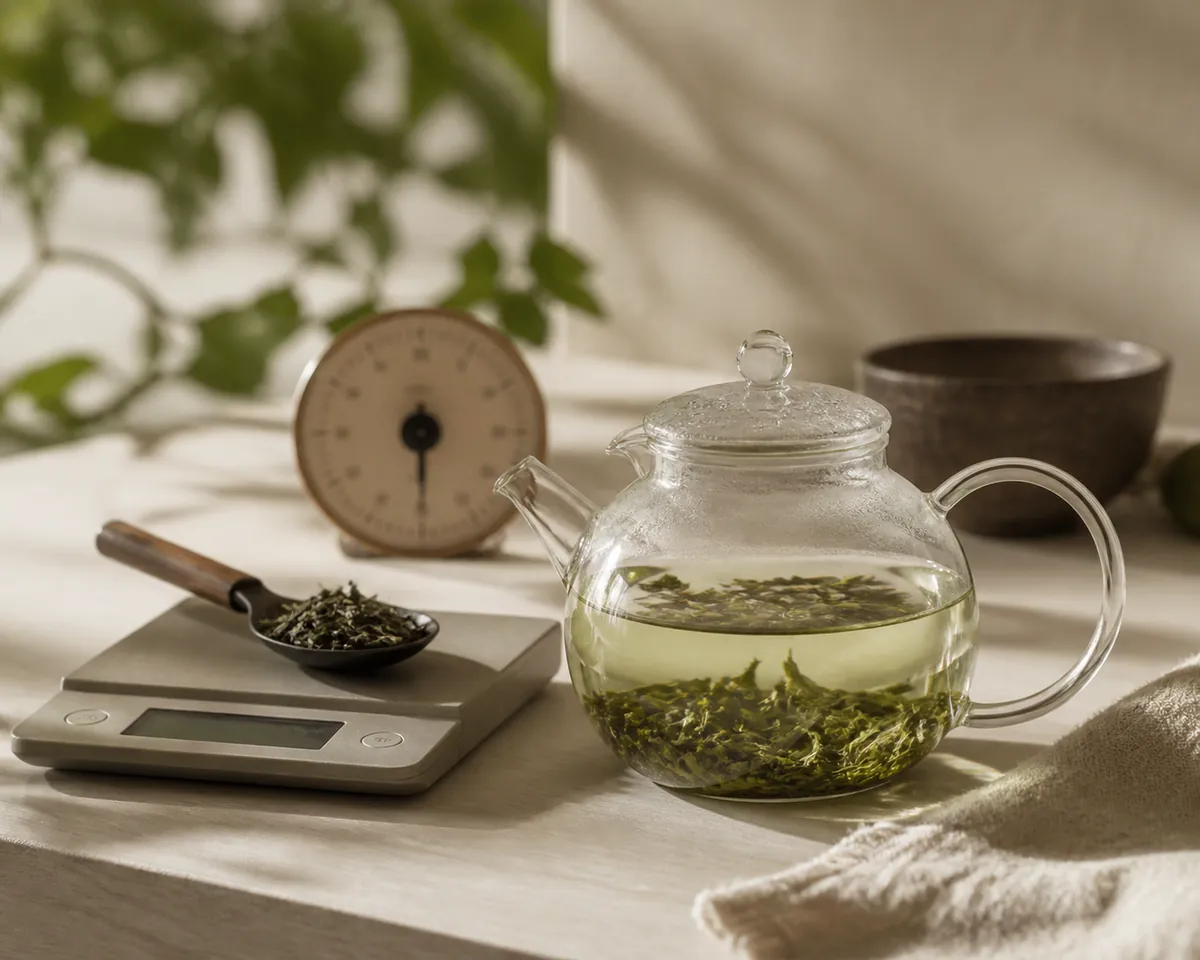
Green tea is the only thing on a normal tea shelf that a boiling kettle will actively ruin, and pouring boiling water on it is what most people do, because it is what every other tea in the cupboard wants.
That is the whole of the problem. Why green tea tastes bitter sets out what the heat is doing to the leaf and why the balance tips the way it does, so that is taken as read, and what remains is the doing: what to put in, at what temperature, for how long, and in what order.
None of it needs equipment you do not already own. A kettle, a mug, something to hold the leaf and a clock will do, and the one purchase worth making is a set of cheap kitchen scales rather than anything with a temperature dial on it.
Which temperature your particular green tea wants
There is no single number for green tea, and using one is why a method that works on a supermarket sencha wrecks a gyokuro and leaves a hojicha tasting of nothing. The range across the category runs from about 50 C to a full boil, which is wider than the range across every other tea style put together.
| Leaf | Water | First steep |
|---|---|---|
| Gyokuro and heavily shaded leaf | 50 to 60 C | 90 to 150 sec |
| Japanese steamed leaf, sencha and kabusecha | 70 to 75 C | 45 to 90 sec |
| Deep-steamed fukamushi sencha | 70 C | 30 to 45 sec |
| Chinese pan-fired leaf, Longjing and Biluochun | 75 to 85 C | 2 to 3 min |
| Jasmine and other scented greens | 75 to 80 C | 2 to 3 min |
| Genmaicha | 85 to 90 C | 1 to 2 min |
| Hojicha | 95 C to boiling | 30 to 60 sec |
| Green tea bags | 75 to 80 C | 60 to 90 sec |
Two patterns run through that column and both are worth carrying about with you. The more shaded the leaf, the cooler the water, because shading loads it with the sweet compounds that come out readily and cool water is enough to fetch them.
The more the leaf has been broken or roasted, the further it moves the other way.
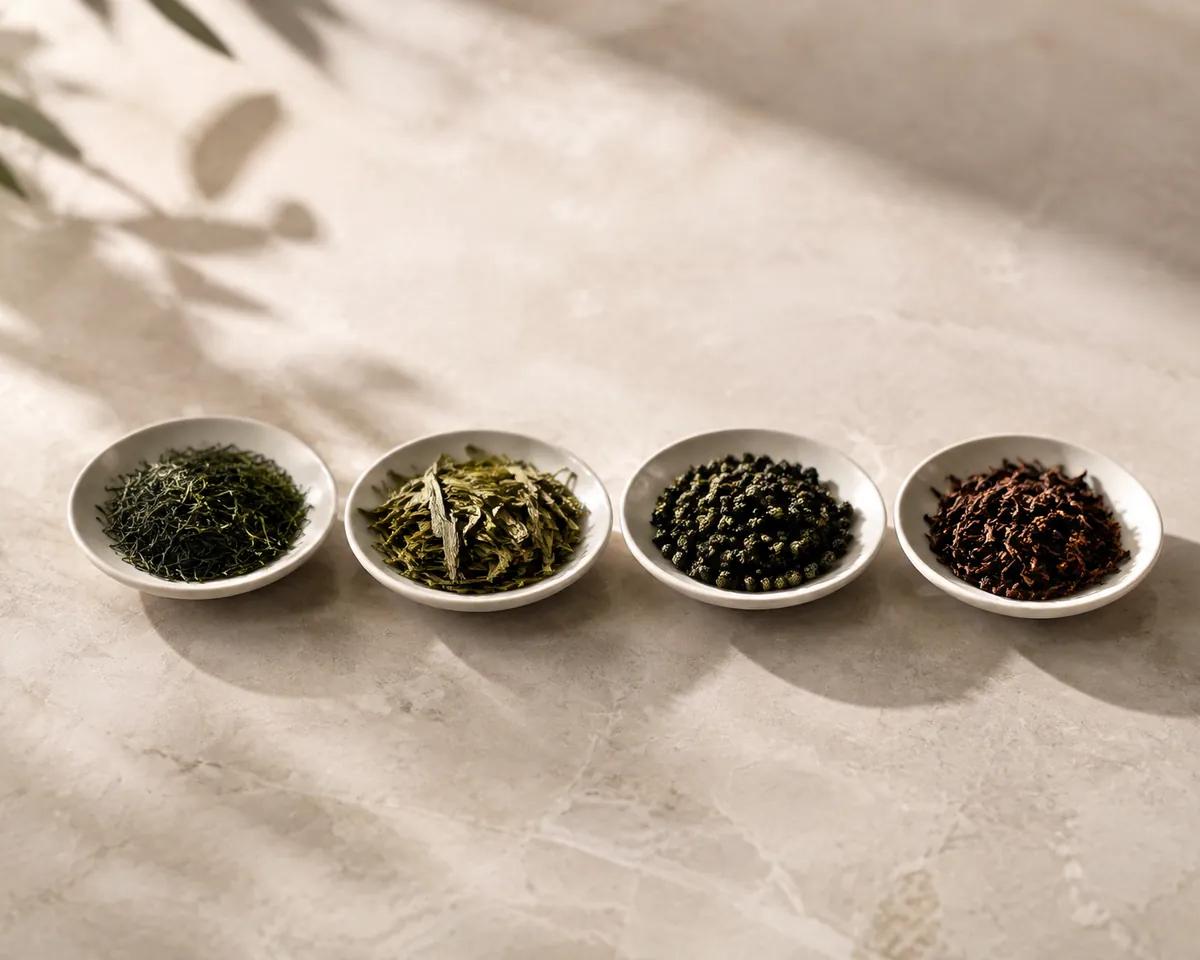
Roasting is the reason hojicha sits at the bottom of the table looking like a mistake. It comes off the same bushes as sencha and it takes boiling water without complaint, because the roast has already dealt with the compounds that all this care is meant to avoid.
How to hit that temperature without a special kettle
A variable-temperature kettle is convenient and it is not necessary, because a kitchen is a very repeatable place. The trick is to measure once, write the answer down, and then use a clock forever afterwards.
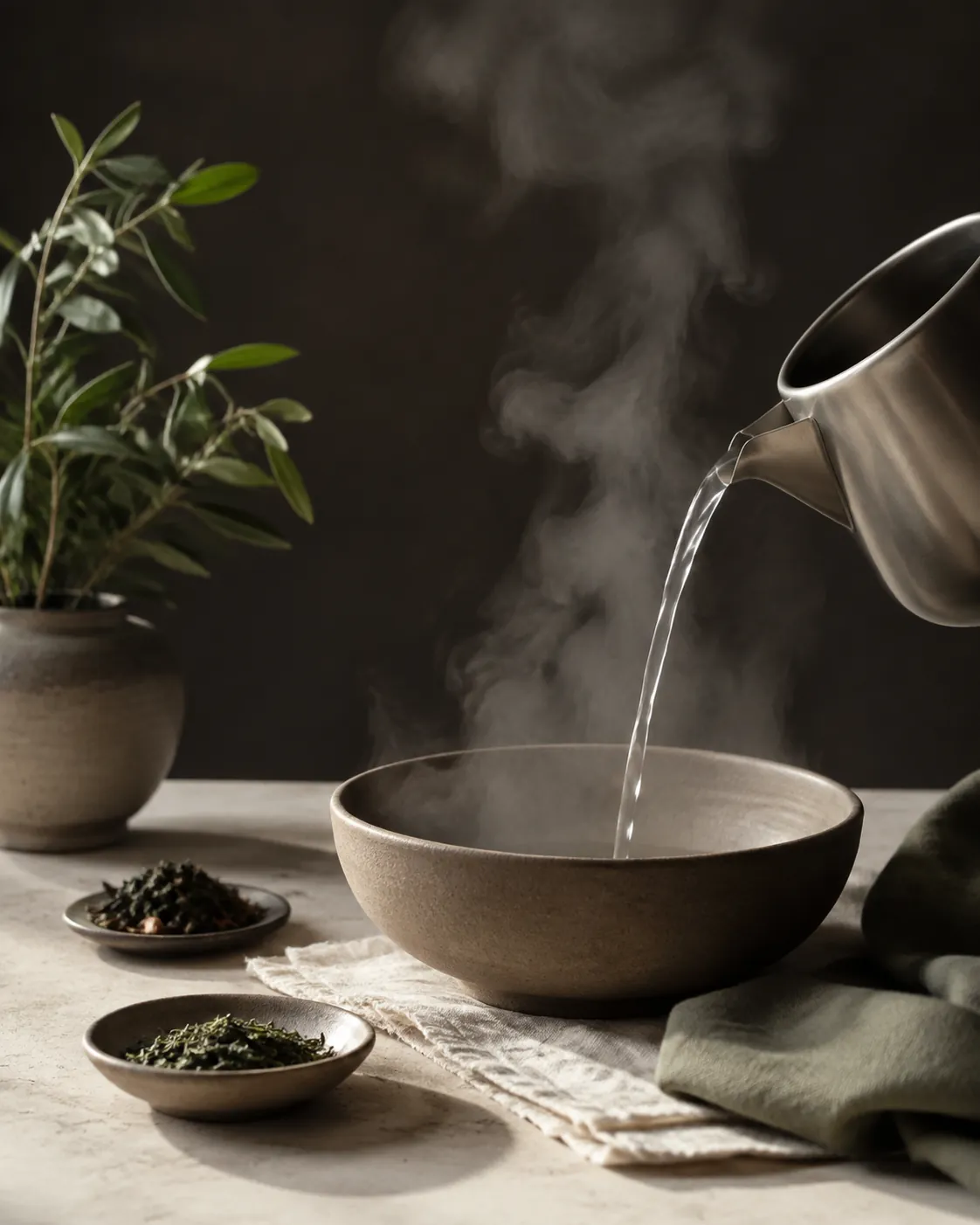
Borrow or buy a thermometer for one evening. Boil the kettle, pour into the mug or pot you actually use, and note how long it takes to fall to 75 C in your kitchen, in your vessel, at your usual volume.
That number will hold for months, and it will be wrong for anybody else's mug, which is exactly why a general figure never quite works.
- Boiling water in an open mug loses roughly five degrees a minute at first, then slows.
- Pouring from one vessel into another takes off five to ten degrees each time, and a wide shallow bowl takes off most.
- A cold cup or pot steals several degrees the moment the water arrives, so an unwarmed vessel is a cooling step you did not plan.
- Adding cold water works and dilutes nothing that matters: one part cold to four parts boiling lands near 80 C.
- Volume changes everything. A small pot cools several times faster than a litre, so time a small pour separately.
The Japanese answer to all this is a piece of kit with no other purpose, a wide unglazed cooling bowl that the water is poured through on its way to the pot. Any wide bowl does the same job.
For the sound and bubble cues that tell you where a kettle has got to, steeping temperature basics sets those out, and a gooseneck kettle with a dial removes the question altogether.
How much leaf to use, and why a spoon lies
Two grams per 200 ml is the figure to start from, which is about 2.5 g for a standard mug. That much is common knowledge and it is not the part that goes wrong.
What goes wrong is the spoon. Green tea comes in shapes that differ enormously in density, so a level teaspoon of one leaf can weigh twice what a level teaspoon of another weighs.
Nobody notices, because both spoons look identical.
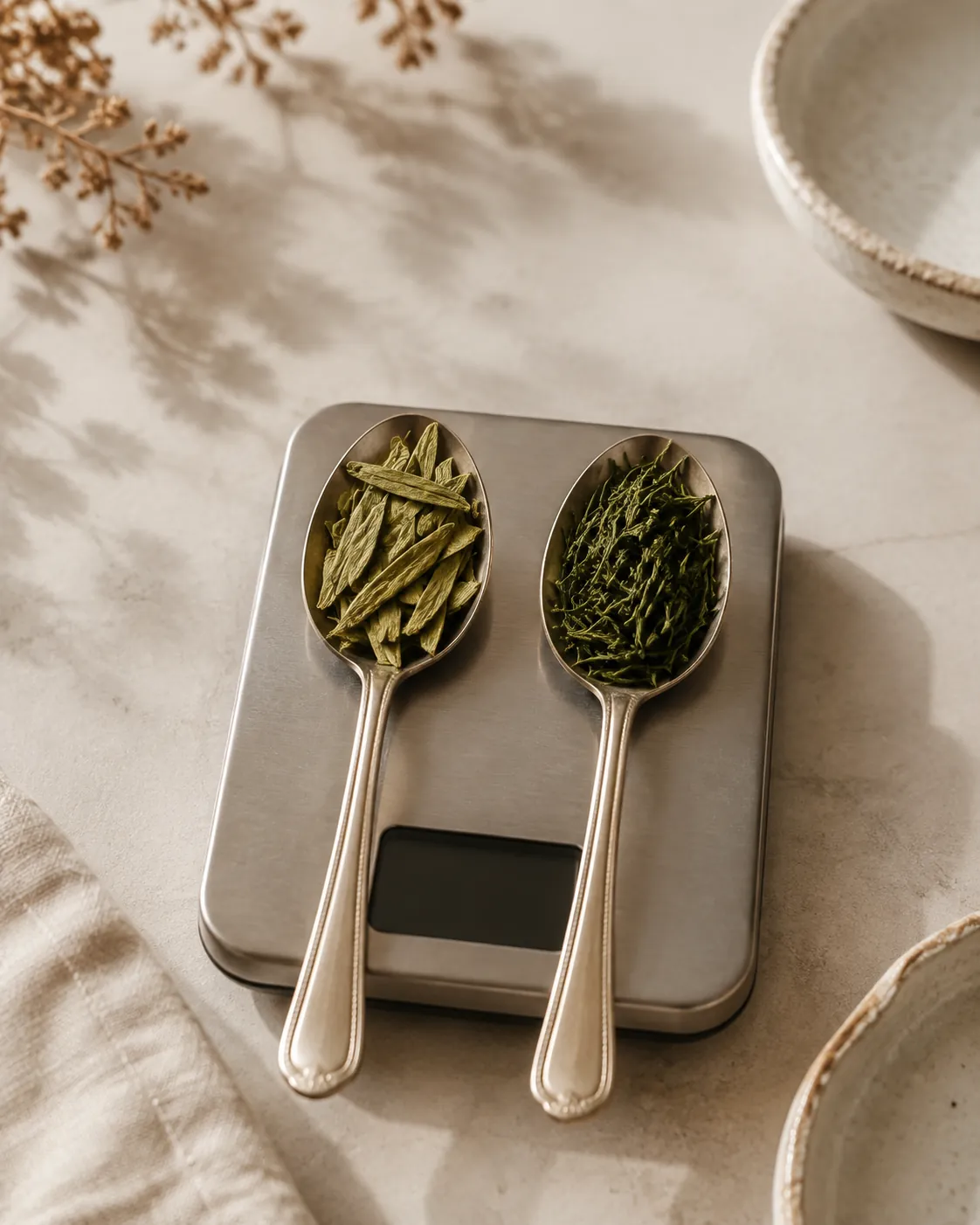
Roughly what a level teaspoon weighs
- Fine deep-steamed sencha
- Around 3 g, because the fragments pack tightly
- Standard rolled sencha
- Around 2 g
- Flat pan-fired Longjing
- Around 1.5 g, since the blades trap air between them
- Rolled gunpowder pellets
- Around 3.5 g, and it is the densest leaf here
- Large fluffy leaf or blossom-scented green
- Under 1.5 g, and often much less
So a spoon is fine once you have weighed that particular tea once and know what its spoon means. Scales cost less than a packet of decent leaf and they settle the question permanently, which is the single cheapest improvement available on this page.
Dose interacts with time rather than standing on its own. More leaf in the same water is not simply a stronger cup, it is a cup that reaches the point of being over-brewed sooner, so a heavy hand needs a shorter clock to go with it.
Pour the water onto the leaf, not the leaf into the water
This looks like fussiness and it is not. Dry green tea is light, and leaf tipped into a mug of standing water floats in a raft on the surface where a good deal of it never properly wets.
The cup that results is weak and uneven at the same time, which is a confusing combination to diagnose. Some of the leaf brewed for the full time and some of it barely brewed at all, so adding thirty seconds makes the extracted part harsh without doing much for the rest.
Water arriving on top of dry leaf does the wetting for you.
It pushes the leaf down, turns it over and drives air out of the folds. The pour is also the stir, which is why a properly poured brew needs no spoon at all.
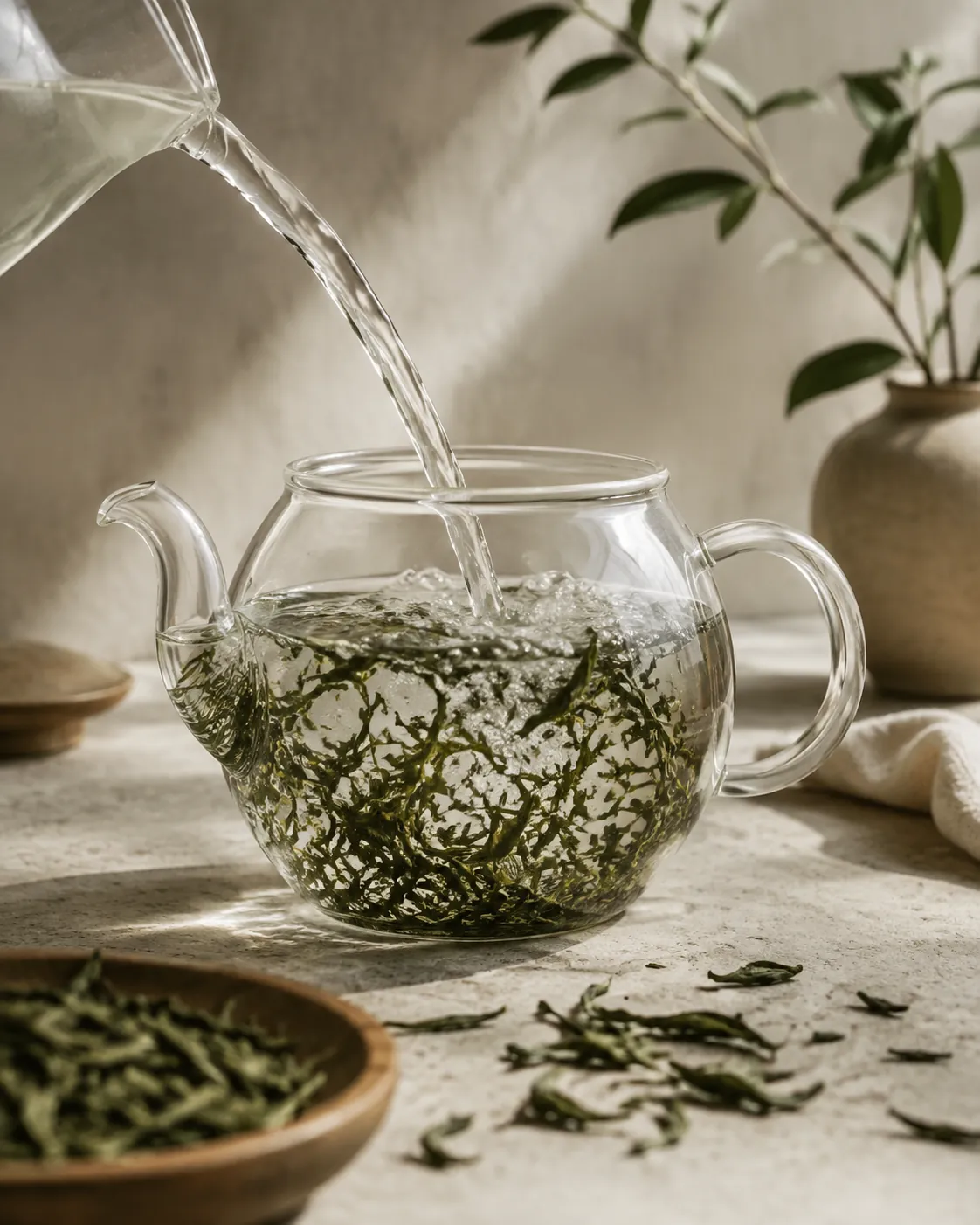
Pour from low rather than high. A long drop aerates and cools the water unpredictably, which matters when the target is a narrow band, and it also bruises delicate leaf against the base of the vessel.
How long to leave it, and when to start counting
Start the clock when the water goes in, not when you put the kettle down and certainly not when you sit back down at the table. Thirty seconds of inattention is a large fraction of a ninety-second steep.
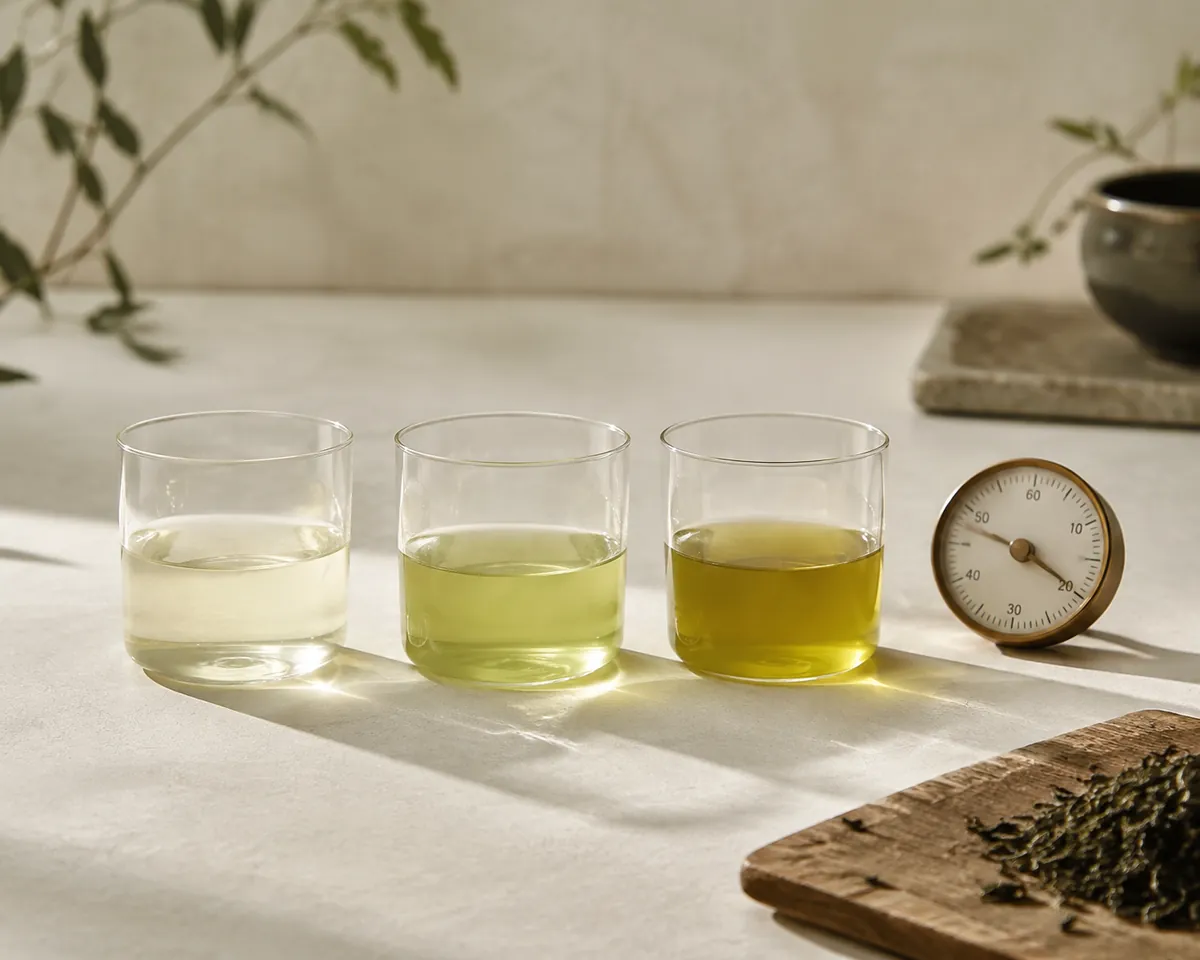
What is happening in the first two minutes
- 0 to 15 secThe leaf opens and wets. Almost nothing has reached the water yet.
- 15 to 45 secSweet and savoury compounds arrive first, along with most of the caffeine.
- 45 to 90 secThe cup fills out. This is where a Japanese green tea is usually finished.
- 90 sec to 3 minAstringent compounds keep coming while the sweet ones are already spent.
- Past 3 minGrip without sweetness. Nothing added afterwards puts the balance back.
The uneven part of that is what catches people out. The last thirty seconds change the cup more than the first thirty do, because extraction is not a steady march and the compounds arrive in an order, so a steep run fifty per cent long tastes far more than fifty per cent worse.
Whole leaf and broken leaf run to different clocks at the same temperature.
Fine fragments have enormous surface area and finish in well under a minute, which is why a deep-steamed sencha and a bagged tea both want short times while an intact Chinese leaf wants two or three minutes to say anything at all.
Getting the leaf out is half the method
Every number above assumes the leaf leaves the water when the time is up. An infuser left sitting in the mug is not a brewing method, it is an extraction with no end, and the cup gets worse in your hand while you drink it.
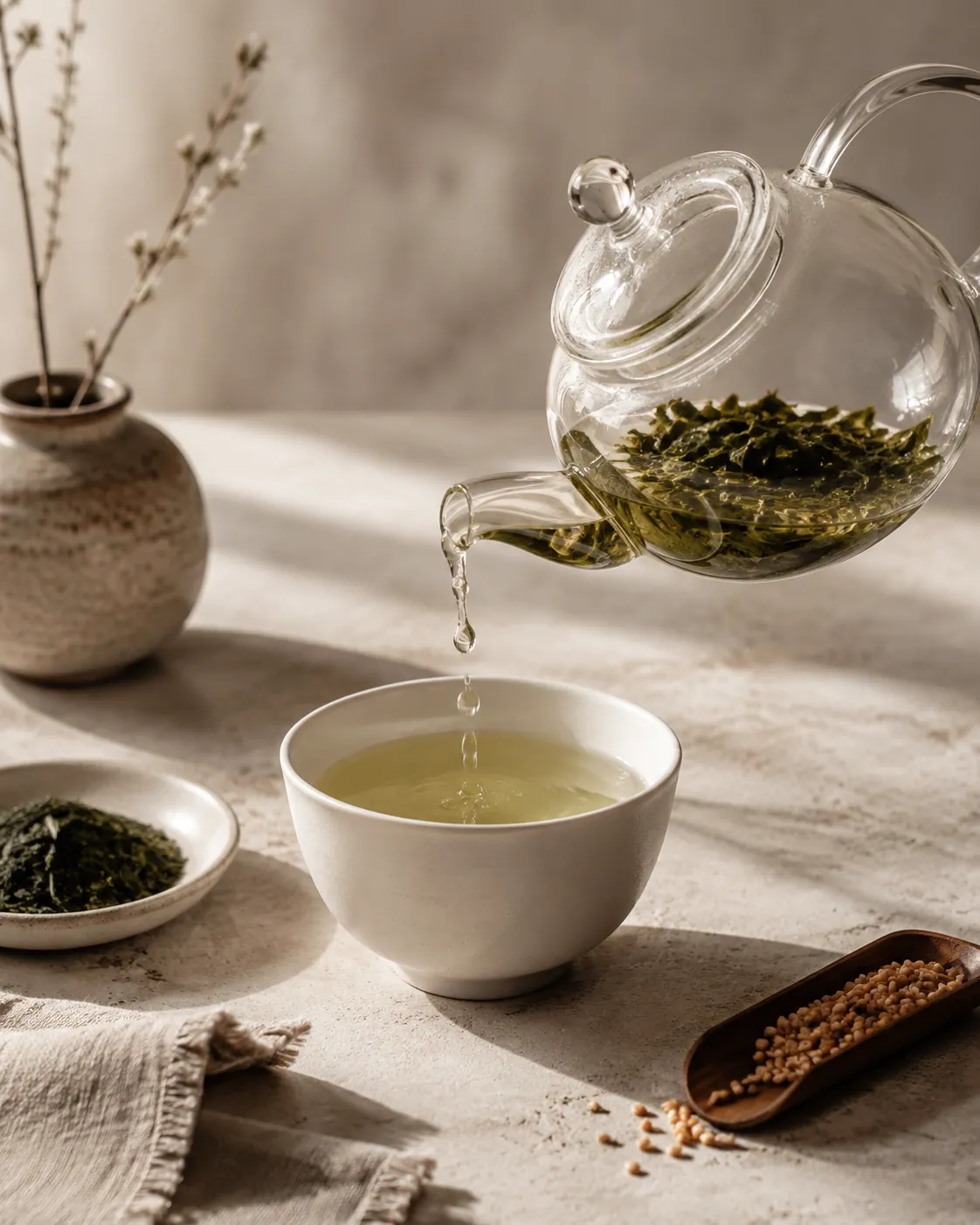
There are three honest ways to end a steep and all of them work. Lift a basket infuser out and park it on a saucer, pour the whole brew off the leaf into a second cup, or brew in something you can decant from completely.
Basket infuser
Fine if it fills most of the vessel, so the leaf has room to swell. Lift it out on time.
Brewing loose and straining
The best cup, because nothing constrains the leaf at all. Pour through a small mesh strainer.
A small pot or gaiwan
Decant every drop into a cup or a jug, then refill later for the second steep.
A mesh ball
The worst of the options, since 2 g of leaf swelling has nowhere to go. The tea infuser page explains why.
A bag left in the mug
The commonest failure on this page, and the easiest to stop doing.
Pour it out to the last drop. The liquid clinging at the bottom of a pot is the most concentrated in the vessel, so leaving it behind both weakens this cup and poisons the next one, which is the reason experienced brewers tip the pot up further than looks necessary.
Making a mug of sencha, start to finish
Here is the whole thing at 250 ml, which is a normal mug and the size most people are actually brewing. Everything before this section is the reasoning behind one of these lines.
One mug of Japanese green tea
- Boil the kettleFill it and let it come all the way up. Cooling accurately is far easier than stopping a kettle early.
- Weigh 2.5 g of leafPut it straight into the pot or the basket, dry, before any water arrives.
- Cool the waterPour into a second vessel and wait, aiming for 70 to 75 C. Around two to three minutes in an open mug in a warm kitchen.
- Warm nothingSkip the usual step of warming the pot. A cold vessel is working in your favour for once.
- Pour onto the leafFrom low, in one steady stream, until the leaf is covered and moving.
- Start the clock60 seconds for a standard sencha, 45 for a deep-steamed one, 90 if the leaf is large and intact.
- Decant completelyInto the mug, tipping until nothing more comes. Do not leave the basket sitting in it.
- Taste before you judge itLet it drop a few degrees first. Green tea reads harsher at scalding temperature than it does warm.
- Keep the leafIt has at least one more cup in it, and the second is often the better one.
That is a ninety-second job once the kettle has boiled, and the only part of it that takes any practice is the cooling.
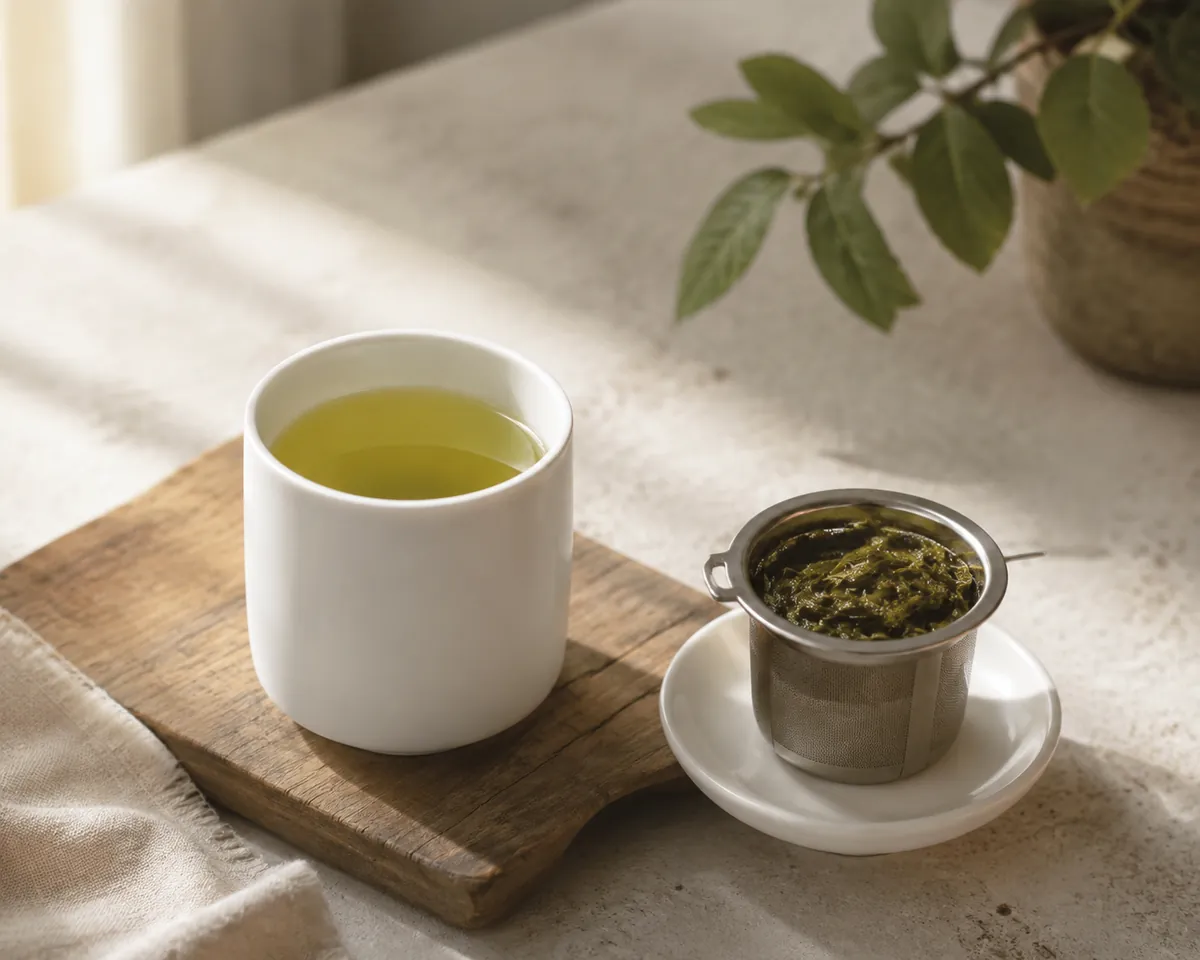
Two of those steps look wrong and are not. Skipping the warmed pot inverts the advice given for every other tea on this site, and it is deliberate here, because a cold vessel takes the pour a few degrees further down rather than holding it up.
Tasting late is the other one, since green tea straight off the pour reads harsher than the same cup two minutes later, and judging it while it scalds leads people to under-brew the next one.
Weigh the leaf the first three or four times and the scales can go back in the drawer for that packet. After that the spoon means something, and the whole sequence collapses into habit.
What changes when the leaf is Chinese rather than Japanese
The two traditions produce leaf that behaves differently in water, and a habit built on one makes poor tea from the other. Steaming, the Japanese method, ruptures the leaf and leaves it broken to some degree, so it gives up its contents fast.
Pan-firing, the Chinese method, dries the leaf more gently and leaves it far more intact.
How much a green tea forgives
- HojichaRoasted, so it takes boiling water and a long steep without turning harsh
- GenmaichaHalf toasted rice, which dilutes the leaf and widens the window
- Chinese pan-fired leafIntact and slow. Three minutes is normal and four is survivable
- Standard senchaNarrow. Ninety seconds is the ceiling at 75 C
- Fukamushi senchaBroken leaf, finished in forty-five seconds
- GyokuroUnforgiving in the other direction, and ruined by anything above 60 C
That difference produces one genuinely different method rather than just different numbers. Chinese leaf is often brewed in a tall glass with the leaf left in permanently, drunk down to about a third and topped up with fresh hot water, and it works because pan-fired leaf releases so slowly that it never over-extracts.
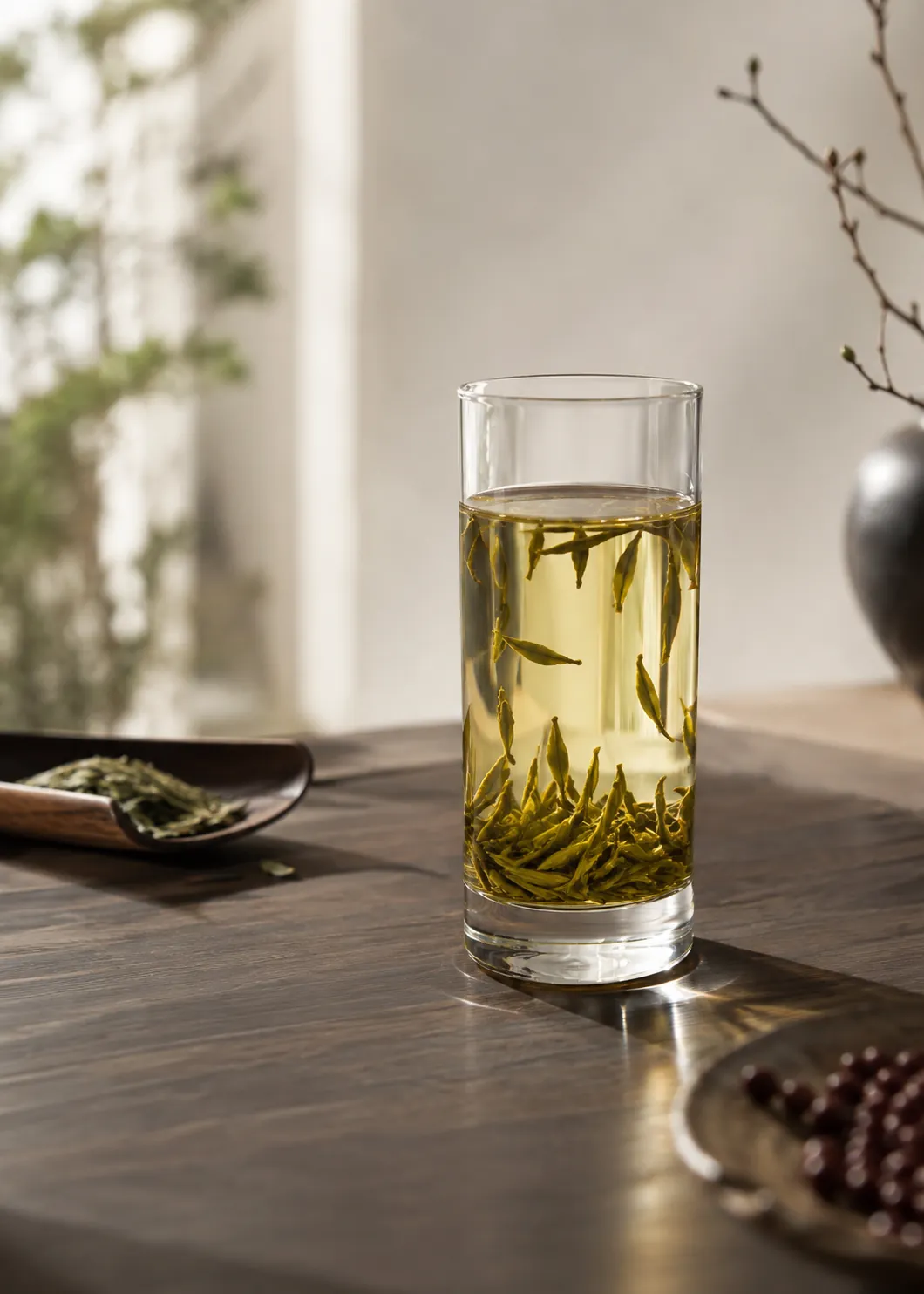
Try that with a sencha and you will have an undrinkable mug within four minutes. The glass method belongs to the leaf, not to the drinker, and the same is true in reverse of the very short Japanese steeps.
How to get a second and a third cup from the same leaf
Whole-leaf green tea is not finished after one steep, and throwing it away after one is the most expensive habit on this page. Two infusions are normal and three are common with decent leaf.
The second steep is brewed differently rather than identically, and the direction surprises people. The leaf is already open and already hot, so the water goes in slightly hotter and comes out much sooner.
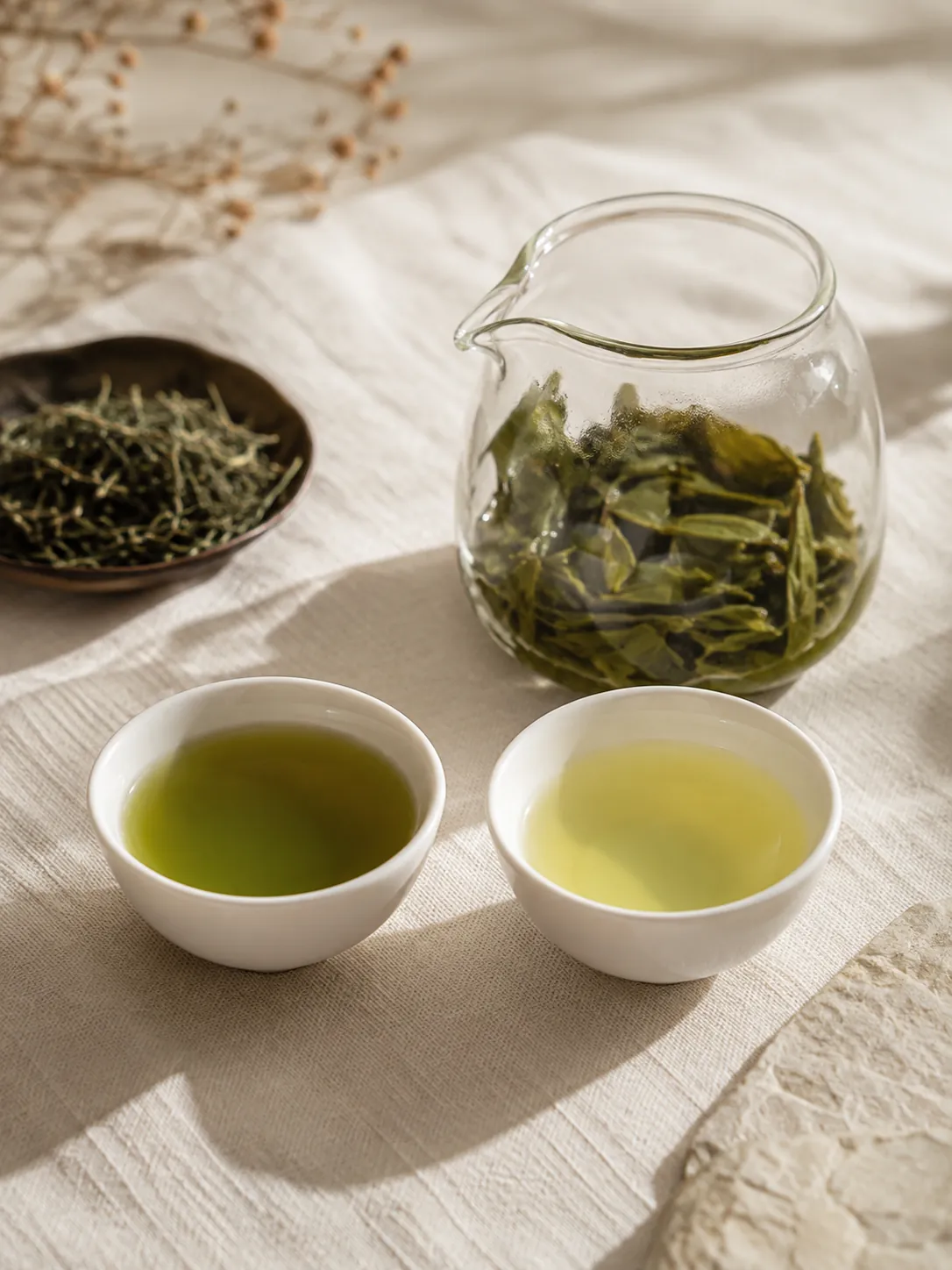
Second and third steeps
- Second steep
- Five to ten degrees hotter, 10 to 20 seconds
- Third steep
- Hotter again, 30 to 45 seconds, and accept a lighter cup
- Between steeps
- Leave the leaf uncovered so it is not stewing in its own heat
- How long you have
- Brew the second within an hour or so, not the next morning
- What it should taste like
- Sweeter and softer than the first, with less grip
A second cup that arrives thin and papery instead of sweet is telling you the first steep ran too long.
There was nothing left in the leaf to give, which makes the second infusion a useful check on the first even when you were perfectly happy with it.
Spent leaf does not keep. Wet leaf left overnight is a poor prospect the next day whatever the internet says, and a packet stored properly is a far better use of attention, which storing loose-leaf tea and storing green tea both cover.
What to do with a bag of green tea
Most green tea is drunk out of a bag and most of it is made badly, which is a shame because the fix takes no equipment at all. The leaf in a bag is dust and small fragments with an enormous surface area, so it extracts several times faster than whole leaf does.
Cooler water and a much shorter time, then, and nothing else changes. Seventy-five degrees and ninety seconds gives a bagged green tea a fair hearing.
Boiling water and three minutes gives the harsh cup that convinces people they dislike the whole category.
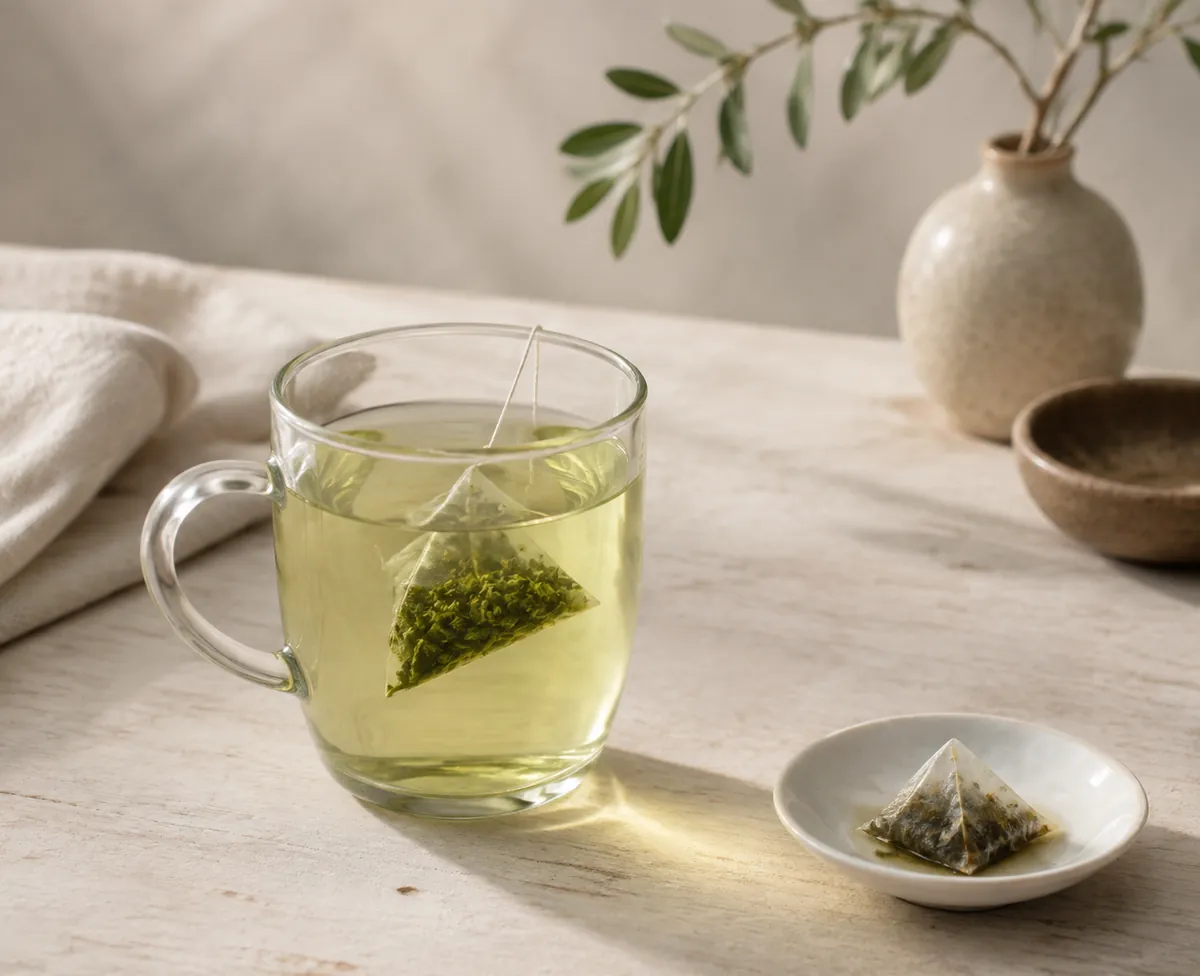
The bag itself constrains the leaf, which is the underlying limitation and the reason a pyramid bag with room in it beats a flat rectangle. There is only so far the method can be improved, and a modest whole leaf brewed carelessly will still beat a good bag brewed well.
If bags are what you are drinking, buy them in small boxes and keep them sealed. Bagged green tea stales faster than loose leaf because the fragments have so much surface exposed, and stale leaf is the one fault on this page that no adjustment at the kettle can repair.
When the cup still comes out wrong
Work down the list in order and change one thing at a time, because a cup improved by three simultaneous adjustments has told you nothing you can repeat next week. The order matters as much as the changes do.
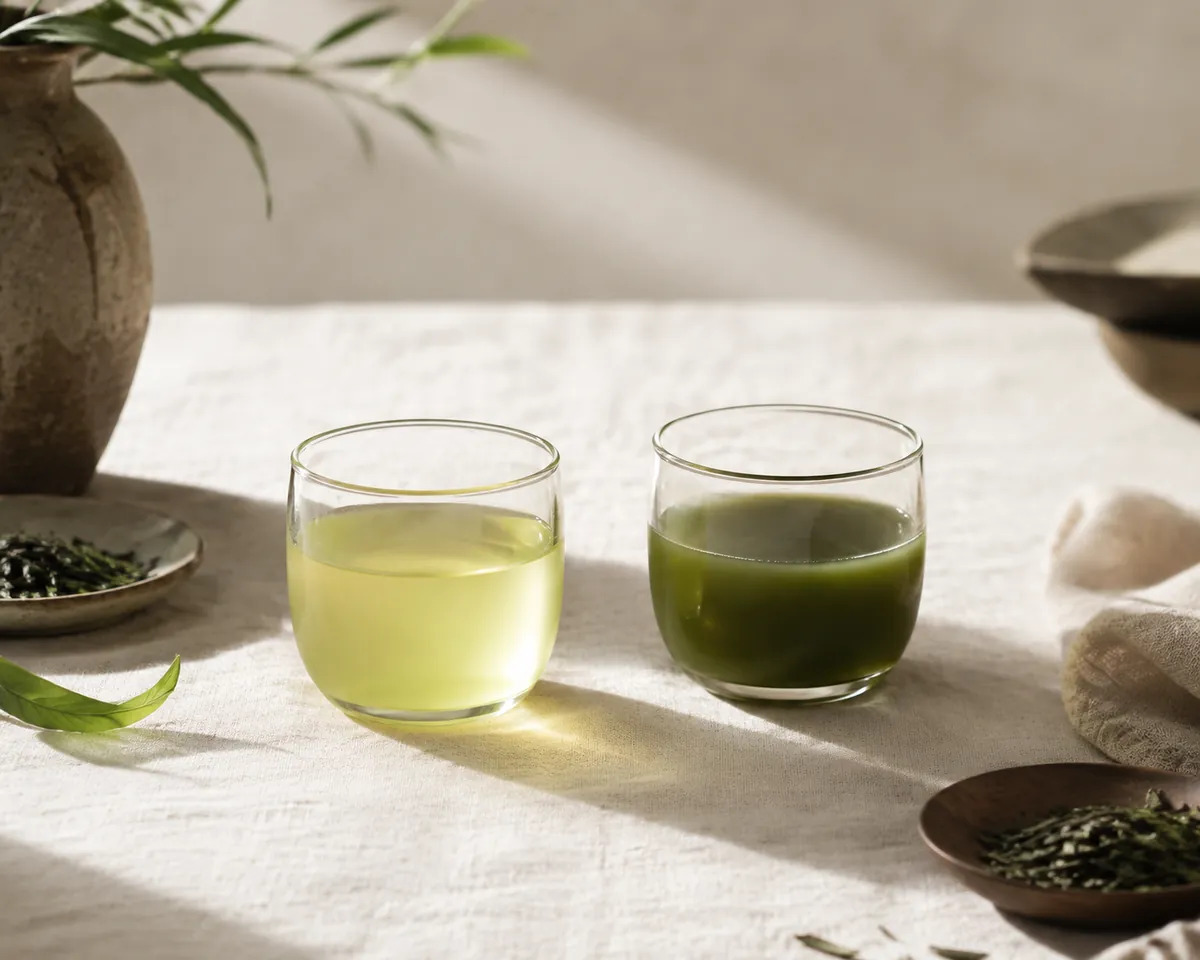
| What the cup does | Most likely cause | What to change |
|---|---|---|
| Harsh and drying | Water too hot | Drop ten degrees and brew it again |
| Bitter and thick | Steeped too long | Cut thirty seconds, then thirty more |
| Weak but still astringent | Leaf not properly wetted | Pour water onto the leaf rather than the reverse |
| Weak and flat | Too little leaf, or leaf too old | Weigh it, then check when the packet was opened |
| Fine at first, worse by the end | Leaf left in the cup | Decant or lift the infuser out on time |
| Dull and slightly chalky | The water itself | Try filtered or bottled and compare |
Water is the last suspect and the hardest to see, because it never changes at home and there is nothing to compare against. Brewing water covers what a heavy mineral load does to a delicate cup, and it is worth ruling in or out only after the first four lines above have been tried.
Old leaf is the one fault that no adjustment at the kettle can fix. Green tea keeps its reactive compounds where a black tea has already spent them, so it fades in months rather than years, and an opened packet from last spring will taste harsh however carefully it is brewed.
Once the cup is right, the rest of the category opens up cheaply. What green tea is covers where the styles come from, what it tastes like maps the range you are aiming at, common green tea problems works back from the other symptoms, and cold brewing the same leaf over ice removes the temperature question entirely for a summer jug.
Common questions
What temperature should green tea be brewed at?
There is no single number. Japanese steamed leaf such as sencha wants 70 to 75 C, Chinese pan-fired leaf such as Longjing wants 75 to 85 C, shaded gyokuro wants 50 to 60 C, and roasted hojicha takes water close to boiling. The more shaded the leaf the cooler the water, and the more it has been roasted the hotter it will take.
How long should green tea steep?
Between 45 and 90 seconds for Japanese steamed leaf, and two to three minutes for intact Chinese pan-fired leaf. Start counting when the water goes in, and remember that the last thirty seconds change the cup far more than the first thirty do.
Can you brew green tea leaves twice?
Yes, and two infusions are normal with whole leaf while three are common with good leaf. Brew the second five to ten degrees hotter and for only ten to twenty seconds, because the leaf is already open and hot, and a second cup that arrives thin rather than sweet means the first steep ran too long.