What Is Dragon Well? Where Fixing and Shaping Are One Move
Dragon Well is the tea where fixing and shaping are the same movement. A hand presses the leaf against a hot wok, which halts the enzymes and flattens the leaf into a blade in one operation, and almost everything about the cup follows from that.
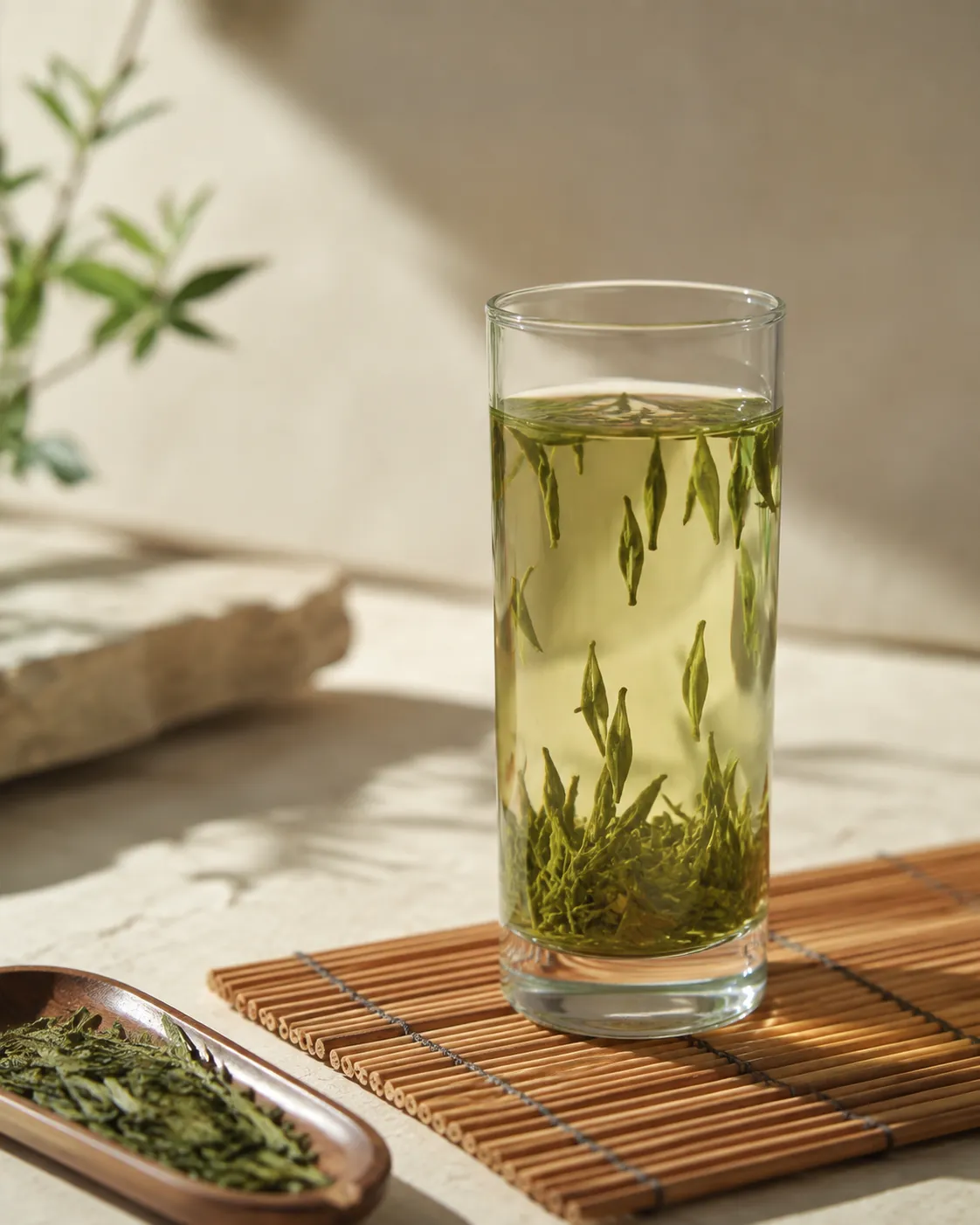
Dragon Well is a Chinese green tea from the hills around West Lake in Hangzhou, and it is the tea most people picture when they picture Chinese green tea at all. Longjing is its name in Mandarin, and the two words are used interchangeably in shops.
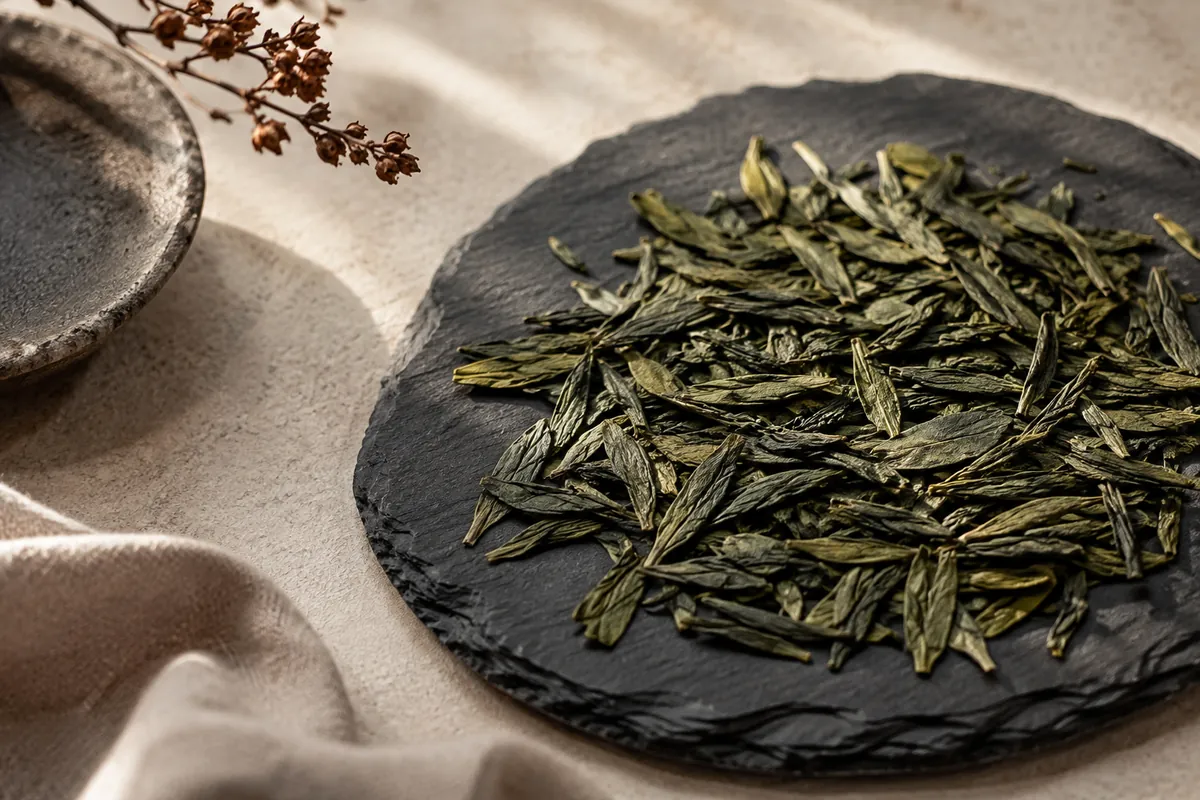
It looks unlike anything else on the shelf. The dry leaf is flat, smooth and blade-shaped, jade green with a yellow cast, and it lies in the tin like a handful of small sword blades rather than like anything rolled or twisted.
That shape is not decoration and it is not a finishing step. It is the visible record of how the leaf was stopped from oxidising, and the same movement that halted the reaction also pressed the leaf flat.
Dragon Well at a glance
- What it is
- A pan-fired Chinese green tea, flat and blade-shaped
- Where
- The West Lake hills of Hangzhou, in Zhejiang province
- Why it is flat
- Pressed against a hot wok, which fixes and shapes it at once
- The aroma
- Toasted chestnut and bean, with orchid in the best of it
- Water
- 75 to 85 C. Boiling water ruins it
- The vessel
- A tall glass, traditionally, so the leaf can be watched
- The buying axis
- The picking date, not the grade letters
The wok is the whole shape
Every green tea has to have its enzymes stopped within hours of picking, or the leaf begins to oxidise and stops being green at all, and the two industrial answers to that problem are steam and dry heat. Japan chose steam, China largely chose the pan, and green tea sets out the family-level consequences of that fork.
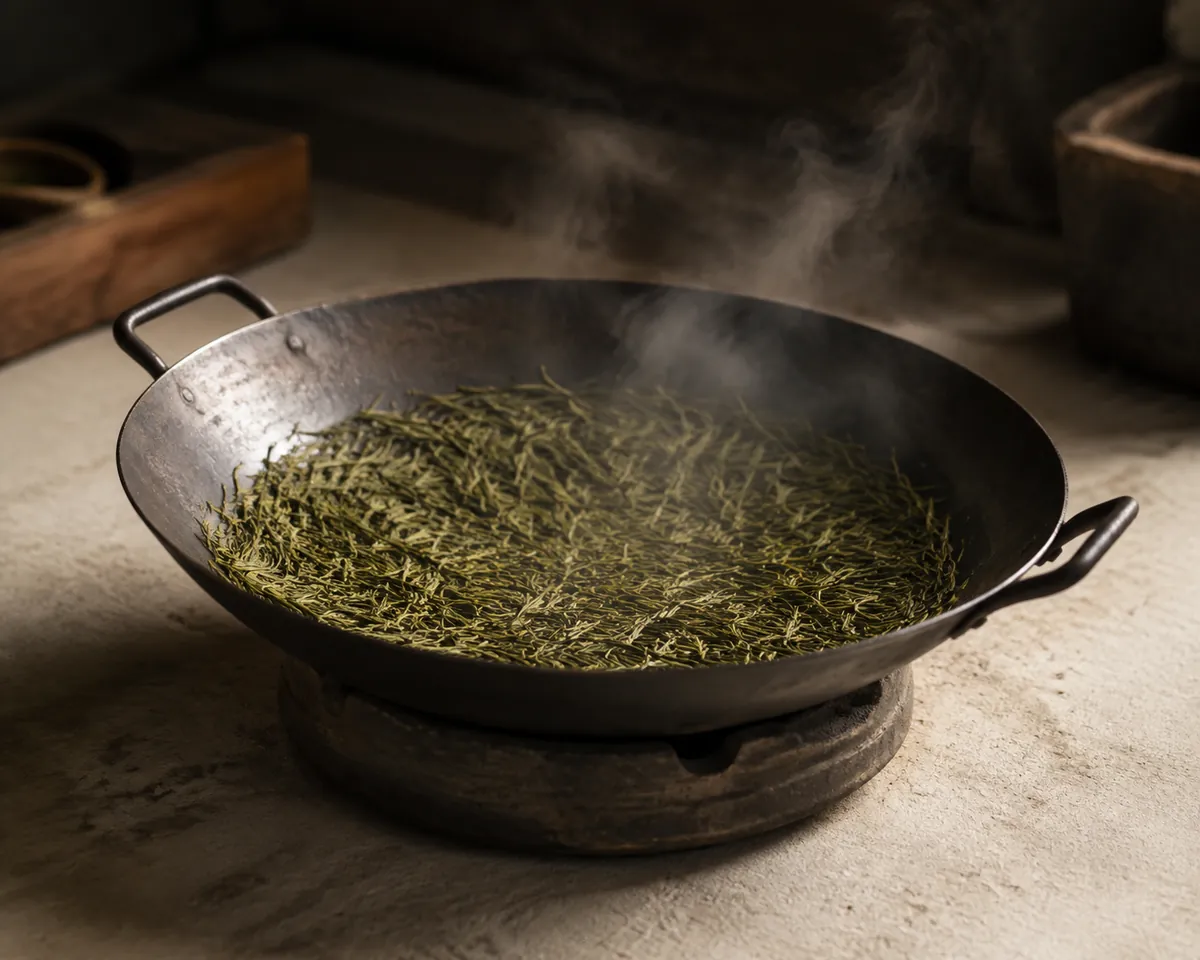
What makes this particular tea unusual is that the pan is doing a second job at the same time.
What happens in the pan
- WitherFresh leaf is spread thinly for a few hours to lose some moisture and soften.
- FixIt goes into a wok held at a high temperature, and the heat halts the enzymes.
- PressA hand pushes the leaf flat against the hot metal wall of the pan.
- ShapeRepeated pressing, grasping and shaking builds the blade form as the leaf dries.
- Rest and refireThe tea is rested, sorted and returned to a cooler pan to finish.
A Japanese producer separates those jobs entirely. Steam fixes the leaf, and a separate machine then rolls it into a needle, so the shape and the fixing are two different pieces of equipment doing two different things.
Here one hand does both at once, which is why the technique takes years to learn and why hand-fired leaf costs what it does.
Most Longjing today is pressed between heated plates by machine rather than by hand, and the result is perfectly good tea. The point is not that machines are a fall from grace, but that the shape you are looking at is a record of the process rather than an aesthetic choice made afterwards.
What flat leaf does that rolled leaf cannot
Flat leaf behaves differently in water. A rolled or twisted leaf has to unfurl before it gives up much of anything, so it extracts in stages, while a pressed blade is already open and starts releasing from the first second.
That single difference explains why brewing Dragon Well uses cooler water and a short first steep.
Fast extraction
No unfurling stage, so a short first steep is enough and a long one is punishing.
Low temperature
Because everything is available at once, hot water pulls the harsh compounds out immediately too.
Visible brewing
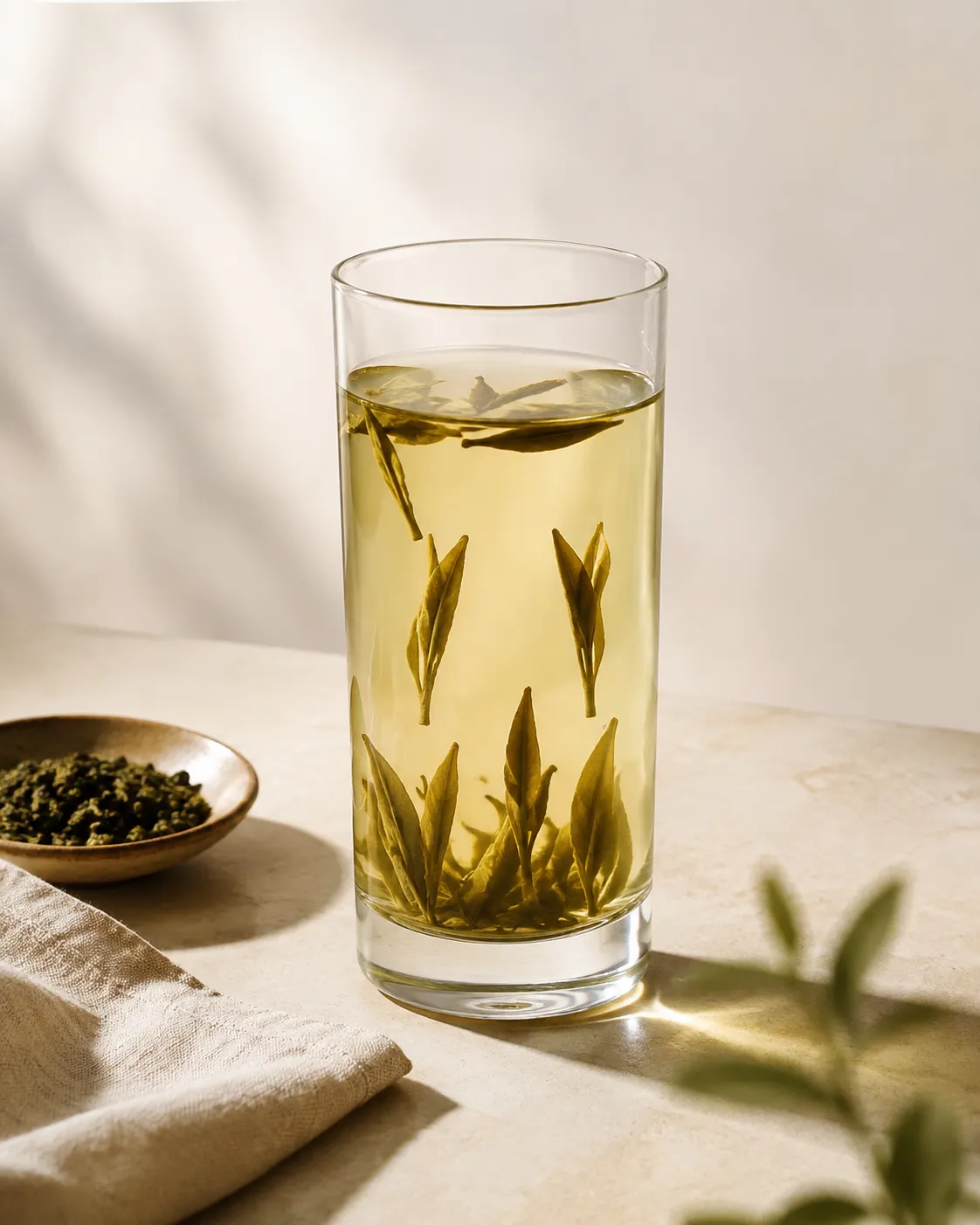
The blades stand upright and then sink, which is why a glass is the traditional vessel.
Fewer infusions
Three good steeps is a fair expectation, against many more from a rolled oolong.
Easy inspection
Nothing is hidden by the shape, so broken leaf, stalk and dust are all obvious in the tin.
The last of those is genuinely useful when buying. A twisted or pelleted leaf can conceal a great deal until it opens in the pot, and a flat leaf conceals nothing at all, so a poor lot announces itself before any water is boiled.
Why it tastes of chestnut instead of seaweed
Ask two people to describe green tea and one will say seaweed while the other says toasted nuts, and the disagreement is not about palates but about which hemisphere their tea came from. Dry metal and steam leave completely different marks on a leaf.
Steam carries heat in quickly and wetly, holds a deep saturated green, and leaves the vegetal and marine register intact. A pan works by dry conduction against hot metal, driving moisture off more slowly, and that dry heat develops toasted, grain-like aromatics the leaf did not have before it went in.
| Steamed, Japanese | Pan-fired, Longjing | |
|---|---|---|
| Dry leaf | Fine dark needles | Flat pale blades |
| Liquor | Cloudy jade | Clear yellow-green |
| Aroma | Marine, grassy, spinach water | Toasted chestnut, sweet bean, orchid |
| Body | Thicker, from fine particles | Cleaner and lighter |
| Sweetness | Savoury and brothy | Nutty and rounder |
Clarity is the quickest tell and it needs nothing to compare against. Steamed leaf breaks up and carries fine particles into the cup, so a sencha brews cloudy, and a Longjing brews clear enough to read through.
Orchid is the note that separates a very good Longjing from an ordinary one. It sits above the chestnut rather than replacing it, it is easiest to find in the aroma of the wet leaf rather than in the liquor, and what Dragon Well tastes like works through the range in more detail.
Where the name comes from, and what West Lake means on a packet
Dragon Well is a translation. There is a village called Longjing in the hills southwest of Hangzhou and a spring there of the same name, and the tea took the name of the place rather than the other way around.
Hangzhou sits at the southern end of a very old canal system in Zhejiang province, and the hills around its West Lake have been growing this tea for centuries. That history is why the geography on a packet carries so much weight in China and so little abroad.
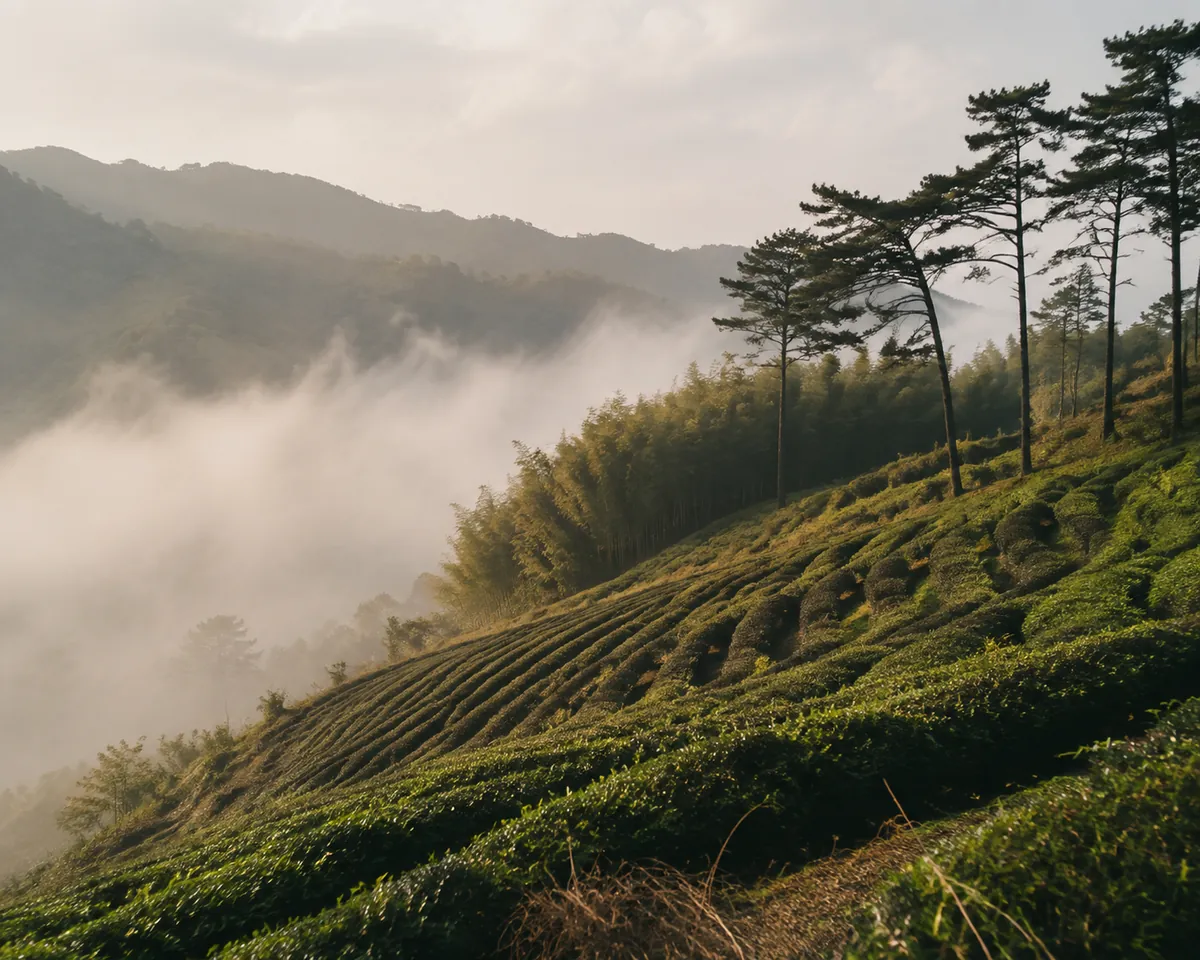
What the origin words on a packet mean
- Xihu Longjing, with a named villageGrown in the West Lake protected area, and traceable
- Xihu LongjingThe protected West Lake zone, without a village named
- Zhejiang LongjingGrown elsewhere in the same province. Often very good, and much cheaper
- Longjing, no origin givenMade in the Longjing style, and it could be from anywhere
- Dragon Well flavour or typeTreat the words as a description of shape and nothing more
Within the West Lake area a handful of village names carry the most weight, Shifeng and Meijiawu among them, and they function much the way a named estate does elsewhere.
A village name is a claim someone can be held to, and a provincial name is not.
None of this means the cheaper tiers are bad. A well-made Zhejiang Longjing at a third of the price is a better daily cup than a disappointing lot with the right words on the tin, and the geography matters most at the very top of the market.
Why the date on the tin matters more than the grade
Chinese green tea is priced by when it was picked, and the calendar it is priced against is the old agricultural one rather than the Gregorian months. Two dates do nearly all the work.
Qingming falls in the first week of April, and Guyu around the twentieth. Leaf picked before the first is mingqian, leaf picked before the second is yuqian, and the price gap between them is large.
| Tier | When | The leaf | The cup |
|---|---|---|---|
| Mingqian | Before roughly 4 April | Tiny, bud-heavy, slow-grown | Delicate, sweet, and the most expensive by far |
| Yuqian | Before roughly 20 April | Slightly larger, more open | Fuller, still fine, and far better value |
| Later spring | Late April onward | Bigger leaf, more stalk | Stronger and plainer, and it takes a hotter brew |
| Summer crop | June onward | Coarse | Rarely sold under the name at all |
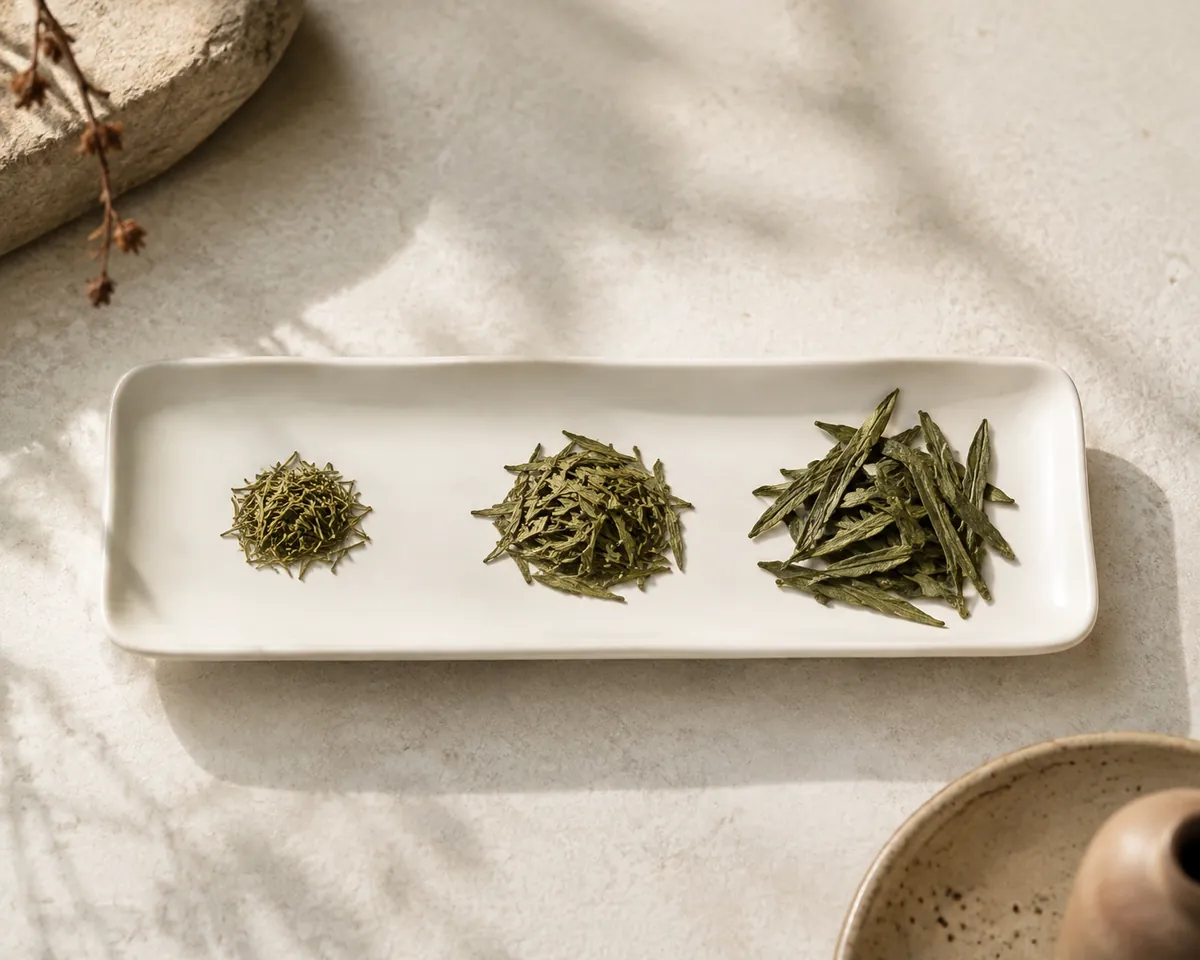
The reasoning behind the premium is real rather than ceremonial. Growth through a cold early spring is slow, the shoots that emerge are small and concentrated, and the plant has had a whole winter to accumulate what it puts into them.
Whether it is worth the money is a separate question. A yuqian Longjing gives most of the character of a mingqian one at a fraction of the price, and it is the tier most experienced drinkers actually buy. The very early tea is partly a seasonal luxury, and it is priced accordingly.
Longjing 43 and the old seed-grown bushes
Cultivar is the variable nobody mentions in a shop and it changes the cup as much as the picking date does, so it is worth knowing that two quite different kinds of bush are both sold under this one name.
Longjing 43 is a selected cultivar, propagated from cuttings, and it buds early and uniformly. That earliness is commercially decisive, because it lets a garden reach the mingqian market with a full crop rather than a handful of shoots.
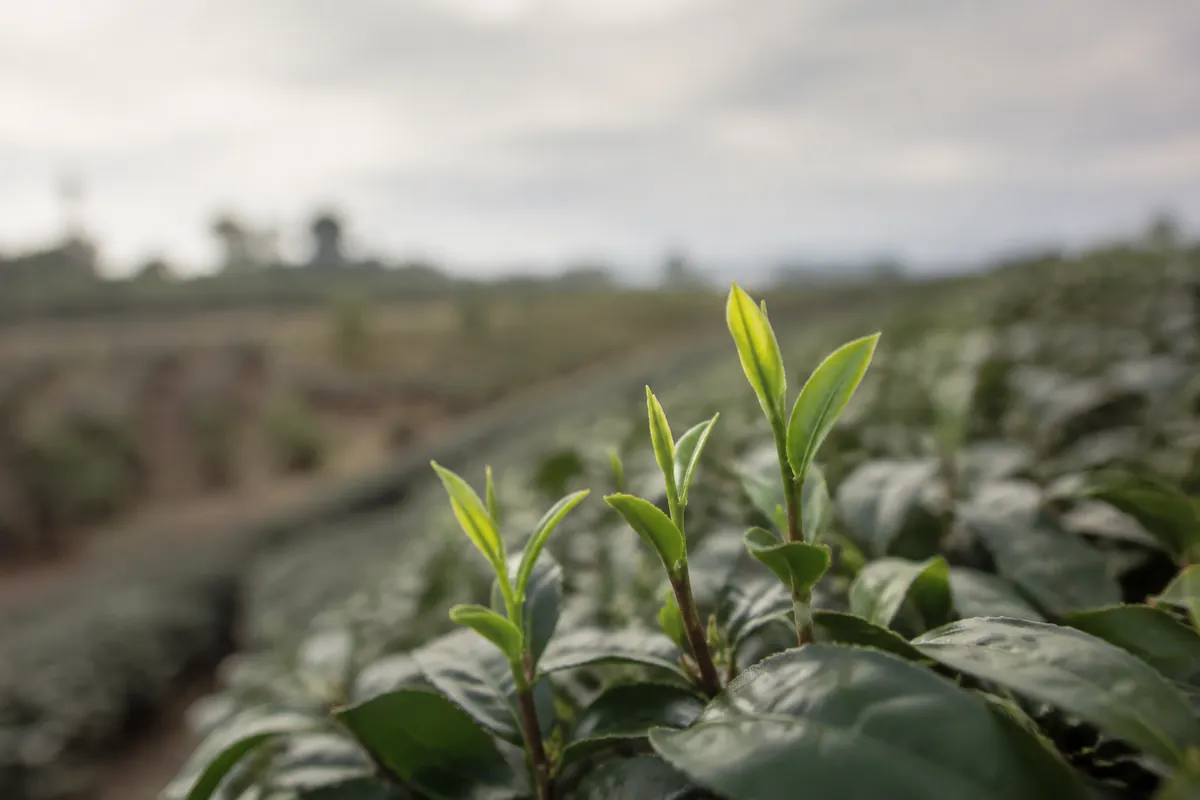
The older bushes are a different proposition entirely. Grown from seed rather than cuttings, they are a mixed population rather than a single clone, they bud later and less evenly, and the tea they give is generally held to be more complex and slower to arrive in the cup.
Longjing 43
Early, uniform, bright and immediately fragrant. Most of what is sold as mingqian.
Seed-grown bushes
Later, uneven, deeper and rounder. Prized by people who buy the same tea every year.
Wuniuzao
An even earlier cultivar, sometimes sold as Longjing when it is simply an early tea.
Why it matters
Two teas with the same name and the same date can differ more by cultivar than by garden.
Where to find it
Sellers who state the cultivar are telling you something. Most do not state it at all.
None of this is a hierarchy. A good 43 beats a mediocre lot from old bushes every time, and the point of knowing the distinction is that it explains why two teas answering the same description can taste so unlike each other.
How much of it is not Dragon Well at all
Demand vastly exceeds what the West Lake hills can produce, and the consequence is predictable. A great deal of tea sold under the name was grown hundreds of miles away, in Sichuan or Guizhou, and pressed flat to match.
Some of that is honest and cheerfully labelled. Some of it is not.
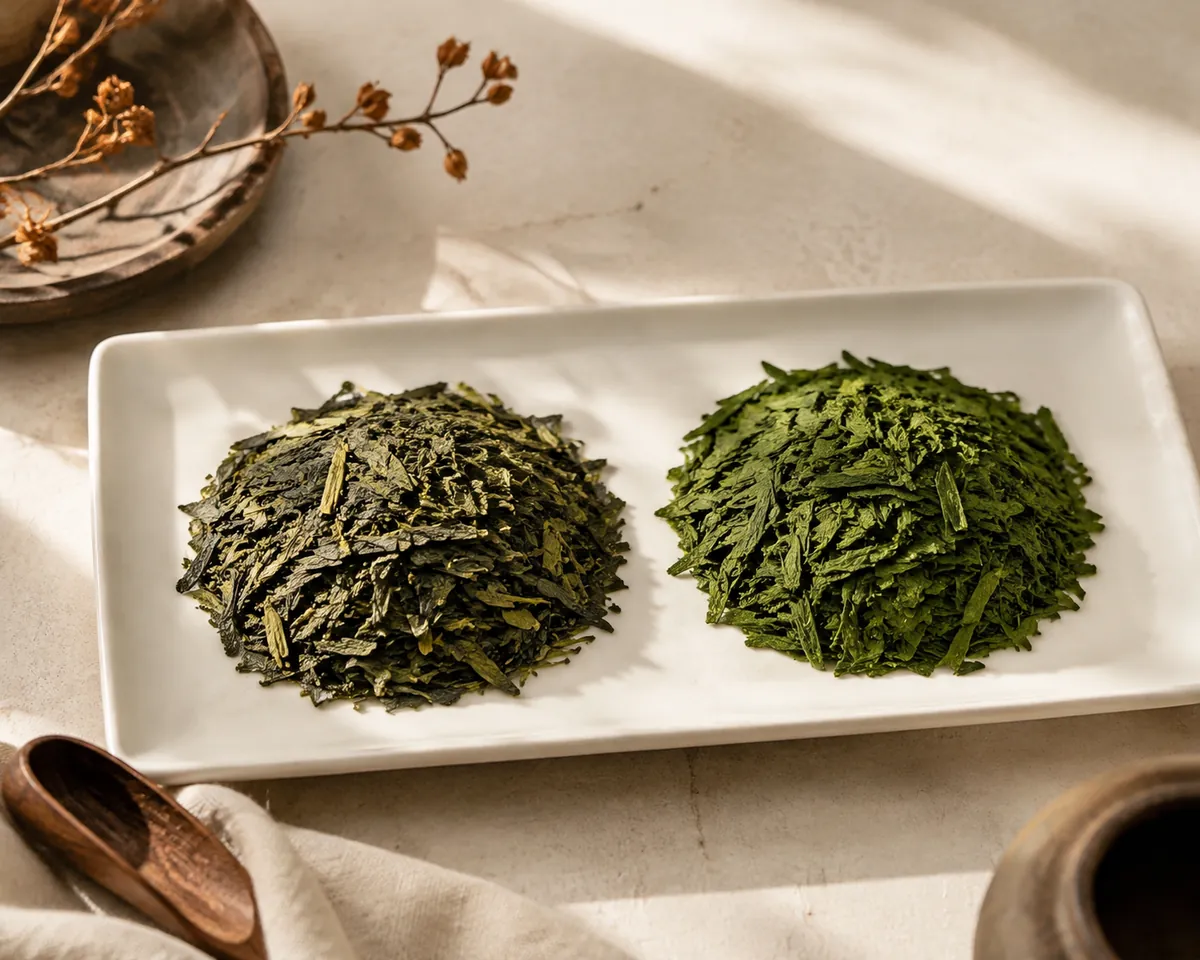
- Be suspicious of an unnaturally vivid, uniform green. Real Longjing is jade with a yellow cast.
- Look for slight unevenness in the blades. Perfect uniformity suggests heavy machine work or sorting.
- Smell the dry leaf. Toasted chestnut is right, and a flat or dusty smell means it is old.
- Check the price against the claim. West Lake mingqian at a supermarket price is not West Lake mingqian.
- Look for a harvest year. Any Longjing without one is being sold on its shape alone.
- Buy small at first, because the same seller can be excellent one year and ordinary the next.
There is no shame in drinking the cheaper tea.
The problem is paying a West Lake price for a Zhejiang or Sichuan leaf, and the defence against it is the same as with any protected origin, which is to buy from sellers who state where and when the tea was picked.
Shape is the easiest thing to imitate and the aroma is the hardest, which is a useful asymmetry. A convincing-looking flat leaf with no chestnut in its smell has told you what you need to know before you have brewed it.
How to brew it in a glass
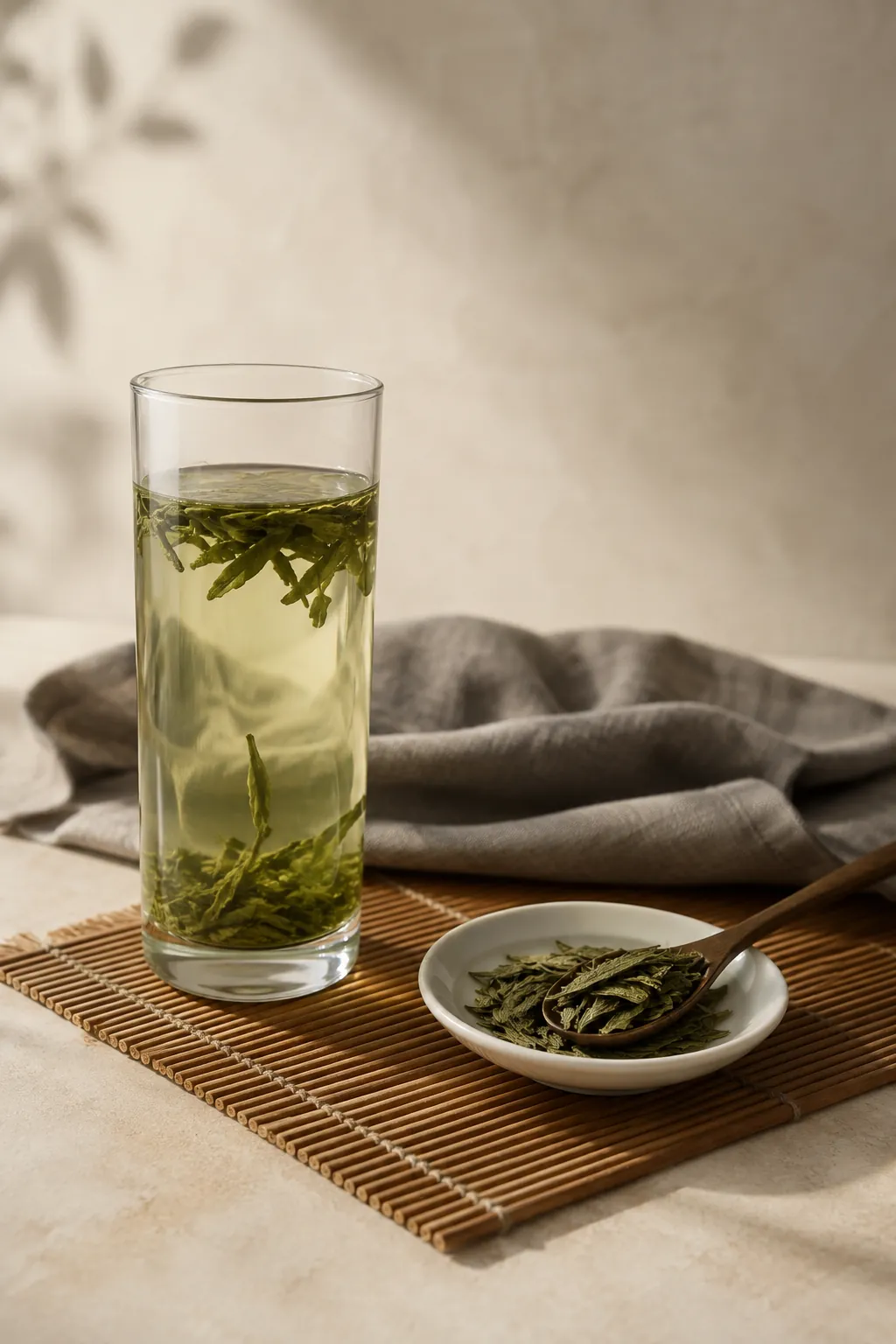
Use a tall glass. It is not a gimmick, since the leaf is flat enough to stand upright and sink slowly, and watching it settle tells you when the tea is ready better than a timer does.
Starting points
- Water
- 75 to 85 C, and never boiling
- Leaf
- 3 g per 200 ml
- First steep
- About 1 minute
- Later steeps
- Add 30 seconds each time, and expect three in total
- Vessel
- A tall glass, or a gaiwan if you want more control
- Water quality
- Soft. A heavy mineral load flattens it, as brewing water sets out
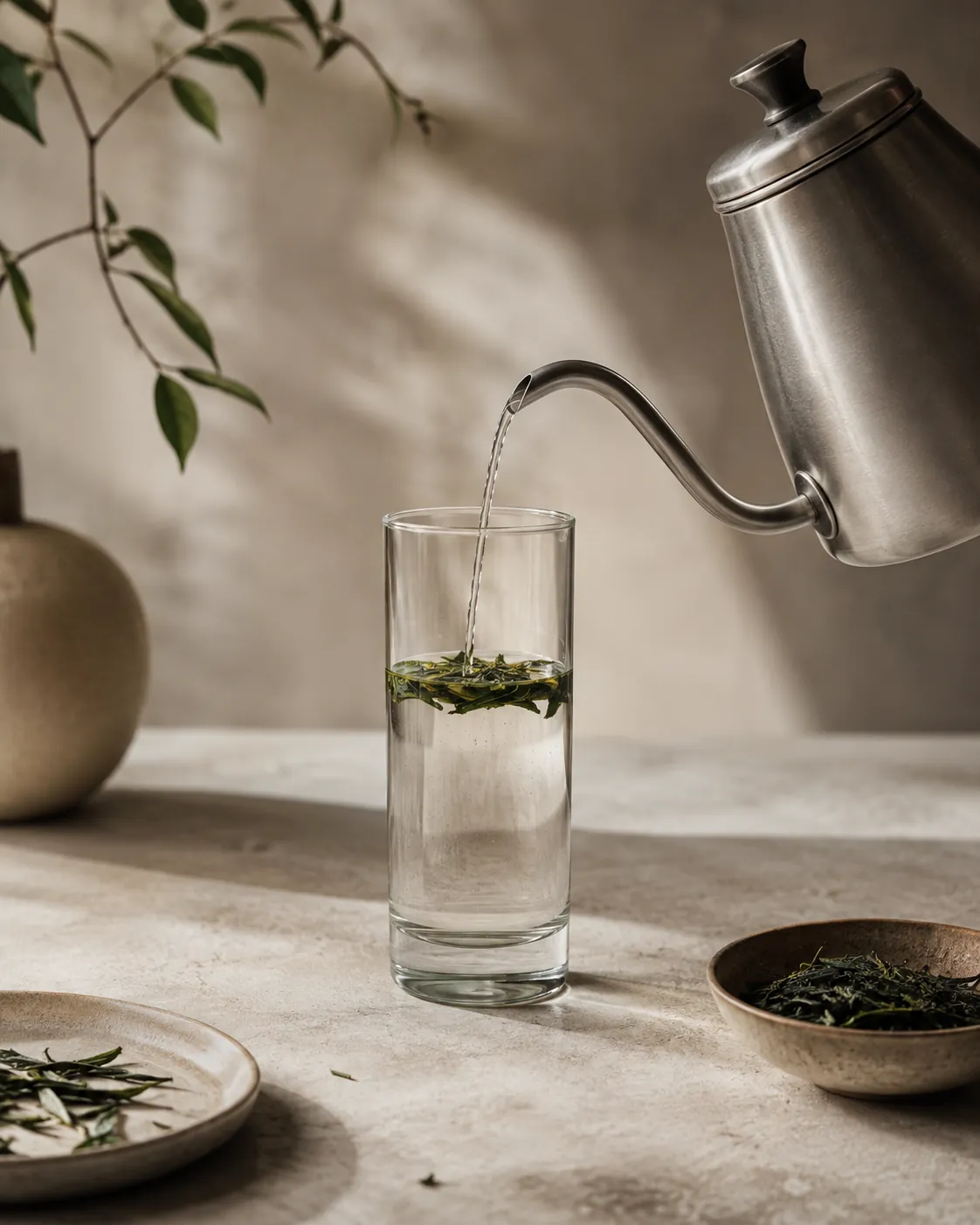
Temperature is the mistake that ruins more of this tea than everything else combined. Unoxidised leaf carries catechins that a black tea has already converted, and those extract disproportionately fast above about 85 C, which is the mechanism why green tea tastes bitter works through in full.
The wider map across the styles is in steeping temperature basics.
Leaving the leaf in the glass is normal here and not a compromise. Top it up as you drink, accept that the cup strengthens as it goes, and where a session turns harsh instead, Dragon Well problems works back from the symptom.
Why it will not survive the summer in a cupboard
Green tea has nothing protecting it. Oxidation was halted deliberately, so the compounds a black tea has already converted are still present and still reactive, and they degrade steadily in the presence of air, warmth, light and moisture.
A spring Longjing is at its best in the months right after it was made.
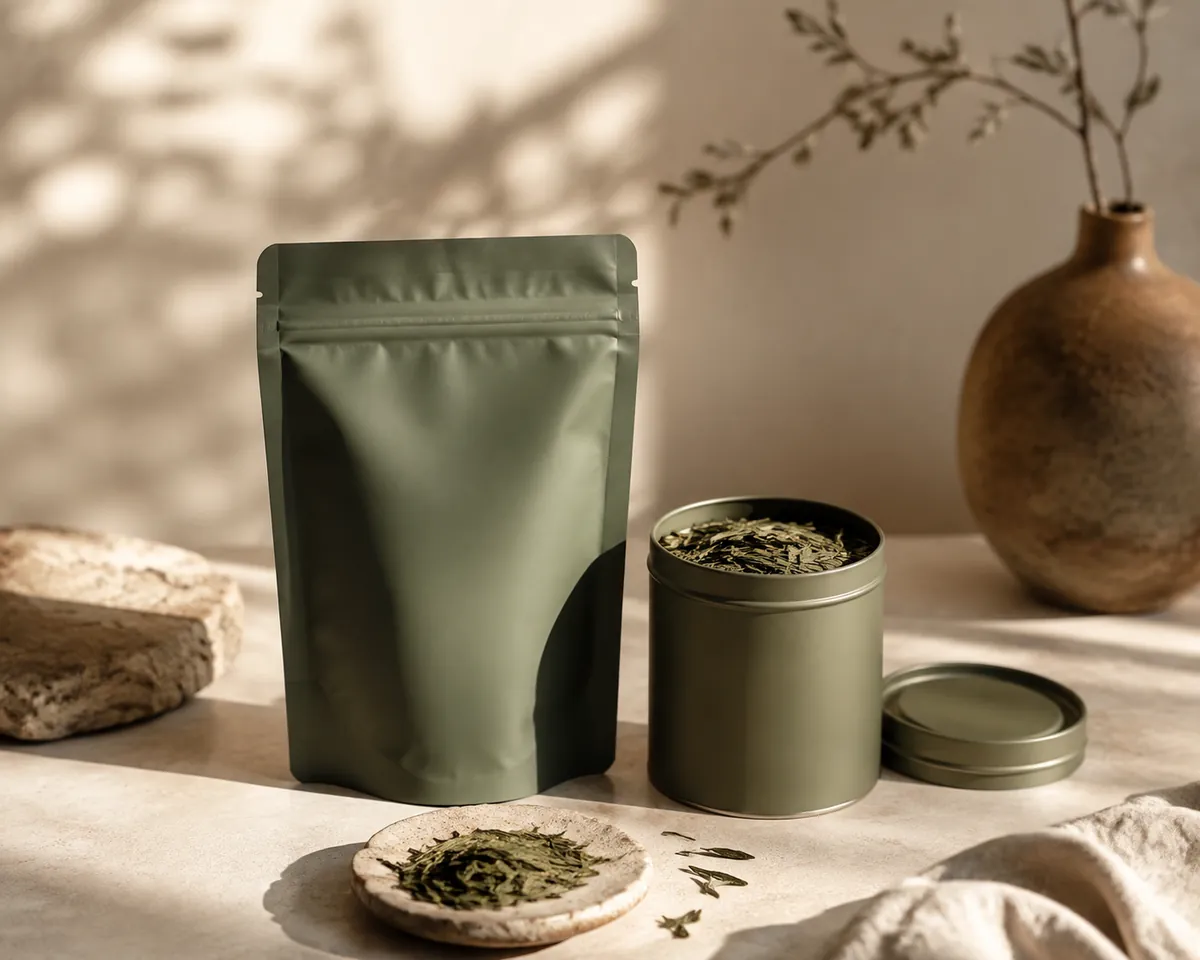
By the following spring it has usually lost the top of its aroma, which is exactly the part you paid for, and this is why the Chinese domestic habit of keeping it cold is not fussiness. Sealed and refrigerated or frozen, it holds far longer, and the general rules and the freezing caveats are set out in storing loose-leaf tea.
Odour is the other loss and it is the one people forget. Dry leaf takes up aroma from the air around it readily, which is the entire basis of how jasmine tea is made, and a green tea kept beside coffee or spices will quietly become a tea that tastes of them.
How much caffeine a pan-fired green carries
Green tea sits well below black tea and a long way below coffee, and Dragon Well is an ordinary green tea in this respect rather than an unusual one. The figures below are for a standard cup and a standard steep.
Two things pull in opposite directions here. Buds carry more caffeine than mature leaf, so a bud-heavy mingqian tea starts higher, while the low water temperature and short steep the same tea demands extract less than a hotter and longer brew would.
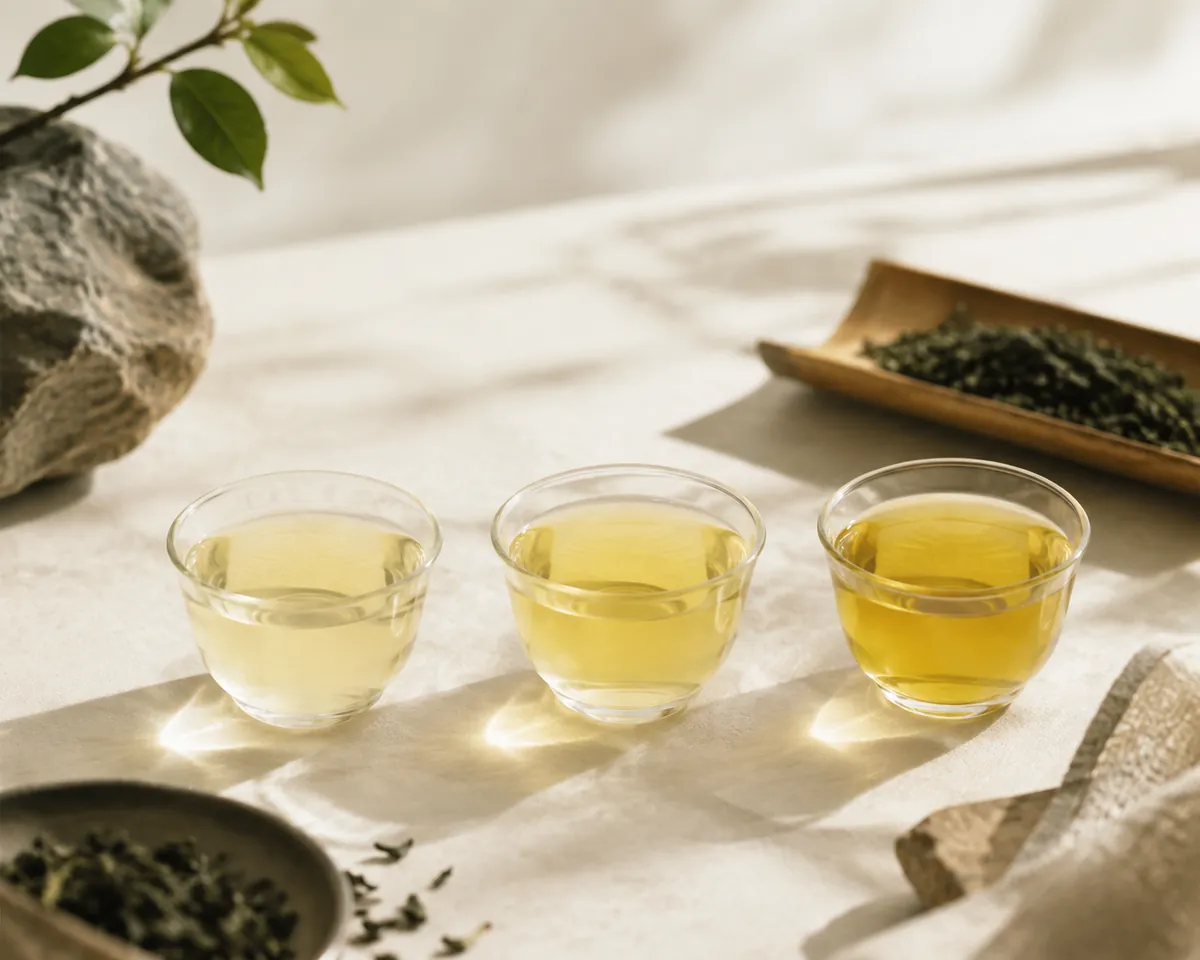
For the variables in detail, how much caffeine is in Dragon Well works through them, green tea against matcha covers the case where the whole leaf is consumed rather than infused, and caffeine by brewing method gives the coffee benchmark for scale.
What to spend, and what a cheap Longjing is still good for
Set against the rest of the green tea shelf, this is the accessible end of the fine stuff. A good yuqian Longjing costs a fraction of a decent gyokuro and asks far less of you at the kettle, and it is a sensible first purchase for anyone who has decided green tea is worth taking seriously.
The trap is buying at the very top before you know what you like.
Start here
A yuqian Zhejiang Longjing with a stated harvest year, bought in a small quantity.
Trade up when
You can taste the chestnut and want the orchid note above it, which is the real upgrade.
Do not bother when
You want a tea to take milk or to survive a travel mug. This is not that tea.
Use the cheap tier for
Cold brewing overnight, where low temperature suits it and the price stops mattering.
Compare it against
A steamed Japanese sencha side by side, which teaches more in ten minutes than any description.
Cold water is the forgiving option and it deserves more attention than it gets. Steeped for several hours in the fridge, Longjing gives a sweet, clean, almost fruity liquor with none of the astringency that hot water can pull out, which makes it one of the better teas to have in a jug over ice in summer.
Common questions
Why is Dragon Well tea flat?
Because it is shaped and fixed in the same movement. The leaf is pressed by hand against the wall of a hot wok, which both halts the enzymes that would otherwise oxidise it and flattens it into a smooth blade. Japanese green teas separate those two jobs, steaming to fix and then rolling to shape, which is why sencha comes out as a needle instead.
What does mingqian mean on a packet of Longjing?
It means the leaf was picked before the Qingming festival, which falls in the first week of April, and it is the most expensive category of the year. The shoots are small, bud-heavy and slow-grown after a cold winter. Yuqian is the next tier, picked before Guyu around 20 April, and it costs considerably less for a cup many people prefer.
How should Dragon Well be brewed?
In a tall glass at 75 to 85 C, using roughly 3 g of leaf to 200 ml, for a first steep of about a minute. Boiling water is the single most common mistake, because unoxidised leaf gives up its catechins disproportionately fast above about 85 C and the cup turns bitter and drying.