What Is Sun Tea? Sunlight Warms It, It Does Not Brew It
Sunlight does not brew sun tea, it only warms the water, and not by much. Everything that makes the drink mild, sweet and clear follows from extracting a long way below boiling.
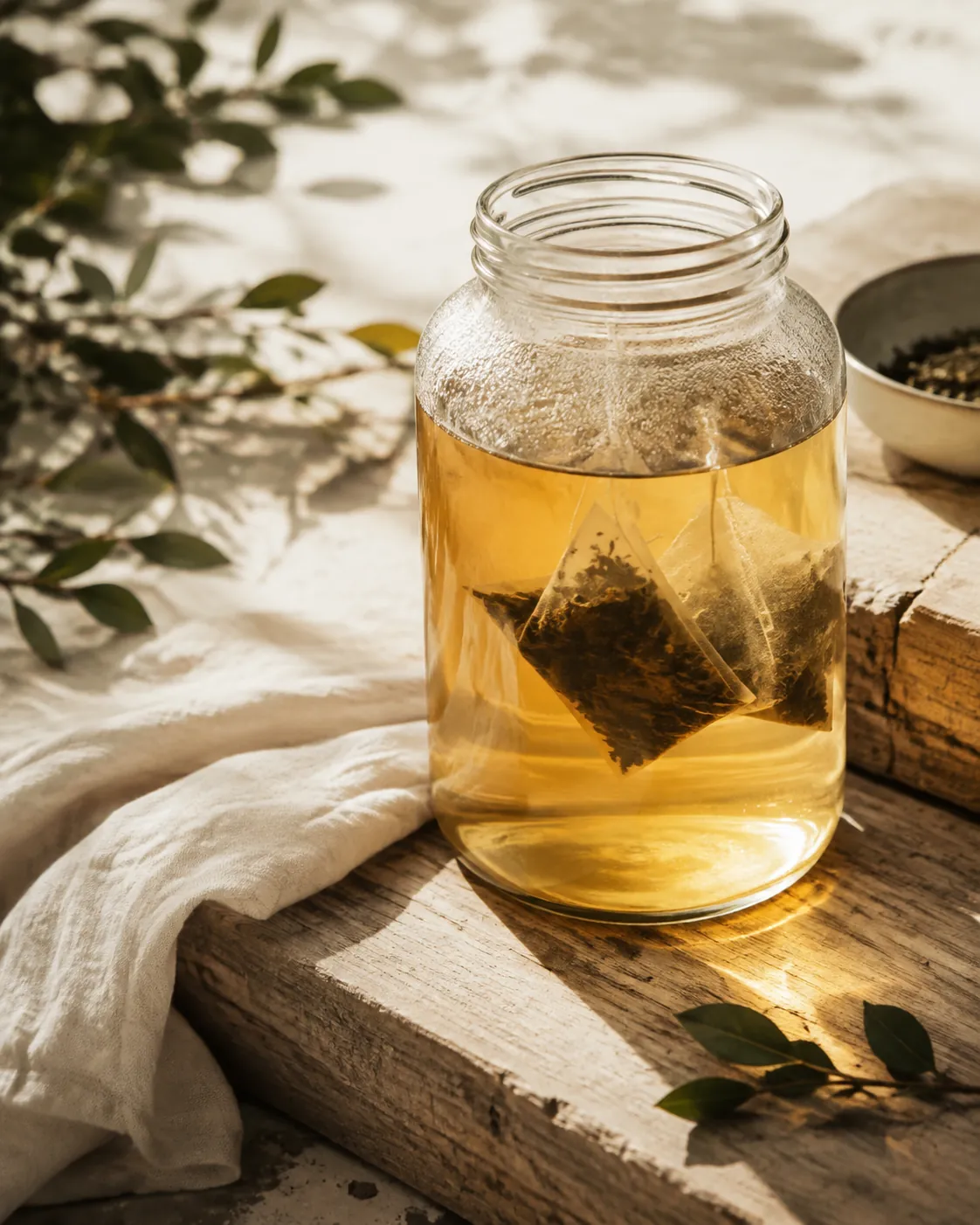
Sun tea is tea left to brew in a jar of cold water standing in sunlight, usually for a few hours on a windowsill or a step. It comes out pale, mild and noticeably sweet, with almost none of the bite a hot brew gives.
The name promises more than the physics delivers. Sunlight does not brew the tea; it only warms the water, and it warms it far less than most people assume.
A jar in strong sun reaches lukewarm, not hot.
So sun tea is best understood as a slow, slightly warm infusion rather than as a solar version of a teapot. Everything that makes it taste the way it does follows from brewing a long way below boiling.
Sun tea at a glance
- Method
- Leaf or bags in cold water, left in sunlight
- Water temperature
- Lukewarm at best, well under brewing heat
- Time
- Three to five hours, against three to five minutes
- Taste
- Mild, sweet, very low astringency
- Clarity
- Clearer than hot-brewed tea that has been chilled
- Modern equivalent
- The same jar, left in the fridge overnight
What sun tea actually is
The recipe has not changed in decades. Tea goes into a clear jar, cold water goes on top, the lid goes on, and the jar sits somewhere sunny for the afternoon.
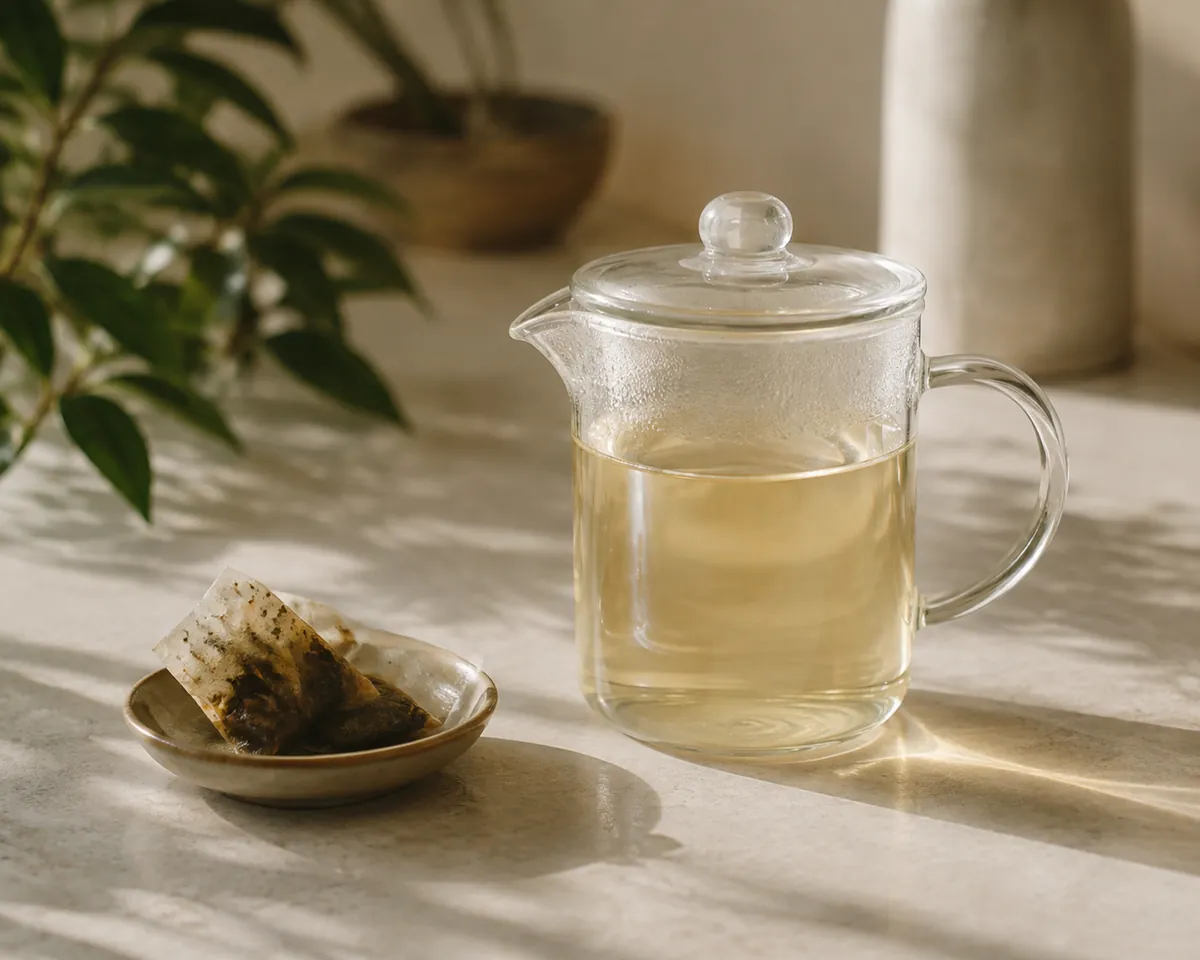
There is no equipment and no technique. A basket infuser makes the straining tidier, and tea bags work just as well, since nothing about the method depends on how the leaf is held.
What sets it apart from every other way of making iced tea is that the water is never heated. No kettle is involved at any stage, which is the whole appeal and also the source of every complication.
The tradition is American and domestic rather than commercial, and it belongs to hot climates and to summer, which is worth knowing because it explains a method that would otherwise seem eccentric.
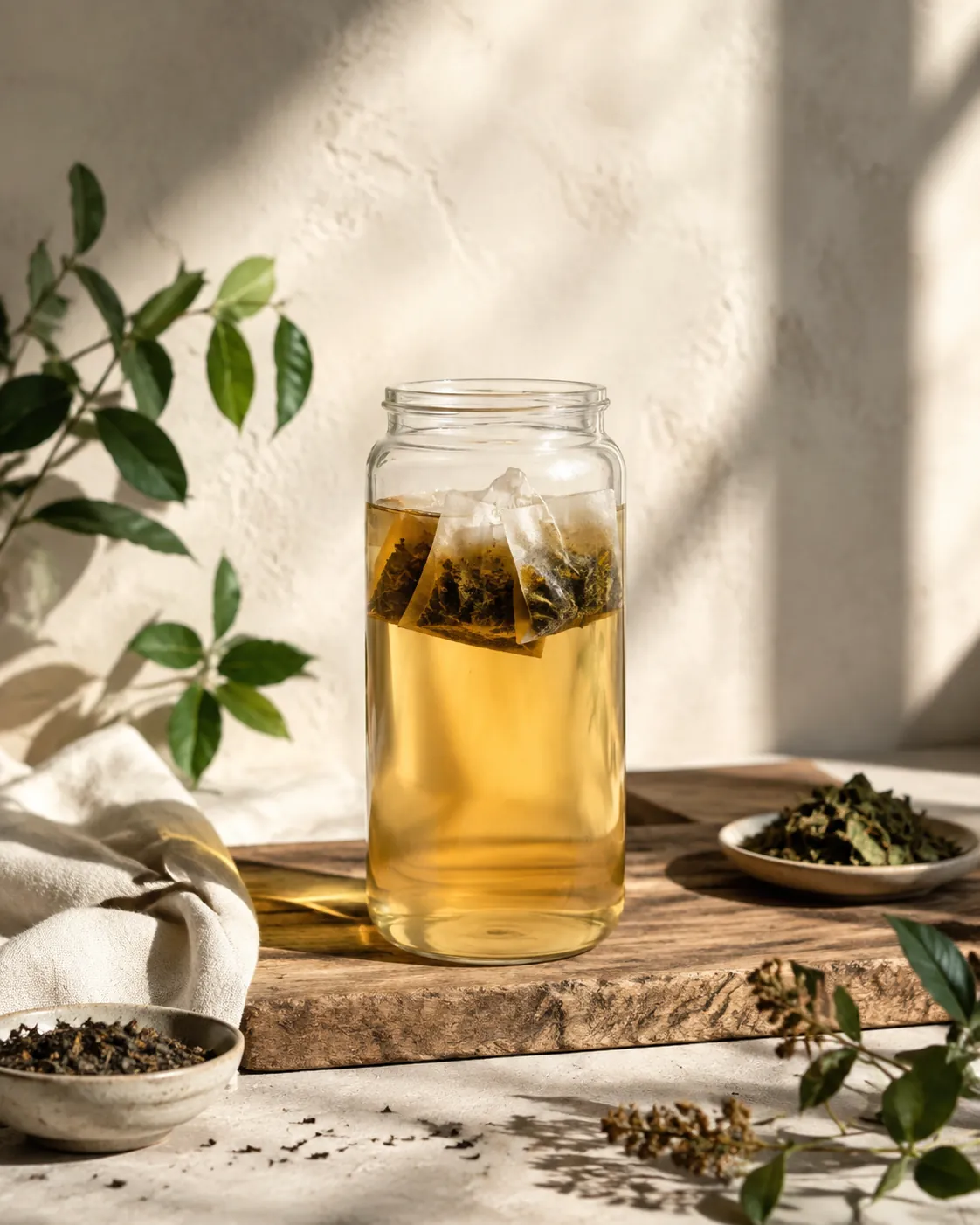
How hot the water really gets
This is the fact the name obscures. A sealed glass jar in direct summer sun gains heat slowly, and the water inside typically reaches somewhere around body temperature, occasionally a little more on a very hot day against a dark surface.
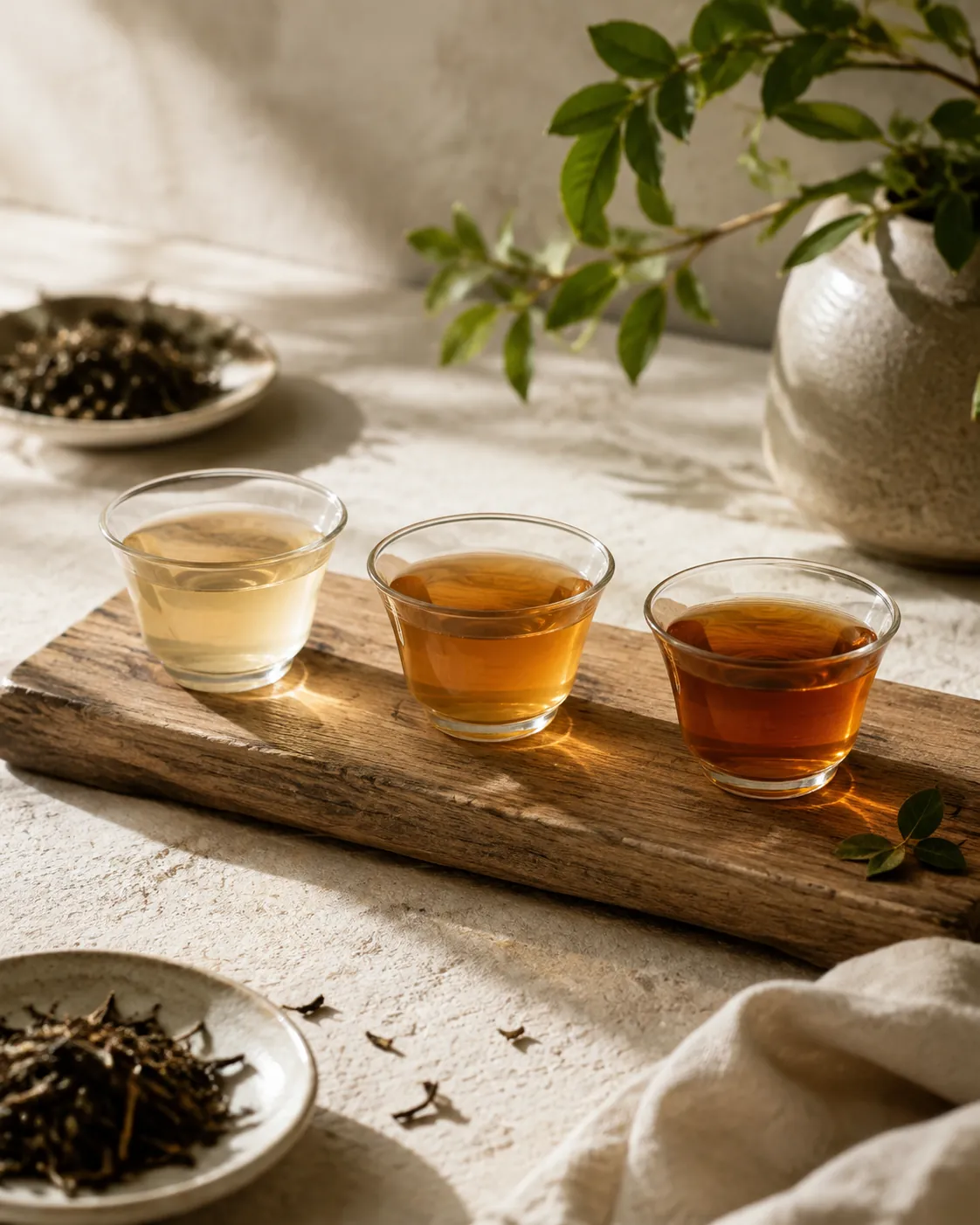
Tea is normally brewed between 70 and 100 degrees, depending on the leaf, as steeping temperature sets out. Sun tea works perhaps 40 degrees below the bottom of that range.
Water temperature, hottest first
- Black tea, kettleFull boil, straight from the spout
- Green tea, kettleOff the boil, cooled a minute or two
- Sun tea in strong sunLukewarm, roughly blood temperature
- Sun tea on a cloudy dayBarely above room temperature
- Fridge cold brewRefrigerator cold throughout
Everything downstream is a consequence of that gap. Extraction slows enormously, which is why the method needs hours rather than minutes.
It also slows unevenly across the compounds in the leaf, and that unevenness is why the flavour is different rather than merely weaker.
Why it tastes sweeter and less bitter
Different compounds come out of a tea leaf at different rates, and temperature changes the order as well as the speed. Tannins and caffeine are relatively slow to extract in cool water; sugars and some aromatics come out more readily.
The result is a cup with an unusual balance: the drying, gripping element that defines a strong hot brew is largely missing, and what is left tastes rounder and sweeter than the same leaf ever tastes hot.
Bitterness is almost absent, which is the single most noticeable thing about a first glass. The mechanism is the same one that makes over-steeped green tea so punishing in reverse: cool water simply does not pull those compounds out.
Aroma is the trade. Volatile compounds that a hot brew drives into the steam and onto the nose stay quietly in the liquid here, so sun tea smells of very little even when it tastes pleasant.
Why it stays clearer than hot-brewed iced tea
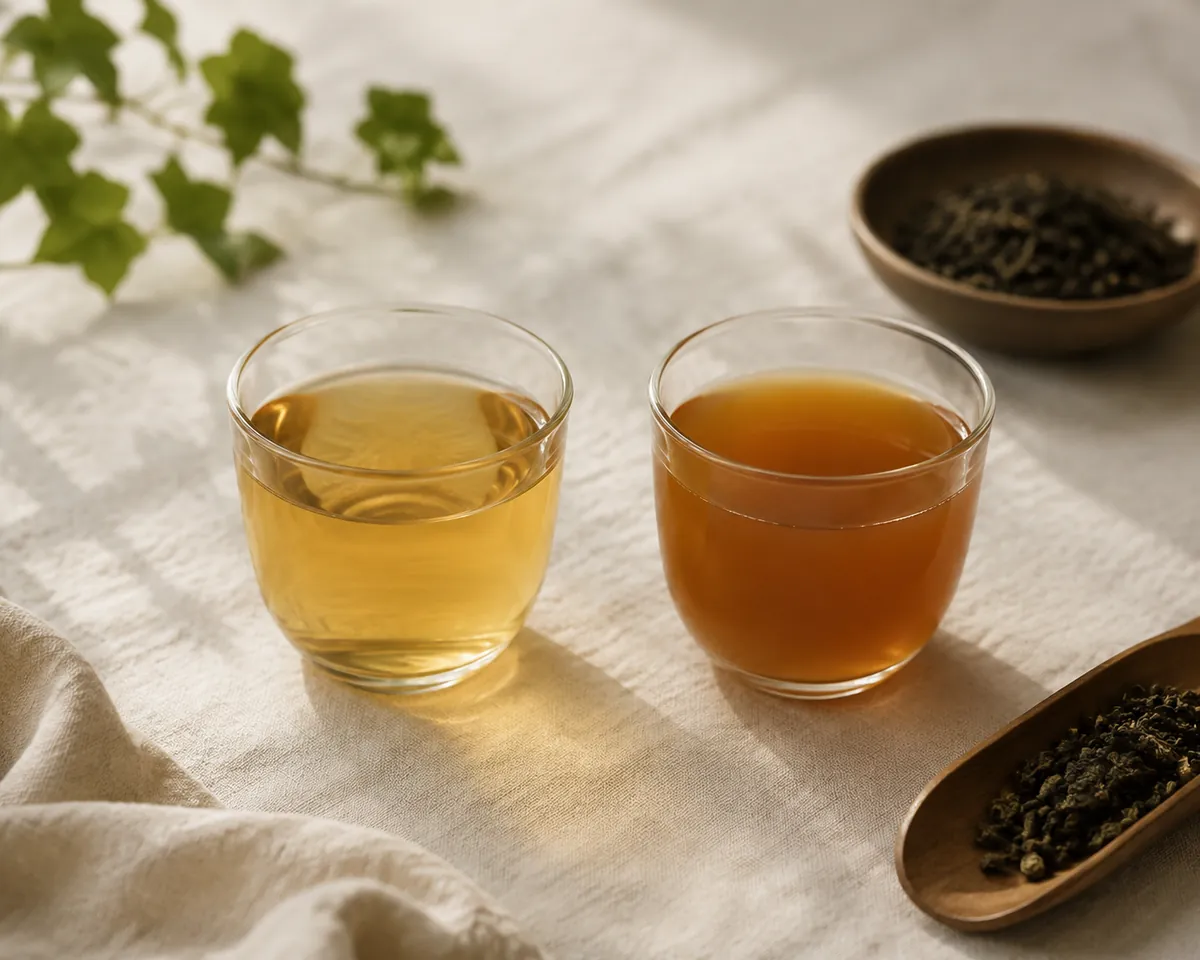
Chill a strong hot brew and it usually goes cloudy. That haze is caffeine and tannins binding together as the liquid cools and dropping out of solution, and it is the reason a jug of iced tea made the quick way looks murky the next morning.
Sun tea largely avoids it. There is far less of both compounds in the liquid to begin with, and they were never dissolved at a temperature they cannot hold at, so the tea stays bright.
Clarity is not only cosmetic. The same compounds that cause the haze are the ones that read as harsh, so a clear jug and a mild jug tend to arrive together.
Which teas suit it
Not every tea repays this treatment, and the ones that do are broadly the robust ones with plenty to give up.
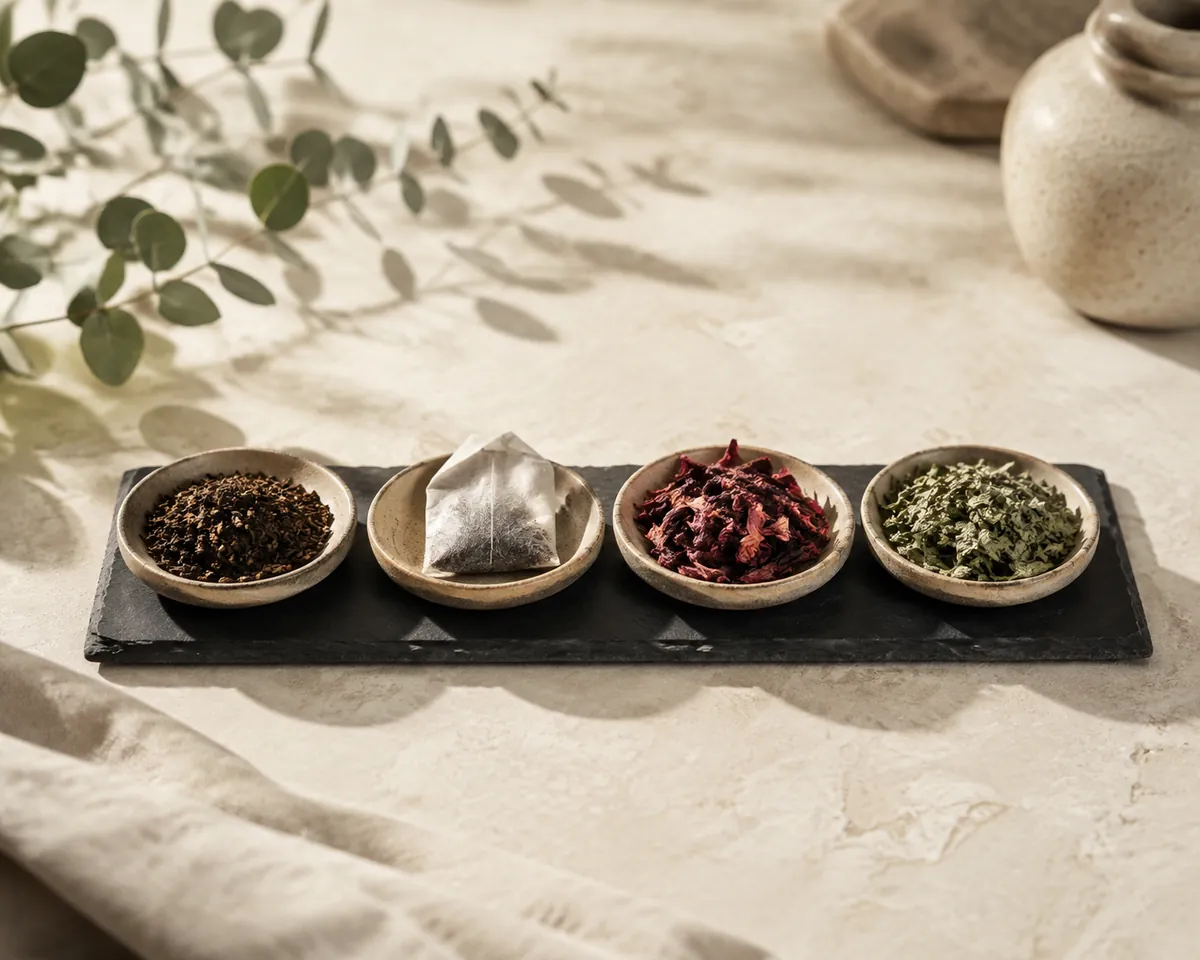
- Strong black tea, which has enough character to survive cool extraction
- English breakfast and other blends built for volume rather than nuance
- Hibiscus and other fruit infusions, which extract on acidity rather than tannin
- Peppermint and robust herbals, where the aroma is in the oils
- Broken leaf or bags, which give up more in the time available
Black tea and blends like english breakfast are the natural fit. They were bred and blended to brew strong, so losing some extraction to cool water leaves plenty behind.
Delicate teas are wasted. A gyokuro or a good oolong is bought for aromatic complexity that this method cannot lift out of the leaf, and the result is an expensive glass of very little.
Bag or leaf makes little difference, which is unusual: the long steep gives whole leaf all the time it needs to open, so the fineness that matters in a three-minute brew stops mattering here.
Herbal infusions divide by mechanism. Hibiscus works well because its acidity extracts readily in cool water; chamomile does poorly, because its character sits in volatiles that need heat.
How long to leave it, and what too long looks like
Three to five hours is the working range. Under three the tea is thin and watery; past five or six the returns flatten out and the drink stops improving.
There is no dramatic failure point of the kind hot brewing has. Nothing turns bitter at hour seven, because the compounds that would do that are barely coming out at this temperature at all.
What does change is the colour, which deepens steadily and can mislead. A jar that looks strong after five hours in bright sun is often milder than it appears, and judging by eye reliably over-brews it.
Taste it rather than timing it.
Pull a spoonful at three hours and again at four, and the difference between the two tells you more about your leaf and your sun than any recipe can.
The warm-water window, and why the fridge replaced it
The method's weakness is the same lukewarm temperature that gives it its flavour. Water held for hours at somewhere between room temperature and body heat is neither hot enough to sanitise nor cold enough to hold things still.
That is why food safety guidance in several countries discourages the traditional method, and why the practice has quietly shifted indoors over the past few decades. It is a property of the temperature rather than of tea.
Where the risk actually sits
- Cold water inWhatever the tap carries, unheated
- Hours at lukewarmThe stage that hot brewing skips entirely
- No sanitising stepNothing in the method reaches brewing heat
- Long standing afterA jug kept warm on a counter afterwards
- The fixBrew in the fridge, or scald the jar and chill promptly
None of that makes the flavour argument wrong, and the flavour argument is what the method was always really about. Cool extraction is the point, and sunlight is only one way to get it, which is the observation the fridge version is built on.
Fridge cold brew, side by side
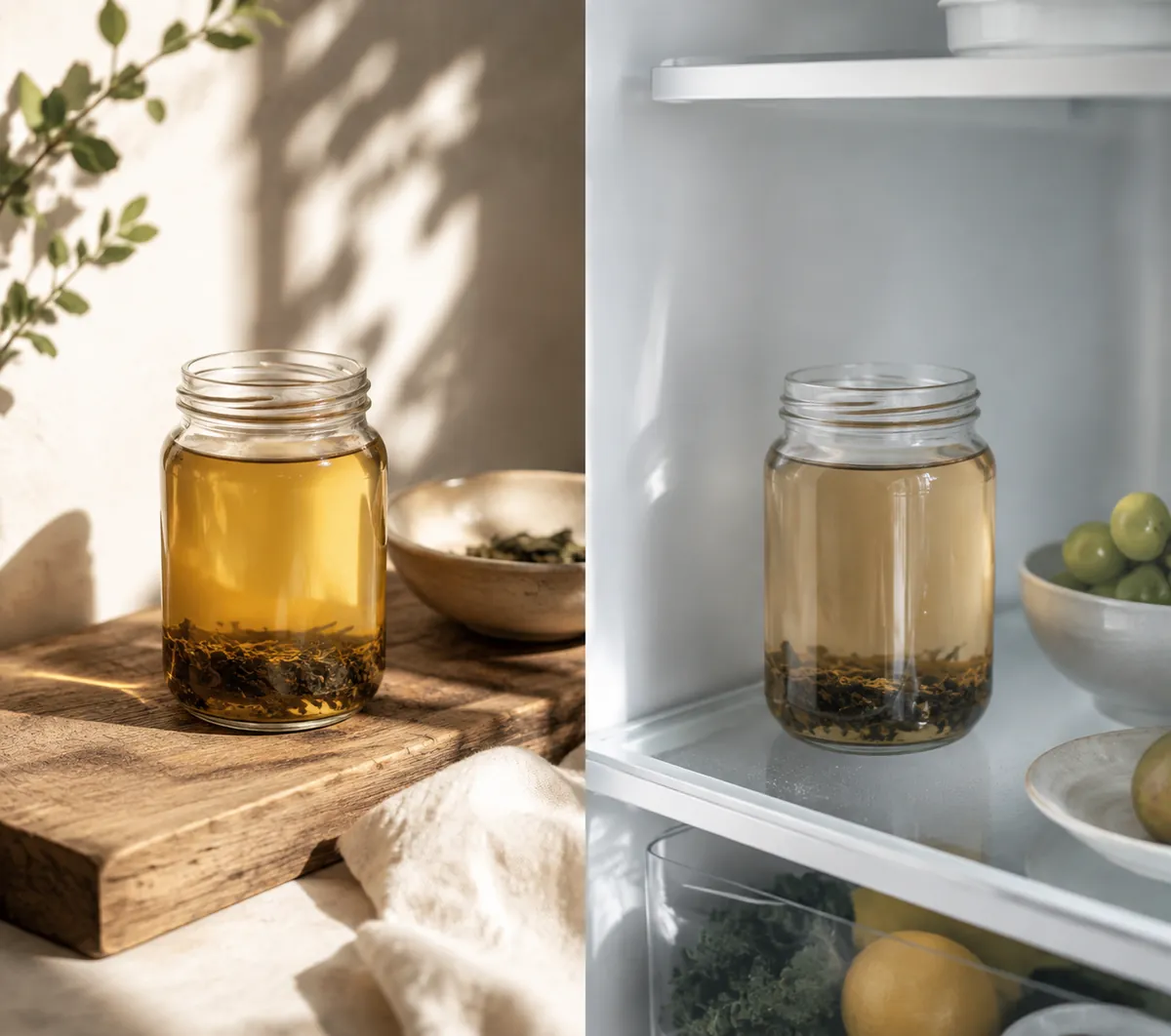
Brewing the same jar in the refrigerator produces a drink very close to sun tea and sidesteps the temperature question entirely.
| Sun tea | Fridge cold brew | |
|---|---|---|
| Water | Lukewarm | Cold throughout |
| Time | 3 to 5 hours | 8 to 12 hours |
| Taste | Mild, sweet, low bitterness | Milder still, very clean |
| Clarity | Clear | Clearest |
| Aroma | Faint | Faint |
| Convenience | Needs sun and attention | Set it and forget it |
The fridge version takes longer because extraction slows further, and it finishes slightly cleaner and slightly less sweet. Most people cannot reliably tell the two apart in a blind glass.
That is the honest conclusion about the method, and it is not a dismissal. Sun tea is a good drink made by a method that has a better version, in the same way cold brew coffee superseded leaving a mug on a warm windowsill.
Sweetening and flavouring
Cool-brewed tea takes sweetening differently, because granulated sugar dissolves badly in cold liquid however hard you stir.
A jug that works
- Black tea
- 6 bags, or 20 g of leaf
- Cold water
- 2 litres
- Simple syrup, to taste
- 60 to 100 ml
Simple syrup is the practical answer, since it arrives already dissolved. Adding cane sugar direct to a cold jug leaves most of it on the bottom, which is the most common complaint about home-made iced tea generally.
Citrus goes in at the end rather than the beginning. A squeeze of lemon brightens the flavour and holds the colour, and adding it during the brew does neither because there is nothing hot for it to work against.
Serve it over plenty of ice, and brew slightly stronger than you want to drink, because the melt will thin it within a few minutes.

Storing what you made
Get it cold quickly and keep it that way, which is both the flavour answer and the practical one.
Straining
Remove the leaf or bags as soon as the brew is done
Chilling
Into the fridge promptly rather than left on the counter
Covering
A lid, since tea picks up other smells readily
Keeping
Two days is realistic; three is pushing it
Leaving the leaf in the jug is the habit to break. Extraction continues, slowly, and the drink drifts towards something flatter and duller over the following day, which is a different fault from the bitterness a hot brew develops.
A sealed jug also keeps better than an open jar, and not only for the obvious reason. Tea takes on kitchen smells readily, and a jug left uncovered next to onions will taste of them by morning.
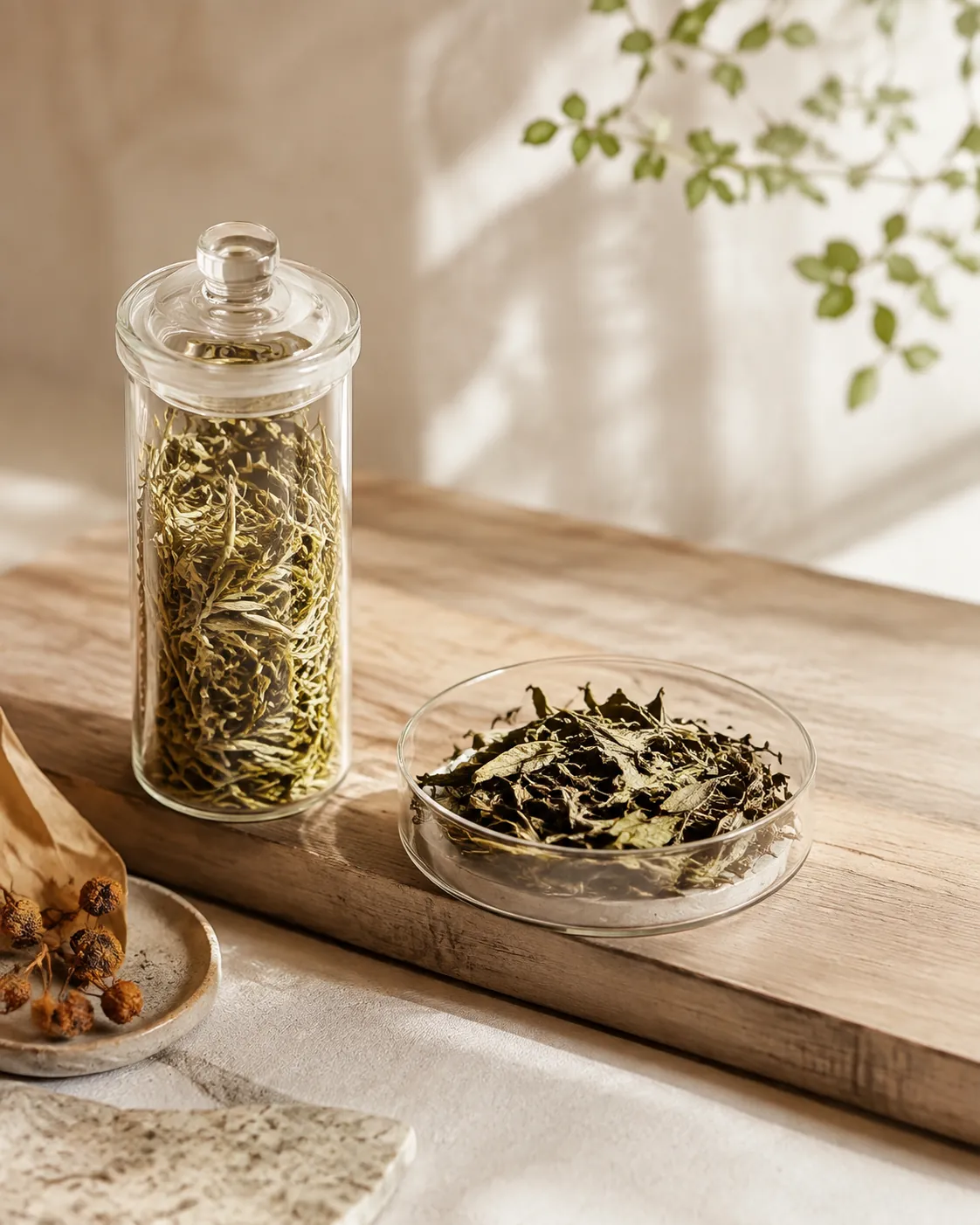
Dry leaf keeps as it always does, and the rules in storing loose leaf are unaffected by what you plan to do with it. The finished drink is the perishable part.
The jar itself is worth a thought. Clear glass lets the light in, which is the point of the method, but a wide jar with a large surface loses heat faster than a tall narrow one and brews a little weaker for it.
A lid matters more than the shape: an open jar collects dust and loses the small amount of aroma the method manages to extract.
Water hardness plays out differently here than in a hot brew. Cool water extracts less of everything, so the flattening effect hard water has on a hot cup is muted, and a jug made with hard water tastes closer to one made with soft than the same leaf would hot.
The general case is under water for brewing.
Where sun tea fits now
Sun tea is a method with one real virtue and one real problem, and both come from the same lukewarm water. The virtue is a mild, sweet, clear tea that no kettle can produce; the problem is the hours spent at a temperature nothing else in a kitchen sits at.
Taken as flavour rather than as ritual, it belongs with the cool-extraction family across the rest of tea, and its nearest relative is a jug in the fridge rather than anything made with a kettle.
The fair summary is that the drink deserves its reputation and the method has been overtaken. Make it in the fridge and you keep everything that was good about it, which is most of what anyone liked in the first place.
Common questions
How hot does sun tea actually get?
Lukewarm, roughly body temperature in strong sun and barely above room temperature on a dull day. Tea is normally brewed between 70 and 100 degrees, so sun tea works around 40 degrees below the bottom of that range, which is why it needs hours rather than minutes.
Why is sun tea sweeter and less bitter than hot-brewed tea?
Cool water extracts unevenly. Tannins and caffeine, which give a hot brew its drying grip and its bitterness, come out slowly at that temperature, while sugars and some aromatics come out more readily. The balance that remains tastes rounder and sweeter than the same leaf ever tastes hot.
Is fridge cold brew the same as sun tea?
Very nearly. The fridge takes longer, eight to twelve hours against three to five, and finishes slightly cleaner and slightly less sweet, but most people cannot tell the two apart in a blind glass. It also avoids the hours at lukewarm that food safety guidance objects to.