How to Make Earl Grey Without Losing the Bergamot
Earl Grey can use black, green, white, rooibos, or decaffeinated tea. Read the base first, then choose temperature and time without cooking away the bergamot aroma.
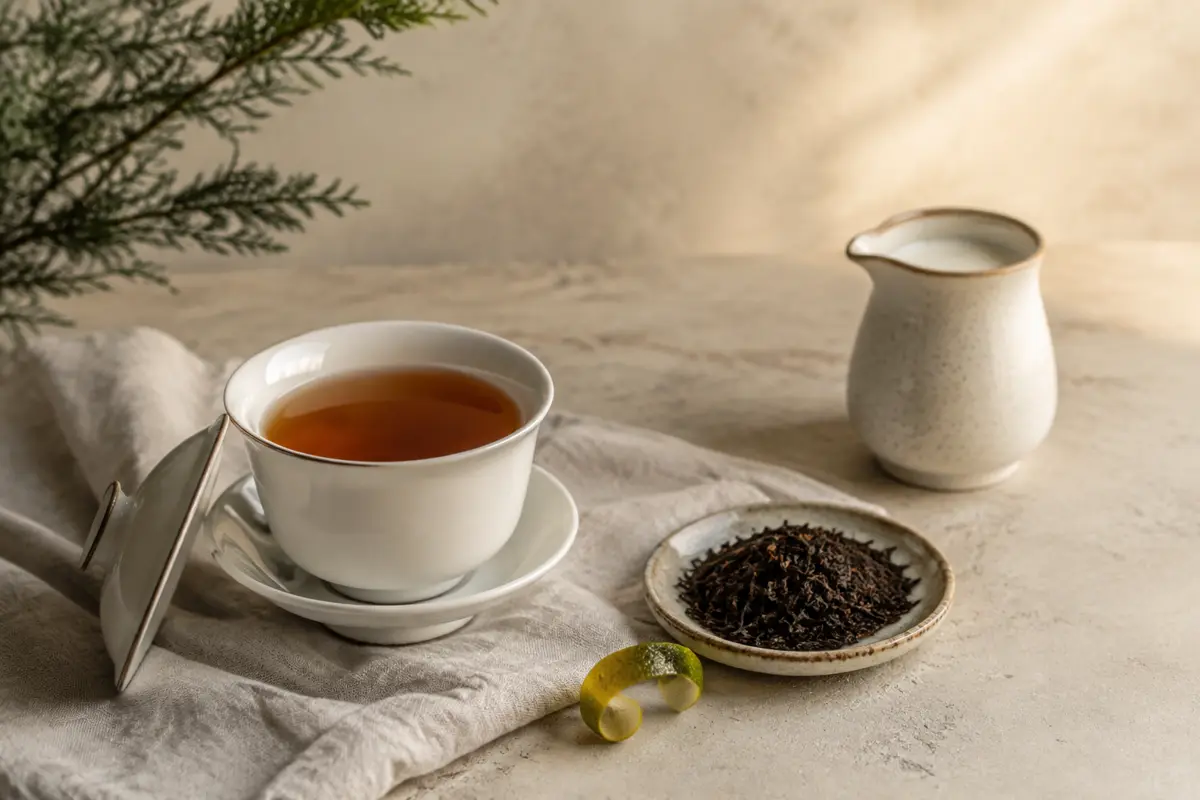
To make Earl Grey, identify the tea base first, then use about 2.5 g per 250 ml and a temperature suited to that base.
Most black-tea Earl Grey works at 95 to 100 C for three to four minutes, while green or white versions need cooler water and a shorter first taste.
Classic black Earl Grey
- Tea
- 2.5 g loose leaf or 1 bag
- Water
- 250 ml
- Temperature
- 95 to 100 C
- First taste
- 3 minutes
- Useful finish
- Usually before 5 minutes
- Adjustment
- Add leaf before extending a harsh steep
Identify the base behind the bergamot
Earl Grey names bergamot-flavored tea, not one fixed leaf.
Black tea is the classic base, but green, white, oolong, rooibos, and decaffeinated versions appear under the same name and do not tolerate one universal temperature.
Black Earl Grey | Near-boiling water and a three-minute first taste
Green Earl Grey | Cooler water near 75 to 80 C and a shorter trial
White Earl Grey | Gentle heat and room for large leaves to open
Rooibos Earl Grey | Boiling water and a longer forgiving infusion
Decaf black Earl Grey | Near-boiling water, tasted early for a lighter body
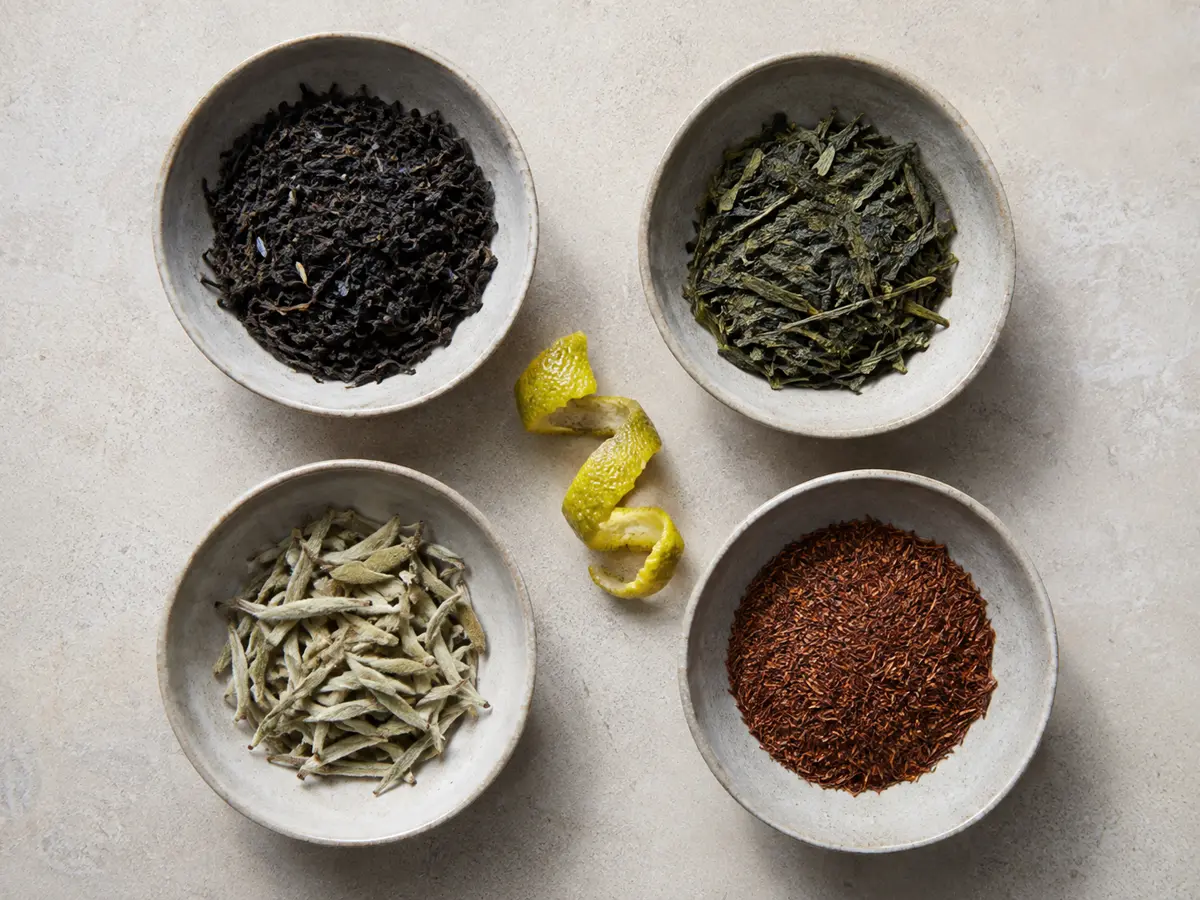
The Earl Grey profile explains bergamot oil and flavored-tea identity. For brewing, the base decides extraction while the citrus oil decides how quickly excess heat and time become perfumed or soapy.
Read the ingredient line first. Color and marketing names are weaker evidence than the actual tea named on the pack.
The ingredient list may name bergamot oil, natural flavor, flavoring, or bergamot peel. Peel pieces look attractive but do not prove that they provide all the aroma, and two products with similar leaf can need different doses because their flavoring strength differs.
Tea bags usually contain smaller particles than loose-leaf versions and expose more surface to water. Start tasting earlier rather than lowering the dose so far that the bergamot remains strong over a watery base.
Protect the bergamot aroma during brewing
Bergamot aroma escapes with steam. Covering a mug or pot during the infusion holds more fragrance near the liquor, while boiling the finished tea or leaving it on a hot plate drives the top notes away.
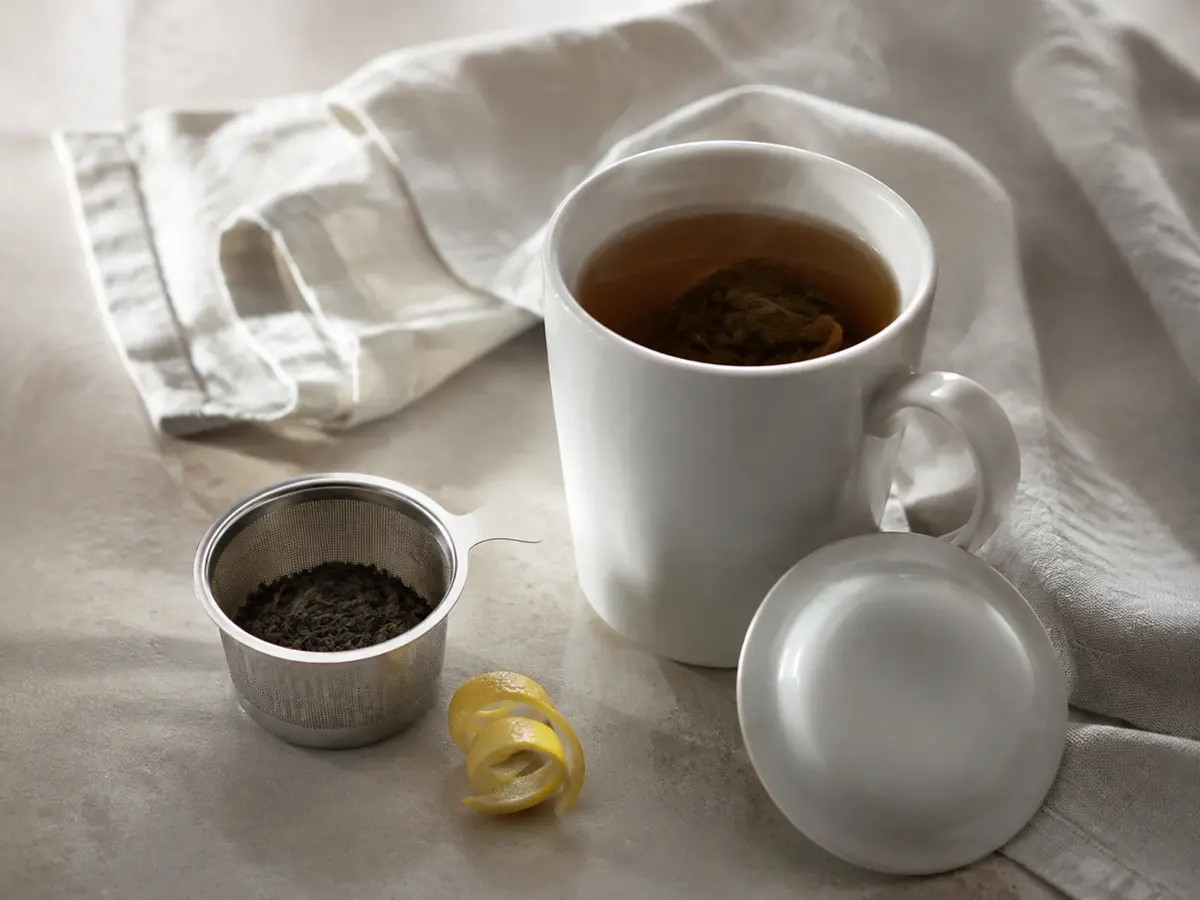
Pour the water over the leaf, cover the vessel, and lift the lid only when you are ready to taste or strain.
This is especially useful for a lightly flavored tea whose aroma is the main distinction from the base.
Longer is not more fragrant. Once the volatile citrus note begins fading, continued contact pulls more tannin from the tea and can leave perfume sitting above a dry, coarse cup.
Use a lid that does not carry spice, coffee, or detergent odor.
Steam condenses beneath it and returns to the drink, so residue on the cover can be more noticeable in a scented tea than in a strongly roasted beverage.
Warm the cup or pot before you measure the final brew water, especially for a white- or green-base Earl Grey.
A cold heavy vessel can drop the temperature enough to produce a fragrant surface over an under-extracted, thin cup.
Dose and time for the serving you want
A plain cup starts simply. Begin at 2.5 g per 250 ml and three minutes, then use a little more leaf or slightly less water when your finished tea will take milk.
Two useful Earl Grey builds
- Plain cup
- 2.5 g tea to 250 ml water
- Plain first taste
- 3 minutes
- With milk
- 3 g tea to 220 ml water
- Milk allowance
- 20 to 30 ml in the cup
- Iced concentrate
- Increase leaf, keep a normal contact window
Fine tea-bag particles release color and tannin earlier than large loose leaf. Taste a bag from two minutes and lift it without squeezing, because pressing it against the cup releases concentrated liquid held between the particles.
Loose leaf needs a basket with enough room for water to move around it. A tea infuser that lifts out cleanly gives better control than a small ball left in the mug.
Use dose for body and time for the finishing point. That separation keeps milk tea full without turning the bergamot sharp.
Scale a pot from the water that will touch the leaves, not from the capacity you see on the box.
Leave room for the infuser and lid, then decant or remove the basket when the whole batch reaches the desired balance.
When comparing two products, keep cup, water, temperature, and time constant. Smell the dry leaf, covered infusion, and empty cooled cup; the last one often reveals whether the aroma was clean citrus peel or a heavier perfume note.
Add milk, lemon, or sugar in the right order
Milk softens tannin and rounds the citrus edge, but too much can erase the aroma entirely. Brew the tea first, remove the leaves, dissolve sugar while the liquor is hot, and add a modest amount of milk last.
| Addition | Useful effect | Main risk | Best timing |
|---|---|---|---|
| Milk | Softens grip and adds body | Covers light bergamot | After straining |
| Lemon | Sharpens citrus and brightens the cup | Can dominate or curdle milk | Use without dairy |
| Sugar | Rounds bitterness and citrus peel | Masks weak base tea | Dissolve while hot |
| Honey | Adds its own floral aroma | Competes with bergamot | Use sparingly after brewing |
| Ice | Chills and dilutes | Mutes aroma | Brew stronger, then chill promptly |
Lemon and dairy should not share the same cup because acid can gather milk proteins into visible curds. Choose one direction before pouring either addition.
Fresh citrus peel can contribute aroma without the sharp dilution of a lemon wedge, but use only the colored outer layer and avoid the bitter white pith. This creates a different drink from simply correcting a weak Earl Grey, so first decide whether the base tea already tastes balanced.
Vanilla softens the citrus edge in milk drinks, yet too much makes bergamot harder to identify. Add it after a successful plain concentrate has been strained so the tea recipe remains understandable.
For a London Fog-style drink, brew a concentrated Earl Grey and add separately heated milk. The milk-frothing tool belongs to the milk frother guide.
Strain your tea before the textured milk arrives.
Fix soapy, bitter, weak, or flat Earl Grey
A soapy impression can come from excessive bergamot flavoring, a long hot steep, or scented detergent left in the vessel. Rinse the cup and infuser thoroughly before deciding the tea itself is at fault.
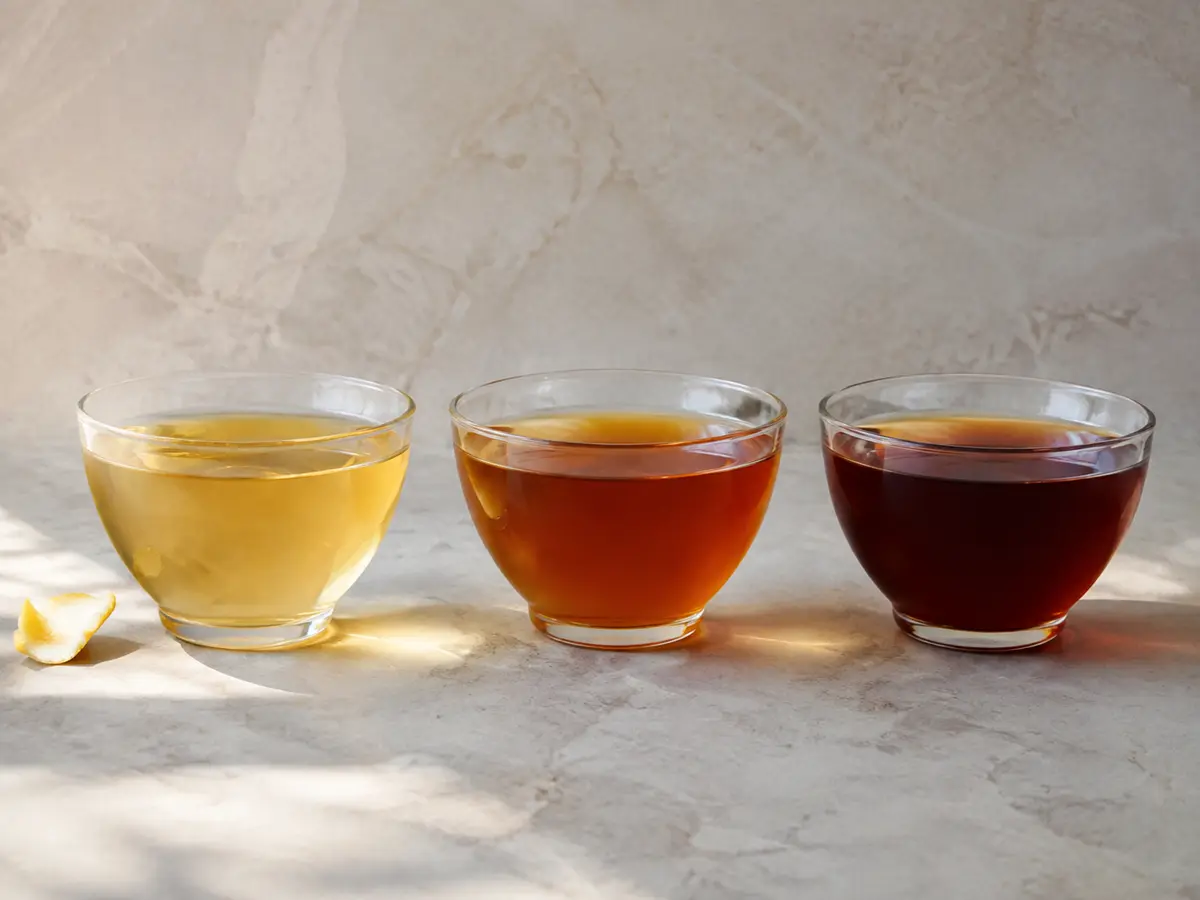
- Fragrant but watery: add leaf while keeping the same steep time.
- Dark and drying: strain earlier or use a coarser loose leaf.
- Soapy from the first minute: reduce dose or choose a less heavily flavored product.
- Citrus disappears after milk: brew a little more concentrated and use less milk.
- Flat despite correct timing: check storage, water, and residue in the vessel.
Hard water can suppress aroma and create a dull surface film. Test neutral filtered brewing water when several teas share the same muted finish.
If only Earl Grey tastes odd, smell the dry container and the empty warm cup before changing water. Citrus oil can oxidize or absorb cabinet odors, while scented dish soap left on a lid can imitate excessive flavoring.
A metallic infuser is usually neutral when clean, but a narrow mesh seam can retain flavored leaf. Brush and rinse those joints, then let the basket dry completely before brewing an unflavored tea as a control.
Smell before changing time. Strong bergamot over a thin base needs a different tea, while good aroma with a weak body usually needs a dose adjustment.
Let the strained tea cool for a minute before you smell it again.
Very hot steam can make citrus seem intense while masking the base; as the cup cools, a balanced Earl Grey should retain recognizable tea beneath the bergamot.
Compare the finish after swallowing rather than judging only the first aromatic sip. A perfume-heavy product can open dramatically yet leave little tea flavor, while an over-steeped black base may seem robust until persistent dryness appears.
If reducing time removes both harshness and body, lower the water temperature slightly or choose a larger leaf grade before adding sugar. The aim is a wider useful brewing window, not merely a paler cup.
Make iced Earl Grey without losing its scent
Cold reduces aroma release, and ice adds water, so a normal hot mug poured over a full glass can taste both thin and less fragrant. Increase the leaf amount, preserve the normal steep window, and chill over measured ice.
Iced Earl Grey
- DoseUse roughly twice the leaf for the hot water volume
- SteepFollow the base tea's normal temperature and time
- StrainRemove every leaf or tea bag completely
- SweetenDissolve sugar while the concentrate is hot, if used
- ChillPour over a measured amount of solid cold ice
- ServeAdd lemon or milk only after choosing one direction
Cold brewing is gentler but extracts bergamot and base tea on a different schedule. Use it as a separate recipe and taste during refrigeration rather than assuming an overnight steep suits every product.
For a cold brew, keep the leaves refrigerated in clean covered water and strain when the tea tastes complete. Fine bag-cut black tea may finish much earlier than broad white leaf, so a fixed overnight rule can produce a flat or woody result.
Hot-over-ice brewing gives brighter immediate aroma because heat releases the volatile oils before rapid chilling. Cold brewing produces a softer cup with less briskness; choose between them by the desired result, not convenience alone.
Do not lengthen the hot steep merely to survive ice.
Extra leaf supplies concentration without loading the finished glass with avoidable tannin.
Account for sweetener and milk in the final volume. A concentrate designed only for ice may become too weak after a generous dairy addition, while doubling leaf again can create a perfumed, overly tannic drink.
Serve iced Earl Grey soon after mixing so its citrus aroma remains noticeable. A sealed chilled concentrate can wait briefly in the refrigerator, but repeated warming and cooling flatten the fragrance and make batch-to-batch comparison unreliable.
Store scented tea as an aroma-sensitive ingredient
Keep Earl Grey sealed away from heat, steam, sunlight, coffee, and spices.
Bergamot aroma can escape from the tea and can also scent neighboring products in the same cupboard.
- - Close the inner bag immediately after measuring
- - Use a dry unscented scoop
- - Keep the tea away from the kettle and stovetop
- - Wash oily lids and infusers with unscented detergent
- - Buy a package size you can finish while the aroma remains clear
The general loose-leaf storage guide covers moisture and odor transfer. For Earl Grey, the first quality test is whether opening the container still produces a clean citrus-peel aroma rather than a faint generic perfume.
Do not mix fresh and tired batches in one tin. A fresh tea cannot restore old aroma, and the older leaf makes it harder to judge the dose and steep that suit the new one.
Reserve one clean container for scented tea because bergamot oil can cling to seals and porous lids. Reusing that tin for a delicate unflavored tea may transfer a citrus scent even after the visible leaves are gone.
Check aroma before discarding tea solely by date. A well-sealed packet can remain pleasant after a loosely closed newer one has faded, while any sign of moisture, clumping, or musty odor means the leaf should not be brewed.
Keep a flavored tea away from transparent display jars even when the shelf looks cool. Light and repeated lid opening both speed aroma loss, and decorative glass offers no benefit once the bergamot becomes faint.
For individually wrapped bags, leave unused envelopes sealed until brewing. The outer box limits dust and light, but the inner wrapper is what protects each small portion from air and neighboring odors.
Classic Earl Grey method
- Makes
- 1 mug, about 250 ml
- Ratio
- 2.5 g tea to 250 ml water
- Water temp
- 95 to 100 C / 203 to 212 F for a black-tea base
- Total time
- 6 min
What you need
- 2.5 g black-base Earl Grey or 1 tea bag
- 250 ml fresh water
- Milk, lemon, or sugar, optional
Equipment
- Kettle
- Covered mug or teapot
- Roomy infuser
- Timer
Method
- IdentifyRead the tea base on the ingredient line.
- HeatChoose water temperature for that base.
- DoseMeasure tea and water.
- CoverSteep covered to retain bergamot aroma.
- TasteBegin near three minutes for black tea.
- StrainRemove the leaf before adding milk, lemon, or sugar.
Common questions
How long should Earl Grey steep?
Taste classic black Earl Grey around three minutes and usually finish before five. Fine bags extract earlier, while green or white bases need their own cooler and shorter settings.
Can you put milk in Earl Grey?
Yes. Brew a slightly more concentrated black-base tea, strain it, then add a modest amount of milk. Lemon and dairy should not share the same cup.
Why does Earl Grey taste soapy?
The product may be heavily flavored, the tea may have steeped too long, or scented detergent may remain in the vessel. Smell the dry leaf and clean equipment before changing time.