Lemon Gives a Drink Three Things, and They Behave Differently
A lemon offers three separate ingredients. The juice is acid, the zest is aroma, and the pith is bitterness, and most disappointing lemon drinks come from confusing them.
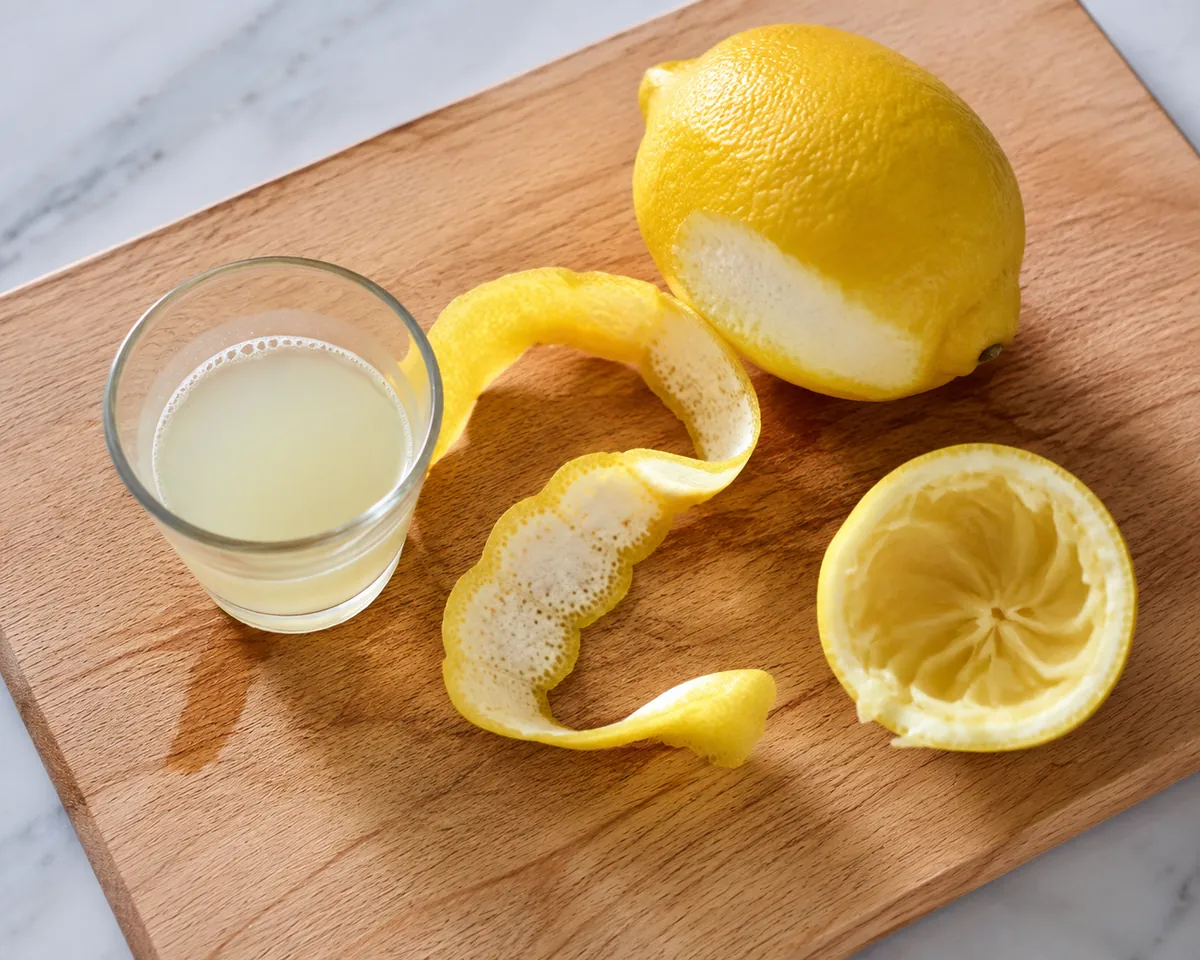
A lemon contributes three distinct things and they come from three different parts of the fruit, and almost every recipe names the fruit rather than the part. Knowing which part you want is most of the skill.
The consequence shows up in the glass rather than on the page. Juice makes a drink sour, zest makes it smell of lemon, and pith makes it bitter, so an instruction to add one lemon leaves the decision that matters to whoever is holding the knife.
A medium supermarket lemon
- Weight
- 100 to 120 g
- Juice
- 40 to 50 ml, at the top of that range if it is at room temperature and rolled
- Zest
- About a level teaspoon, finely grated
- Acidity
- Roughly 5 to 6 per cent citric acid by weight in the juice
- pH
- Around 2.2 to 2.4, which is lower than cola
- Useful life once squeezed
- About a day for the aroma, several days for the sourness
Juice, zest and pith do three different jobs
They are worth separating explicitly, because recipes rarely do. The three parts sit within a few millimetres of each other and behave nothing alike.
What each part gives
- Juice
- Citric acid. Sourness and brightness, almost no aroma
- Zest, the coloured skin
- Limonene and other oils. Nearly all the lemon aroma
- Pith, the white layer
- Bitter compounds. Almost always unwanted
- Flesh and membrane
- Some acid, some bitterness, mostly texture
- Whole slices
- All four at once, which is why they turn drinks bitter over time
The smell of lemon is in the zest, not the juice. Juice alone makes a drink sour without making it taste of lemon, which is why lemonade built on juice and sugar alone reads as thin, and why adding more juice only makes the thinness sharper.
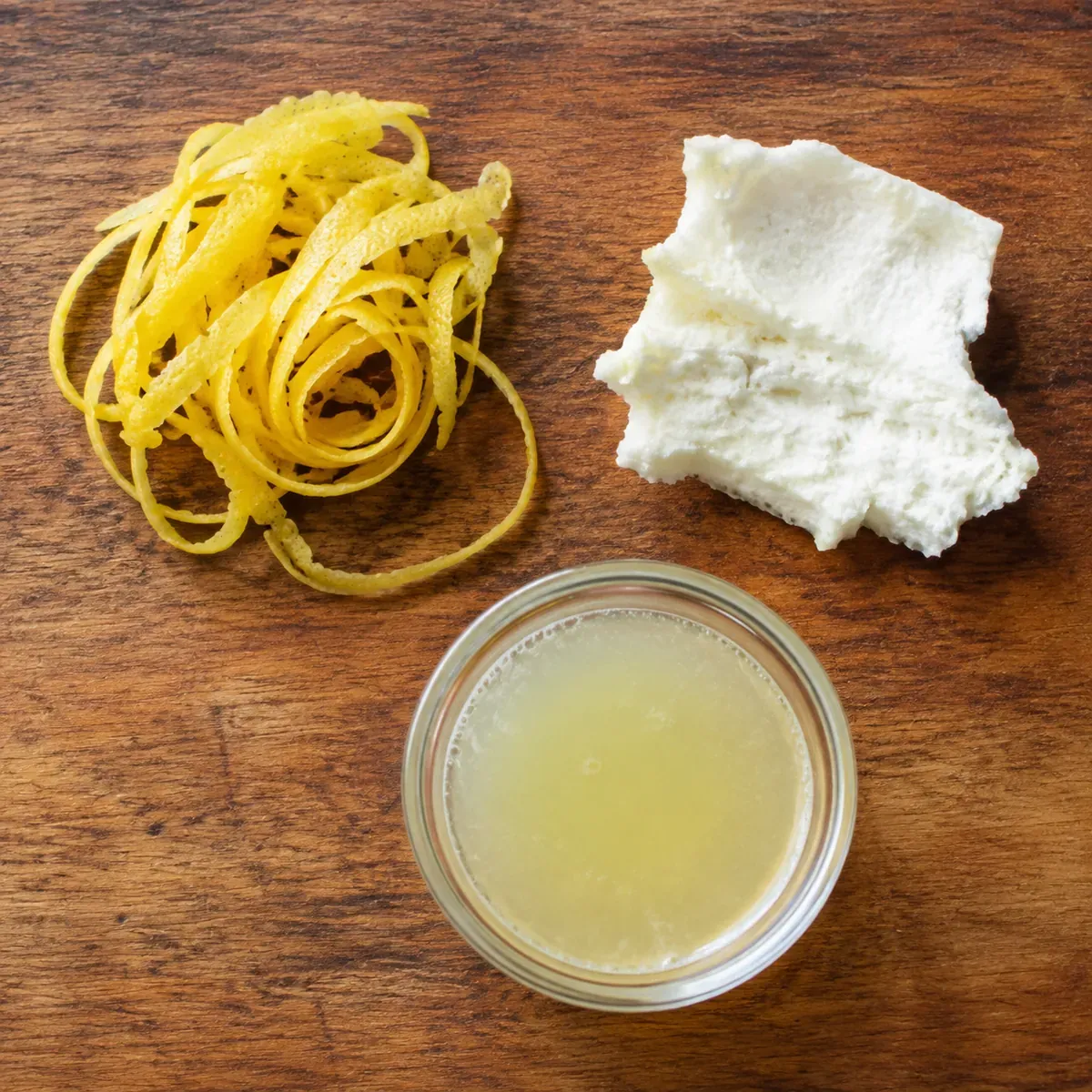
Whole slices are the usual mistake. They look right and they deliver pith along with everything else, which is why infused water turns bitter overnight rather than getting better.
Pith bitterness is not a top note that fades; it goes on extracting for as long as the slice is wet, so a jug improves for an hour and then declines for the rest of the day.
The practical order is zest first, juice second, pith never. Taking the coloured skin off with a peeler lets you see exactly how much white you left behind, and a strip carrying a thick layer of it will bring that bitterness into whatever it is dropped in.
Taking the skin off, and what to do with it afterwards
Because the aroma sits in oil glands in the coloured layer of the skin, every method here is a way of getting oil out of peel without bringing the white layer underneath along with it.
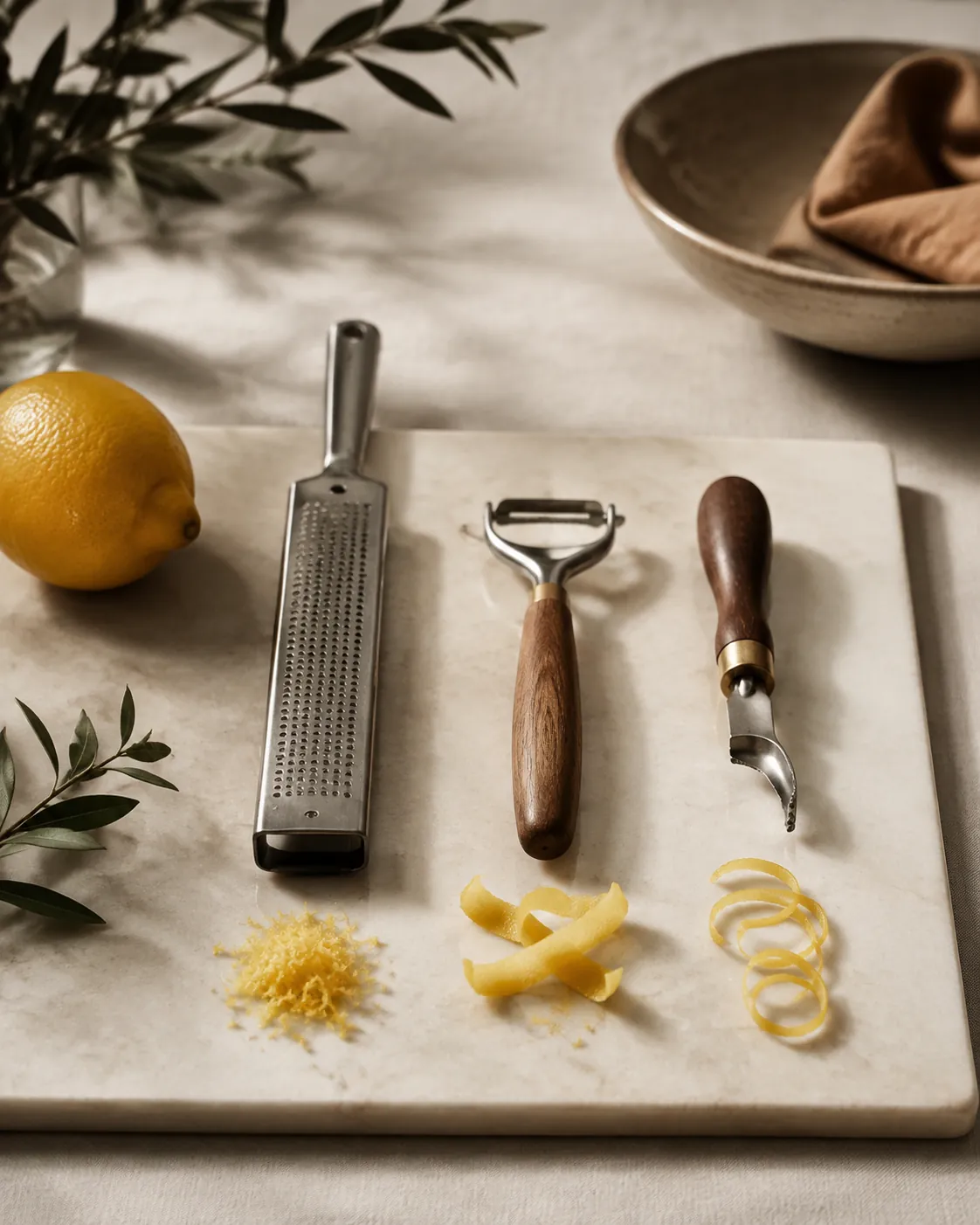
Microplane
Fine zest, maximum surface area. Best for stirring into something.
Vegetable peeler
Wide strips with a little pith. Best for infusing and removing.
Channel knife
Long twists. Presentation, and the oils release as it is cut.
Expressing
Squeezing a strip over the surface releases oil as a fine spray.
Oleo-saccharum
Zest left in sugar for hours, drawing the oil out into a syrup.
Expressing a twist over a drink is the fastest way to add aroma without adding liquid, and it is why bartenders do it as the last step rather than the first: the spray lands on the surface, which is the part you smell from.
Juicing then leaves you holding the half of the fruit that carries the aroma. Zest before you juice, freeze the zest flat in a small bag and break off what you need, since it holds its oil for months, far better than juice holds its character.
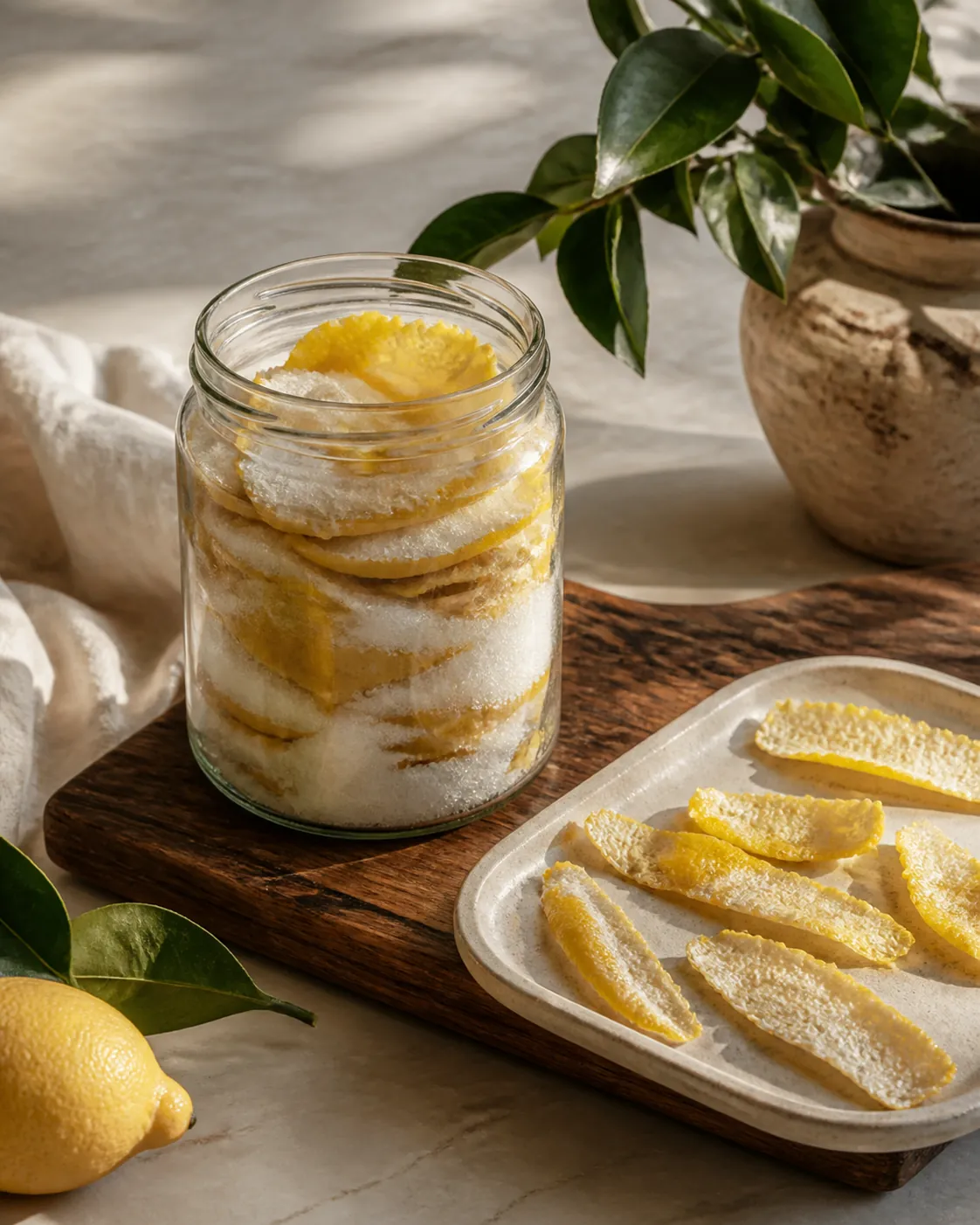
Peel strips dropped into a jar of sugar draw the oil out over a few hours into an intensely lemon-scented syrup base, the oleo-saccharum listed above, and it is the strongest lemon flavour available without a drop of juice. That base is what turns an Italian soda from sweet and vaguely citrus into something that smells of the fruit.
Dried peel keeps indefinitely and infuses well in hot water, though it loses the top notes and reads as more bitter than fresh. It suits a spiced infusion, next to cinnamon or ginger, rather than a drink meant to taste bright.
Getting the juice out, and choosing the moment it goes in
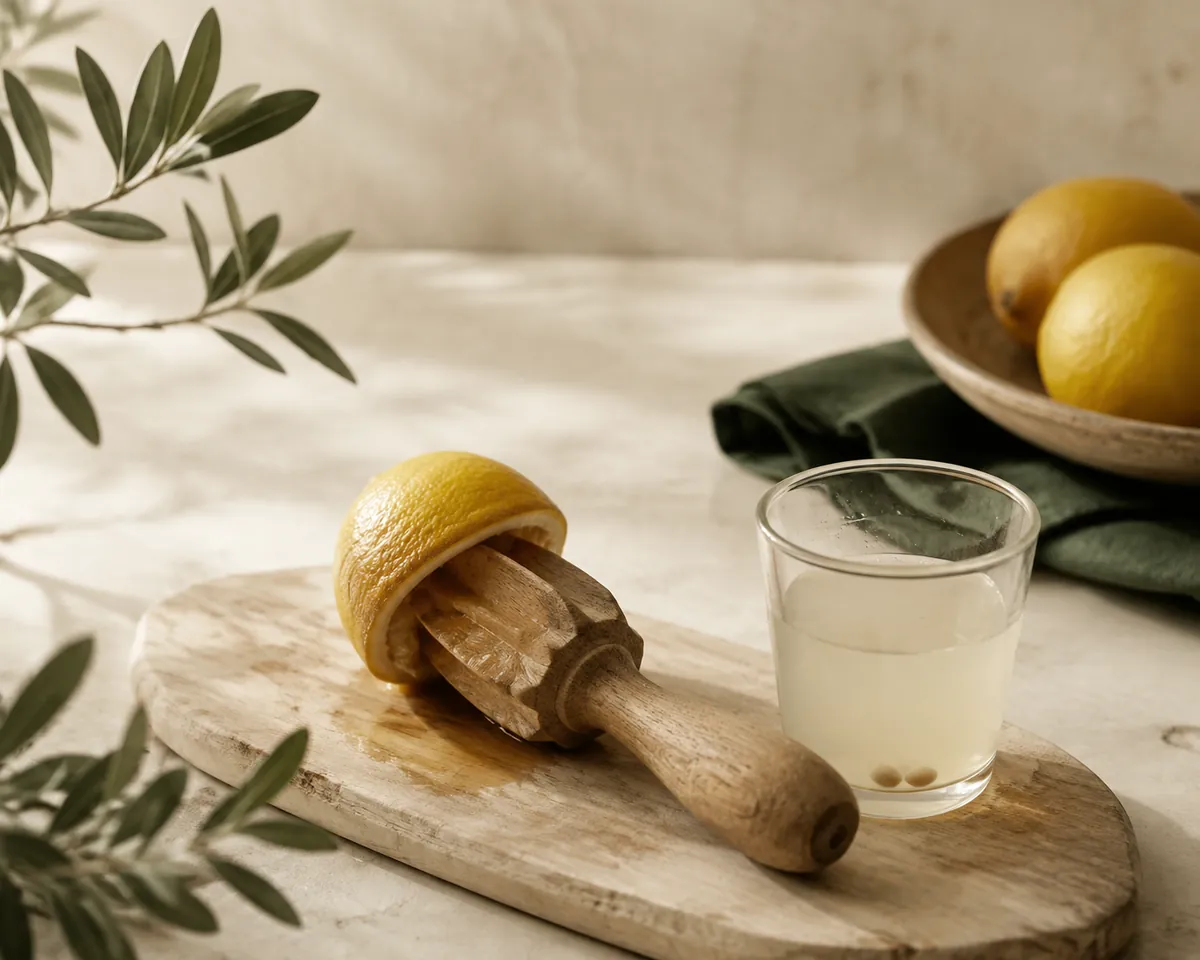
Room-temperature fruit yields noticeably more than fridge-cold. Take lemons out twenty minutes ahead, or warm them briefly in hot water, and the same fruit gives up several extra millilitres for no effort.
Rolling the lemon firmly under your palm before cutting breaks the internal membranes and releases juice that would otherwise stay locked in the segments. Microwaving briefly is often suggested and does work, though it lightly cooks the juice and dulls the flavour, which defeats the purpose in any drink where lemon is the point rather than the seasoning.
Timing matters as much as yield, because citric acid reacts with whatever is already in the glass. Added to hot tea, lemon juice lightens the colour visibly, the same pH effect that turns a hibiscus infusion from purple back towards red, since both sets of pigments shift with acidity.
Added to anything containing dairy or an oat drink, acid risks curdling, and the risk climbs with heat, which is the mechanism behind curdling in coffee operating here with a far stronger acid than the one coffee brings.
Eureka, Meyer and the variety that breaks a recipe
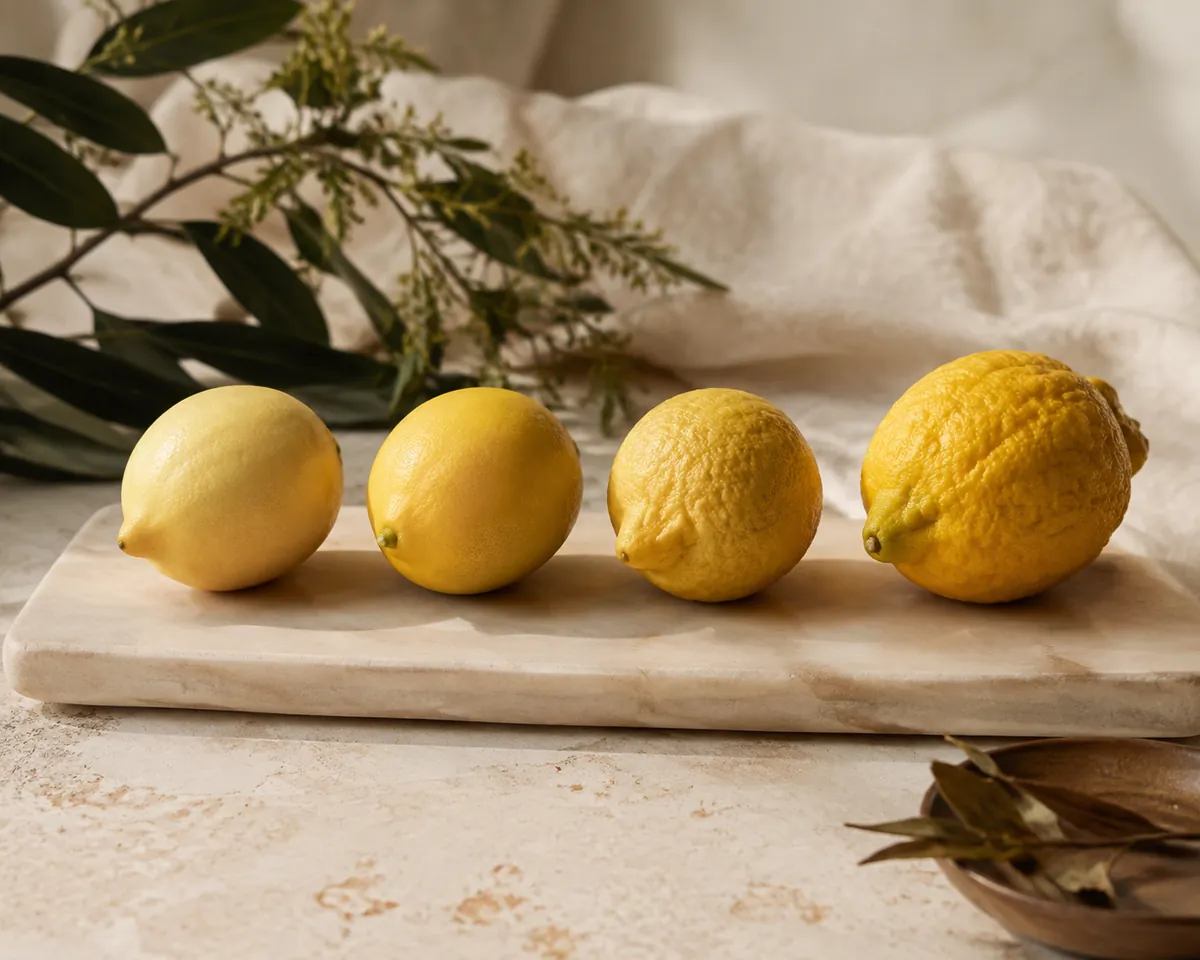
Recipes say lemon as though there were only one, and the difference between two of them will move a drink far enough that a jug built to a written ratio comes out sharp one week and flat the next.
| Variety | Character | What it suits |
|---|---|---|
| Eureka | The supermarket standard. Very acidic, few seeds, fruits year-round | Anything. The reference point |
| Lisbon | Almost indistinguishable from Eureka in the glass | Anything |
| Meyer | A lemon and mandarin hybrid. Lower acid, thin smooth skin, floral | Where aroma matters more than sourness |
| Femminello | Amalfi and Sorrento lemons. Thick, intensely fragrant peel | Zest and infusions |
| Verna | Spanish, large, thick-skinned, moderately acidic | Volume juicing |
Meyer is the one that breaks a recipe. It carries roughly a third less acid than a Eureka, so a lemonade built on it one-for-one tastes flat and faintly perfumed instead of sharp, and the failure is easy to misread as too much sugar.
Either use more of the fruit, or put it where its floral side is the point and something else supplies the sourness, alongside mint in a jug of cold water or in iced tea, where sweetness rather than acidity carries the drink.
Treat a Meyer as a different fruit and measure it by taste rather than by count. Its popularity has more to do with how it smells on the counter than with what it does once it is in a glass.
Femminello is the opposite case, and the useful habit with one is to zest it and juice something cheaper. The peel is thick and so fragrant that a single wide strip will scent a whole jug, while the juice underneath is unremarkable.
Why bottled juice sours a drink without making it taste of lemon
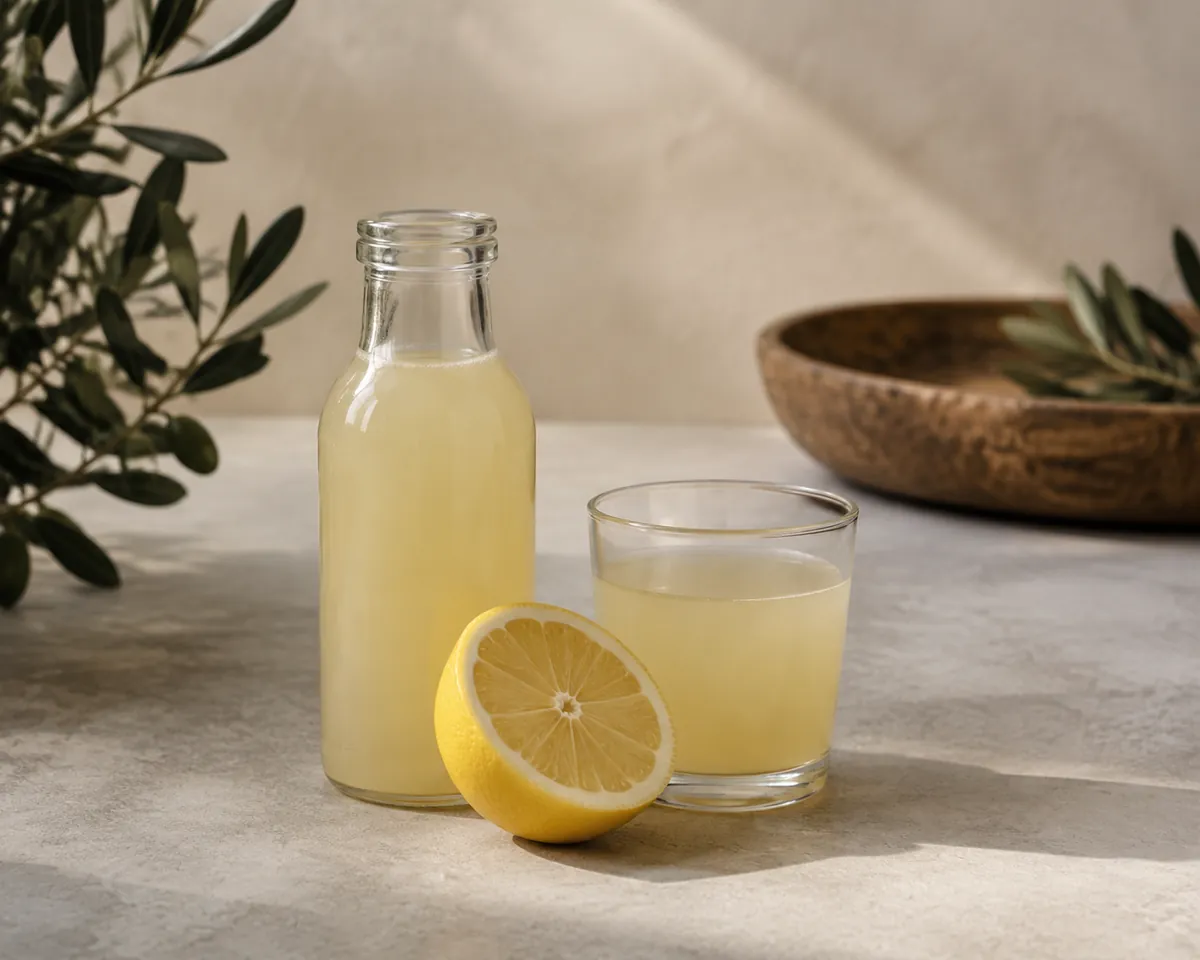
The gap here is wider than for most store-cupboard ingredients. Bottled lemon juice is pasteurised and usually carries a preservative, and both of those cost aroma: heat drives off the volatile oils, and what survives the heat is flattened by the preservative.
The acid survives intact, because citric acid is stable and indifferent to how it was handled. Bottled juice therefore sours a drink accurately while contributing almost nothing that smells of lemon, and no quantity compensates, since adding more only makes the drink sourer without making it more aromatic.
How much lemon aroma survives
- Zest expressed over the glassOil straight from the skin, nothing lost in between
- Fresh juice squeezed to orderModest aroma, and it starts fading within the hour
- Fresh juice held overnightStill fully sour, noticeably quieter on the nose
- Bottled juiceSourness intact, aroma largely gone before the cap went on
- Dried peelAroma of a different kind, deeper and more bitter than the fruit
That splits the uses cleanly. Where lemon is a background acid, balancing sweetness in a cordial or sitting under the quinine in bitter lemon, the bottle is fine and considerably cheaper.
Where the drink is supposed to taste of lemon, it is not, and the substitution is the most common reason a home lemonade disappoints.
If bottled is what you have, add the missing half separately. A strip of fresh peel expressed over the surface, or a spoonful of sugar that has sat with zest in it, supplies the aroma the bottle lost, and the combination lands much closer to fresh fruit than either part does alone.
Lime, orange and grapefruit are not swaps
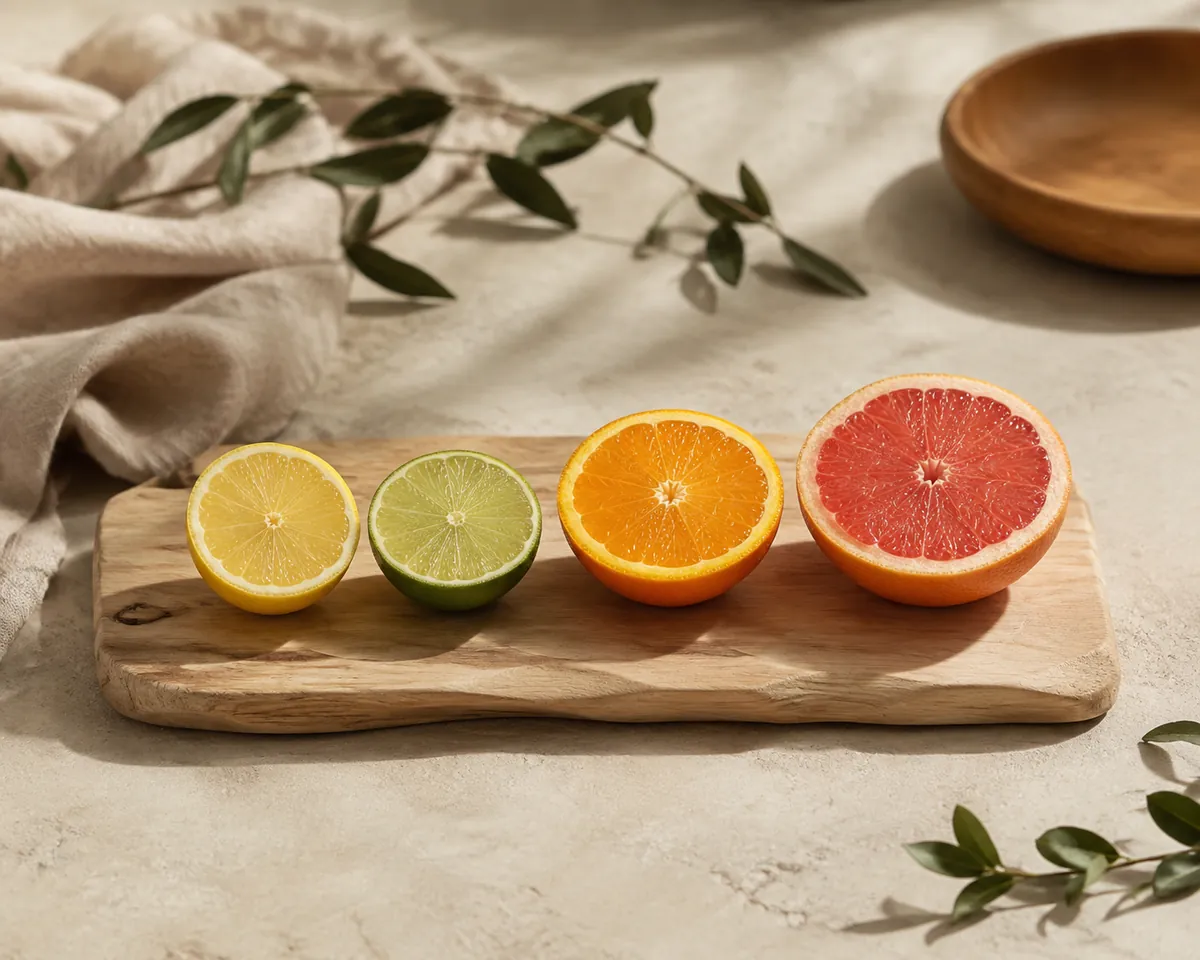
Lemon and lime carry citric acid at a similar strength, so the acid is not where the two fruits part company. The aroma is.
Lime oil is dominated by compounds that oxidise quickly, which is why squeezed lime tastes noticeably tired after a few hours where lemon holds its character for the better part of a day. That instability is also why bottled lime sits further from the fresh fruit than bottled lemon does: there is more to lose in the processing and less of it comes through.
| Fruit | Acid | Aroma | Keeps once squeezed |
|---|---|---|---|
| Lemon | High, clean citric | Moderate, in the zest | About a day |
| Lime | Similar acid | Higher, and it oxidises fast | Hours |
| Orange | Much lower | Sweet and strong | About a day |
| Grapefruit | Moderate, plus bitterness | Distinctive, faintly sulphurous | About a day |
Substituting one citrus for another rarely works, and the reason is visible in that middle column. The sourness transfers cleanly and the aroma does not, so a lemon drink rebuilt on lime reads as sharper and greener rather than as the same drink with a different fruit.
Orange is not an acid substitute at all. It brings sweetness and a strong aroma with a fraction of the sourness, so anything balanced on lemon and remade with orange juice needs acid from somewhere else, whether a little lemon alongside it or citric acid weighed out.
Grapefruit is the interesting one, since it has enough acid to stand in, and it brings a bitterness that reads as a fault in lemonade and as depth in tonic water.
Cut halves, loose juice, and how long each of them lasts
A cut lemon loses aroma much faster than it loses sourness, which is why leftover halves disappoint even when nothing has visibly gone wrong with them.
The exposed juice sits open to the air and the oils in the exposed zest evaporate steadily. Three days later the half in the fridge is still fully sour and no longer smells of much, so whatever you make with it comes out acidic and characterless rather than obviously stale.
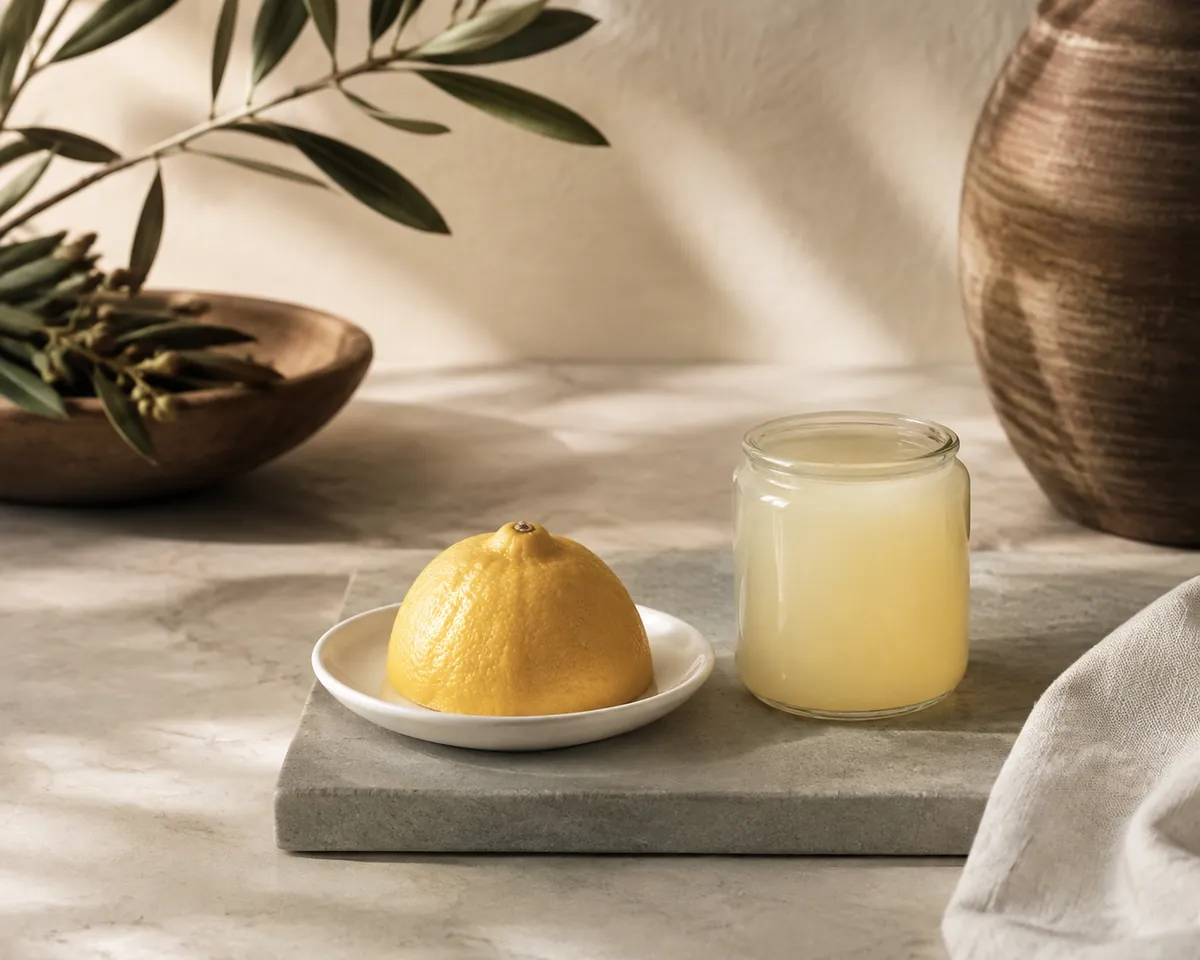
Cut side down on a small plate beats wrapping it. Cling film traps moisture against the cut face and encourages mould, where an open cut surface dries into a thin seal that can be sliced off before the next squeeze.
Browning at that face is enzymatic rather than spoilage and is purely cosmetic, so a lemon that still smells sharp is fine to use however unattractive it has gone, and one that smells sweet or fermented is not.
Loose juice has a shorter useful life than the whole fruit. Refrigerated in a sealed jar filled to the very top, it holds its character for about a day and stays sour for several, and headspace is what shortens it, since the aroma compounds leave into the air above the liquid.
Freezing in an ice cube tray is the practical answer for anyone juicing more than they need, because a cube is roughly a tablespoon and thaws in a glass in minutes. The third route is to stop keeping juice at all and keep a lemon simple syrup instead, which holds for weeks rather than a day at the cost of the sugar that comes with it.
- Keep them in the fridge, not a fruit bowl; they last weeks rather than days.
- Store in a sealed bag or container, which stops them drying out and hardening.
- Zest before juicing, since zesting a squeezed half is awkward.
- Freeze zest in small portions; it keeps its aroma well.
- Freeze juice in ice cube trays, which works better than freezing whole fruit.
Acid-adjusted juice, and stretching four lemons into a litre
There is a technique for getting several times the volume out of the same fruit. It came out of the bar industry, where the waste from juicing crates of lemons is a running cost, and it is more useful at home than that origin suggests.
The idea is to separate the two jobs the fruit does and supply each one from the part that is best at it.
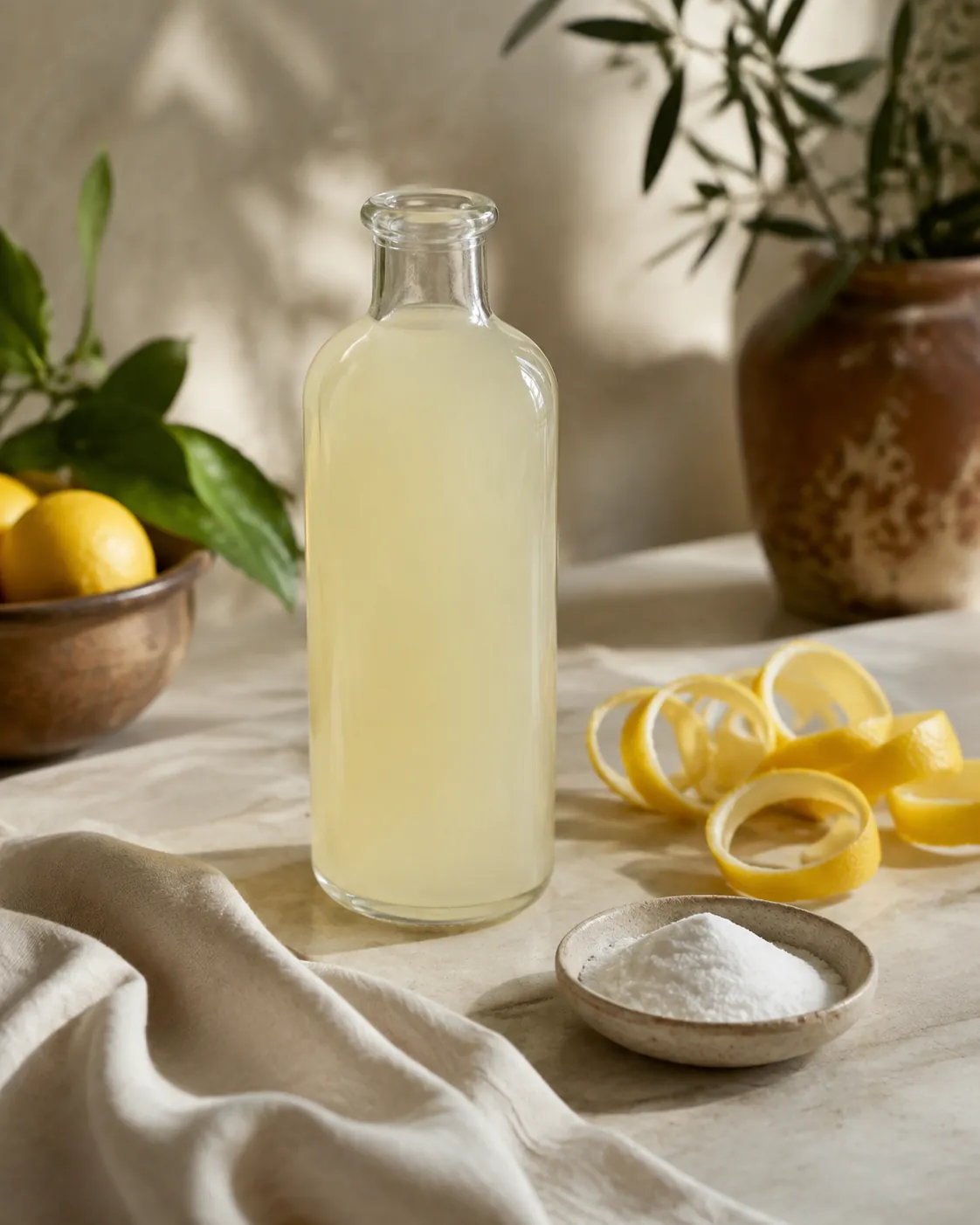
Peel the lemons, keep the peel, and blend it with an acid solution mixed to roughly the strength of lemon juice. The peel supplies the aroma the juice never had much of, the acid supplies the sourness, and what comes out is closer to a concentrated lemonade base than to juice.
The flesh underneath can go through a juicer for something else, or be discarded without much loss.
Acid solution, per 100 ml of water
- Citric acid
- 4.5 g
- Malic acid
- 1.5 g
- Peel
- From one lemon per 150 ml, no pith
- Method
- Blend peel with the solution, rest 20 minutes, strain fine
- Keeps
- About a week refrigerated, against a day for fresh juice
The malic acid is not decoration. Citric acid on its own tastes one-dimensionally sharp, and malic, the acid that dominates apple juice, rounds that edge and lengthens the sourness, which is closer to how whole fruit behaves in the mouth.
The keeping time is the real advantage. Fresh juice fades because of enzymes and suspended pulp, and an acid solution carrying only peel oils has neither, so it holds up for about a week.
It will not replace fresh juice where lemon is the only ingredient and nothing hides the difference. Where lemon is one component among several, it turns four lemons into a litre of usable base and wastes almost nothing.
The slice in the cup, and which infusions can take it
The lemon slice in tea is close to automatic in some kitchens and actively wrong in others, and the split follows a rule rather than a habit: acid needs something with body to push against, and quiet infusions have none.
Strong black tea
Works well. Enough tannin and body to carry the acid, which is why the convention exists.
Anything with milk
No. Acid and dairy curdle, and the two are never used together for that reason.
The milk rule is worth stating explicitly because the two so often arrive on the same tray. A cup that has had milk in it cannot take lemon afterwards, and the curdling is immediate rather than gradual, so there is no window in which it looks fine.
A slice left standing in the cup goes on giving pith bitterness for as long as it is there, and a pot poured out over twenty minutes will be measurably harsher at the end than at the start. Squeeze it, drop it in for a minute, then take it out.
Lemon in hot water, and the temperature that wastes it
The simplest drink on this page is worth treating properly, because most versions of it throw away the part of the fruit that was worth having. Boiling water poured onto lemon juice drives off the aroma immediately and leaves the sourness behind.
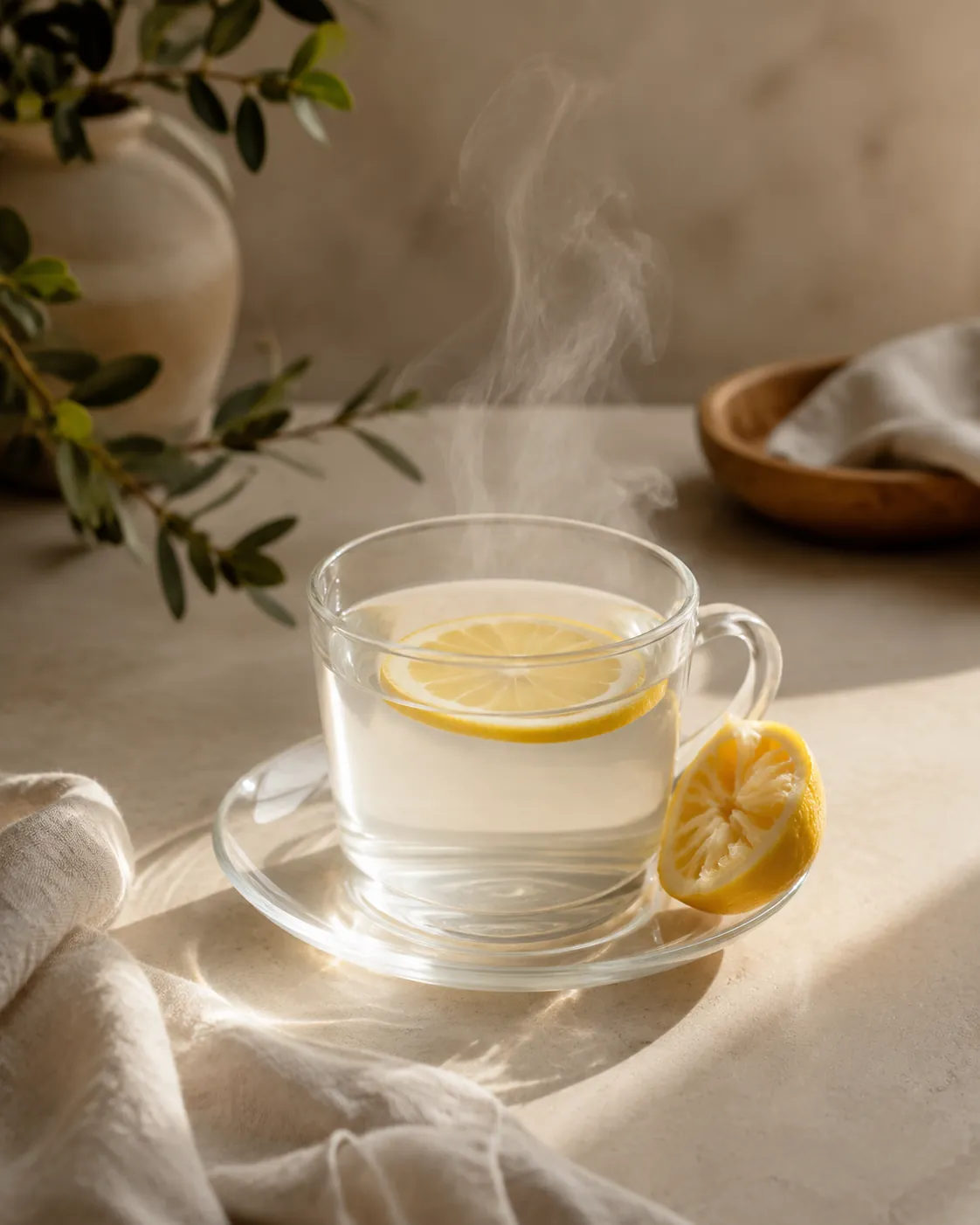
Water at around 70 C keeps far more of it, and that single change matters more than any other variable in the cup, more than the quantity of juice and more than the size of the mug. It is the same principle that governs steeping temperature generally, in that the volatile compounds leave first and fastest.
The zest belongs in the cup as much as the juice does. A wide strip of peel dropped in with the juice supplies the aroma the juice does not carry, which is the point this page opens on, and it costs nothing beyond one pass with a peeler before you cut the fruit.
Lemon in hot water, in the order that keeps the aroma
- Peel firstTake one wide strip off the fruit with a peeler before you cut it.
- Juice secondSqueeze the half you have just peeled, straight into the mug.
- Cool the waterBoil, then wait two or three minutes, or top up from the cold tap.
- Pour and coverThe peel goes in with the juice, and a saucer on top keeps the aroma in the mug.
- Sweeten lastAnything sweet goes in once the surface has stopped steaming hard.
Honey goes in once the water has cooled a little, for the same reason as everywhere else, since honey stirred into water at boiling contributes sweetness and very little of what distinguished the jar. A ginger infusion is the one addition that genuinely wants the heat, and the way to have both is to simmer the ginger separately and combine the two once the temperature has dropped.
Common questions
Why does my lemon water turn bitter?
The pith. Whole slices deliver the white layer along with the juice and zest, and its bitter compounds keep extracting over time. Use pared zest instead, or remove slices after a few hours.
Is bottled lemon juice as good as fresh?
For acidity, yes. For flavour, no. Pasteurisation and preservatives cost the aroma, so bottled juice sours a drink accurately without making it taste of lemon. The aroma lives in the zest, which bottled juice does not contain.
How do you get more juice from a lemon?
Use it at room temperature rather than fridge-cold, and roll it firmly under your palm before cutting to break the internal membranes. Both add meaningfully to the yield.