Soda water vs Tonic water
Soda Water vs Tonic Water: An Ingredient and a Drink
Soda water is carbonated water with a pinch of mineral salts in it, so it is an ingredient. Tonic water is a soft drink built from sugar, citric acid and quinine, so it is already a drink. Axis by axis, that one distinction explains the sugar, the bitterness and the substitutions, and on colour, fizz and price the two are the same.
Soda water is carbonated water with well under a gram of mineral salts per litre added, mostly sodium bicarbonate, and it carries no sugar and no bitterness. Tonic water is a flavoured soft drink carrying 70 to 90 g of sugar per litre, citric acid and quinine dosed in parts per million. They look identical in the glass, which is why the names get swapped, and the ultraviolet glow of quinine is the only reliable way to tell them apart without tasting.
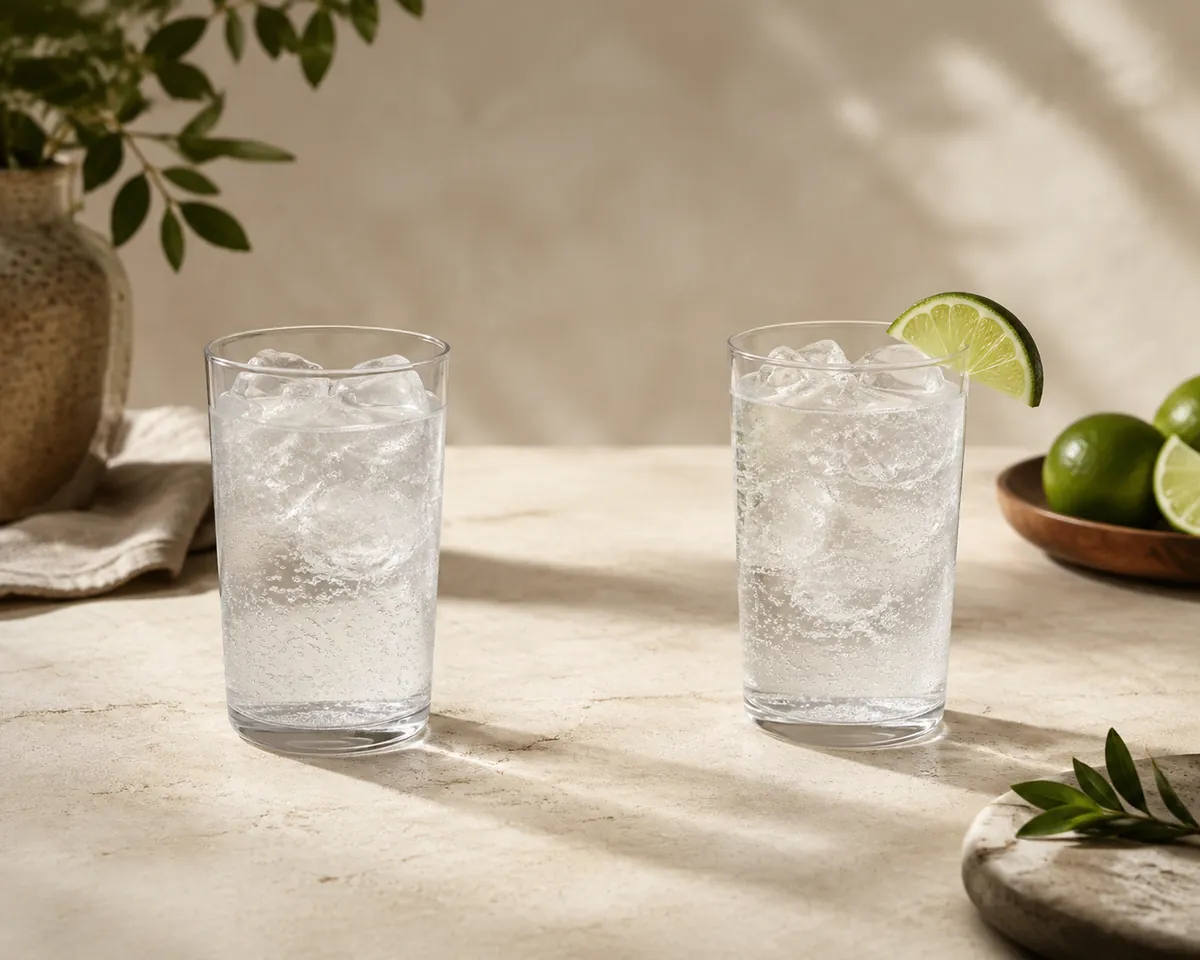
Side by side
| Attribute | Soda water | Tonic water |
|---|---|---|
| Category | Carbonated water with added salts | A flavoured carbonated soft drink |
| Dissolved solids per litre | Well under a gram of mineral salts | 70 to 90 g of sugar, plus acid and quinine |
| Sugar | None | 7 to 9 g per 100 ml in a full-sugar bottle |
| Bitterness | None, and the salts suppress it | The defining characteristic, from quinine |
| Colour | None | None, which is why the two get confused |
| Under ultraviolet light | Stays dark | Glows pale blue |
| Role in a glass | To lengthen something else | To be the drink |
| Made at home | Yes, gassed water plus a pinch of bicarbonate | Only from a bought tonic syrup |
| What going flat costs it | Almost everything, since the gas was the drink | The balance, leaving it syrupy and sweet |
| Carbonation level | Gassed hard, mid to high threes in volumes | Gassed hard, and much the same figure |
A base against a finished drink
Poured into matching glasses, these two are indistinguishable. Both are clear, both fizz hard, and neither carries any colour, which is the whole reason the names get swapped by people who would never confuse two drinks that looked different.
Soda water is carbonated water with a small quantity of mineral salts stirred in, and it contributes almost nothing of its own. Tonic water is a carbonated soft drink built from sugar, acid and quinine, and it contributes a great deal.
One is an ingredient and the other is already a drink. That difference in kind decides the sugar, the bitterness, what each one does to a syrup, what going flat costs each of them, and why only one can be improvised at home.
| Soda water | Tonic water | |
|---|---|---|
| Category | Carbonated water with added salts | A flavoured soft drink |
| What is dissolved | Well under a gram of salts per litre | 70 to 90 g of sugar per litre, plus acid and quinine |
| Energy | None | Substantial, from the sugar |
| Bitterness | None | The defining characteristic |
| Colour | None | None, which is the source of the confusion |
| Job in a glass | To lengthen something else | To be the drink |
Everything that follows is a consequence of that one distinction, and the pair is worth setting out carefully because the shelf gives no visual clue at all.
What is dissolved in each, by weight
Weigh the solids and the gap stops being a matter of opinion. It is roughly a hundredfold, which is not a difference of degree.
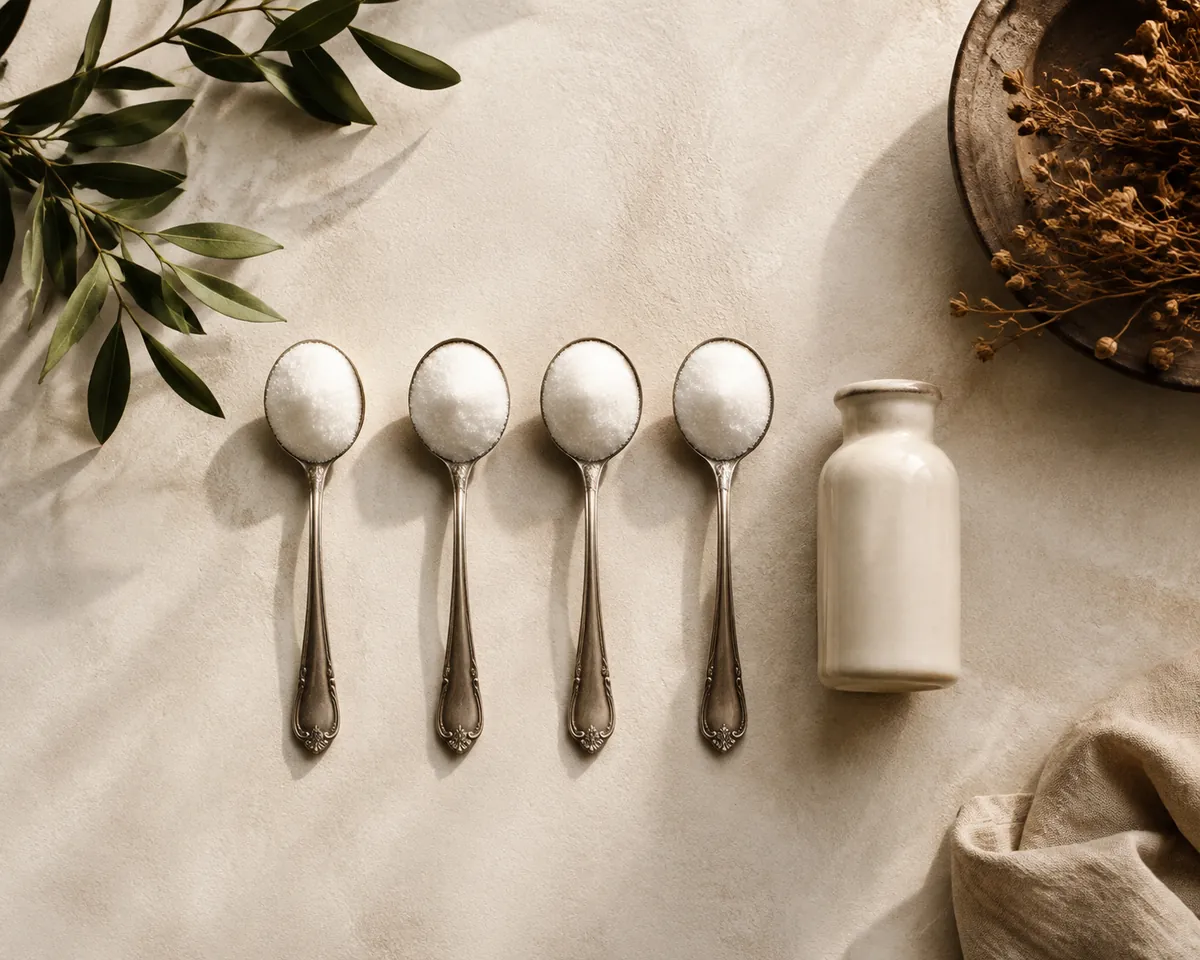
A litre of soda water carries somewhere well under a gram of added salts. Sodium bicarbonate does most of the work, with potassium sulphate or sodium citrate alongside it in some formulations, and the whole addition amounts to a pinch.
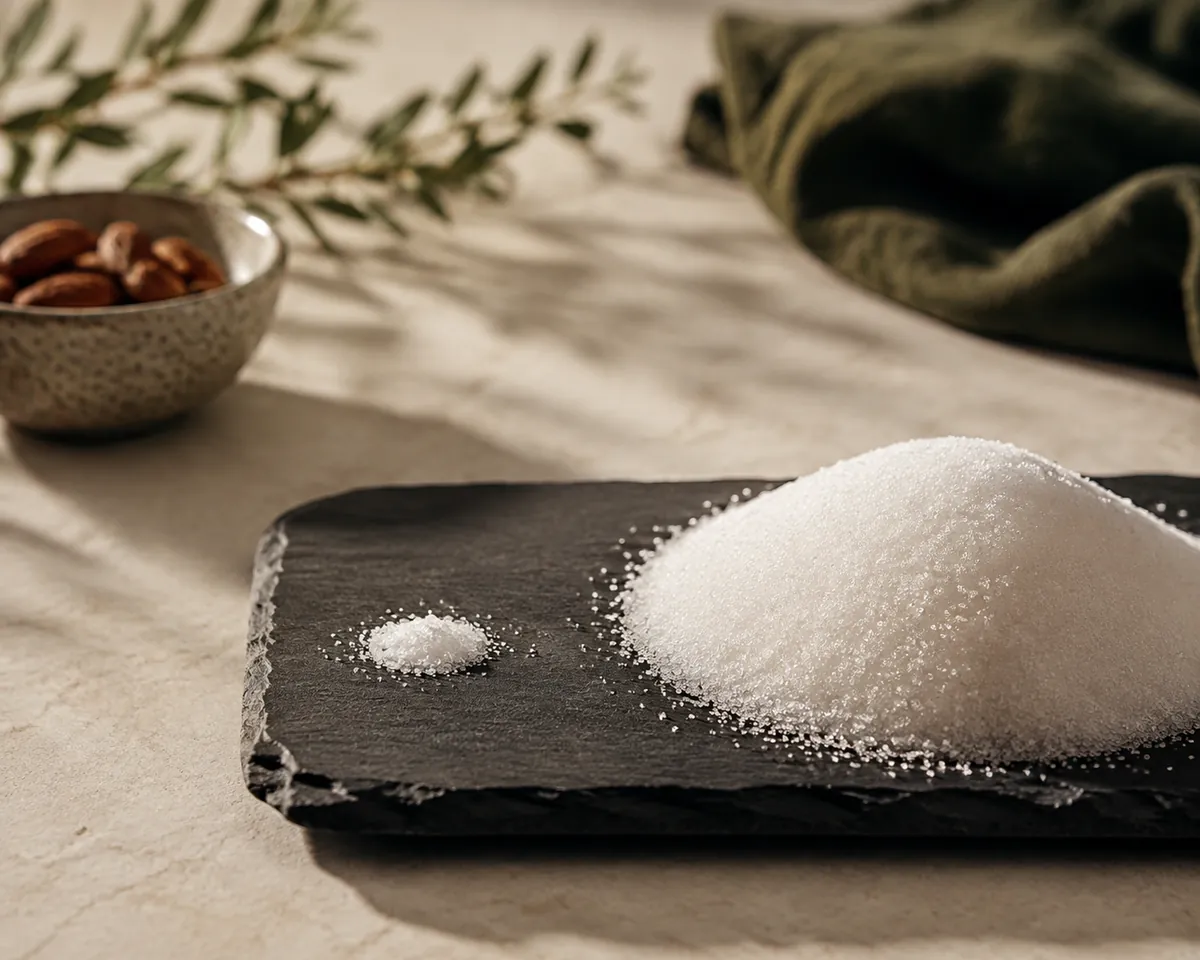
A litre of full-sugar tonic carries 70 to 90 g of sugar. That is a small mound rather than a pinch, and it is the second ingredient on the panel by a margin nothing else comes close to.
These figures come from typical product labelling and describe what is in the bottles rather than anybody drinking them.
The useful point is the ratio: the entire mineral addition to soda water would disappear inside the rounding error on a tonic panel, and yet it is the reason a blind taster can pick soda water out of a line of plain waters.
Why only one of them is bitter
Quinine is the answer, and the quantities involved are strange enough to be worth stating plainly. It is dosed in parts per million and it still dominates everything else in the bottle.
Bitterness is the taste humans detect at the lowest concentration of all, and quinine sits near the top of that sensitivity range. A trained taster picks it up somewhere around one or two parts per million, while the legal caps sit far above that.
How much of anything each drink needs to taste of something
- Quinine in tonicParts per million, and impossible to miss at that level
- Citric acid in tonicA fraction of a per cent, for brightness
- Mineral salts in soda waterUnder a gram per litre, and detectable side by side
- Sugar in tonic7 to 9 g per 100 ml, and still hidden by the quinine
- Anything in seltzerNothing at all, which is what that word means
Soda water has no bittering agent of any kind. Its salts push the other way, since sodium suppresses bitterness rather than creating it, which is the mechanism behind the whole reason producers bother adding them.
The full account of the quinine side sits with what makes tonic bitter.
How much sugar each one carries
Zero against a cola-scale load. This is the axis where guesses go furthest wrong, and it goes wrong in one direction only.
Nobody misjudges the soda water. It has no sugar, no sweetener and no energy, and the panel says so in one line, which is exactly what makes it useful as a base.
Tonic is misjudged constantly. Ask people to rank a shelf by sugar and tonic lands near the bottom of the guess and near the top of the fact, because the bitterness masks the sweetness as effectively as the sweetness masks the bitterness.
| Drink | Sugar | How it reads |
|---|---|---|
| Cola | 10 to 11 g | Sweet, and tastes it |
| Full-sugar tonic | 7 to 9 g | Dry and bitter, which is the illusion |
| Ginger ale | 8 to 9 g | Sweet, and tastes every bit of it |
| Bitter lemon | Similar to tonic | Bitter twice over, from quinine and pith |
| Soda water | None | Faintly saline, and nothing else |
A 200 ml bottle of tonic therefore delivers three or four teaspoons of cane sugar into a glass most people would call dry, and the gap between the perception and the panel is the single most useful thing anyone can know before choosing between these two bottles.
The ultraviolet test tells them apart in a dark room
There is a party trick here that happens to be the only genuinely reliable way to separate the two without tasting them, and it needs no equipment beyond a cheap lamp.
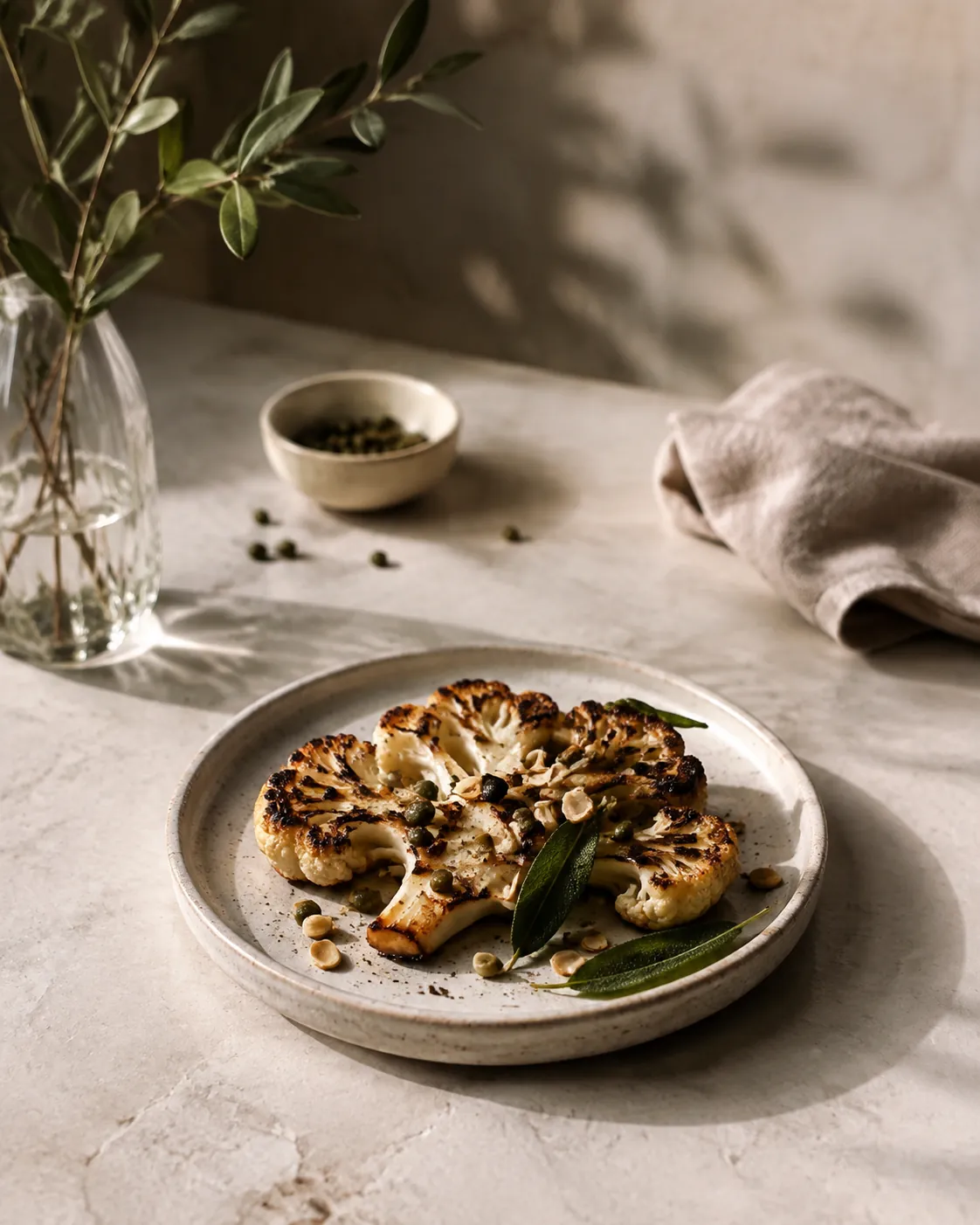
Quinine fluoresces. Put a glass of tonic under ultraviolet light and it glows a pale blue that is impossible to mistake, and the effect is strong enough to see across a room.
Soda water does nothing at all under the same lamp. It has no fluorescent compound in it, so it sits there looking like the water it is, and a mineral bottle behaves the same way.
Every other visual check fails. Bubble size varies more between brands of one drink than it does between the two categories, and colour, clarity and head are useless here, so the lamp is the only honest shortcut.
What happens when you swap one for the other
Substitution is where the confusion stops being harmless, and the two directions fail in opposite ways rather than in the same way twice.
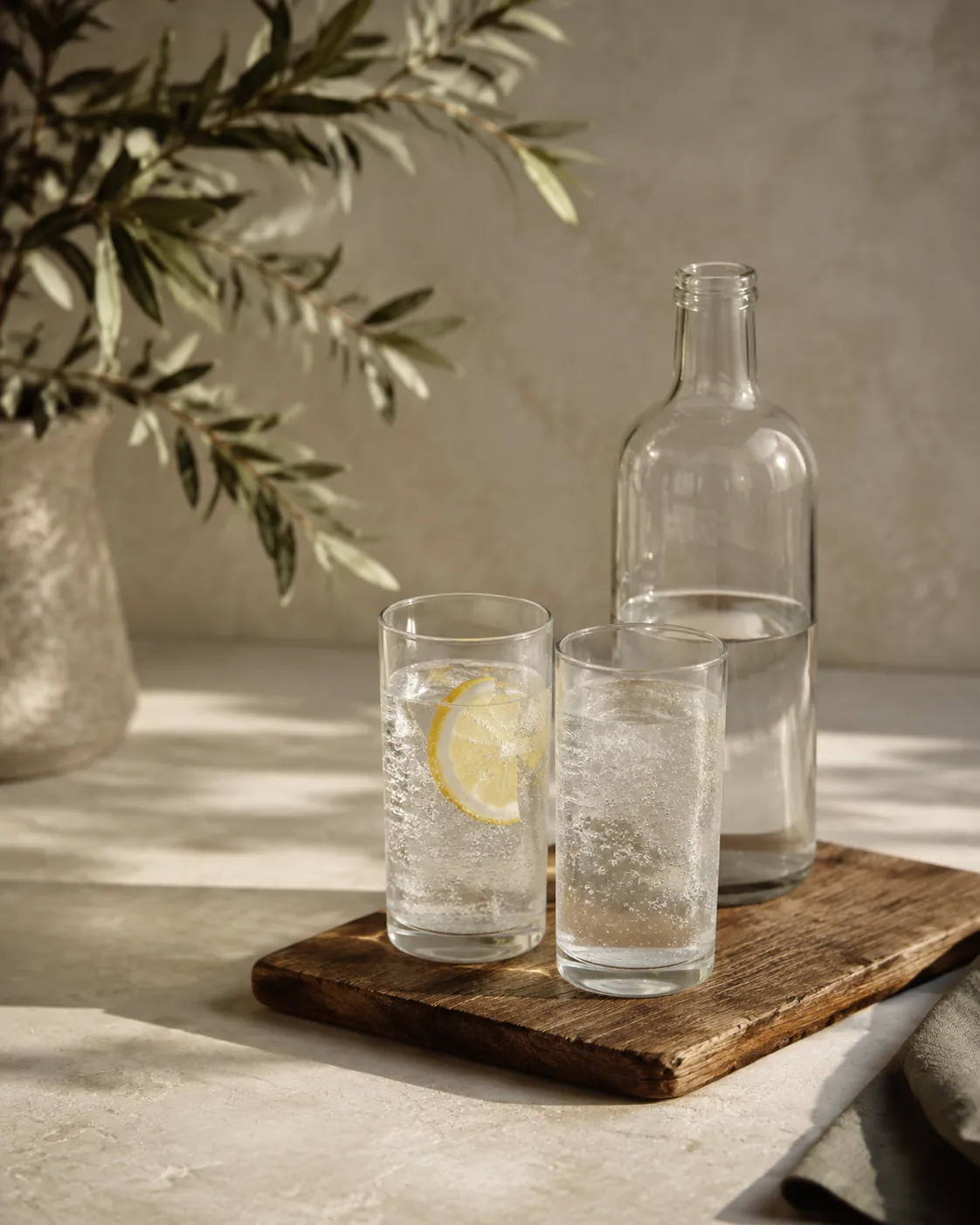
Put soda water where a recipe wanted tonic and the drink collapses inwards. Three things left at once, since the quinine, the sugar and the citric acid were a system rather than a list, and what remains is a thin sharp glass that tastes hollow rather than lighter.
Put tonic where a recipe wanted soda water and the drink is swamped. A cordial lengthened with tonic arrives sweet on sweet with a bitter edge underneath it, and nothing about the original flavour survives the arrangement.
Soda water for tonic
Hollow, sharp and thin. The sugar and the bitterness both go
Tonic for soda water
Sweet on sweet, with quinine arguing with whatever was already there
The rescue for a bad swap is not more gas. Adding a squeeze of lemon restores some of the acid a tonic-to-soda swap lost, and there is no equivalent rescue in the other direction, because sugar and quinine cannot be taken back out of a glass.
Which one a syrup or a cordial needs
Almost always the plain one. Lengthening something concentrated is the job soda water exists for, and tonic is a poor choice for it precisely because it is good at being a drink.
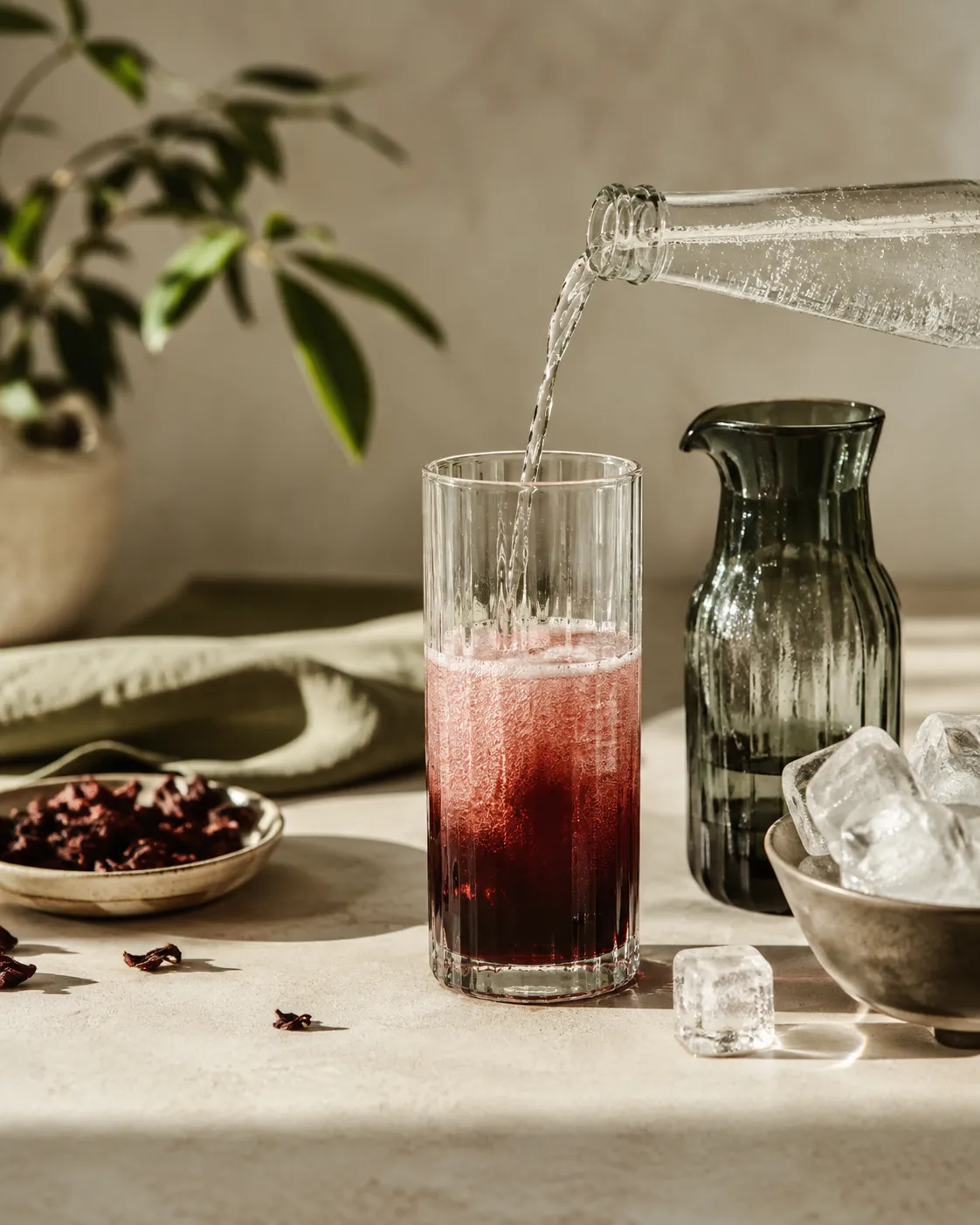
Soda water brings body without flavour. The bicarbonate rounds off the acidity of the carbonation, so a fruit syrup lengthened with it reads fuller than the same syrup lengthened with a completely neutral water, which is why bar recipes bother to specify the salted bottle.
Tonic brings three strong opinions. An Italian soda built on tonic is a different drink rather than a variant, and the quinine will fight anything floral, anything delicate and most soft fruit.
- Fruit syrup or cordial: soda water, and top up last of all.
- Something floral or herbal: soda water, since quinine flattens it.
- A citrus base: either can work, and tonic doubles the bitterness.
- A simple syrup at the bottom of the glass: pour down the side, not straight onto it.
- Anything already sweet: soda water, because tonic adds a cola-scale sugar load.
- A drink meant to taste of tonic: buy the tonic and add nothing much.
Where tonic does earn a place as a component is against something bitter or strongly citrus, since two bitternesses can read as one deeper one rather than as a clash, and that is the logic behind the pith and quinine pairing in bitter lemon.
Both go flat, and it costs them different things
Same physics, different consequence. Carbon dioxide leaves an open bottle at a rate set by temperature and headspace, and the name on the label changes none of that.
For soda water, going flat removes almost the entire drink. Carbonation was doing nearly all of the sensory work, and what is left is faintly salty water that nobody would choose, so a flat bottle is not worth pouring.
For tonic, going flat unbalances it instead of emptying it. Dissolved carbon dioxide forms carbonic acid, which is a real part of what holds the sugar in check, so a day-old bottle reads syrupy and heavily sweet rather than merely still.
What the same gas loss does to each
- Fresh soda waterSharp, faintly saline, and doing its job invisibly
- Flat soda waterSalty water. Nothing left to offer
- Fresh tonicBitter, sweet and sharp, in balance
- Flat tonicSweet and cloying, with the quinine now exposed
- The fix for bothBuy the size you will finish, and keep it cold
Small bottles are therefore the sensible format for both, for different reasons. Buy tonic in 150 or 200 ml because the balance is fragile, and buy soda water small because a part-used bottle is a poor lengthener within a day, which is most of what keeping tonic water amounts to.
How each one behaves in a home machine
A carbonating machine makes neither of them. That surprises anyone who bought one expecting to stop buying bottles, and the reason is the same on both sides.
A soda maker forces gas into whatever water is in the bottle and there is no dosing step of any kind.
What comes out is carbonated water with nothing added, which is seltzer rather than either of the two drinks here, and the distinction is the same one that separates seltzer from the wider sparkling category.
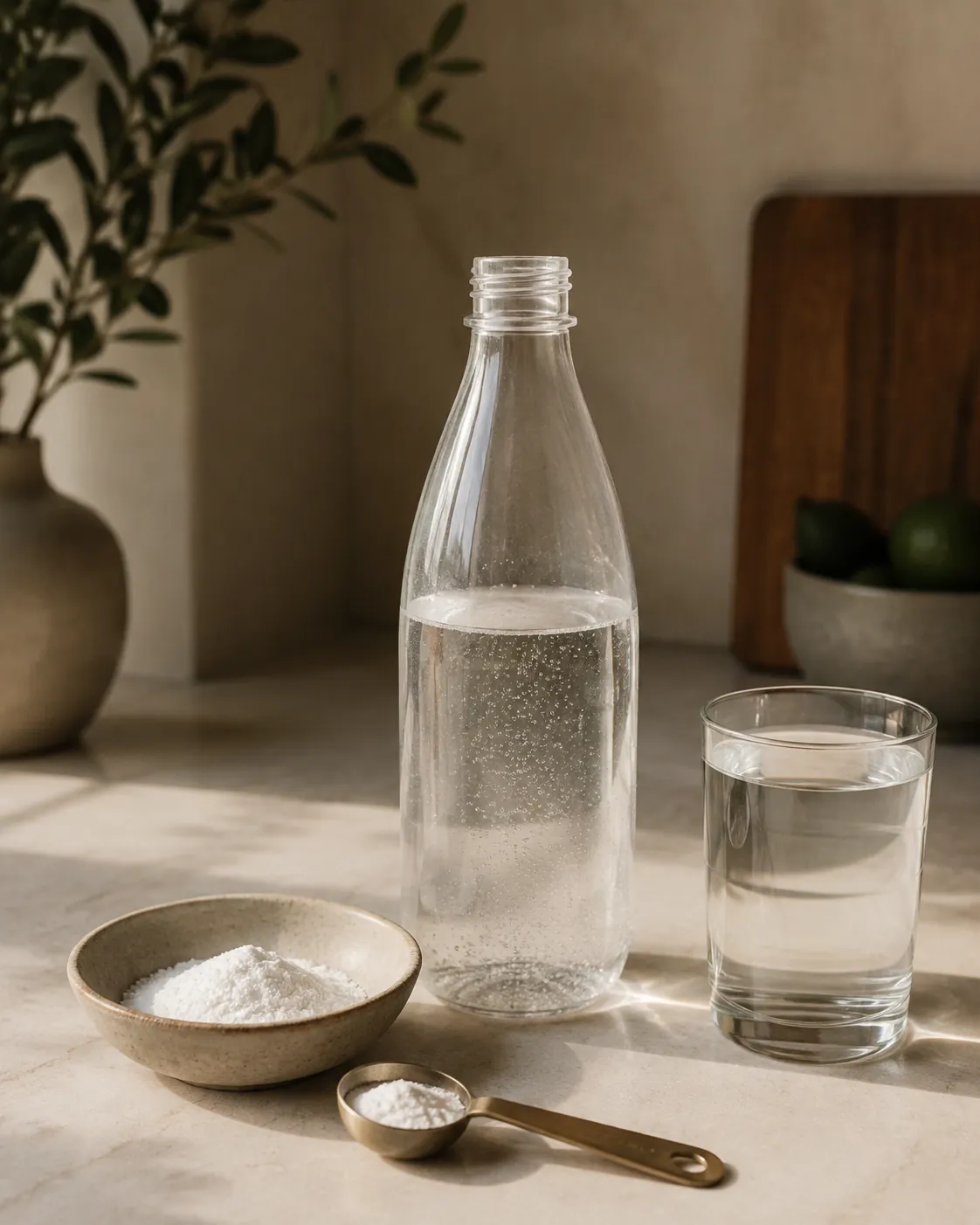
Soda water is a short step from there. An eighth of a teaspoon of sodium bicarbonate per litre, stirred in after gassing, gives a close approximation, and a few grains of sea salt push it further in the same direction.
Where the home route stops
- CarbonateChill the water first, gas it two or three cycles past the default setting.
- Soda waterAdd a pinch of bicarbonate to the finished bottle and stir once.
- Tonic, the honest versionBuy a commercial tonic syrup and dilute it with the carbonated water.
- Tonic from barkNot a kitchen exercise, since the quinine content of raw bark cannot be measured at home.
- Sugar-free tonicAlso a bought product, since stevia and sugar behave differently against quinine.
The asymmetry is real and worth stating. One of these two drinks can be made on a kitchen counter for pennies and the other cannot, which is a genuine practical difference between a base and a formulated soft drink.
The axes where the two are not different at all
Several things people expect to separate these bottles turn out not to, and naming them is more useful than inventing a verdict.
Appearance is the first. Both are colourless and clear, both throw a head on pouring, and bubble size varies more between two brands of tonic than it does between the categories.
Carbonation level is the second. Both are gassed hard, both land somewhere in the mid to high threes in volumes, and both lose it at the same rate once open.
Colour
None in either, which is the entire reason for the confusion
Carbonation
Similar levels, and the same physics once the cap is off
Serving temperature
Cold, decisively, for both
Shelf position
Neighbours, usually in the same format
Which is better
A question about what you are making, not about the bottles
Price runs on format rather than on category. A litre of either is cheap, a slim single-serve bottle of either is expensive per litre, and the packaging decides that far more than what is dissolved inside.
Which bottle to open, and what each one is for
Two questions settle it, and both can be answered before you have picked either bottle up.
Ask first whether the water is meant to disappear. If it is, soda water is the answer, and its salts will help rather than intrude.
If the glass is meant to taste of something on its own, tonic is a complete drink and needs almost nothing added to it.
Ask second whether sugar matters to you here. One bottle has none and the other has a cola-scale load hidden behind bitterness, and that is the fact most likely to change a decision made on taste alone.
| Question | Soda water | Tonic water |
|---|---|---|
| Contains sugar | No | Yes, 7 to 9 g per 100 ml |
| Bitter | No | Yes, from quinine |
| Works as a lengthener | Yes, it is the point of it | Poorly, since it dominates |
| Drinkable on its own | Plain and faintly saline | Yes, and designed for it |
| Can be made at home | Yes, with a pinch of bicarbonate | Only from a bought syrup |
| Glows under ultraviolet | No | Yes |
Anyone still unsure at the shelf can fall back on the shortest rule available: reach for the plain bottle when something else in the glass is supposed to be the flavour, and reach for the bitter one when nothing else is going in beyond peel and cold. The sweetened neighbours like root beer and a bottled mineral water sit either side of that line for the same reason, and citric acid is what most of them have in common.
Common questions
Can soda water be used instead of tonic water?
It can be poured, but it makes a different drink. Swapping soda water in removes the sugar, the citric acid and the quinine at once, and those three worked as a system, so the result reads hollow and thin rather than lighter. Going the other way swamps whatever was in the glass, since tonic brings a cola-scale sugar load and a bitterness of its own.
How much sugar is in tonic water compared with soda water?
Soda water has none. Full-sugar tonic carries roughly 7 to 9 g per 100 ml, so a 200 ml bottle delivers something like three or four teaspoons into a glass most people would describe as dry. The bitterness from the quinine masks the sweetness, which is why the figure is so widely underestimated.
How can you tell tonic water and soda water apart in the glass?
Not by looking at them in ordinary light, since both are colourless and both fizz hard. Under an ultraviolet lamp the quinine in tonic fluoresces a pale blue that is visible across a room, while soda water stays dark. The glow reports the presence of quinine only, so it cannot separate a full-sugar tonic from a sugar-free one.