What Is an Italian Soda? Syrup, Soda Water, and Little Else
An Italian soda is syrup and soda water, and almost nothing else. It is about as simple as a mixed drink gets, which makes the small decisions about ratio and order unusually visible.
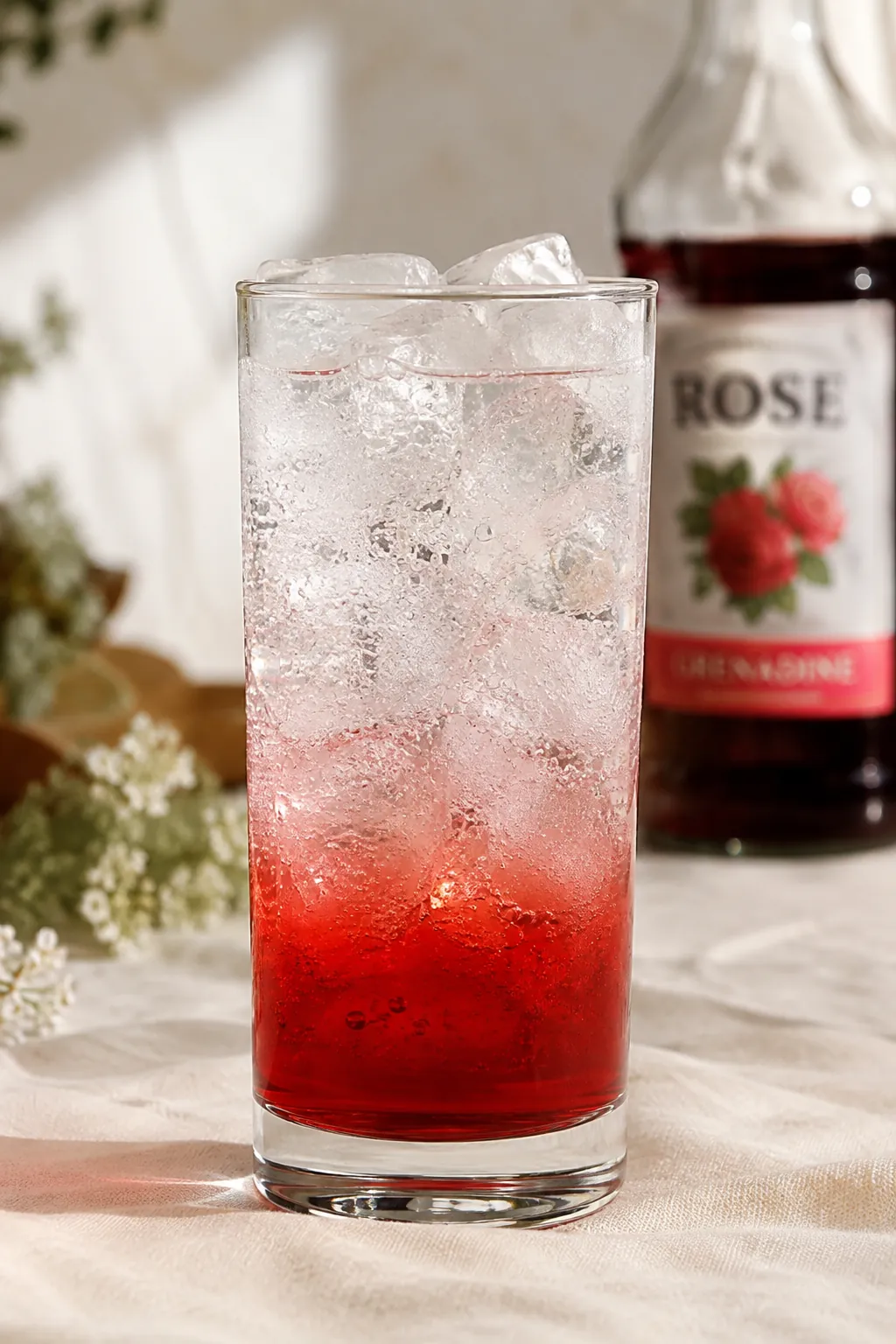
An Italian soda is flavoured syrup topped with carbonated water over ice. There is no third ingredient.
Despite the name it is an American invention, developed by Italian immigrants in San Francisco in the late nineteenth century rather than anything found in Italy.
Everything that decides whether one is any good happens in about fifteen seconds: how much syrup, what you top it with, and the order the two meet in the glass.
Italian soda at a glance
- What it is
- Flavoured syrup topped with carbonated water over ice
- Ratio
- 30 to 45 ml of syrup to 200 ml of well-chilled soda water
- Glass
- Tall, 350 ml or larger, filled with ice
- Stir
- Once, gently, from the bottom
- Origin
- An American invention, made by Italian immigrants in San Francisco
- The usual fault
- Too much syrup, or soda poured hard enough to knock the gas out
How much syrup, and the order it meets the water
With two ingredients the proportion is the entire recipe, and there is nothing else in the glass to hide a bad one behind. Around 1 part syrup to 5 parts soda water is the usual balance; sweeter syrups want less, and tart fruit syrups can take a little more.
A standard Italian soda
- Syrup
- 30 to 45 ml
- Soda water
- 200 ml, well chilled
- Ice
- Fill the glass
- Glass
- Tall, 350 ml or larger
- Stir
- Once, gently, from the bottom
Glass size moves the ratio further than taste does. A 350 ml glass packed with ice holds around 200 ml of liquid, so 30 ml of syrup lands near 1 in 7 once the ice has melted a little, while the same 30 ml in a 500 ml glass is noticeably thin by the second half.
A free pour runs to 50 or 60 ml, which is half again what the drink wants. Most homemade versions are too sweet, because commercial syrups are formulated for coffee shops where they are diluted into large volumes.
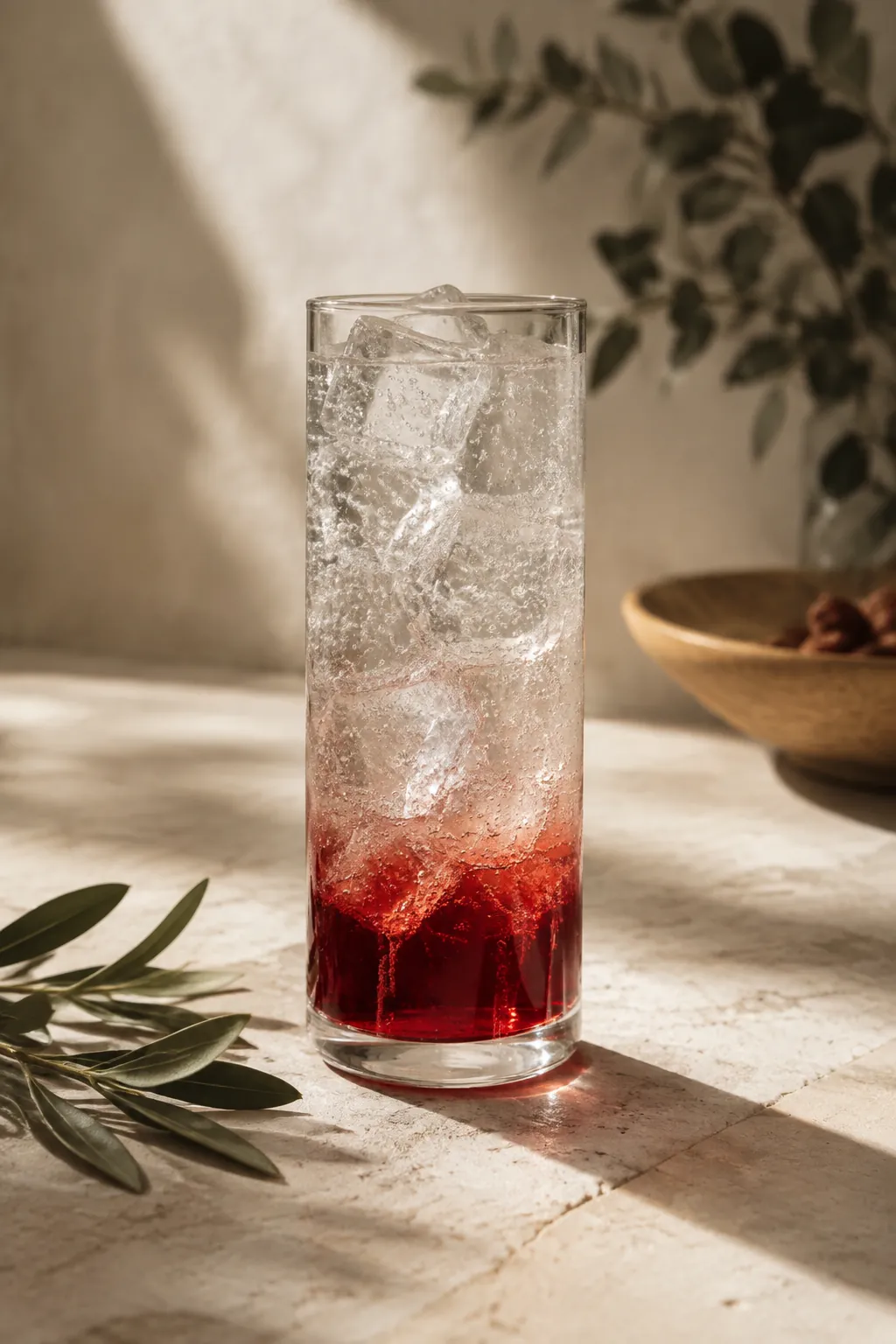
Build it in the wrong order and the drink is worse in two specific ways.
The build
- Syrup firstInto the empty glass, so it sits at the bottom.
- Ice nextFills the glass and slows the mixing.
- Soda water lastPoured gently down the side, over the ice.
- Stir onceA single slow lift from the bottom, no more.
- ServeImmediately.
Pouring soda water onto syrup at speed drives the carbonation straight out. The gas leaves solution on contact with the dissolved sugar, which acts as a nucleation site, and stirring vigorously does exactly the same thing by a different route. One slow lift from the base distributes the syrup adequately; anything more and the drink flattens while you are still making it.
Making an Italian soda takes the sequence apart step by step.
The water is the other half
Because two ingredients means each one is half the drink, the water carries as much of the result as the syrup does, and it is the half most people choose without thinking about it at all.
| Seltzer | Soda water | Sparkling mineral | Home-carbonated | |
|---|---|---|---|---|
| Added minerals | None | Bicarbonate and salts | Natural, and variable | None |
| Taste | Clean, neutral | Slightly rounder, faintly saline | Depends entirely on the source | Clean |
| Bubble | Sharp | Sharp | Often softer and finer | Softest, unless carbonated hard |
| Best for | Delicate fruit syrups | Most syrups, and sweeter ones | Rarely. It competes | Anything, if driven hard |
Soda water is the better default and the reason is the salts: sodium suppresses perceived sweetness slightly, which is the exact correction a syrup-heavy drink wants. A mineral water brings its own signature and competes with the fruit rather than supporting it, while a plain seltzer is neutral enough for a delicate syrup to read clearly.
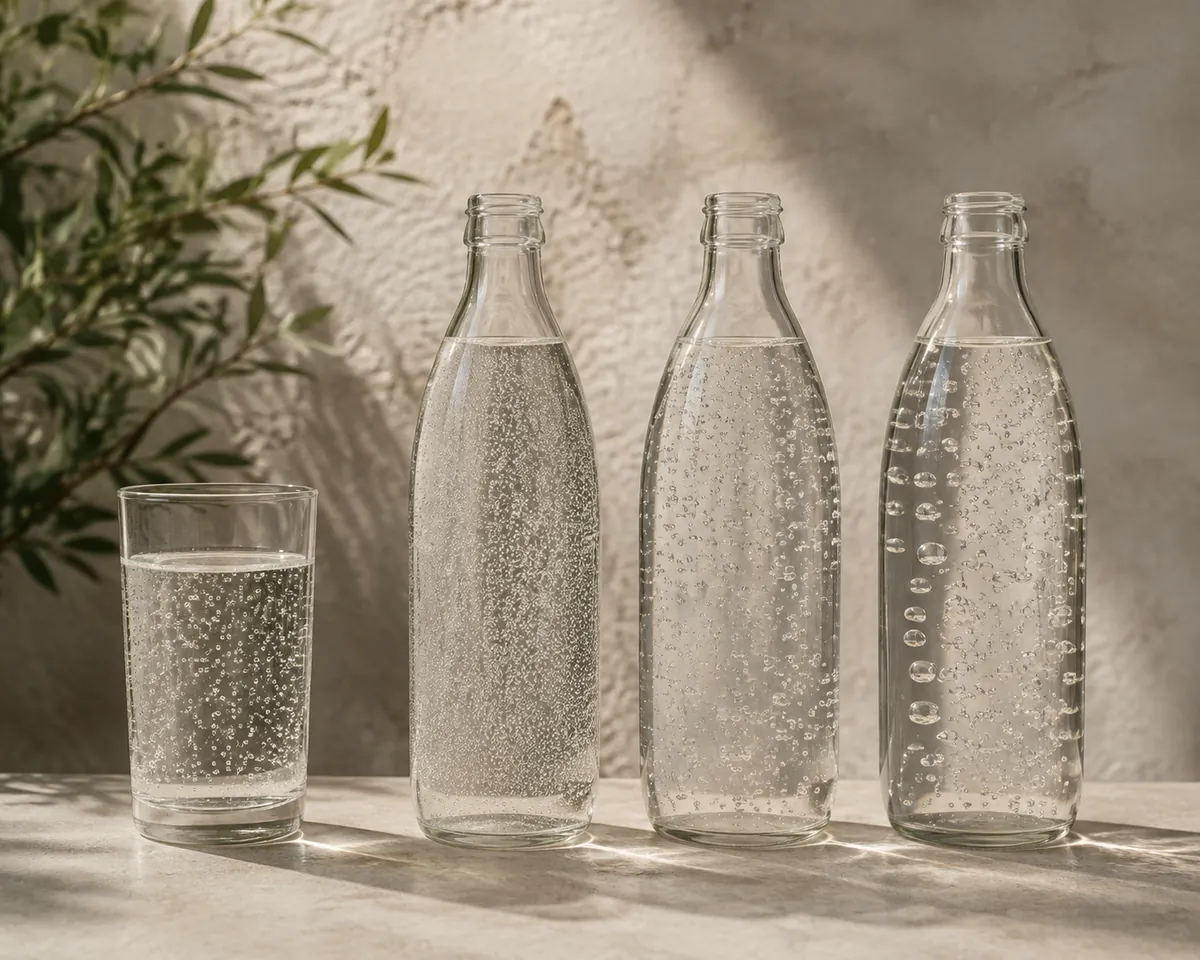
Carbonation level matters more than the label does. A bottle opened yesterday makes a poor Italian soda whatever it says on the front, and a soda maker run hard makes a better one than most bottled water because you decide how much gas goes in.
If you build these occasionally rather than daily, small bottles waste far less than a large one: sparkling water loses more across three openings than it does across three days sealed and untouched.
Choosing a syrup, and making a better one
The syrup is the whole flavour, so it decides the drink and nothing later in the build can rescue a poor one. The differences between the options are structural rather than a matter of taste.
Commercial flavour syrups
Consistent, wide range, quite sweet. The cafe standard.
Homemade fruit syrup
Better flavour, less sweet, and it keeps a few weeks.
Cordials
Already diluted differently, so adjust the ratio.
Fruit puree
Cloudier and thicker, and it needs stirring more than once.
Making your own is straightforward: a simple syrup infused with fruit, herbs or spice while warm, then strained. Raspberry, peach and vanilla are the traditional flavours.
Fruit syrup, about 400 ml
- Fruit
- 300 g, chopped. Raspberry, peach, strawberry or rhubarb
- Sugar
- 200 g
- Water
- 200 ml
- Method
- Simmer 10 minutes, crush lightly, steep off the heat 20 minutes, strain
- Keeps
- Two to three weeks refrigerated
Straining rather than pressing is the decision that keeps it clear. Pushing the pulp through gives more volume and a cloudy syrup that goes flat in the glass, because suspended solids give the gas somewhere to gather in the same way the sugar does.
The other difference from a plain sugar syrup is that fruit brings acid as well as flavour, and that acidity is what stops a homemade version reading as cloying.
Raspberry and vanilla
The classic, and the pairing most cream sodas are built on.
Rhubarb alone
Sharp and unusual, and it needs less dilution than most.
Elderflower and cucumber
Floral and clean. Better than it sounds and very easy to overdo.
Coffee and vanilla
A different drink entirely, and it needs cream to work.
Two syrups is usually one too many. The drink has no third ingredient to reconcile them, so flavours that would blend in a longer recipe simply sit next to each other here.
Building one from fruit instead of syrup
When there is no syrup in the house the drink can be made directly from fruit, and the result is arguably the better version, since the sugar and the flavour arrive together rather than out of a bottle.
Fruit straight into the glass
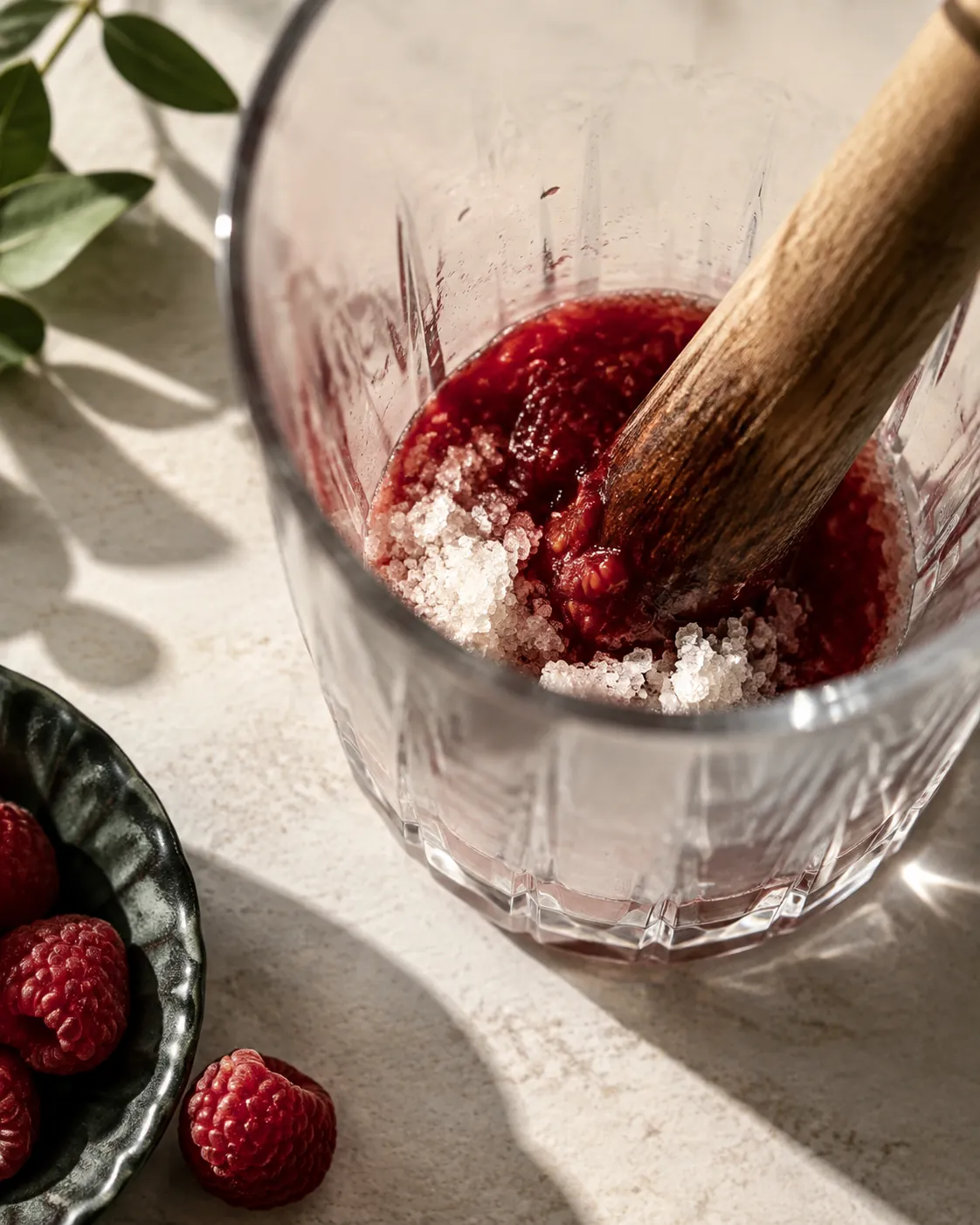
- Muddle60 g of berries or chopped stone fruit with a tablespoon of sugar in the base of the glass.
- WaitTen minutes, while the sugar draws juice out of the fruit and dissolves in it.
- FillIce to the top, then soda water poured gently down the side.
- StirOne slow lift, as with a syrup build.
What happens in those ten minutes is osmosis rather than dissolving: the sugar pulls water out of the fruit cells and makes a small quantity of intensely flavoured syrup in place. The drink comes out cloudier than a syrup version and tastes considerably more of the fruit, though it loses its fizz sooner, because the pulp left in the glass gives the carbonation an easy exit.
The same trick works on citrus peel rather than flesh, drawing out the oils instead of the juice; peel and sugar left together for an hour give an aromatic base much closer to a proper cordial. A handful of bruised mint added to the sugar behaves the same way, and it is the one addition that does not need a second syrup to justify it.
The cream version, and what a French soda is
Adding cream turns it into a different drink and introduces exactly one risk. An Italian cream soda is the same build with 30 to 50 ml of cream or half-and-half floated on top and stirred in by the drinker, which gives a cloudy, softer, rounder result.
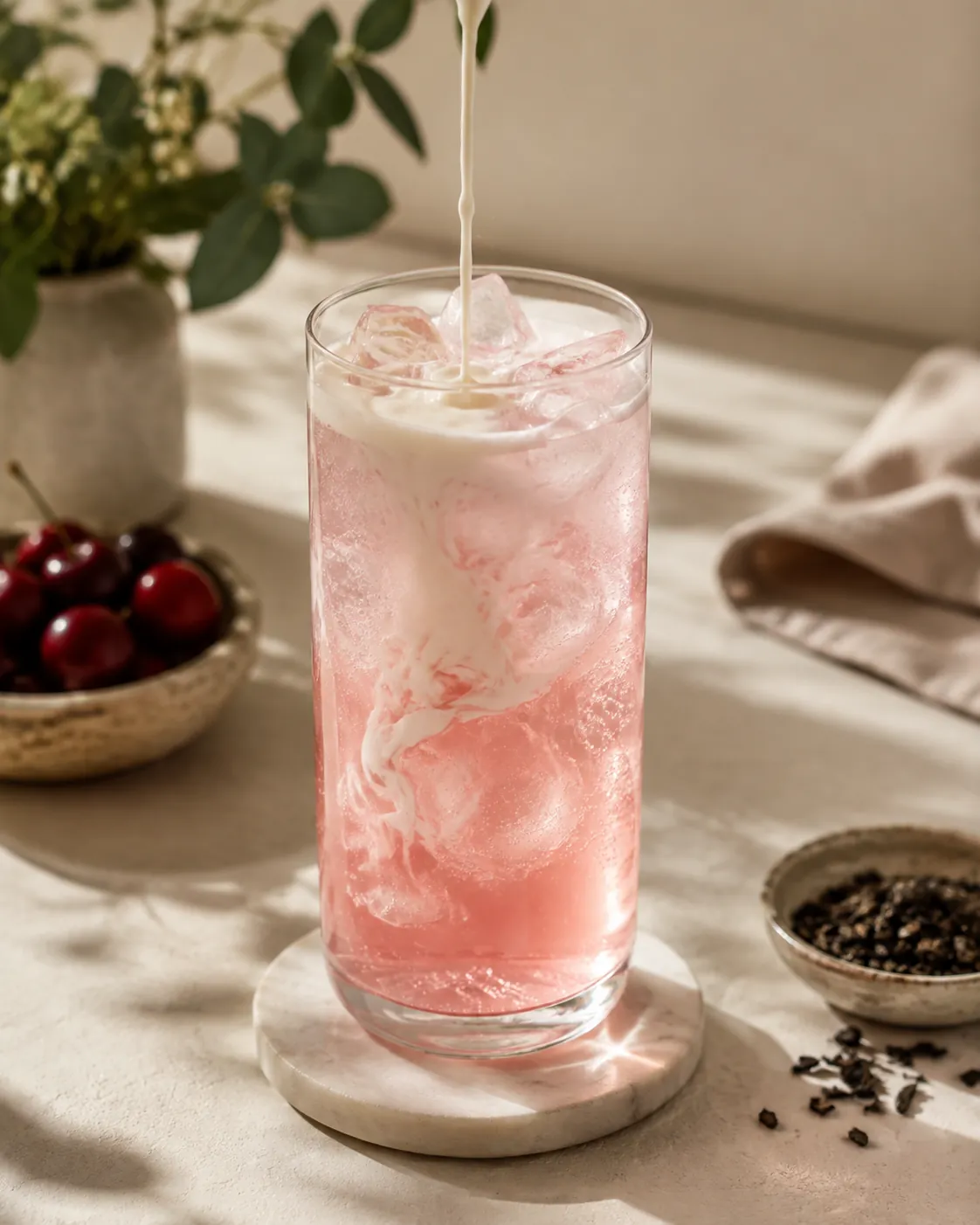
That is the same acid-and-protein interaction that makes plant milk curdle in coffee, working on dairy at a lower acidity: the acid drops the pH far enough that the casein loses its charge and clumps instead of staying dispersed.
A French soda is the same drink with cream, which makes it identical to what many places call an Italian cream soda, and the naming is inconsistent enough between cafes that it is not worth arguing about. What both are is a drink built to order from soda water, which puts them beside a homemade ginger ale rather than beside anything that arrives already bottled.
Why it goes flat, waters down or turns sickly
Five faults cover nearly all of it, and four of them are decided before the glass reaches the table.
| Symptom | Cause | Fix |
|---|---|---|
| Flat within a minute | Soda poured hard, or stirred too much | Pour down the side; one slow lift |
| Sickly | Too much syrup, or a commercial syrup at cafe strength | Move toward 1 part in 6 |
| Sweet at the bottom, plain at the top | Not stirred at all | One lift from the base, no more |
| Watery by halfway | Too little ice, so what there is melts fast | Fill the glass with ice |
| Curdled cream | An acidic syrup met dairy | Sweet syrups only, or serve the cream separately |
The ice fault is the counterintuitive one. A glass with three cubes dilutes far faster than a full one, because a small quantity of ice melts away entirely while a full glass stays cold and mostly solid for the length of the drink.
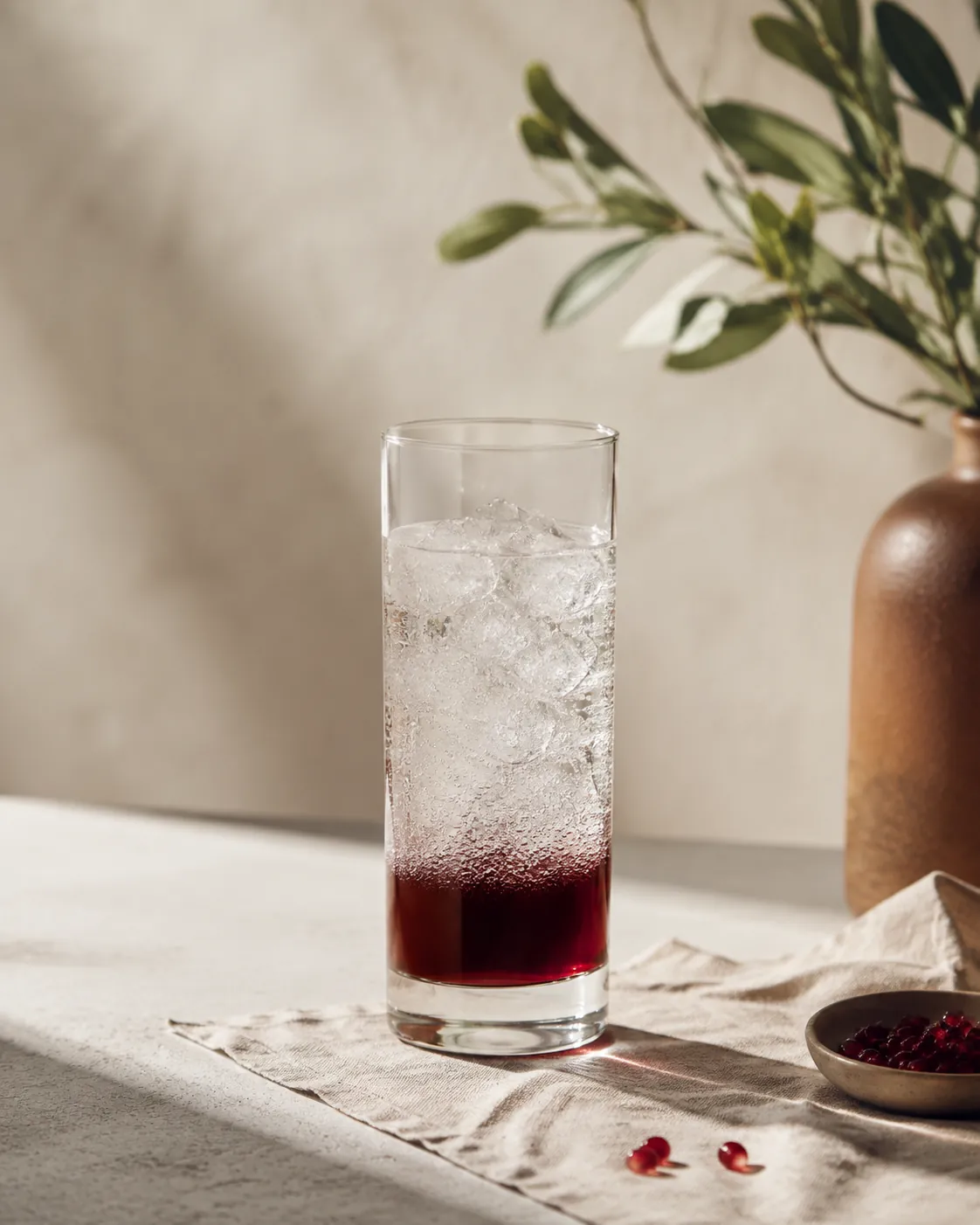
A tall narrow glass holds carbonation better than a wide one because less surface is exposed to the air, and a 350 ml highball is the standard for that reason rather than for looks. Chilling the glass is the step nobody bothers with and the one that most extends the fizz: carbon dioxide comes out of solution faster as temperature rises, so a warm glass begins stripping the drink the moment it is poured.
None of these faults is recoverable once it has happened, which is why Italian soda problems is mostly a list of things to get right first, and why storing an Italian soda is really a question of storing the syrup.
Serving six of them at once
The simplicity that makes one Italian soda easy is the same thing that makes six of them awkward, because the drink cannot be made ahead at any scale.
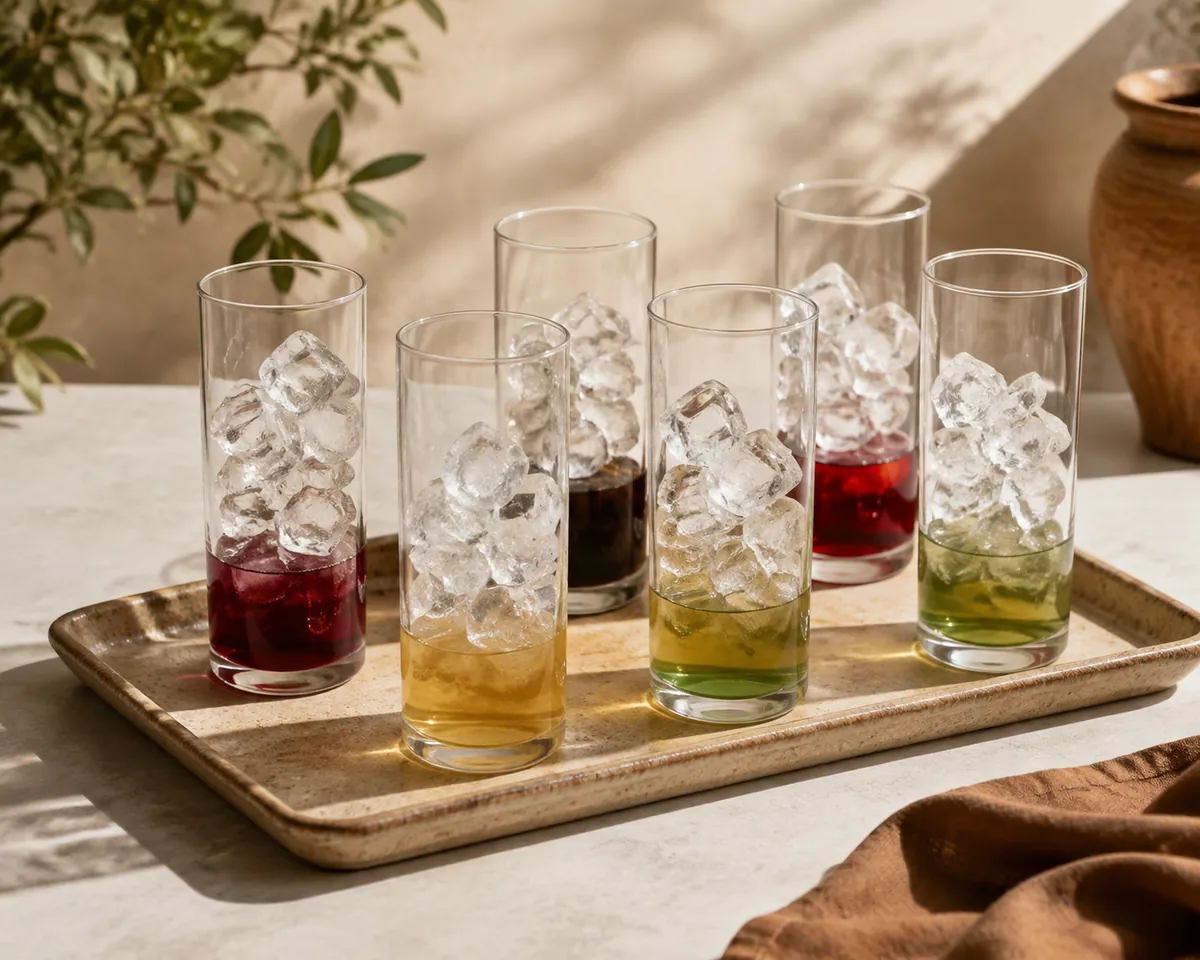
Pre-mixing syrup and soda water an hour before the guests arrive gives everyone a flat drink, since the dissolved sugar has been pushing gas out of solution for the whole hour.
The working answer is to batch the parts rather than the drink. Syrup measured into each glass in advance, ice added at the last moment and soda water poured at the table lets one person serve six in about a minute, with no drink standing longer than the time it takes to hand it over.
For a larger group a syrup station beats a jug outright: two or three bottles, a bucket of ice and a chilled siphon, and people build their own. That is also the only arrangement in which everybody gets the sweetness they actually wanted.
Put a bottle of vanilla syrup out alongside the fruit ones and most of the argument about proportion disappears, because each person corrects their own glass rather than yours.
Where the name came from, and why cafes keep it
The name points at Italy and the drink points at San Francisco, and the history closes the gap between them.
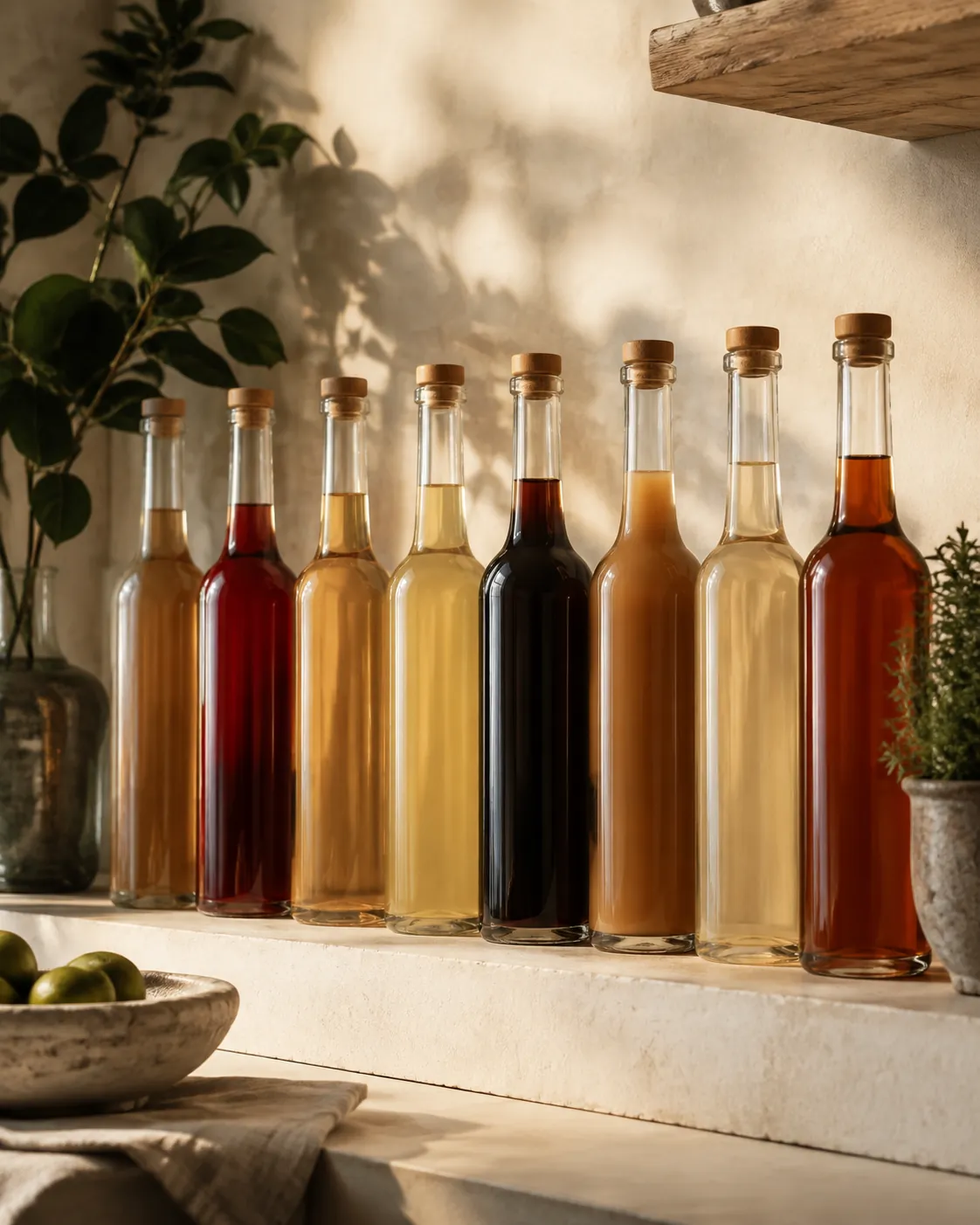
Rinaldo and Ezilda Torre, Italian immigrants, began making flavoured syrups in San Francisco's North Beach in 1925. Those syrups were sold to cafes serving an Italian-American community, and the soda built from them took the community's name rather than the country's.
Nothing resembling it is standard in Italy, where a bar serves espresso and a flavoured fizzy drink means something bottled rather than something assembled in front of you.
The category grew because syrup travels well and soda water is cheap at the counter. A cafe with twenty syrup bottles has twenty drinks on the menu without stocking twenty products, needs no equipment it does not already own, and can produce one in fifteen seconds.
Very little else on a menu has that ratio of variety to cost. It also fills a real gap: somebody who wants neither coffee nor a bottled soft drink has few options, and a fruit soda made to order is more interesting than any of them.
Italian soda, egg cream, phosphate and shrub
Several drinks share the same shape, with something concentrated in the base of the glass and carbonated water on top, and knowing which is which saves a good deal of menu confusion. What separates them is the concentrate rather than the method.
| Drink | Syrup | Other ingredients | Character |
|---|---|---|---|
| Italian soda | Flavoured, usually fruit | None | Clean, sweet, fizzy |
| Italian cream soda | Flavoured | Cream floated on top | Softer, cloudy, richer |
| Egg cream | Chocolate | Milk, no egg and no cream | Foamy, malty, distinctly New York |
| Phosphate | Flavoured | A few drops of acid phosphate | Sharper, drier, an old soda-fountain drink |
| Shrub | Fruit and vinegar | None | Sour and complex rather than sweet |
| Spritzer | None | Fruit juice and soda water | Less sweet, and it goes flat faster |
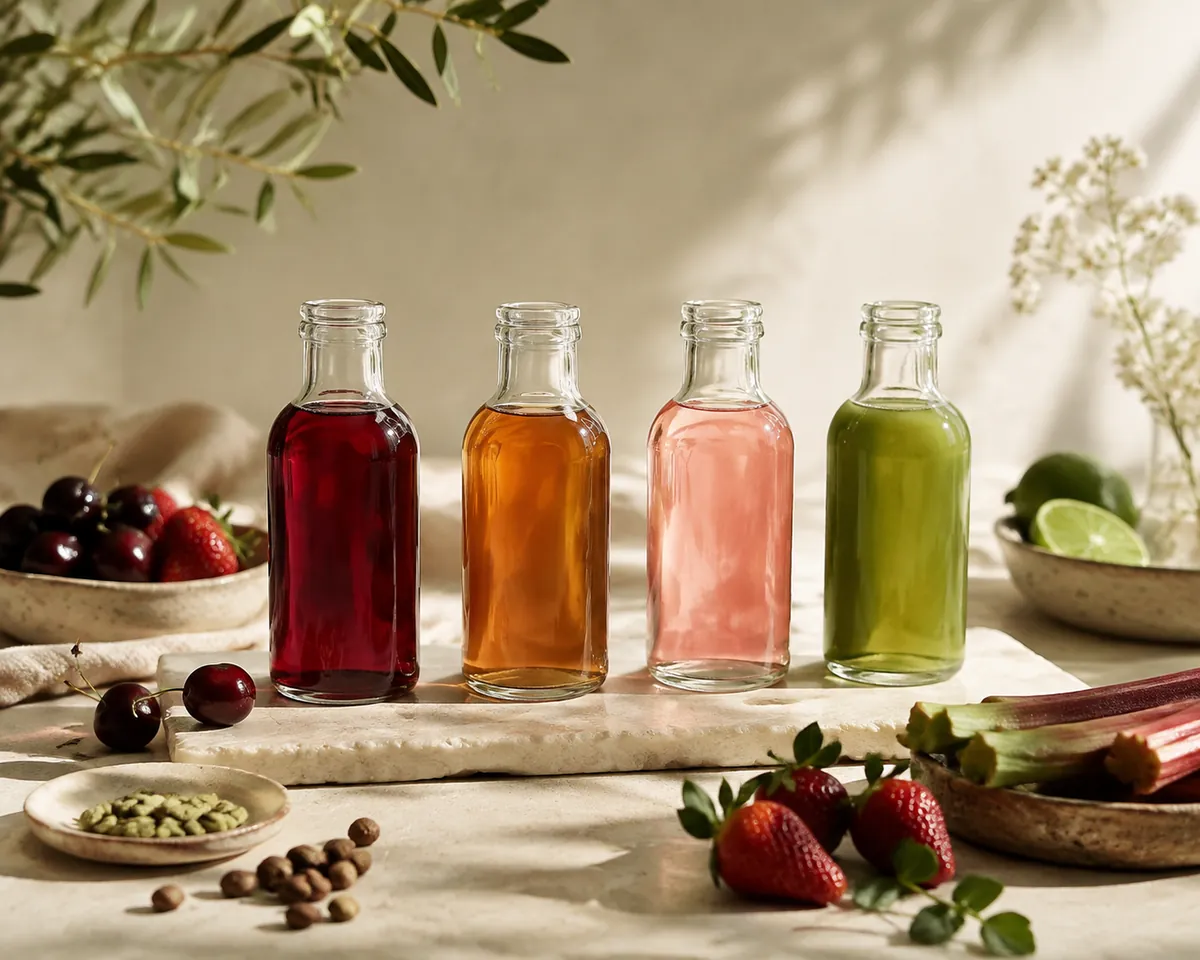
A shrub is the most interesting neighbour and the least like the rest. Fruit steeped in sugar and vinegar makes a base that is sour before it is sweet, and it produces a soda that people who find Italian sodas cloying tend to prefer on the first sip.
The phosphate is the other one worth hunting down. A few drops of acid phosphate add sharpness without adding flavour, doing for a syrup soda roughly what the citric acid does in a bitter lemon: giving the sugar something to push against.
Any of them will read as thin beside a root beer, which is a finished drink rather than a two-part build, and what an Italian soda tastes like sets out where those differences land on the palate.
How much sugar 40 ml of syrup carries
Since the drink is syrup and water and nothing else, the sugar figure follows straight from the ratio rather than from anything hidden in a formulation.
At 40 ml of a standard commercial syrup, an Italian soda carries somewhere around 25 to 30 g of sugar, which is close to a 330 ml can of cola in a drink most people read as lighter because it happens to be clear.
Cutting the syrup to 25 ml brings that down substantially and, with a decent fruit syrup, does not read as weak. Commercial syrups are the ones that fall apart when reduced, because their flavouring is set in proportion to their cane sugar rather than in proportion to the finished glass, so taking out sweetness takes out flavour with it.
A homemade syrup carrying more fruit and less sugar still tastes of something at half the pour, which is the practical argument for making your own rather than buying it.
Common questions
What is the ratio for an Italian soda?
About 1 part syrup to 5 parts soda water, so roughly 30 to 45 ml of syrup topped with 200 ml of chilled soda water over ice. Sweeter syrups want less; tart fruit syrups can take a little more.
Why does my Italian soda go flat immediately?
Pouring the soda water too fast onto the syrup, or stirring vigorously. Dissolved sugar acts as a nucleation site, so the gas comes out of solution on contact. Pour gently down the side over ice and stir once.
What is an Italian cream soda?
The same drink with cream or half-and-half floated on top and stirred in. Acidic syrups such as citrus and berry can curdle the cream, so it suits sweeter flavours like vanilla or hazelnut.