Why Does Plant Milk Curdle in Coffee? Acid, Heat, and Build
Plant drinks split in coffee for three reasons: the coffee is acidic, the coffee is hot, and the drink went in cold. Barista formulations are built specifically to resist all three.
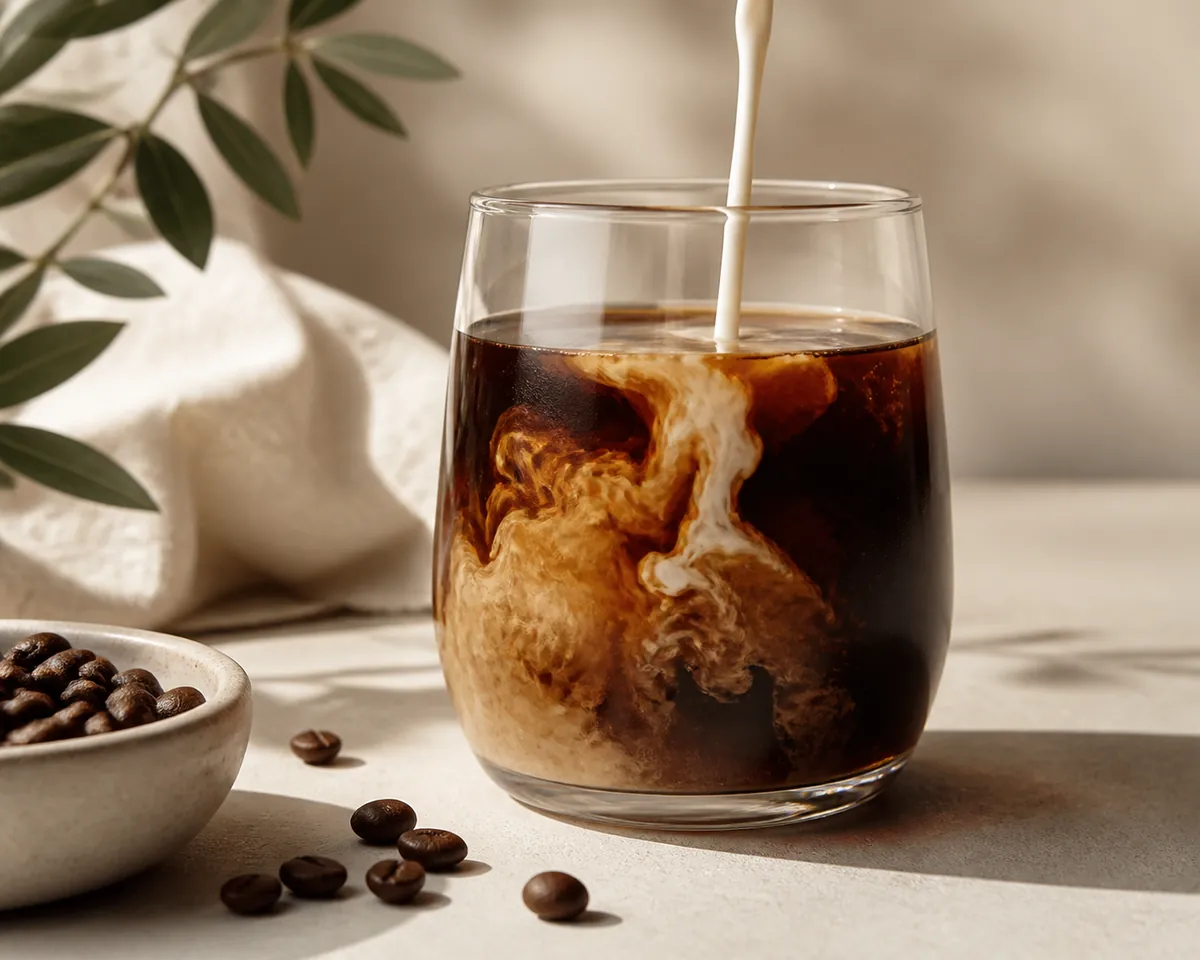
Curdling is a protein problem. The proteins in a plant drink are held in suspension, and anything that disturbs that suspension makes them clump into the visible flecks people call curdling.
Three things do the disturbing, and they almost always act together.
Why plant milk curdles in coffee
Brewed coffee typically sits around pH 5, which is meaningfully acidic. Proteins clump when the acidity approaches their isoelectric point, the pH at which they carry no net charge and stop repelling one another.
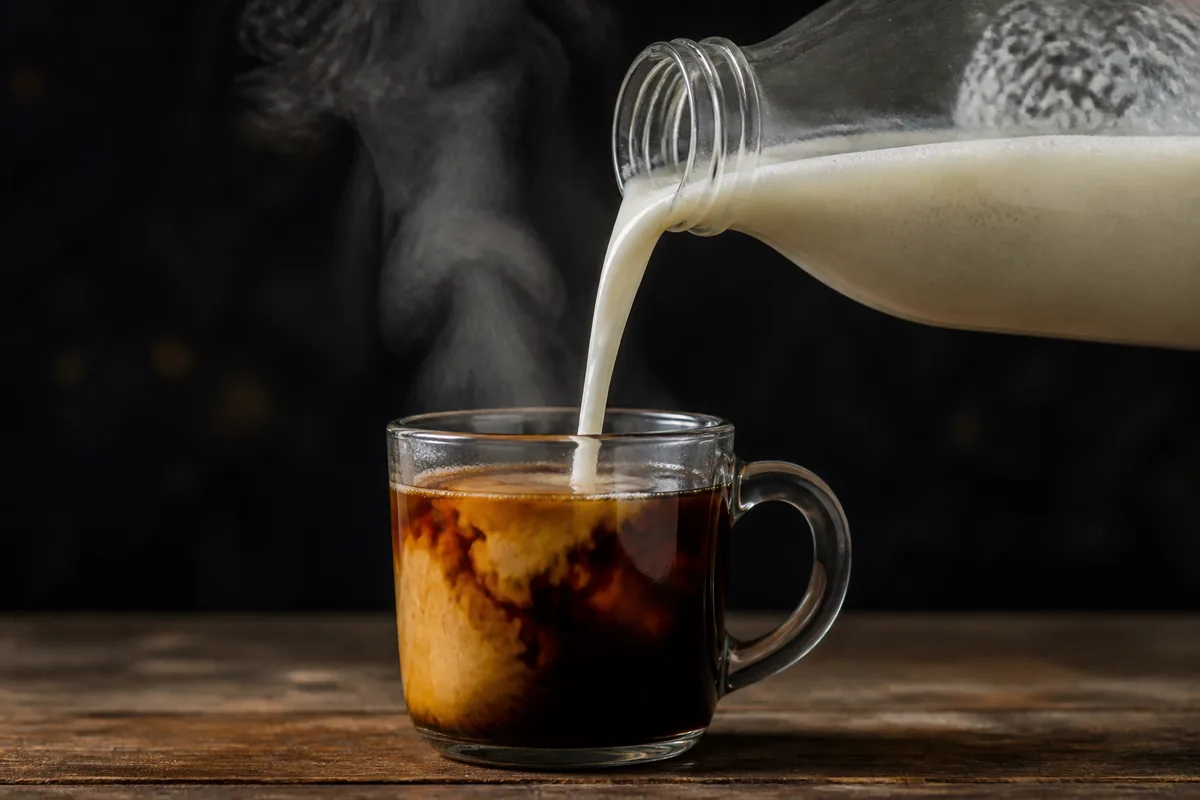
The engineered way around all of this is coffee creamer, which is built not to do it. Heat is the second cause and it compounds the first.
Hot liquid destabilises those proteins on its own, and a freshly pulled espresso leaves the machine near 90 C at its most acidic, which is precisely when most people add the milk.
Temperature shock is the third, and it is the one most people trigger without noticing. Pouring cold drink straight from the fridge into a hot acidic shot delivers all three at once, in one place.
What happens when cold plant milk meets hot coffee
- AcidCoffee sits near pH 5, pushing the proteins towards the point where they stop repelling each other.
- HeatHot liquid destabilises those proteins further and speeds the whole thing up.
- ShockA cold pour into a hot acidic shot delivers all of it at once, in one place.
- SplitThe proteins clump, and the flecks become visible.
Any one of the three alone is usually survivable. It is the combination that separates a drink, which is why the fixes further down work by removing one leg rather than by finding a better carton.
Once the flecks appear they will not whisk back in. The suspension has already broken, and the only thing left to decide is whether the drink is still worth drinking.
Roast matters more than most people expect. Light roasts and washed African coffees are the most acidic and the most likely to cause trouble, while a darker roast is measurably less acidic and much less likely to split anything.
Which plant drinks split most
Behaviour follows composition, and the compositions differ far more than the cartons suggest.
| Drink | Protein | Fat | Tendency to split |
|---|---|---|---|
| Soy | Highest of the common plant drinks | Moderate | High. Acid-sensitive, but foams well when it holds |
| Oat | Low to moderate | Low unless added | Low to moderate. The most reliable, and the best foamer |
| Almond | Very low | Low unless added | Moderate to high. Little protein, so weak foam |
| Coconut | Very low | High | Varies widely. Fat carries the texture rather than protein |
| Rice | Very low | Very low | Low. Little protein to curdle, and thin as a result |
Protein is what curdles and fat is what stabilises, which is why the two highest-protein drinks split most and the fattiest one often does not.
Soy carries the most protein and therefore has the most structure to lose, so it goes readily and dramatically. Almond is the least stable of the common drinks for the opposite reason: there is barely enough protein to hold a suspension in the first place.
Coconut is the counterintuitive one. It survives coffee that splits soy, because its emulsion is held by fat rather than by protein, and fat does not have an isoelectric point to fall through.
That also explains why added oil appears so often on a barista ingredients list. It is doing structural work rather than adding richness.
Protein content alone is not a straight predictor, though. Buffering is the variable that actually decides it, which is why two cartons of the same drink from the same producer can behave completely differently.
What barista formulations actually change
Barista versions are not marketing alone, and the differences are on the ingredients panel rather than the front of the pack.

They generally differ in three ways. Fat content is higher, which stabilises the emulsion and helps it foam.
Acidity regulators are added on top of that, commonly phosphate salts, which buffer the pH so the drink resists the coffee's acid. Protein is often higher too, for a better foam structure.
The buffering is the part that matters for splitting. These salts are not making plant protein behave like dairy protein, they are moving the acidity away from the point where the protein fails.
Same espresso, same temperature, different formulation. That is why a barista oat drink behaves so differently from the standard version of the same brand in the same cup.
The foam consequence is worth knowing separately. Higher protein and higher fat are also what let a plant drink hold microfoam, so the barista version is the one that will texture properly in a latte or under a milk frother.
How to stop plant milk curdling
The two most effective fixes cost nothing and are both about sequence rather than shopping.

Pouring milk into coffee drops a small volume of protein into a large volume of concentrated acid, so every part of the milk meets the acid at full strength at once. Pouring coffee into milk reverses that: the acid arrives gradually into a larger volume, is diluted as it goes, and never reaches the concentration where the protein gives way.
Warming the drink first removes the shock leg of the three. Together those two steps solve a large share of cases before any change of brand is considered.
Work down the list, one change at a time
- Warm the drink firstHeat the plant drink gently before it meets the coffee. This alone solves a large share of cases.
- Pour the coffee into the drinkAdding hot coffee slowly to the plant drink dilutes the acid gradually rather than dropping cold liquid into a concentrated shot.
- Pour slowlyA steady stream lets the two combine gradually instead of shocking the proteins all at once.
- Use a barista formulationThese are built for exactly this problem, and they work.
- Try a darker roastLess acidic coffee is much less likely to split anything.
- Change the drinkIf oat splits, try a different brand before concluding that oat is the problem.
Work down that list rather than changing everything at once, or you will never learn which step was the one that mattered. The shopping-based fixes sit lower deliberately, because the free ones resolve most kitchens.
How to tell if a carton will work in your coffee
Four things on the panel predict how a drink will behave, and none of them is on the front of the pack.
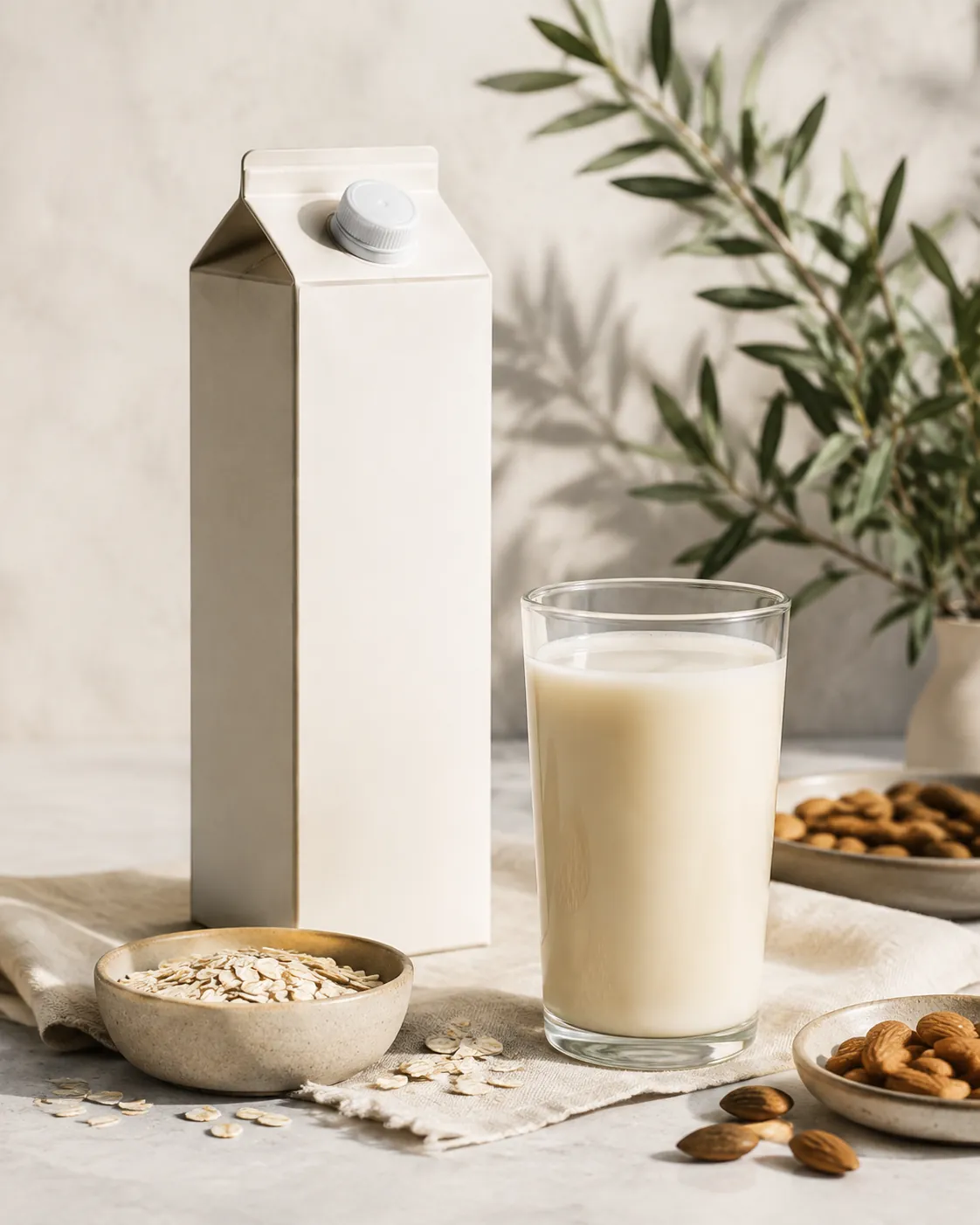
- Look for added oil, usually rapeseed or sunflower. Its presence near the top of the list signals a barista-style formulation.
- Look for an acidity regulator such as dipotassium phosphate. This is the buffering agent that resists coffee's acid.
- Check the protein figure. Higher protein foams better and splits more readily, which is a trade rather than a ranking.
- Check whether it says barista, but do not rely on it. The word is not protected and the ingredients list is.
Two cartons from one brand can differ on every one of those. A bad experience with a drink is usually a bad experience with one formulation of it, which is why rice and pea drinks get reputations that only half their range deserves.
The label only narrows it down, and a two-minute test settles it. Brew a small strong coffee of the kind you actually drink, pour a splash of the drink in cold from the fridge, and watch for thirty seconds.
Flecks appear quickly when a drink is going to split.
Then heat the same drink gently and pour again. A drink that splits cold and holds warm is fine, and the fix costs nothing, while a drink that splits both ways is the wrong formulation for your coffee.
That distinction saves buying a barista version you did not need.
Why cold coffee splits too
Warming the drink covers hot coffee and leaves the cold case unexplained, which is why iced coffee catches people out.
Cold coffee is still acidic, and acidity alone is enough to curdle a sensitive drink with no heat involved at all. What changes is speed: the flecks form more slowly and are easy to miss until the glass has been standing.
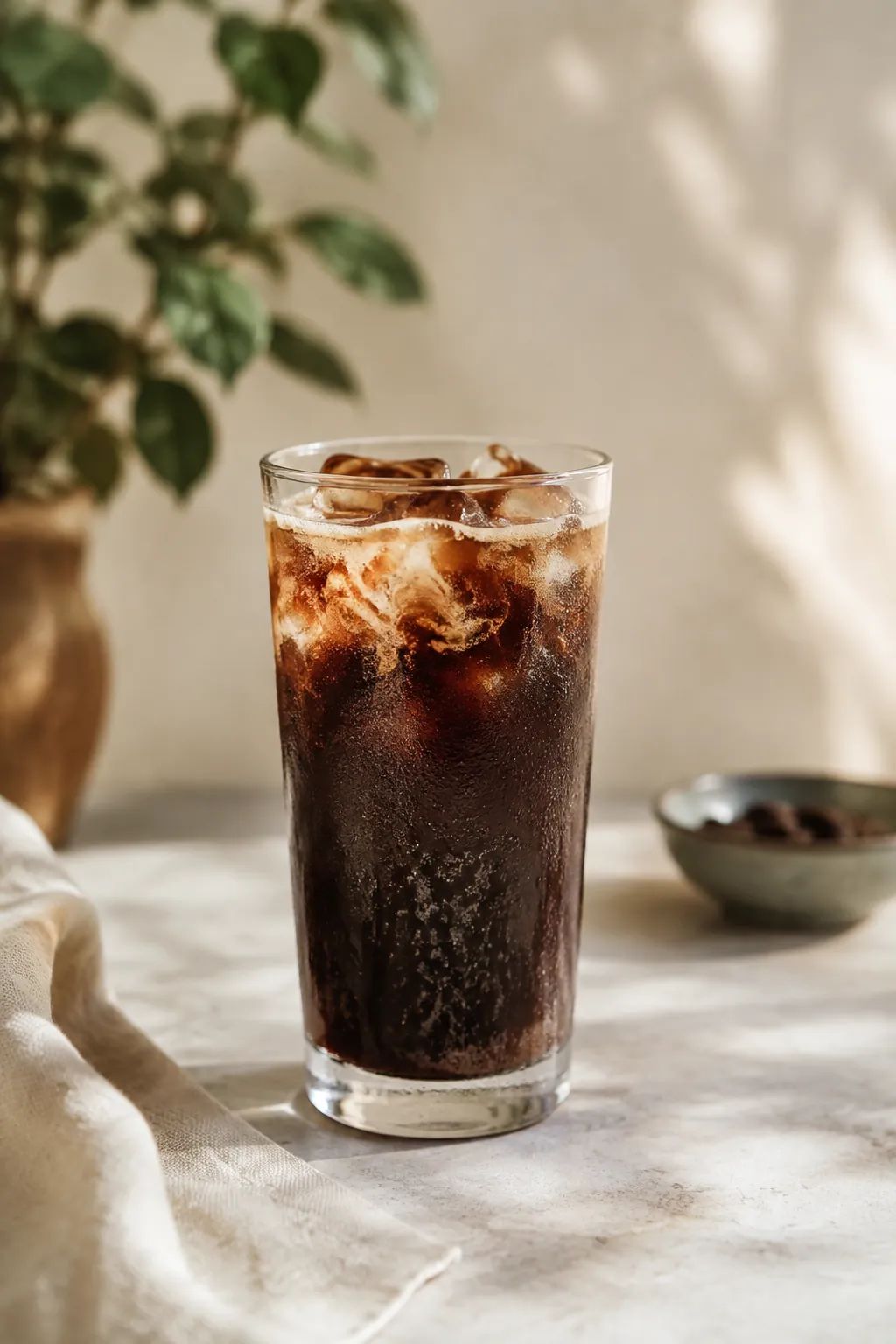
Building an iced coffee that holds
- Pour the milk firstFill the glass with the plant drink and ice, then add the coffee.
- Let the espresso cool brieflyThirty seconds off the machine removes the heat variable entirely.
- Add slowlyA poured stream disperses the acid gradually rather than in one place.
- Stir immediatelyCombining early prevents a concentrated acidic layer sitting against the milk.
- Prefer a darker roast for cold drinksLess acidic coffee is less likely to split anything, hot or cold.
Cold brew is the easiest case of all and worth stating plainly. It sits closer to pH 6 than pH 5, and that single difference removes most of the pressure on the protein.
If a plant drink splits in your hot coffee every time and you also drink it cold, cold brew will very likely hold it with no change of brand and no barista formulation. That is also part of why cold brew tastes rounder than the same beans brewed hot.
What to do with a coffee that has split
It is not dangerous and it is not always wasted.
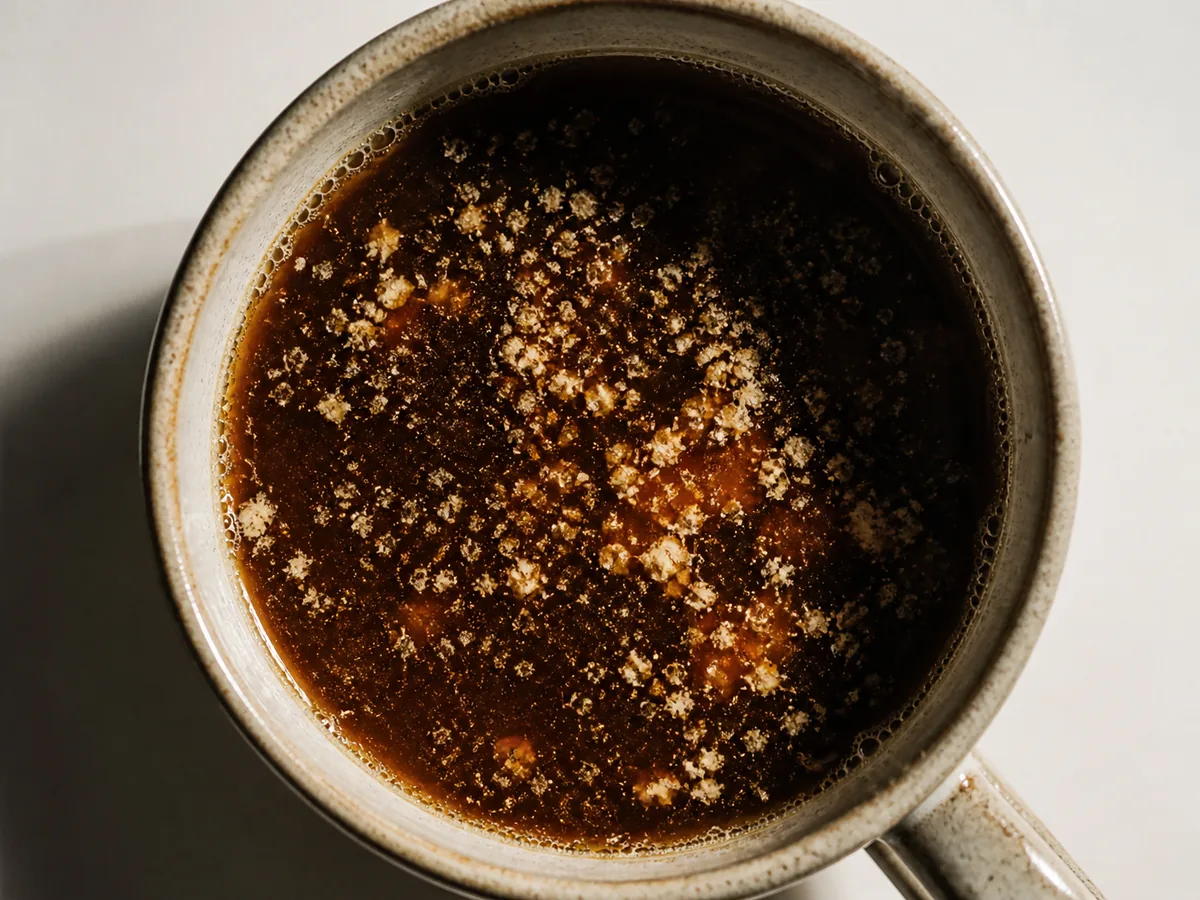
The flecks are clumped protein rather than spoilage, so a split coffee is safe to drink and simply unpleasant in texture. Blending it, or vigorous whisking, breaks the clumps down enough that the drink becomes pleasant again, though the microfoam will not come back.
Blending works better than whisking for a badly split drink, because it shears the clumps rather than pushing them around. The texture ends up thinner than the drink should have been, and that is the honest limit of any rescue.
If it splits every time with the same carton and the same coffee, stop treating it as an accident. The fix is upstream: a barista formulation, a darker roast, or a different brand.
Why dairy milk rarely curdles
Dairy splits far less readily in coffee, and what it has that the plant drinks lack is the whole explanation.
Casein, the dominant protein in dairy, is held in stable clusters called micelles that tolerate mild acidity well. It takes a considerably stronger acid than coffee to break them, which is why dairy survives a fresh espresso that would split a standard oat drink.
Plant proteins have no equivalent structure. They sit in a simpler suspension, so the same acidity that leaves casein alone is enough to bring them out of it.
That is the reason barista formulations reach for buffering salts rather than for more protein. Adding protein without changing the pH makes a drink foam better and split just as readily, which is exactly the trade the table further up describes.
Why tea splits less than coffee
The same drinks behave far better in tea, and the margin is real rather than large.
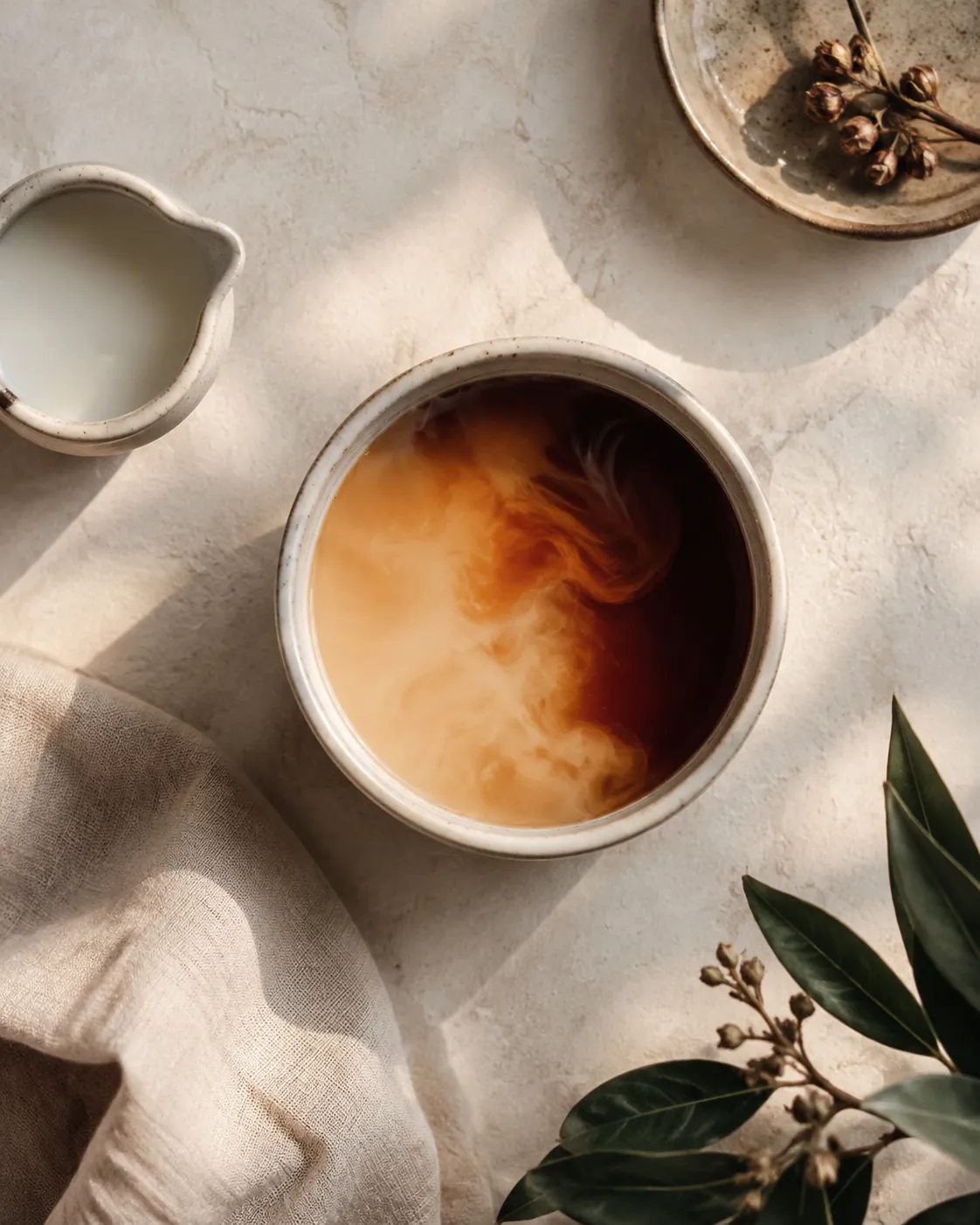
Black tea sits around pH 6, a good deal less acidic than coffee, so there is less pushing the proteins towards clumping and even a standard formulation usually survives it. Where tea does split, the cause is almost always heat and shock rather than acid, so warming the drink first fixes it.
Heat and time are what catch people out. Chai is simmered with the milk in the pan rather than combined at the end, and sustained boiling breaks emulsions that a single hot pour would not.
The fix is the same in both directions. Add the plant drink off the heat, or use a formulation buffered for it, because nothing about the mechanism changes between the two drinks.
Cocoa is the third case and the easiest of the three. A hot chocolate is barely acidic at all, and the starch and fat in the chocolate give the proteins something to hold onto, which is why a plant drink that fails in coffee usually behaves perfectly in a mug of it.
The one exception is a natural cocoa powder, which is acidic enough to matter where a Dutch-processed one is not.
Green tea and matcha sit at the safe end for the same reason as black tea, with the added advantage that neither is served anywhere near boiling.
Common questions
Is curdled plant milk safe to drink?
Splitting in coffee is a physical change in how the proteins are arranged, not spoilage. The texture suffers but the drink has not gone off. A plant drink that smells sour or was already thickened in the carton is a separate problem.
Why does barista oat milk not curdle?
Barista formulations usually contain more fat and added acidity regulators, often phosphate salts, which buffer the pH so the drink resists the coffee's acidity. They frequently carry more protein for better foam as well.
Does the coffee roast affect curdling?
Yes. Light roasts are more acidic and split plant drinks more readily. A darker roast is less acidic and considerably less likely to cause the problem.