Citric Acid, the Sourness Behind Most Soft Drinks
Citric acid is the sourness in most soft drinks, sold as a powder roughly twenty times stronger by weight than lemon juice. What it can do is precise. What it cannot do is smell of anything.
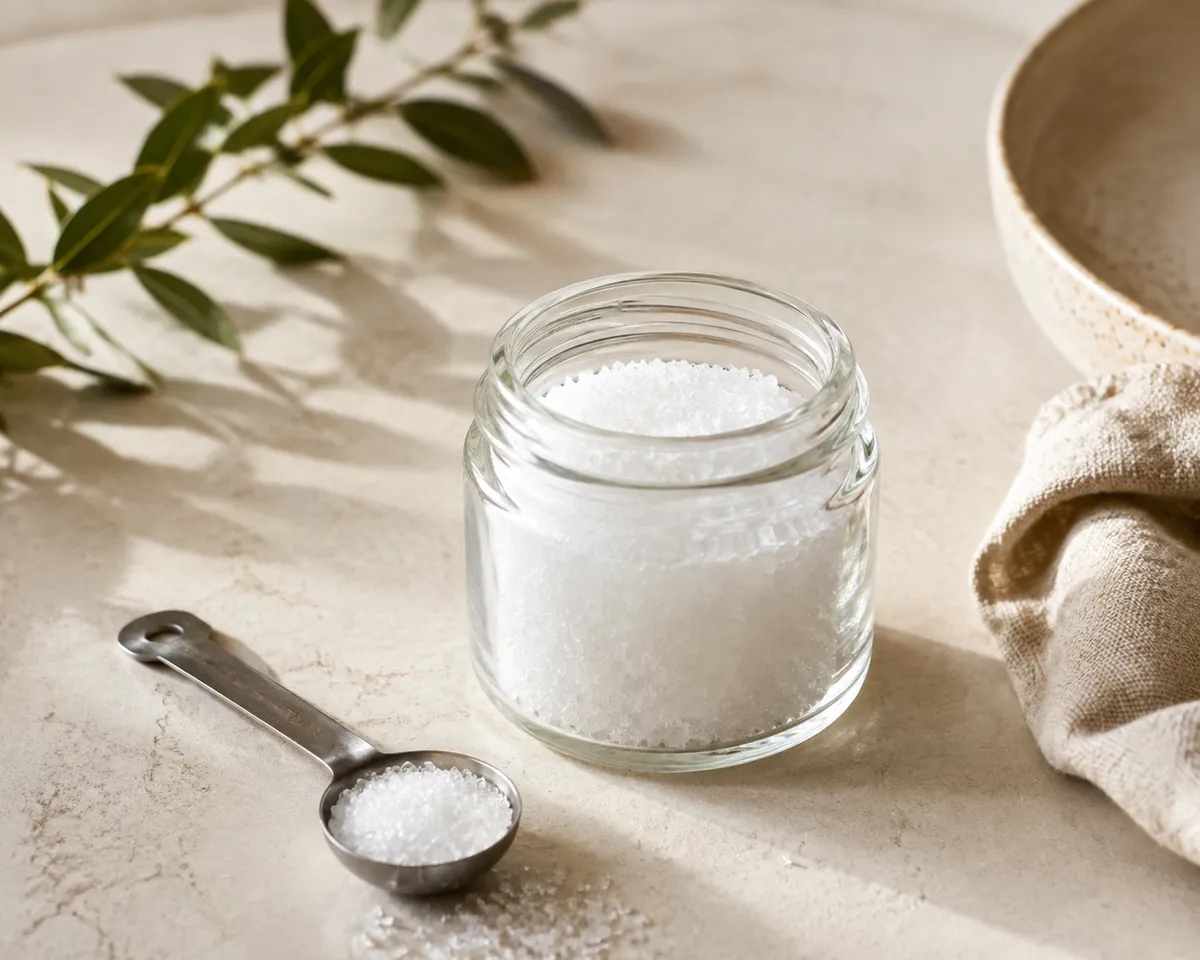
Citric acid is the sourness in most of the soft drinks you have ever bought. It is a fine white powder with no smell at all, it appears on labels as E330, and a single gram of it carries the acidity of most of a lemon.
It was first isolated from lemon juice in the eighteenth century, which is where the name comes from. Almost none of the modern supply has been anywhere near a citrus grove: it is fermented from sugar by a mould, filtered, crystallised and dried, and what arrives is the acid with everything else stripped away.
That stripping is the whole story of what it can and cannot do in a glass.
Citric acid in a drink, at a glance
- What it is
- A weak organic acid, sold as a fine white crystalline powder
- On a label
- E330, or sometimes the grocery name sour salt
- Where it comes from
- Fermented from sugar, not squeezed from fruit
- Jobs in a glass
- Sourness, contrast, and a low pH that holds colour and keeps the drink
- Strength
- Roughly twenty times the acidity of lemon juice, weight for weight
- Typical dose
- 0.5 to 2 g per litre in a soft drink
- Aroma
- None whatsoever, which is the constraint that matters most
The sour half of a fruit, sold as a powder
Squeeze a lemon and four things come out at once: acid, a little sugar, pulp, and a trace of oil dragged off the skin by the press. Citric acid is the first of those four, isolated and dried, and the other three are simply not there.
That absence is a strength wherever sourness is the only thing being asked for. A cordial, a bitter lemon or a commercial cola needs its acid to arrive at a known strength on a known schedule, and fruit is unreliable on both counts.
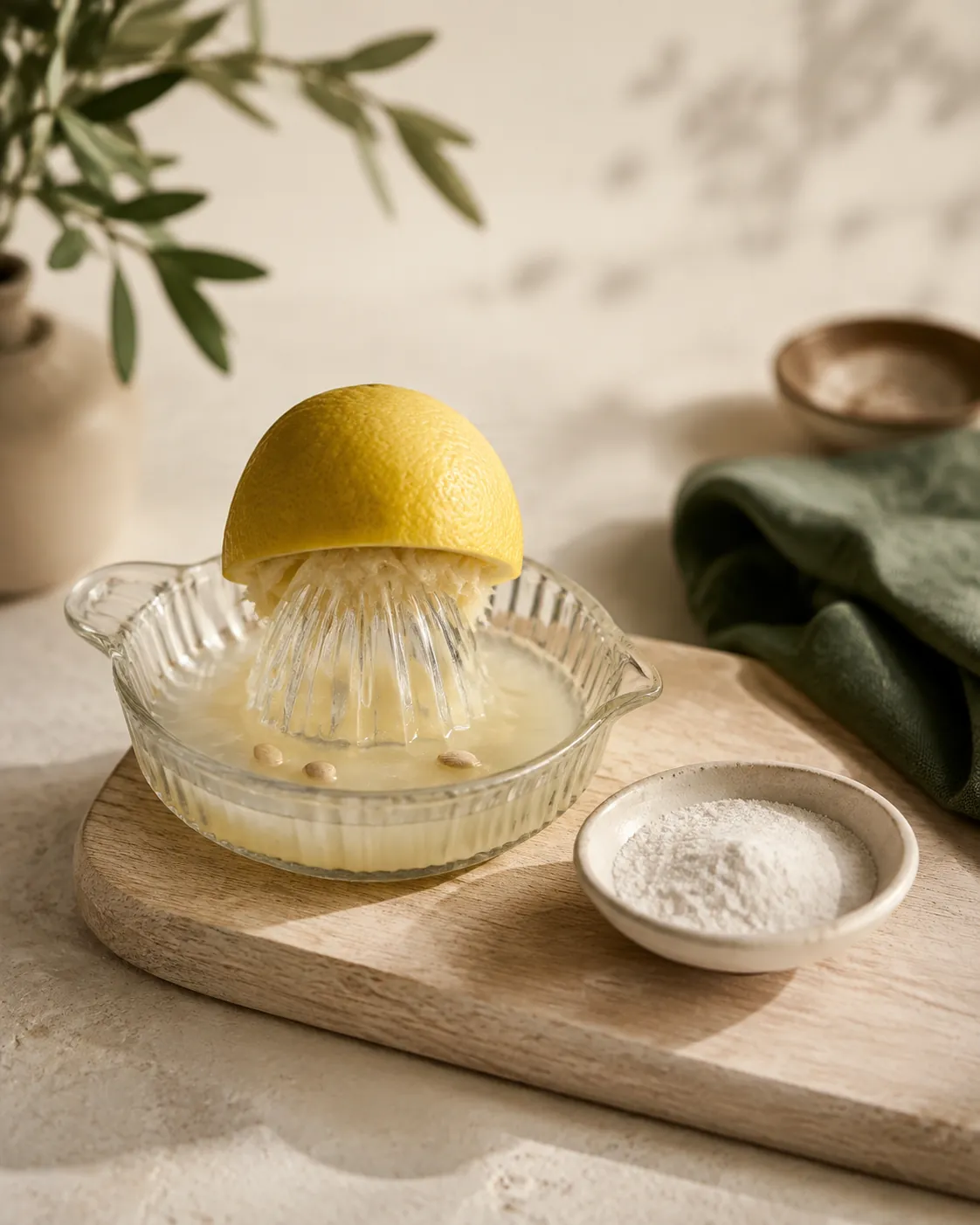
It is a limitation everywhere else. Nothing about the powder smells of anything, so a drink acidified with it comes out sour without coming out fruity, and the gap is obvious the moment a fresh version stands next to it.
Sourness
The job it is bought for, delivered at a precise and repeatable strength.
Contrast
Acid gives sweetness an edge, and that edge is what people call freshness.
A lower pH
Which holds colour, slows browning, and makes the drink a harder place to live.
Nothing else
No aroma, no sugar, no body, no colour, no character of its own.
Why sourness does not track pH
Two measurements are in play here and they disagree constantly. pH reports how many hydrogen ions are loose in the liquid at this instant; titratable acidity reports how many the drink can supply in total, counting the ones still locked inside undissociated acid molecules.
Your tongue is closer to the second figure than the first. Undissociated molecules of a weak organic acid cross into the taste cell and release their protons there, which is why citric acid at a given pH tastes markedly sourer than a strong mineral acid at the same reading.
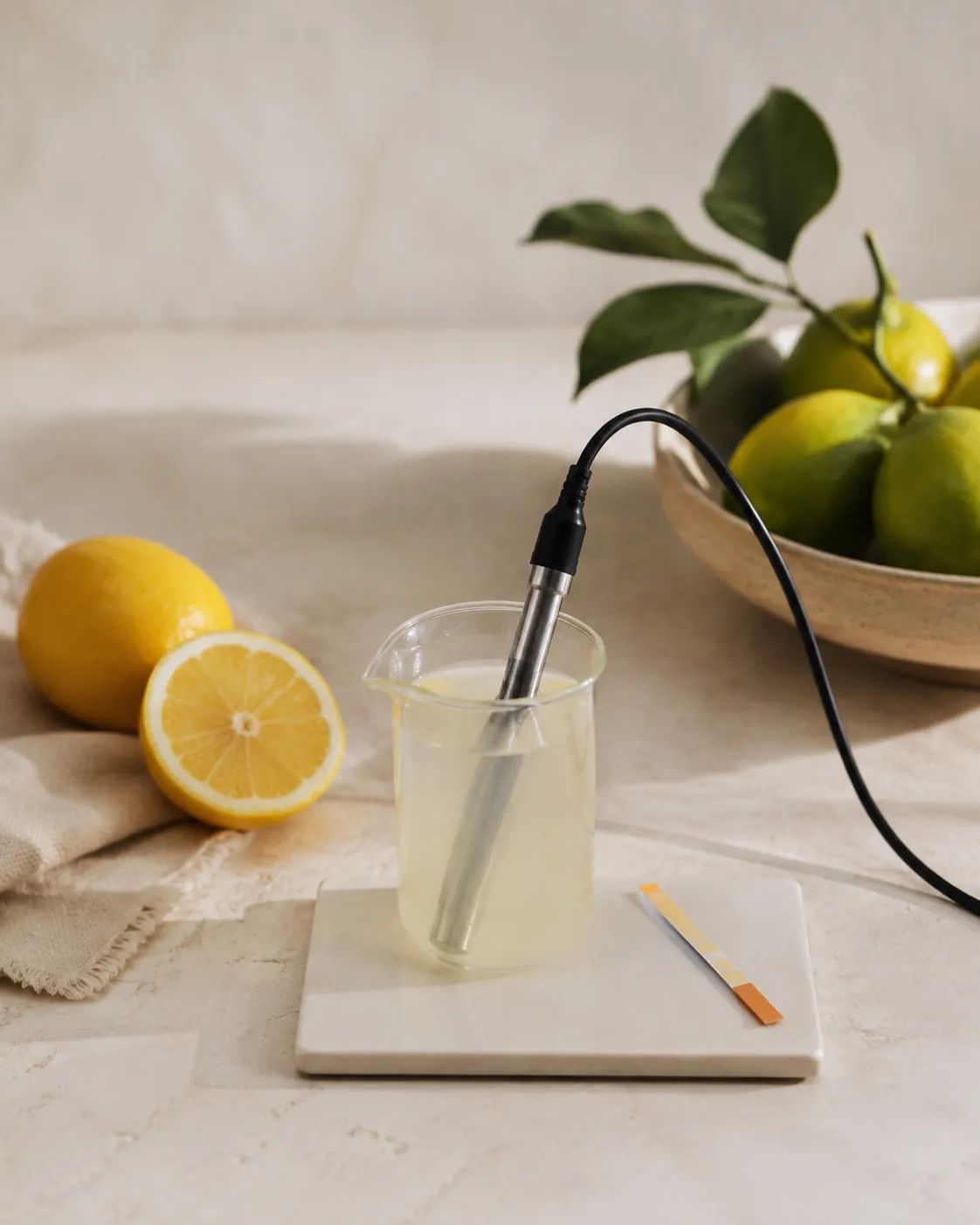
A drink can sit at pH 3 and taste mild, or sit at pH 3 and taste savage, depending entirely on which acid put it there and how much sugar is standing in the way.
Sugar is the other half of the disagreement, and it moves only one of the two numbers. Adding cane sugar to a sour drink lowers the sourness you perceive without touching the pH at all.
| pH | Titratable acidity | |
|---|---|---|
| What it reports | Free hydrogen ions, right now | Total acid available in the drink |
| Units | A logarithmic scale, so small gaps are large | Grams per litre |
| Predicts sourness | Poorly | Reasonably well |
| Predicts keeping quality | Well | Poorly |
| What sugar does to it | Nothing | Nothing |
The practical upshot is that a pH meter is the wrong instrument for balancing a drink by taste, however precise it looks. It answers a question about stability, and the question you are asking is about perception.
How little it takes to move a whole glass
Very little, and this is the figure most people get wrong by a factor of ten. A commercial soft drink usually carries between 0.5 and 2 grams per litre, and half a gram in a 250 ml glass is already firmly noticeable.
A rough conversion is worth memorising. Lemon juice runs at roughly five to six per cent citric acid by weight, so one gram of powder covers the acidity of about twenty millilitres of juice.
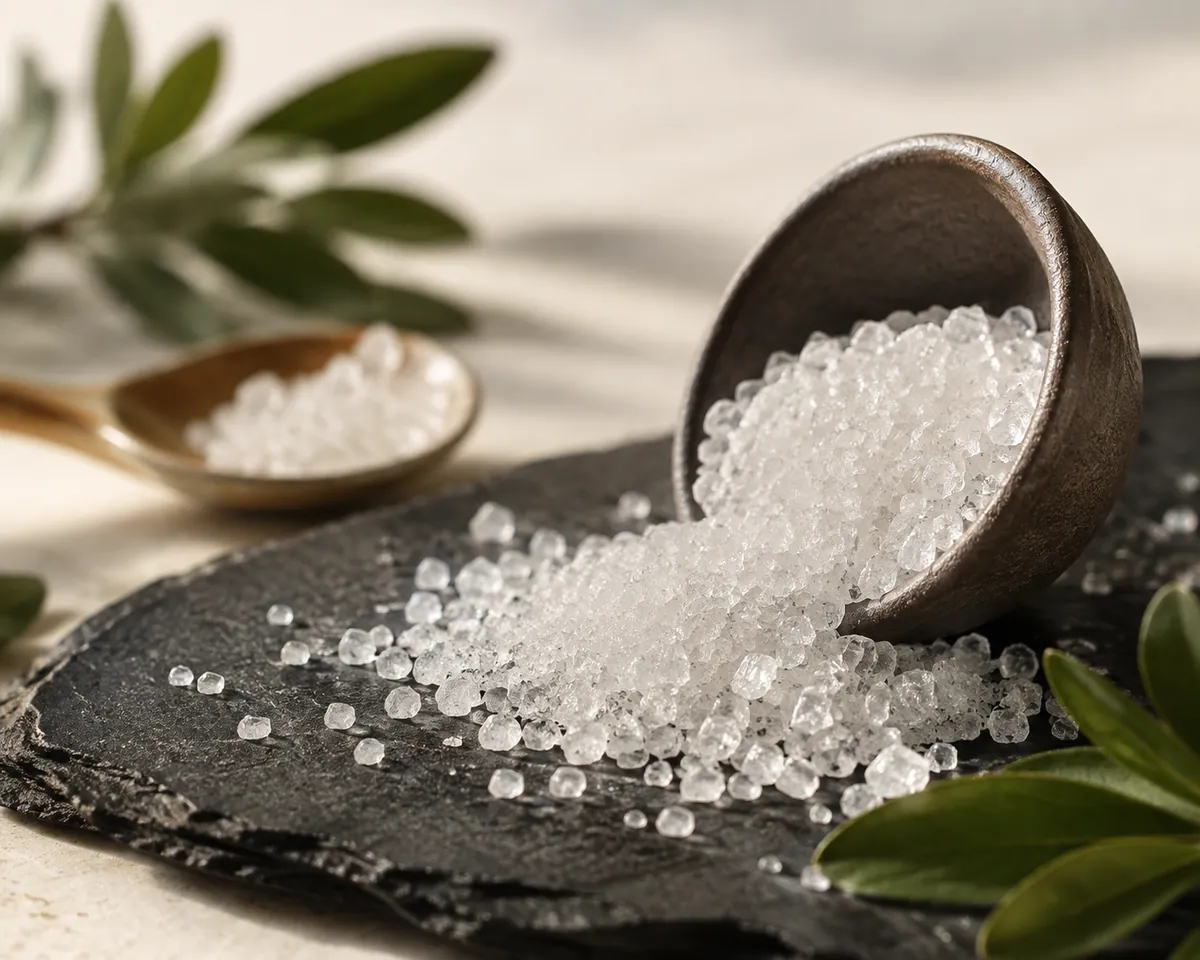
Roughly where drinks land, per litre
- A jug of fruit and waterUnder 0.2 g, barely a lift
- A soft lemonade1 to 1.5 g
- Tonic waterAround 1 g, working against the quinine
- A sharp cordial once diluted1.5 to 2.5 g
- The same cordial in the bottle15 to 25 g, which is why nobody drinks it neat
The way to handle a substance this concentrated is a solution rather than a spoon. Dissolve 20 g of powder into 80 ml of warm water, keep it in a dropper bottle, and dose in drops, because a 20 per cent solution can be walked up by taste in a way a dry pinch never can.
Bar work runs on exactly this habit, for the same reason simple syrup rather than granulated sugar sits behind the counter.
Where a drink's fresh impression comes from
Ask someone what makes a drink taste fresh and they will usually reach for a word about fruit. What they are describing is almost always the acid.
Sourness does something sweetness cannot. It makes you salivate, and saliva clears the mouth between sips instead of letting sugar build up on the tongue, so a sweet drink with no acid in it coats and lingers while the same drink with acid in it moves through and leaves room for the next mouthful.
This turns out to be the single lever that rescues most flat homemade drinks. A jug of green juice that tastes muddy, an Italian soda that has gone syrupy, a batch of iced tea that dulled overnight in the fridge: all three usually want acid rather than more of whatever they are already made of.
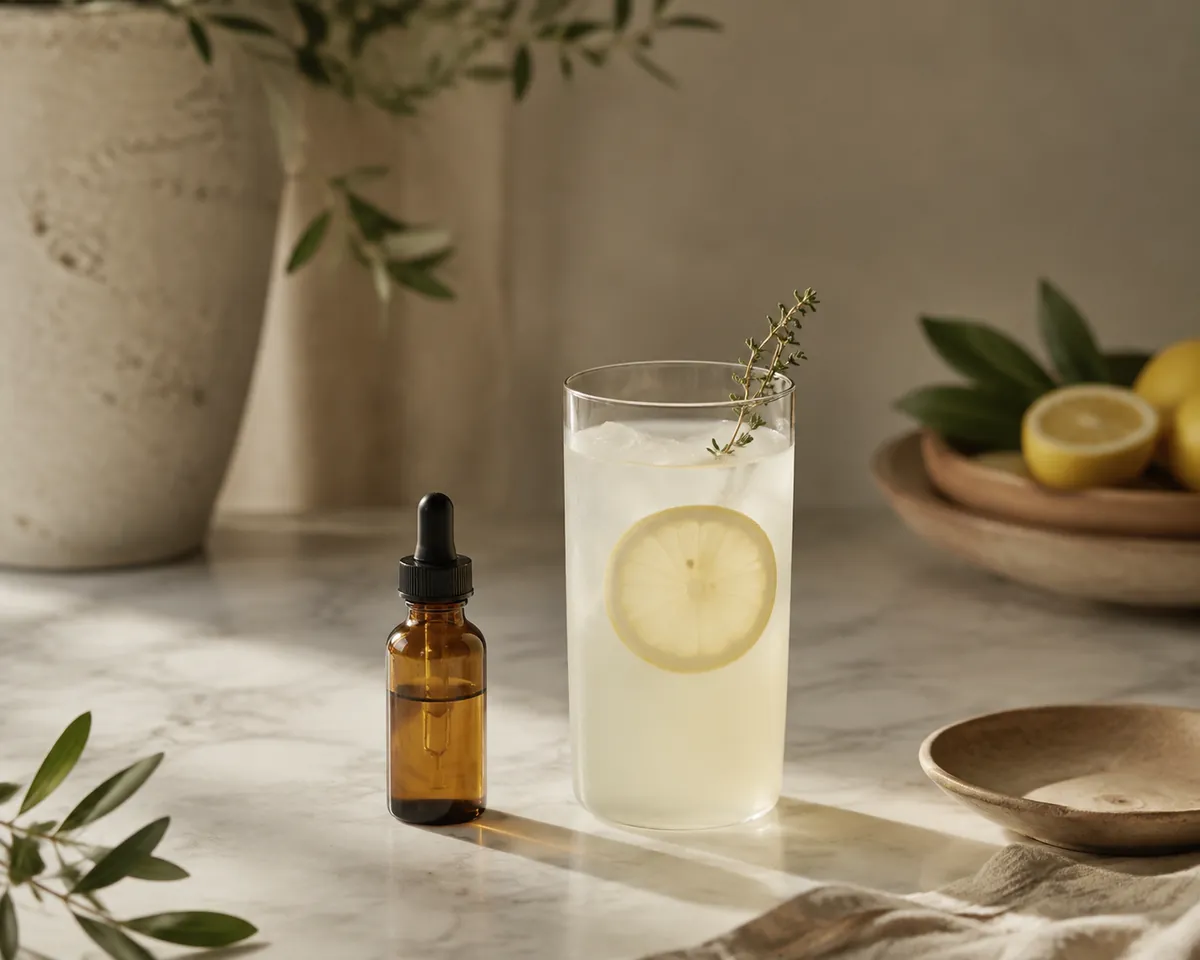
Carbonation blurs the reading, because dissolved carbon dioxide forms carbonic acid and contributes a small sourness of its own.
A drink built with soda water therefore needs slightly less added acid than the same drink built flat, and a ginger ale that has gone flat in the glass reads noticeably sweeter than it did when it was poured.
Its other job is holding the drink together
The powder in a bottled soft drink is often not there for the taste at all. Dropping the pH of a drink below roughly 4.5 changes what can grow in it, which is why so many shelf-stable drinks are acidic whether or not they are meant to read as sour.
Citrate also grips metal ions, and that turns out to matter more than it sounds. Traces of iron and copper find their way into a drink from fruit, from water and from equipment, and they catalyse the reactions that turn a pale juice brown and pull the colour out of a red one.
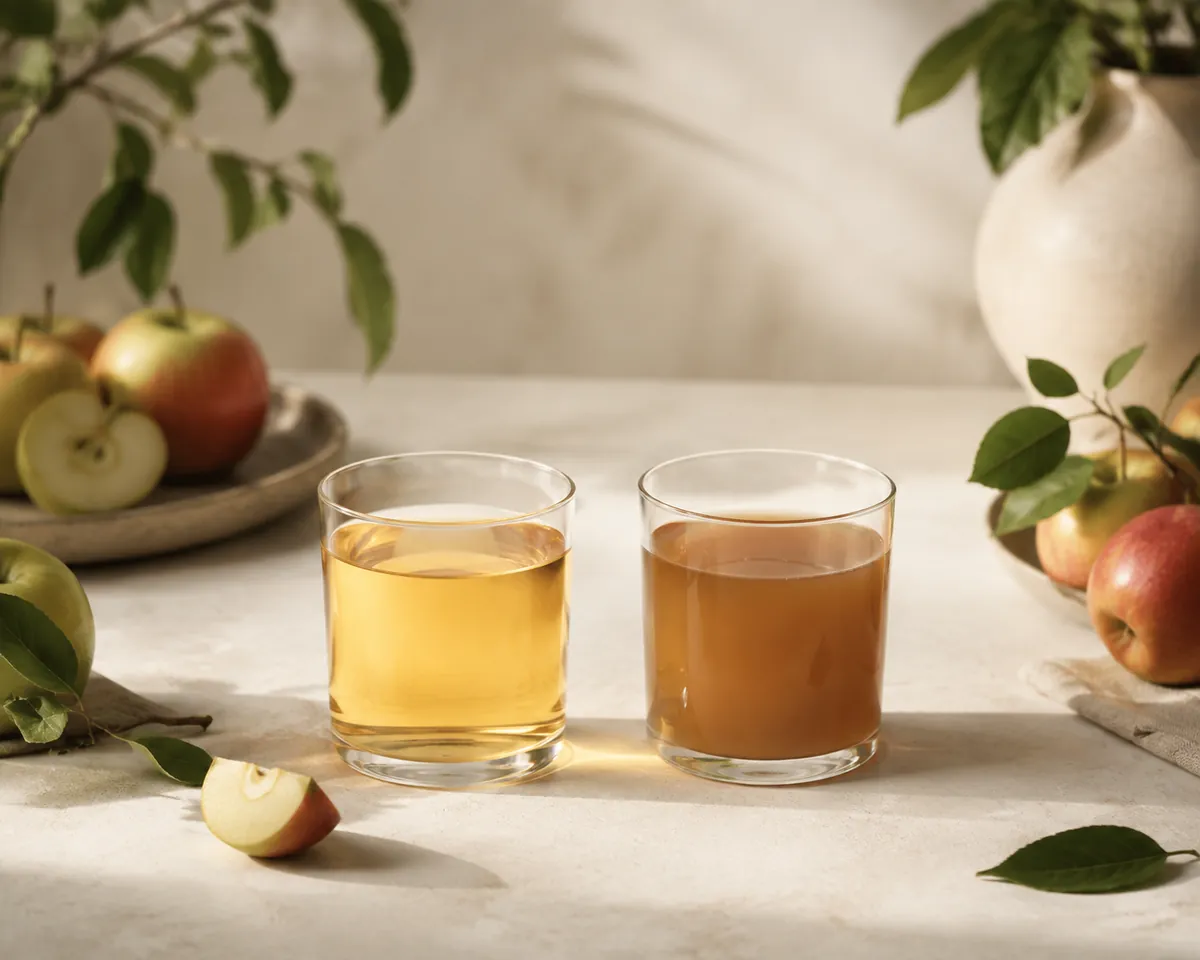
Binding those ions is why a cut apple dipped in acidulated water stays pale. It is also why a bottled apple juice lists an acid it does not obviously need for flavour.
The colour is what is being held, though colour and flavour tend to fail together.
What the acid is doing after the bottle is closed
- Lowers the pHThe drink becomes a much less hospitable place for microbes
- Binds metal ionsIron and copper traces stop catalysing browning reactions
- Holds pigmentReds and purples stay red rather than drifting towards grey
- Supports antioxidantsAscorbic acid survives longer in an acidic drink than a neutral one
None of that is visible on a label. An ingredients list gives no clue which of the three jobs the acid was added for, and in most drinks it was added for more than one of them at once.
What a lemon brings that the powder does not
Everything except the sourness, essentially. Lemon juice is around ninety per cent water, a few per cent acid, a small quantity of sugar, some pectin and pulp, and a very small amount of oil that came off the peel during pressing.
| Fresh lemon juice | Citric acid powder | |
|---|---|---|
| Acidity | About 5 to 6 per cent by weight | Effectively all of it |
| Aroma | Present, and fading from the moment it is squeezed | None at all |
| Sugar | A small amount | None |
| Body | Slight, from pulp and pectin | None |
| Colour | A faint cloud | Clear |
| Consistency | Varies with fruit, season and ripeness | Identical every time |
| Keeps | About a day once squeezed | Indefinitely, if it stays dry |
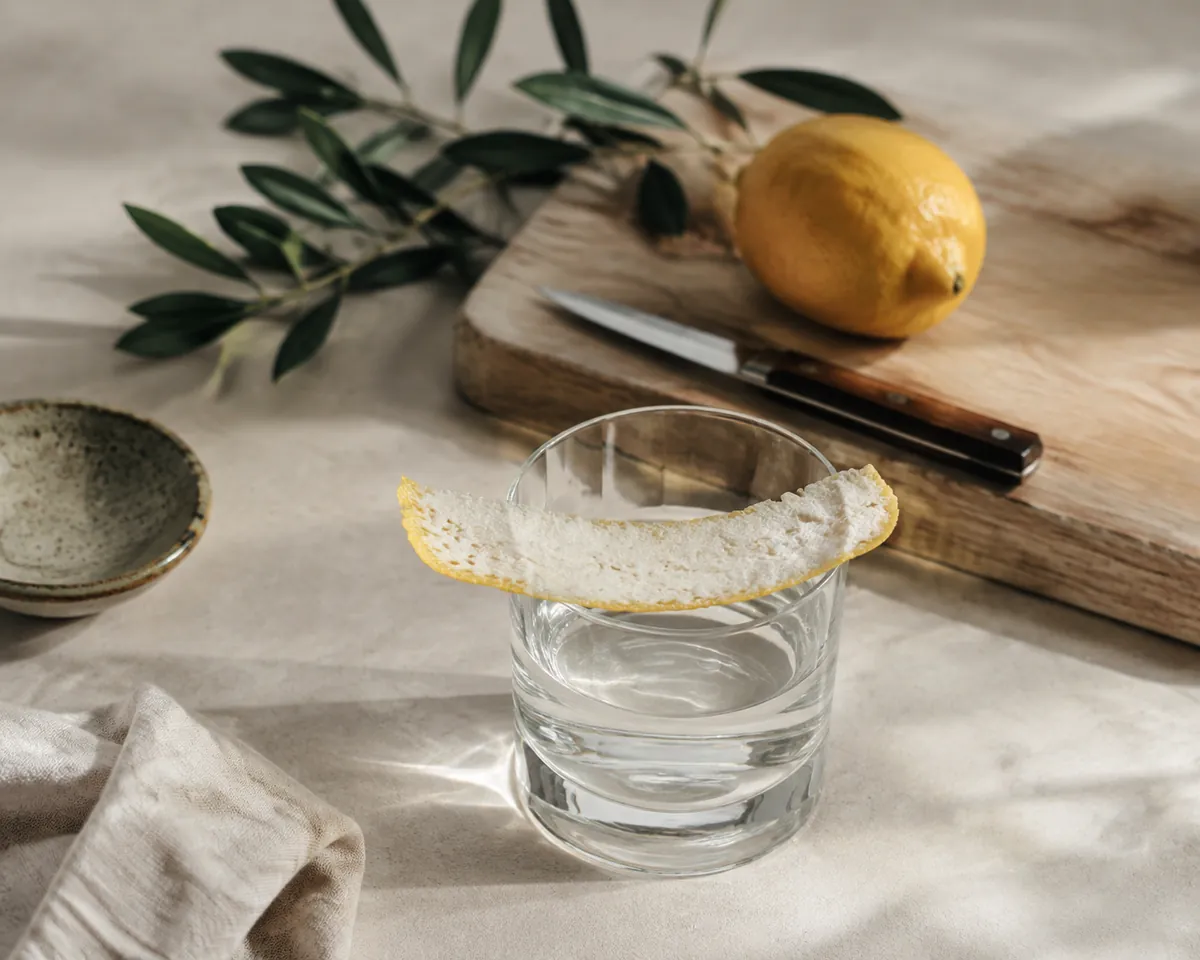
The aroma is the part that cannot be bought back later. Lemon smell lives in the oil of the peel rather than in the juice, which is why a strip of zest expressed over a glass does more for the impression of lemon than another squeeze of juice ever does.
That points straight at the sensible use of both. Take the sourness and the keeping from the powder, take the smell from fresh peel, and the drink reads as fruit while costing a fraction of the fruit.
Where a drink is meant to taste of the fruit and nothing supplies the aroma, the powder alone leaves you with something sharp that nobody can name.
Citric, malic, tartaric and phosphoric
Acids are not interchangeable, and what separates them is shape and timing rather than raw strength. Each one arrives at a slightly different moment in a mouthful and leaves at a different speed.
| Acid | How it reads | Where it leads |
|---|---|---|
| Citric | Bright, quick, clean, and gone fast | Citrus, most soft drinks, sour sweets |
| Malic | Rounder and slower, with a long tail | Apples, pears, sour confectionery |
| Tartaric | Hard and sharp, the most aggressive of the group | Grapes |
| Lactic | Soft, mild, faintly creamy | Fermented drinks |
| Phosphoric | Blunt and mineral rather than fruity | The cola profile |
| Ascorbic | Barely sour at usable levels | Added mainly as an antioxidant |
Blending two of them is what makes an acid read as fruit rather than as chemistry. Citric on its own is a single flat note; add a fifth as much malic and the sourness gains a middle and a tail, which is far closer to the way pressed apple behaves in the mouth.
Phosphoric is the odd one out on that list. It tastes mineral rather than fruity, which is exactly right under caramel and spice and would be wrong in anything with a fruit named on the front.
Tartaric is the one to treat carefully. It is noticeably harsher than the others at the same weight, and it does not soften under sugar the way citric does.
Why the powder is so easy to overdo
Because it is a powder, and because the thing most people are mentally substituting it for is roughly twenty times weaker.
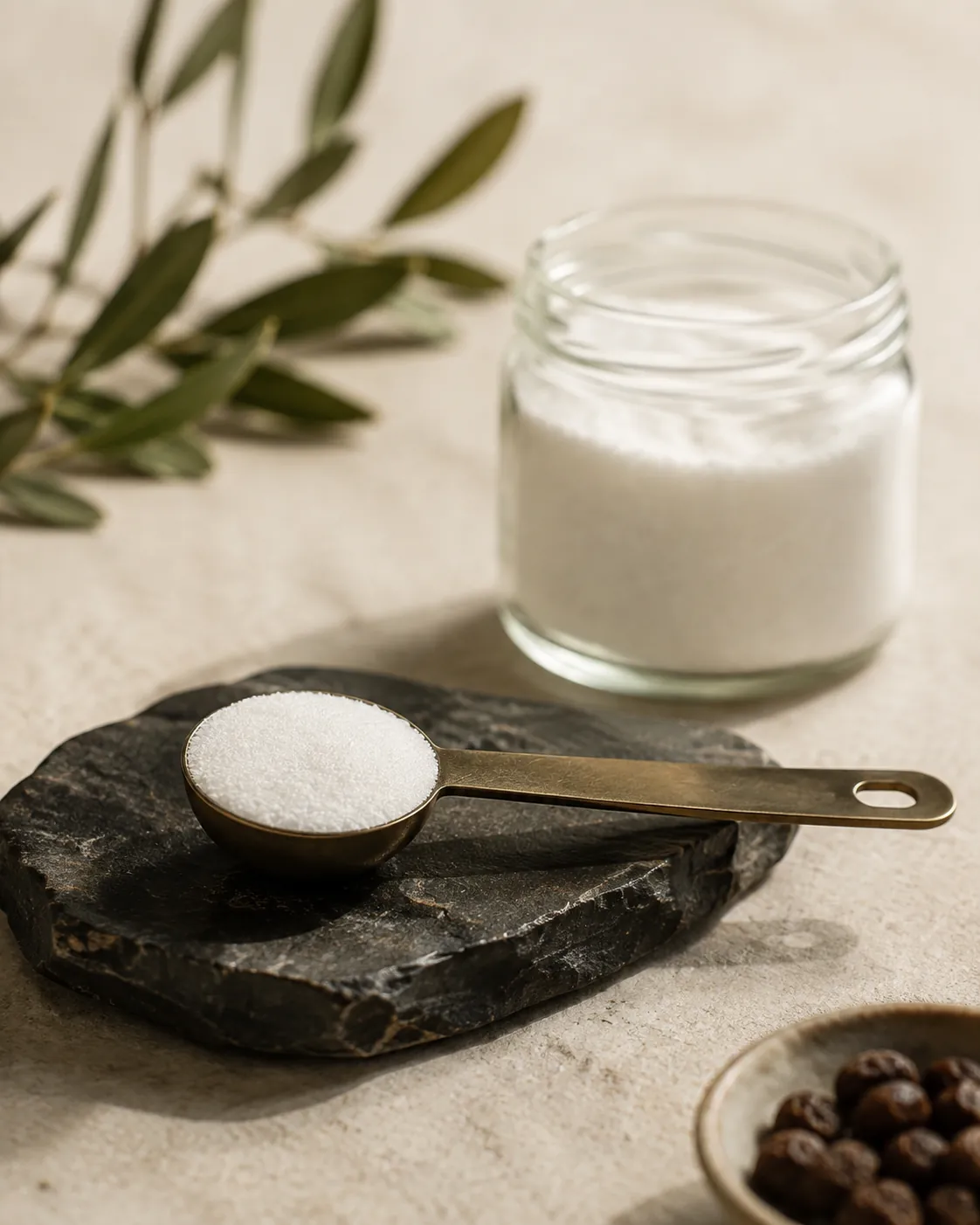
A level teaspoon holds somewhere between four and five grams depending on how it was scooped, which is enough to sour two litres. Nobody measures a teaspoon of lemon juice with the same casualness, because a teaspoon of lemon juice barely registers.
The failure is also awkward to reverse. Sugar will mask a certain amount of it, which is why an over-acidified jug is usually rescued by sweetening rather than by dilution, though past a point you are only making a larger volume of something sharp.
- Work from a 20 per cent solution rather than straight from the dry jar.
- Add the acid last, after the sweetness is settled, since sugar changes what you taste.
- Taste at serving temperature, not at the temperature you happened to mix it.
- Write down what worked, because the powder repeats exactly even when your memory does not.
- Keep a dry spoon for it, since one wet spoon turns the whole jar into a brick.
Temperature is the trap inside the trap. Cold suppresses perceived sweetness far more than it suppresses sourness, so a jug balanced warm in the pan reaches the table sharper than it was, and the honest test is to judge it over ice in the glass you will actually drink from.
When it goes in, and what it will curdle
Acid goes in late, and there are two unrelated reasons for that. The first is judgement: sweetness, dilution and temperature all change how sour a drink reads, so acid added before those are settled is being measured against a moving target.
The second reason has teeth. Acid dropped into a milk drink pushes the pH past the point where the protein stays suspended, and the glass separates into curds and thin liquid while you watch.
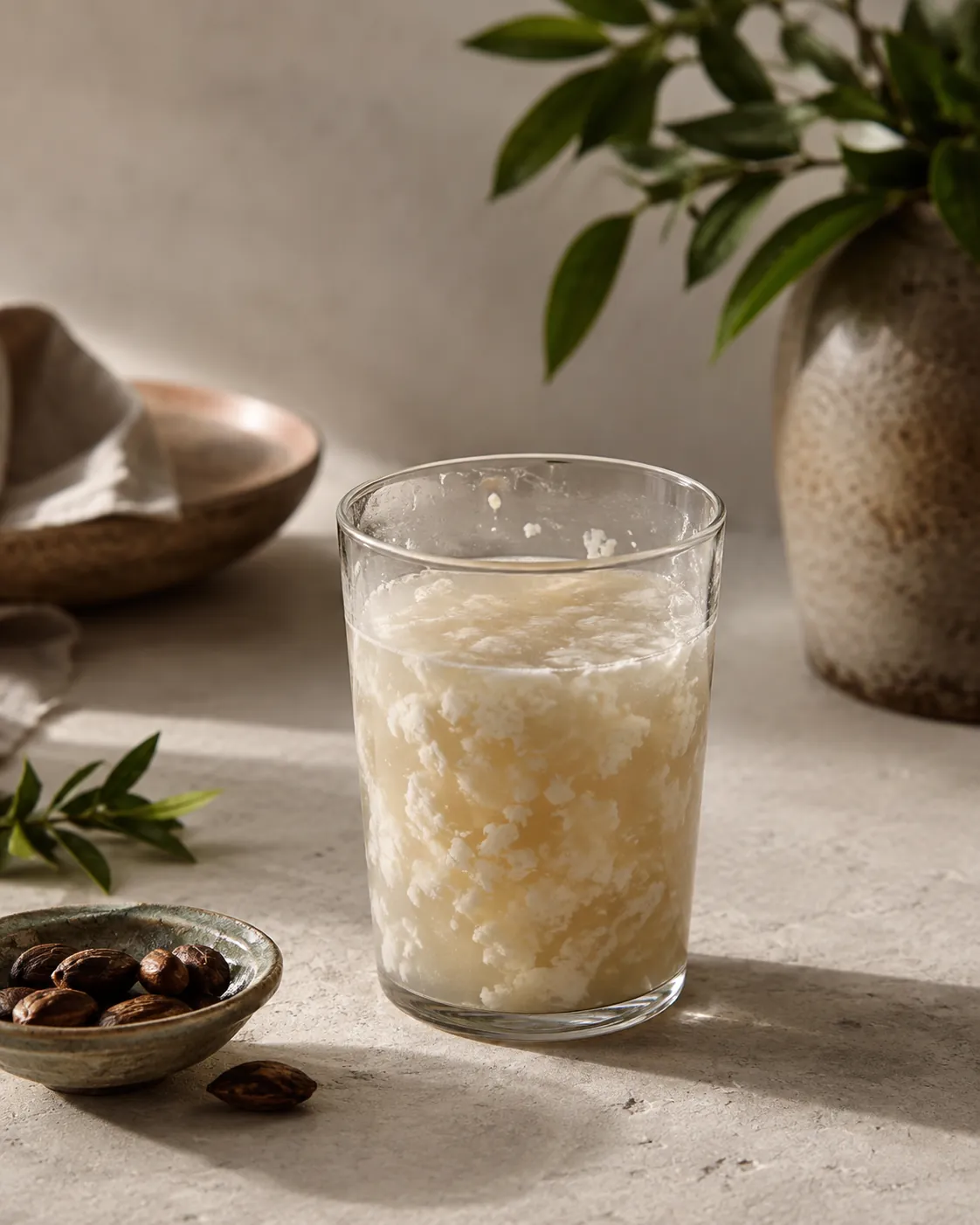
Carbonation sets the other ordering rule.
Powder dissolves readily in still liquid and badly in a sparkling one, and the stirring needed to get it in strips the gas out, so anything built with a soda maker wants its acid dissolved into the syrup before the water is ever charged.
Hot drinks are the one place where acid does something visible on contact. A squeeze of lemon lightens a cup of black tea immediately, because the pigments that give a strong brew its depth shift colour with pH, and the same effect is what keeps an acidified iced jug looking clear instead of hazy.
Food grade, sour salt, and the descaling powder that looks identical
Two words on a packet decide whether it belongs near a drink. Food grade is the one you want, and the identical-looking powder sold for descaling kettles is not made to the same specification.
Names are the other confusion, and they vary by shop. It sells as citric acid, as sour salt, and occasionally as nothing but the E number, and it turns up filed with the preserving sugar as often as with the spices.
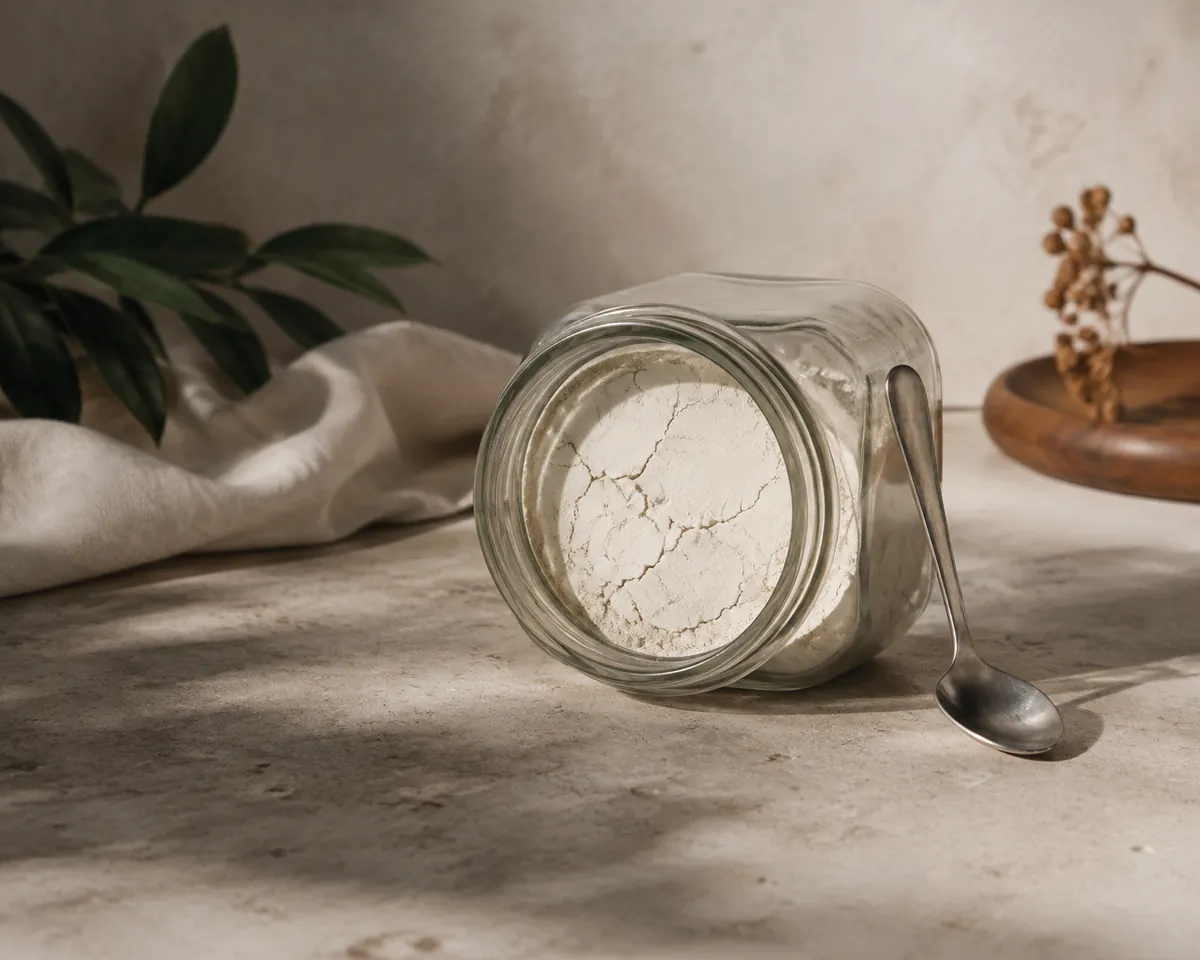
Reading a jar of citric acid
- Food grade
- The only version that should go into a glass
- Sour salt
- The same substance under a grocery name
- E330
- The additive number, and what a soft drink label prints
- Anhydrous
- The dry form, and the usual default
- Monohydrate
- Carries water in the crystal, so slightly weaker by weight
- Cleaning grade
- Not specified for food. Keep it for the kettle
Storage comes down to one property. Citric acid is hygroscopic, so it draws water out of the air and sets into a solid lump that has to be broken up before it can be weighed, which is the same failure that turns a bag of granulated sugar into a brick.
An airtight jar solves it and a dry spoon keeps it solved.
The powder does not spoil in any useful sense, which is why a bag bought for one batch of cordial tends to outlive the enthusiasm that prompted it.
What acid cannot fix
Acid is the most useful single correction available to a homemade drink, and it is still only one of four. Sweetness, dilution and salt are the others, and reaching for the jar when the problem is one of those makes the drink worse in a new direction.
The commonest misdiagnosis is dilution. A drink that tastes weak and flat is very often just weak, and acidifying it gives you something sharp and weak instead of something better.
Bitterness is the second. Acid does not suppress bitterness at all; the two sit alongside each other and both get louder, which is why a few grains of salt do more for a bitter green vegetable juice, or for an over-extracted cup, than any amount of sour will.
Sweet and cloying
An acid problem, and the clearest one. Go in drops.
Bitter and harsh
Salt or sugar. Acid sharpens bitterness rather than covering it, which is the whole trouble with green tea gone bitter.
Correctly strong but dull
Usually acid, sometimes aroma, occasionally both.
Sour and thin
Sugar or honey, since sweetness buffers sourness and supplies the body acid never had.
Aroma is the last gap and the one the powder can never close. Sourness is a taste and freshness is mostly a smell, so a drink that needs to smell of something wants peel, fruit or fresh mint, and no quantity of acid stands in for any of them.
Common questions
Is citric acid the same as lemon juice?
No. Squeezing a lemon gives acid, a little sugar, pulp and a trace of oil from the skin. Citric acid is only the first of those, isolated and dried, so it delivers sourness with no aroma at all. That is why a drink acidified with the powder tastes sharp but not of lemon.
How much citric acid does a drink need?
Around 0.5 to 2 g per litre in a soft drink, and under 0.2 g per litre in a jug of fruit and water. It is roughly twenty times as acidic as lemon juice weight for weight, so it is easy to overdo from a spoon.
Why does citric acid make a drink taste fresh?
Sourness makes you salivate, and saliva clears the mouth between sips. A sweet drink with no acid coats and lingers, while the same drink with acid in it moves through and leaves room for the next mouthful.