What Is Soy Milk? The Oldest One, and the Closest to Dairy
Soy milk is the oldest plant drink in commercial use and the only one that comes close to dairy on protein. That protein is also why it foams well and why it curdles dramatically.
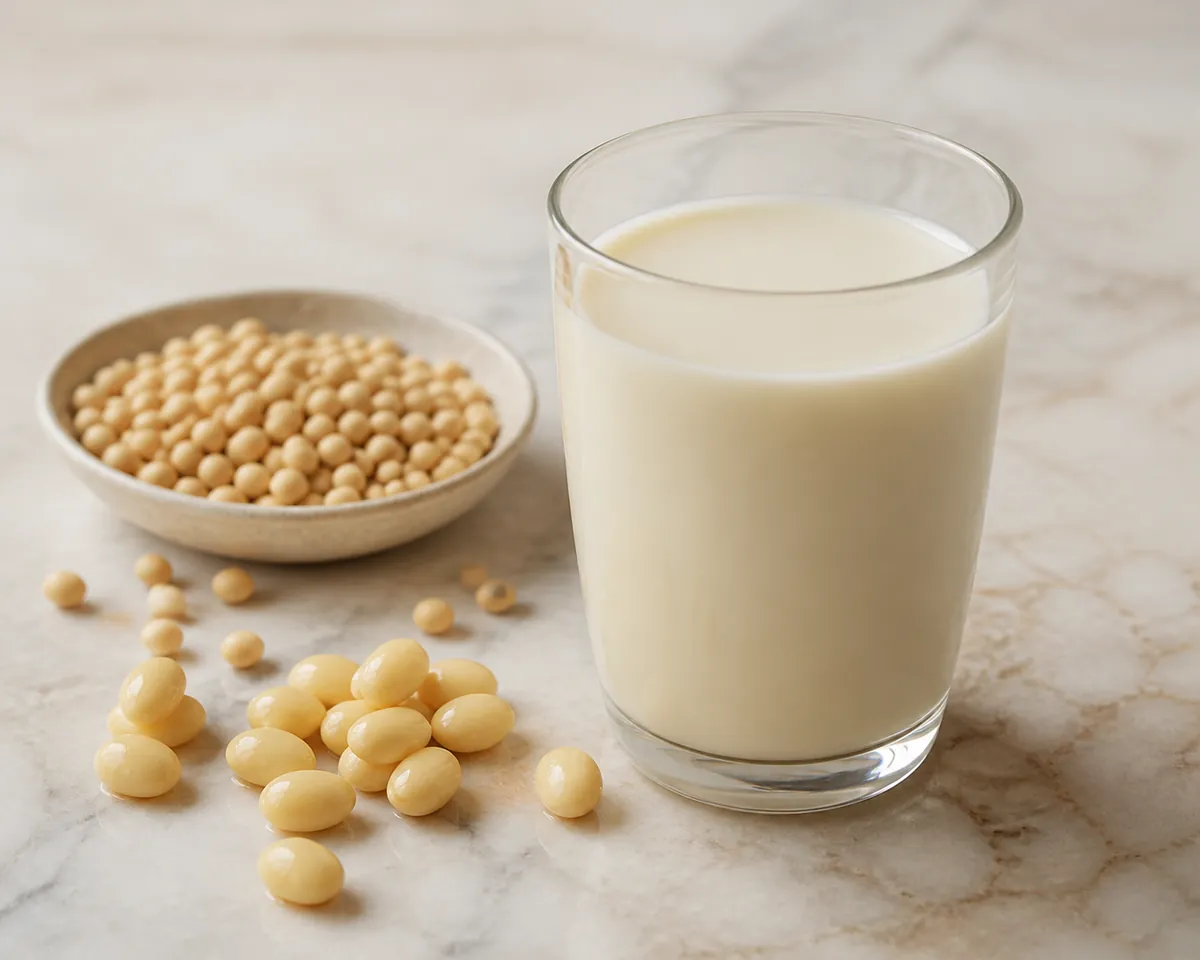
Soy milk is made by soaking soybeans, grinding them with water, cooking the resulting slurry and straining out the solids. It has been made in east Asia for centuries and is the oldest plant drink in wide commercial use.
Two properties separate it from everything else on the shelf. It carries protein comparable to dairy, and it carries a flavour the industry spent decades learning how to take out.
Soy milk at a glance
- Made from
- Whole soybeans, or in cheaper cartons a soy protein isolate
- Protein
- 3.3 g per 100 ml, against roughly 3.4 g in dairy
- Body
- Full, and built on protein rather than on added gums
- Taste
- Beany and faintly savoury, and far milder than it used to be
- In coffee
- Foams better than any plant drink, and curdles more visibly
- Byproduct
- Okara, the strained pulp, which is a food in its own right
- Once opened
- Five to seven days refrigerated. Shake before pouring
The protein benchmark the other plant drinks are measured against
Protein is the property soy milk is bought for, and the one that decides how it behaves in a pan, in a steaming jug and in a cup. Every other drink in this section gets described, sooner or later, by how far short of it it falls.
That protein is doing structural work rather than sitting in a figure on the side of the carton. It is why soy has body without added gums, why it stretches into a stable microfoam, and why it curdles into obvious curds when it curdles at all.
| Soy | Almond | Oat | Coconut | |
|---|---|---|---|---|
| Protein | High, near dairy | Very low | Low | Very low |
| Foam quality | Best of the plant drinks | Poor | Good | Poor |
| Splitting | Dramatic when it happens | Frequent | Least likely | Occasional |
| Flavour | Beany, savoury | Faint, nutty | Sweet, cereal | Strongly coconut |
| Needs stabilisers | Least | Most | Moderate | Moderate |
Almond milk is the thin neutral option and soy is the substantial one, while oat milk sits between them and is the easiest of the three in a cup. Only pea milk matches the protein figure, and it exists to serve people who want that figure without the bean.
Read the first row across and the rest of the table follows from it. Protein at 3 g per 100 ml is the thing a stabiliser is imitating in every other carton on the shelf, which is why soy needs the fewest of them and rice milk needs the most.
Soaking, grinding and the pulp called okara
Because a soybean carries enzymes and inhibitors that a nut does not, the process runs one stage longer than anything else in this category, and that stage is the one nobody may skip.
From bean to carton
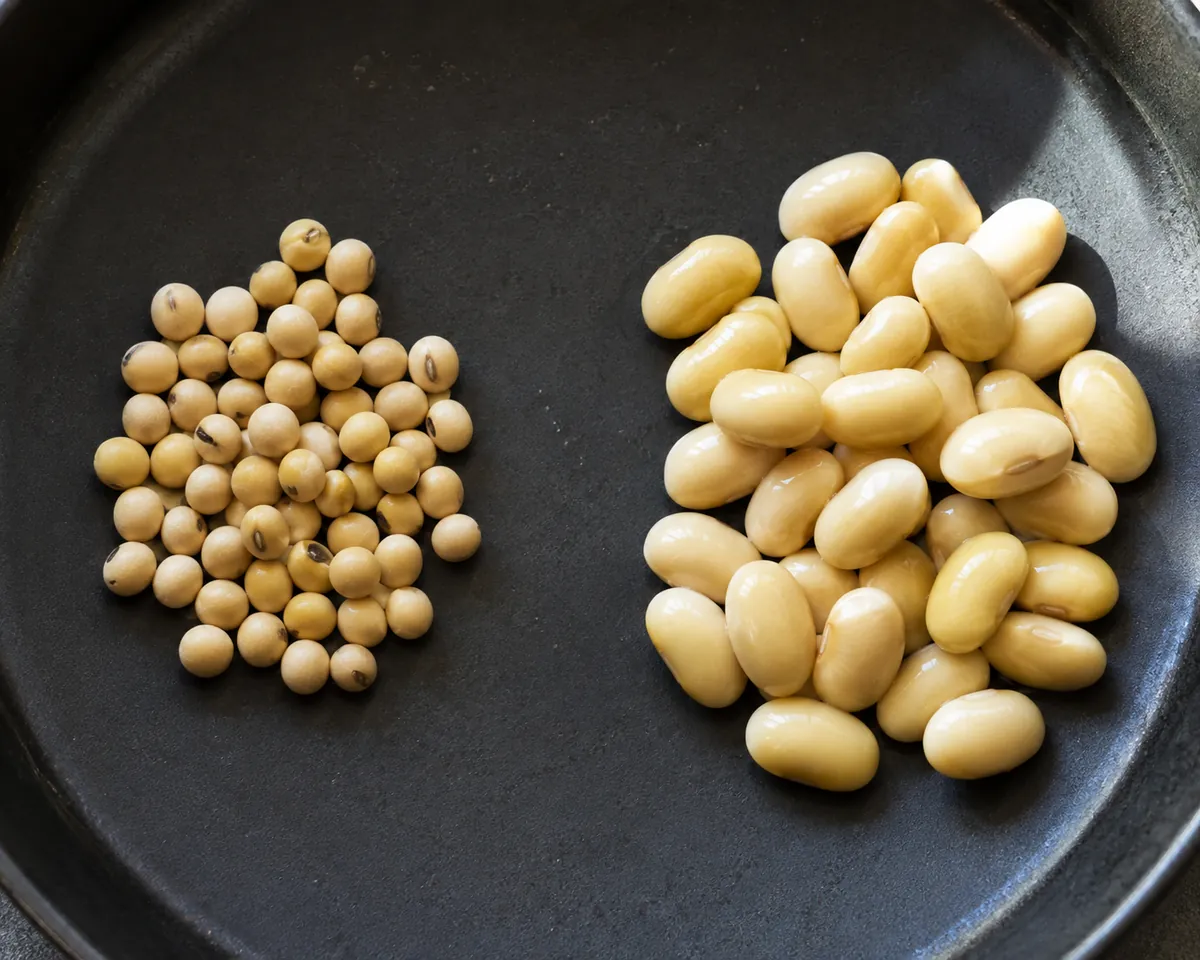
- SoakDried soybeans are soaked for hours until fully swollen.
- GrindThey are milled with water into a thick slurry.
- CookThe slurry is heated. This is essential, not optional.
- StrainThe solids, called okara, are filtered out.
- FormulateSugar, salt, calcium and flavourings are added in commercial products.
Cooking is what makes the liquid drinkable. Raw soybeans hold trypsin inhibitors and enzymes that generate off-flavours, sustained heat deactivates both, and an undercooked batch tastes raw and grassy in a way no amount of sweetening covers.
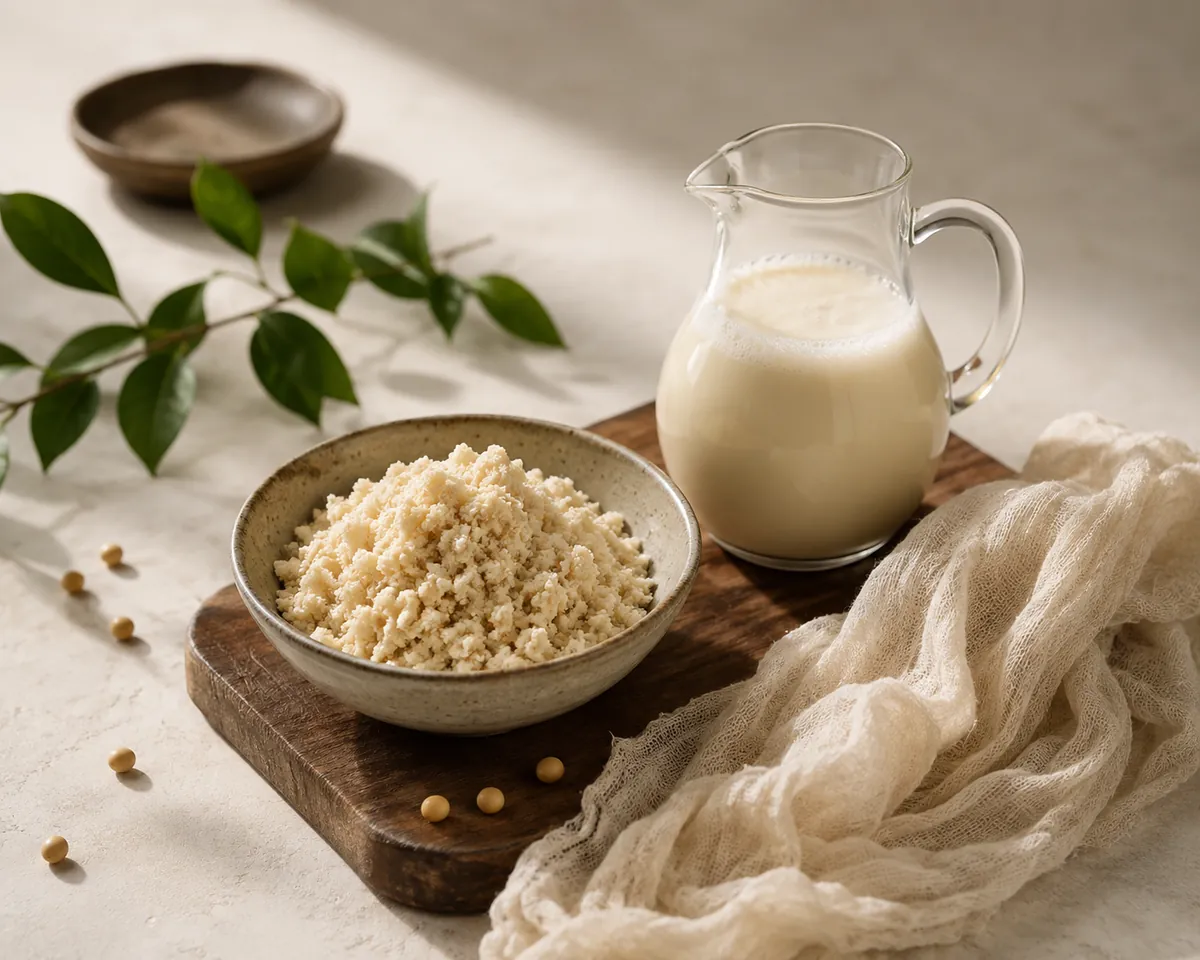
Straining leaves okara, the pale crumbly pulp, and it is the most useful byproduct any plant drink produces. Mild enough to disappear into other food and high in fibre, it goes into patties, stews, baking and pickles across Japanese, Chinese and Korean kitchens rather than into the bin, though it spoils within a day or two refrigerated and wants using or freezing the same evening.
Almond meal and oat sludge have nothing like that standing. Making soy milk treats the okara as half the yield rather than as waste, which is the honest way to price the exercise.
Lipoxygenase, and how deodorising took the beany note out
The beany aroma has one specific cause, and it is not the bean sitting in the bag. An enzyme called lipoxygenase acts on the soybean's fats the moment they meet water at room temperature, producing the green, grassy compounds people notice, and the reaction starts as the grinder begins to turn.
How producers control it
- Hot grinding
- Grinding with near-boiling water deactivates the enzyme immediately
- Blanching
- Beans are heated before grinding, achieving the same thing
- Bean variety
- Some cultivars are naturally lower in lipoxygenase
- Dehulling
- Removing the skins reduces both bitterness and beany notes
- Flavour masking
- Vanilla and sweeteners, which is the cheapest approach
Hot grinding is the one that changed the category. Milling with near-boiling water never lets the enzyme reach a working temperature, which is why a carton bought today reads far milder than one bought twenty years ago, and why a batch ground cold at home tastes stronger than anything on a shelf.
How beany it reads
- Hot-ground commercial, sweetenedMild, faintly cereal, close to neutral
- Hot-ground commercial, unsweetenedClean but clearly soy
- Traditional east Asian doujiangPronounced bean flavour, often intended
- Homemade, cold grindStrongly green and beany
- UndercookedRaw, grassy, and unpleasant
Deodorising is the trade's word for that whole set of steps, and it is why the category's reputation lags its product by roughly two decades. Unsweetened soy still reads distinctly savoury, which surprises anyone expecting something dairy-shaped, and that savoury quality is exactly what makes it useful in a pan.
What soy milk tastes like walks the same scale across the sweetened and vanilla versions.
Does soy milk curdle in coffee?
Soy is awkward in coffee for a single reason: the protein that builds the foam is the protein that coagulates.
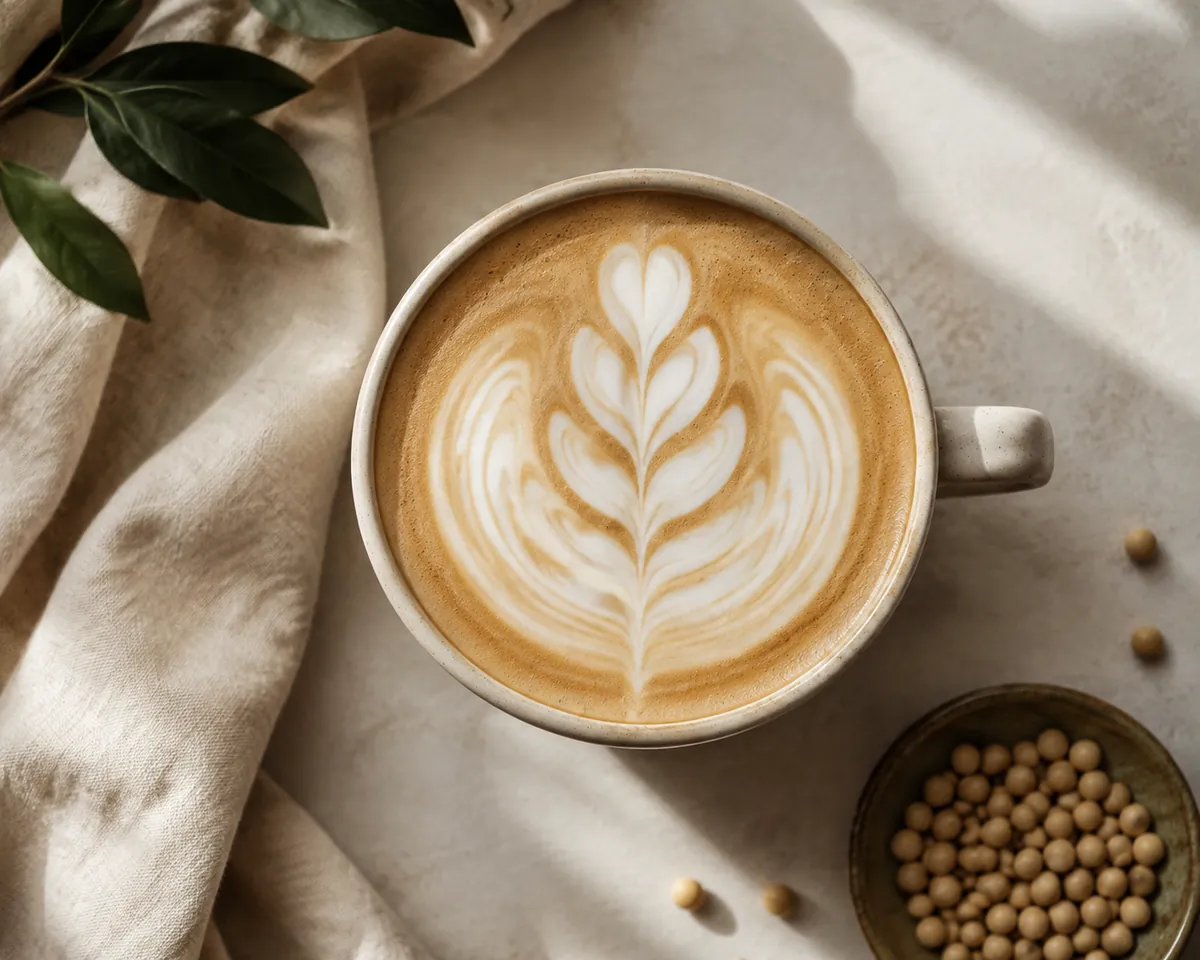
Soy protein has an isoelectric point around pH 4.5, and a fresh espresso sits close enough to push it there, particularly when the milk goes in cold. The mechanism across the whole category is set out in why plant milk curdles, and there is nothing to gain by repeating it here.
Barista formulations add acidity regulators that move the drink away from that threshold, and they are the version to buy if the cup in question is a flat white or anything else built on stretched milk. Handled well under a milk frother, soy holds a texture cafés kept ordering long after the retail shelf moved on.
Splitting heads the list in soy milk problems.
The coagulant step that turns the same drink into tofu
Tofu is soy milk curdled on purpose. A salt coagulant, usually nigari or calcium sulphate, is stirred into hot soy milk, curds separate from the whey and are pressed into a block, and the whole craft rests on the protein doing precisely what ruins a latte.
From soy milk to tofu
- HeatSoy milk is brought to near-boiling, which opens up the protein structure.
- CoagulateA salt coagulant is stirred in and curds separate from the whey.
- RestThe curds are left to firm for several minutes.
- PressThey are transferred to a mould and pressed. More pressure means firmer tofu.
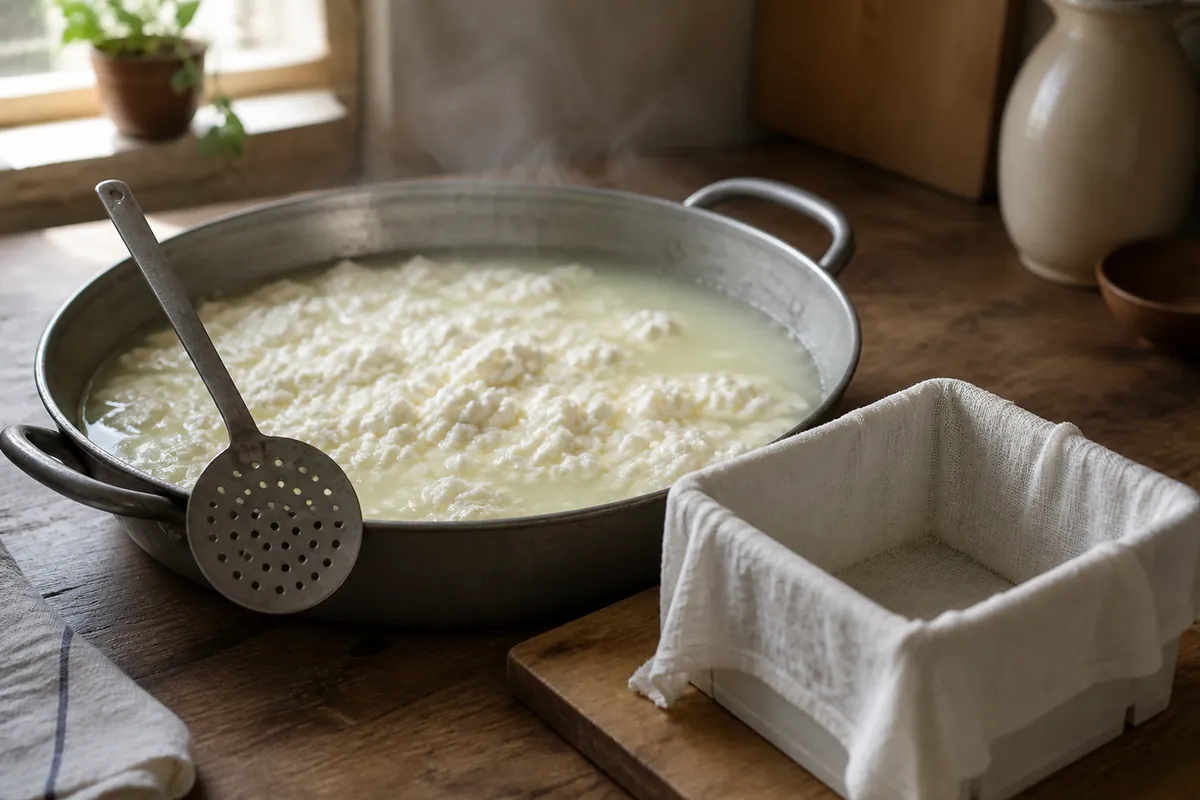
Soy is the only plant drink that can be made into a solid. Almond, oat, rice and cashew drinks have nothing to coagulate, so no equivalent exists anywhere else in the category.
The relationship also explains the failure mode better than any warning label. A liquid that becomes a block on purpose when heated with a salt is going to be sensitive when it meets a hot acid, and the surprise is how often it holds together rather than how often it does not.
Whole beans against reconstituted isolate, and what the panel admits
Two fairly different products sit under one name. The first is beans, ground and cooked and strained; the second is soy protein isolate blended back with oil and water, and the ingredients list is the only place that difference is stated plainly.
Telling them apart
- Ingredients
- "Soybeans" or "water, soybeans" means whole bean. "Soy protein isolate" does not
- Flavour
- Whole bean tastes fuller and more clearly of soy
- Body
- Whole bean has more, without needing added gums
- Consistency
- Isolate is more uniform between batches
- Price
- Whole bean is usually, though not always, higher
- Check sweetened against unsweetened. Sweetened versions carry several grams of sugar per 100 ml.
- Look for added calcium and vitamins if you are replacing dairy, since these are added not inherent.
- Check for a barista designation if you use it in coffee.
- Look at the soybean percentage or protein figure, which tracks how substantial it will be.
- Whole-bean products taste fuller than those made from soy protein isolate.
The protein figure is the most informative line on the panel, because it tracks behaviour as well as content. At or near 3 g per 100 ml is a substantial whole-bean product, and much below 2 g means the drink has been diluted or built from isolate rather than from beans.
Neither route is wrong, and no other drink here offers the choice at all: a coconut drink is what it is. Whole bean gives flavour and body, isolate gives consistency and a blanker canvas, and the decision turns on whether this particular carton is meant to be tasted or to vanish.
Making it at home, and the pan that goes over the rim
Home soy milk costs a fraction of what a nut drink does per litre, since dried soybeans are among the cheapest protein in any shop, and it takes longer for exactly the reason the industrial process does.
Homemade soy milk
- Dried soybeans
- 150 g, soaked 8 to 12 hours and drained
- Water
- 1.2 litres
- Method
- Blend with hot water, then simmer gently 20 minutes, stirring
- Strain
- Through a fine cloth, pressing the okara
- Salt
- A pinch, plus sweetening to taste
- Keeps
- Three to four days in the fridge
The soak is the stage people shorten and the one that most affects yield, because an underswollen bean does not grind so much as get pushed around the jug.
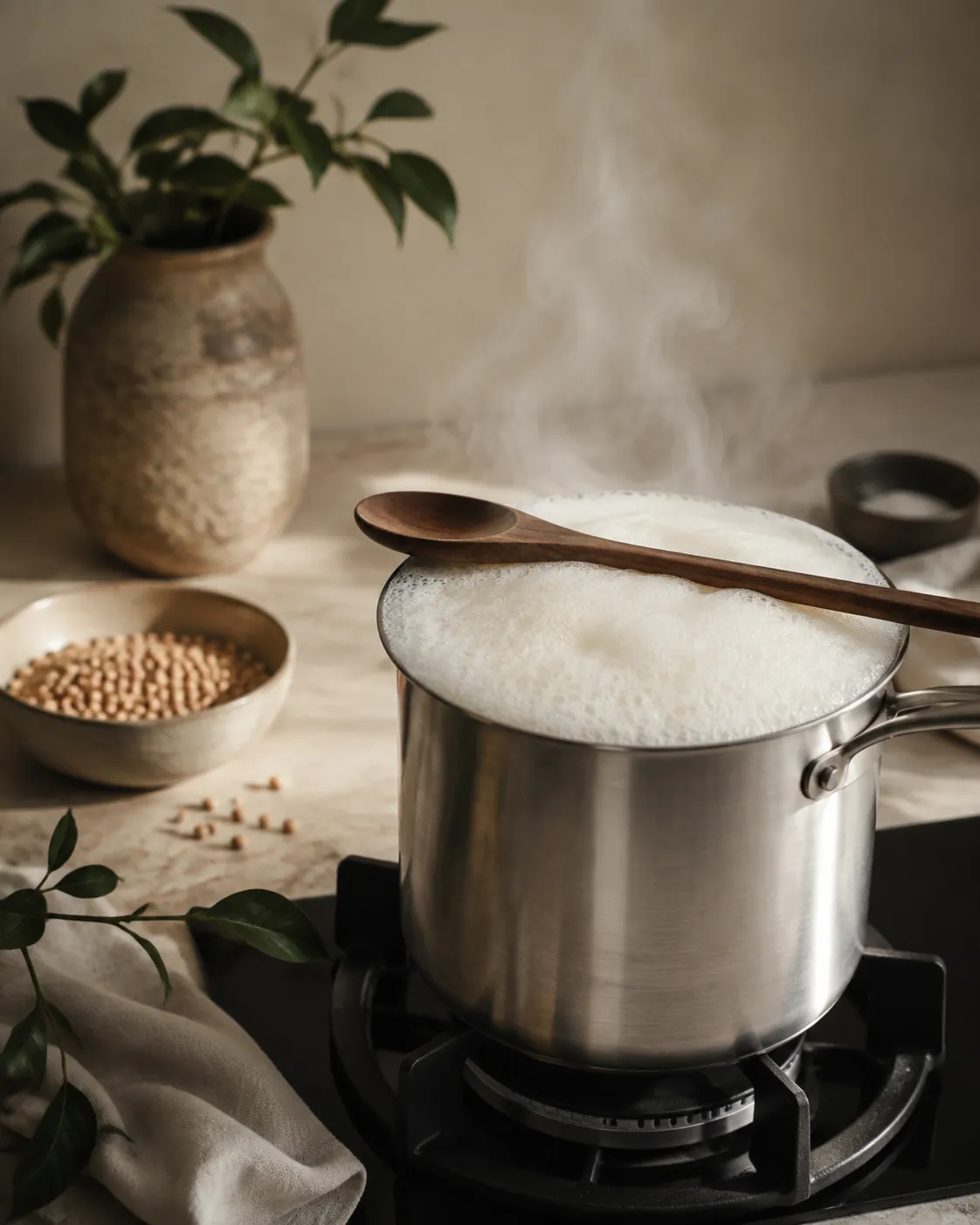
The pan is the other thing worth over-specifying. Soy foams hard as it simmers and climbs the sides with no warning froth first, so a vessel twice the size you think you need and a hand kept on the spoon are both justified.
A home batch also tastes beanier than a carton because the grind is cold, which is a difference of method rather than of quality, and storing soy milk sets out the short fridge life a fresh batch actually gets.
Doujiang, and what it does in a pan
In east Asia soy milk is a drink in its own right rather than a stand-in for one. Doujiang is served hot for breakfast across much of China, either lightly sweetened or savoury with soy sauce, vinegar, chilli oil and pickles.
The savoury version curdles deliberately into soft curds as the vinegar goes in, which is the latte fault put to work.
Heating asks for a little care. It scorches on a pan base and forms a skin the way dairy does, so gentle heat and an occasional stir earn their keep, and a hard boil flattens the flavour into something cooked and dull.
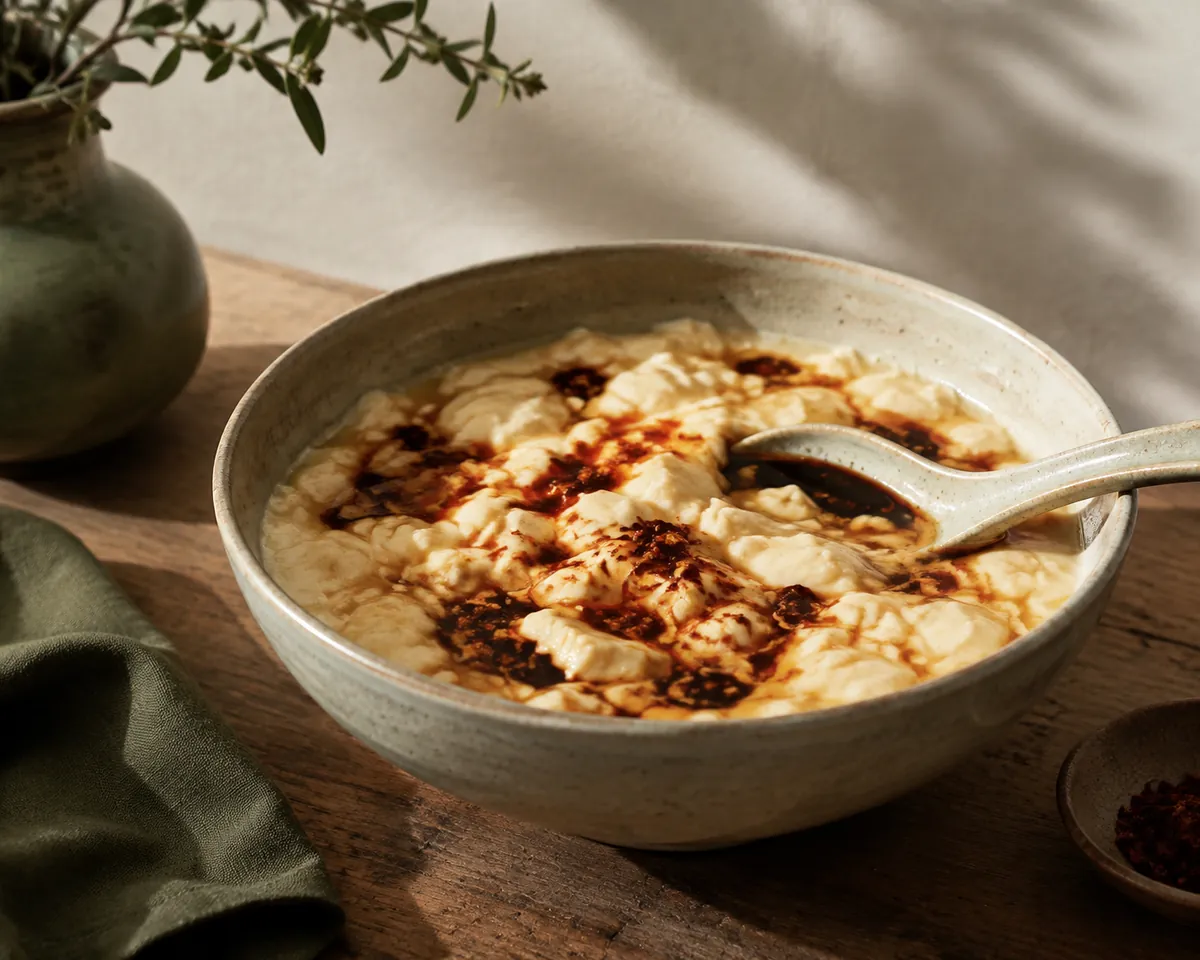
Custards and white sauces
Sets and thickens, where a low-protein drink simply thins the pan out.
Savoury braises
The faint bean note reads as depth rather than as an intrusion.
Tomato sauces
The weak case, since the acid breaks it the way an espresso does.
In the acidic cases the fix is order rather than substitution. Add it off the heat and late, and the protein never meets a hot acid at full strength.
Souring, thickening and the five-day window
Because it carries real protein, soy spoils in a recognisably dairy-like way, souring and thickening rather than merely settling into layers, and that makes it the easiest plant drink in the aisle to judge by nose.
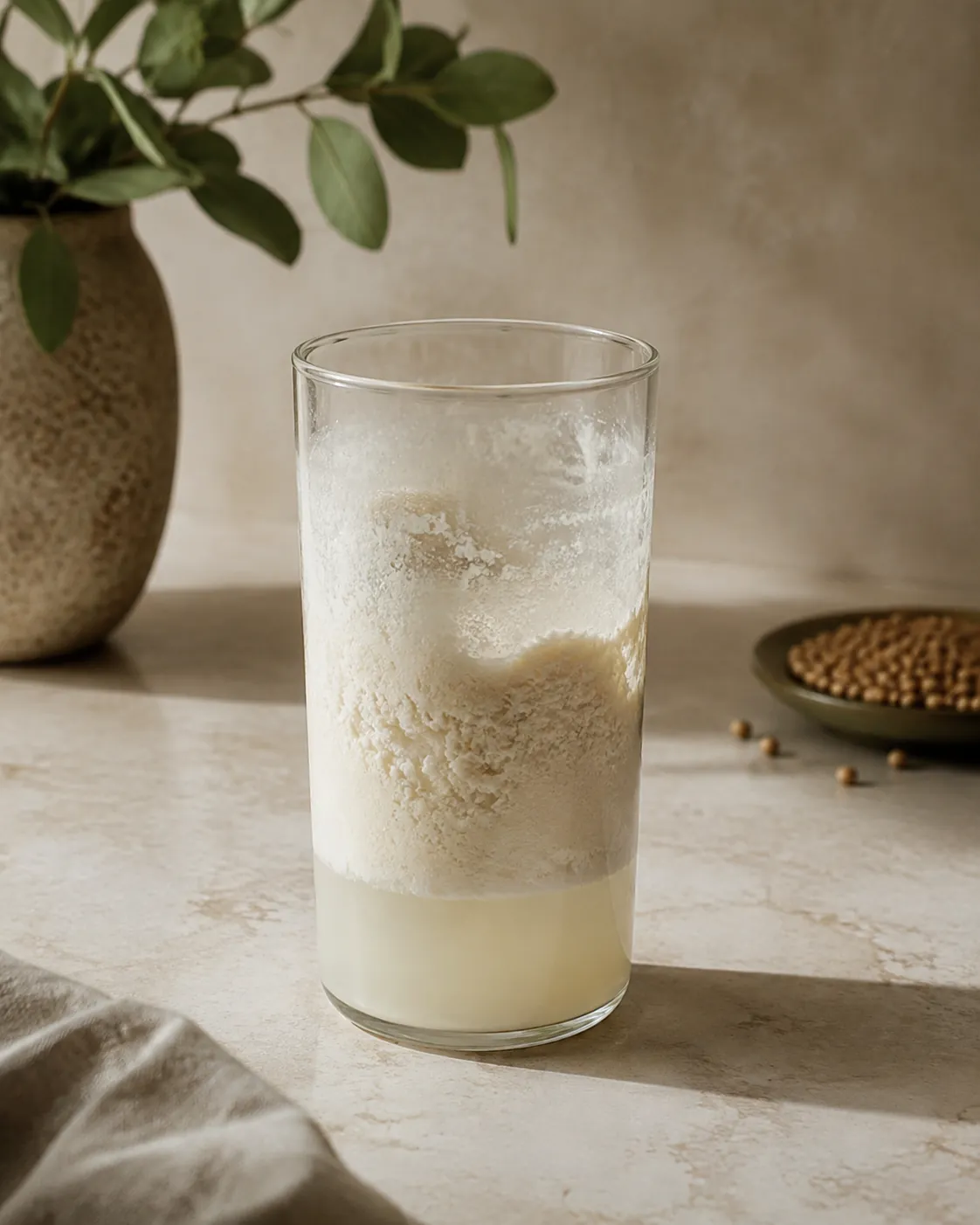
Once opened
- Fridge
- Five to seven days for most cartons
- Unopened ambient
- Months, because the UHT treatment is severe
- Shake first
- Settling is normal and reverses completely
- Sour smell
- Trust it over the printed date
- Thickening
- A carton gone claggy has gone, whatever the date says
- Freezing
- Not for drinking. It works in cooking, where texture matters less
A carton that thickened before its date was almost certainly stored warm at some point, and the two formats fail on different timescales, since the ambient one has been treated far harder than the chilled one.
That legibility is a real convenience rather than a technicality. A low-protein drink goes off quietly and announces itself in the mouth instead of in the nose, which is a considerably worse way to find out.
Oat against soy puts the two side by side on this and on everything else.
In tea, and why the cafés moved to oat
Tea carries far less acid than coffee, so soy holds together in a mug of black tea where the same carton would break in an espresso, and it brings enough protein to give the cup body that most plant drinks cannot supply.
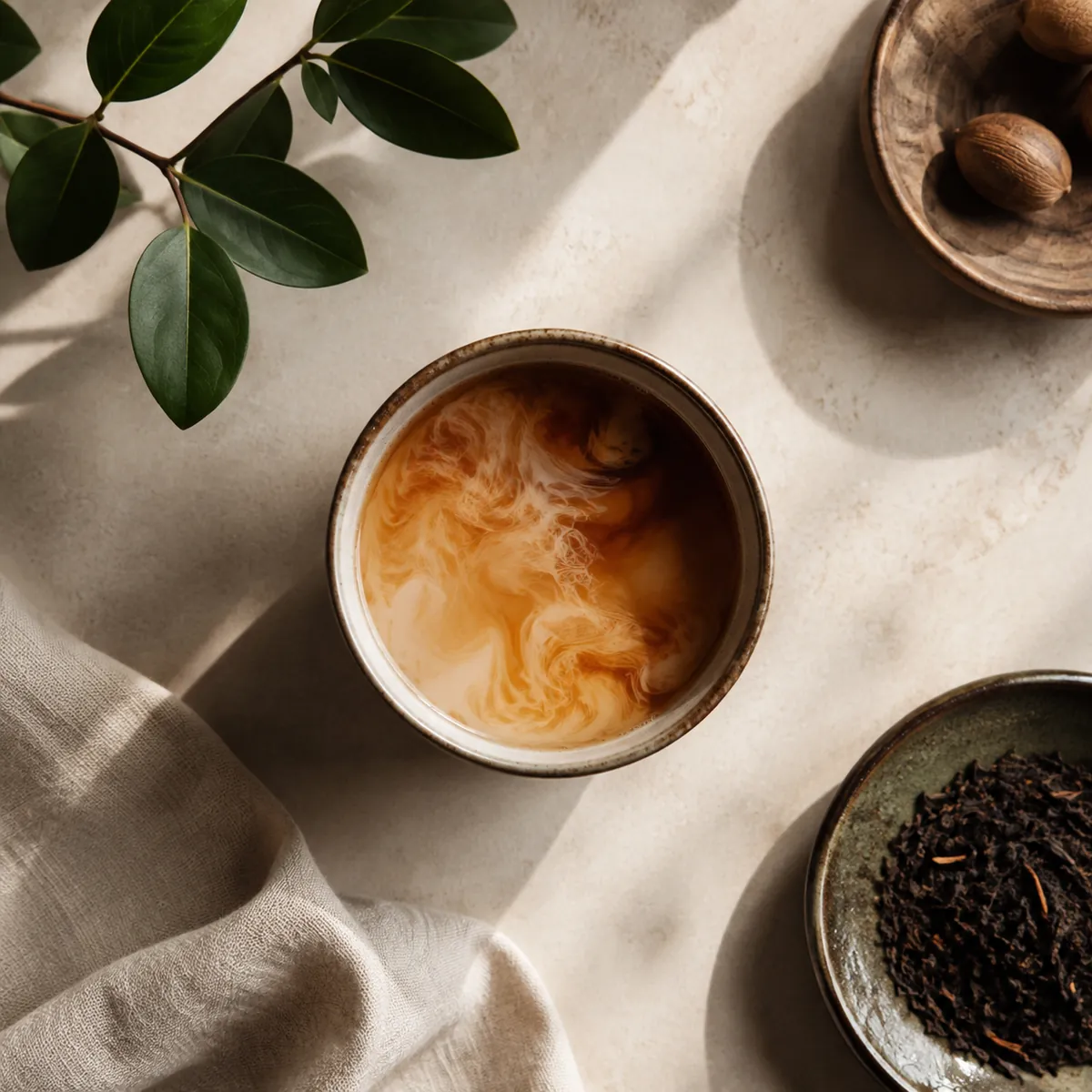
Balance is where it struggles. The bean note sits over a delicate leaf rather than under it, so it suits a strong assam far better than a white tea or a lightly steeped green tea.
In chai it does well provided it goes in off the heat, since simmering it with the spices the way the dairy method does will split it.
Soy was the default plant drink for decades and is no longer, though nothing about the product got worse in the interval. Oat arrived with better behaviour in a cup and a sweeter, more familiar flavour and took the café market within a few years, while soy picked up a reputation problem driven by claims and counter-claims this site takes no position on.
What did not change is the composition. It remains the only common plant drink that foams on protein rather than on fat, and what to use instead of soy milk is mostly a question of which of those two properties you are prepared to give up.
Common questions
Why does soy milk taste beany?
An enzyme called lipoxygenase acts on the bean's fats when they meet water at room temperature, creating green, beany aroma compounds. Producers avoid it by grinding with near-boiling water, which is why modern commercial soy milk tastes much milder.
Does soy milk have as much protein as dairy milk?
Close. Soy milk carries roughly 3.3 g per 100 ml against dairy's 3.4 g, which is far above almond at 0.5 g or oat at 1.0 g. It is the only common plant drink in that range.
Why does soy milk curdle so badly in coffee?
Soy protein coagulates near pH 4.5, and espresso can push the mixture to that point. The same protein is what makes soy foam better than any other plant drink, so the strength and the weakness share a cause.