What Is Culinary Grade Matcha? Built to Survive Milk and Heat
Culinary grade matcha is not failed ceremonial matcha. It is made to survive milk, sugar and heat, which needs more bitterness and more body than a drinking grade has.
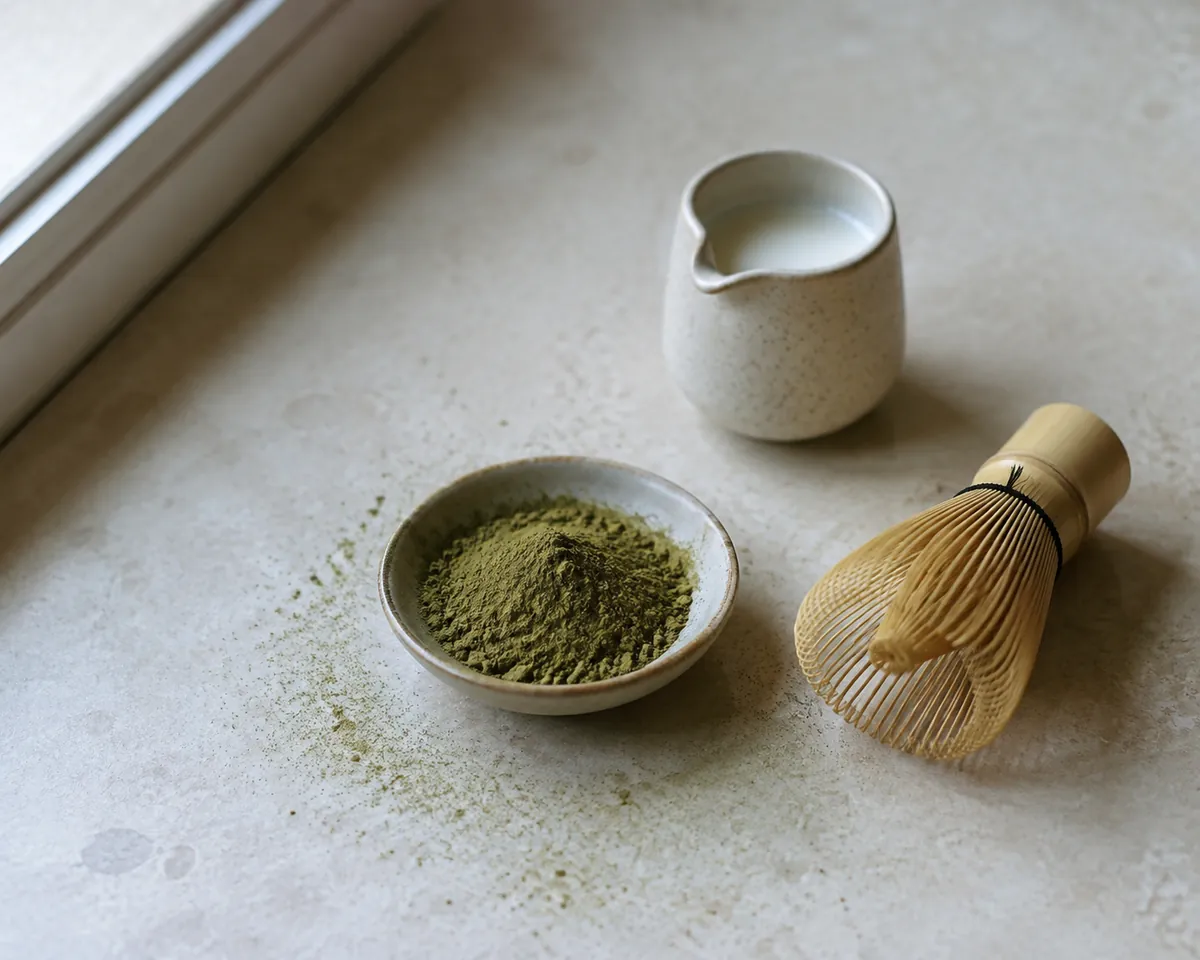
Culinary grade matcha is powdered green tea intended for lattes, baking and cooking rather than for drinking whisked with water alone. Which tin belongs in which drink is settled under the two grades compared, and the roasted alternative is hojicha powder.
The term is unregulated, exactly as ceremonial grade is, and no standards body anywhere defines either.
What makes it a real category rather than a marketing tier is that the product behind it is genuinely built for a different job. The leaf is picked later, shaded less, and milled for volume rather than for fineness, and every one of those choices makes sense once milk and sugar are in the glass.
None of it changes what matcha is, only what the powder is built to survive.
Culinary grade at a glance
- Made from
- Later-harvest tencha, shaded for a shorter period
- Colour
- Olive to dull green rather than vivid jade
- Flavour
- Astringent and clearly bitter, with less of the sweetness shading builds
- Milling
- Often machine milled, so the particle is coarser
- Intended for
- Lattes, iced drinks, baking, ice cream, savoury use
- Not intended for
- Whisking with water and drinking on its own
- Regulation
- None. Every tier name on the shelf is the seller's own
The grade distinction, stated once and properly
Everything the two tier names are pointing at comes down to four production decisions taken months before any powder reaches a tin, and the price gap between them is the sum of those four.
| Culinary | Ceremonial | |
|---|---|---|
| Harvest | Second or later | First |
| Shading | Shorter, or less complete | Three to four weeks |
| Leaf | May include more mature leaf | Young leaf only, fully de-stemmed |
| Colour | Olive to dull green | Vivid jade |
| Milling | Often machine milled | Stone milled |
| Bitterness | Noticeable and intended | Low |
| Price | A fraction | Several times higher |
Later-harvest leaf is the difference that drives all the others. Older leaf has built up more catechins and less of the amino-acid sweetness that long shading produces, so it arrives astringent, and it stays that way whatever is done to it afterwards.
The same later pickings feed ordinary sencha for exactly that reason.
Shading is the second lever. Covering the bushes for three to four weeks starves the plant of light, which raises chlorophyll and sweetness and cuts yield, and shortening that period is the cheapest way to make a powder that costs less.
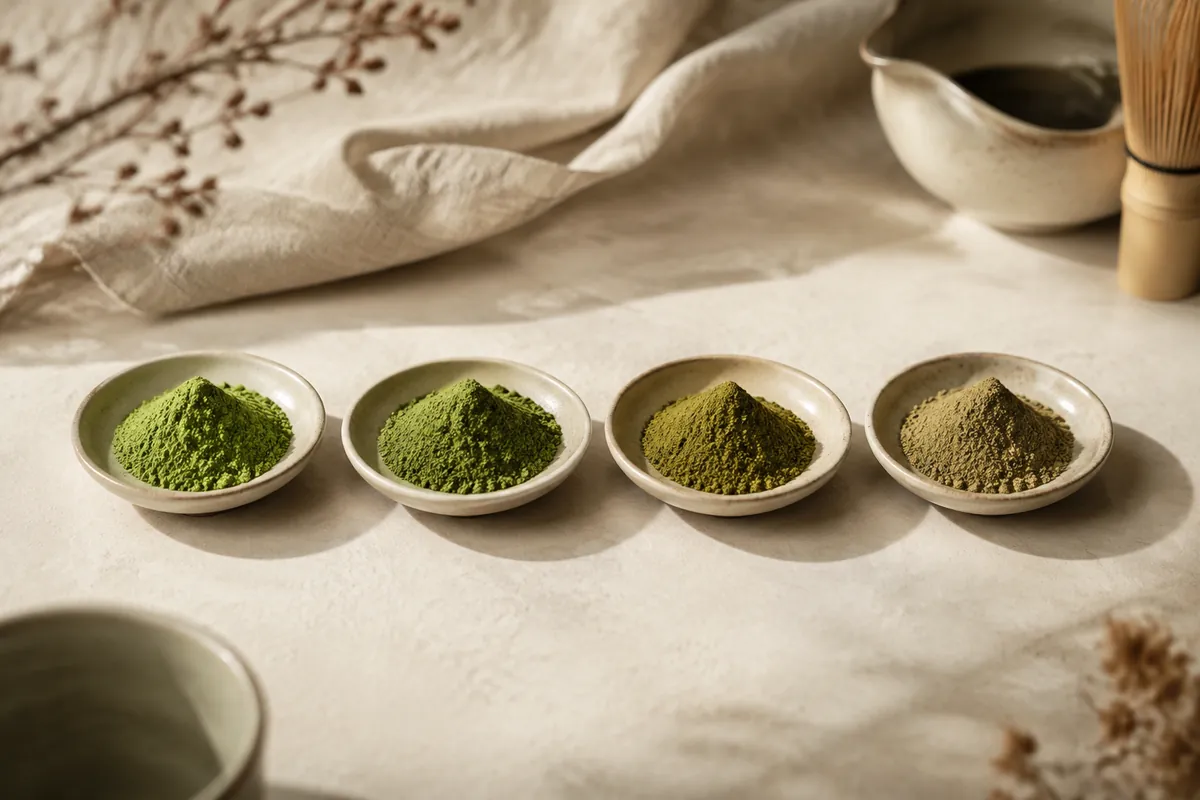
Sellers then subdivide their own culinary range, and those names carry no more authority than the top-level one does.
Latte grade
The best of the culinary tiers. Enough character to read through milk without harshness.
Classic or premium culinary
Mid tier. General purpose for drinks and baking.
Ingredient or kitchen grade
Coarser and more bitter. Intended for baking where sugar dominates.
Cooking grade
The cheapest. Often dull and noticeably astringent, and suited to colour more than flavour.
Latte grade is the useful rung for most people, since it costs modestly more than the bottom tiers and is noticeably better in the drink that most culinary matcha is bought for. What the top tier does with the same leaf, and why stone-milling matters to it, belongs to ceremonial grade.
Bitterness as a specification, not a fault
Milk coats the tongue and mutes flavour. Sugar suppresses the perception of bitterness while adding its own sweetness.
Heat in an oven drives off the delicate aromatics entirely.
What a latte does to matcha
- Milk fatCoats the palate and blunts subtle flavour.
- Milk proteinBinds to some compounds, softening them further.
- SugarSuppresses bitterness and dominates sweetness.
- Volume200 ml of milk against 2 g of powder is an enormous dilution.
- ResultA delicate matcha becomes a faintly green milk drink.
A grade with more bitterness and more body survives all of that. The astringency people describe as harshness is what still registers after 200 ml of milk has done its work, which makes it the specification rather than the defect.
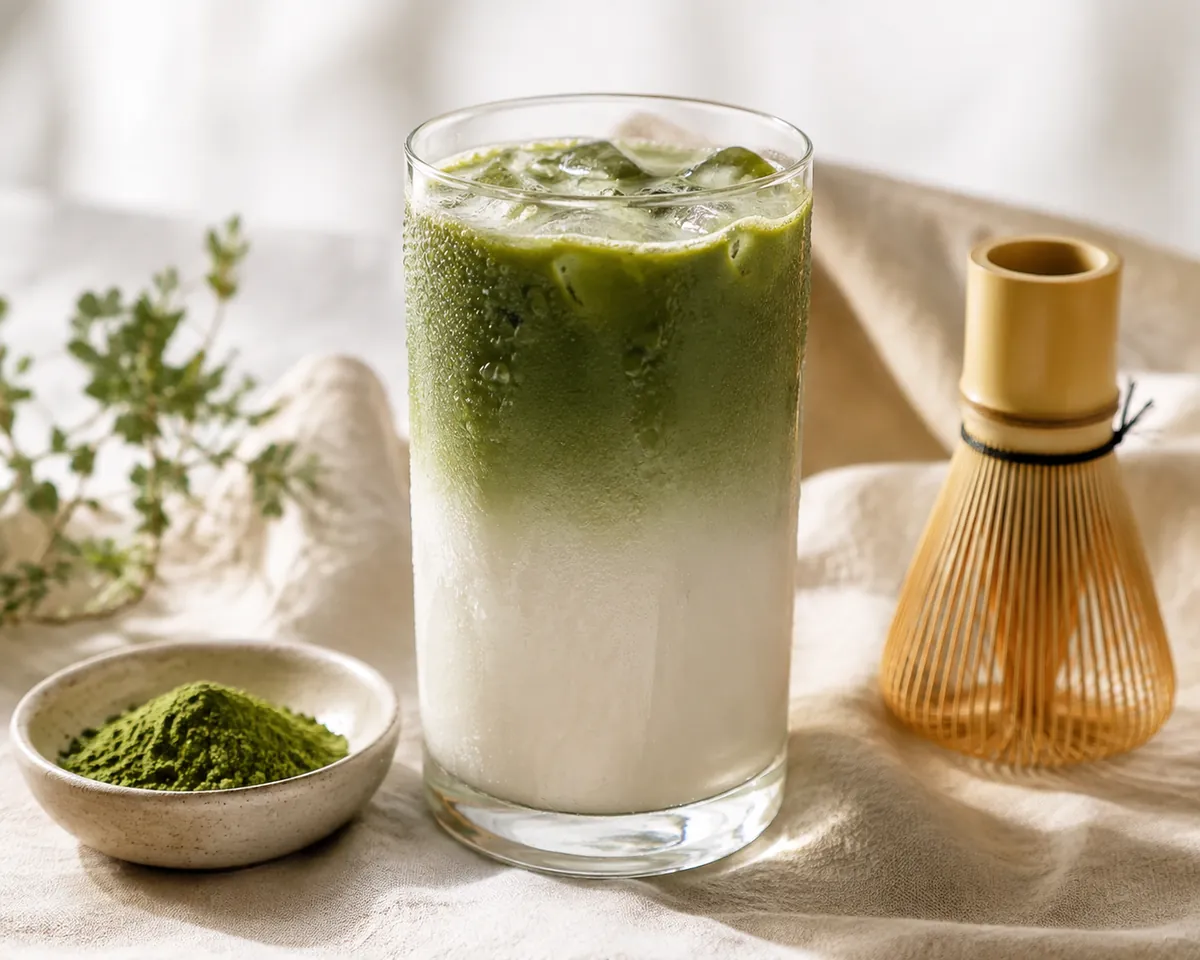
Drunk on its own the same powder is genuinely unpleasant. Whisked as usucha it is vegetal, drying and openly bitter, with almost none of the sweetness described in culinary matcha taste, and anyone whose first bowl was a cheap culinary powder has a fair reason to have written the drink off.
How it reads in different preparations
- In bakingExcellent. Sugar and fat carry it and bitterness is welcome
- In a sweetened latteVery good. It reads through the milk as intended
- In an unsweetened latteAcceptable, with the astringency more apparent
- Iced with milkGood, and cold suppresses some bitterness
- Whisked with water alonePoor. This is not what it is for
Read that as a scale of fit rather than of quality, because the same tin sits at the top of it and the bottom of it depending only on what you put it in.
Making it into milk, and the drinks that follow
Water first, milk second, and the order is the whole method. Nearly all culinary matcha ends up in a matcha latte, which is the drink the grade is designed around.
A matcha latte
- Matcha
- 2 to 3 g, sifted
- Water
- 40 to 60 ml at 70 to 80 C
- Method
- Whisk matcha and water to a smooth paste first
- Milk
- 200 ml, steamed or hot, added after
- Sweetener
- Optional, and usually less than expected once the paste is smooth
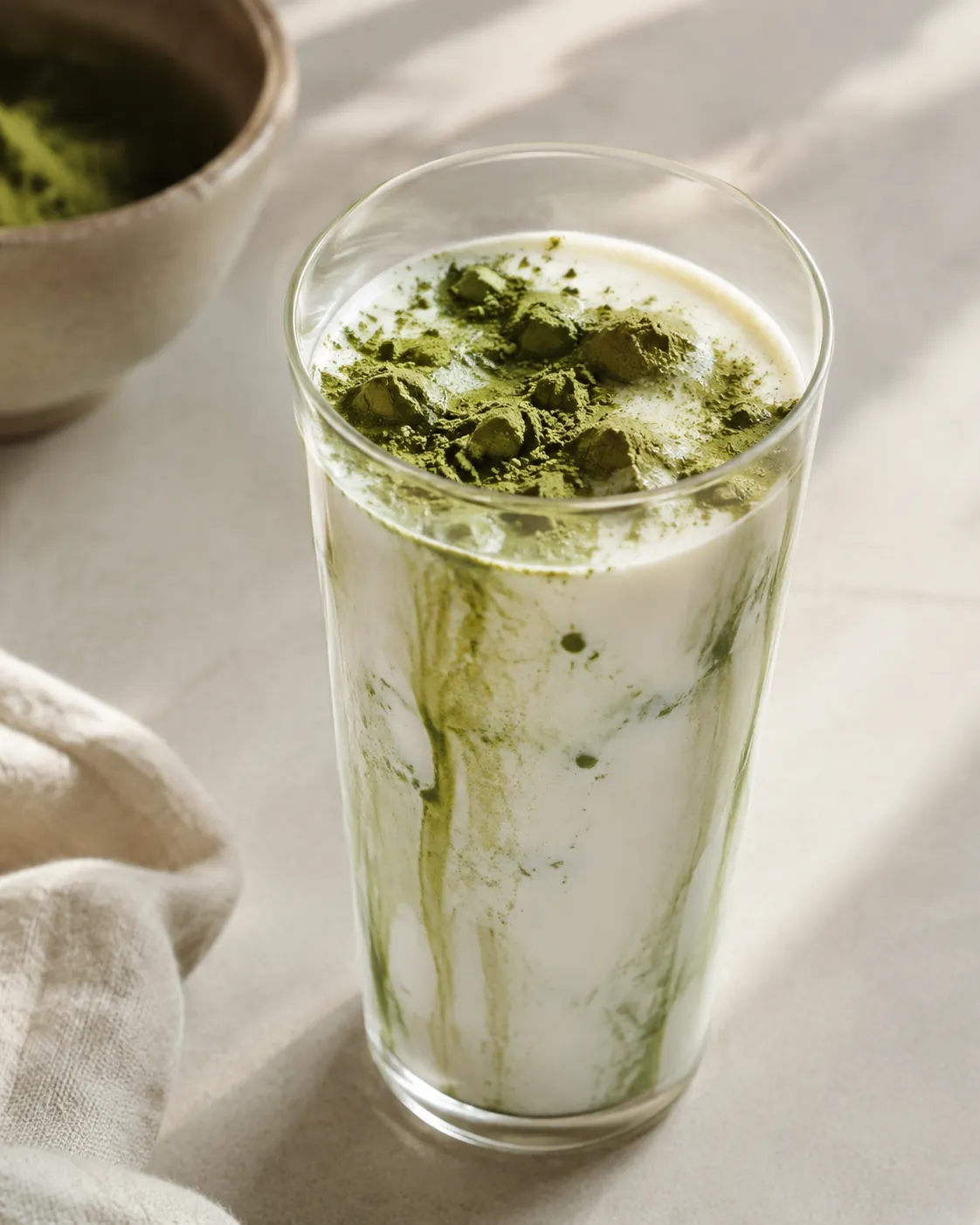
The reason is mechanical. Fat and protein coat each particle before water can wet it, so the powder is sealed against the liquid it is supposed to disperse into, which is the same trap that makes hot cocoa grainy when the powder goes straight into the pan.
Matcha lemonade
Works, though the acid dulls the colour quickly. Make it to order.
Matcha smoothie
Blends well, and the fruit carries the bitterness.
Matcha and cocoa
An unexpected pairing that works, with the cocoa softening the astringency.
The soda version is worth trying if lattes feel heavy, because carbonation lifts the vegetal notes rather than smothering them, which is the opposite of what milk does. Everything on that list still starts with the same water paste, and making a matcha latte sets out the sequence in full.
In an oven, a freezer and a frying pan
Baking is where this grade is unambiguously the right purchase, because heat destroys the delicate amino-acid sweetness that makes a first-harvest powder worth its price.
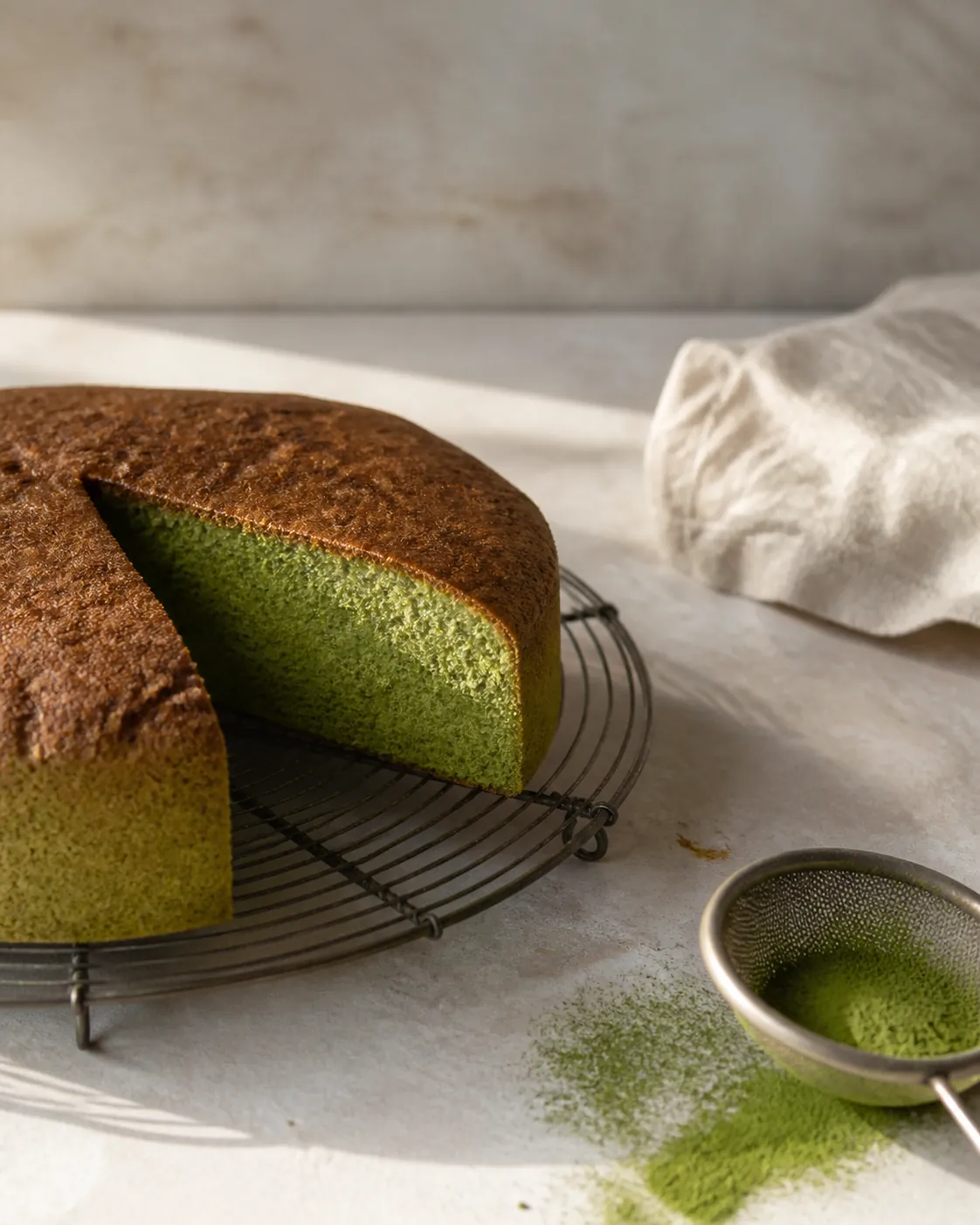
- Sift matcha with the dry ingredients rather than adding it separately.
- Expect the colour to dull in the oven; heat and alkalinity both fade the green.
- Reduce baking soda where you can, since alkalinity turns matcha brown-green.
- Use more than seems necessary, since sugar and fat mute it heavily.
- Store baked matcha goods away from light, which continues fading the colour.
Colour loss in an oven is chemistry rather than a poor powder. Chlorophyll degrades under heat and under alkaline conditions, which is why matcha cakes come out olive rather than jade however good the tin was.
Frozen desserts are the other strong case. Cold suppresses bitterness while fat carries the flavour, and matcha ice cream is one of the few applications where a mid-tier powder tastes genuinely good rather than merely acceptable.
Quantities for both are set out in making culinary matcha.
Salt is the underused pairing. A little matcha mixed with salt works on fish and vegetables, and matcha salt is a long-standing accompaniment to tempura in Japan, where the powder is used by the spoonful rather than the gram, which is why matcha caffeine reads differently for a cook than for a drinker.
Acid is what to avoid: citrus and vinegar both push the green toward brown and sharpen the astringency, which is the same pH sensitivity that dulls it in a cake.
Iced, where the price gap closes
Cold suppresses the perception of bitterness noticeably, so a powder that is harsh in a hot bowl can be perfectly pleasant over ice.
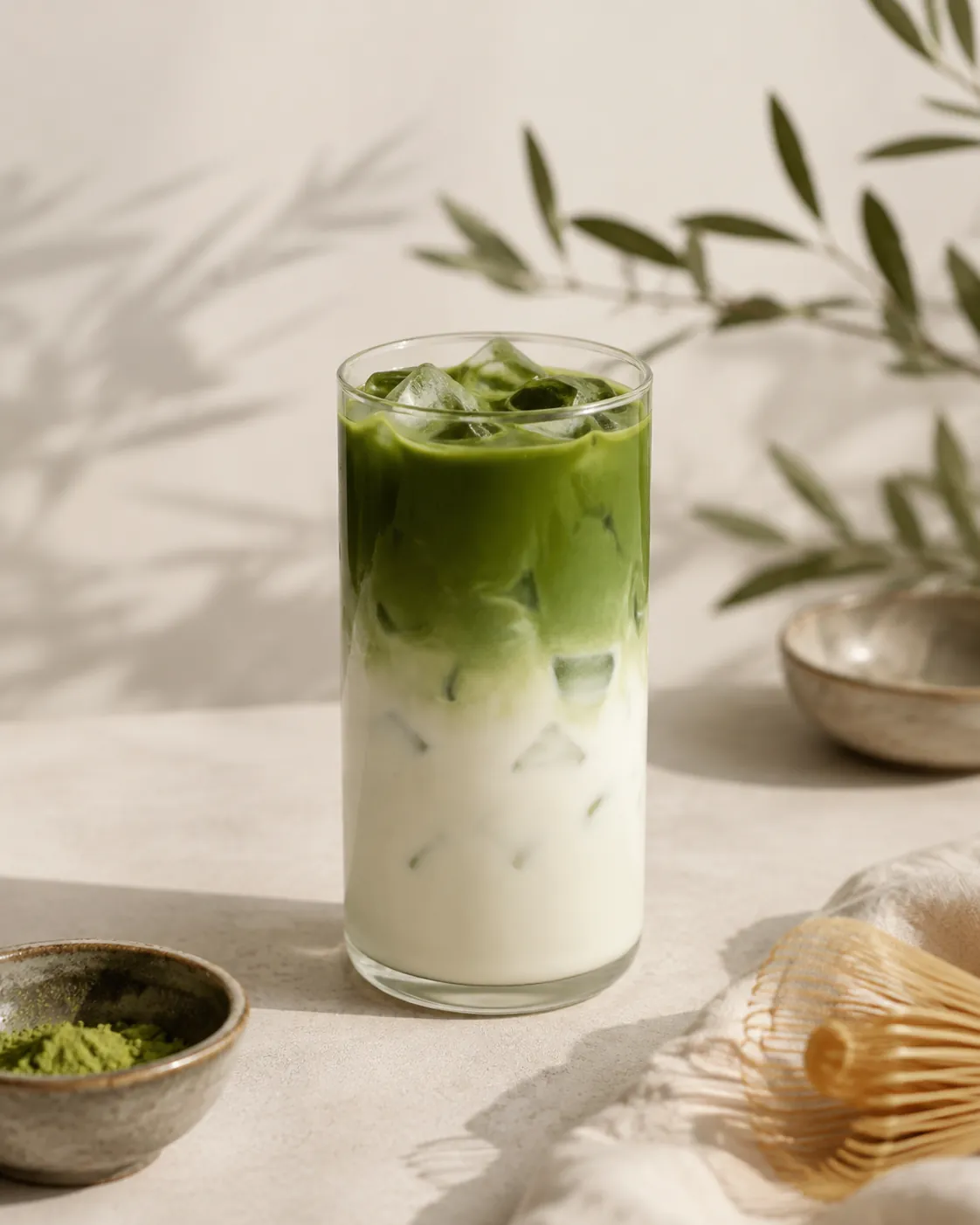
Iced matcha latte
- Matcha
- 3 g, sifted
- Hot water
- 40 ml at 70 to 80 C, to make the paste
- Method
- Whisk to a smooth paste, then pour over ice
- Milk
- 200 ml cold, poured over
- Sweetener
- Add to the paste while it is warm, so it dissolves
The paste step survives into the cold drink unchanged, because matcha will not disperse in cold liquid at all and skipping it guarantees a layer of grit at the bottom of the glass. Build it over plenty of ice rather than chilling a hot glass.
Sweetener has to go in while the paste is warm for the same reason.
Dilution is the second thing working in this grade's favour. Melting ice adds water and takes flavour away, so the qualities a first-harvest powder is priced for are the first to disappear, and what survives is body and a clear green bitterness.
That is what a later-harvest leaf has most of, and iced matcha is where the choice pays off most obviously.
Where the money goes to waste
Matcha spending goes wrong in both directions at once, and the cheapest tin and the most expensive one are wasteful for opposite reasons.
Buying the bottom rung gives a dull, harsh powder that makes poor lattes and puts people off the drink entirely. Buying a first-harvest tin for lattes spends the premium on exactly the qualities that milk erases, and no amount of careful whisking recovers either mistake.
Where the money is worth spending
- Cheapest cooking gradeHarsh and dull. False economy even for baking
- Mid culinaryReasonable for baking, adequate in lattes
- Latte gradeThe sweet spot for most people
- Low ceremonialOccasionally worth it if you also drink it neat
- High ceremonial in a latteMoney spent on qualities the milk removes
The curve flattens at latte grade, since spending above it improves a milk drink very little and spending below it is noticeable in the first mouthful.
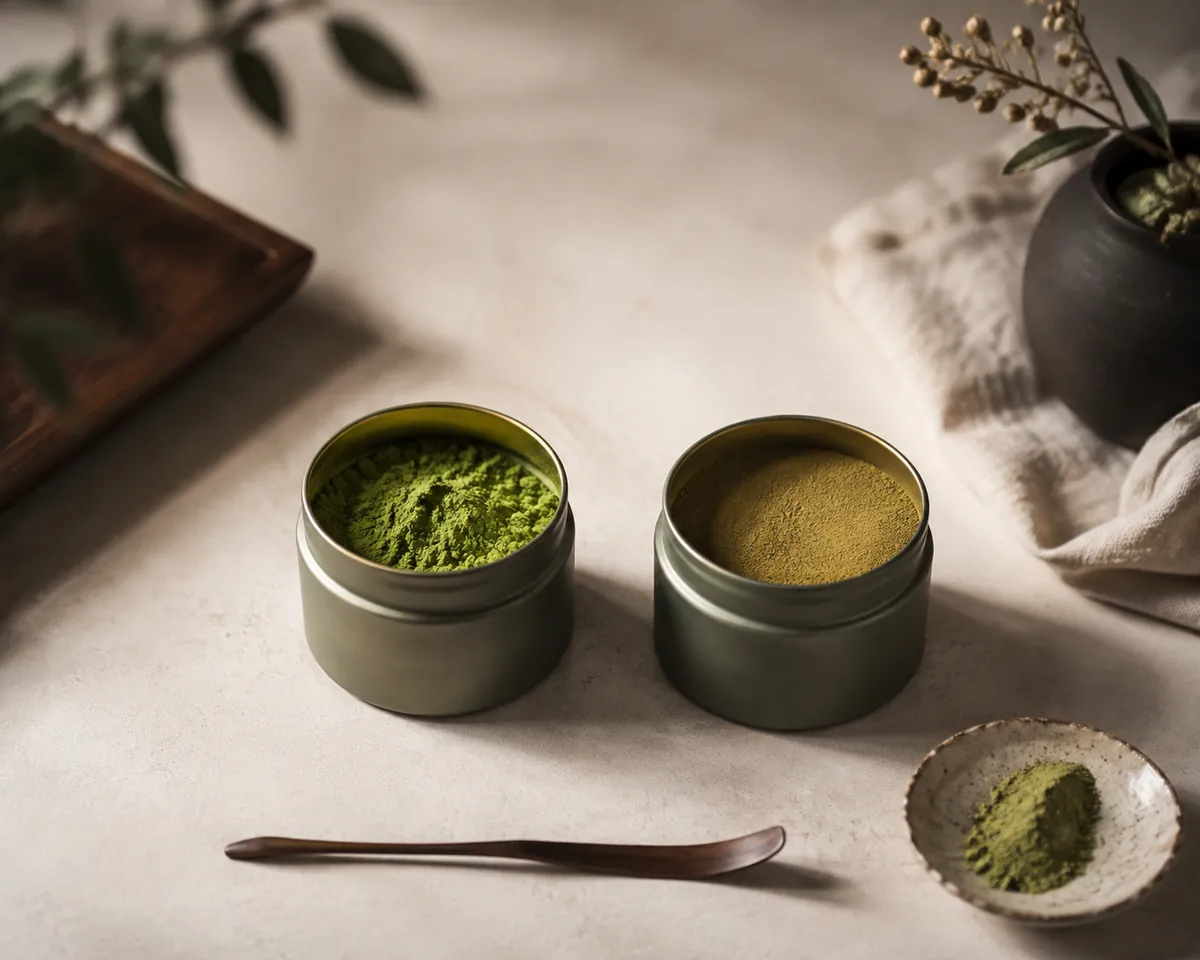
Colour is the check that still works at this tier. A dull green is expected and is what later harvest looks like, while yellow-brown means old stock or poor leaf rather than late picking, and milk hides neither.
Look for a stated origin and a milling date, and treat a tier name on its own as decoration. Faults that survive a good tin are gathered in matcha problems.
How long an opened tin is worth using
Fading runs on the same clock whatever the powder cost, because the cause is surface area rather than quality.
How fast an opened tin fades
- Warm cupboard, loose lidDays rather than weeks
- Cool cupboard, sealed tinThree to four weeks at full colour
- Refrigerated, sealedA couple of months, if opened warm
- Unopened, refrigeratedMonths, to the printed date
- FrozenNot worth it; condensation on opening undoes the gain
Ground to a few microns, matcha presents an enormous surface to oxygen and light, and the green goes to olive within weeks in the wrong container. What differs at this tier is that the qualities being lost were less delicate to begin with, so the decline is slower to notice in a glass of milk than it would be in a bowl of water.
Sealed, cold, dark and dry is the rule either way, and storing matcha covers it. Finish an opened tin within a couple of months for drinks, and it will still do useful work in a cake after that.
Decanting buys the most time. A small working tin refilled every fortnight keeps the main container shut, which matters more than where either one sits.
The latte is the honest test, since a powder that has gone reads dusty and flat through milk.
Buying in bulk without wasting most of it
Larger bags make sense at this tier and nowhere else in matcha, which is worth stating plainly because the saving is real and it evaporates quickly.
Someone baking regularly or drinking a latte daily will get through a 100 g bag inside two months, which sits comfortably within the window where fading is tolerable. Someone using it twice a week will still be halfway down the same bag when it has gone dull, and the discount has bought a product they no longer enjoy.
The test is an honest use rate rather than an intended one. Measure what you actually get through in a month, buy about two months of that, and treat anything beyond it as a gamble on your own habits.
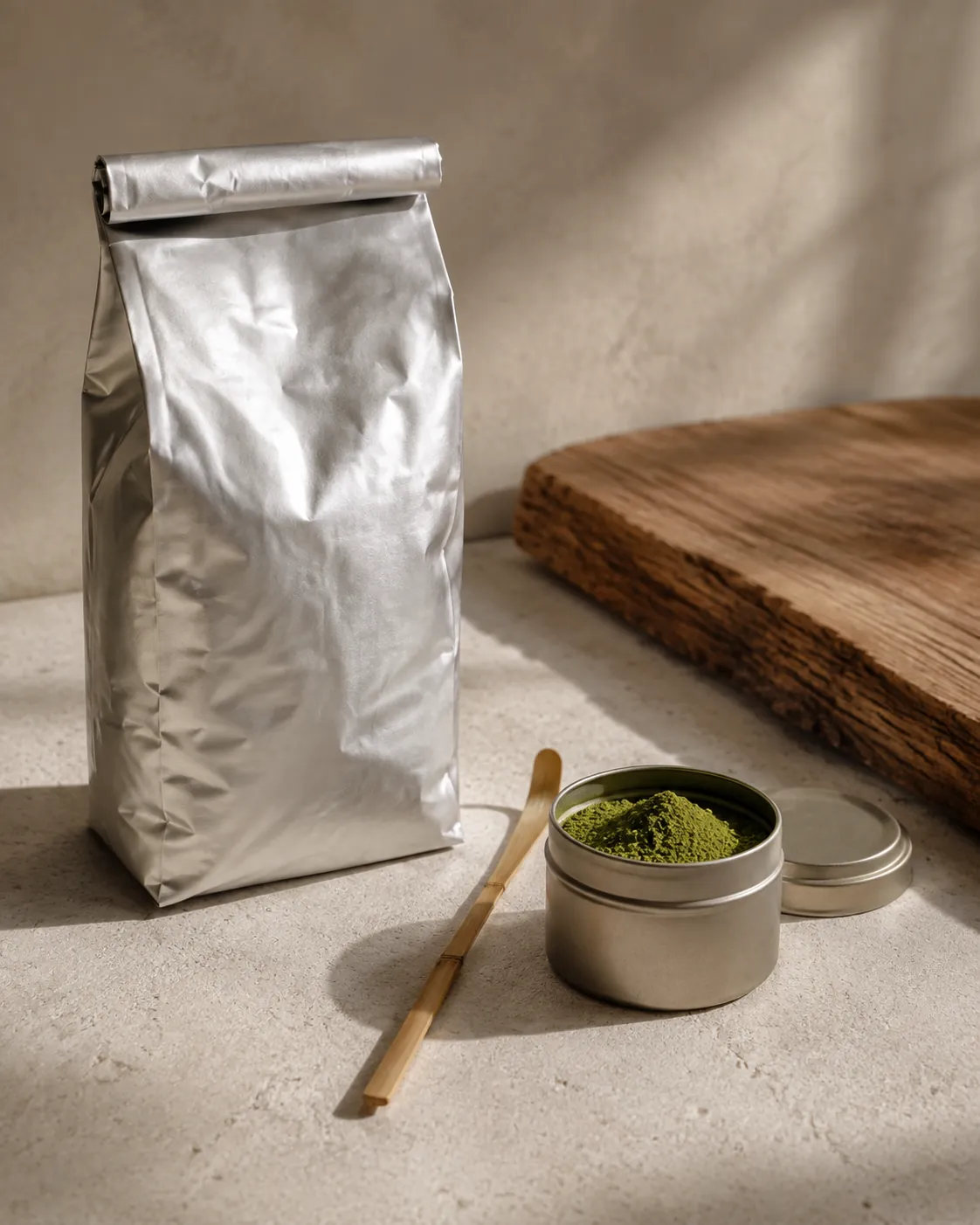
Freezing bulk powder needs care rather than enthusiasm. The bag has to be fully sealed and brought back to room temperature before opening, or condensation forms on cold powder and ruins the lot.
Amounts worth buying are set out in storing culinary matcha.
Where it beats the expensive tin outright
Three preparations exist where this grade is not the compromise but the better choice, and the reasoning is the same in each.
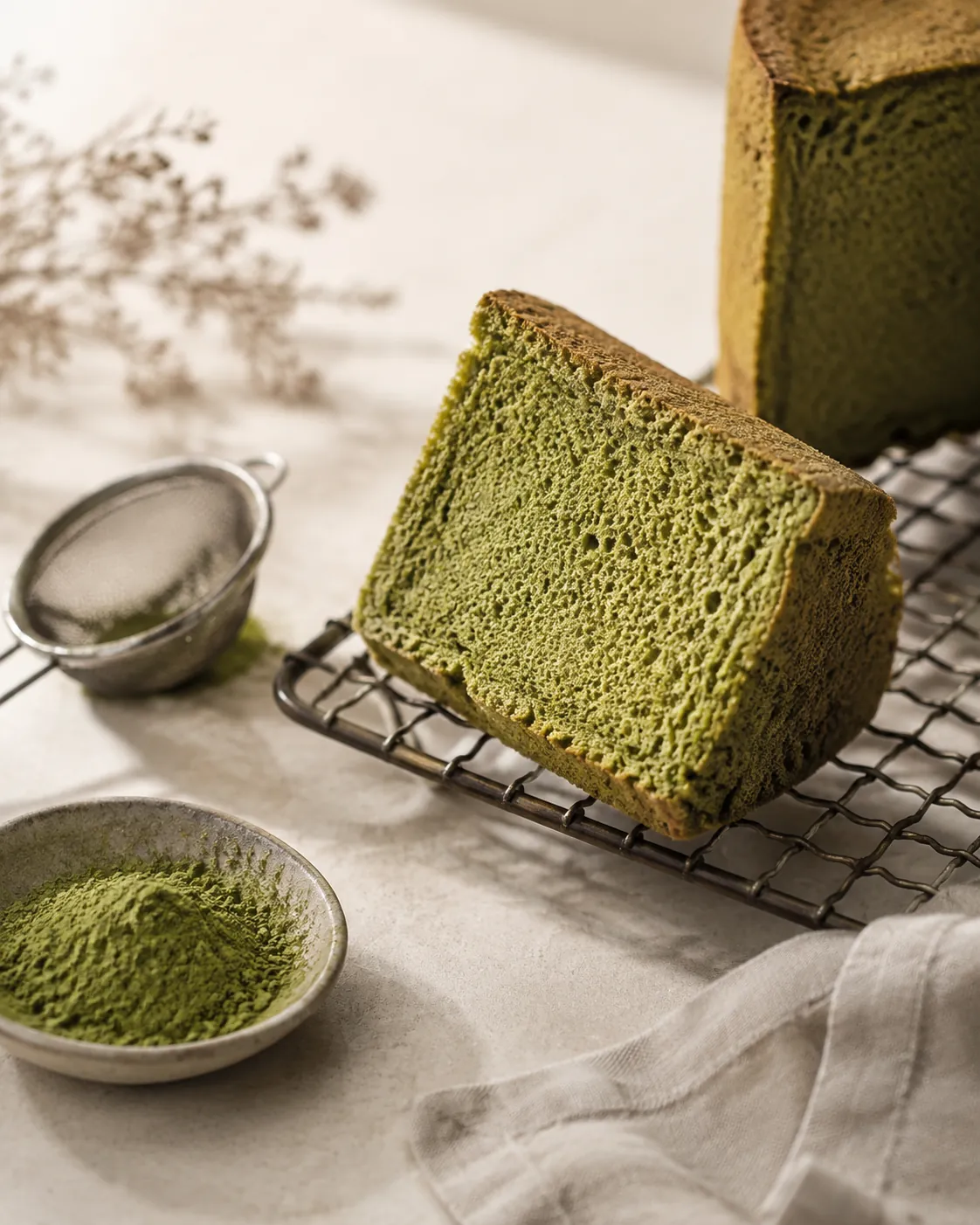
Anything with milk and sugar in it heads the list. An ice cream, a cake, or a glass built like a caffe latte tastes mostly of milk and sugar, because the sweetness and umami that justified the price are precisely what those ingredients cover.
Colour work is the second. When powder is being used by the tablespoon rather than the gram, a tin costing a fraction as much and holding its green through the oven is doing the job better and cheaper at once.
Iced drinks are the third, for the reasons set out above. What all three share is dilution: the more the powder is buried, the less a premium buys, and the grade should follow the preparation rather than the other way round.
Whisking a plain bowl is the one use where a top grade clearly earns its money, and what matcha tastes like describes what that money is actually buying.
Common questions
Is culinary grade matcha lower quality?
It is different rather than defective. Later-harvest leaf carries more bitterness and body, which is exactly what is needed to be tasted through milk, sugar and heat. A delicate ceremonial matcha disappears in a latte.
Can you drink culinary grade matcha on its own?
You can, and most people find it astringent and vegetal compared with a drinking grade. A good latte-grade powder is perfectly drinkable if you like a sharper cup; the cheapest cooking grades are not.
Why does matcha turn brown in baking?
Chlorophyll degrades with heat and in alkaline conditions. Reducing baking soda helps, and some colour loss is unavoidable, which is why matcha cakes come out olive rather than jade.