What Is Hojicha Powder? Whisked Like Matcha, Roasted Unlike It
Hojicha powder is whisked like matcha and sold beside it, but the roast makes it a different tea entirely: brown rather than green, toasted rather than grassy, and well below matcha on caffeine.
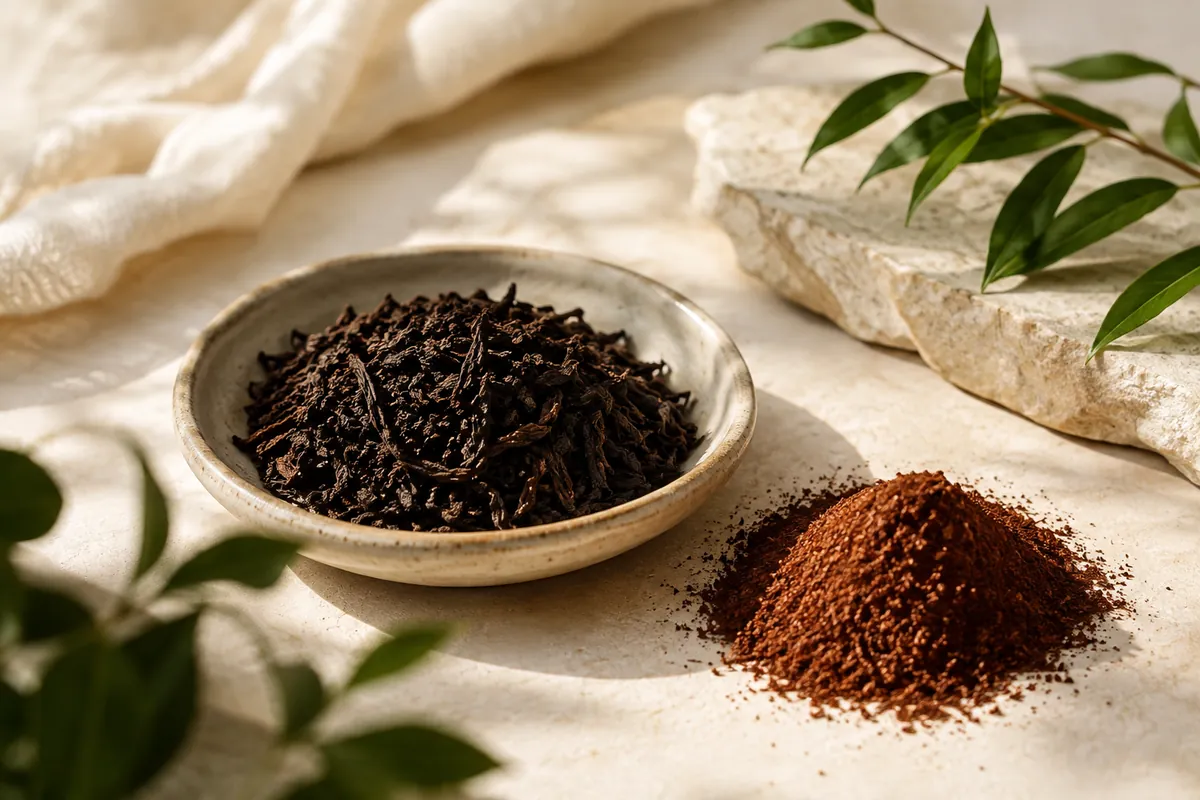
Hojicha powder is roasted green tea milled to a fine dust, whisked into water or milk the way matcha is. It is reddish-brown rather than green, it tastes of toast and caramel rather than of grass, and it carries markedly less caffeine.
The roast explains all of it. High heat converts a green tea into a brown one, burning off the vegetal character, breaking down much of the bitterness, and taking a good share of the caffeine with it.
So although it is whisked like matcha and sold beside it, hojicha powder is not a variation on matcha. It is a different tea that happens to share a preparation.
Hojicha powder at a glance
- What it is
- Roasted green tea leaf, milled to powder
- Colour
- Reddish-brown to deep chestnut
- Taste
- Toasted, nutty, caramel, no grassiness
- Caffeine
- Low, well below matcha
- Shading
- None; hojicha is not shade-grown
- Best use
- Lattes, hot or iced
What hojicha powder is
Hojicha itself is an ordinary Japanese green tea, usually bancha or a later-harvest leaf, roasted in a drum or pan at a high temperature until it turns brown. The roasting is quick and it changes the tea completely.
The powder is simply that roasted leaf ground fine, in the same way matcha is ground, though usually with less ceremony and less expense. Some producers stone-grind it and many mill it mechanically.
That difference in grinding matters less here than it does with matcha. There is no delicate colour to protect from grinding heat, and the flavour compounds that survived a roast are not going to be troubled by a mill.
Stems often go in too. Kukicha-style hojicha uses stem and twig, which roasts to something sweeter and lighter, and a powder made from it is milder still.
What roasting does to the leaf
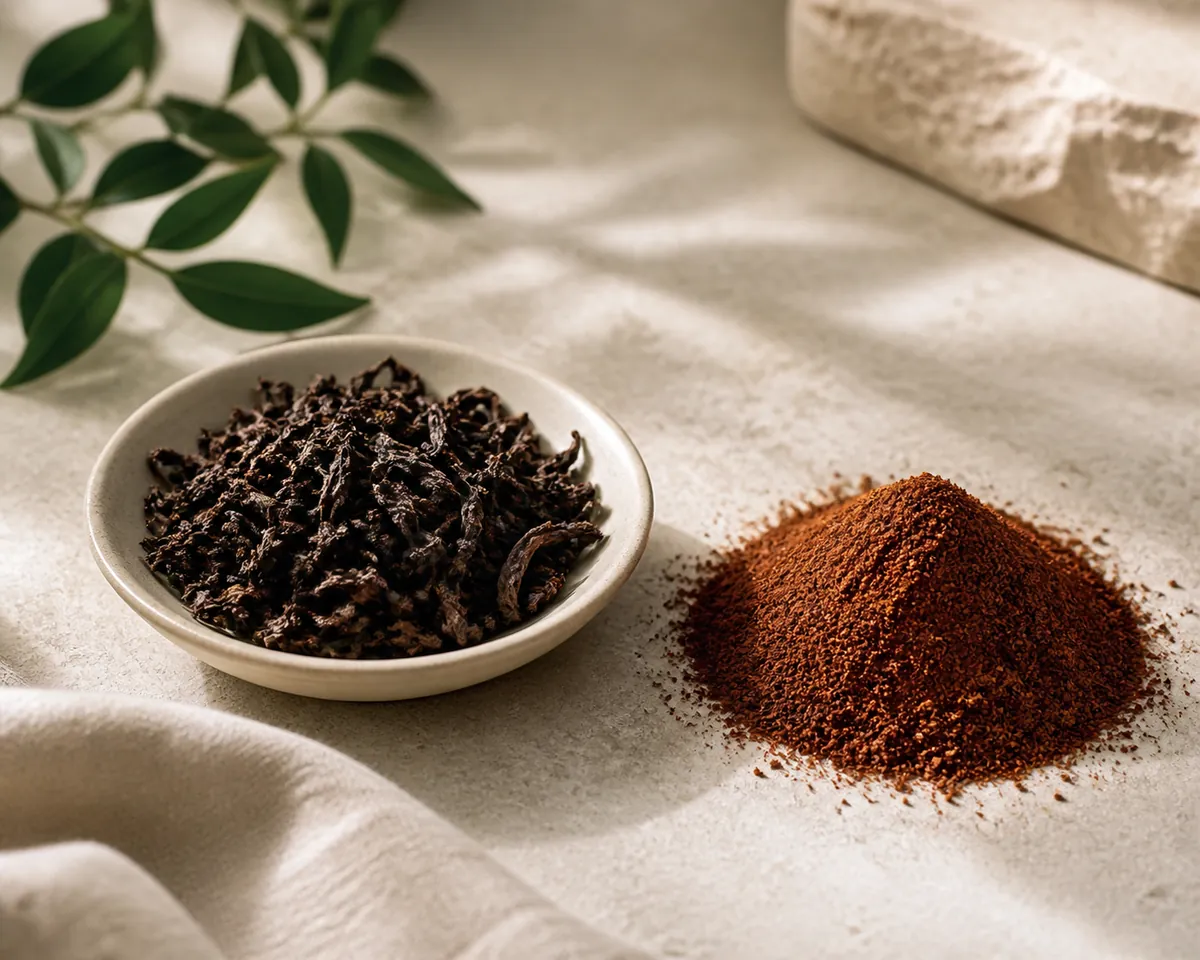
Roasting is a chemical rewrite rather than a finishing touch. Sugars and amino acids in the leaf react under heat and produce the toasted, nutty compounds that give hojicha its character, and none of those existed in the green leaf.
At the same time the roast destroys much of what was there before. Catechins, which supply the astringency and a good deal of the bitterness in green tea, break down substantially, and the grassy volatiles go with them.
What the roast changes
- ColourGreen chlorophyll degrades; the leaf turns brown
- BitternessCatechins break down, and the astringency goes with them
- AromaToasted and caramel notes are created, not revealed
- CaffeineA share is driven off at roasting temperature
- BodyThinner and cleaner than a green tea of the same leaf
Nothing about hojicha is a milder version of green tea; it is a different set of compounds produced by heat. That is why a drinker who dislikes green tea often gets on with this immediately.
The roast level varies and it is the main axis of quality. A light roast keeps some of the tea's original character underneath; a dark one is almost entirely toast, and both are legitimate styles.
Why it is brown and matcha is green
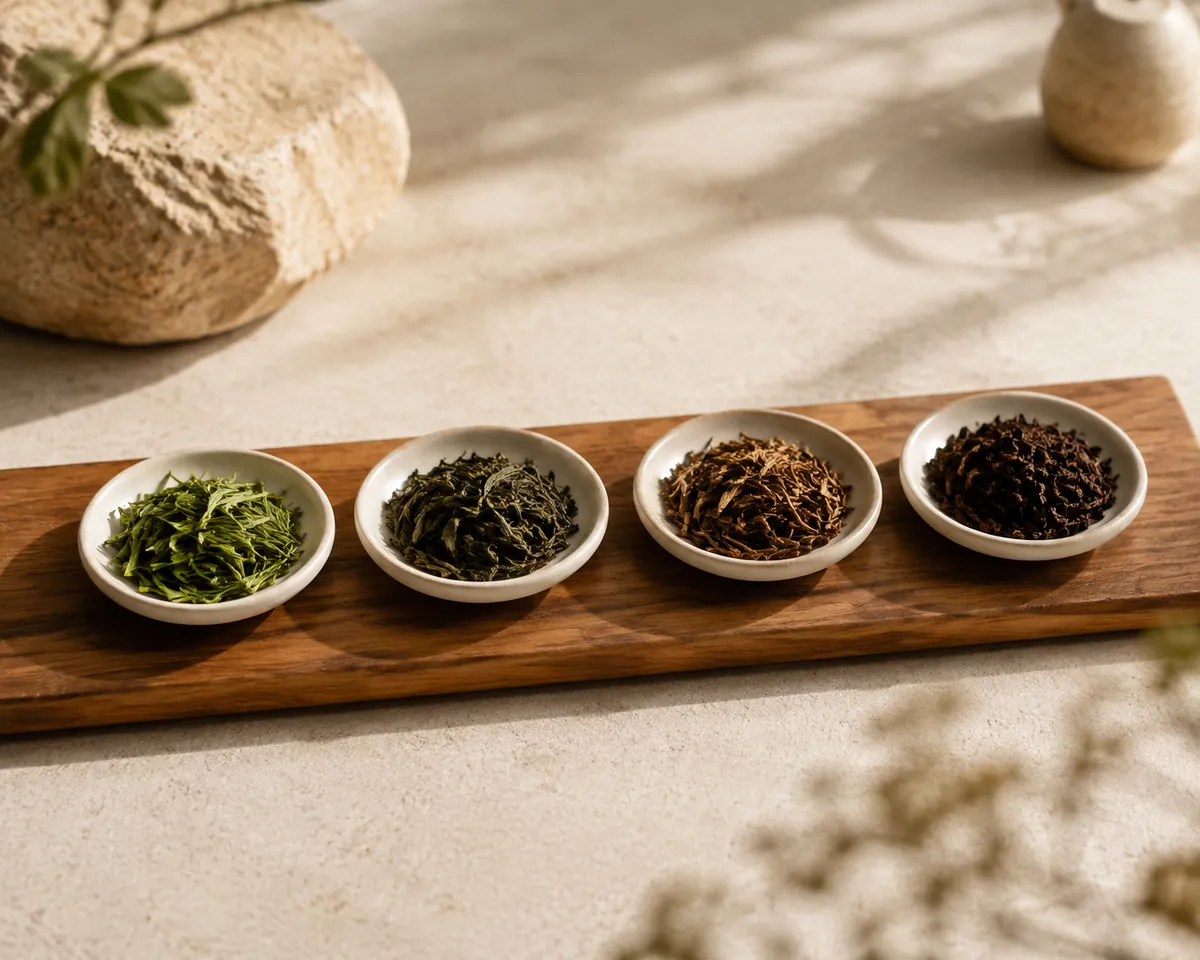
Matcha is grown under shade for weeks specifically to build chlorophyll, then dried gently and ground without heat, so the powder keeps a vivid jade colour.
Hojicha is the opposite at every step. The leaf is grown in full sun, it is often a later harvest, and it is then deliberately heated until the chlorophyll degrades.
| Hojicha powder | Matcha | |
|---|---|---|
| Growing | Full sun | Shaded for weeks |
| Harvest | Later, often bancha | First flush for the best grades |
| Heat applied | Roasted hard | Never roasted |
| Colour | Reddish-brown | Vivid jade |
| Bitterness | Very low | Present, balanced by sweetness |
| Caffeine | Low | High for a tea |
| Price | Modest | High, especially at ceremonial grade |
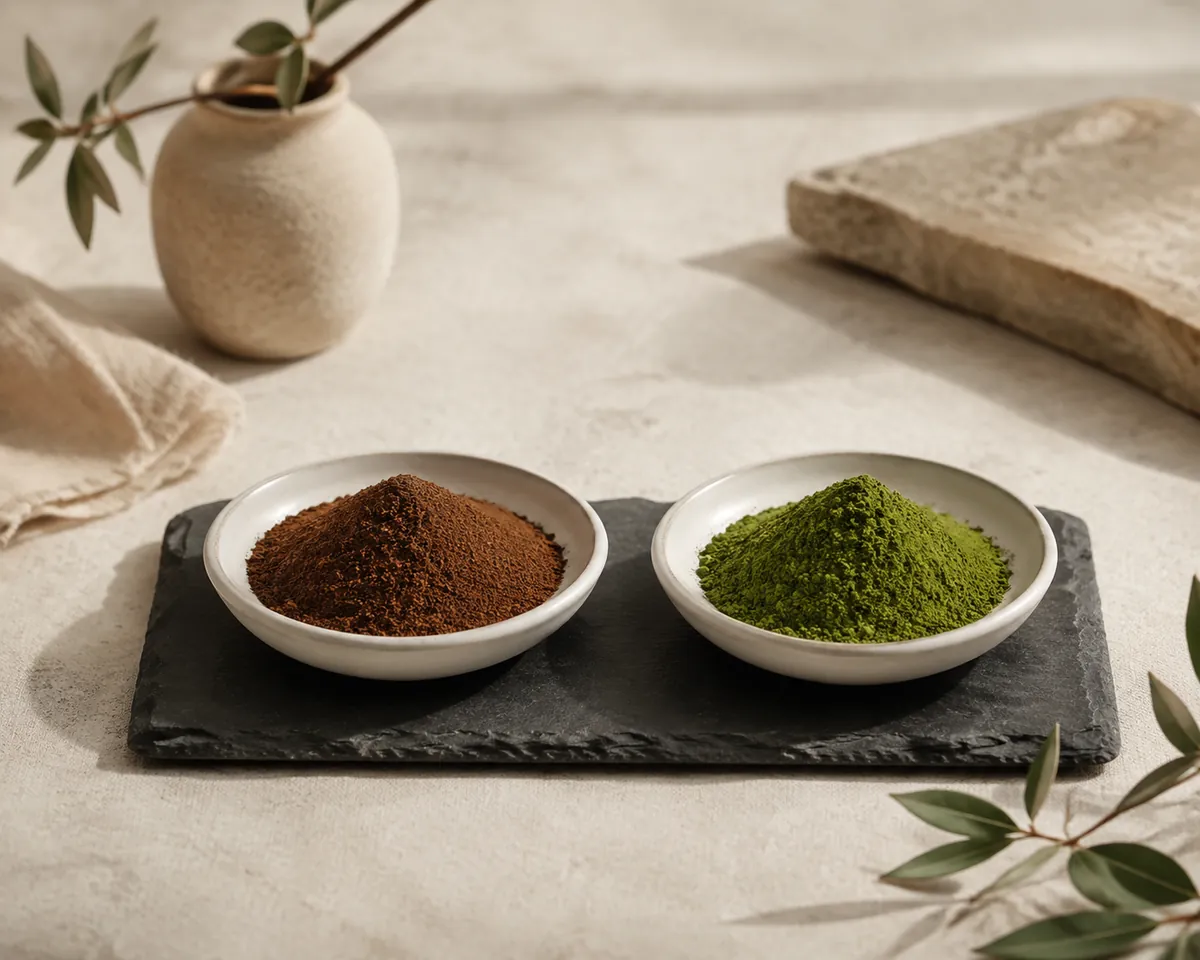
The colour comparison is worth making because the buying signals invert. A brown matcha is stale and a brown hojicha is correct, so the rule you learned for one powder is exactly wrong for the other.
The taste, and what it does not have
The first impression is toast. There is a clear roasted-grain note, something close to caramel behind it, and often a woody or nutty edge depending on how hard the leaf was roasted.
What is missing is as important. There is no grassiness, no marine note, no astringency worth mentioning, and very little bitterness, which between them account for most of the reasons people give for disliking green tea.
The full sensory account of the green powder it is compared with is under matcha taste, and almost none of that vocabulary transfers. Sweetness here is perceived rather than added.
Roasting creates compounds that read as sweet without any sugar being present, which is why a plain bowl of hojicha powder tastes rounder than its ingredient list suggests.
Body is light, lighter than matcha at the same dose, and that is the one place it can disappoint. A drinker expecting matcha's thickness will find this thinner and cleaner.
Caffeine, and where it goes
Hojicha is consistently low in caffeine, and two separate things contribute. The leaf used is generally a later harvest with less caffeine to start with, and the roast drives off a further share at high temperature.
Caffeine, most first
- MatchaHigh, since the whole leaf is consumed
- Sencha and gyokuroSubstantial, and shading raises it
- Ordinary green teaModerate
- Hojicha powderLow
- Decaffeinated tea and rooibosNear zero or none
Low is not none, and hojicha powder does contain caffeine. Because the powder means drinking the whole leaf rather than an infusion of it, a bowl of hojicha powder carries more than a cup of brewed hojicha leaf tea does at the same weight of tea.
It is also not a decaffeinated tea, and the two get confused on a shelf. Decaf is a processed product with the caffeine deliberately removed; this is simply a tea that never had much.
The comparison people actually want is against matcha, and there the gap is large. Matcha caffeine sets out that side of it, and hojicha powder sits well below every grade discussed there.
Whisking it, and why the foam is different
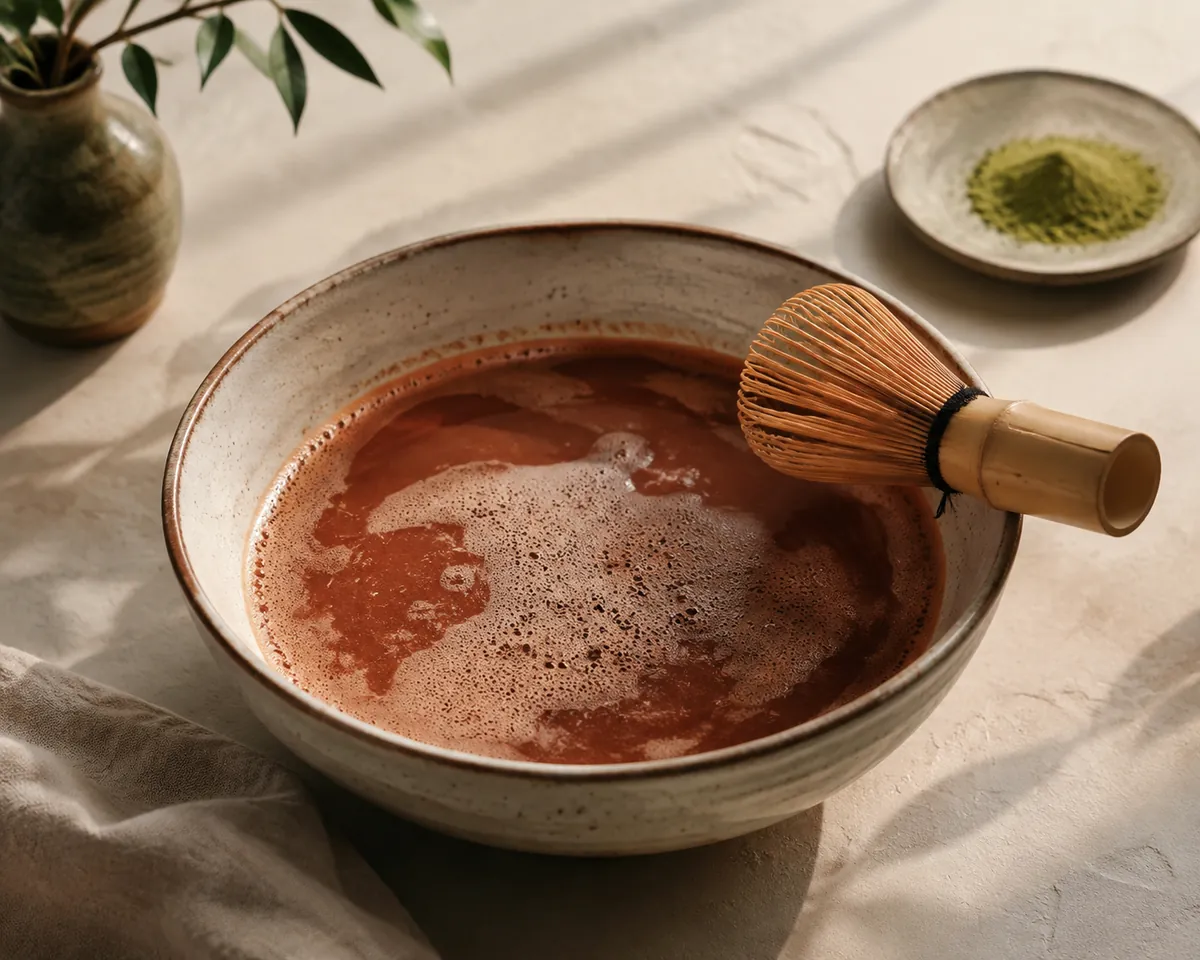
Prepared like matcha, hojicha powder behaves similarly and foams less.
The compounds that let matcha build a fine, stable crema are present in smaller quantity, so the surface is thinner and collapses sooner.
A bowl of hojicha
- SiftPush the powder through a fine sieve; it clumps as readily as matcha
- DoseAbout 2 g for a bowl, a little more than you would think
- WaterAround 80 C, since there is nothing delicate left to scorch
- WhiskA bamboo whisk works, and a milk frother works better
- DrinkPromptly, before the powder settles out
Water temperature is far less critical than with matcha, which is one of the practical pleasures of it. The roast has already removed the compounds that punish hot water, so a slightly-too-hot pour does no real damage.
Settling is the shared problem. Powder drops out of suspension within a minute or two, so a bowl left standing needs another stir, exactly as matcha does.
In milk, where it is at its best
This is the drink hojicha powder is really for, and it makes an unusually good one. Toasted and caramel notes sit naturally with dairy, in a way that green, vegetal flavours never quite do.
A hojicha latte needs no sweetening to taste sweet, which is rare. The roast supplies the impression of caramel on its own, so a spoon of cane sugar is optional rather than corrective.
A latte that works
- Hojicha powder
- 3 g
- Hot water
- 40 ml, to make a smooth paste
- Milk
- 200 ml, hot or cold
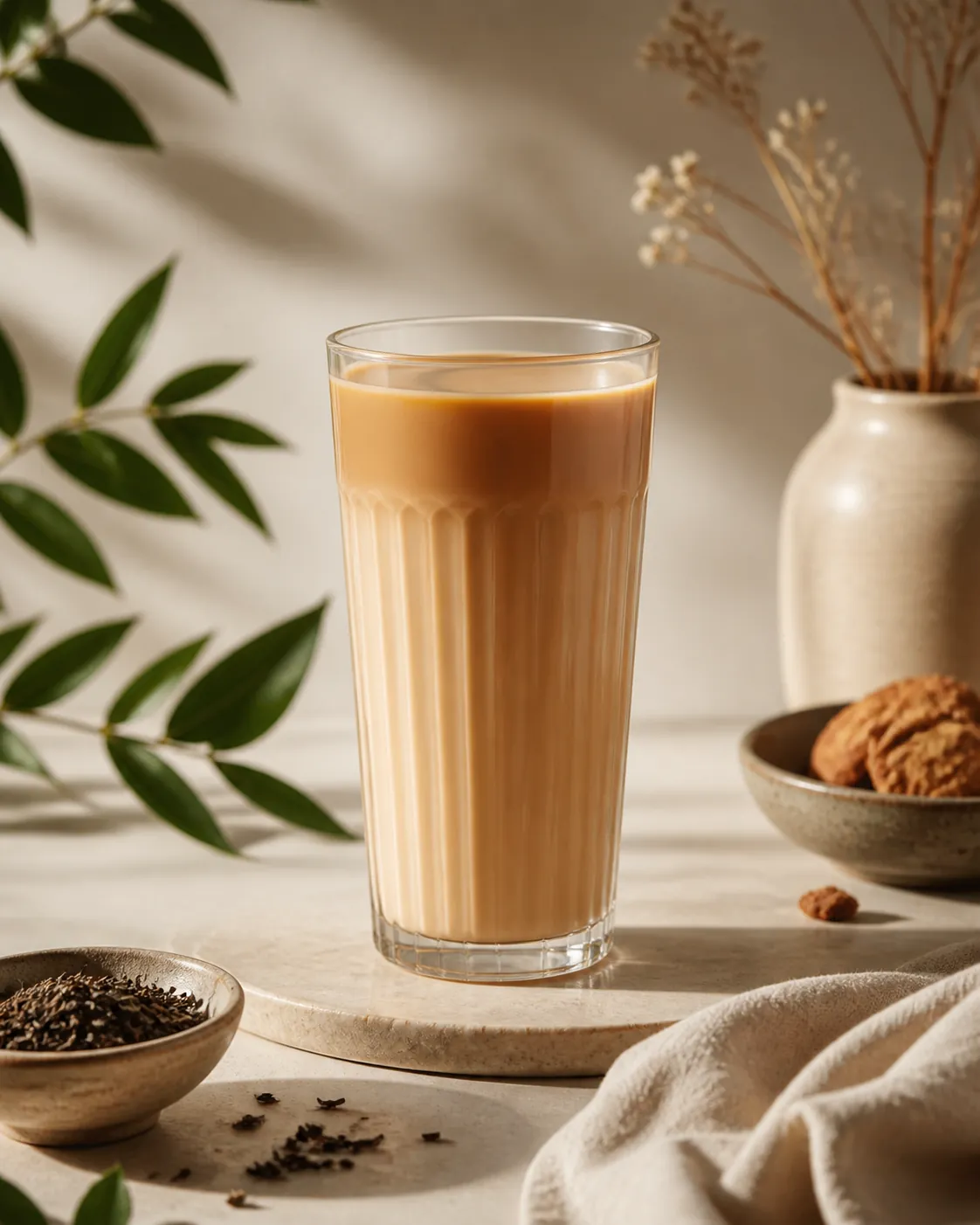
It is also more forgiving of plant milks than matcha is. Oat milk in particular shares a cereal sweetness with the roast, and the two reinforce each other where oat milk against green matcha can taste like two flavours arguing.
Iced works as well as hot, and better than iced matcha in one respect: cold does not flatten a roasted flavour the way it flattens a delicate green one.
Hojicha powder against hojicha leaf
Both are the same roasted tea, and choosing between them is a question about strength, texture and convenience rather than flavour.
Leaf hojicha is brewed and strained, so you drink an infusion. It is lighter, completely clear, has no texture, and carries less of everything including caffeine.
Powder means consuming the whole leaf in suspension, so it is stronger, thicker, cloudier and more intensely toasted. It is also the only version that works in milk without brewing a concentrate first.
- Leaf for a clean hot drink with no sediment
- Powder for lattes, iced drinks and anything blended
- Powder where you want the flavour to survive dairy
- Leaf where you want something light to drink through an afternoon
- Either for cold brewing, though the leaf gives a clearer result
Genmaicha is the other frequent confusion, and it is a different thing again: green tea blended with roasted rice, which brings a toasted note without roasting the tea itself. Genmaicha tastes lighter and keeps its green character underneath.
Buying signals that are not matcha’s
The signals are different from matcha's, and applying matcha rules here leads you wrong.
- Expect reddish-brown or chestnut; green tinges mean an under-roast
- Look for a stated roast level, light or dark, where sellers give one
- Check whether it is leaf or stem based, since stem is milder and sweeter
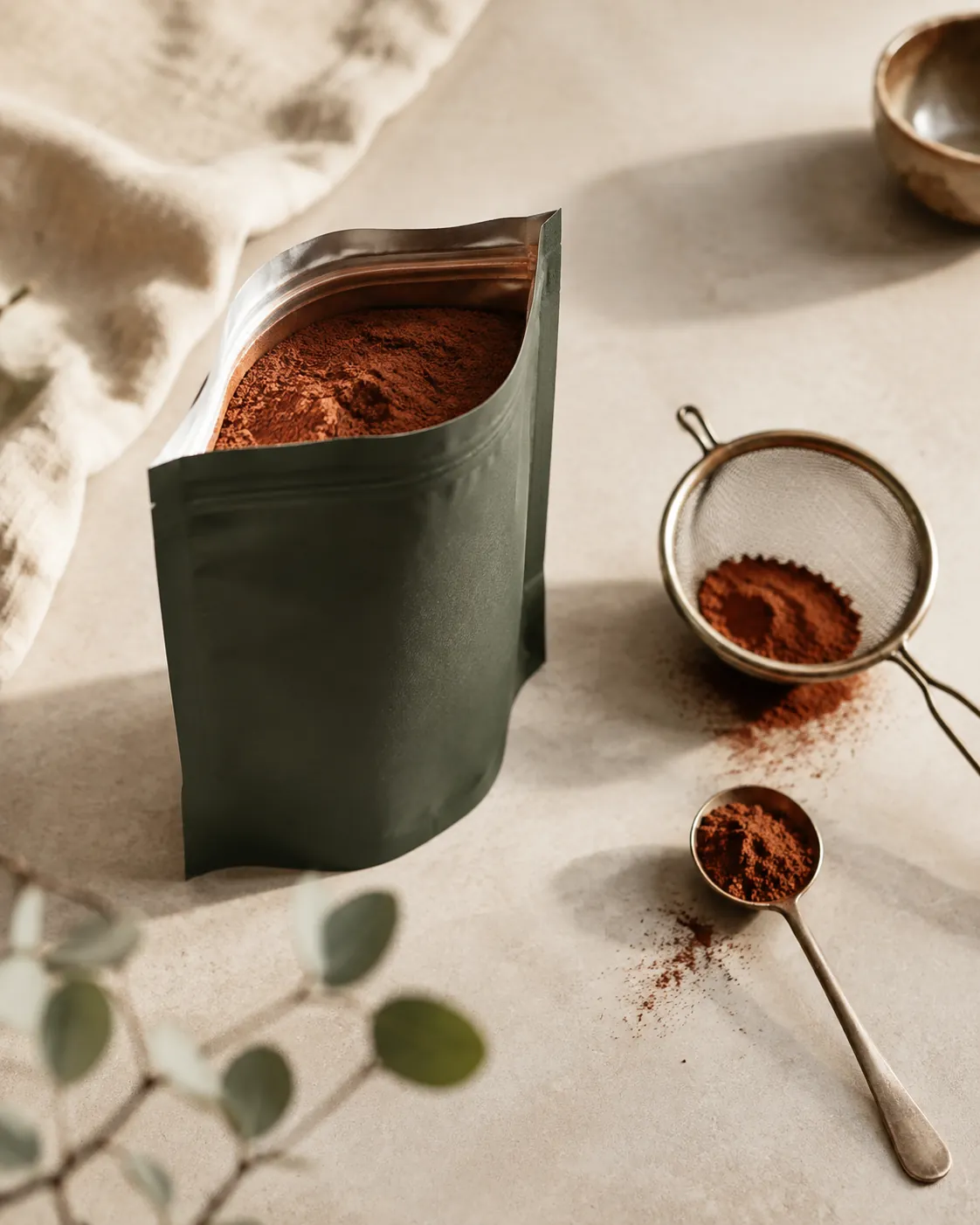
- Prefer a resealable opaque pouch, though light matters less than for matcha
- Smell for toast and caramel, and reject anything acrid or burnt
Acridity is the fault to watch for. A leaf taken too far in the roaster gives a powder with a genuinely burnt, ashy edge, and unlike most tea faults it does not fade with a gentler brew.
Price is far lower than matcha's and the range within hojicha is narrow. There is no ceremonial tier here, and a mid-priced powder from a named Japanese producer is close to the top of what the category offers.
Grind fineness is the one place a cheap powder shows itself. A coarse mill leaves a gritty powder that settles almost immediately and reads as chalky on the palate, which no whisking recovers, and it is the same fault that separates good and bad culinary grade matcha.
Storage, and why it keeps better than matcha
Hojicha powder is considerably more robust than matcha, and the reason is that the roast has already done the damage that time does to a green powder.
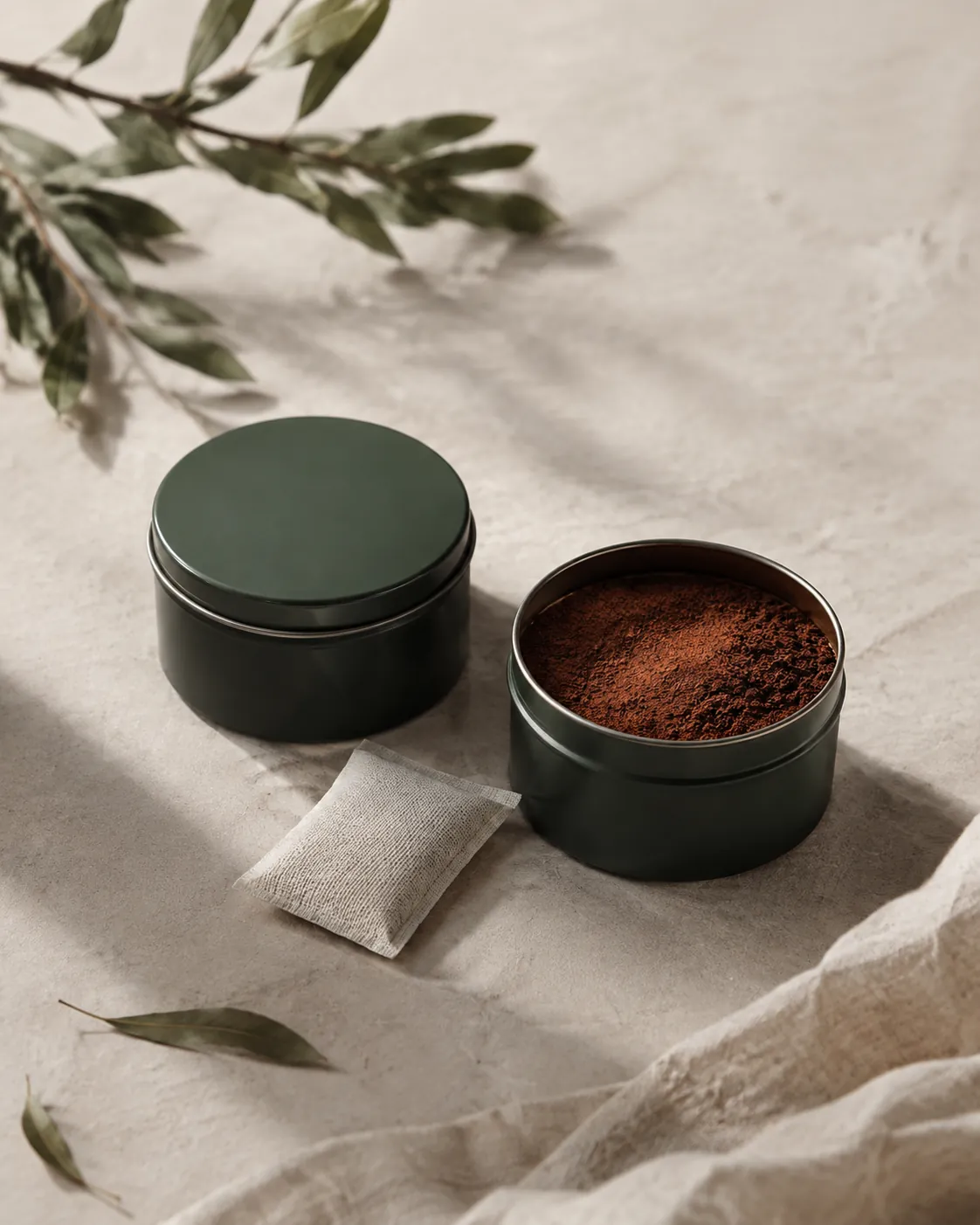
There is no bright chlorophyll left to fade and far fewer delicate volatile compounds to lose, so a tin of hojicha powder holds its character for months rather than weeks.
Air
Still worth sealing, but far less urgent than with matcha
Light
Matters little; there is no green to bleach
Damp
The real risk, since any fine powder cakes
Heat
Keep it off a warm shelf, though the roast has already been applied
The general rules under matcha storage still apply and can be relaxed, and they are closer here to the ordinary advice under storing loose leaf. A fridge is unnecessary here, which removes the condensation problem that makes cold storage awkward for matcha.
Caking is the end point, as with any powder. Hard lumps that will not break under a sieve mean moisture has reached it, and that powder will never disperse cleanly again.
Where it fits
Hojicha powder occupies a genuinely useful gap: a whisked tea drink with no bitterness, no grassiness and little caffeine, that tastes of toast and works in milk.
Against matcha, it is the easier drink and the cheaper one, and it asks nothing of the drinker in the way of acquired taste. Against green tea it is barely the same beverage, which is exactly why it converts people.
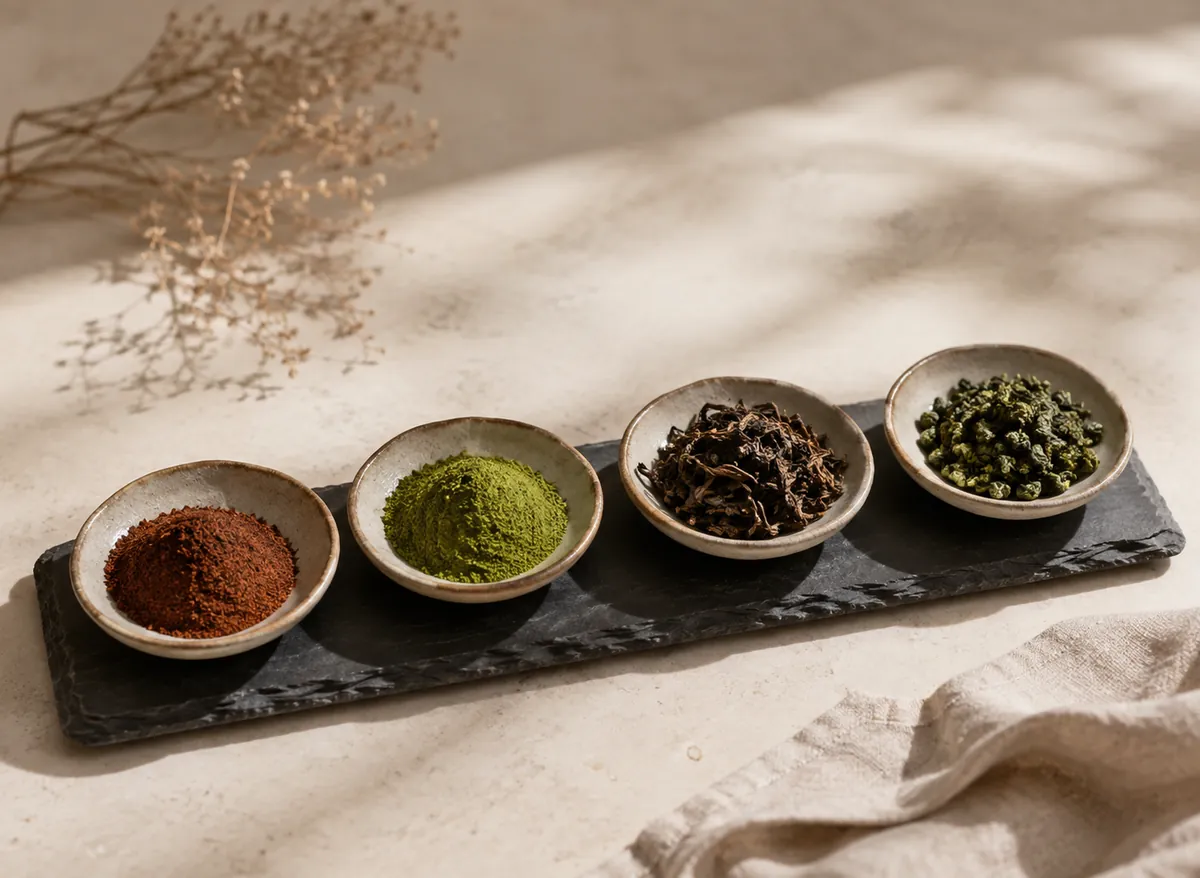
Its limits are real. It is thinner than matcha, it does not foam properly, it has none of matcha's savoury depth, and a dark roast can be monotonous over a whole tin.
Against whole milk it holds up; against a strong coffee it does not. What it offers instead is a drink almost nobody dislikes, which is not a small thing for a tea.
Common questions
Is hojicha powder the same as matcha?
No. Matcha is shade-grown, never roasted, and ground to a vivid jade powder. Hojicha is grown in full sun, usually from a later harvest, and roasted hard until the leaf turns brown. They share a preparation and almost nothing else, and the buying signals invert: brown matcha is stale, brown hojicha is correct.
Why does hojicha powder taste sweet without sugar?
Roasting makes sugars and amino acids in the leaf react under heat, producing toasted and caramel compounds that read as sweetness. None of them existed in the green leaf. That is also why a hojicha latte usually needs no sweetening to taste sweet.
Does hojicha powder have less caffeine than hojicha tea?
No, more, weight for weight. Powder means consuming the whole leaf in suspension rather than drinking an infusion of it, so a bowl carries more than a brewed cup made with the same amount of tea. It is still low against matcha, which uses whole leaf too but starts from a much higher base.