Agave Syrup, and Why Fructose Behaves Unlike Table Sugar
Agave syrup sweetens with fructose rather than the sucrose in table sugar. That one difference sets the dose, explains why it dissolves in a cold glass, and explains why the drink can taste correct and still feel thin.
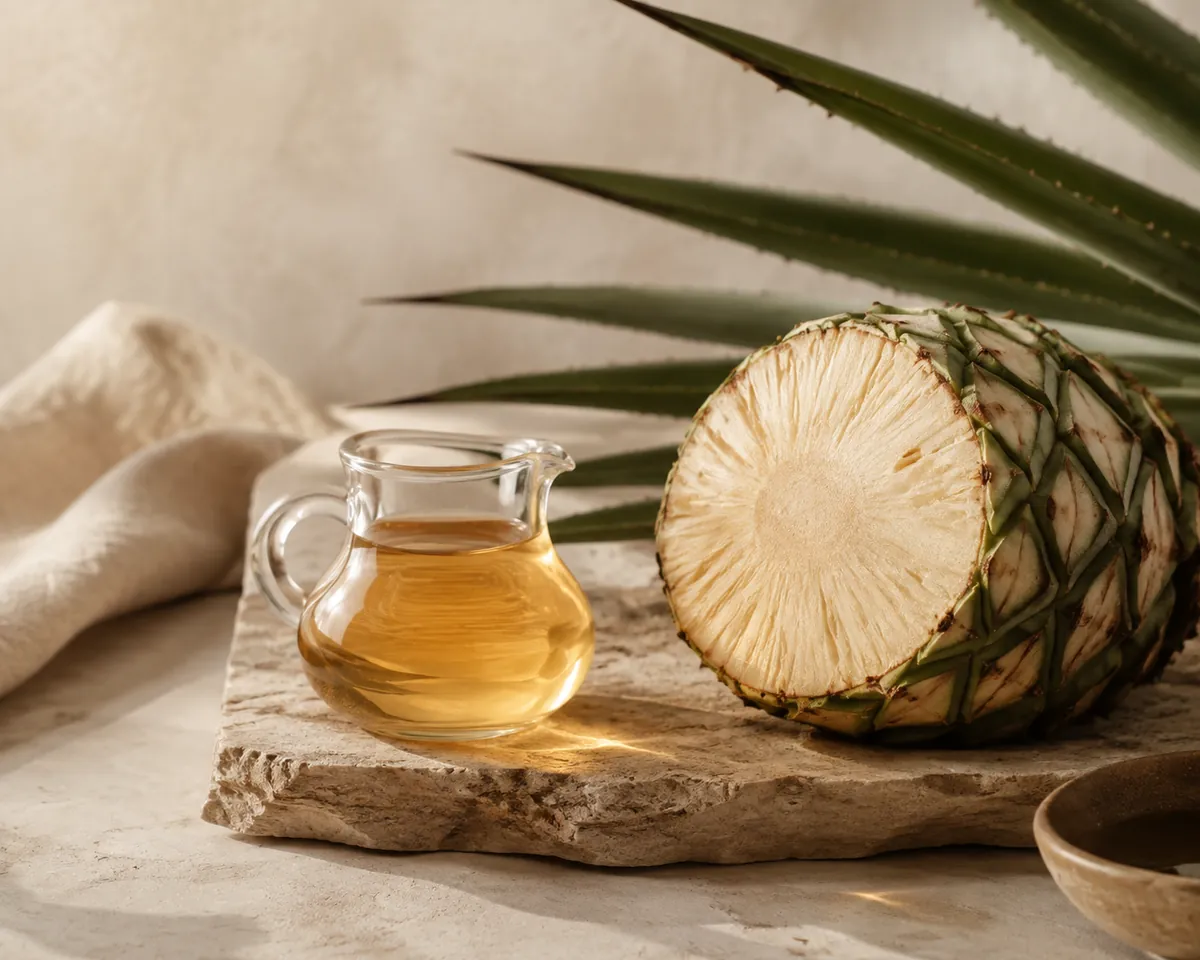
Agave syrup is a liquid sweetener made from the sap of agave plants, mostly grown in Mexico. It arrives as a thin, pale-to-amber syrup that pours more like maple than like honey, and in a drink it behaves differently from every granulated sugar on the shelf.
One fact explains almost all of that behaviour. The sweetness in agave is mostly fructose, not the sucrose that makes up table sugar, and fructose is both sweeter on the tongue and far happier dissolving in cold liquid.
That single difference sets the dose, the mouthfeel, the temperature at which it is useful, and the reason a drink sweetened with agave can taste thinner than the same drink sweetened with sugar.
Agave syrup at a glance
- Source
- Sap from the core of agave plants, chiefly Mexican
- Main sugar
- Fructose, typically the large majority
- Sweetness
- Noticeably sweeter than table sugar, spoon for spoon
- Texture
- Thin and free-pouring, thinner than honey
- Cold solubility
- Excellent; it is already a liquid
- Flavour
- Near-neutral when light, caramel and earthy when dark
What agave syrup is made from
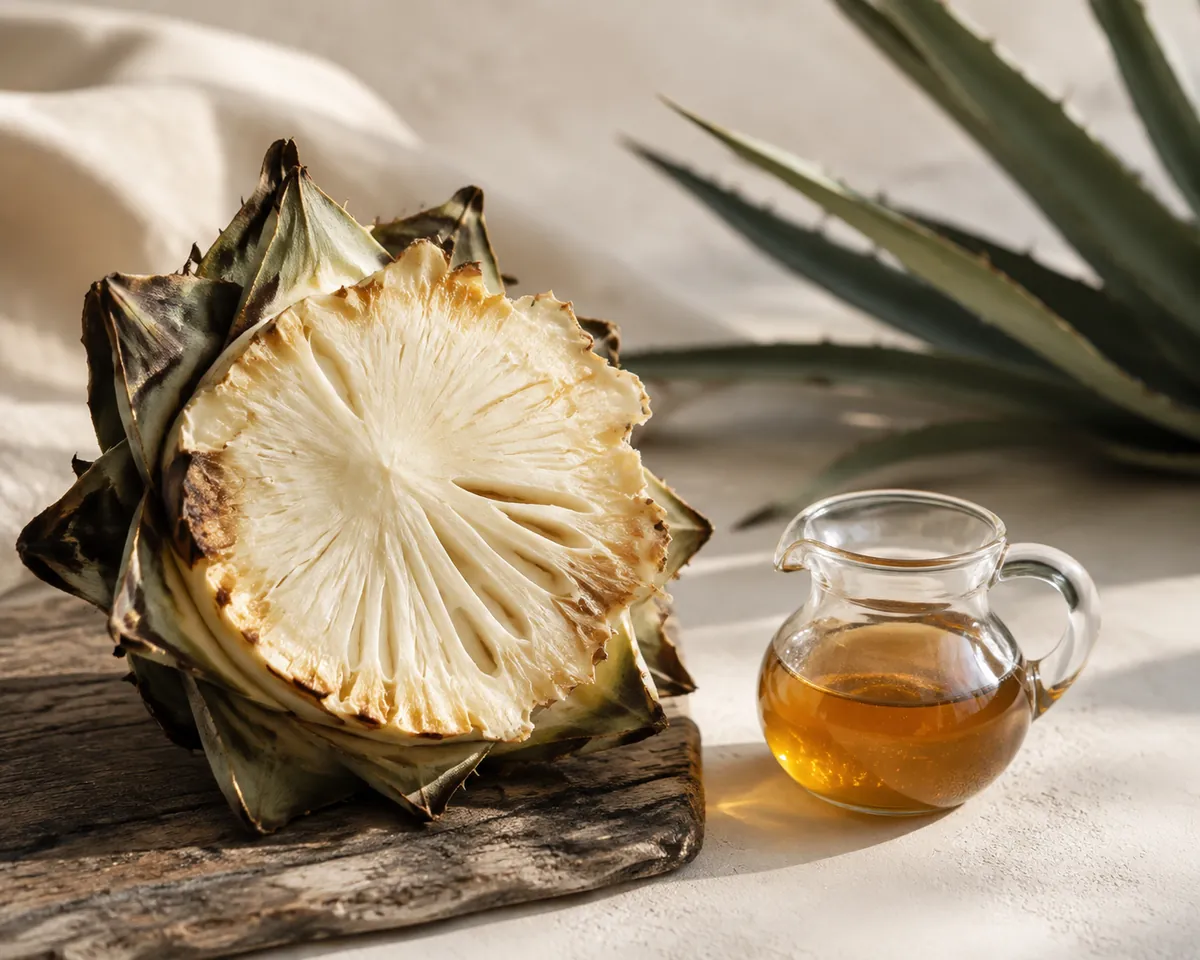
The plant is a succulent with a dense central core, the piña, sitting under a rosette of long spiked leaves. Most commercial syrup comes from blue agave or from the larger salmiana, both grown as field crops across central Mexico rather than gathered wild.
The core is harvested after several years of growth, and what is drawn from it is not sweet. Raw agave sap carries its carbohydrate mainly as inulin, a chain of linked fructose units that the tongue barely registers, so the sweetness has to be created rather than collected.
That is the step that turns a plant sap into a syrup, and it is where every argument about agave actually lives. What comes out of the ground is not the product on the shelf.
Agave is also the plant behind tequila and mezcal, which is a source of confusion but no more than that. Syrup production stops well before fermentation, and there is nothing alcoholic about the sweetener.
Why it is sweeter than sugar
Fructose and sucrose are both sugars, but they are not equally sweet. Fructose registers as sweeter on the tongue at the same concentration, which is why a syrup dominated by it goes further than table sugar does.
Perceived sweetness, sweetest first
- Agave syrupSweeter than sugar spoon for spoon, on fructose
- Cane sugar and simple syrupThe reference point everything is measured against
- HoneyBroadly comparable, with far more flavour attached
- Maple syrupSlightly less sweet, with strong flavour of its own
- Glucose syrupDistinctly less sweet, used for body rather than taste
The practical figure is that most people replace sugar with roughly three quarters as much agave and land in the same place.
Start lower than instinct suggests, because over-sweetening is far easier to do than to undo.
What you lose in the swap is bulk. Cane sugar contributes body as well as sweetness, and using less of a sweeter syrup means less dissolved solid holding the drink together, which is why an agave-sweetened iced tea can taste correct and still feel slightly thin.
From inulin to syrup: what processing actually does
Turning inulin into a sweet syrup means breaking those fructose chains apart. Producers do it with heat and acid, or with enzymes, and then concentrate the result by evaporation.
Sap to bottle
- HarvestMature cores cut from the field after several years
- ExtractionSap pressed or drawn from the crushed core
- HydrolysisInulin broken into free fructose, by heat or enzyme
- FiltrationSolids and colour removed, to a chosen degree
- EvaporationConcentrated down to a pourable syrup
None of that is unusual food processing, but it is worth stating plainly because agave is frequently sold on the idea of being unprocessed. A syrup whose sweetness is manufactured by breaking down a tasteless carbohydrate is not a raw product, whatever the label says.
Enzyme conversion tends to give a cleaner, paler syrup; heat-and-acid conversion gives a darker one with more caramel character. Neither is better in the abstract, and the difference shows up on the palate rather than in any claim on the front of the bottle.
Filtration is the other lever. Heavier filtering strips colour, minerals and flavour together, which is how the near-neutral light grades are produced.
Light, amber and dark
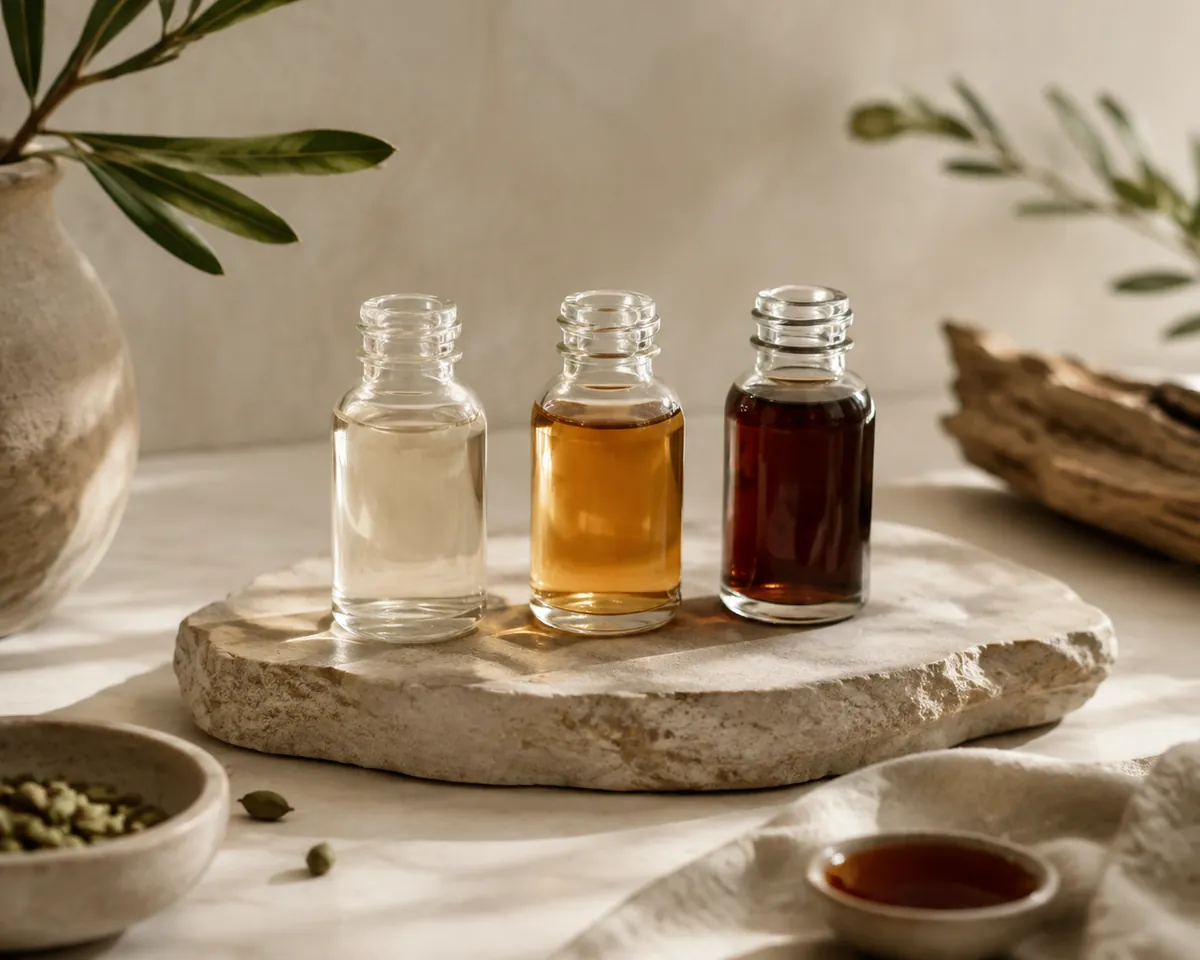
The grade names are not standardised, but the pattern behind them is consistent: less filtration means more colour, more mineral character and more flavour.
| Light | Amber | Dark | |
|---|---|---|---|
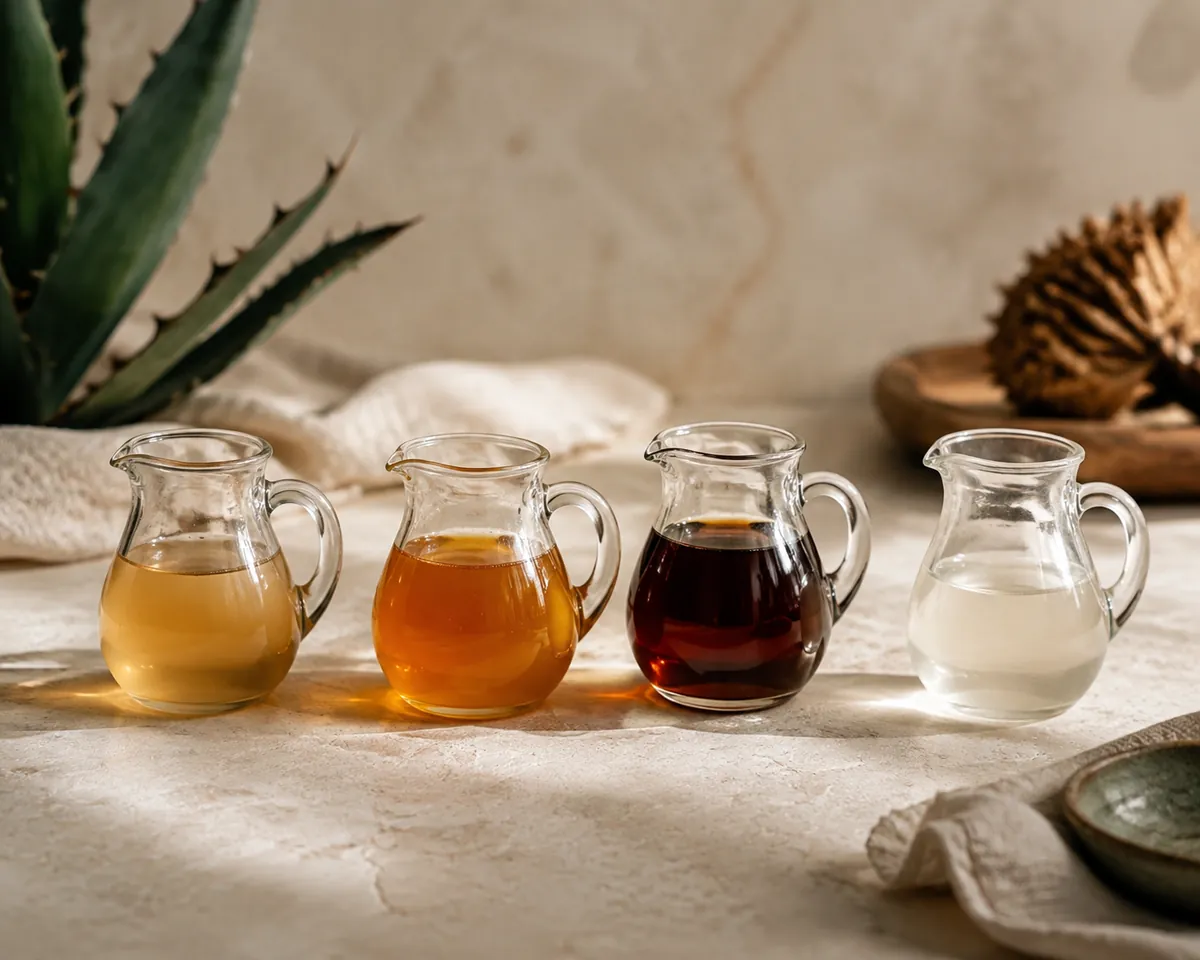
| Colour | Pale straw | Gold | Deep brown |
| Flavour | Close to neutral | Mild caramel | Molasses and earth |
| Use in drinks | Iced tea, cold coffee, cocktails without alcohol | Spiced drinks | Cocoa, chai |
| Interference | Minimal | Noticeable | Dominant |
Light is the default for drinks, and for good reason. A sweetener that adds no flavour of its own is what most cold drinks need, and light agave gets closer to that than honey or maple syrup manage.
Dark agave is a flavouring as much as a sweetener. It works in hot cocoa and spiced drinks where a molasses note is welcome, and it is wasted or actively wrong in anything delicate.
Amber sits between, and it is the grade most likely to be sold simply as agave syrup with no qualifier at all.
What it tastes like in a drink
Light agave is close to clean sweetness with a faint vegetal note underneath, noticeable mostly in water or in a very plain drink. In anything with flavour of its own it disappears almost completely.
The finish is where it differs from sugar. Fructose sweetness arrives fast and clears fast, so an agave-sweetened drink tastes sweet immediately and then lets go, where simple syrup lingers slightly longer across the palate.
That quick clearing is an advantage in cold drinks and a small liability in hot ones. In cold brew or iced tea it reads as clean; in a hot latte it can feel as though the sweetness has left before the coffee has.
The same clean finish suits an iced matcha, where anything lingering would sit on top of the tea.
Dark grades taste of something specific, and it is worth tasting one from the spoon before committing a whole jug of drink to it. The molasses character is stronger than the colour suggests.
Why it dissolves cold, and what that is worth
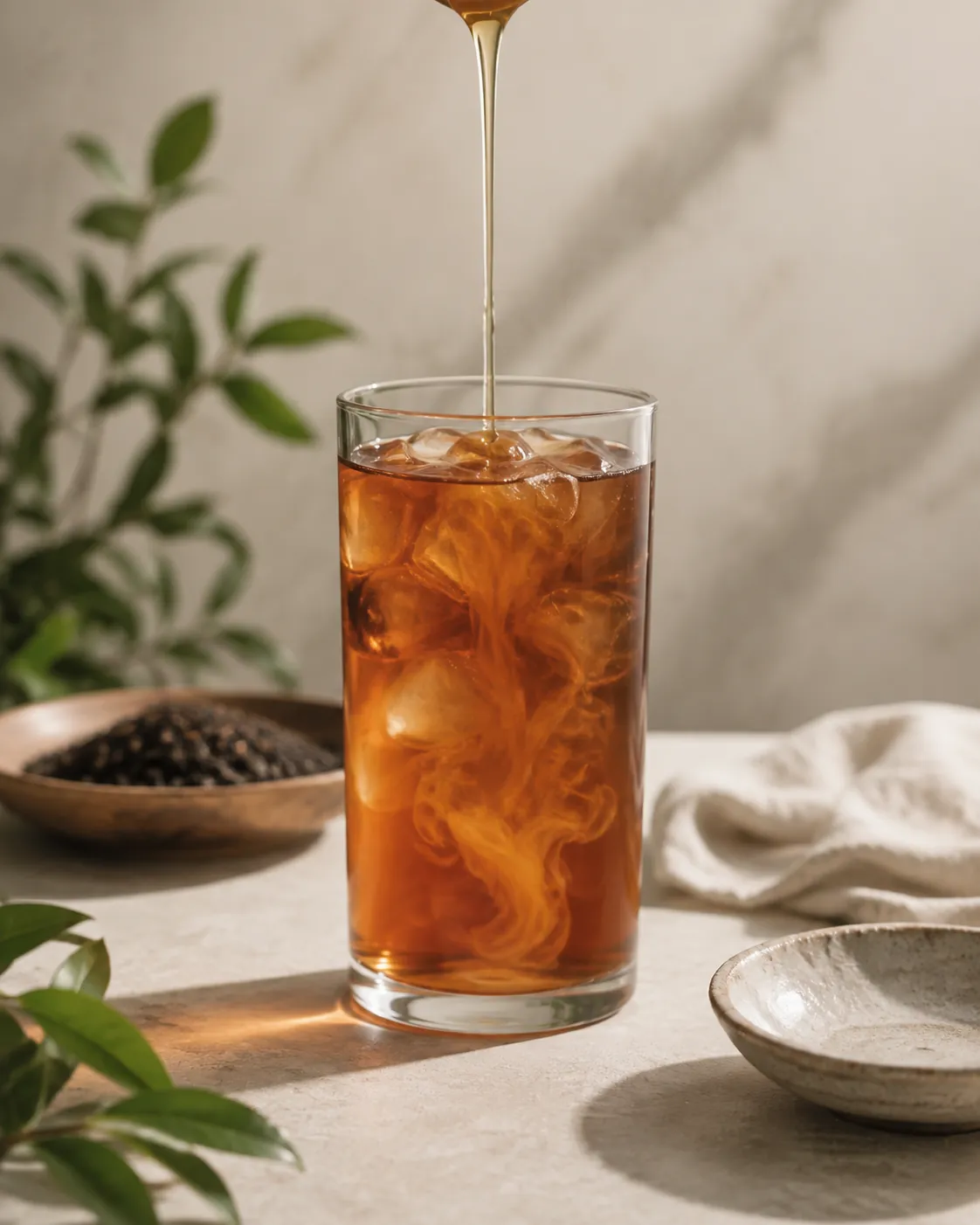
Granulated sugar dissolves badly in cold liquid. That is not a matter of stirring harder; sucrose solubility drops sharply as temperature falls, which is why sugar stirred into iced tea ends up on the bottom of the glass.
Agave sidesteps the problem entirely by arriving already dissolved. It is a syrup, so there is no crystal to break down, and it disperses into a cold drink with a few seconds of stirring.
Against simple syrup the comparison is close and mostly practical. Simple syrup is cheaper and flavour-neutral, agave is stronger and keeps better, and neither has an advantage in how it mixes.
Against stevia the comparison is not close at all, because stevia contributes no sugar and no body and carries its own distinctive aftertaste. Agave is a sugar syrup; stevia is not.
Substituting it for sugar or simple syrup
The conversions are simple enough to keep in your head, and all of them are starting points rather than rules.
Swapping in agave
- For 1 tsp granulated sugar
- About ¾ tsp light agave
- For 15 ml simple syrup
- About 10 ml light agave
- For 1 tbsp honey
- About 1 tbsp light agave, sweeter and thinner
Reduce the liquid slightly in anything where volume matters, since you are adding a syrup where a dry solid used to go. In a glass of iced tea nobody notices; in a carefully balanced drink it is worth accounting for.
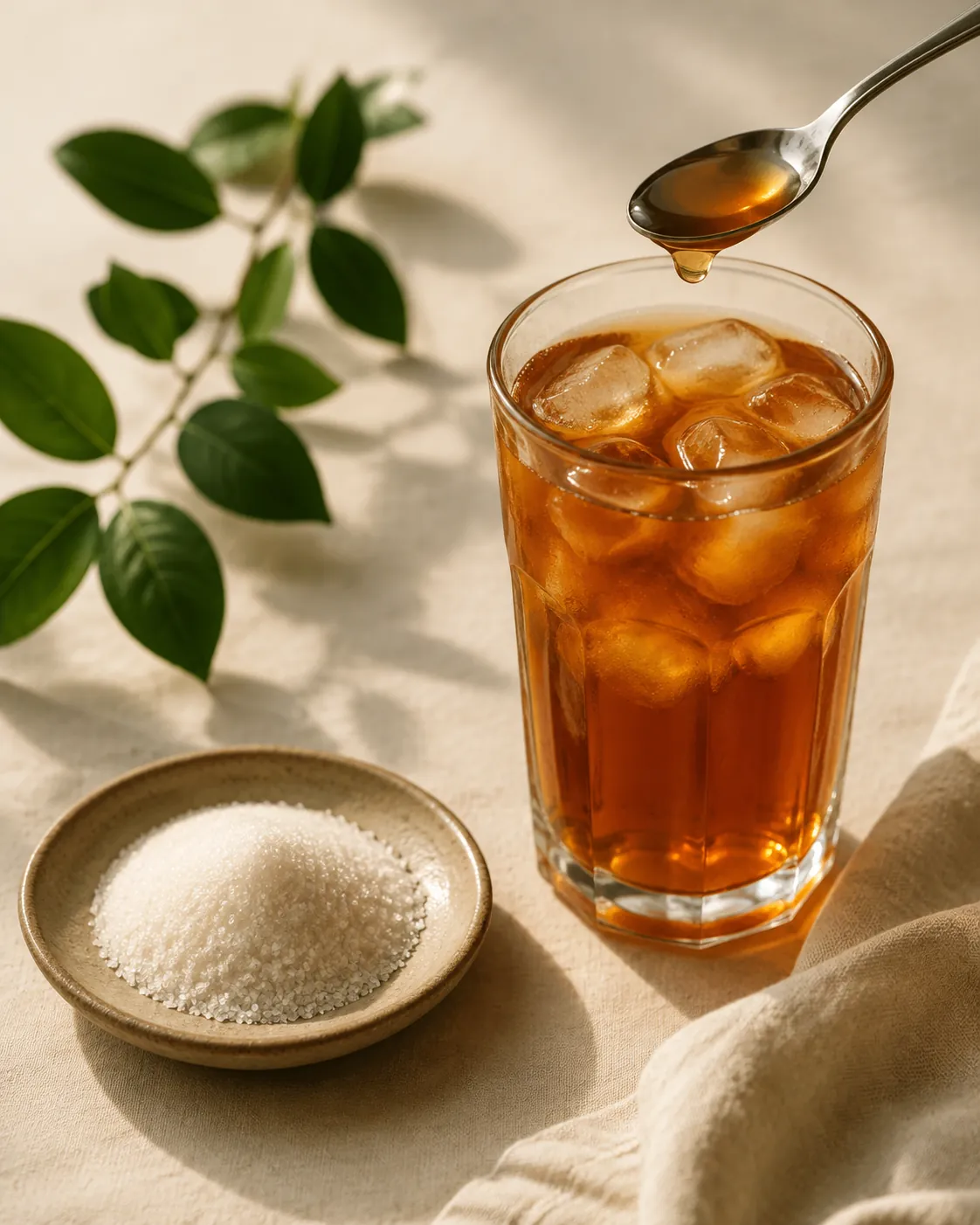
Taste at the end rather than the beginning. Fructose sweetness reads faster than sucrose, so a drink that tastes right the moment it is mixed can taste slightly oversweet by the time it has sat with ice for a minute.
Infused water is the exception that proves the rule: sweeten it at all and it stops being the thing you made.
Acidity changes the picture too. A squeeze of lemon or a dose of citric acid suppresses perceived sweetness, so a tart drink usually takes more agave than a plain one to reach the same balance.
Where it works, and where it does not
Agave is at its best where you want sweetness and nothing else, in a drink served cold.
- Iced tea and cold brew coffee, where cold solubility is the whole point
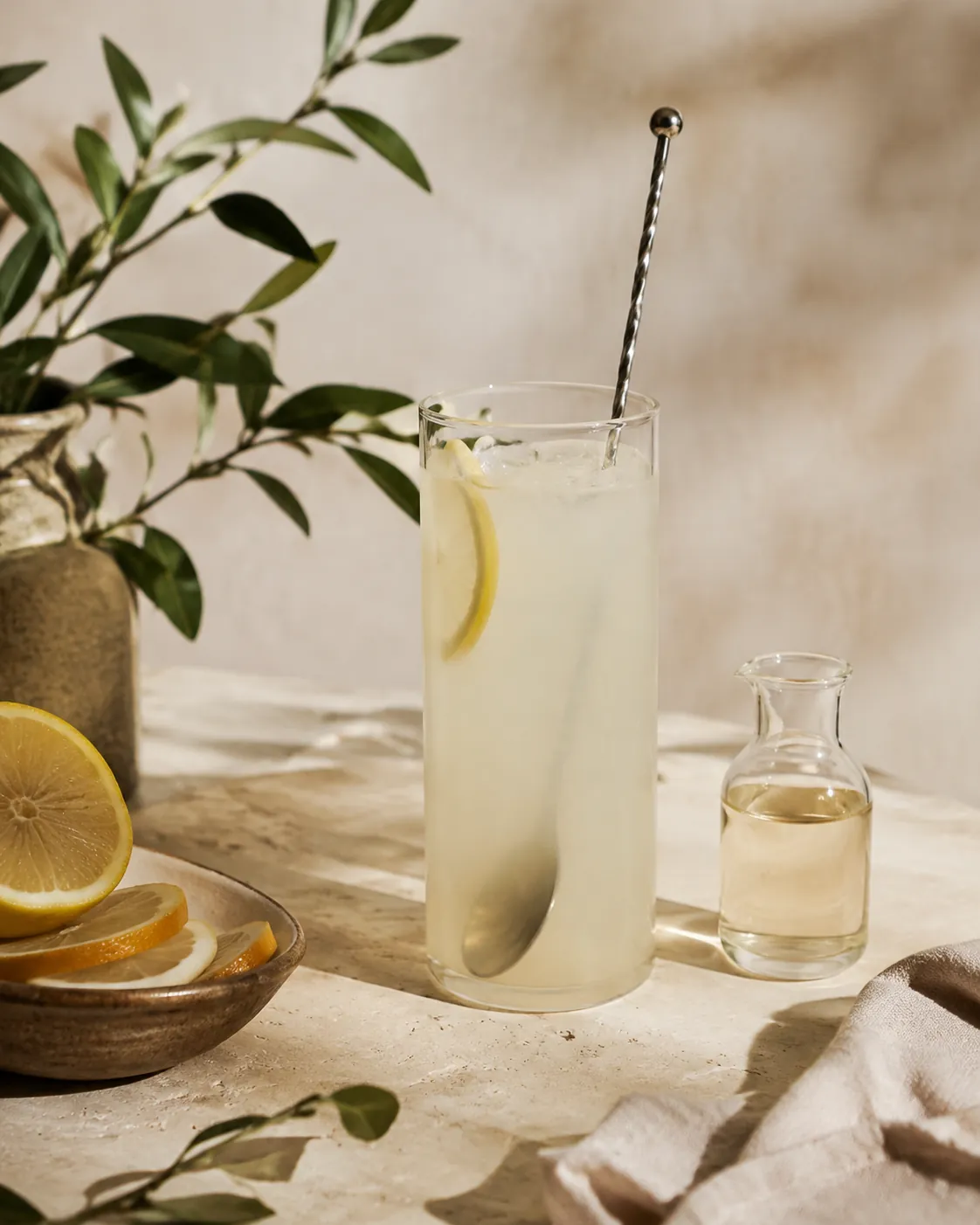
- Lemonade and citrus drinks, where the flavour needs no help
- Smoothies, which are already sweet and need only a lift
- Sparkling water with fruit, where a syrup mixes and sugar will not
- Matcha lattes, where a neutral sweetener keeps the tea readable
It is a poor choice where body matters. A drink that relies on the weight sugar gives, or on the way sugar suppresses bitterness, does better with cane sugar or a proper syrup, because using less of something sweeter takes that weight away.
A matcha latte is the clearest case of that, since the whole point is to keep the tea readable under the milk.
It is also the wrong tool where flavour is wanted. If a drink is asking for the character of honey, maple or vanilla syrup, a neutral sweetener answers a different question and the drink ends up flatter.
Hot drinks are the marginal case. Agave works perfectly well in tea and coffee, but so does sugar, which dissolves happily at those temperatures and costs a fraction as much.
The advantage that justifies agave largely evaporates once the drink is hot.
What a good bottle looks like
Read the ingredient list, which should say agave syrup and nothing else. Blends cut with cheaper syrups exist, and they are legal and legitimate but not what you are paying for.
- Check the grade is stated, and prefer light for general drinks use
- Expect a single ingredient, not a blend with corn or rice syrup
- Look for a glass bottle or a pouring cap you can control
- Treat unusually dark colour in something labelled light as a warning
- Ignore raw and unprocessed claims; the sweetness is manufactured
Organic certification is common and tells you about the farming rather than about the syrup, since the conversion step is the same either way. It says nothing about grade, and grade is what decides whether the syrup disappears into a drink or flavours it.
It is a reasonable thing to care about and a poor proxy for how the syrup will taste.
Price varies widely and tracks brand more than quality. A mid-priced light syrup from a single-ingredient bottle is very close to the ceiling of what this ingredient can do in a drink.
Storage, and how long it keeps
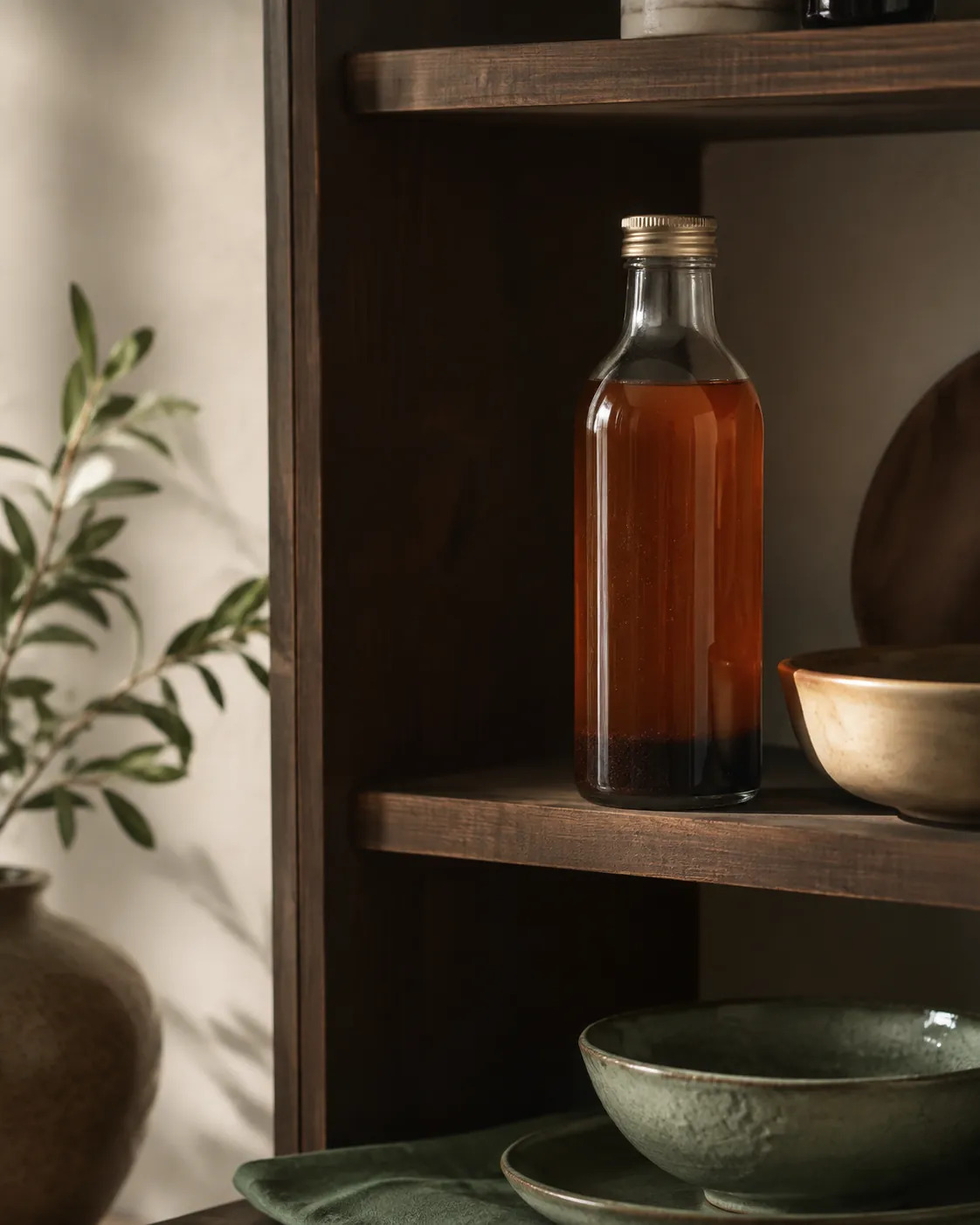
Agave keeps extremely well. Sugar concentration this high leaves too little free water for spoilage organisms, so a sealed bottle is stable in a cupboard for a year or more, and an opened one is not much worse.
Cupboard
The right place; cool and dark, no refrigeration needed
Fridge
Unnecessary, and it makes the syrup sluggish to pour
Crystallising
Rare, unlike honey; fructose stays in solution
Separation
A darker layer at the bottom is normal, stir it back
The one thing to watch is the cap.
Syrup dries around a thread and glues the lid shut, and a bottle that will not open cleanly is the most common practical annoyance with any liquid sweetener.
Compared with a home-made simple syrup, which needs the fridge and turns within weeks, this is the low-maintenance option. Nothing about agave demands attention, which is a real part of its appeal in a domestic kitchen.
Where it sits among liquid sweeteners
Agave occupies a specific slot: a strong, near-neutral, ready-mixed sweetener for cold drinks. Nothing else on the ingredients shelf covers exactly that combination.
Honey is more flavourful and thicker; maple syrup is more flavourful still and less sweet; simple syrup is cheaper and neutral but perishable; and dark agave brings a molasses note the light grades cannot. Agave beats each of them on one axis and loses to each on another, which is why most drinks cupboards end up holding more than one.
The case against it is worth stating fairly. It is expensive for what it does, it is sold with claims that its own production process does not support, and in hot drinks it offers nothing sugar does not.
The case for it is narrower and solid: in a cold glass, it dissolves when sugar will not, and it does the job without leaving a flavour behind.
Common questions
How much agave replaces a spoon of sugar?
About three quarters as much, because fructose registers as sweeter on the tongue than sucrose does. Start lower than that and taste at the end rather than the beginning, since the sweetness reads faster and a drink that seems right when mixed can seem oversweet a minute later.
Why does an agave-sweetened drink taste thin?
Because you are using less of it. Sugar contributes body as well as sweetness, so replacing it with a smaller quantity of something sweeter takes dissolved solids out of the glass. The drink reaches the same sweetness with less weight behind it.
Is agave syrup a raw or unprocessed sweetener?
No. Raw agave sap carries its carbohydrate as inulin, which is barely sweet, and the sweetness is created by breaking those chains into free fructose using heat and acid or enzymes, then concentrating the result. That is ordinary food processing, whatever the front of the bottle says.