What Is a Sports Drink? Sugar and Salts at a Set Concentration
A sports drink is water with sugar and salts dissolved in it, formulated to a particular concentration. The word isotonic describes that concentration, and it is the only part of the label that means something precise.
A sports drink is a formulated beverage containing water, carbohydrate and dissolved salts, mixed to a specified concentration.
Unlike coconut water or mineral water, which arrive with whatever composition nature supplied, this is an engineered product, and the numbers on the label describe the engineering rather than a place or a season.
A sports drink at a glance
- What it is
- Water with carbohydrate and salts dissolved to a stated concentration
- The defining number
- Carbohydrate per 100 ml, which sets the category name
- Usual band
- 4 to 8 g per 100 ml, described as isotonic
- Main salt
- Sodium, typically 40 to 120 mg per 100 ml
- Other additions
- Potassium in small amounts, citric acid, flavour and colour
- Formats
- Ready to drink, powder, effervescent tablet, concentrate
- Closest relative
- The electrolyte drink, which drops the carbohydrate
Hypotonic, isotonic, hypertonic: three words for one number
Three words appear on this shelf more than any others, and all three describe a single measurable property: how much is dissolved in the liquid compared with body fluids.
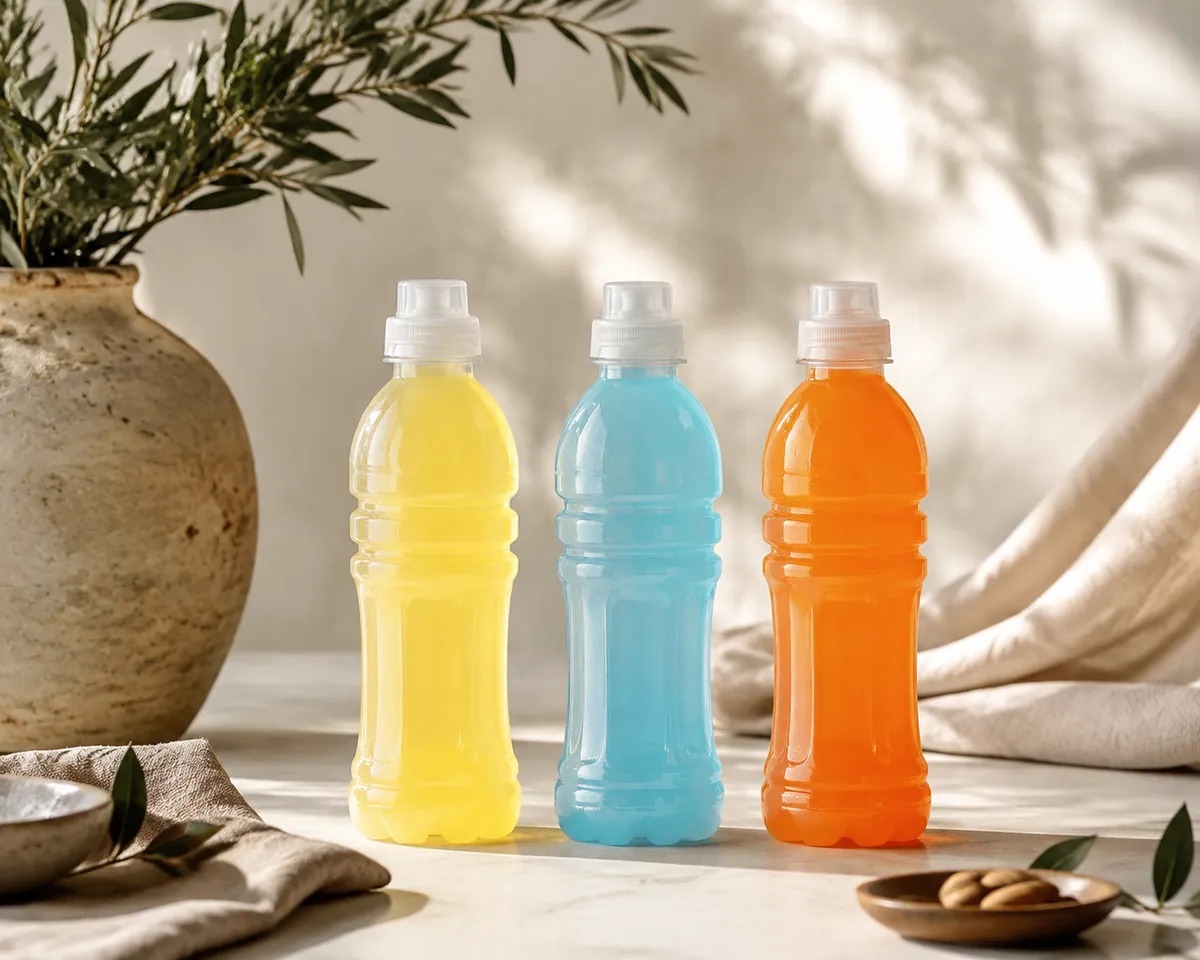
| Hypotonic | Isotonic | Hypertonic | |
|---|---|---|---|
| Concentration | Lower than body fluids | Similar to body fluids | Higher than body fluids |
| Carbohydrate | Under 4 g per 100 ml | 4 to 8 g per 100 ml | Above 8 g per 100 ml |
| Osmolality | Below about 280 mOsm/kg | Roughly 280 to 330 | Above 330 |
| Typical use | Marketed for fluid replacement | The commonest category | Marketed as an energy product |
| Taste | Thin, lightly flavoured | Moderately sweet | Noticeably syrupy |
Isotonic is a measurement, not a quality claim. It says the drink's dissolved particle concentration sits close to that of body fluids, which is a statement of chemistry and nothing more; most mainstream products land in that band at around 6 g of carbohydrate per 100 ml.
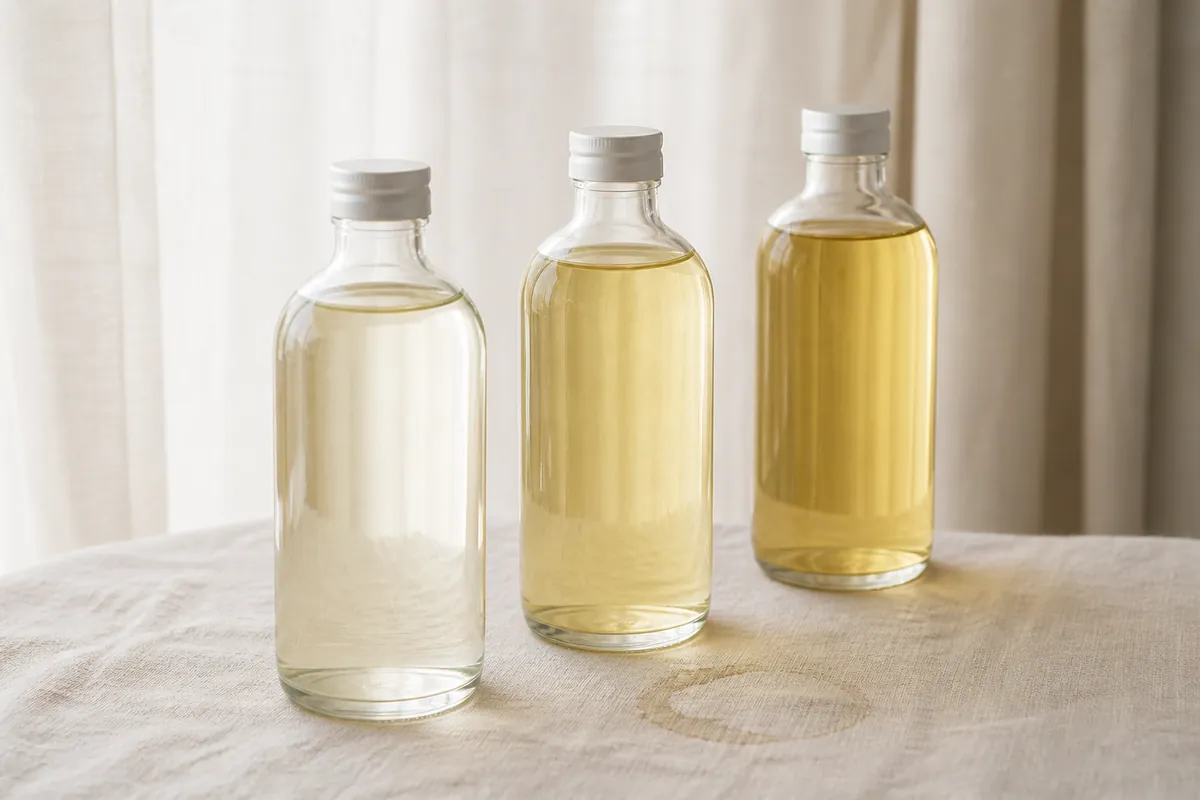
What follows from that is unusual among drinks and worth stating plainly: the category is a concentration rather than a recipe. A tea is a tea whether it is brewed strong or weak, but the same sports-drink powder moves between all three names depending on how much water it meets, and a ready-to-drink bottle is simply somebody else's decision about where on that scale to stop.
The same powder, mixed three ways
- Quarter strengthWell under 4 g per 100 ml. Hypotonic, barely sweet
- Half strengthAround 3 g per 100 ml. Still hypotonic
- Full strengthAround 6 g per 100 ml. Isotonic, the intended mix
- Double strengthAbove 8 g per 100 ml. Hypertonic and noticeably syrupy
Reading the shelf that way makes it legible in a way the front-of-pack language does not, and it is the single most useful idea to carry away from this page.
Water, sugar, salt, and the blend that hides the salt
The ingredients list on a sports drink is short, and almost every line has a defined job in the formulation rather than a decorative one.
A typical sports drink
- Water
- The bulk of it
- Carbohydrate
- Sucrose, glucose, fructose or maltodextrin, or a blend
- Sodium
- Usually 40 to 120 mg per 100 ml, as sodium chloride or citrate
- Potassium
- Present in smaller amounts, often around 10 to 30 mg per 100 ml
- Acid
- Citric acid, for flavour balance
- Flavour and colour
- The only components with no functional role
Sodium is the electrolyte that carries weight in the formulation. The others appear at levels that are small against what ordinary food supplies, and their appearance on a label often has more to do with completeness than with contribution.
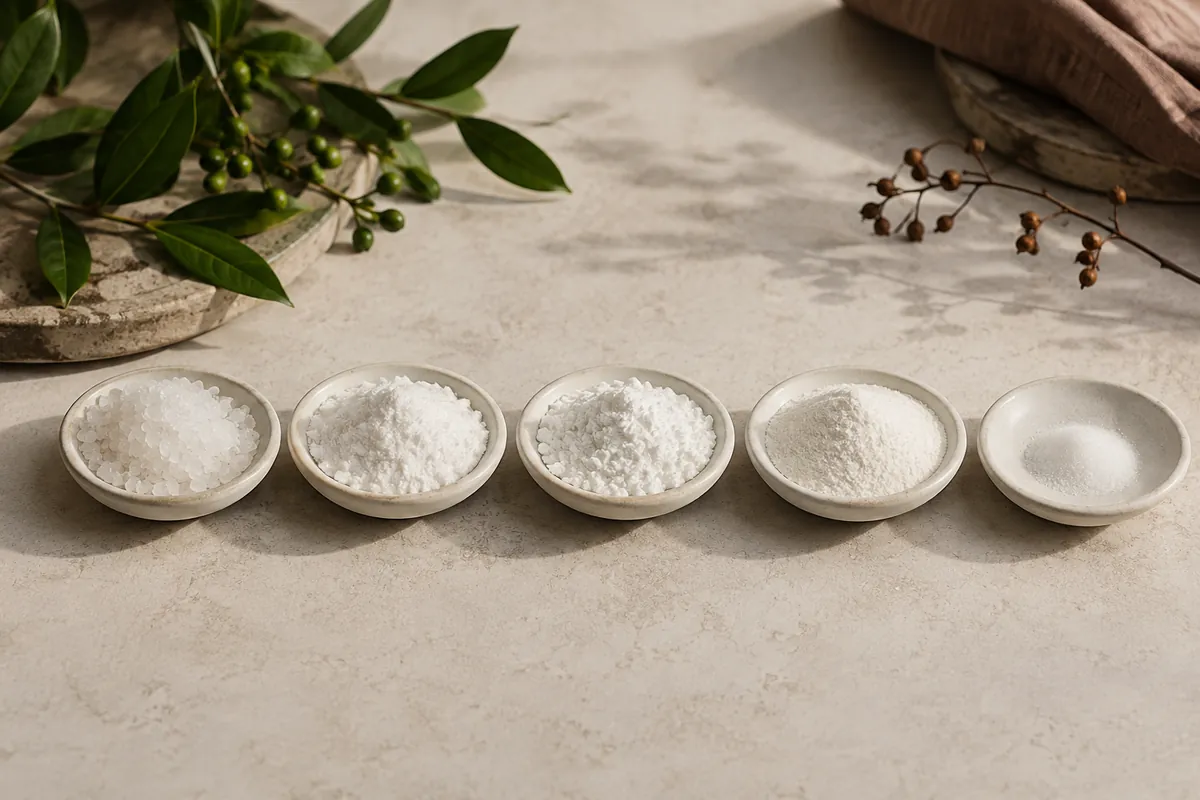
Sucrose
Ordinary table sugar. Cheap, sweet, and the most common.
Glucose
Less sweet than sucrose at the same concentration, so more can be included.
Fructose
Very sweet, and usually blended rather than used alone.
Maltodextrin
Barely sweet at all, which lets a drink carry more carbohydrate without tasting syrupy.
Which sugars go in is a genuine decision and it shows up in the glass. Maltodextrin is the one that changes the arithmetic: because it contributes almost no sweetness, a hypertonic product can carry twice the carbohydrate of an isotonic one without tasting twice as sweet, and that is also why some sports drinks read as oddly thin and faintly floury rather than sugary.
Cane sugar at the same concentration would be unmistakably sweet and would put a ceiling on how much could be dissolved before the drink became unpleasant.
Why they all taste of citrus and look like that
Sports drinks share a recognisable flavour, and it is the consequence of a formulation constraint rather than a house style.
The salt content is high enough to be detectable on the tongue, and it has to be covered. Acid and sweetness are the two tools available for that, which is why nearly every product in the category is citrus-adjacent and moderately sour: citric acid does the masking work, sugar softens what the acid leaves behind, and a lemon or lime direction is the flavour that most naturally accommodates both.
Formulators who try to build a sports drink around a soft, low-acid flavour find the salt coming through the middle of it.
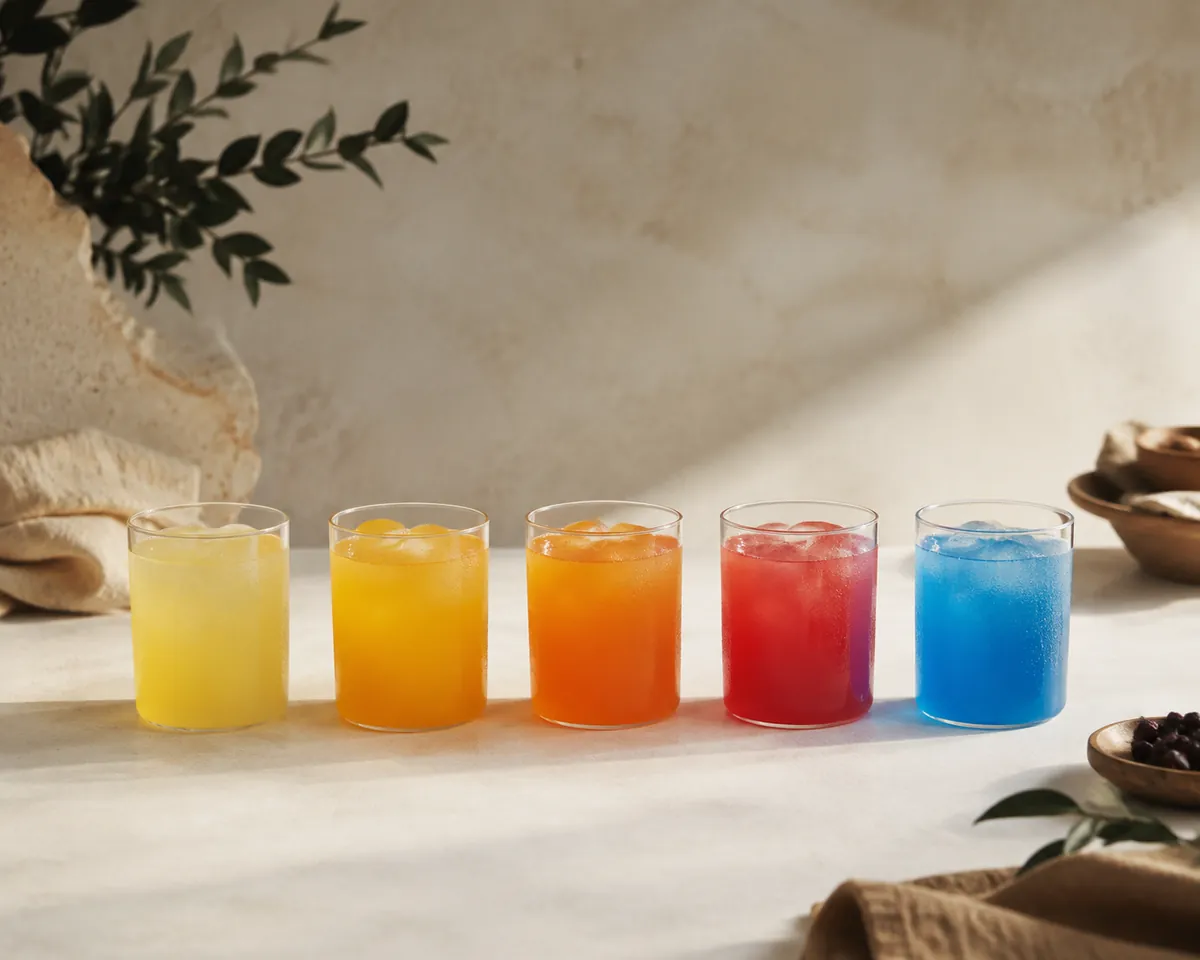
Colour is equally deliberate, and it is doing more than decoration. Flavour perception is strongly influenced by what the eye reports first, and the bright hues across this category are carrying part of the identity that the flavourings alone would not, in the same way that caramel colour shapes what people expect from a cola drink before it reaches the tongue.
Remove the colour and most tasters struggle to name what they are drinking, which is a well-documented effect and not peculiar to sports drinks.
The functional formula also leaves very little room to differentiate. Two isotonic products both have to sit near 6 g of carbohydrate and a comparable sodium figure per 100 ml, so nearly all the visible difference between brands is flavour direction, colour and bottle design, and the flavour directions narrow to citrus, berry and tropical because those three tolerate the necessary acidity.
Blind tasting the category is consequently harder than it sounds, and how one actually tastes against another rewards taking the bottle out of the equation.
Three figures, converted to per 100 ml
Sports drink labels are more informative than most, provided you know which lines matter and reduce them all to the same basis. Three numbers do nearly all the work, and every one of them is on the back of the bottle rather than the front.
- Carbohydrate per 100 ml is the number that places it in one of the three categories.
- Sodium per 100 ml varies widely between brands and is worth comparing directly.
- Check whether it is sugar-based or sweetener-based; zero-sugar versions are hypotonic by default.
- Look for added caffeine, which some formulations include and must declare.
- Ignore the front of the bottle. The nutrition panel carries all the meaningful information.
The three figures to compare
- Carbohydrate
- Per 100 ml. Places the drink in the hypotonic, isotonic or hypertonic band
- Sodium
- Per 100 ml. Varies more between brands than anything else
- Serving size
- The bottle may be 330, 500 or 750 ml, which changes everything
- Method
- Convert all three to per 100 ml before comparing
- Note
- Front-of-pack claims rarely correspond to these numbers
Serving size is what catches people out. A bottle that looks lower in sugar may simply be a smaller bottle, and once both are expressed per 100 ml the supposedly lighter one can turn out to be the more concentrated of the two.
Convert before comparing, or the exercise is a comparison of packaging.
Sodium is the figure that varies most and is advertised least. Two isotonic drinks with identical carbohydrate can differ threefold in sodium per 100 ml, which is a larger gap than anything the front of either bottle discusses, and it is the number that decides how salty the drink reads once it is cold.
Caffeine is the other line worth finding, since a minority of formulations carry it and it has to be declared; a caffeinated sports drink is a different proposition from the ordinary kind and the panel is the only place that says so.
The line between a sports drink and an electrolyte drink
Carbohydrate is what separates the two categories, and very little else does.
| Sports drink | Electrolyte drink | |
|---|---|---|
| Carbohydrate | Central. 4 to 8 g per 100 ml typically | Often minimal or none |
| Sodium | Moderate | Usually the headline ingredient |
| Format | Ready to drink | Often powder or tablet |
| Sweetness | Noticeable | Variable, often low |
| Flavour role | A large part of the product | Secondary |
Electrolyte drinks are the nearest relative on the shelf, and the boundary between the two is commercial rather than technical. A zero-sugar sports drink is, in composition, an electrolyte drink, and the name on the bottle follows the marketing department rather than the formulation sheet.
Sugar-free versions have become common enough to deserve their own description. Taking the carbohydrate out removes most of what defined the category, leaving water, salts, acid, flavour and a sweetener, which by concentration is hypotonic.
The taste changes with it: sugar contributes body as well as sweetness, so the zero version reads as thinner and lets the acidity come forward, which is why those products so often taste sharper than the ones they sit beside. Whether that is an improvement is a matter of preference, and an oral rehydration solution is a third thing again, formulated to a specification rather than to a taste.
How is a sports drink different from an energy drink?
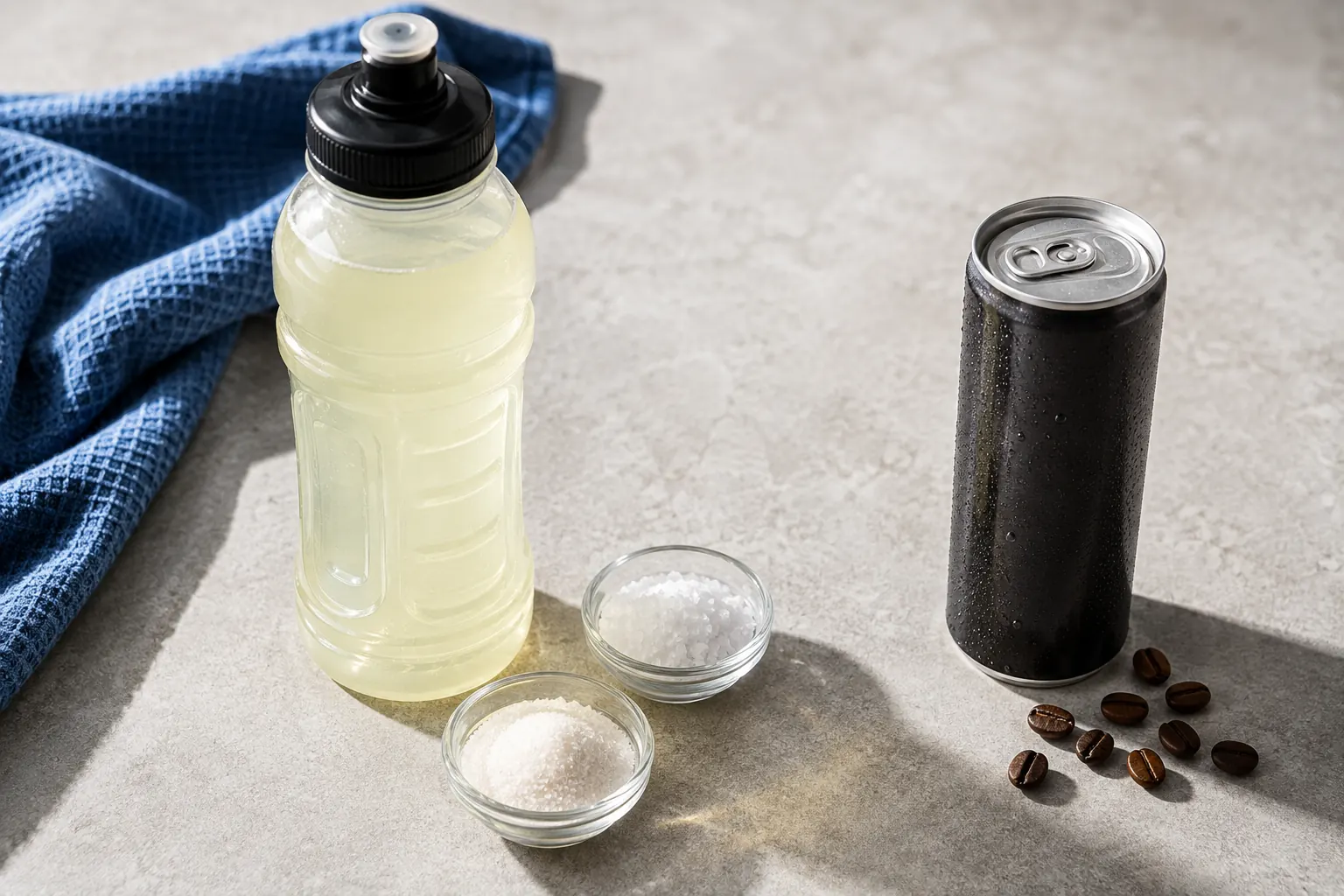
A sports drink is built around water, carbohydrate, and electrolytes at a chosen concentration. An energy drink is usually identified by caffeine and other stimulant ingredients, so similar cans, bright flavors, and sports imagery do not make the two categories interchangeable.
Most standard sports drinks are caffeine-free, although some product lines add it and must list it on the label. That exception makes the ingredient panel more useful than the name on the front, because caffeine changes the category question even when the bottle still says sports drink.
| Label clue | Sports drink | Energy drink |
|---|---|---|
| Core formulation | Water, carbohydrate, and electrolytes | Caffeine with sweeteners and other added ingredients |
| Caffeine | Usually absent, but check the panel | Common and normally declared |
| Electrolytes | Central to the category | Product-dependent |
| Carbohydrate | Often part of the concentration design | May be high, low, or absent |
| Packaging | Commonly a larger bottle | Commonly a smaller can |
The distinction is descriptive rather than advice about who should drink either one. Read the serving size, caffeine declaration, carbohydrate, and sodium together; those four lines reveal what the product contains more reliably than its color or shelf position.
Mixing an isotonic jug at home
Nothing about the composition is complicated, which makes this one of the few formulated drinks a kitchen can reproduce closely.
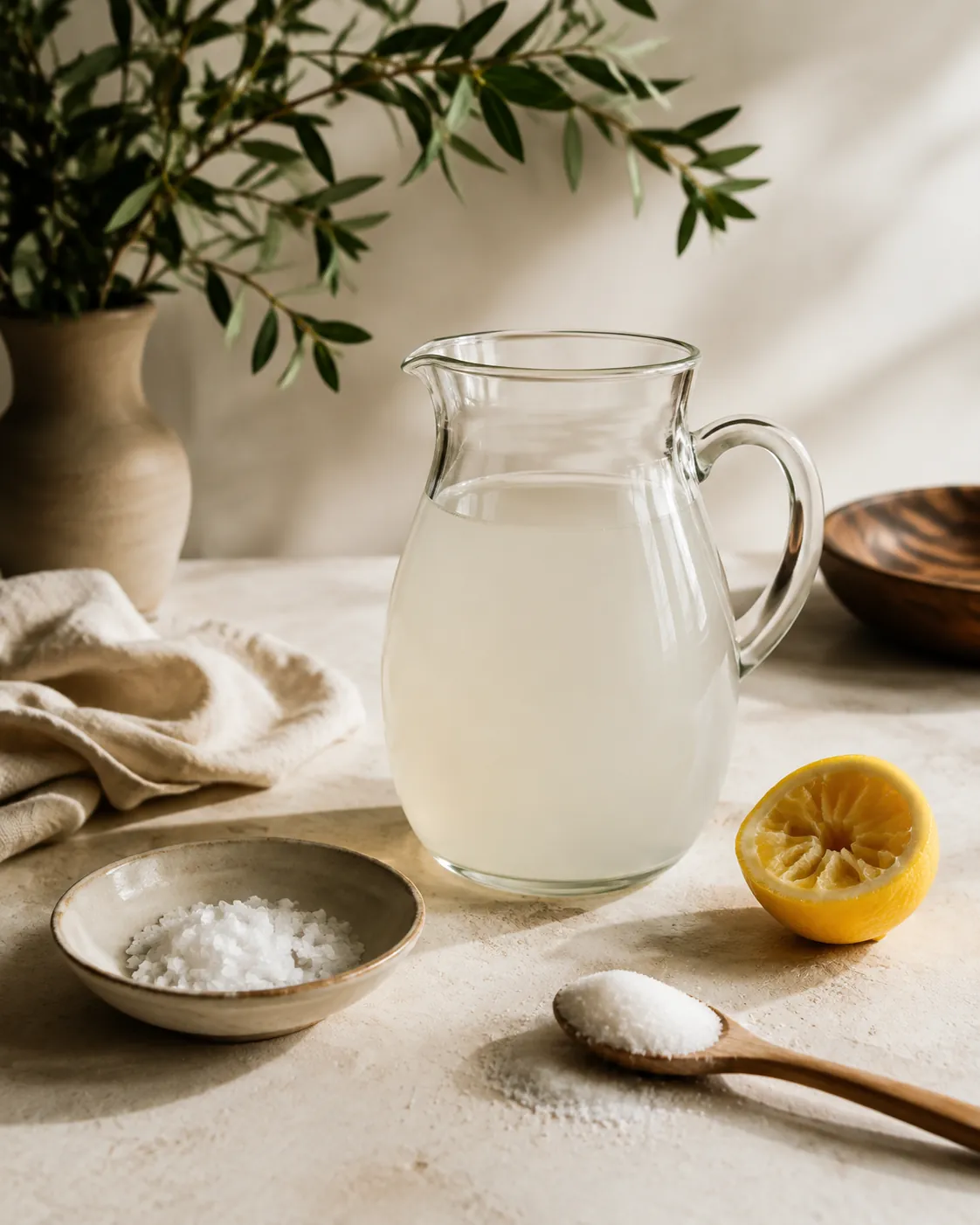
A basic isotonic mix
- Water
- 1 litre
- Sugar
- 60 g, which gives 6 g per 100 ml
- Salt
- About 1 g, roughly a quarter teaspoon
- Flavour
- Juice of one lemon or lime, or 100 ml fruit juice in place of some water
- Method
- Dissolve fully in a little warm water, then top up and chill
Fruit juice is the simplest route to the same place, since it already carries sugar and some potassium: diluting orange juice roughly one part to one part water lands close to the isotonic band without any weighing. Juice from a lemon then supplies the acidity that a commercial formulation gets from citric acid.
A home version tastes noticeably less sweet than a commercial one at the identical carbohydrate level, because the commercial product balances its salt with far more acid and flavouring than a kitchen would add. The gap is a matter of masking rather than of sugar, and the fuller method sits with making a sports drink.
Bottle, scoop or tablet
Three formats deliver the same formulation, and the choice between them is practical rather than compositional.
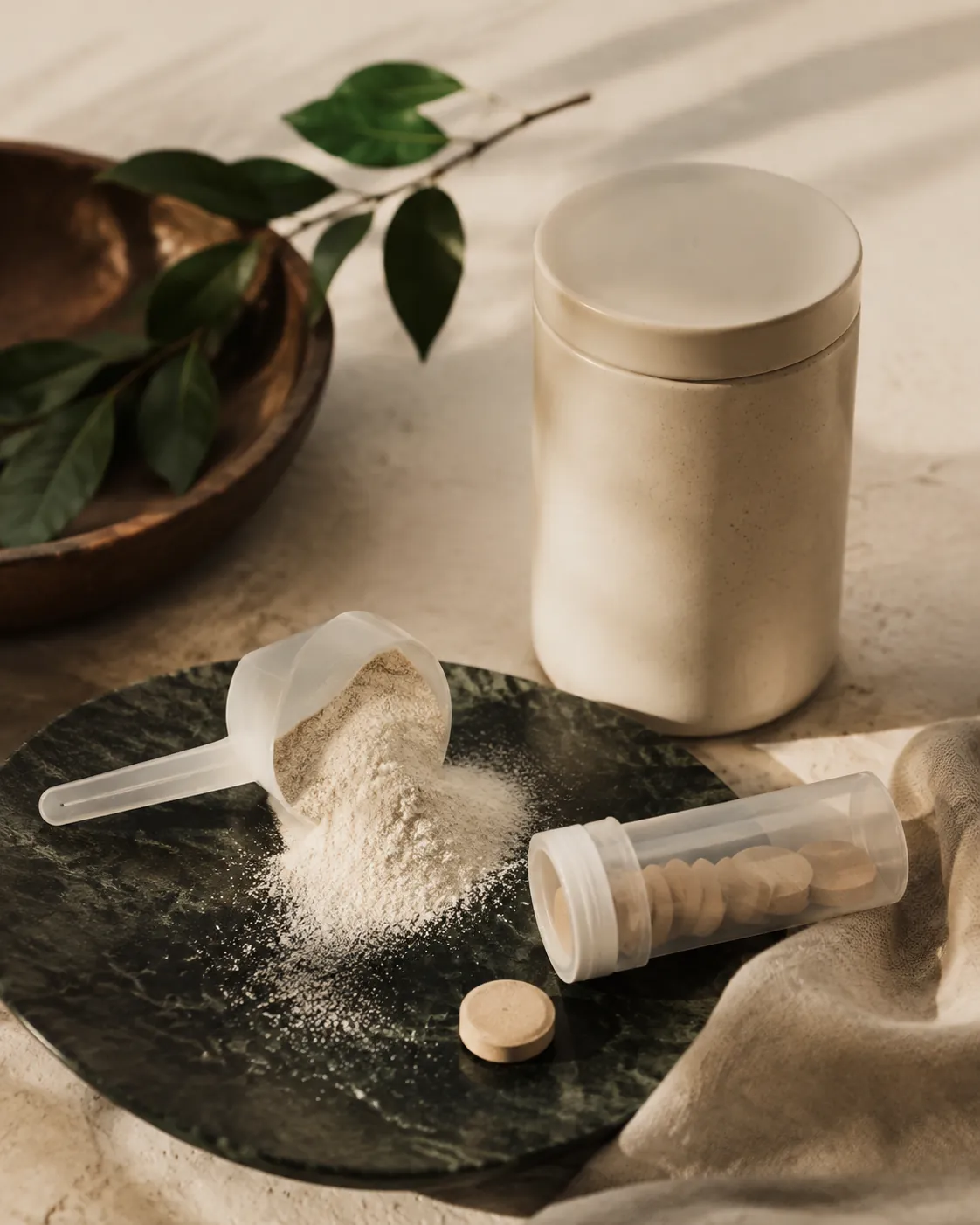
Ready to drink
Convenient, fixed concentration, heaviest and most expensive per litre.
Powder
Mix your own concentration, cheap per litre, needs measuring.
Effervescent tablets
Usually low or zero carbohydrate, so closer to an electrolyte product.
Concentrate
Dilute to taste. Less common, and easy to mix too strong.
Powder is the most flexible of the four, precisely because the category names are concentrations: the same scoop mixed into a litre is hypotonic and mixed into 500 ml is isotonic, which is equally true of most electrolyte-drink powders. That flexibility is also the trap, since a scoop levelled by eye covers a wide range and nothing on the tub tells you where you landed.
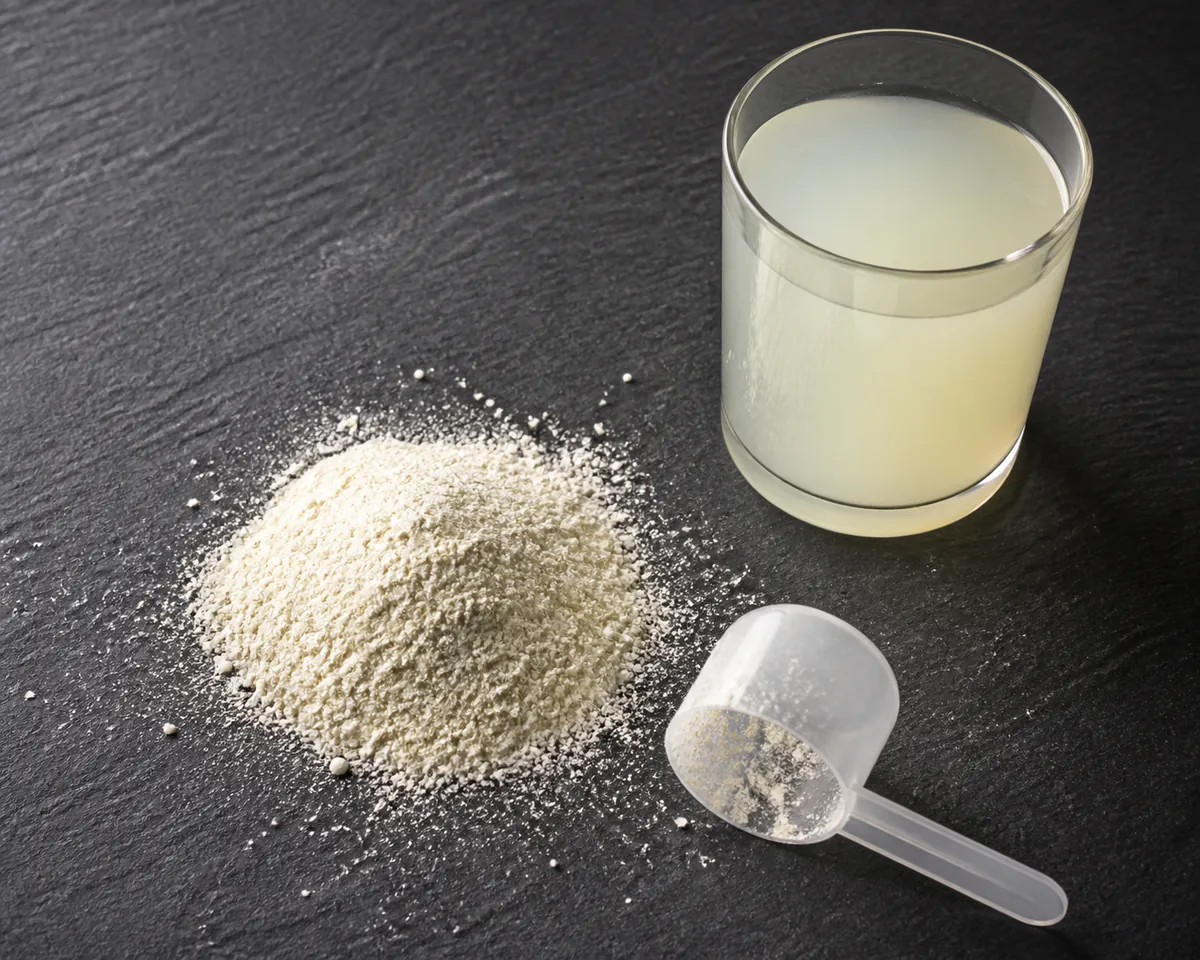
Anyone who finds the shop-bought version too sweet has a direct remedy in a powder mixed weak, which drops the carbohydrate while leaving the sodium figure comparatively little changed. A drink that comes out cloudy, gritty or far saltier than expected is usually a mixing fault rather than a bad tub, and those are covered under sports drink problems.
Serving cold, and how long an open bottle lasts
Storage demands on this category are light, and the one that matters is temperature at the point of drinking rather than in the cupboard.
Sealed at room temperature
Months. Acidity and sugar concentration both work in its favour.
Opened and refrigerated
A couple of days before the flavour dulls and the risk rises.
Opened and left warm
Nothing in a sugar solution prevents microbial growth. Discard it.
Powder in a sealed tub
Effectively indefinite, provided it stays dry and lump-free.
Sealed, a sports drink keeps for many months at room temperature, since there is nothing in it that spoils quickly and the acidity works in its favour. Once opened, the calculation changes: a sugar solution left warm has nothing preventing microbial growth, so refrigeration and a couple of days is the sensible outer limit, and storing a sports drink goes into what that means for a part-used powder as well.
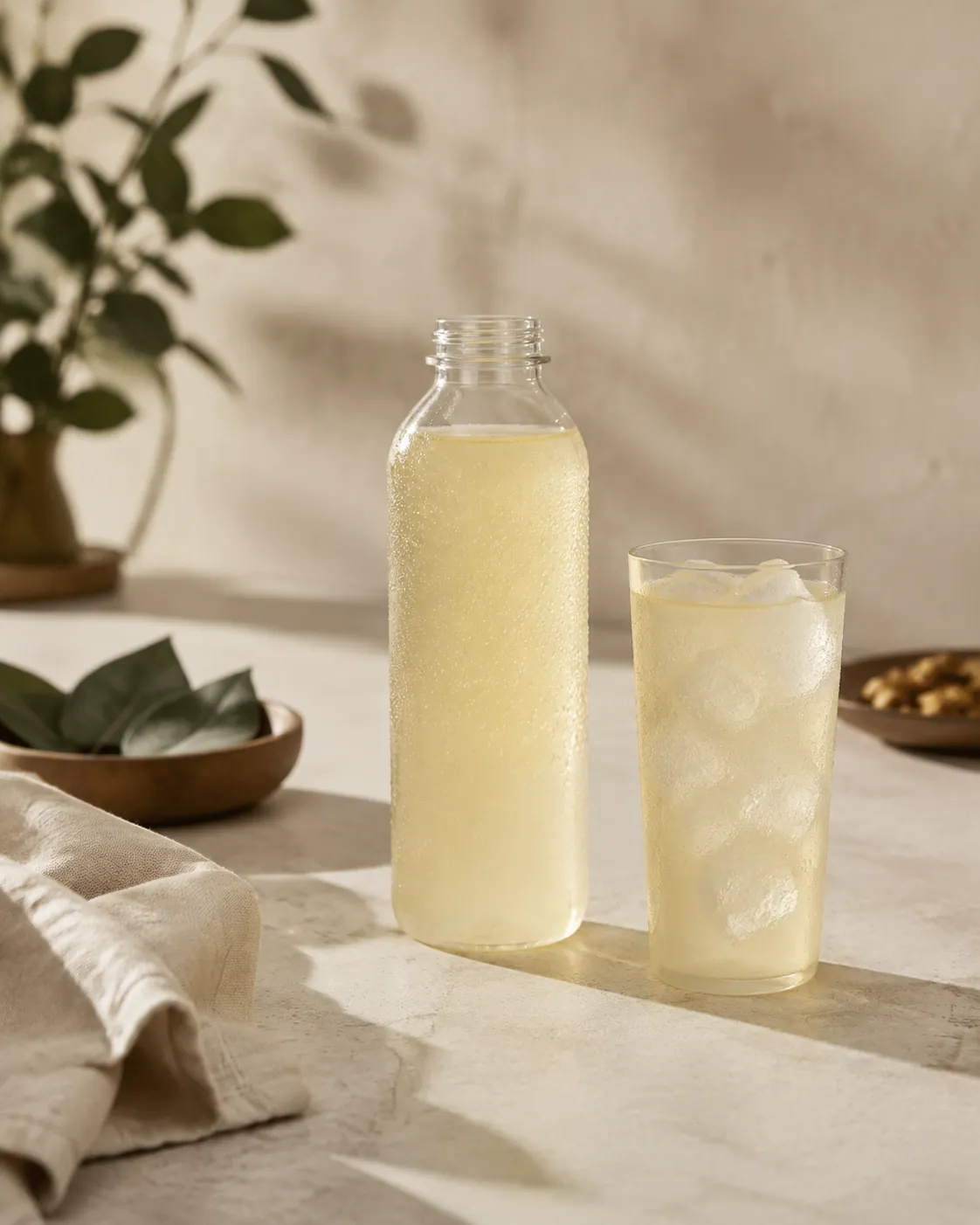
Serving temperature also changes the taste that is easy to mistake for a formulation difference. Sweetness reads as lower when a liquid is cold, so the same bottle tastes markedly more syrupy at room temperature than it does from a fridge, and serving cold is the cheapest fix for a drink that seems too sweet.
The effect runs in reverse for a bottled spring water, where chilling hides exactly the character the bottle was bought for. Powdered versions sidestep the whole question by taking almost no space to store and letting you choose the concentration rather than accepting the bottler's.
Where the formula came from
The shape of every product in this category traces back to one university laboratory and one narrow problem.
The first widely known sports drink was developed at an American university in the 1960s, and the difficulty it set out to solve was palatability rather than chemistry: plain water is dull to keep drinking in quantity when you are hot, and a little sugar and salt make a liquid far easier to go on swallowing. Everything since has been refinement of that same three-part idea of water, carbohydrate and sodium.
Maltodextrin, sugar blends, sweetener technology and flavour houses have all changed considerably; the underlying structure has not moved. That is why the category is so uniform, and why two mainstream isotonic drinks differ mostly in colour and flavour direction.
The functional composition has a narrow window to sit in, and once a formulator is inside it there is very little left to vary.
What sits either side of it
Two neighbours flank this category on the shelf, and each of them drops one of its two defining components.
An electrolyte drink keeps the salts and loses the sugar, which is the reason a zero-sugar sports drink is one of those under a different name. The liquid inside a young coconut does the opposite in its own way, carrying its own sugars and a great deal of potassium with comparatively little sodium, which makes it a third profile rather than a natural version of either; the direct comparison of the two turns on that ratio.
The fourth point on the map is plain water with a pinch of salt, and it costs almost nothing. What a manufactured product adds beyond it is flavour, consistency and a stated composition, which is a real set of things to be buying and a smaller one than the packaging suggests.
Where the water itself comes from matters here too, since a powder inherits whatever the tap supplied, and brewing water covers what that means.
Common questions
What does isotonic actually mean?
That the drink's concentration of dissolved particles is close to that of body fluids, typically 4 to 8 g of carbohydrate per 100 ml and around 280 to 330 mOsm/kg. It is a measurement of concentration, not a quality claim.
Can you make a sports drink at home?
Yes. Roughly 60 g of sugar and 1 g of salt per litre of water, flavoured with citrus, lands in the isotonic band. Dissolve the salt in warm water first, since it dissolves poorly cold.