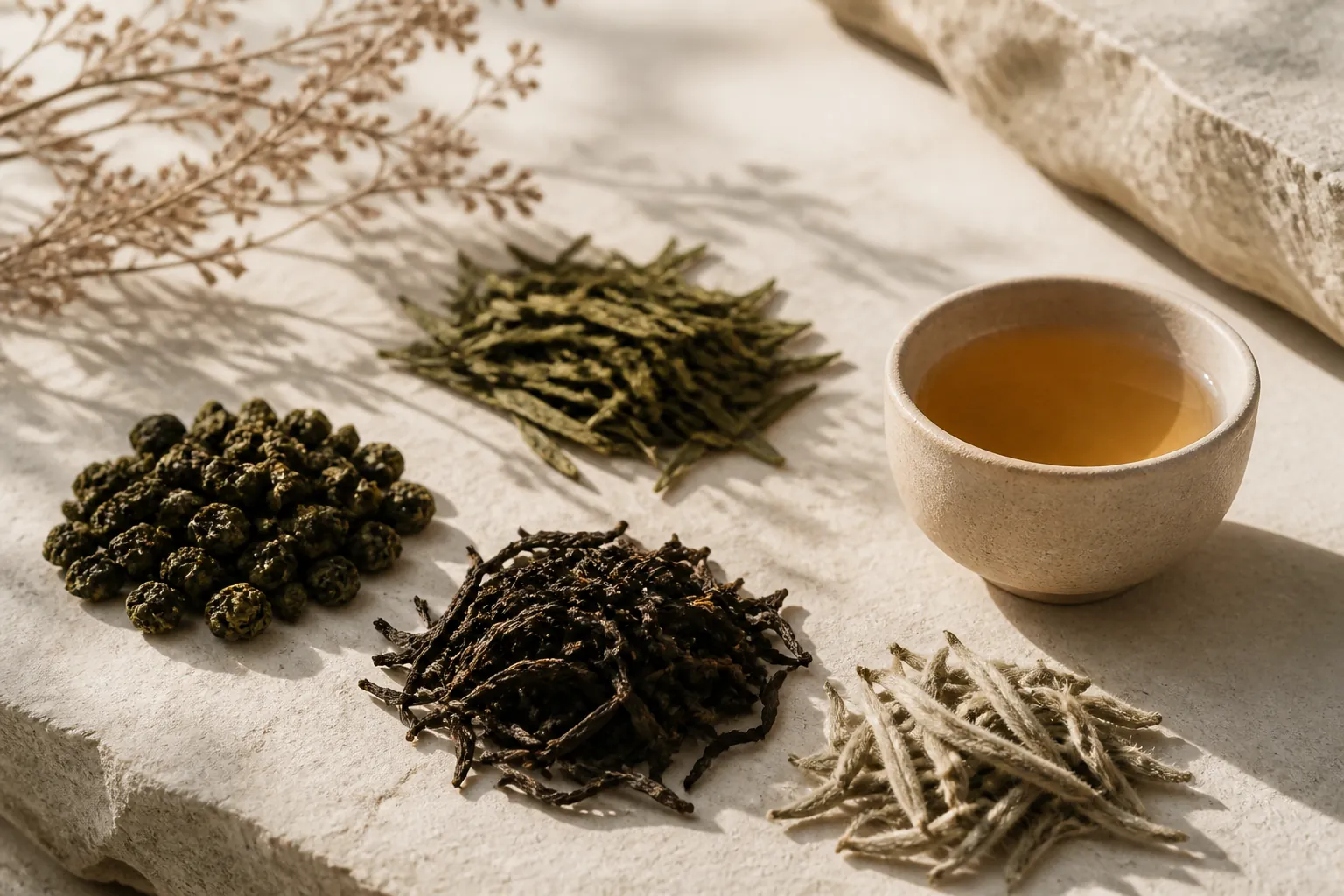
Green Tea, and Why It Is So Easy to Ruin
Green tea is the style with the narrowest brewing window. It is heated early to stop oxidation, which keeps it fresh and grassy but leaves it with very little tolerance for water that is too hot or a steep that runs too long.
Green tea is the style that punishes carelessness fastest, and almost every complaint about it traces back to one of two numbers: the temperature of the water and the length of the steep. Heat applied to the leaf within hours of picking stops oxidation and keeps the fresh, grassy character, and that same lack of oxidation is what leaves the finished tea with so little tolerance in the pot.
The practical consequence is that green tea is the one category where a kettle brought to a full boil is a mistake rather than a shortcut. Water in the seventies to low eighties extracts the sweetness and the savoury notes and leaves most of the bitterness in the leaf; water at a hundred takes everything at once, and no adjustment afterwards recovers the cup.
Three things follow from that narrow window. The leaf itself matters, because cultivar and the split between Chinese pan-firing and Japanese steaming change where the window sits. Bitterness matters most of all, since it is the fault people meet first and the one with the clearest mechanism behind it. And the Japanese steamed teas run tighter rules again than the category as a whole.
Origin decides where the window sits before you touch the kettle. Chinese green teas are pan-fired, which leaves them nutty and mellow and comparatively forgiving; Japanese greens are steamed, which keeps them vividly green and markedly more savoury and moves the safe temperature down again. A packet that does not say which it is has told you nothing useful about how to brew it.
Leaf grade matters in the same direction. Broken leaf and dust extract far faster than whole leaf, so a bagged green tea reaches bitterness in a fraction of the time a loose leaf takes, and the three minutes printed on the box is usually a minute too long for it.
The one habit that fixes most cups is to under-steep deliberately and taste. A green tea pulled early can always go back in the water; one left too long cannot be recovered by dilution, by sugar or by milk, because what has come out of the leaf is already in the cup.
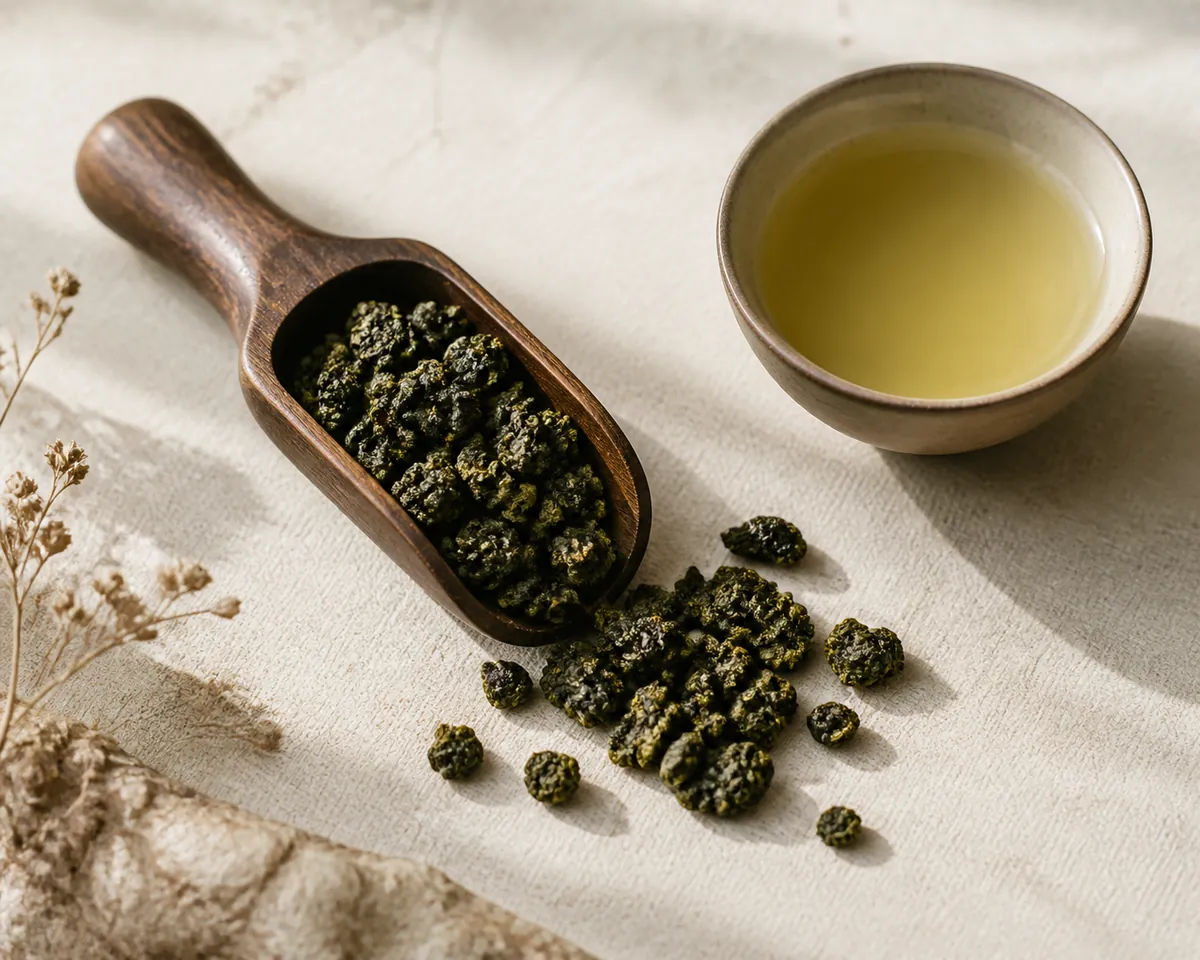
What Is Green Tea? The Decision Made in the Hours After Picking
Green tea and black tea grow on the same bush. What separates them is a decision made in the hours after the leaf is...
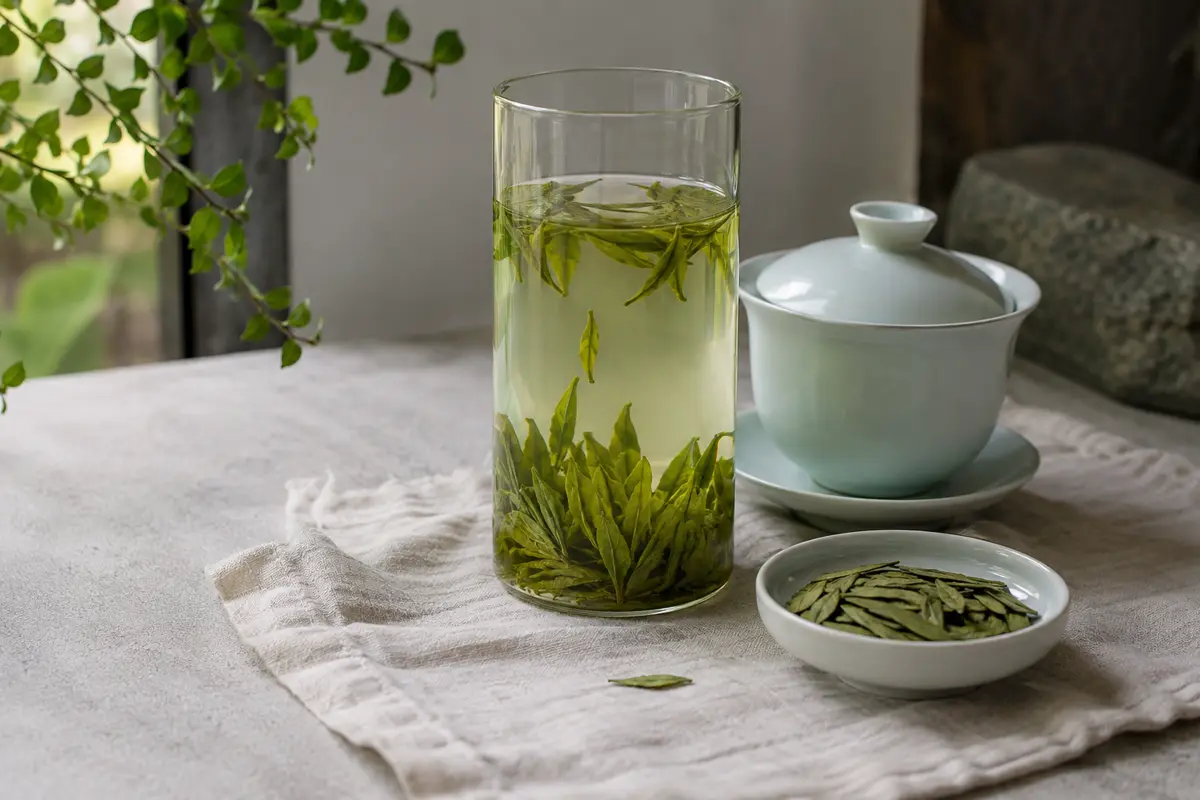
How to Make Dragon Well Tea Without Losing Its Sweetness
Flat Dragon Well leaves show their progress as they stand, open, and sink. Moderate water and short first infusions...
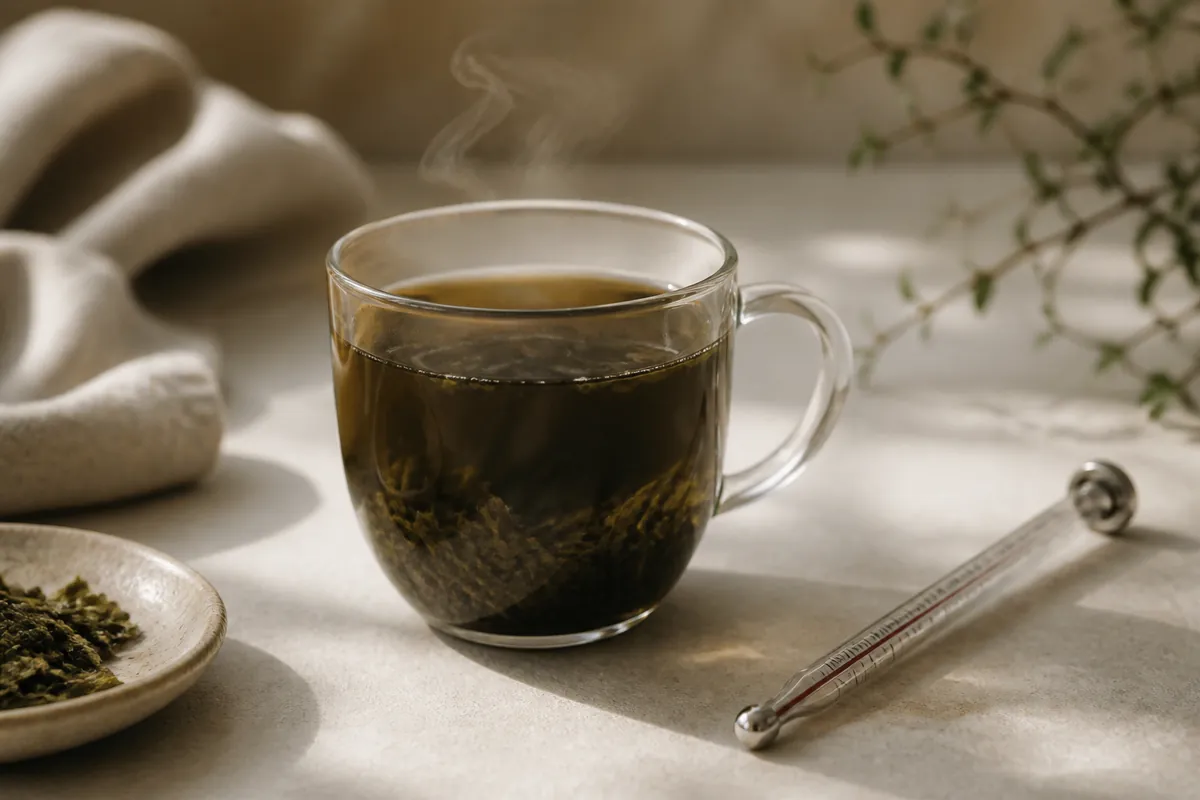
Why Does Green Tea Taste Bitter? Heat, Time, and Leaf Quantity
Nearly all bitter green tea comes down to two things: water that was too hot, or a steep that ran too long. Both pull...
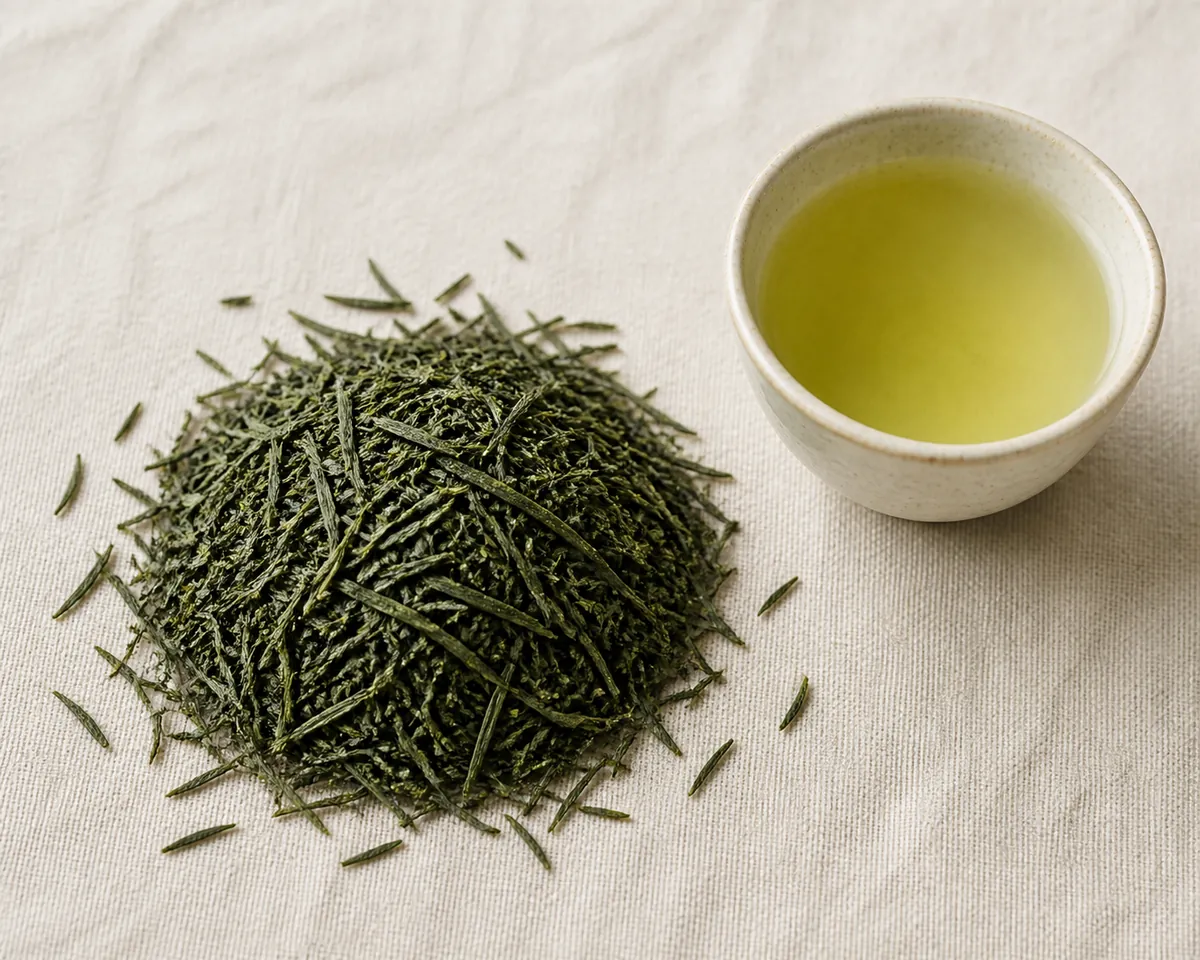
What Is Sencha? Why Steaming Time Decides the Cup
Sencha accounts for most of the tea drunk in Japan. The variable that separates one from another is not origin or grade...