Cold Brew, Steeped Slow
Cold brew extracts with time instead of heat, over many hours rather than a few minutes. That changes which compounds end up in the cup and gives it a flavour profile of its own.
Cold brew replaces heat with time, and that single substitution decides everything else about it. Twelve to sixteen hours in cold water extracts the sugars and the chocolate and caramel notes almost completely while barely touching the fruit acids and the bitter compounds, because both of those need heat as well as duration to come out of the grounds.
What arrives is therefore sweeter and rounder than the same beans brewed hot, and noticeably flatter. Nothing was added to make it sweet; the acidity that would normally balance the sugars simply never made it into the water. That also makes it a poor way to taste an expensive single origin and an excellent way to make a large batch of pleasant coffee from something ordinary.
Most cold brew is made as a concentrate and diluted afterwards, which is the source of nearly every complaint that it is too strong. That also explains why cold brew and iced coffee are different drinks rather than two names for one: the second is brewed hot and chilled, and keeps the acidity the first never extracted.
Grind is the variable people get wrong first. Cold water extracts slowly, so the instinct is to grind finer and compensate, and that produces a cloudy, muddy concentrate that is difficult to filter and tastes of the fines rather than the coffee. Coarse and even is the answer, which makes the grinder the piece of equipment that decides the result.
Time is more forgiving than any other brewing variable on this site. Twelve hours and eighteen hours both give a drinkable concentrate, and the difference between them is strength rather than quality, so a batch forgotten overnight is not a batch ruined.
Keeping it is where the method pays off. A sealed concentrate holds in the fridge for a week or more with very little change, because the acids that would normally turn a brewed coffee stale were never extracted. That, rather than the taste, is the reason cold brew suits a household that drinks coffee through the week.

What Does Cold Brew Taste Like? Rounder, Sweeter, Less Acid
Cold brew tastes rounder and sweeter than hot coffee, with much less acidity and more chocolate, nut, and dried fruit...
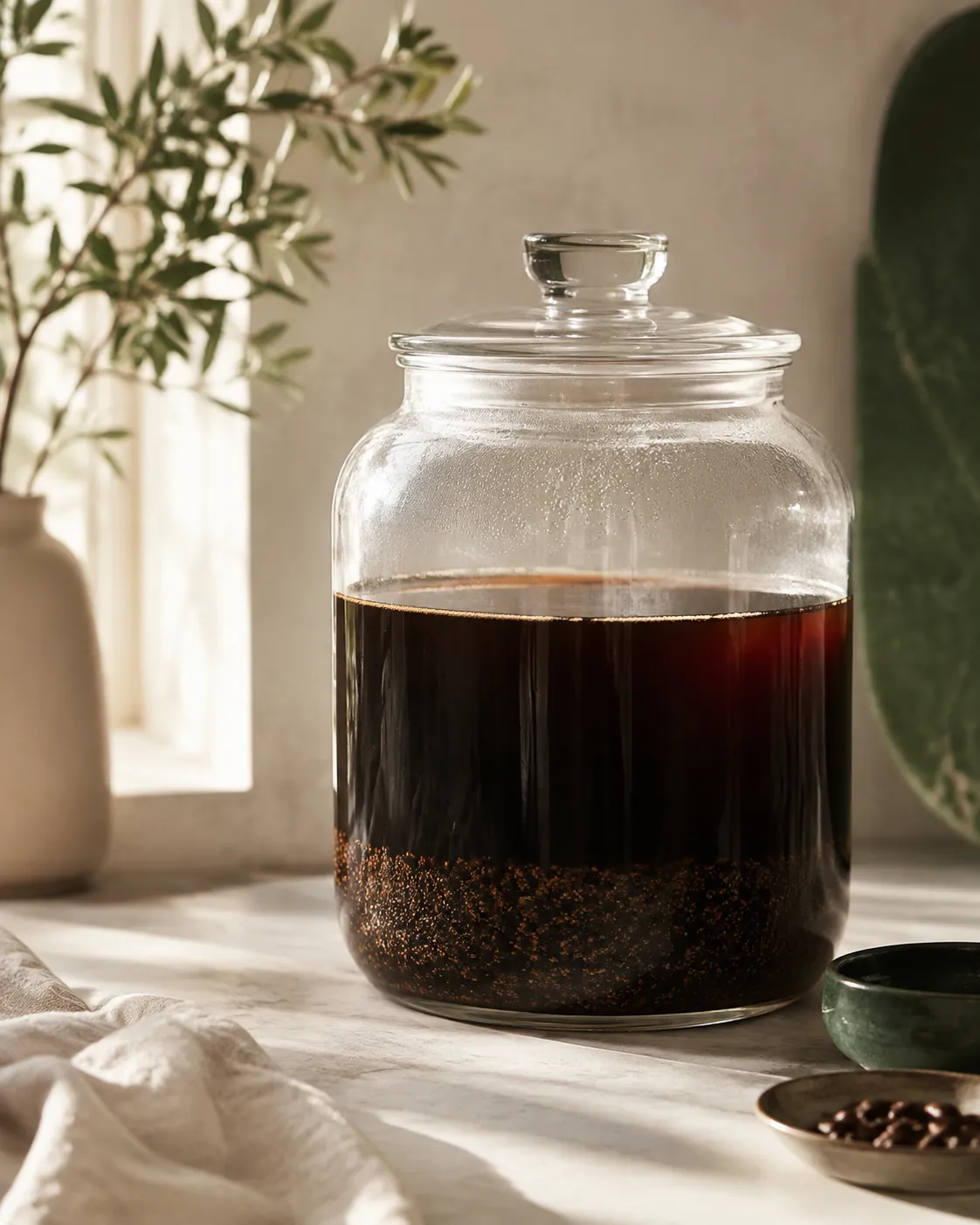
How to Make Cold Brew: Five Numbers and One Procedure
Cold brew has five numbers and one procedure. Get the ratio, the grind, the vessel, the clock and the strain right and...
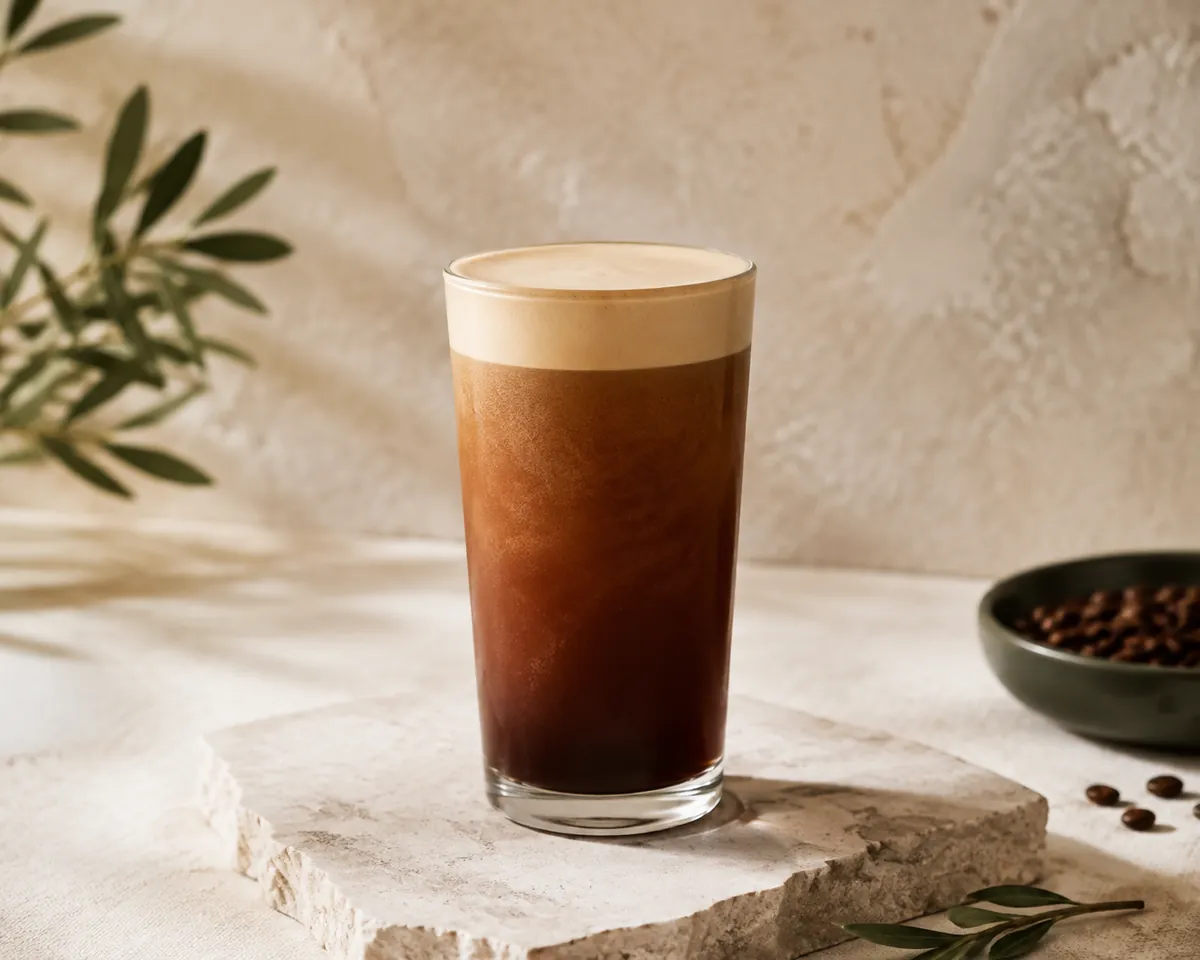
What Is Nitro Coffee? Why Nitrogen Behaves Unlike Carbon Dioxide
Nitrogen is poorly soluble in water, which is the entire reason this drink exists. It leaves solution as bubbles small...

What Is Cold Brew Coffee? Why Temperature Matters, Not Time
Cold brew is coffee steeped in cold water for many hours rather than brewed with heat. Temperature, not time, is what...